
Best Medical Assistant Training Programs & Trade Schools - Top Medical Assistant Schools in Media for 2026

Co-Founder and Chief Data Scientist
If you're considering a career as a medical assistant in Media, choosing the right trade school is a crucial first step. This article introduces a carefully crafted ranking of medical assistant trade school programs developed by the Research.com team of data scientists to help you make an informed decision.
Exploring these top programs will guide you toward schools that offer valuable training and certifications, opening doors to a rewarding healthcare career. Whether you seek job stability or personal fulfillment, earning a medical assistant diploma can be a positive life change.
Key benefits of finishing medical assistant trade school in Media
- Graduates in Media can expect an average salary of around $39,698 per year, with hourly wages averaging $23.46, offering a strong financial start in the healthcare field.
- Many graduates from popular local trade schools find diverse career paths, including working in clinics, hospitals, or specialized medical offices, providing valuable experience and growth opportunities.
- Completing a medical assistant trade school online offers flexibility and convenience, allowing students to balance studies with personal commitments while still gaining practical skills, as seen with successful online graduates in Media.
- Best Medical Assistant Training Programs & Trade Schools - Top Medical Assistant Schools in Media for 2026
- What can I expect from medical assistant trade schools in Media?
- Where can I work after finishing medical assistant trade schools in Media?
What can I expect from medical assistant trade schools in Media?
Enrolling in a medical assistant trade school program in Media means diving into a curriculum that balances clinical skills with administrative know-how. Graduates often share how rewarding it felt to master tasks like taking vital signs, managing patient records, and assisting healthcare professionals early on in their training. Many students appreciate that programs emphasize communication and professionalism, helping them build confidence for real patient interactions.
Popular trade schools in Media often include hands-on externships, where students gain unpaid, supervised experience in local clinics. This immersive environment allows students to apply classroom knowledge directly, boosting their readiness for the workforce. Graduates frequently recall how these externships made them feel prepared and valued by healthcare teams.
Expect to meet admission requirements such as a high school diploma or GED, and possibly take placement tests. Beyond tuition, students plan for extra costs like uniforms and supplies. Many programs offer flexible day and evening classes, which graduates say made balancing school with personal life much easier.
Upon finishing, students receive certificates qualifying them for national certification exams. Some Media trade schools boast pass rates well above the national average, inspiring confidence in future success and career growth.
Where can I work after finishing medical assistant trade schools in Media?
After completing a medical assistant trade school program in Media, graduates often find themselves stepping into diverse roles across the local healthcare landscape. Many report securing jobs in busy physician offices or outpatient clinics, where they assist with patient intake, vital sign checks, and scheduling. Others thrive in hospitals or urgent care centers, gaining hands-on experience with patient care and administrative responsibilities. Popular trade schools in Media prepare students to confidently handle these duties, making graduates highly sought after by employers like Main Line Health and Tower Health.
Graduates frequently describe the excitement of working in specialized practices such as pediatrics or orthopedics, where their skills directly impact patient outcomes. Some enjoy the flexibility of part-time or overnight shifts, which suit different lifestyles and commitments. Career paths can quickly evolve from entry-level roles to positions like Clinic Coordinator or Patient Care Technician, reflecting the strong demand and room for growth in Media's healthcare sector. These opportunities make the effort put into local trade programs feel truly rewarding.
Graduates of medical assistant trade schools in Media often find themselves earning between $19.94 and $21.00 per hour shortly after finishing their programs. This hourly wage translates to an annual salary of roughly $41,500 to $44,200, which many recent completers describe as a solid start to their healthcare careers. Those who pursue certification, like becoming a Certified Medical Assistant (CMA), report even higher earnings, with average salaries around $43,125 annually.
One graduate shared how earning certification helped boost their confidence and paycheck, moving their salary closer to the upper range of $47,359, with top earners in Media reaching up to $51,214. Clinical medical assistants in the area typically bring home about $20.50 per hour, and graduates from popular trade schools in Media say that gaining hands-on experience there helped them confidently step into these roles.
Living near Philadelphia, many graduates appreciate the higher pay compared to rural parts of Pennsylvania, with annual wages between $35,200 and $46,890. Overall, completing a medical assistant program in Media opens doors to steady, rewarding employment with promising growth.
- Admission requires a high school diploma or GED, an application, and sometimes background checks and placement tests.
- Program length ranges from 4 months for online certificates to 11 months for full-time campus programs with 1,120 clock hours.
- Tuition costs vary from about $12,998 for campus programs to $79 per month for online self-paced options, with extra fees for materials and exams.
- Graduates can take certification exams like CMA or CCMA, with some programs reporting a 95% pass rate.
- Job placement rates are high, with roles including medical assistant, medical secretary, and phlebotomist.
- Starting salaries in Pennsylvania range from $33,000 to $38,000 annually, with potential to exceed $45,000 with experience.
Completing a medical assistant trade school program in Media typically takes around 9 to 12 months, making it an accessible option for those eager to enter the healthcare field quickly. Graduates from popular Media trade schools often share how this timeframe allowed them to balance studies with part-time work or family commitments, fueling a sense of accomplishment without overwhelming pressure.
Many students appreciate the hands-on training woven into these programs, which accelerates learning and builds confidence early on. For example, at well-regarded schools in Media, practical clinical experiences start within the first few months, helping students visualize their future roles and stay motivated.
One graduate recalled feeling energized by the fast pace and real-world skills gained, which made the program feel both challenging and rewarding. This kind of immersive experience in Media's trade schools fosters a community of learners who support each other, making the journey feel less solitary and more inspiring.
With programs designed to fit busy lifestyles, Media's medical assistant trade schools offer a promising path for those ready to jumpstart their healthcare careers without years of delay.
The core difference between online and on-campus medical assistant trade school programs in Media centers on how students engage with their coursework and clinical training. Graduates from online programs often describe the flexibility of completing theory classes remotely through platforms like those used by South Hills School of Business & Technology, which blends digital lessons with essential hands-on clinical hours at nearby healthcare sites. This setup suits those juggling work or family, offering a sense of control and accomplishment as they manage their schedules independently.
On the other hand, graduates of on-campus programs, such as those at Delaware County Community College, highlight the immersive experience of daily in-person classes and labs. They value immediate feedback from instructors and the camaraderie built with peers during supervised clinical externships. These students often feel more connected and supported, benefiting from the structure and resources available on campus.
Both paths prepare Media students to confidently face national certification exams, but choosing between them often depends on personal learning preferences and life circumstances.
Students enrolling in a medical assistant trade school in Media should anticipate an average tuition for medical assistant programs in Media Pennsylvania ranging widely, often between $1,550 and $30,000. This variation reflects differences in program length, school reputation, and included resources. Graduates from popular local trade schools often describe their tuition as an investment, noting the value of hands-on training and real-world experience gained during the roughly 14-month Certificate of Proficiency programs available, such as those offered by Delaware County Community College. The balance between cost and quality often influences satisfaction post-graduation.
The cost of medical assistant diploma programs in Media PA is rarely limited to tuition alone. Many students share that budgeting for uniforms, textbooks, and exam fees adds an extra $1,000 to $3,000 to their overall expenses. Despite these additional costs, the excitement of securing practical skills and preparing for certification exams energizes learners, making the financial commitment feel worthwhile. Many schools in Media also assist students in navigating federal aid programs and local scholarships, improving accessibility to those concerned about upfront expenses.
Recent graduates frequently emphasize the importance of financial aid combined with personal determination to manage costs effectively. Exploring options like Pell Grants or grants provided by the Pennsylvania Higher Education Assistance Agency can ease the burden noticeably. This support, along with the motivation drawn from anticipated career outcomes, encourages many students to pursue their medical assistant goals confidently. For those considering related career paths, understanding the aesthetic medical assistant salary can provide additional context for long-term professional planning.

Students pursuing medical assistant programs in Media often find a range of financial aid options that make their goals feel achievable. Graduates from the Pennsylvania Institute of Technology recall how completing the FAFSA unlocked access to Pell Grants and subsidized loans, easing the burden of tuition costs significantly. Many were surprised by how much state grants from the Pennsylvania Higher Education Assistance Agency (PHEAA) helped reduce out-of-pocket expenses.
Trade schools in Media also offer school-specific scholarships and private loan programs, giving students multiple pathways to fund their education. For instance, some graduates from nearby All-State Career School shared how flexible payment plans allowed them to focus on their studies without constant financial stress. Financial aid advisors at these institutions played a crucial role in guiding students through applications, turning a potentially overwhelming process into a manageable one.
Beyond tuition, students learn to budget for essentials like uniforms and insurance, which may not always be covered by aid. Yet, knowing there's support available at every step brings a sense of confidence and relief to many entering this rewarding career path.
Enrolling in a medical assistant trade school program in Media typically requires a few straightforward prerequisites, designed to ensure students are ready and confident to begin hands-on healthcare training. Most popular trade schools in Media expect applicants to have a high school diploma or GED, which sets the foundation for understanding medical terminology and basic science concepts.
Graduates often mention that having a genuine interest in patient care and strong communication skills really helps them thrive. Some schools also suggest or require:
- Passing a background check to guarantee patient safety and trust
- Proof of immunizations to comply with health regulations
- Basic computer literacy, as electronic health records are a key part of training
Many students recall feeling excited when they met these entry criteria, knowing they were taking the first step toward a rewarding career. Trade schools in Media create a supportive environment where meeting these prerequisites opens doors to practical training and meaningful patient interactions from day one.
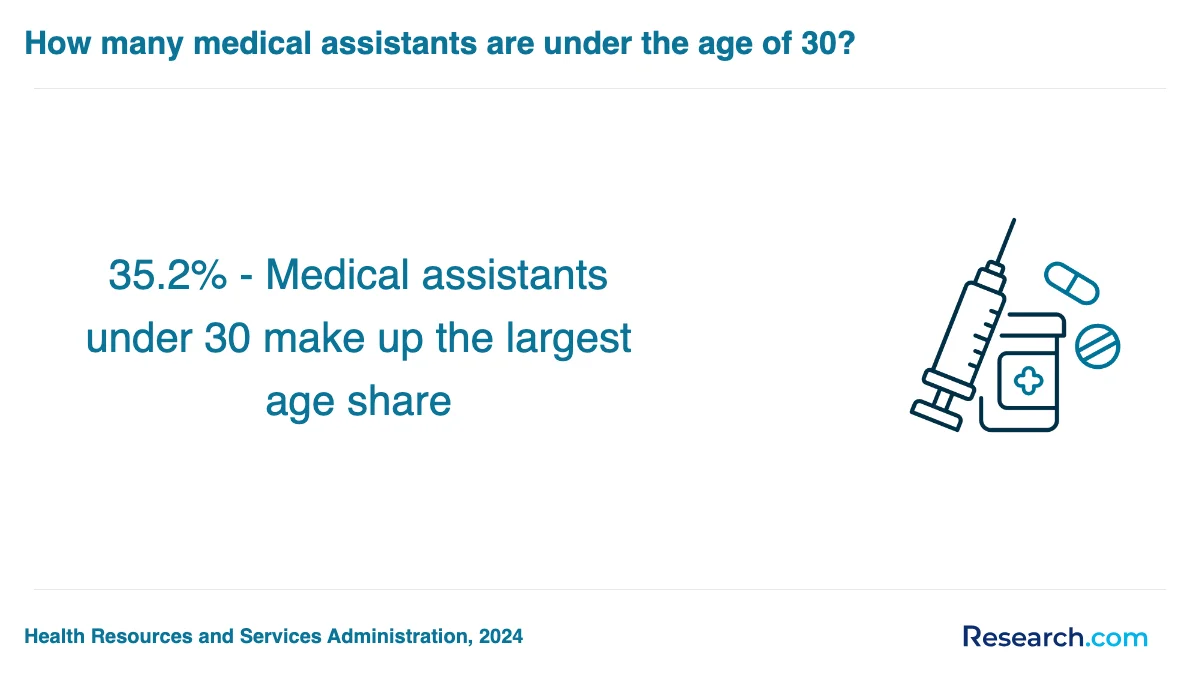
Medical assistant trade school programs in Media typically include a blend of clinical and administrative courses designed to prepare students for real-world healthcare settings. Graduates often recall how foundational classes like medical terminology, anatomy, and physiology gave them the confidence to understand patient needs clearly and communicate effectively with physicians.
Hands-on clinical training is a highlight, with courses covering:
- Taking vital signs and performing EKGs
- Phlebotomy and assisting with minor surgical procedures
- Externships in local clinics providing invaluable real-world experience
Administrative coursework also plays a vital role. Students learn to manage electronic health records, patient scheduling, and medical billing-skills that graduates describe as empowering during their first job interviews.
Many students appreciate the focus on legal and ethical standards and the emphasis on professional communication, which helps them navigate patient interactions with empathy and respect. Popular Media trade schools, such as Delaware County Community College, are known for balancing theory with practical experience, making students feel ready and excited to enter the workforce.
Medical assistant trade school programs in Media commonly feature a blend of specializations tailored to match the evolving demands of healthcare. Among the most popular are clinical and administrative tracks, allowing students to focus on hands-on patient care or the organizational backbone of medical offices. Graduates from Media's programs often speak with enthusiasm about their experiences gaining practical skills like phlebotomy, EKG technician work, and patient-care techniques, especially those enrolled at schools like the Pennsylvania Institute of Technology.
Those pursuing the medical assistant program specializations in Media PA frequently mention courses in medical billing, office management, and insurance claims, equipping them to thrive in administrative roles. For example, graduates from Delaware County Community College highlight the confidence they gained in medical coding concepts and managing complex healthcare workflows.
Some students also engage in laboratory-focused training, preparing for roles as lab technicians, which expands their career versatility. This variety empowers learners to choose paths that resonate personally and professionally, a factor contributing to their satisfaction.
Hands-on externships at local clinics offered by programs like Central Pennsylvania Institute make these specializations tangible and deeply rewarding.
The clear distinction between these paths can be further understood by exploring the medical assistant vs medical administrative assistant difference in salary, helping students make informed decisions about their futures.
Graduates from well-known programs in Media often highlight the importance of choosing medical assistant programs in Media Pennsylvania that offer hands-on experience through real-world externships. This practical training not only solidifies clinical skills but also fosters confidence, making students feel truly prepared for the busy pace of healthcare environments in the region.
Many find that the best medical assistant trade schools in Media combine flexible scheduling with strong faculty mentorship, allowing students to balance personal commitments while receiving guidance from instructors who have real industry insights. These personal connections enhance motivation and help students envision their future careers more clearly.
Cost and accessibility remain factors that graduates consider carefully. Exploring opportunities such as the most affordable medical assistant certificate online can expand options beyond local institutions while still aiming for quality education recognized in Media.
Ultimately, visiting campuses, speaking directly with advisors, and hearing candid stories from current students help prospects paint a vivid picture of their potential journey, making the choice more meaningful and well-informed.
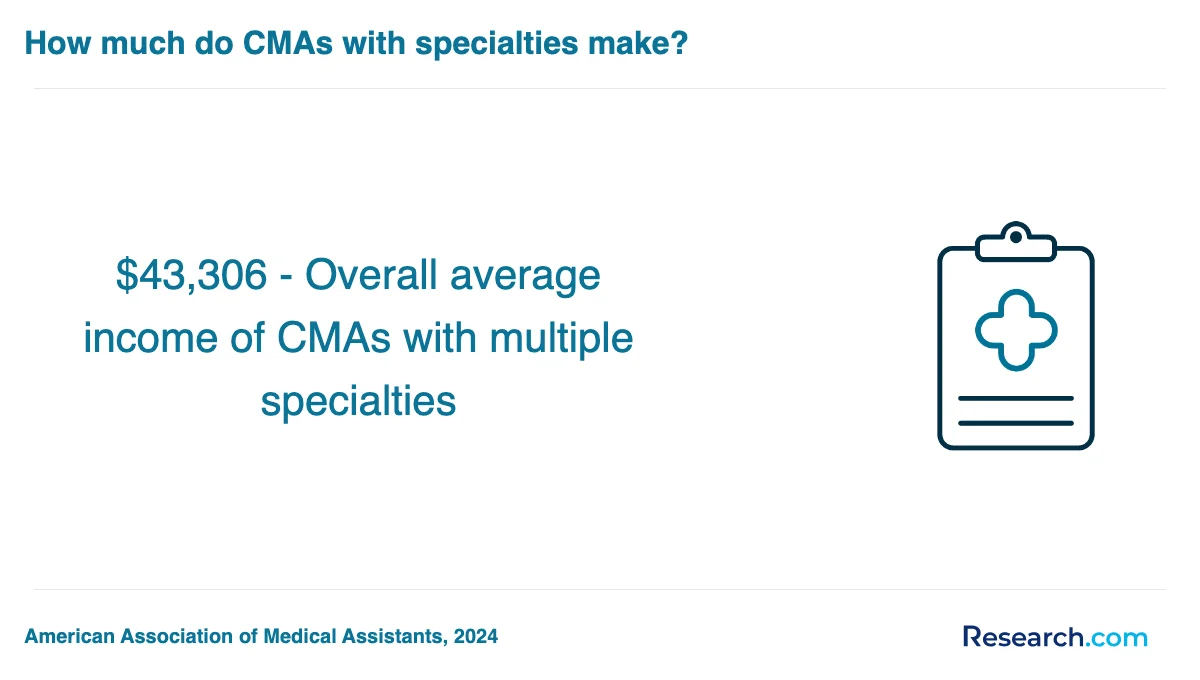
Medical assistant trade school graduates in Media find a variety of rewarding career paths waiting for them. Many choose to become certified medical assistants or patient care technicians working in hospitals, outpatient clinics, and specialty medical offices throughout Media. Popular trade schools in the area prepare graduates with hands-on skills that lead to in-demand healthcare jobs for medical assistant graduates in Media, from administrative roles to direct patient care.
Graduates often share how their training enabled them to confidently perform duties such as patient intake and basic clinical procedures, making them valuable team members in busy healthcare settings. Some follow specialized paths including dermatology clinics, orthopaedic surgery centers, or radiology tech/OR assistant roles. Demand is high for bilingual medical assistants and those skilled in wound care.
Flexible job options also appeal to recent graduates, with many finding part-time or overnight positions that suit their lifestyle. For those looking to deepen their knowledge, additional certifications open further doors, potentially leading to supervisory or specialized clinical roles.
Experience from local graduates at well-regarded trade schools reflects the vibrant duties of medical assistant positions available and highlights the excitement around entering stable and growing medical assistant career opportunities in Media PA.
The medical assistant job market in Media PA is lively with over 260 active positions as of early 2025, reflecting strong demand across local hospitals, specialty clinics, and urgent care facilities. Graduates from popular trade schools in the area report excitement seeing multiple hiring opportunities shortly after certification, especially when combining clinical skills with administrative knowledge. Employers like Main Line Health and Bryn Mawr Dermatology actively seek both entry-level and certified medical assistants for full- and part-time roles.
Common duties range from patient care, such as taking vitals and assisting during exams, to managing electronic health records, giving graduates a chance to apply their hands-on training daily. Benefits including health insurance and tuition reimbursement frequently accompany these jobs, making the outlook even more appealing.
Considering the medical assistant employment outlook Media Pennsylvania, many graduates from trade schools find their credentials open doors quickly. Some employers even provide on-the-job training or bonuses, boosting confidence for newcomers entering the field.
For those wondering what can i do with a medical assistant certificate, the diverse roles and steady hiring in Media demonstrate encouraging prospects for rapid career starts and growth.
Best Medical Assistant Training Programs & Trade Schools - Top Medical Assistant Schools in Media for 2026
# 1 position
Pennsylvania Institute of Technology - Allied Health and Medical Assisting Services, Other.
associateThe Allied Health and Medical Assisting Services, Other program at Pennsylvania Institute of Technology offers a hybrid learning format with some distance-education options. The annual in-state tuition is $14,445. Graduates have median earnings of $41,788 one year after completing the program. This instructional program covers allied health and medical assisting services not listed elsewhere. It is accredited by the Middle States Commission on Higher Education.
# 2 position
Pennsylvania Institute of Technology - Allied Health and Medical Assisting Services, Other.
certificate or diplomaThe Allied Health and Medical Assisting Services, Other program at Pennsylvania Institute of Technology offers a hybrid format with some distance-education options. The annual in-state tuition is $14,445. Graduates earn a median salary of $41,788 one year after completion. This program is accredited by the Middle States Commission on Higher Education. It covers instructional content not listed in other allied health and medical assisting programs.
Frequently Asked Questions about medical assistant
After completing a medical assistant trade school program in Media, preparing for the job market involves several strategic steps. First, obtaining certification such as the Certified Medical Assistant (CMA) credential from the American Association of Medical Assistants (AAMA) can significantly improve employment prospects. According to the Bureau of Labor Statistics, certified medical assistants tend to have higher job placement rates and better salaries.
Networking locally is also crucial. Media is part of the Philadelphia metropolitan area, where healthcare facilities frequently seek qualified medical assistants. Attending job fairs and connecting with local clinics can provide valuable opportunities.
Additionally, gaining practical experience through internships or externships during your program can enhance your resume and build professional references.
Employers in Media seek medical assistant graduates with a blend of technical and interpersonal skills. According to the Bureau of Labor Statistics, proficiency in clinical tasks such as taking vital signs, administering injections, and assisting with patient exams is essential. Additionally, strong communication skills are highly valued to effectively interact with patients and healthcare teams.
Organizational abilities, including managing medical records and scheduling appointments, are also critical. The Pennsylvania Department of Labor notes that adaptability and knowledge of electronic health records (EHR) systems improve job prospects. Employers prefer candidates who demonstrate reliability, professionalism, and basic knowledge of medical terminology.
Overall, graduates who combine hands-on clinical skills with strong administrative capabilities tend to be most competitive in Media's healthcare job market.
Finding internships relevant to medical assistant trade school programs in Media involves several strategic steps. Start by contacting local healthcare providers such as hospitals, clinics, and private practices, as many offer internship opportunities tailored for medical assistant students. The Delaware County Medical Society can be a useful resource for connecting with healthcare facilities in the area.
Additionally, trade schools often have partnerships with local medical centers and can assist students in securing internships. It's important to inquire directly with your school's career services for guidance and placement assistance.
The Pennsylvania Department of Labor & Industry reports that internships in healthcare fields have grown by approximately 8% statewide, reflecting increasing opportunities for hands-on training. Networking at job fairs and professional events in Media can also uncover hidden internship openings.
Obtaining a medical assistant diploma from a trade school in Media significantly enhances career mobility and advancement opportunities. According to the U.S. Bureau of Labor Statistics, medical assistants in Pennsylvania, including Media, are expected to see employment growth of 11% from 2022 to 2032, which is faster than the average for all occupations. This growth creates ample job openings for graduates.
Trade school diplomas provide practical skills and certifications that employers value, often leading to higher starting wages. In Media, certified medical assistants can expect median hourly wages around $17 to $20, with potential for increases through experience or specialization.
Additionally, many employers prefer hiring candidates with formal training, improving chances for promotions into supervisory or specialized roles. Trade schools also assist with job placement, further supporting career advancement locally.
Students enrolled in medical assistant trade schools in Media can benefit from several part-time job opportunities that enhance their practical skills. Common roles include medical receptionist, phlebotomy assistant, and patient care technician. These positions provide hands-on experience with patient interaction, administrative tasks, and basic clinical procedures, reinforcing classroom learning.
The U.S. Bureau of Labor Statistics reports that medical assistants in the Philadelphia metro area, which includes Media, earn an average hourly wage of about $17.50, making part-time work financially viable. Local clinics and hospitals often seek part-time help, allowing students to build professional networks while studying.
Additionally, some students find opportunities in pharmacies or urgent care centers, where multitasking and patient communication skills are essential. This real-world exposure complements theoretical knowledge and improves employability upon graduation.
To choose the best Medical Assistant degree program near Media, PA, you should consider factors such as accreditation, curriculum, and hands-on training opportunities. Research various programs and universities near you, utilizing resources like Research.com to compare their offerings and reviews. Additionally, visiting campuses near Media, PA and speaking with current students or faculty can provide valuable insights into each program's strengths and suitability for your career goals.
- Application for Admission to the Medical Assistant Certificate Training Program – Great Bay Community College https://www.greatbay.edu/business-community/business-training-center/healthcare-program-overview/medical-admin-assistant/application-for-admission-to-the-medical-assistant-certificate-training-program/
- Medical Assistant https://www.ccac.edu/academics/programs/nursing-and-allied-health/medical-assistant.php
- Medical Assisting Training Program | The MetroHealth System https://www.metrohealth.org/education/medical-assisting-training-program
- Metropolitan Community College Medical Assisting Application and Admissions Process https://www.mccneb.edu/programs/medical-assisting-application-admissions-process
- Your Path to Becoming a Medical Assistant https://ths.edu/your-path-to-becoming-a-medical-assistant/
- Medical Assistant | Houston Community College (HCC) | We are Houston's Community College http://www.hccs.edu/programs/areas-of-study/health-sciences/medical-assistant/
- Medical Assistant Program - DCTC https://www.dctc.edu/academics/programs-majors/health-education/medical-assistant/
- Medical Assistant - TCC https://www.tccd.edu/academics/courses-and-programs/programs-a-z/credit/medical-assistant/
- Medical Assistant Program | College of DuPage https://www.cod.edu/academics/programs/medical-assistant/
- 10 Types of Medical Assistant Specializations | Unitek College https://www.unitekcollege.edu/blog/types-of-medical-assistant-specializations/


