
Best Medical Assistant Training Programs & Trade Schools - Top Medical Assistant Schools in Pennsylvania for 2026

Co-Founder and Chief Data Scientist
Choosing the right medical assistant trade school in Pennsylvania can be a crucial step toward a rewarding healthcare career. This article introduces a carefully crafted medical assistant trade school programs ranking developed by the Research.com team of data scientists to guide you in making an informed decision.
Discover programs that match your goals and budget while gaining valuable skills for a growing job market. Earning a diploma or certification opens doors to meaningful work and personal growth, making your future brighter and more secure.
Key benefits of finishing medical assistant trade school in Pennsylvania
- Graduates of medical assistant trade schools in Pennsylvania can expect an average annual salary of around $43,125, with experienced professionals earning up to $49,890, offering a rewarding start to a healthcare career.
- Many graduates find diverse career paths including clinical roles, administrative positions, or specialized medical assisting, as seen with alumni from popular trade schools like the Pennsylvania Institute of Health Sciences.
- Completing a medical assistant program online provides flexibility and convenience, allowing students like those from the Pennsylvania Online Medical Academy to balance work and study effectively while entering the workforce faster than traditional degrees.
- Best Medical Assistant Training Programs & Trade Schools - Top Medical Assistant Schools in Pennsylvania for 2026
- What can I expect from medical assistant trade schools in Pennsylvania?
- Where can I work after finishing medical assistant trade schools in Pennsylvania?
What can I expect from medical assistant trade schools in Pennsylvania?
Enrolling in a medical assistant trade school program in Pennsylvania means immersing yourself in a comprehensive learning experience that balances classroom theory with hands-on practice. Graduates from well-known schools often recall the rewarding challenge of mastering skills like taking vital signs, drawing blood, and performing basic lab tests-all essential for thriving in a healthcare environment.
Students can expect about 1,100 clock hours over roughly 11 months, where they not only learn clinical tasks but also administrative duties such as managing electronic health records and medical billing. Many appreciate the small class sizes, usually capped at 24, which create a supportive atmosphere allowing personalized attention from instructors.
Clinical externships are a highlight, offering real-world exposure where students confidently apply their skills under supervision. Those who have completed programs at Pennsylvania's respected trade schools emphasize how this blend of technical knowledge and interpersonal training prepares them to work effectively with patients and healthcare teams.
Admission requirements are straightforward but important, often including a high school diploma and background checks, ensuring students are ready for the responsibility this career demands. Overall, the journey through a Pennsylvania medical assistant program is both challenging and fulfilling, equipping students with the confidence to step into diverse healthcare roles.
Where can I work after finishing medical assistant trade schools in Pennsylvania?
Graduates from medical assistant trade schools in Pennsylvania often find themselves welcomed into a variety of healthcare environments. Many begin their careers in bustling hospitals or community clinics, where the fast-paced atmosphere sharpens their skills and builds confidence. Others join physicians' offices or urgent care centers, enjoying the close patient interactions that make daily work rewarding. Popular trade schools in Pennsylvania prepare students well for these settings, with hands-on training that mirrors real-world tasks.
Some graduates recall their excitement stepping into roles at specialty clinics, such as cardiology or obstetrics, where they apply focused knowledge gained during their studies. Jobs in cities like Philadelphia and Pittsburgh offer vibrant opportunities, while rural areas provide a meaningful chance to impact smaller communities. Certified medical assistants, in particular, often share stories of increased responsibility and higher pay, reflecting the value of their credentials.
Whether supporting doctors in research institutions or managing patient care in private practices, graduates appreciate the versatility their trade school education offers. The blend of theory and practical experience ensures they feel ready and hopeful about their futures in Pennsylvania's dynamic healthcare landscape.
After completing a medical assistant trade school program in Pennsylvania, graduates often find themselves stepping into roles with starting salaries between $35,720 and $37,780 annually. Many graduates from well-known trade schools in the state share how this initial income helped them gain financial independence while building valuable experience in healthcare settings.
The average hourly wage for medical assistants in Pennsylvania is about $19.94, which translates to roughly $41,500 per year for full-time work. Those who pursue certification, like becoming a Certified Medical Assistant (CMA), tend to see a noticeable boost, earning around $20.83 per hour or $43,300 annually. This extra credential often opens doors to better-paying opportunities, as many employers value the assurance of certified skills.
Geographic location within Pennsylvania also matters. Graduates working in bustling metro areas like Philadelphia report salaries ranging from $35,200 to $46,890, reflecting the higher demand and larger healthcare networks. Meanwhile, those in Pittsburgh experience slightly lower ranges but still benefit from competitive wages. Many graduates express pride in how their trade school education positioned them well for these opportunities, especially in urban healthcare environments where experience and certification can significantly enhance earnings.
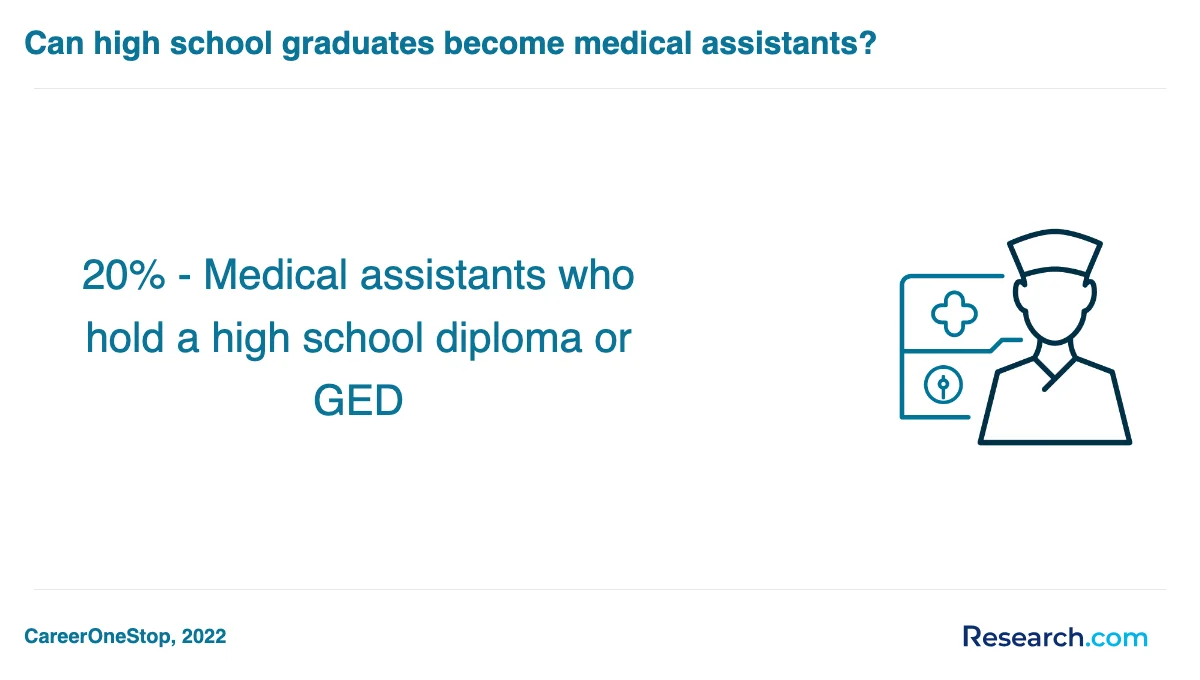
- Most programs require a high school diploma or GED and may ask for background clearances; no prior medical experience is needed.
- In-person diplomas last 7 to 11 months with hands-on training, while online programs can be completed in as little as 4 months at a self-paced speed.
- Tuition varies widely, such as $12,998 for a full-time diploma at CPI or $79 per month for an online certificate at U.S. Career Institute.
- Graduates can take national certification exams like CMA or CCMA, with some programs reporting pass rates as high as 95% for CCMA.
- Starting salaries in Pennsylvania range from $34,000 to $38,000 per year, with job roles including medical assistant, medical secretary, and phlebotomist.
Completing a medical assistant trade school program in Pennsylvania typically takes about 9 to 12 months, depending on the school and whether the student attends full-time or part-time. Graduates from well-known trade schools in Pennsylvania often recall how intense but rewarding this period was, describing a journey that balanced hands-on clinical training with essential administrative skills. One graduate mentioned how the compact schedule pushed them to stay focused, yet the practical approach made the learning experience engaging and deeply relevant to their future workplace.
Many students appreciate how these programs fit their busy lives, especially those juggling work or family commitments. For instance, trade schools in cities like Philadelphia and Pittsburgh offer flexible class schedules that allow learners to progress steadily without feeling overwhelmed. The relatively short duration means graduates can enter the workforce quickly, bringing both confidence and competence to their new roles in medical offices or clinics.
The primary difference between online and on-campus medical assistant trade school programs in Pennsylvania lies in how students engage with their coursework and clinical training. Graduates from online programs, such as those offered by United Career Institute or Manor College, often share how the flexibility to study from home allowed them to balance work and family life while still gaining the essential knowledge in medical terminology and billing. They describe the convenience of virtual classrooms combined with local clinical labs, where hands-on skills are practiced under supervision.
On the other hand, students attending on-campus programs experience a more structured environment with face-to-face interaction. These programs provide immediate access to on-site labs and simulation facilities, creating a community atmosphere that some find motivating and supportive. Graduates recall how this direct engagement helped them build confidence in clinical tasks like taking vital signs or administering injections.
Both pathways meet Pennsylvania's accreditation and certification requirements, yet they cater to different learning styles and life commitments, empowering students to choose the route that best fits their personal and professional goals.
The average cost of a medical assistant trade school program in Pennsylvania varies widely depending on the type of program and institution chosen. Certificate or diploma programs typically range from $1,550 to $30,000, making them accessible for many students seeking a quicker route into the healthcare field. Graduates often share how programs like those at the Community College of Allegheny County, with an estimated cost of around $7,308, provided a balanced combination of affordability and comprehensive training. On the other hand, associate degree programs can be more of an investment, costing between $5,710 and $48,460. For example, graduates from Central Penn College have reflected positively on the depth of learning they received from their Associate of Applied Science in Medical Assisting, despite the higher price tag near $30,134.
Trade schools in Pennsylvania often offer programs lasting about a year, with costs commonly ranging from $2,500 to $20,000, fitting the needs of students who want to start working sooner. Many students appreciate how financial aid options like Pell Grants, federal loans, and scholarships from the Pennsylvania Higher Education Assistance Agency help ease the burden of tuition and additional expenses such as books, uniforms, and exams, which can add $1,000 to $3,000 to the total cost.
Some students have found programs with flexible payment options especially helpful. For instance, online programs like the Medical Assistant Career Diploma at Penn Foster cost about $1,899 when paid in full or $2,399 with a monthly plan, opening doors for those balancing work and study. Being aware of what does medical assistant do day-to-day, through research such as what does medical assistant do, motivates students to invest in their education wisely in Pennsylvania's competitive healthcare landscape.
Medical assistant trade school students in Pennsylvania can access a variety of financial aid options that truly lighten the burden of education costs. Federal aid, like Pell Grants and student loans, is available when students complete the FAFSA, helping many who might otherwise struggle to afford tuition. Graduates from institutions like the Pennsylvania Institute of Technology often share how their financial aid packages-scholarships, grants, and work-study-made pursuing their medical assisting dreams feel achievable and supported.
State-funded grants also play a crucial role. For example, at Bidwell Training Center in Pittsburgh, eligible residents benefit from tuition-free programs, which many students describe as life-changing opportunities that open doors without overwhelming debt. Schools like Fortis and Pennco Tech provide dedicated financial aid advisors who guide students through the complex process, ensuring they don't miss out on available resources.
Programs such as Lackawanna College offer a clear, all-inclusive tuition model that covers supplies and certifications, which helps students budget confidently and focus on learning rather than unexpected expenses.
Enrolling in a medical assistant trade school program in Pennsylvania typically requires a few straightforward prerequisites that set the foundation for success. Most schools ask for a high school diploma or GED, which ensures students have essential reading, writing, and math skills. Graduates often reflect on how this requirement helped them feel confident tackling course materials from day one.
Some trade schools in Pennsylvania, especially the more competitive ones, may also require:
- Proof of immunizations and a recent physical exam to ensure students can safely participate in clinical settings
- Background checks, which graduates appreciate for maintaining a trusted healthcare environment
- Basic CPR certification, sometimes encouraged before starting clinical work
Many students share that meeting these prerequisites felt like small but meaningful steps toward their new career. For example, attending a well-known Pennsylvania trade school, they recalled how completing basic health screenings gave them a real sense of responsibility even before classes began. This practical approach helps students transition smoothly from theory to hands-on patient care, making the prerequisites more than just administrative hurdles-they become the first building blocks of a rewarding journey in medical assisting.
Medical assistant trade school programs in Pennsylvania consistently offer a well-rounded curriculum designed to prepare students for both clinical and administrative roles. Graduates from schools like the Pennsylvania Institute of Technology often recall beginning with core courses such as Medical Terminology and Human Body Systems, which build a strong foundation in the language and anatomy essential for daily healthcare tasks.
Hands-on clinical skills are developed through courses like:
- Taking vital signs and assisting with patient exams
- Collecting laboratory specimens and performing basic lab tests
- Administering medications under supervision
- Phlebotomy and EKG procedures
Administrative training is equally emphasized, with students learning to navigate electronic health records (EHR), manage patient scheduling, and understand billing and coding using ICD-10 and CPT-4 systems. Graduates from Bidwell Training Center often share how mastering these skills made them confident in handling office workflows and compliance standards like HIPAA.
Communication and professionalism courses, including health coaching and ethical practices, prepare students to connect effectively with patients and colleagues. Many find that the final externship experience in a real healthcare setting truly cements their readiness, transforming classroom knowledge into meaningful patient care.
Medical assistant trade school programs in Pennsylvania offer diverse specializations that align with students' career goals and healthcare demands. Many graduates recall how programs focused on medical assistant program specializations in Pennsylvania prepared them for distinct roles, whether they leaned toward hands-on clinical work or administrative expertise.
Students at schools like Bidwell Training Center often highlight the value of the electronic health record (EHR) management specialization, learning to navigate complex digital systems that have become essential in modern offices.
Others at South Hills School of Business & Technology have praised the in-depth training in medical billing and coding, mastering systems like ICD-10-CM and CPT-4, which enabled them to confidently handle insurance claims and compliance tasks.
For those weighing clinical vs administrative medical assisting Pennsylvania options, Berks Technical Institute offers a clinical track rich in skills like phlebotomy and allergy testing, delivering rewarding patient interaction experiences.
These program options often include:
- Electronic health record (EHR) management
- Medical billing and coding
- Clinical skills such as phlebotomy and medication administration
- Laboratory procedures and specimen handling
- Generalist training blending multiple competencies
Graduates appreciate how tailored specializations shaped their confidence and job readiness, opening doors in diverse Pennsylvania healthcare environments. For those seeking career growth, exploring a medical assistant to rn bridge program can be a natural next step.
When choosing among medical assistant programs Pennsylvania offers, accreditation is a top priority. Graduates from well-accredited schools often share how it gave them confidence entering the workforce, knowing their training met rigorous standards. Practical experiences, like the hands-on externships at Penn State Hazleton, have made a real difference for many, providing the kind of clinical exposure that textbooks alone can't offer. Flexibility also matters; working adults appreciate programs with evening or weekend classes that accommodate busy lives.
Considering costs and financial aid options is equally important. Many students find relief through federal grants or the Pennsylvania State Grant, making high-quality education more accessible. It's also wise to pick a location convenient enough to minimize stressful commutes, allowing a better focus on learning with access to modern facilities. Finally, reputation and employment outcomes guide many decisions, highlighting the importance of speaking to alumni. For those wondering about credentialing, it's useful to review whether the program prepares you for certification exams, even though Pennsylvania doesn't require certification-you can learn more about do you need to be certified to practice medical assisting.
Graduates of medical assistant trade schools in Pennsylvania find themselves at the gateway to diverse career opportunities for medical assistant graduates in Pennsylvania, shaped by the state's expansive healthcare network. Many begin in entry-level roles within hospitals, outpatient clinics, or physician offices, balancing patient interaction with administrative tasks. For instance, graduates from well-known trade schools report the rewarding experience of assisting patients directly while coordinating appointment schedules, which cultivates essential multitasking skills.
Specialization options enhance career growth and satisfaction. Graduates often pursue certifications to become phlebotomists or EKG technicians, mastering skills like drawing blood or administering cardiac tests. These practical skills open doors to higher responsibilities and pay. Others transition into administrative roles such as medical billers or office managers, leveraging clinical knowledge to manage healthcare workflows. Students appreciate that this blend of skill sets reflects the contrast between medical admin assistant vs ma, helping them decide the best fit in their path.
Many graduates also note that earning an associate degree from Pennsylvania trade schools expands job possibilities and enables pursuit of advanced degrees, leading toward nursing or healthcare management careers. The robust healthcare landscape here creates a strong foundation for dynamic, fulfilling healthcare roles.
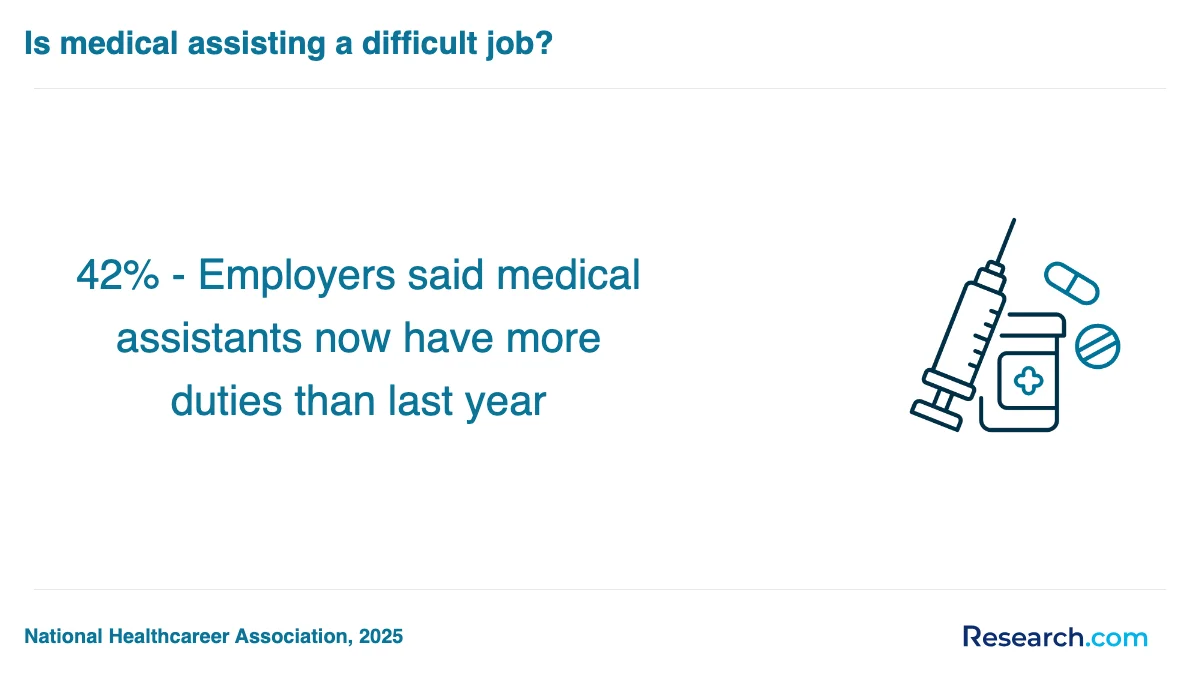
The medical assistant job growth in Pennsylvania presents a promising future for graduates from trade school programs. With the state expecting a 17% increase in medical assistant positions through 2028, many graduates find themselves stepping into highly sought-after roles. Those recently completing popular trade schools often share their excitement about entering a fast-growing job market, especially as Pennsylvania's expanding healthcare infrastructure creates numerous new opportunities.
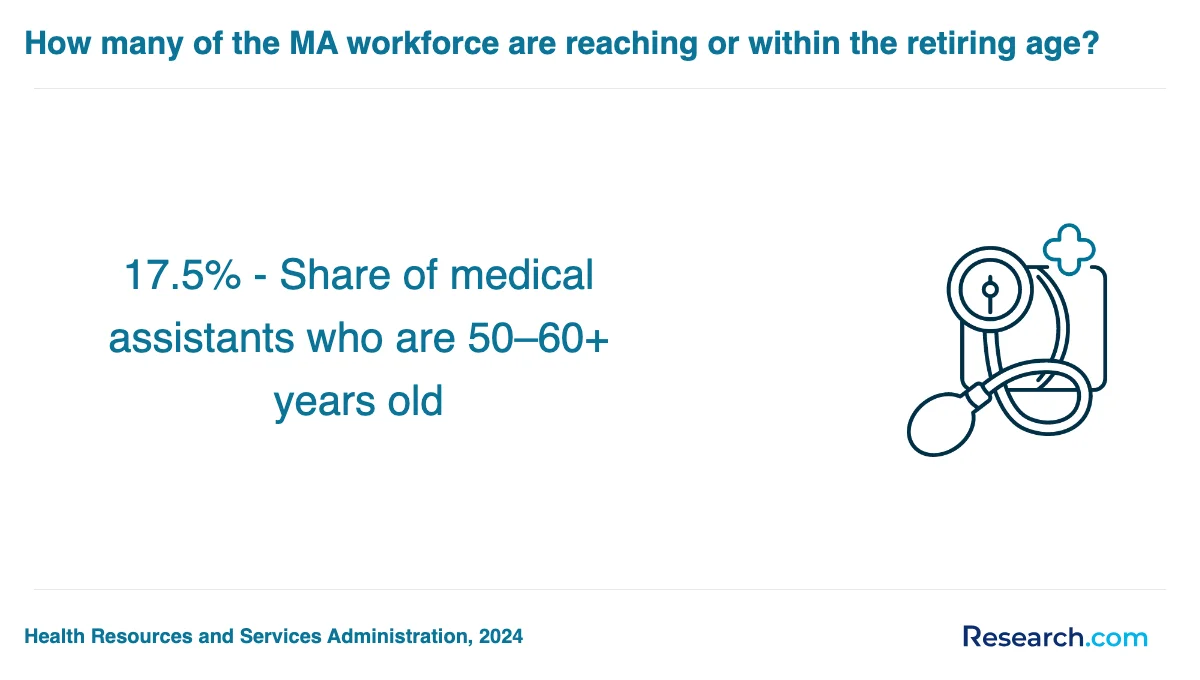
Graduates frequently note benefits such as guaranteed job placement pathways offered by some health systems, making the transition from classroom to clinical setting smooth and less stressful. The aging population and a significant wave of upcoming retirements open many doors, allowing new medical assistants to fill essential roles quickly.
For students wondering about what education is required to be a medical assistant, programs in Pennsylvania often combine hands-on training with knowledgeable instructors who help prepare them specifically for local healthcare demands.
The medical assistant employment outlook Pennsylvania shows positive signs:
- Competitive salaries averaging $20 per hour
- Wide range of work environments, from hospitals to telehealth clinics
- Strong community networks supporting career growth
Best Medical Assistant Training Programs & Trade Schools - Top Medical Assistant Schools in Pennsylvania for 2026
# 1 position
Pennsylvania Institute of Technology - Allied Health and Medical Assisting Services, Other.
associateThe Allied Health and Medical Assisting Services, Other program at Pennsylvania Institute of Technology offers a hybrid learning format with some distance-education options. The annual in-state tuition is $14,445. Graduates have median earnings of $41,788 one year after completing the program. This instructional program covers allied health and medical assisting services not listed elsewhere. It is accredited by the Middle States Commission on Higher Education.
# 2 position
Pennsylvania Institute of Technology - Allied Health and Medical Assisting Services, Other.
certificate or diplomaThe Allied Health and Medical Assisting Services, Other program at Pennsylvania Institute of Technology offers a hybrid format with some distance-education options. The annual in-state tuition is $14,445. Graduates earn a median salary of $41,788 one year after completion. This program is accredited by the Middle States Commission on Higher Education. It covers instructional content not listed in other allied health and medical assisting programs.
# 3 position
Somerset County Technology Center - Allied Health and Medical Assisting Services, Other.
certificate or diplomaSomerset County Technology Center offers a hybrid program in Allied Health and Medical Assisting Services, Other, providing some distance-education options. The program is accredited by the Middle States Commission on Secondary Education. It covers instructional content not listed in other allied health and medical assisting programs, focusing on specialized skills in this field.
# 4 position
Mercyhurst University - Allied Health and Medical Assisting Services, Other.
associateMercyhurst University offers a hybrid program in Allied Health and Medical Assisting Services, Other, providing some distance-education options. The program’s annual in-state tuition is $44,510. Graduates earn a median income of $32,656 one year after completion. This instructional program covers allied health and medical assisting topics not listed elsewhere. It is accredited by the Middle States Commission on Higher Education.
# 5 position
Berks Career & Technology Center - Allied Health and Medical Assisting Services, Other.
certificate or diplomaThe Allied Health and Medical Assisting Services, Other program at Berks Career & Technology Center offers a hybrid format with some distance-education options. It provides instruction in allied health and medical assisting services not specified elsewhere. The program is accredited by the Middle States Commission on Secondary Education.
# 6 position
Lancaster County Career and Technology Center - Allied Health and Medical Assisting Services, Other.
certificate or diplomaThe Allied Health and Medical Assisting Services, Other program at Lancaster County Career and Technology Center offers hybrid instruction with some distance-education options. This program is accredited by the Council on Occupational Education. It covers various allied health and medical assisting instructional areas not listed in other specific programs.
# 7 position
Laurel Technical Institute - Clinical/Medical Laboratory Assistant.
associateThe Clinical/Medical Laboratory Assistant program at Laurel Technical Institute is a hybrid course preparing students to perform waived testing procedures, phlebotomy, and support laboratory teams under supervision. It covers clinical procedures, laboratory tests, lab mathematics, computer technology, equipment operation, sterilization, safety, and communication skills. The annual in-state tuition is $11,470, and median earnings one year after completion are $18,862.35. The program is accredited by the Accrediting Commission of Career Schools and Colleges.
# 8 position
Pennsylvania Western University - Allied Health and Medical Assisting Services, Other.
associatePennsylvania Western University offers a program in Allied Health and Medical Assisting Services, Other, focusing on various allied health instructional areas not specifically listed elsewhere. The program's annual in-state tuition is $11,388. It is accredited by the Middle States Commission on Higher Education, ensuring recognized educational standards are met.
# 9 position
Erie Institute of Technology Inc - Allied Health and Medical Assisting Services, Other.
certificate or diplomaThe Allied Health and Medical Assisting Services, Other program at Erie Institute of Technology Inc is offered in a hybrid format, allowing some distance education options. The annual in-state tuition is $15,768. This program is accredited by the Accrediting Commission of Career Schools and Colleges. It covers instructional content not listed in other allied health and medical assisting programs.
# 10 position
Eastern University - Allied Health and Medical Assisting Services, Other.
associateEastern University offers a hybrid program in Allied Health and Medical Assisting Services, Other, accredited by the Middle States Commission on Higher Education. The annual in-state tuition for this program is $37,420. This program provides instruction in various allied health and medical assisting fields not specified elsewhere, combining both in-person and distance-education options to accommodate different learning preferences.
Frequently Asked Questions about medical assistant
After completing a medical assistant trade school in Pennsylvania, preparing for the job market involves several key steps. First, obtaining certification such as the Certified Medical Assistant (CMA) credential from the American Association of Medical Assistants (AAMA) can significantly improve employment prospects. According to the Pennsylvania Department of Labor, medical assistants in the state earn a median annual wage of approximately $37,000, with demand expected to grow by 16% through 2030.
Networking with local healthcare providers and attending job fairs can help graduates connect with employers. Additionally, tailoring resumes to highlight clinical and administrative skills gained during training is essential. Many trade schools also offer career services to support job placement efforts.
Employers in Pennsylvania seek medical assistant graduates with a strong blend of clinical and administrative skills. According to the Pennsylvania Department of Labor & Industry, proficiency in phlebotomy, EKG operation, and patient care procedures ranks highly. Effective communication and interpersonal skills are also critical, as medical assistants frequently interact with patients and healthcare teams.
Additionally, familiarity with Electronic Health Records (EHR) systems is increasingly important, reflecting national trends reported by the U.S. Bureau of Labor Statistics. Time management and organizational abilities help graduates handle fast-paced medical environments efficiently.
Overall, graduates who combine technical expertise with professionalism and adaptability stand out to Pennsylvania employers.
Finding internships relevant to medical assistant trade school programs in Pennsylvania involves several strategic steps. First, students should connect with their school's career services, as many trade schools maintain partnerships with local healthcare facilities. These partnerships often provide direct access to internship openings.
Additionally, Pennsylvania's Department of Labor & Industry offers resources and listings of healthcare internship opportunities statewide. Websites such as PA CareerLink provide updated postings tailored to medical assisting roles. Networking with local clinics, hospitals, and physician offices through informational interviews can also uncover unadvertised internships.
According to the Bureau of Labor Statistics, Pennsylvania employs over 30,000 medical assistants, increasing demand for trained interns. This growth encourages healthcare employers to offer more hands-on training programs to medical assistant students.
Obtaining a medical assistant diploma from a trade school in Pennsylvania can significantly enhance career mobility and advancement opportunities. According to the Pennsylvania Department of Labor & Industry, healthcare occupations, including medical assistants, are projected to grow by 18% from 2020 to 2030, faster than the average for all occupations.
This growth creates demand for trained professionals, making diploma holders more competitive for entry-level positions. Additionally, many employers prefer or require candidates with formal training, which improves job prospects and potential for higher wages.
Diploma programs often include hands-on clinical experience, preparing graduates for certification exams such as the Certified Medical Assistant (CMA). Certification can lead to advanced roles and increased earning potential, with median annual wages for medical assistants in Pennsylvania around $36,000 as of 2023, per the U.S. Bureau of Labor Statistics.
Ultimately, a trade school diploma provides foundational skills and credentials that support upward career movement within Pennsylvania's healthcare sector.
Part-time job opportunities that complement medical assistant trade school education in Pennsylvania include roles such as medical receptionist, patient care technician, and pharmacy aide. These positions provide practical experience in healthcare settings while allowing students to apply their classroom knowledge.
The U.S. Bureau of Labor Statistics notes that Pennsylvania's healthcare sector is growing steadily, with medical assistants earning a median wage of about $17.50 per hour as of 2023. Gaining part-time work in clinics or hospitals helps students develop skills in patient communication, administrative tasks, and basic clinical procedures.
Additionally, some students find positions in nursing homes or urgent care centers, environments that expose them to diverse patient needs and medical technologies.
Yes, there are medical assistant degree programs both "near me" and "near Pennsylvania," offering students various options to gain the necessary skills and credentials for a career in healthcare. Pennsylvania boasts several universities and community colleges with accredited programs known for their comprehensive curricula and experienced faculty. If you're looking specifically for highly regarded programs, Research.com can be a helpful resource to explore further.
- Best Medical Assistant Training Programs & Trade Schools - Top Medical Assistant Schools in New Jersey for 2026
- Best Medical Assistant Training Programs & Trade Schools - Top Medical Assistant Schools in Maryland for 2026
- Best Medical Assistant Training Programs & Trade Schools - Top Medical Assistant Schools in New York for 2026
- Best Medical Assistant Training Programs & Trade Schools - Top Medical Assistant Schools in West Virginia for 2026
- Best Medical Assistant Training Programs & Trade Schools - Top Medical Assistant Schools in Ohio for 2026
- Best Medical Assistant Training Programs & Trade Schools - Top Medical Assistant Schools in Virginia for 2026
- Best Medical Assistant Training Programs & Trade Schools - Top Medical Assistant Schools in Massachusetts for 2026
- Best Medical Assistant Training Programs & Trade Schools - Top Medical Assistant Schools in Tennessee for 2026
- Best Medical Assistant Training Programs & Trade Schools - Top Medical Assistant Schools in Maine for 2026
- Best Medical Assistant Training Programs & Trade Schools - Top Medical Assistant Schools in Michigan for 2026
- What Can You Do with a Medical Assistant Degree? | Goodwin University https://www.goodwin.edu/enews/what-can-you-do-medical-assisting/
- Jobs You Can Get w/ Medical Assistant Certificate or Degree https://www.stepful.com/post/what-jobs-can-you-get-with-a-medical-assistant-certificate-or-degree
- Alternative Career Options for Medical Assistants | MA Specialties https://www.eaglegatecollege.edu/blog/what-other-jobs-can-a-medical-assistant-apply-for/
- Where Do Medical Assistants Work | MA Employment Options | USCI https://www.uscareerinstitute.edu/blog/where-do-medical-assistants-work
- 10 Jobs for Certified Clinical Medical Assistants https://advclinical.org/jobs-with-medical-assistant-certificate/
- Jobs You Can Get with a Medical Assistant Degree | P.I.T. https://www.pit.edu/news/jobs-you-can-get-with-a-medical-assistant-degree/
- Certified Medical Assistant Career Paths in NJ & PA | Pennco Tech https://www.penncotech.edu/career/certified-medical-assistant/
- Medical Assistant Career Paths in NJ and PA | Prism Career Institute https://prismcareerinstitute.edu/career-services/medical-assistant-career-paths/
- Medical Assistant Schools in PA | Hands-On Training | Bidwell https://bidwelltraining.edu/programs/medical-assistant/
- Medical Assistant | Northampton Community College https://www.northampton.edu/education-and-training/programs/medical-assistant.html


