
Best Medical Assistant Training Programs & Trade Schools - Top Medical Assistant Schools in New York for 2026

Co-Founder and Chief Data Scientist
Choosing the right medical assistant trade school in New York can shape your future career in healthcare. This article presents a carefully crafted ranking of medical assistant trade school programs developed by the Research.com team of data scientists. It aims to guide you toward making an informed decision about which programs are truly worth your time and investment.
By exploring these top programs, you’ll discover opportunities to gain valuable skills and certifications that open doors to rewarding job prospects. Whether you’re starting fresh or changing paths, this guide supports you on your journey to success.
Key benefits of finishing medical assistant trade school in New York
- Graduates from medical assistant trade schools in New York can expect starting salaries around $36,000 to $39,000 annually, with potential to earn up to $50,000 or more as they gain experience and certifications.
- A typical graduate from a popular New York trade school often finds diverse career options, including roles in private practices, hospitals, and specialty clinics, offering rewarding and stable job opportunities.
- Completing an online medical assistant program allows flexible learning schedules and quicker entry into the workforce, as seen with graduates from well-known online schools who balance studies with personal commitments.
- Best Medical Assistant Training Programs & Trade Schools - Top Medical Assistant Schools in New York for 2026
- What can I expect from medical assistant trade schools in New York?
- Where can I work after finishing medical assistant trade schools in New York?
What can I expect from medical assistant trade schools in New York?
Enrolling in a medical assistant trade school in New York means diving into a hands-on, immersive experience that balances classroom learning with real-world practice. Graduates from popular New York programs often share how simulation labs-equipped with the latest medical tools-helped them gain confidence before stepping into busy clinics. Expect to master essential skills like taking vital signs, drawing blood, and managing patient records, all while understanding core subjects such as medical terminology and pharmacology.
Many students appreciate the structured externship placements, which place them directly in medical offices where they interact with patients and seasoned professionals. This practical exposure bridges textbook knowledge with everyday challenges, making the learning feel immediate and meaningful. For example, graduates recall the rewarding moment of assisting with minor procedures or navigating insurance forms under expert guidance.
Programs typically span from a few months to two years, allowing flexibility for full-time or part-time schedules. The supportive environment-featuring approachable instructors and modern facilities-helps students stay motivated. Plus, with many schools boasting high pass rates on certification exams like the CCMA, students feel a genuine sense of achievement and readiness to launch their healthcare careers in New York's dynamic medical landscape.
Where can I work after finishing medical assistant trade schools in New York?
After finishing a medical assistant trade school program in New York, graduates find a surprising variety of career paths open to them. Many step confidently into roles within bustling NewYork-Presbyterian hospitals, where they assist in fast-paced departments like internal medicine or pediatrics, gaining hands-on experience that trade school training prepared them for. Others choose the steadier rhythm of private medical offices or community health centers, applying skills learned at local trade schools to manage patient records and coordinate appointments.
Graduates often share how starting in outpatient clinics or specialty practices, such as dermatology or OB-GYN, allowed them to build confidence while performing both clinical and administrative duties. Their training at well-known New York trade schools gave them an edge with essential skills like electronic medical record management and insurance processing, which employers highly value.
Whether supporting physicians during exams, prepping exam rooms, or performing phlebotomy, medical assistants trained in New York's trade schools enjoy roles that feel rewarding and impactful every day.
After completing a medical assistant trade school program in New York, many graduates find themselves pleasantly surprised by the earning potential awaiting them. Fresh out of popular New York trade schools, typical starting salaries often land between $36,000 and $39,000 per year, which feels rewarding for those stepping into healthcare roles for the first time. One graduate shared how their part-time job at a local clinic quickly turned into a full-time position paying close to $22 per hour, allowing them to cover living expenses in the city without constant worry.
With experience and certifications like the Certified Medical Assistant (CMA), the salary outlook becomes even more encouraging. Certified graduates in New York City report annual incomes averaging around $50,000, sometimes reaching nearly $60,000 when working for hospitals or specialty clinics. These figures resonate with many students who chose trade schools in the city for their hands-on approach and strong employer connections.
Hourly wages advertised in current job listings range from $17.35 to $28.01, reflecting diverse opportunities for both part-time and full-time schedules. Graduates often express pride and motivation knowing their skillset is in demand and well-compensated amid New York's competitive healthcare market.
- Applicants usually need a high school diploma or GED, and some schools require placement tests or a minimum GPA around 85% or 2.5 college GPA.
- Programs range from under one year for certificates to about two years for associate degrees, including courses like medical terminology and clinical practice.
- Hands-on training involves 100 to 260 hours of clinical rotations or externships for practical experience.
- Tuition costs vary from $2,000 to $8,000 for certificate programs, with associate degrees generally costing more, especially at private schools.
- Starting salaries for graduates range from $38,000 to $44,000 per year, with experienced medical assistants earning over $50,000 annually.
- Graduates can take national certification exams like CCMA or RMA to improve job prospects in various healthcare settings.
Completing a medical assistant trade school program in New York typically takes between 9 to 12 months, depending on the school and course format. Many graduates from well-known trade schools in the state share how this timeframe felt both manageable and motivating, allowing them to swiftly transition into rewarding healthcare roles.
For example, students often describe the experience of balancing hands-on training with classroom instruction over the course of a year as intense but deeply fulfilling. They recall moments in bustling New York clinics where their practical skills gained through these programs directly impacted patient care-fueling their passion for the profession.
Popular trade schools in New York design their curricula to fit diverse lifestyles, offering flexible schedules that can help students stay committed despite work or family demands. This adaptability not only accelerates completion but also builds confidence, as students see tangible progress week by week.
Many graduates emphasize how the relatively short duration of these programs made pursuing a medical assistant career feel accessible and realistic, sparking excitement about their future in healthcare.
The difference between online and on-campus medical assistant trade school programs in New York often comes down to flexibility and hands-on experience. Graduates from online programs, like those at Herzing University, appreciate the ability to study lectures remotely, fitting coursework around jobs or family life. One recalls juggling late-night classes while caring for children, valuing the freedom to learn anywhere in the state. Yet, even these programs demand in-person labs and clinical externships, ensuring real-world skills aren't sacrificed for convenience.
On the other hand, students at LaGuardia Community College share stories of the energy in classrooms where they practiced with real medical equipment, guided directly by instructors. This face-to-face environment fosters immediate feedback and a sense of community, which many find motivating and reassuring.
Hybrid options, like the Allen School of Health Sciences, blend these worlds-providing online flexibility alongside scheduled hands-on sessions. For students seeking balance, this model often feels like the best of both, combining convenience with confidence in practical skills.
The average cost medical assistant programs New York offers can vary widely, typically ranging between $6,950 and $16,210 depending on the trade school and what is included in the tuition fees. Graduates from programs like the New York Center for Medical Assistant Training often share how the comprehensive $6,950 fee-which covers tuition, books, and registration-helped them manage their expenses without unexpected financial burdens. On the other hand, some who attended New Age Training experienced a higher upfront cost of $16,210, which also covered essentials like uniforms, offering a worry-free learning experience focused on skill development.
Beyond tuition fees medical assistant schools New York factor in additional costs such as books and uniforms. For example, students at the Medical Training Institute of New York recall budgeting an extra $902 for books and $66 for uniforms, bringing their total program cost to $10,918. This layering of expenses reflects real-life budgeting challenges, but many graduates appreciate the value of receiving the necessary materials upfront, helping to ensure they were fully prepared for clinical practice.
Financial assistance can soften these expenses for New York residents, with programs like the Tuition Assistance Program (TAP) offering grants between $500 and $5,000 based on individual circumstances. Those exploring what degree do you need to become an aesthetic medical assistant often find that weighing these costs against financial aid opportunities encourages smarter educational decisions, making trade schools in New York a more accessible pathway to a rewarding healthcare career.
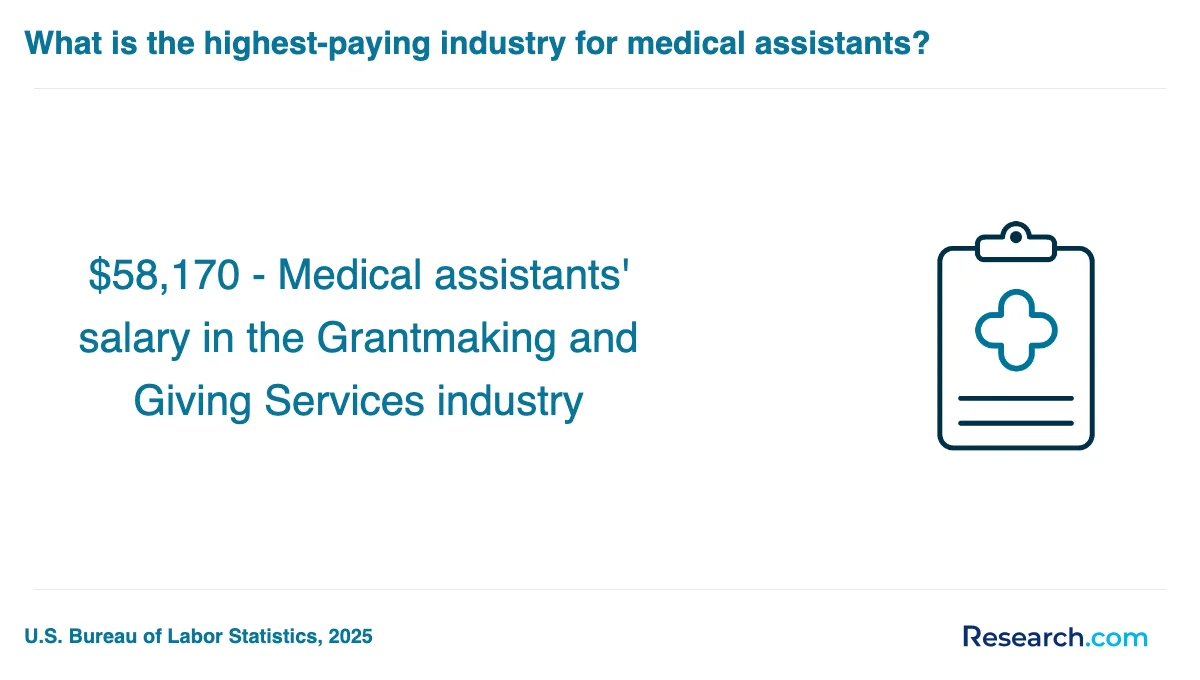
Medical assistant trade school students in New York often find financial aid options that transform their dreams into achievable goals. Federal grants like the Federal Pell Grant and the Federal Supplemental Educational Opportunity Grant (SEOG) provide crucial support without the burden of repayment, making programs at popular schools more accessible. Many graduates recall how these grants eased the pressure during their studies at well-known New York trade schools, allowing them to focus on learning rather than finances.
For those needing loans, Subsidized Stafford Loans offer relief by pausing interest accrual while enrolled, a lifeline shared by many students balancing work and classes. The Tuition Assistance Program (TAP) further benefits New York residents by reducing tuition costs, often cited by former students as a key factor in completing their training.
Beyond grants and loans, flexible payment plans and vocational scholarships like ACCES-VR and Workforce Investment Act (WIA) funding create personalized pathways, reflecting the diverse needs of medical assistant candidates across the city's trade schools.
Enrolling in a medical assistant trade school program in New York typically requires a few clear prerequisites that ensure students are ready to succeed in this hands-on field. Graduates from well-known New York trade schools often recall how meeting these requirements set a strong foundation for their careers.
Most programs expect applicants to have:
- A high school diploma or GED, which guarantees a basic level of academic readiness.
- Proof of immunizations and a recent physical exam, reflecting the health standards crucial in medical environments.
- A background check, especially important for working in healthcare settings where patient safety is paramount.
- Sometimes, basic CPR certification is requested, demonstrating early commitment to patient care.
Imagine walking through a bustling New York trade school campus, where students share stories of balancing part-time jobs while meeting these requirements. Many mention how these clear steps helped them feel confident and prepared before even starting coursework. This preparation creates a positive momentum that carries through the demanding but rewarding program.

Medical assistant trade school programs in New York consistently include a core mix of clinical and administrative courses that prepare students for fast-paced healthcare environments. Graduates often recall how foundational classes like Medical Terminology and Anatomy & Physiology gave them the essential language and understanding to confidently navigate medical settings.
Hands-on clinical skills are a highlight, with courses such as:
- Phlebotomy (drawing blood),
- Electrocardiography (EKG),
- Basic Laboratory Procedures
One graduate from Lehman College described the 45-hour anatomy and medical terminology courses as eye-opening, while the Medical Training Institute of New York's 120 hours of lab training and 260 hours of clinical rotation offered immersive, real-world practice that made them feel truly job-ready.
Beyond clinical skills, students appreciate the focus on Medical Law and Ethics, which deepens their understanding of patient privacy and professional responsibility. Administrative training covers managing medical records, insurance processing, scheduling, and billing-skills vital for any medical office.
Many students find externships transformative, like the 100-hour clinical experience at Lehman College, where connecting classroom knowledge with patient care solidifies their confidence and passion for the profession.
Medical assistant trade school programs in New York commonly offer two key specializations that shape students' career paths and skillsets. The first is the Clinical Medical Assistant program, ideal for those who enjoy hands-on patient care. Graduates from respected institutions like the Medical Training Institute of New York often share how this specialization made them comfortable performing clinical tasks such as:
- Medical Terminology
- Phlebotomy
- Electrocardiography (EKG)
- Basic Laboratory Procedures
- Patient Preparation
- Clinical Procedures
Candidates feel empowered after completing a rigorous balance of didactic training, lab work, and clinical rotations, gaining confidence in real medical environments.
The second popular path is the Administrative Medical Assistant program, which suits those drawn to office organization and healthcare management. Students at top New York trade schools describe their coursework covering:
- Medical Office Administration
- Medical Practice
- Pharmacology
- Medical Records Management
- Insurance Processing
- Health Records Coding and Reimbursement
This specialization equips graduates to efficiently support a practice's operations, ensuring smooth workflow behind the scenes.
Many programs, including hybrid formats from leading providers, allow flexibility through online courses combined with in-person labs and externships. This approach accommodates diverse learning needs while preparing students for the real challenges they'll face in ma work settings. Choosing a specialization aligned with personal strengths can turn a medical assistant program into a rewarding first step toward a fulfilling healthcare career.
Choosing the best medical assistant programs in New York means prioritizing accreditation from bodies like CAAHEP or ABHES to ensure your education meets high standards. Graduates from top New York trade schools often share how the mix of rigorous classroom learning and real-world clinical experiences helped them feel confident and job-ready. Imagine training in a busy Manhattan clinic or a Queens medical office, where hands-on skills like phlebotomy and EKG become second nature.
Understanding how to choose a medical assistant school in New York also involves evaluating exam preparation for certifications such as CMA or RMA, which many employers prefer despite New York not requiring certification by law. Support services like job placement and advising, often highlighted by graduates from well-known programs, provide reassurance during the transition from study to career. For those weighing options, comparing roles and salaries through resources like phlebotomist vs ma salary can clarify your pathway and boost your motivation.
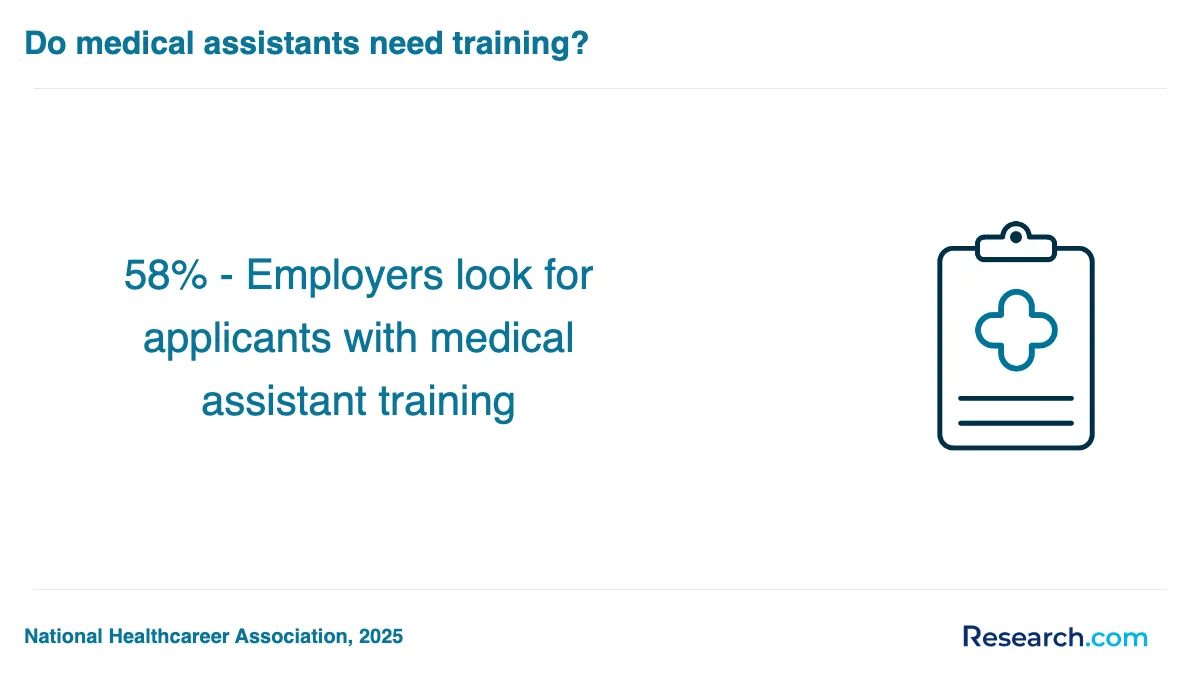
Graduates of medical assistant trade school programs in New York often find themselves at a crossroads bursting with possibilities. Many begin their careers as Certified Medical Assistants, balancing hands-on patient care - like taking vitals and assisting in exams - with administrative tasks such as scheduling and billing. This versatility opens doors at physician offices, hospitals, and outpatient centers across the state.
Some graduates choose distinct paths by becoming administrative medical assistants focused on the healthcare business side, while others immerse themselves in clinical roles, working closely alongside doctors and nurses. Popular trade schools in New York report that graduates appreciate this flexibility, often sharing how real-world training empowered them to pursue roles they hadn't initially envisioned.
Medical assistant career opportunities in New York also include advancement to medical office manager or hospital administrative manager, or even stepping up to roles like Licensed Vocational Nurse or Registered Nurse through further education. Demand for certified medical assistant jobs New York remains strong, offering motivation for graduates to build long-lasting careers. For those curious about specialties, exploring medical assistant fields can inspire paths never before considered.
The job market for medical assistant trade school graduates in New York is exceptionally promising, fueled by high demand across the city's extensive healthcare facilities. Graduates from popular trade schools often find themselves quickly employed in settings like Manhattan hospitals or Brooklyn specialty clinics, experiencing firsthand the buoyant job environment.
Key reasons for such opportunity include:
- Projected job growth of 16-18% over the next decade, far outpacing many allied health fields
- Wages starting between $19 and $21 per hour, with experienced professionals earning up to $27
- Strong preference by leading employers for certified graduates, enhancing earning potential by $4,000-$10,000 annually
Many graduates describe gaining confidence as they navigate a market that accommodates both full-time and part-time roles, allowing flexible schedules. The demand for medical assistants in New York remains robust due to an aging population and expanding healthcare access, making this a strategic career move for anyone studying medical assistant in New York. To understand more about the employment outlook for medical assistant in this competitive market is valuable for planning your next steps.
Best Medical Assistant Training Programs & Trade Schools - Top Medical Assistant Schools in New York for 2026
# 1 position
Access Careers-Islandia - Allied Health and Medical Assisting Services, Other.
certificate or diplomaThe Allied Health and Medical Assisting Services, Other program at Access Careers-Islandia offers hybrid instruction with some distance-education options. It covers allied health and medical assisting topics not listed in other programs. Graduates have a median earning of $23,067 one year after completion. The program is accredited by the Council on Occupational Education, ensuring recognized standards in training and education.
# 2 position
Mohawk Valley Community College - Clinical/Medical Laboratory Assistant.
certificate or diplomaMohawk Valley Community College offers a Clinical/Medical Laboratory Assistant program with a hybrid format, including some distance-education options. The program prepares students to perform waived testing procedures, phlebotomy, and support laboratory teams under supervision. Coursework covers clinical procedures, laboratory tests, mathematics, computer technology, equipment operation, sterilization, safety, and communication skills. Annual in-state tuition is $6,114. The program is accredited by the Middle States Commission on Higher Education.
# 3 position
Mohawk Valley Community College - Allied Health and Medical Assisting Services, Other.
certificate or diplomaMohawk Valley Community College offers a hybrid program in Allied Health and Medical Assisting Services, Other, which includes some distance-education options. The annual in-state tuition for this program is $6,114. It is accredited by the Middle States Commission on Higher Education. This program covers instructional content in allied health and medical assisting services not specified in other categories, providing specialized training in this field.
# 4 position
Hudson Valley Community College - Allied Health and Medical Assisting Services, Other.
associateHudson Valley Community College offers a hybrid program in Allied Health and Medical Assisting Services, Other, providing some distance-education options. The program is accredited by the Middle States Commission on Higher Education. Annual in-state tuition costs $6,694. This program covers instructional content not listed under other allied health and medical assisting categories, focusing on specialized skills within the field.
# 5 position
Plaza College - Allied Health and Medical Assisting Services, Other.
associatePlaza College offers a hybrid program in Allied Health and Medical Assisting Services, Other, accredited by the Middle States Commission on Higher Education. The annual in-state tuition is $15,450. Graduates earn a median salary of $32,837 one year after completing the program. This instructional program covers allied health and medical assisting areas not listed elsewhere, providing flexible learning options through partial distance education.
Frequently Asked Questions about medical assistant
After completing a medical assistant trade school in New York, preparing for the job market involves several key steps. First, graduates should obtain certification, such as the Certified Medical Assistant (CMA) credential from the AAMA, which enhances job prospects. According to the U.S. Bureau of Labor Statistics, medical assistant employment in New York is expected to grow by 14% between 2022 and 2032, faster than average for all occupations.
Networking with healthcare providers and attending job fairs can be beneficial. Additionally, updating a professional resume emphasizing clinical and administrative skills learned during training is crucial. Familiarity with electronic health records (EHR) systems common in New York clinics also improves employability.
Employers in New York prioritize several key skills when hiring medical assistant trade school graduates. Clinical competency is essential, including proficiency in phlebotomy, EKG administration, and patient vital signs monitoring. According to the Bureau of Labor Statistics, about 70% of medical assistant roles in New York require hands-on clinical skills.
Strong communication abilities are also vital. Medical assistants must effectively interact with patients and healthcare teams, ensuring clear information exchange and patient comfort.
Additionally, organizational skills and familiarity with electronic health records (EHR) systems are highly valued. The New York State Department of Labor highlights that candidates with EHR experience often have a competitive edge in the job market.
Finding internships relevant to medical assistant trade school programs in New York involves several strategic steps. Start by consulting your trade school's career services, as many programs have established partnerships with local clinics and hospitals.
The New York State Department of Labor reports that healthcare internships, including those for medical assistants, have grown by 8% in recent years, reflecting expanded opportunities.
Additionally, explore listings on platforms like the New York State Education Department's Office of Professions and healthcare job boards, which often feature internship openings suitable for aspiring medical assistants.
Networking through local healthcare associations and attending job fairs in New York City can also enhance your chances of securing a quality internship.
Obtaining a medical assistant trade school diploma in New York significantly enhances career mobility and advancement opportunities. Graduates gain essential clinical and administrative skills that meet state certification requirements, making them eligible for roles in various healthcare settings. According to the New York State Department of Labor, employment for medical assistants is projected to grow 19% from 2022 to 2032, faster than average for all occupations.
This diploma often serves as a stepping stone to higher-paying positions or specialized certifications, such as Certified Medical Assistant (CMA), which can increase wages by up to 15%. Additionally, many employers in New York prefer candidates with formal training, improving job security and career progression.
Part-time job opportunities in New York that complement medical assistant trade school education often include positions such as medical receptionist, patient care technician, and pharmacy assistant. These roles provide practical experience with patient interaction, medical documentation, and basic clinical tasks, reinforcing skills learned in school.
According to the U.S. Bureau of Labor Statistics (BLS), medical assistants in New York earn a median hourly wage of around $18.50, with part-time roles frequently available in hospitals, clinics, and private practices. Gaining experience in these settings can improve employability after graduation.
Additionally, roles such as medical billing clerk or health information technician offer exposure to administrative aspects of healthcare, valuable for a well-rounded skill set. Job platforms like Indeed report consistent demand for these part-time positions in the New York metropolitan area.
To choose the best Medical Assistant degree program near me in New York, you should consider the program's accreditation status, as accredited programs near New York typically provide better education and job placement support. Research.com can be a helpful resource for ranking and reviewing schools to compare curricula, graduation rates, and student reviews. Additionally, visiting campuses and speaking with current students and faculty near New York can provide valuable insights into the learning environment and available career opportunities.
- Best Medical Assistant Training Programs & Trade Schools - Top Medical Assistant Schools in New Jersey for 2026
- Best Medical Assistant Training Programs & Trade Schools - Top Medical Assistant Schools in Pennsylvania for 2026
- Best Medical Assistant Training Programs & Trade Schools - Top Medical Assistant Schools in Massachusetts for 2026
- Best Medical Assistant Training Programs & Trade Schools - Top Medical Assistant Schools in Maryland for 2026
- Best Medical Assistant Training Programs & Trade Schools - Top Medical Assistant Schools in Ohio for 2026
- Best Medical Assistant Training Programs & Trade Schools - Top Medical Assistant Schools in Virginia for 2026
- Best Medical Assistant Training Programs & Trade Schools - Top Medical Assistant Schools in Maine for 2026
- Best Medical Assistant Training Programs & Trade Schools - Top Medical Assistant Schools in West Virginia for 2026
- Best Medical Assistant Training Programs & Trade Schools - Top Medical Assistant Schools in Tennessee for 2026
- Best Medical Assistant Training Programs & Trade Schools - Top Medical Assistant Schools in Michigan for 2026
- Alternative Career Options for Medical Assistants | MA Specialties https://www.eaglegatecollege.edu/blog/what-other-jobs-can-a-medical-assistant-apply-for/
- Opportunities That Come with Being a Medical Assistant - Ohio Business College https://obc.edu/opportunities-that-come-with-being-a-medical-assistant/
- What Alternative Jobs Can a Certified Medical Assistant Apply For? - CyberTex https://cybertex.edu/what-alternative-jobs-can-a-certified-medical-assistant-apply-for/
- Is Part-Time Work Possible as a Medical Assistant? https://www.athenacareers.edu/can-you-work-part-time-as-a-medical-assistant/
- Can You Work While Attending Medical Assistant School? - BAMASF https://bamasf.edu/can-you-work-while-attending-medical-assistant-school/
- Healthcare Blog | The Allen School https://www.allenschool.edu/there-are-several-benefits-of-attending-a-medical-assistant-trade-school-over-a-community-college/
- Summer jobs and part-time work while at medical school | Health Careers https://www.healthcareers.nhs.uk/explore-roles/doctors/medical-school/summer-jobs-and-part-time-work-while-medical-school
- Medical Assisting Training Programs: What You Need to Know Before Enrolling | Centura College https://www.centuracollege.edu/blogs/student-development/medical-assisting-training-program/
- What Can You Do with a Medical Assistant Degree? | Goodwin University https://www.goodwin.edu/enews/what-can-you-do-medical-assisting/
- Jobs You Can Get w/ Medical Assistant Certificate or Degree https://www.stepful.com/post/what-jobs-can-you-get-with-a-medical-assistant-certificate-or-degree


