
Best Medical Assistant Training Programs & Trade Schools - Top Medical Assistant Schools in Northeast for 2026

Co-Founder and Chief Data Scientist
Choosing the right medical assistant trade school in the Northeast can shape your future career in healthcare. This article presents a carefully crafted ranking of medical assistant trade school programs, developed by the Research.com team of data scientists. It’s designed to help you make an informed decision about which programs truly stand out.
Whether you’re starting fresh or seeking certification, earning a diploma opens doors to rewarding job opportunities. Explore our ranking to find programs that fit your goals and set you on a path toward success and personal growth.
Key benefits of finishing medical assistant trade school in Northeast
- Expected salary: Graduates often earn between $36,000 and $58,000 annually in the Northeast, with higher wages in cities like New York. Experienced and certified medical assistants can command hourly rates up to $27, reflecting strong regional demand.
- Career paths: Many graduates from popular Northeast trade schools find opportunities in hospitals, clinics, and surgical centers, allowing them to grow professionally and specialize. This variety helps graduates build rewarding careers aligned with their interests.
- Online schooling benefits: Completing a medical assistant program online offers flexibility for busy students, enabling them to balance work and study effectively. Graduates from online programs in the Northeast report feeling confident and prepared without the need to attend in-person classes.
- Best Medical Assistant Training Programs & Trade Schools - Top Medical Assistant Schools in Northeast for 2026
- What can I expect from medical assistant trade schools in Northeast?
- Where can I work after finishing medical assistant trade schools in Northeast?
What can I expect from medical assistant trade schools in Northeast?
Enrolling in a medical assistant trade school program in the Northeast means immersing yourself in a carefully balanced blend of classroom learning and hands-on practice. Graduates often recall the rewarding challenge of mastering both clinical skills-like drawing blood or performing EKGs-and administrative duties such as managing electronic health records. Many find the experience of completing a 160- to 245-hour externship in a local healthcare facility particularly eye-opening, providing real patient interactions that build confidence and professional poise.
Students at well-known Northeast trade schools appreciate the strong emphasis on communication and professionalism, which prepares them for the fast-paced, team-oriented environments they'll soon join. The curriculum's focus on medical terminology and billing procedures also makes the day-to-day work feel familiar and manageable. Graduates often describe a deep sense of accomplishment when they pass national certification exams, knowing their program's regional accreditation has set a solid foundation for a meaningful healthcare career.
Where can I work after finishing medical assistant trade schools in Northeast?
Graduates from medical assistant trade schools in the Northeast often find themselves welcomed in a variety of healthcare settings, reflecting the region's diverse medical landscape. Many step confidently into roles at bustling hospitals or physicians' offices in cities like New York, where specialties such as OB/GYN and pediatrics offer dynamic daily challenges. Others recall the rewarding experience of working in smaller community clinics or urgent care centers in towns like North East, Maryland, where their skills directly impact local families' well-being.
Trade school alumni frequently share how their hands-on training prepared them not only for clinical tasks but also for administrative roles, such as patient intake or coordinating care in behavioral health centers. This versatility opens doors to positions like Medical Office Assistant or Clinical Coordinator, providing graduates with a sense of pride and belonging in their workplaces.
Many find encouragement from instructors and employers alike to advance their careers through specializations in billing, coding, or advanced patient care, turning initial training into a lifelong journey of growth and meaningful contribution.
Graduates from medical assistant trade schools in the Northeast often find themselves stepping into the workforce with starting salaries between $36,000 and $39,000. This range reflects the real experiences of many who trained in well-known regional programs, where hands-on learning prepares them to confidently enter bustling healthcare environments like New York City hospitals or community clinics in Vermont.
Many recent graduates share how their initial pay, around $21 per hour, quickly grows as they gain certifications such as Certified Medical Assistant (CMA) or specialized skills like phlebotomy and EKG administration. For example, those working in larger metropolitan areas report earning between $43,000 and $46,000 annually, with some advancing to $50,000 or more after a few years.
One graduate recalled the pride of moving from an entry-level role to a trusted position handling medical billing and coding, which significantly boosted their income. The Northeast's higher living costs are balanced by the strong demand for skilled medical assistants, making these programs a smart investment for those ready to grow professionally and financially.
- Admission requires a high school diploma or GED, with some schools also requiring assessment tests, background checks, and drug screenings.
- Programs usually last 9 to 12 months full-time and include classroom learning combined with 160-245 hours of clinical externships.
- Tuition ranges from $5,000 to $15,000, with additional costs for materials and exam fees; financial aid and tuition waivers may be available.
- Graduates can take national certification exams like CMA or CCMA, which are preferred but not always mandatory for entry-level jobs.
- Average annual salaries in the Northeast range from $38,000 to $49,000, with strong job growth expected through 2032 in various healthcare settings.
Completing a medical assistant trade school program in the Northeast typically takes between 9 to 12 months, depending on the intensity and structure of the chosen school. Many graduates from well-known Northeast trade schools share how this timeframe allowed them to swiftly transition from eager beginners to confident, capable professionals. One graduate reflected on the rewarding balance of hands-on clinical experience and classroom learning, emphasizing how the condensed schedule kept their motivation high while preparing them effectively for the workforce.
For students juggling work or family responsibilities, some programs offer part-time options that extend the duration slightly but provide flexibility. Another graduate appreciated this adaptability, noting that studying at a popular urban trade school in the Northeast made it possible to pursue their medical assistant certification without sacrificing personal commitments.
This focused timeframe helps maintain momentum, making the journey feel achievable and energizing. It's common to hear graduates express pride in how quickly they gained practical skills and confidence, ready to step into healthcare roles that make a real difference in their communities.
The core difference between online and on-campus medical assistant trade school programs in the Northeast lies in the learning environment and hands-on experience. Graduates from on-campus programs, like those at Massasoit Community College in Massachusetts, often recall the value of face-to-face instruction and direct access to labs where they practiced skills such as drawing blood and performing EKGs under faculty supervision. The immersive setting, combined with clinical practicums-like Massasoit's extensive seven-week, 245-hour placement-helps students build confidence through real-time feedback and peer interaction.
In contrast, online students appreciate the flexibility of studying theoretical coursework at their own pace from home, which suits working adults or those balancing family commitments. Yet, even these students must attend in-person clinical experiences at approved healthcare facilities, as seen in programs like Cecil College's 160-hour externship, to meet certification standards. This blend of convenience and hands-on training often leaves online learners feeling both empowered and grounded in practical skills essential for their future roles.
The average cost of medical assistant programs in the Northeast can vary significantly depending on the type of institution and residency status. For many graduates of community colleges like Middlesex Community College in Massachusetts, tuition fees typically range from around $4,274 for in-state students to over $9,000 for out-of-state attendees. These figures seem manageable and often motivate students to commit to their training with confidence. Meanwhile, those who pursued associate's degree programs at public institutions such as Delaware Technical and Community College have faced tuition fees that climb to approximately $11,435 for in-state and near $28,590 for out-of-state students. Graduates recalling their experiences often mention how being mindful of these differences helped them plan their finances more wisely.
Tuition fees for medical assistant trade schools in the Northeast can become more pronounced at private schools. For example, in New Jersey, some private colleges charge close to $18,000, which can feel daunting but is often balanced by smaller class sizes and more personalized attention. Many graduates appreciate the value of hands-on instruction, finding their investment worthwhile despite the higher upfront cost. Considering how to manage these expenses through financial aid or scholarships becomes an essential step in turning aspirations into realities.
Aside from tuition, students often face additional costs such as books, supplies, and mandatory fees, which can impact the overall budget. To ease this burden, exploring financial aid options or even considering medical assistant online degree programs might provide more flexible and affordable alternatives. Many graduates express relief and pride when their careful planning and research culminate in a successful and rewarding career in medical assisting.
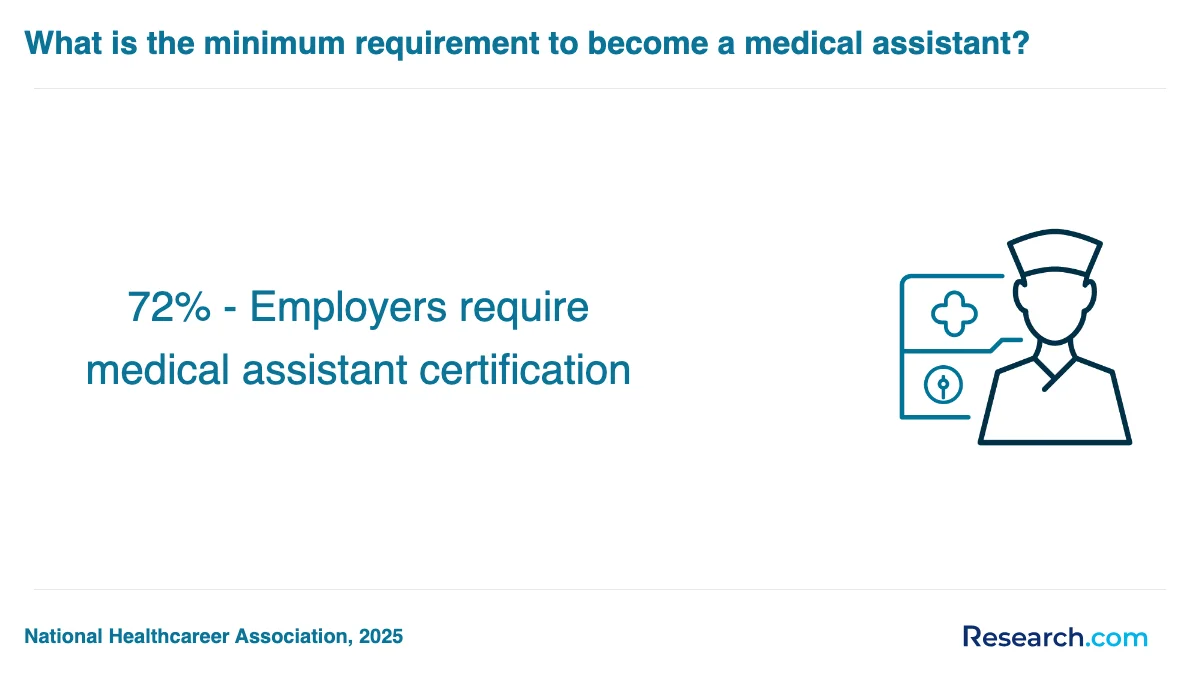
Students in Northeast medical assistant trade schools often find relief through federal financial aid, which many graduates describe as a crucial lifeline. Schools like Northeast Technical Institute and Cecil College participate in programs such as Federal Pell Grants and subsidized loans, enabling students to focus on their studies without constant financial worry. One graduate shared how completing the FAFSA opened doors to both grants and loans that covered tuition and helped with living expenses.
State-specific grants and scholarships further ease the burden. For instance, attendees at Western Suffolk Medical and Dental Assistant School have utilized state aid combined with flexible payment plans, making education more accessible. Another graduate recalled how these options allowed balancing work and study without overwhelming debt.
Scholarships like the Maxine Williams Fund from the AAMA or college-specific awards at places like Hagerstown Community College offer targeted support, often based on merit and need. Meanwhile, specialized programs-such as tuition assistance for SNAP recipients at Northeastern Technical College-reflect a compassionate approach to education, inspiring many to pursue their goals confidently.
Enrolling in a medical assistant trade school program in the Northeast typically requires meeting a few clear prerequisites that set you up for success. Most schools ask for a high school diploma or GED, which serves as the foundational stepping stone. Graduates often recall that having this credential gave them the confidence to tackle the fast-paced coursework and hands-on training.
Some programs also request basic proficiency in English and math, essential for understanding medical terminology and performing accurate calculations. Reflecting on their journeys, many students highlight how brushing up on these skills before starting eased their transition into clinical settings.
Additional prerequisites may include:
- Proof of immunizations, ensuring safety in healthcare environments
- Background checks, which help maintain trust with patients and employers
- Basic computer skills for managing electronic health records
Graduates from prominent Northeast trade schools often emphasize that meeting these requirements felt like a gateway to a supportive learning community, where they could thrive both academically and personally.

Medical assistant trade school programs in the Northeast focus on a comprehensive mix of courses that prepare students for the dynamic healthcare environment. Graduates commonly recall how administrative courses taught them essential skills such as medical terminology, appointment scheduling, insurance billing, and mastering electronic health records (EHR). These foundational lessons helped them confidently manage front-office tasks and maintain patient records with accuracy.
Hands-on clinical training is equally vital. Students engage deeply with courses covering anatomy, physiology, vital signs, phlebotomy, EKG procedures, and basic pharmacology. Many graduates share how practicing injections or preparing lab specimens in well-equipped labs at popular Northeast trade schools made complex concepts tangible and boosted their confidence before externships.
Professional development courses also play a crucial role, focusing on communication, teamwork, and national certification exam preparation. Students often reflect on how these modules enhanced their ability to handle real patient interactions compassionately while excelling on CMA or NHA exams.
- Administrative skills like insurance billing and EHR usage
- Clinical techniques including phlebotomy and EKG
- Professional growth emphasizing communication and exam readiness
Medical assistant program specializations in Northeast trade schools offer diverse pathways tailored to both clinical and administrative roles. Graduates often recall hands-on experiences with Clinical Medical Assisting, where they practice vital skills like taking medical histories, using EKG machines, and assisting in examinations-an approach well-illustrated by Lincoln Technical Institute's immersive labs. Others found fulfillment in Medical Office Administration, mastering billing, coding, and office tasks through hybrid programs like those at Porter and Chester Institute, blending online and in-person learning.
Distinctive tracks add further depth, such as
- Phlebotomy training for blood draws,
- EKG technology to handle cardiac monitoring,
- Medical Laboratory Assisting supporting lab procedures.
These Northeast medical assistant training program options ensure graduates can confidently step into varied healthcare roles. Accelerated programs, like the 16-week course at the Community College of Rhode Island, combine focused instruction with clinical externships, allowing swift entry into the workforce. For students exploring what is a medical clinical assistant and their duties, these specializations build both competence and confidence in real-world healthcare environments.
Choosing among the best medical assistant programs in Northeast means focusing on schools that combine strong accreditation with practical training. Graduates from top programs in the region often share how hands-on clinical experiences in nearby hospitals deeply enriched their learning and boosted their confidence. These real-world opportunities, found in popular colleges across the Northeast, help students seamlessly transition from classroom theory to workplace realities.
Affordability is another key factor; many students select affordable medical assistant schools in Northeast that balance cost with quality education and financial aid options. Graduates recall feeling relieved and supported when they discovered programs that fit their budgets while still providing excellent certification preparation. Such preparation is essential since certification exams are often gateways to meaningful employment in healthcare settings.
When deciding, consider program reputation through alumni job placement in respected healthcare centers nearby. Positive employment outcomes inspire students, providing reassurance about their future careers. For those wondering is the medical assistant program hard, hearing success stories from their Northeast peers can be motivating and affirm the practicality of their path.

Medical assistant trade school graduates in the Northeast find themselves well-equipped for a variety of roles across busy physicians' offices, specialty clinics, hospitals, and urgent care centers. Many graduates share how hands-on training at leading regional schools seamlessly prepared them for medical assistant jobs in Northeast settings, where tasks range from taking vital signs to managing patient records. This practical foundation often sparks enthusiasm as they step confidently into the workforce.
Opportunities for medical assistant career advancement Northeast are abundant for motivated individuals. Graduates frequently take on roles such as:
- healthcare office manager
- medical coding and billing specialist
- healthcare informatics professional
Some learn that continuing education, such as pursuing pediatric medical assistant certification or associate degrees, opens doors to supervisory or specialized clinical positions. These pathways reflect a rewarding blend of steady employment and meaningful career growth in a region energized by a growing healthcare sector.
The medical assistant job outlook in Northeast is notably strong, offering graduates from trade schools a wealth of opportunities. Many graduates share stories of quickly securing positions in busy hospitals and clinics across New York, Massachusetts, and Rhode Island, where demand for medical assistants in Northeast continues to rise. Entry-level wages in cities like New York City range from $19 to $21 per hour, with certified professionals earning up to $27, illustrating rewarding career prospects right after graduation.
Several factors contribute to this positive trend:
- Healthcare facilities expanding their teams to meet growing patient needs
- High job concentrations in metropolitan areas such as Providence-Warwick metropolitan area, employing thousands of professionals
- Premium offers like sign-on bonuses in regions like Pennsylvania's Lackawanna and Monroe counties
Overall, the demand for medical assistants in Northeast creates a welcoming environment for new graduates seeking stable and fulfilling healthcare careers.
Best Medical Assistant Training Programs & Trade Schools - Top Medical Assistant Schools in Northeast for 2026
# 1 position
Mount Wachusett Community College - Allied Health and Medical Assisting Services, Other.
associateMount Wachusett Community College offers a hybrid program in Allied Health and Medical Assisting Services, Other, providing some distance-education options. The annual in-state tuition is $6,000. Graduates have a median earning of $45,300 one year after program completion. The program is accredited by the New England Commission on Higher Education. It covers instructional content not listed in other allied health and medical assisting programs.
# 2 position
Mount Wachusett Community College - Allied Health and Medical Assisting Services, Other.
certificate or diplomaMount Wachusett Community College offers a hybrid program in Allied Health and Medical Assisting Services, Other, with an annual in-state tuition of $6,000. The program is accredited by the New England Commission on Higher Education. Graduates have median earnings of $45,300 one year after completion. This instructional program covers allied health and medical assisting services not specified elsewhere, providing flexible learning options for students.
# 3 position
Delaware Technical Community College-Terry - Clinical/Medical Laboratory Assistant.
associateDelaware Technical Community College-Terry offers a Clinical/Medical Laboratory Assistant program with a hybrid format, including some distance education. The program prepares students to perform waived testing procedures, phlebotomy, and support laboratory teams under supervision. Instruction covers clinical procedures, laboratory tests, laboratory mathematics, computer technology, equipment operation, sterilization, safety, and communication skills. Annual in-state tuition is $4,965, and median earnings one year after completion are $38,769. The program is accredited by the Middle States Commission on Higher Education.
# 4 position
Bunker Hill Community College - Clinical/Medical Laboratory Assistant.
certificate or diplomaBunker Hill Community College offers a Clinical/Medical Laboratory Assistant program with a hybrid format that includes some distance education. The curriculum prepares students to perform waived testing procedures, phlebotomy, and laboratory support tasks under professional supervision. Instruction covers clinical procedures, laboratory tests, equipment operation, safety, and communication skills. The program is accredited by the New England Commission on Higher Education. Annual in-state tuition is $5,520, and median earnings one year after completion reach $44,141.
# 5 position
Bunker Hill Community College - Allied Health and Medical Assisting Services, Other.
certificate or diplomaBunker Hill Community College offers a hybrid Allied Health and Medical Assisting Services program with some distance-education options. The annual in-state tuition is $5,520. Graduates have median earnings of $44,141 one year after completing the program. This instructional program covers allied health and medical assisting services not listed elsewhere. It is accredited by the New England Commission on Higher Education.
# 6 position
University of Maine at Presque Isle - Clinical/Medical Laboratory Assistant.
associateThe University of Maine at Presque Isle offers a Clinical/Medical Laboratory Assistant program with a hybrid format, combining distance education and on-campus instruction. The program trains students to perform waived testing procedures, phlebotomy, and other laboratory support tasks under supervision. Tuition for in-state students is $8,990 annually. Graduates earn a median salary of $35,813 one year after completion. The program is accredited by the New England Commission on Higher Education.
# 7 position
Pennsylvania Institute of Technology - Allied Health and Medical Assisting Services, Other.
associateThe Allied Health and Medical Assisting Services, Other program at Pennsylvania Institute of Technology offers a hybrid learning format with some distance-education options. The annual in-state tuition is $14,445. Graduates have median earnings of $41,788 one year after completing the program. This instructional program covers allied health and medical assisting services not listed elsewhere. It is accredited by the Middle States Commission on Higher Education.
# 8 position
Pennsylvania Institute of Technology - Allied Health and Medical Assisting Services, Other.
certificate or diplomaThe Allied Health and Medical Assisting Services, Other program at Pennsylvania Institute of Technology offers a hybrid format with some distance-education options. The annual in-state tuition is $14,445. Graduates earn a median salary of $41,788 one year after completion. This program is accredited by the Middle States Commission on Higher Education. It covers instructional content not listed in other allied health and medical assisting programs.
# 9 position
Laurel Technical Institute - Clinical/Medical Laboratory Assistant.
associateThe Clinical/Medical Laboratory Assistant program at Laurel Technical Institute is a hybrid course preparing students to perform waived testing procedures, phlebotomy, and support laboratory teams under supervision. It covers clinical procedures, laboratory tests, lab mathematics, computer technology, equipment operation, sterilization, safety, and communication skills. The annual in-state tuition is $11,470, and median earnings one year after completion are $18,862.35. The program is accredited by the Accrediting Commission of Career Schools and Colleges.
# 10 position
University of Maine at Augusta - Clinical/Medical Laboratory Assistant.
associateThe University of Maine at Augusta offers a Clinical/Medical Laboratory Assistant program with a hybrid format, combining in-person and distance education. The program trains students to perform waived testing procedures, phlebotomy, and laboratory support tasks under professional supervision. Instruction covers clinical procedures, laboratory tests, lab mathematics, technology, equipment maintenance, safety, and communication skills. Annual in-state tuition is $8,618. The program is accredited by the New England Commission on Higher Education. Median earnings one year after completion are $28,383.20.
Frequently Asked Questions about medical assistant
After completing a medical assistant trade school in the Northeast, preparing for the job market involves several key steps. Graduates should obtain certification from recognized bodies such as the Certified Medical Assistant (CMA) credential offered by the AAMA, which increases employability. According to the U.S. Bureau of Labor Statistics, medical assistant employment in the Northeast is projected to grow by about 15% through 2031, reflecting strong demand.
Networking with local healthcare providers and attending job fairs can improve job prospects. Additionally, gaining experience through internships or externships provided by many trade schools helps build practical skills. Staying informed about state-specific licensing requirements is also important for smooth employment transitions.
Employers in the Northeast highly value medical assistant graduates who demonstrate strong clinical and administrative skills. According to the U.S. Bureau of Labor Statistics (BLS), proficiency in patient care tasks such as taking vital signs and preparing patients for exams is essential. Additionally, familiarity with electronic health records (EHR) systems is increasingly important, as many healthcare facilities in the region rely on digital documentation.
Communication skills rank near the top, with employers seeking candidates who can effectively interact with patients and healthcare teams. The New England Healthcare Institute highlights that teamwork and adaptability are also critical due to the fast-paced environment.
Medical assistants with certification, such as the CMA (Certified Medical Assistant) credential, generally have better job prospects and higher salaries in Northeast states. This certification confirms both knowledge and practical skills, which employers trust.
Finding internships relevant to medical assistant trade school programs in the Northeast involves several strategic steps. Start by contacting your school's career services office, as many institutions maintain partnerships with local healthcare providers. These connections often lead to exclusive internship opportunities.
Additionally, explore hospitals, clinics, and medical offices in your area. Facilities such as Massachusetts General Hospital and NYU Langone Health frequently offer internships tailored for medical assistant students. According to the Bureau of Labor Statistics, healthcare support roles in the Northeast are projected to grow by 12% through 2030, increasing internship availability.
Networking through professional associations like the American Association of Medical Assistants can also provide leads. Finally, online platforms such as Handshake and local job boards list internships specific to the healthcare field in the Northeast.
Obtaining a medical assistant diploma from a trade school in the Northeast can significantly enhance career mobility and advancement. According to the U.S. Bureau of Labor Statistics, healthcare support occupations, including medical assistants, are projected to grow 10% from 2022 to 2032, faster than the average for all occupations. This growth is especially strong in Northeast states like New York and Massachusetts, where demand for qualified medical assistants is high.
A diploma from an accredited trade school provides essential clinical and administrative skills, making graduates more competitive for entry-level positions. Employers in the region often prefer candidates with formal training, which can lead to higher starting salaries and more rapid promotions.
Additionally, many trade schools offer career services and professional networking opportunities, crucial for advancement. Graduates can transition into specialized roles or pursue certifications that further improve job prospects and earnings. Data from the National Center for Education Statistics shows that certificate holders in healthcare fields in the Northeast report improved employment rates within six months of graduation.
Part-time job opportunities in the Northeast that complement medical assistant trade school education often include roles such as medical receptionist, patient care technician, and pharmacy aide. These positions provide practical experience in healthcare settings, enhancing skills learned in school. According to the U.S. Bureau of Labor Statistics, the Northeast region has a higher concentration of healthcare jobs compared to the national average, making it easier for students to find relevant part-time work.
Working as a medical receptionist helps develop communication and administrative skills, while patient care technician roles offer hands-on patient interaction. Pharmacy aide positions introduce students to medication management and pharmacy operations. These jobs not only build valuable experience but also improve employability after graduation.
To choose the best Medical Assistant degree program near me, start by researching local colleges and institutions that offer accredited programs, considering factors like curriculum quality, hands-on training opportunities, and graduation rates. Near Northeast, numerous universities and community colleges provide robust medical assistant programs, including certifications and associate degrees. Utilize resources like Research.com to compare program rankings and student reviews to identify the option that best fits your career goals and geographic preferences.
- What is the Next Step After Becoming a Medical Assistant? https://www.herzing.edu/pathway/whats-next-after-medical-assisting
- What is the Next Level After Medical Assistant? | Goodwin University https://www.goodwin.edu/enews/next-step-after-medical-assistant/
- Medical Assistant Career Path & Advancement Opportunities https://www.stepful.com/post/medical-assistant-career-path-advancement-opportunities
- What to Expect After Completing a CMA Program https://www.athenacareers.edu/what-to-expect-after-completing-a-cma-program/
- How to Succeed as a Working Student in Medical Assistant School https://www.allalliedhealthschools.com/blog/can-you-work-while-attending-medical-assistant-school/
- Medical Assistant Advancement: Career Paths & How to Grow in Healthcare https://www.chcp.edu/blog/medical-assistant-career-paths-and-advancement-opportunities/
- How to Go from Medical Assistant to MBA: A Guide to Advancing Your Medical Career | George Washington University https://healthcaremba.gwu.edu/blog/continuing-education-after-becoming-a-medical-assistant
- Launching Your Medical Assisting Career: A Step-by-Step Guide - Medquest https://medquestcollege.edu/launching-your-medical-assisting-career-a-step-by-step-guide/
- Medical Assistant Program. Graduate in as little as 7 months. https://ntinow.edu/career-training-programs/healthcare-career-programs/medical-assistant-program/
- How Long Is a Medical Assistant Program in Queens? | SPSON https://www.stpaulsschoolofnursing.edu/blog/medical-assisting/how-long-is-a-medical-assistant-program-in-queens--new-york-.html


