
Most Affordable Medical Assistant Schools & Training - Budget-Friendly Medical Assistant Trade Programs in California for 2026

Co-Founder and Chief Data Scientist
Choosing the right medical assistant trade school in California can feel overwhelming, but it doesn’t have to be. This article introduces a carefully crafted ranking of medical assistant trade school programs created by the Research.com team of data scientists to guide you in making an informed decision.
By exploring these affordable programs, you’ll discover options that fit your budget and career goals. Earning a diploma or certification opens doors to rewarding healthcare opportunities, making your educational journey worthwhile and exciting.
Key benefits of finishing medical assistant trade school in California
- Graduates of medical assistant trade schools in California can expect an average salary around $22.50 per hour, with certified assistants earning up to $24.17 per hour, offering a strong start in a growing healthcare field.
- Trade school graduates often find diverse career paths, including roles in clinics, hospitals, or specialized medical offices, as seen with alumni from popular California programs who quickly advance in their careers.
- Completing a medical assistant program online provides flexibility and convenience, allowing students to balance work and study effectively-many online graduates from well-known California schools report positive outcomes and faster entry into the workforce.
- Most Affordable Medical Assistant Schools & Training - Budget-Friendly Medical Assistant Trade Programs in California for 2026
- What can I expect from medical assistant trade schools in California?
- Where can I work after finishing medical assistant trade schools in California?
What can I expect from medical assistant trade schools in California?
Expect a comprehensive curriculum that covers everything from medical terminology and anatomy to billing, coding, and patient care. Graduates from popular California trade schools often describe how the mix of classroom learning and practical skills prepared them to confidently assist physicians with tasks like taking vital signs or managing patient records.
Hands-on training is a key highlight. Many students appreciate the simulated clinical environments where they practice drawing blood or prepping patients for exams before their externship. This real-world experience, typically 160 to 180 hours at local clinics or physician offices, is often cited as the moment they felt truly ready to enter the workforce.
Programs usually last 9 to 12 months with flexible blended learning options, blending online coursework with in-person labs. Graduates often share how this setup fit their busy lives, balancing work or family while advancing their careers.
Post-graduation, most students feel optimistic knowing they can sit for national certification exams and access career support services like job placement help and interview coaching, easing their transition into healthcare roles in California's growing medical field.
Where can I work after finishing medical assistant trade schools in California?
After finishing a medical assistant trade school program in California, graduates find a variety of employment opportunities across the state. Many secure positions in physician offices, such as family medicine or pediatrics clinics, where they perform hands-on tasks like taking vitals and assisting doctors-roles that former students from popular trade schools often describe as rewarding and fast-paced.
Others work in hospitals or outpatient care centers, gaining specialized experience in surgical support or diagnostics. Graduates from well-known California trade schools frequently mention the pride they feel when contributing to patient care in these settings.
Public health clinics and community health centers also hire medical assistants, offering a chance to serve diverse populations and engage in preventive health efforts. Some graduates find fulfilling roles in government facilities or correctional health services, where the work feels meaningful and impactful.
Additionally, administrative roles in insurance companies or research organizations provide alternative career paths. Most graduates appreciate the flexibility in schedules, with options for full-time, part-time, or per diem work, making it easier to balance life commitments.
After completing a medical assistant trade school program in California, graduates can typically expect to earn an average annual salary of about $47,662 as of early 2025. Entry-level positions start near $39,365, which many recent grads from popular California trade schools find encouraging as they begin their careers in healthcare support roles.
Hourly wages usually range between $20 and $28, with an average around $24.17. Graduates working in major cities like Los Angeles or San Francisco often see rates closer to $30 per hour, especially when employed by larger healthcare providers or clinics. Those who earn certifications beyond the basic program frequently report higher salaries, reflecting the value of extra credentials in California's competitive job market.
Many graduates share that gaining experience and certifications after completing programs at well-known local trade schools leads to steady pay increases, sometimes reaching over $56,000 annually. This realistic outlook helps new medical assistants feel confident about their financial future.
- Applicants typically need a high school diploma, GED, or equivalent, and some programs require passing entrance exams like the Wonderlic and spatial acuity tests.
- Program lengths range from 6 to 12 months, including about 160 hours of classroom instruction and a 160-hour externship, with some accelerated options lasting as little as 26 weeks plus a 3-week externship.
- Certification is not required to work in California, but most programs prepare students for voluntary national exams such as CMA or CMAC to improve job prospects.
- Program costs vary widely from $1,500 to $10,000, with financial aid, scholarships, and payment plans often available.
- Starting salaries average around $43,000 per year, with experienced medical assistants making up to $60,000 annually in certain metropolitan areas.
Completing a medical assistant trade school program in California typically takes between six months and one year, depending on the school and whether you attend full-time or part-time. Many graduates from well-known California trade schools share how finishing their programs in about nine months gave them a real sense of accomplishment without feeling rushed.
For example, attending a popular Los Angeles trade school, students often balance coursework with hands-on clinical training, which helps solidify their skills quickly. These programs are designed to fit into busy lives, allowing students to start working in healthcare settings sooner rather than later.
Graduates often express relief and pride in knowing they gained certification in under a year, making it easier to plan their careers and personal lives. The focused, practical approach of California trade schools means you're not just sitting in lectures but actively preparing for the real medical assistant role.
The main difference between online and on-campus medical assistant trade school programs in California is how the coursework and hands-on training are delivered. Graduates from online programs often appreciate the flexibility to study at their own pace, fitting classes around work or family. For example, students at popular California trade schools find they can complete theory courses like anatomy and medical terminology online, sometimes finishing in as little as four months. However, these programs still require local clinical labs or externships to develop practical skills like taking vital signs, which can't be learned virtually.
On the other hand, on-campus students benefit from direct interaction with instructors and peers, plus immediate access to lab facilities. Many find that the structured schedule and real-time feedback help them stay motivated and master hands-on techniques faster, often completing their program in about nine months. Both options ensure students gain the necessary clinical experience to qualify for certification exams and succeed in California's healthcare job market.
The average cost of medical assistant programs in California varies widely depending on the type of institution and program format. For example, community colleges like San Francisco State University offer tuition fees for medical assistant trade schools in California around $2,500, which includes textbooks and valuable hands-on clinical experience. Graduates from such programs often share how this balance of affordability and quality has made their journey manageable and rewarding.
On the other hand, vocational and technical schools tend to charge between $8,000 and $12,000 for their medical assistant programs. Many students appreciate the targeted focus and accelerated timelines these schools provide, despite the higher cost. Private colleges and universities often have tuition fees ranging from $10,000 to $15,000, reflecting added amenities and broader networking opportunities. Graduates from these institutions often highlight their confidence stepping into healthcare roles thanks to the comprehensive training they received.
Additional costs must also be considered, including textbooks, uniforms, medical tools, and certification exam fees, which can add between $350 and $1,500 or more. Students often find financial aid, scholarships, and employer sponsorships indispensable in easing these expenses. For those looking for flexible options, many turn to medical assistant online accredited programs, which can sometimes offer competitive pricing alongside convenience and accreditation.
Medical assistant students in California often rely on a mix of federal, state, and private financial aid to manage tuition costs. Graduates from well-known schools like Concorde Career College and Carrington College frequently mention how applying for the Free Application for Federal Student Aid (FAFSA) unlocked Pell Grants, which can cover up to $7,395 per year. These grants don't require repayment, providing crucial relief during training.
State-specific programs such as the Workforce Innovation and Opportunity Act (WIOA) grants are a game-changer for many residents aiming to enter healthcare quickly. Veterans and military families benefit from VA education benefits and MyCAA programs, which add extra layers of support. A graduate from a Los Angeles-based trade school shared how these benefits made balancing family life and schooling easier.
Private scholarships like the Maxine Williams Scholarship Fund and the Alice Newell Joslyn Medical Fund offer targeted awards, often based on GPA or community ties, helping students focus on studies without financial stress. Institutional scholarships and payment plans at California trade schools further expand access, allowing students from diverse backgrounds to pursue their goals confidently.
To enroll in a medical assistant trade school program in California, you'll need to meet several straightforward prerequisites that set you up for success. Most schools require a high school diploma or GED, which is the baseline for entry. Graduates from popular California trade schools often highlight how this requirement ensures everyone starts with a solid foundation.
Beyond the diploma, here are the typical prerequisites you'll encounter:
- Proof of immunizations and a TB test to maintain a safe learning environment.
- Basic proficiency in English and math, since medical assistants handle critical documentation and dosage calculations.
- Some schools may ask for a background check or drug screening to comply with healthcare facility standards.
Many students remember their first day vividly, appreciating how these clear prerequisites made the transition smoother. For example, graduates from well-known California trade schools recall how having these requirements in place helped them focus fully on clinical skills without administrative hurdles later on. If you're juggling work or family, knowing these prerequisites upfront allows you to plan efficiently and start your program with confidence.
Medical assistant trade school programs in California cover a range of practical courses that prepare students for real-world healthcare roles. Graduates often recall how core classes equipped them with essential skills needed daily in clinics and offices.
Typical courses include:
- Medical Terminology: Students learn the language of healthcare, which helps in understanding patient charts and communicating with doctors.
- Clinical Procedures: Hands-on training covers vital signs, injections, ECGs, and phlebotomy, enabling students to confidently assist in medical tasks.
- Laboratory Techniques: Preparing specimens and performing basic lab tests are emphasized, which graduates found crucial during externships.
- Pharmacology and Medication Administration: Learning about common medications and safe administration helps students support medication routines in busy medical settings.
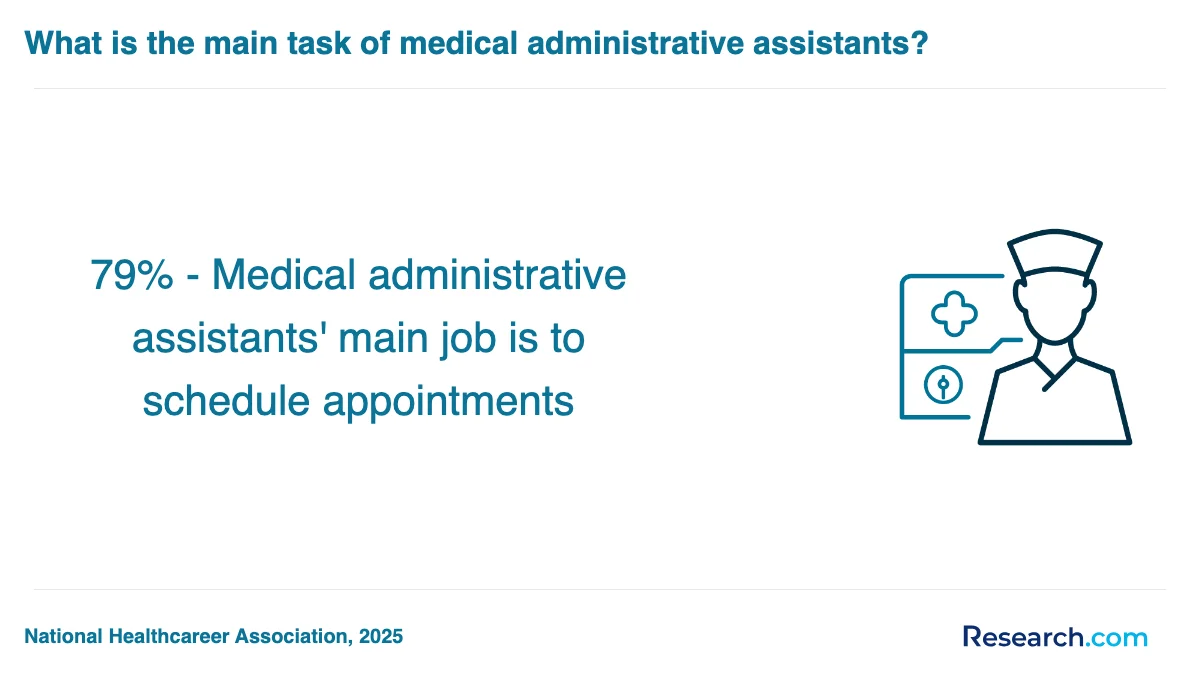
- Administrative Skills: Classes in billing, coding, scheduling, and HIPAA compliance prepare students for the administrative side of healthcare, a favorite among those who enjoy organization and patient interaction.
- Professional Behavior and Ethics: Training in communication and legal responsibilities ensures graduates feel ready to handle workplace challenges ethically and professionally.
Many students from well-known California trade schools appreciate how these courses blend theory with hands-on practice, often culminating in externships that build confidence and job readiness.
Medical assistant trade school programs in California commonly offer specializations that enhance both clinical and administrative expertise. Graduates often highlight practical skills gained in programs like Bay Area Medical Academy's comprehensive 3-in-1 Medical Assisting with Phlebotomy Program, which includes certifications in National Certified Medical Assistant, Certified EKG Technician, and California Certified Phlebotomy Technician. This focused path equips students with versatile abilities, from performing venipuncture to managing medical office procedures.
Typical specializations include:
- Medical Assistant Phlebotomy Training in California
- EKG Technician Certification in California
These allow students to confidently handle tasks such as conducting EKGs and collecting blood samples, making them valuable hires in busy clinical settings. Graduates often describe their externship experience as eye-opening, putting theory into practice and preparing them for real-world challenges.
Choosing the right specialization prepares students not only for certification exams but also for the best places to work for medical assistants across California's healthcare system, aligning their training with evolving industry demands.
Selecting the best medical assistant programs in California involves weighing accreditation, curriculum quality, and hands-on training. Graduates of Gurnick Academy often share how their extensive clinical externships gave them the confidence and real-world skills employers seek. If affordability is a priority, consider schools like Long Beach City College, where in-state tuition is around $1,500 annually-ideal for those searching for affordable medical assistant schools in California.
Program flexibility often makes a big difference. For instance, students praising Stepful appreciate its fully online medical assistant program that can be completed in as few as four months, paired with optional externships. Likewise, San Francisco State University's hybrid courses allow working adults to balance life and study.
Lastly, factor in job placement support-California Regional Occupational Center graduates highlight their school's 92% employment rate and career prep services. For guidance on certifications and career paths beyond school, exploring ncma careers can clarify next steps.

Medical assistant trade school graduates in California step into a healthcare job market rich with options. Many begin in clinical roles, working hands-on with patients at hospitals or outpatient clinics, while others excel in administrative positions managing schedules and patient records at private practices or retail health clinics. Graduates from top California programs often share that real-world training helped them confidently assist in telehealth settings, reflecting growing opportunities in virtual care.
Career advancement for medical assistants in California typically involves gaining experience and additional certifications. Graduates report climbing into supervisory roles like office managers or clinical supervisors after a few years, maximizing their earning potential and job satisfaction. Popular specializations include phlebotomy, EKG technology, pediatrics, optometry, and podiatry.
Medical assistants also explore diverse fields and develop skills tailored to their interests. For those curious, detailed guidance on types of medical assistants helps clarify specialization paths available in the state. Embracing these medical assistant specialization opportunities California offers turns a solid foundation into a fulfilling, dynamic career.
The medical assistant job outlook California is strong, with graduates from well-known trade schools quickly finding roles in busy healthcare settings. Many graduates share that hands-on training received at California's top programs prepares them to confidently enter environments like physicians' offices, hospitals, and outpatient clinics. For example, recent graduates from popular trade schools often highlight how job openings in Southern California's large hospital networks and Northern California's innovative clinics made their job search rewarding and steady.
Medical assistants in California benefit from salary trends reflecting the state's demand and cost of living. While the national median salary is around $44,200, graduates in California frequently report incomes near or above $43,000 annually, with some in metropolitan areas earning over $50,000. This financial incentive enhances the career appeal for local students.
Job seekers should note:
- Consistent demand exists due to the state's aging population and expanded healthcare services.
- Trade school graduates enjoy excellent job security fueled by steady job creation and turnover.
- California's diverse healthcare landscape offers varied work environments and growth opportunities.
If you are starting out, resources about becoming a medical assistant with no experience can provide support for entering this dynamic job market.
Most Affordable Medical Assistant Schools & Training - Budget-Friendly Medical Assistant Trade Programs in California for 2026
# 1 position
California Institute of Medical Science - Clinical/Medical Laboratory Assistant.
certificate or diplomaThe Clinical/Medical Laboratory Assistant program at California Institute of Medical Science offers a hybrid format with some distance-education options. It trains students to perform waived testing procedures, phlebotomy, and support laboratory teams under supervision. The curriculum covers clinical procedures, laboratory tests, mathematics, computer technology, equipment maintenance, sterilization, safety, and communication skills. Graduates have median earnings of $27,804 one year after completion. The program is accredited by the Council on Occupational Education.
# 2 position
ATA College - Clinical/Medical Laboratory Assistant.
associateThe Clinical/Medical Laboratory Assistant program at ATA College prepares students to perform waived testing procedures, phlebotomy, and support laboratory teams under professional supervision. Instruction covers clinical procedures, laboratory tests, mathematics, computer technology, equipment operation, sterilization, safety, and communication skills. The hybrid program is accredited by the Council on Occupational Education. Graduates have a median earning of $28,599 one year after completion.
# 3 position
Summit College - Allied Health and Medical Assisting Services, Other.
certificate or diplomaSummit College offers a hybrid program in Allied Health and Medical Assisting Services, Other, which includes some distance-education options. The median earnings of students one year after completing this program are $23,181. This program is accredited by the Accrediting Council for Continuing Education & Training. It covers instructional content in allied health and medical assisting services not listed in other specific categories.
# 4 position
Skyline College - Allied Health and Medical Assisting Services, Other.
associateSkyline College offers a hybrid program in Allied Health and Medical Assisting Services, Other, which includes some distance-education options. The program’s annual in-state tuition is $1,332. It is accredited by the Western Association of Schools and Colleges Accrediting Commission for Community and Junior Colleges. This program covers instructional content in allied health and medical assisting services not listed in other specific categories.
Frequently Asked Questions about medical assistant
After completing a medical assistant trade school in California, graduates should focus on obtaining certification to improve job prospects. The California Medical Board recognizes certifications from organizations like the Certified Medical Assistant (CMA) or Registered Medical Assistant (RMA). According to the U.S. Bureau of Labor Statistics, certified medical assistants can earn up to 20% more than non-certified peers.
Networking is also key; attending local healthcare job fairs and connecting with employers through platforms such as the California Employment Development Department can help secure positions. Additionally, gaining experience through internships or externships offered by trade schools enhances practical skills and resumes.
Staying informed about California's healthcare regulations and updating skills regularly is essential for career growth in this competitive field.
Employers in California highly value medical assistant graduates who demonstrate strong clinical and administrative skills. According to the California Employment Development Department, proficiency in patient care tasks such as taking vital signs, administering injections, and preparing patients for exams is essential. Additionally, skills in medical billing, coding, and electronic health record (EHR) management are increasingly important due to the growing use of digital systems in healthcare facilities.
Effective communication skills are also critical, as medical assistants frequently interact with patients and healthcare teams. Employers look for candidates who can handle multitasking, prioritize responsibilities, and maintain professionalism under pressure. The California Labor Market Info reports that soft skills combined with technical expertise increase employability in this field.
Finding internships in California relevant to medical assistant trade school programs involves several practical steps. Many trade schools have partnerships with local clinics, hospitals, and healthcare providers that offer internship opportunities. It is important to inquire directly with your school's career services or internship coordinator, as they often maintain lists of approved sites.
The California Employment Development Department reports steady growth in healthcare jobs, increasing demand for medical assistants. Internships are often unpaid but provide valuable hands-on experience.
Additionally, students can search for internships through online platforms like the California Workforce Development Board and local community health centers. Networking with healthcare professionals and attending job fairs can also uncover hidden internship opportunities.
Obtaining a medical assistant trade school diploma in California significantly enhances career mobility and advancement opportunities. According to the California Employment Development Department, medical assistants with formal training can expect a 12% faster job placement rate compared to those without credentials. This diploma equips students with essential clinical and administrative skills, meeting the requirements of many healthcare employers.
California's healthcare industry values accredited diplomas, which often lead to higher starting salaries-averaging $18 to $22 per hour-and eligibility for certification exams like the CMA. Certified medical assistants typically experience better job security and access to supervisory roles.
Overall, a diploma from a recognized trade school acts as a critical step toward upward social and professional mobility within California's competitive medical job market.
Part-time job opportunities in California that complement medical assistant trade school education are abundant and varied. Many students find roles as medical receptionists or administrative assistants in clinics and hospitals, gaining valuable exposure to healthcare environments while developing organizational skills.
Working as a pharmacy technician assistant is another option, providing insight into medication management and patient interaction. According to the U.S. Bureau of Labor Statistics, California employs the highest number of medical assistants nationwide, with a median hourly wage around $18.50, making part-time work feasible alongside education.
Additionally, roles such as patient care aides or home health aides offer hands-on experience with patient support, enhancing clinical skills learned in school. These jobs often offer flexible hours suitable for students balancing coursework.
Yes, there are affordable Medical Assistant degree programs available near California that cater to varying budgets and academic needs. Programs near me can often be found at local community colleges which may offer lower tuition rates compared to private institutions. To find a suitable program, Research.com is a helpful resource to explore a range of schools that fit your criteria in terms of affordability and location.
- Most Affordable Medical Assistant Schools & Training - Budget-Friendly Medical Assistant Trade Programs in Oregon for 2026
- Most Affordable Medical Assistant Schools & Training - Budget-Friendly Medical Assistant Trade Programs in Idaho for 2026
- Most Affordable Medical Assistant Schools & Training - Budget-Friendly Medical Assistant Trade Programs in Utah for 2026
- Most Affordable Medical Assistant Schools & Training - Budget-Friendly Medical Assistant Trade Programs in Washington for 2026
- Most Affordable Medical Assistant Schools & Training - Budget-Friendly Medical Assistant Trade Programs in New Mexico for 2026
- Most Affordable Medical Assistant Schools & Training - Budget-Friendly Medical Assistant Trade Programs in Montana for 2026
- Most Affordable Medical Assistant Schools & Training - Budget-Friendly Medical Assistant Trade Programs in Texas for 2026
- Most Affordable Medical Assistant Schools & Training - Budget-Friendly Medical Assistant Trade Programs in Arkansas for 2026
- Most Affordable Medical Assistant Schools & Training - Budget-Friendly Medical Assistant Trade Programs in Louisiana for 2026
- Most Affordable Medical Assistant Schools & Training - Budget-Friendly Medical Assistant Trade Programs in Illinois for 2026
- How to Become a Medical Assistant in California - San Joaquin Valley College https://www.sjvc.edu/guides/guide-on-becoming-a-medical-assistant-in-california/
- 6 Things to Look For in Medical Assistant Programs | CALRegional https://calregional.com/blog/6-things-to-look-for-in-medical-assistant-programs/
- Finding the Right Medical Assistant Training Program | CHCP https://www.chcp.edu/blog/how-to-find-the-right-medical-assistant-training-program/
- Medical Assistant Schools | Flexible and Comprehensive Training https://www.trade-schools.net/health-care/medical-assistant
- UCLA Health Medical Assistant Program Certificate Program | UCLA Extension https://www.uclaextension.edu/health-care-counseling/health-care-counseling-general/certificate/ucla-health-medical-assistant
- Medical Assistant Schools And Salaries In California https://www.accreditedschoolsonline.org/healthcare/medical-assistant/california/
- Medical Assisting Programs in California & Nevada | Online Training | Unitek College https://www.unitekcollege.edu/programs/medical-assistant/
- Medical Assistant Training School Programs in Rocklin CA https://nce.edu/medical-assistant-certification/rocklin-ca/
- Medical Assistant Training | Bay Area Medical Academy https://bamasf.edu/programs/medical-assistant/
- Medical Assistant, X-Ray Tech & Phlebotomy - Medical Career College of Northern California https://medicalcareercollege.edu/





