Most Affordable Medical Assistant Schools & Training - Budget-Friendly Medical Assistant Trade Programs in New Jersey for 2026

Co-Founder and Chief Data Scientist
Choosing the right medical assistant trade school in New Jersey can be overwhelming, but this article is here to help. You'll find a carefully crafted medical assistant trade school programs ranking created by the Research.com team of data scientists to guide your decision.
Exploring these options will give you confidence in picking a program that fits your goals and budget. Earning a medical assistant diploma or certification opens doors to rewarding healthcare careers with strong job prospects.
Take this step toward a brighter future with information you can trust.
Key benefits of finishing medical assistant trade school in New Jersey
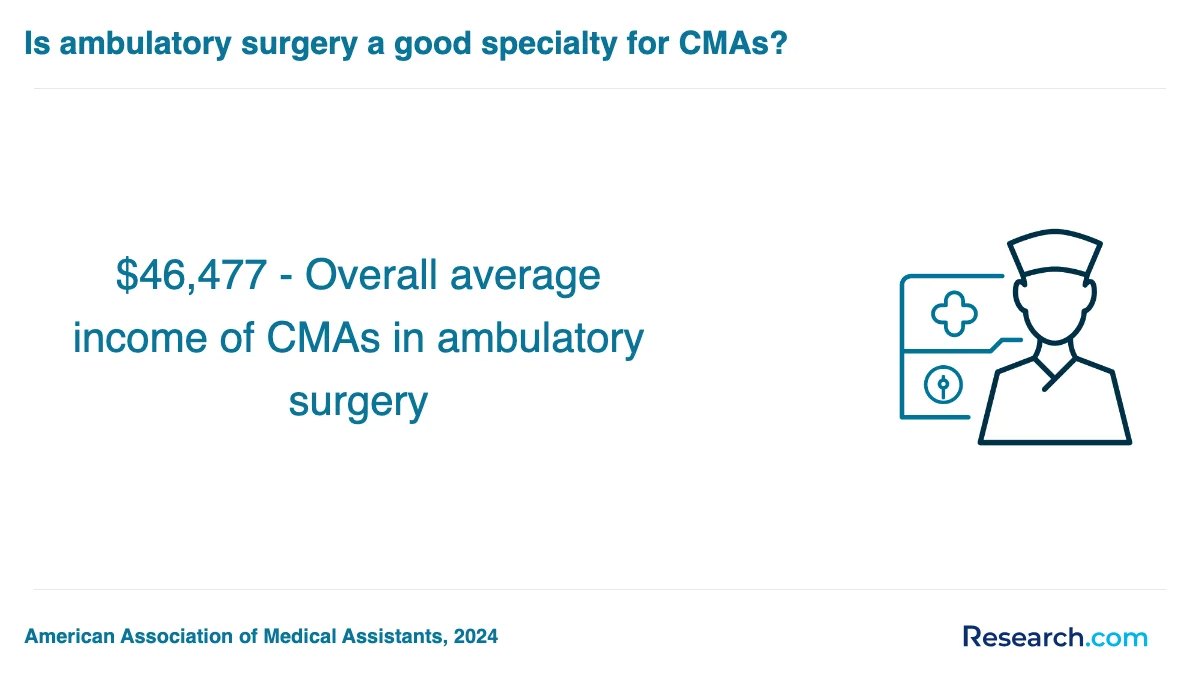
- Graduates of medical assistant trade schools in New Jersey can expect competitive salaries, with hourly wages ranging from about $17.31 to $27.82 and annual incomes near $46,500, offering strong financial stability early in their careers.
- Career paths for graduates are diverse, including roles in clinics, hospitals, and specialty practices; for example, a graduate from a well-known New Jersey trade school quickly secured a job as a certified medical assistant in a busy outpatient clinic.
- Completing a medical assistant program online provides flexibility and convenience, as shown by an online graduate from a popular New Jersey trade school who balanced work and study while earning certification faster than a traditional degree.
- Most Affordable Medical Assistant Schools & Training - Budget-Friendly Medical Assistant Trade Programs in New Jersey for 2026
- What can I expect from medical assistant trade schools in New Jersey?
- Where can I work after finishing medical assistant trade schools in New Jersey?
What can I expect from medical assistant trade schools in New Jersey?
Enrolling in a medical assistant trade school program in New Jersey means you'll dive into a hands-on learning experience that combines classroom study with practical skills. Graduates often recall practicing clinical procedures like taking vital signs, performing EKGs, and drawing blood in well-equipped labs, which builds confidence before working with real patients.
Many programs, such as the one at Union College, offer an optional internship that lets students gain valuable workplace experience. This real-world exposure helps ease the transition from school to a healthcare environment, making the learning feel relevant and rewarding.
You'll also master administrative tasks like scheduling appointments and managing patient records, skills that are essential in busy medical offices. Programs emphasize patient communication and professionalism, preparing you to provide compassionate care.
Students appreciate that these programs are designed for quick completion-some finish in under four months-allowing a fast track to certification and employment. Plus, schools like U.S. Career Institute boast high certification exam pass rates, giving students a strong sense of achievement and readiness for their new careers.
Where can I work after finishing medical assistant trade schools in New Jersey?
After completing a medical assistant trade school program in New Jersey, graduates find a wide range of employment opportunities tailored to their skills and interests. Many begin working in doctor's offices, outpatient clinics, and urgent care centers, where they handle both administrative duties and clinical tasks like taking vital signs or assisting with minor procedures. Graduates from popular New Jersey trade schools often share how rewarding it is to support busy family medicine or pediatric practices, building strong patient relationships while managing schedules and medical records.
Others choose roles in larger hospitals or medical centers such as St. Joseph's Medical Center, where medical assistants support physicians and help maintain exam rooms. Some graduates enjoy the flexibility of telemedicine jobs, communicating with patients remotely and handling billing or virtual triage, which has become increasingly popular in the state.
Specialized settings like OB/GYN offices, med spas, and outpatient surgical centers also attract New Jersey-trained medical assistants, offering dynamic work environments that suit diverse career goals and lifestyles.
After finishing a medical assistant trade school program in New Jersey, graduates typically earn between $20.19 and $22.36 per hour, which translates to an annual income ranging from $43,880 to $46,500. Many graduates from well-known trade schools in New Jersey share how landing jobs in cities like Jersey City or Newark helped them achieve hourly wages near $23, reflecting strong demand and competitive salaries in urban healthcare settings.
One graduate mentioned starting at around $22 per hour and quickly gaining confidence with hands-on skills learned during training, leading to raises and opportunities for specialized roles. Employers in the state often pay between $18 and $29 per hour, depending on experience and location, making the investment in a New Jersey trade school a rewarding step toward financial stability.
With many medical assistant trade schools offering practical training tailored to New Jersey's healthcare market, graduates feel optimistic about their earning potential and career growth right after completing their programs.
- Applicants must be at least 18 years old and have a high school diploma or GED, with some schools requiring background checks and health exams.
- Programs can be completed in 4 months to 1 year, combining classroom learning, lab practice, and clinical externships.
- Tuition typically ranges from $1,800 to $2,400, with additional costs for fees, textbooks, and certification exams.
- Certification is not required but recommended; most programs prepare students for the NHA Certified Clinical Medical Assistant (CCMA) exam.
- Job growth for medical assistants in New Jersey is projected at 15% through 2033, with entry-level salaries averaging $37,000 to $41,000 per year.
Most medical assistant trade school programs in New Jersey can be completed within 9 to 12 months, offering a fast track into the healthcare field. Graduates from well-known trade schools in the state often share how this timeframe allowed them to quickly gain the hands-on skills and certification necessary to start working without years of delay.
For example, students frequently describe their experience balancing practical labs and classroom instruction, appreciating the focused curriculum designed to fit busy schedules. This intensive pace keeps motivation high, as they see tangible progress each week toward becoming qualified medical assistants.
Many find that completing the program in under a year makes it easier to manage finances and personal commitments while still advancing toward a rewarding career. The combination of skill-building and real-world clinical practice offered by New Jersey trade schools helps students feel confident stepping into their new roles promptly after graduation.
The main difference between online and on-campus medical assistant programs in New Jersey is how the training is delivered. Online programs provide flexibility, letting students complete coursework remotely on their own schedule. For example, graduates from New Jersey City University appreciate being able to study at night after work, then choose to join an optional clinical immersion to gain hands-on experience. This setup is ideal for those balancing family or jobs.
On the other hand, on-campus programs like Lincoln Tech in Paramus offer immersive, face-to-face instruction with scheduled labs and real-time feedback. Students often share that the immediate guidance during hands-on skills training boosts their confidence and readiness for clinical internships.
Hybrid options combine both approaches, allowing students to study theory online while attending essential in-person labs or externships. Regardless of the path, all programs in New Jersey require clinical experience before certification, ensuring graduates feel prepared and supported stepping into healthcare roles.
The average tuition fees for medical assistant programs in New Jersey generally fall between $7,000 and $15,000. For example, graduates of well-known trade schools such as the Healthcare Training Institute in Union have shared how they invested around $16,500 for a Medical/Clinical Assistant program that required about 900 hours of instruction over 10 months. This investment often feels worthwhile as students appreciate the comprehensive hands-on training and preparation for their future careers.
Beyond tuition, total expenses for medical assistant diploma programs in New Jersey typically include additional costs like books and supplies, which can range from $500 to $1,000. Many students also budget $200 to $500 for uniforms and medical equipment, along with approximately $125 to $250 for certification exam fees such as the Certified Medical Assistant (CMA) test. These real-life expenses have been echoed by recent graduates who emphasize the importance of planning for these to avoid surprises.
Financial aid options often ease this burden. Many trade schools in New Jersey participate in federal and state financial aid programs, including grants, scholarships, and work-study opportunities. Completing the FAFSA is a common first step, and some schools offer merit-based scholarships that students have found helpful. Understanding these options allows aspiring medical assistants to focus on learning rather than worrying about costs.
For those weighing career paths, understanding the difference between medical administrative assistant and medical assistant is valuable. The competitive wages in New Jersey, with a median salary around $44,200, make the investment in education worthwhile for many embracing this rewarding healthcare role.
Students attending medical assistant trade schools in New Jersey often rely on the federal government's Title IV financial aid programs to manage tuition costs. For instance, graduates from ACI Medical & Dental School in Eatontown found that completing the FAFSA opened doors to Pell Grants and federal loans, easing their financial burden significantly. This federal aid is especially helpful for those balancing work and studies.
Many schools, like the Healthcare Training Institute in Union, provide interest-free payment plans, allowing students to pay tuition in manageable installments without extra charges. Graduates appreciated this flexibility, which made budgeting for education less stressful and more predictable.
When federal aid and payment plans don't cover everything, private education loans and agency funding can fill the gap. Workforce development agencies sometimes offer support for unemployed students or those meeting specific criteria, providing a critical safety net.
Trade schools in New Jersey also have dedicated Financial Aid Advisors who guide students through these options, ensuring they find the best fit for their financial situation.
To enroll in a medical assistant trade school program in New Jersey, candidates typically need to meet a few straightforward prerequisites that ensure readiness for both classroom and clinical work. Most trade schools expect applicants to have a high school diploma or a GED. This basic educational foundation helps students handle the essential medical terminology and administrative skills taught in the program.
Graduates from popular New Jersey trade schools often mention the importance of being comfortable with both hands-on tasks and technology, as programs blend clinical training with administrative duties.
Common prerequisites include:
- Proof of high school completion or equivalent
- Basic proficiency in English, especially reading and writing skills
- Successful completion of a background check and immunization records, reflecting healthcare standards
- Some schools may require a placement test to assess math and reading skills
For example, students starting at a well-known New Jersey trade school found that meeting these requirements made their transition smoother and boosted their confidence when beginning clinical rotations. The clear prerequisites help ensure that students are prepared to succeed and feel excited about their new career path.
Medical assistant trade school programs in New Jersey focus on a well-rounded curriculum that prepares students for real healthcare roles. Graduates from schools like ACI Medical & Dental School and Pennco Tech highlight how essential courses build confidence and practical skillsets.
Core courses include:
- Anatomy and physiology: Understanding the human body's structure helps students grasp patient care essentials.
- Medical terminology: Learning the language of healthcare ensures clear communication in clinics and hospitals.
- Clinical skills training: Hands-on practice with phlebotomy, EKGs, and basic patient care techniques makes the classroom experience tangible and engaging.
- Administrative skills: Courses on medical office procedures, scheduling, patient records, and billing prepare students to manage front-office tasks efficiently.
- Infection control and patient care coordination: These classes teach maintaining safe environments and supporting healthcare teams effectively.
Many students appreciate the externship requirement, which places them in real healthcare settings where they apply these skills daily. This practical exposure at New Jersey trade schools proves invaluable for job readiness and success on national certification exams like the CCMA.
Medical assistant trade school programs in New Jersey offer a variety of specializations tailored to different career interests. Graduates from popular trade schools often highlight how the diverse medical assistant program specializations in New Jersey prepared them for dynamic roles in healthcare settings. Common options include training as a Certified Clinical Medical Assistant (CCMA), focusing on clinical tasks like administering injections and taking vital signs, which boosts hands-on confidence during clinical rotations. Others choose Medical Billing and Coding, mastering administrative skills to manage healthcare records efficiently, a specialization in growing demand at schools like the Healthcare Training Institute.
Many students also explore Phlebotomy Technician training to confidently draw blood and assist in patient care, adding valuable practical skills. Patient Care Technician courses teach students how to support patients with daily needs, enhancing bedside manner. Medical Administrative Assistant training focuses on clerical expertise such as scheduling and billing, with New Jersey's promising job outlook further motivating students. Those considering these options often seek how to be a certified medical assistant and choose programs that fit their goals and local healthcare demands.
When choosing the best medical assistant trade schools in New Jersey, start by verifying accreditation from respected bodies like CAAHEP or ABHES. Graduates from Sussex County Community College praise the assurance their degree holds in the job market, thanks to its recognized accreditation. Next, evaluate the curriculum content to ensure it includes both clinical and administrative skills, as seen at New Jersey City University, where students feel confident tackling real-world challenges after completing courses covering medical terminology, patient care, and lab procedures.
Flexibility and program duration also matter, especially for working students. Eastwick College's accelerated nine-month certificate program is popular among those balancing family or jobs, providing a focused yet manageable path to certification. Practical, hands-on clinical experience is crucial; graduates from ACI Medical & Dental School highlight their 180-hour internships as a key factor in feeling ready to enter the workforce. For those seeking affordable medical assistant programs in New Jersey without compromising quality, researching cost alongside job placement rates is key. Consider all these factors thoughtfully to find a program that fits your goals and lifestyle, enhancing your chances to enjoy the benefits of becoming a medical assistant.
Medical assistant trade school graduates in New Jersey find a wide array of healthcare careers for medical assistant graduates in NJ, thanks to the state's growing demand for skilled healthcare workers. Many begin their careers as medical assistants in busy outpatient clinics or hospitals, where they handle both clinical tasks and administrative duties, gaining hands-on experience that quickly builds confidence. Graduates from popular New Jersey trade schools often move into specialized roles such as phlebotomists or EKG technicians, expanding their skill sets in patient care environments.
Additional pathways include positions like patient care technician, unit secretary, and medical administrative assistant, roles that combine patient interaction with organizational responsibilities. Graduates have shared how working in pediatric offices or rehab centers has enriched their daily work life and increased job satisfaction.
Some graduates leverage their training toward insurance processing or patient account roles, utilizing their knowledge of medical terminology in office settings. For those seeking career growth, credits from medical assistant programs can transfer into associate degrees, opening doors to supervisory roles or other allied health professions. Many explore online certified medical assisting programs that accept financial aid to continue education while working.
In summary, medical assistant job opportunities in New Jersey cover diverse settings-from hospitals to home healthcare-allowing graduates to find rewarding careers aligned with their interests and lifestyle.
The job market for medical assistant trade school graduates in New Jersey is strong and growing. Graduates from popular New Jersey trade schools frequently find opportunities in busy urban clinics, large hospital networks, and specialty practices. These roles combine clinical and administrative tasks, allowing graduates to quickly apply their training in real-world healthcare settings. Many graduates report feeling confident stepping into positions with good starting wages, often between $18.25 and $20.00 per hour, with room for growth.
Key factors shaping employment opportunities include:
- Strong statewide demand, with a projected job growth of 12-14% through 2033.
- Competitive wages averaging $20.00 to $22.36 hourly, about 10% above the national average.
- Over 1,300 job openings consistently posted across New Jersey healthcare facilities.
Students often highlight how their training prepared them for a fast-paced work environment, and many find support in programs that focus on practical skills, which eases transitions into employment. Understanding what is the hardest part of a medical assistant program also helps prospective students anticipate challenges and overcome them successfully. For anyone pursuing medical assistant employment opportunities New Jersey offers a dynamic and encouraging landscape.
Most Affordable Medical Assistant Schools & Training - Budget-Friendly Medical Assistant Trade Programs in New Jersey for 2026
# 1 position
Camden County College - Allied Health and Medical Assisting Services, Other.
certificate or diplomaCamden County College offers a hybrid program in Allied Health and Medical Assisting Services, Other, which includes some distance education options. The program is accredited by the Middle States Commission on Higher Education. Annual in-state tuition is $3,960. This instructional program covers allied health and medical assisting services not listed in other specific categories.
# 2 position
Warren County Community College - Allied Health and Medical Assisting Services, Other.
associateWarren County Community College offers a hybrid program in Allied Health and Medical Assisting Services, Other, providing some distance-education options. The annual in-state tuition is $5,310. This program is accredited by the Middle States Commission on Higher Education. It covers instructional content in allied health and medical assisting services not classified elsewhere, aiming to prepare students for related careers in the healthcare sector.
# 3 position
Raritan Valley Community College - Allied Health and Medical Assisting Services, Other.
associateRaritan Valley Community College offers a hybrid Allied Health and Medical Assisting Services program with some distance-education options. The annual in-state tuition is $5,520. This program is accredited by the Middle States Commission on Higher Education. It covers allied health and medical assisting instructional content not listed in other programs, providing students with specialized training in this field.
# 4 position
Thomas Edison State University - Allied Health and Medical Assisting Services, Other.
associateThomas Edison State University offers a program in Allied Health and Medical Assisting Services, Other, with an annual in-state tuition of $6,638. Graduates have median earnings of $30,879 one year after completing the program. This instructional program covers allied health and medical assisting areas not specified elsewhere. The program is accredited by the Middle States Commission on Higher Education.
Frequently Asked Questions about medical assistant
After completing a medical assistant trade school program in New Jersey, preparing for the job market involves several key steps. First, obtaining certification such as the Certified Medical Assistant (CMA) offered by the AAMA can significantly improve employment prospects. According to the U.S. Bureau of Labor Statistics, New Jersey's healthcare sector is growing steadily, with medical assistant jobs expected to increase by 16% through 2031.
Networking is also essential; joining local professional groups like the New Jersey Society of Medical Assistants can provide valuable connections. Additionally, gaining practical experience through internships or externships during school enhances skills and resumes. Finally, tailoring resumes to highlight clinical skills and knowledge of electronic health records is crucial for standing out to employers in New Jersey's competitive healthcare market.
Employers in New Jersey prioritize a combination of technical and interpersonal skills when hiring medical assistant trade school graduates. Key technical skills include proficiency in electronic health records (EHR) management, basic clinical procedures, and knowledge of medical terminology. According to the U.S. Bureau of Labor Statistics and New Jersey Department of Labor data, familiarity with EHR systems is essential as over 75% of healthcare facilities in the state utilize digital records.
Additionally, strong communication skills are vital. Medical assistants must effectively interact with patients and healthcare teams, ensuring clear information exchange. Employers also value reliability and the ability to multitask in fast-paced environments.
Clinical skills such as taking vital signs, administering injections, and preparing patients for exams remain fundamental. Overall, graduates who combine technical expertise with strong organizational and interpersonal abilities are most competitive in New Jersey's job market.
Finding internships relevant to medical assistant trade school programs in New Jersey involves a few key steps. First, students should check with their school's career services or internship coordinator, as many programs have established partnerships with local healthcare facilities. According to the New Jersey Department of Labor, healthcare remains a top sector for internships, with numerous opportunities in hospitals, clinics, and private practices.
Online platforms like New Jersey Career Connections and the American Association of Medical Assistants also list internships specific to this field. Networking through local healthcare events or contacting medical offices directly can increase chances of placement. Early application is important, as competitive slots fill quickly.
Obtaining a medical assistant trade school diploma in New Jersey can significantly enhance career mobility and advancement opportunities. According to the New Jersey Department of Labor, medical assistants with formal training often experience higher job placement rates and faster entry into the workforce compared to those without credentials. The diploma demonstrates essential clinical and administrative skills, making candidates more competitive for roles in clinics, hospitals, and private practices.
Additionally, many employers in New Jersey prefer or require certification associated with trade school diplomas, which can lead to higher wages and promotional prospects. The U.S. Bureau of Labor Statistics projects a 16% growth in medical assistant jobs nationally through 2031, reflecting strong demand that benefits credentialed professionals.
In New Jersey, students enrolled in medical assistant trade schools can benefit from several part-time job opportunities that complement their education. Positions such as medical receptionist, phlebotomy technician, and patient care assistant provide hands-on experience with clinical and administrative tasks. These roles help build relevant skills in patient interaction, electronic health record management, and basic clinical procedures.
The New Jersey Department of Labor notes that medical assistants often gain early employment in outpatient care centers and physician offices, which are abundant across the state. Working part-time in these settings allows students to apply classroom knowledge in real-world environments, improving job readiness upon graduation.
Additionally, these jobs often offer flexible hours suitable for students balancing coursework. According to the U.S. Bureau of Labor Statistics, the demand for medical assistants in New Jersey is projected to grow by 20% through 2032, indicating strong employment prospects for those gaining practical experience early.
Yes, there are affordable Medical Assistant degree programs that might be near you, including those near New Jersey. Community colleges and technical schools often offer cost-effective diploma or associate degree programs in medical assisting. Utilizing resources like Research.com can help you find specific programs and compare costs of schools near your location.
- Most Affordable Medical Assistant Schools & Training - Budget-Friendly Medical Assistant Trade Programs in Pennsylvania for 2026
- Most Affordable Medical Assistant Schools & Training - Budget-Friendly Medical Assistant Trade Programs in New York for 2026
- Most Affordable Medical Assistant Schools & Training - Budget-Friendly Medical Assistant Trade Programs in Maryland for 2026
- Most Affordable Medical Assistant Schools & Training - Budget-Friendly Medical Assistant Trade Programs in Virginia for 2026
- Most Affordable Medical Assistant Schools & Training - Budget-Friendly Medical Assistant Trade Programs in Massachusetts for 2026
- Most Affordable Medical Assistant Schools & Training - Budget-Friendly Medical Assistant Trade Programs in West Virginia for 2026
- Most Affordable Medical Assistant Schools & Training - Budget-Friendly Medical Assistant Trade Programs in Ohio for 2026
- Most Affordable Medical Assistant Schools & Training - Budget-Friendly Medical Assistant Trade Programs in Tennessee for 2026
- Most Affordable Medical Assistant Schools & Training - Budget-Friendly Medical Assistant Trade Programs in Maine for 2026
- Most Affordable Medical Assistant Schools & Training - Budget-Friendly Medical Assistant Trade Programs in Georgia for 2026
- Medical Assistant Salary 2025: How Much Do They Make? https://nurse.org/healthcare/medical-assistant-salary/
- Medical Assistants : Occupational Outlook Handbook: : U.S. Bureau of Labor Statistics https://www.bls.gov/ooh/healthcare/medical-assistants.htm
- 2025 Medical Assistant Salary by State | IntelyCare https://www.intelycare.com/career-advice/medical-assistant-salary-facts-figures-salaries-by-state/
- 6 Highest-Paying Medical Assistant Specialties | Stepful https://www.stepful.com/post/highest-paying-medical-assistant-specialties
- What is the Next Step After Becoming a Medical Assistant? https://www.herzing.edu/pathway/whats-next-after-medical-assisting
- What is the Next Level After Medical Assistant? | Goodwin University https://www.goodwin.edu/enews/next-step-after-medical-assistant/
- How to Succeed as a Working Student in Medical Assistant School https://www.allalliedhealthschools.com/blog/can-you-work-while-attending-medical-assistant-school/
- What Employers Look for After Certified Medical Assistant Training - BAMASF https://bamasf.edu/what-employers-look-for-after-certified-medical-assistant-training/
- How to Go from Medical Assistant to MBA: A Guide to Advancing Your Medical Career | George Washington University https://healthcaremba.gwu.edu/blog/continuing-education-after-becoming-a-medical-assistant
- Medical Assistant Advancement: Career Paths & How to Grow in Healthcare https://www.chcp.edu/blog/medical-assistant-career-paths-and-advancement-opportunities/