
Best Medical Assistant Training Programs & Trade Schools - Top Medical Assistant Schools in Virginia for 2026

Co-Founder and Chief Data Scientist
Choosing the right medical assistant trade school in Virginia can feel overwhelming. This article aims to simplify that process by presenting a carefully crafted medical assistant trade school programs ranking created by the Research.com team of data scientists. Their expertise ensures the ranking highlights programs that truly stand out, helping you make an informed decision.
Whether you’re starting fresh or looking to advance your career, earning a diploma or certification can open doors to rewarding healthcare opportunities. Reading this guide will give you confidence and clarity on your path forward.
Key benefits of finishing medical assistant trade school in Virginia
- Graduates of medical assistant trade schools in Virginia can expect an average salary around $19.50 per hour, with certified professionals earning up to $43,341 annually, offering a strong financial start.
- Career paths for graduates include roles in clinics, hospitals, or specialized fields like phlebotomy and medical billing, providing diverse opportunities to grow and find your passion.
- Completing a medical assistant trade school online offers flexibility and convenience, allowing students to balance work and study while gaining the skills needed to succeed quickly.
- Best Medical Assistant Training Programs & Trade Schools - Top Medical Assistant Schools in Virginia for 2026
- What can I expect from medical assistant trade schools in Virginia?
- Where can I work after finishing medical assistant trade schools in Virginia?
What can I expect from medical assistant trade schools in Virginia?
When you enroll in a medical assistant trade school program in Virginia, expect a blend of classroom learning and hands-on clinical experience tailored to prepare you for real healthcare settings. Graduates from Sentara College of Health Sciences often share how their year-long program, split into two semesters, provided them with in-depth training in medical terminology, anatomy, and practical skills like taking vital signs and administering medications. Meanwhile, students from Old Dominion University appreciate the flexibility of completing their program online in just five months, combined with supervised clinical rotations that build confidence in patient care.
You'll also dive into administrative tasks such as managing electronic health records and scheduling, crucial for thriving in busy medical offices. Many find the emphasis on professional ethics and legal responsibilities reassuring when facing real-world challenges. Hands-on practice is key-Sentara students complete 450 clinical hours, gaining experience in labs and local healthcare facilities, which makes stepping into jobs at clinics or hospitals feel natural and exciting.
Where can I work after finishing medical assistant trade schools in Virginia?
After finishing a medical assistant trade school program in Virginia, you'll find a variety of rewarding job opportunities waiting for you. Many graduates land positions in private physicians' offices or outpatient clinics, where they handle everything from greeting patients to managing appointment schedules. Imagine working in a busy Arlington clinic, confidently taking vital signs and assisting with minor procedures-this is a common and fulfilling start for many trade school grads.
Others find exciting roles in hospitals or urgent care centers across Virginia Beach or Fairfax, supporting different departments and gaining hands-on experience. Specialty clinics, like pediatric or dermatology practices, also hire medical assistants trained at schools such as Stratford or ECPI College of Technology. Graduates often share how rewarding it is to assist with pediatric triage or help maintain sterile fields during procedures.
Employers in Virginia value your certificate and often prefer candidates with Basic Life Support certification. Flexibility with shifts can open even more doors in this dynamic field, and many graduates appreciate how their trade school training prepared them for real-world challenges, making each day unique and impactful.
After finishing a medical assistant trade school program in Virginia, you can expect to earn between $19.50 and $20.31 per hour on average. This means an annual salary of about $40,560 to $42,850 if you work full-time. Many graduates from well-known Virginia trade schools share how starting salaries in this range helped them quickly gain financial independence while building their healthcare careers.
Some entry-level positions pay a bit less, around $16.92 to $21.68 per hour, but with certification-like becoming a Certified Medical Assistant (CMA)-wages can jump to between $41,533 and $47,597 annually. Graduates often mention how earning that certification felt like a game changer, opening doors to higher-paying roles.
Location also plays a role; those working in busy cities or specialized clinics in Virginia sometimes see wages near $25 per hour. Expanding skills with certifications in phlebotomy or medical billing can boost earnings and make your resume stand out. Many Virginia graduates feel proud seeing their hard work translate into steady paychecks and career growth.
- Most medical assistant programs in Virginia require a high school diploma or GED and students must be at least 18 years old.
- Program length ranges from 5 months for accelerated options to about two years for associate degrees, with most certificate and diploma programs taking 10-12 months.
- Accreditation by CAAHEP or ABHES is preferred by employers and ensures proper training; Virginia does not require state licensing for medical assistants.
- Tuition costs vary widely, with some plans starting at $99 per month, and state-funded assistance or free options available through workforce development programs.
- Graduates can take national certification exams like CCMA, CMA, or RMA, which can improve job prospects and may be required by employers.
- Medical assisting is a fast-growing field with entry-level salaries nationally ranging from $35,000 to $40,000 annually, with opportunities for advancement.
Completing a medical assistant trade school program in Virginia typically takes about 9 to 12 months. Many students find this timeline encouraging because it allows them to quickly enter the workforce and start gaining valuable experience without a multi-year commitment. For example, graduates from well-known Virginia trade schools often share how the hands-on training and focused curriculum helped them feel confident stepping into clinics or doctor's offices within a year.
One graduate described balancing the program with part-time work, appreciating the intensive yet manageable pace that kept motivation high. Another mentioned how the structured schedule supported their busy life, making it possible to complete coursework and clinical practice smoothly. This timeframe is ideal for those eager to launch or change careers swiftly, offering a clear path fueled by practical skills.
Virginia's trade schools emphasize real-world readiness, so the 9- to 12-month duration includes both classroom learning and clinical externships. This combination ensures graduates leave prepared, not just with theory, but with the confidence to thrive in medical settings right away.
The main difference between online and on-campus medical assistant trade school programs in Virginia lies in how the coursework and hands-on training are delivered. Online programs offer the flexibility to study anytime, which is a huge advantage for students juggling work or family. For instance, graduates from Herzing University appreciate being able to watch lectures on their own schedule while still completing required in-person clinical labs. Similarly, students at Old Dominion University find the blend of online coursework with supervised clinical training fits well into busy lives, allowing completion in as little as 4 to 10 months depending on their pace.
On the other hand, on-campus programs like Sentara College of Health Sciences provide a more structured experience. Students attend scheduled classes and weekly hands-on labs, benefiting from face-to-face interaction and immediate feedback from instructors. This setup appeals to those who thrive in a traditional classroom and want a clear routine.
Both paths ensure you get essential clinical experience needed for certification and employment in Virginia's healthcare field, so it really comes down to how you prefer to learn and manage your time.
The average tuition for medical assistant programs in Virginia typically ranges from $3,000 to $10,000 per semester or year, depending on the trade school and the length of the program. Many graduates recall choosing schools like Vital Phlebotomy Institute, where a focused 7-week Medical Assistant Program costs around $2,195, making it an accessible choice for those eager to start their careers quickly without a hefty price tag.
Community colleges also serve as popular options, combining affordability and quality training. For example, students at Eastern West Virginia Community & Technical College pay about $2,195 for a 16-week program, which offers a balanced duration and cost. Meanwhile, Southwest Virginia Community College programs can cost closer to $6,589 on average, reflecting different institutional offerings and program structures across Virginia. These variations are common and provide flexibility for students to pick programs that better match their personal schedules and budgets.
Keep in mind that the cost of medical assistant diploma programs in Virginia goes beyond tuition. Graduates often mention spending roughly $952 on books, supplies, and certification exam fees, expenses that are essential but sometimes overlooked at the start. Knowing this helps students budget accurately and avoid surprises.
Many students find tremendous value in researching financial aid opportunities, which can dramatically reduce these expenses. Scholarships, grants, and loans are commonly available and worth pursuing to lighten the financial load. Understanding how hard is it to become a medical assistant can also prepare students mentally and financially for the commitment ahead, ensuring they select the best path forward.
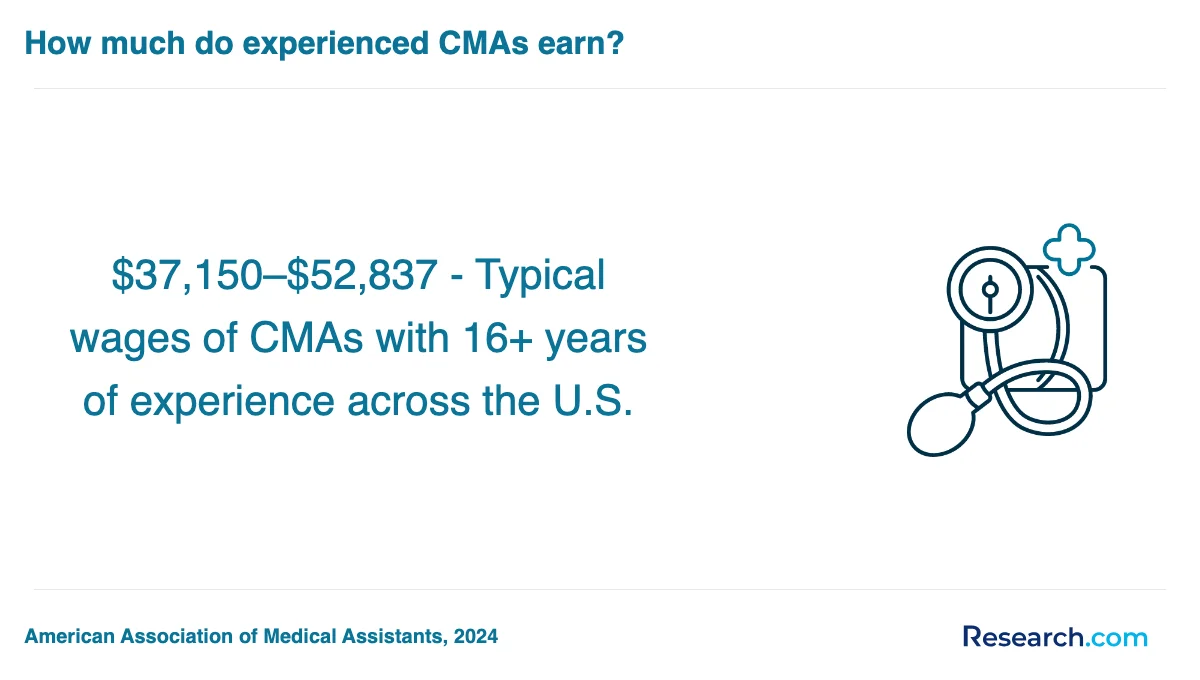
When pursuing medical assistant training in Virginia, many students find financial aid is more accessible than expected. Completing the FAFSA is the first step, unlocking federal aid like Pell Grants and federal student loans. For example, at Virginia Highlands Community College, over 80% of students receive financial assistance, helping graduates graduate with less worry about debt. This federal support is often the backbone of funding for community college students.
Beyond federal aid, numerous schools offer institutional scholarships tailored for medical assistant students. These scholarships can be merit-based or focused on supporting diverse communities, which many students appreciate as it eases their financial burden while recognizing their unique backgrounds. Graduates from private institutions such as Fortis College often combine these scholarships with Title IV funding, which includes federal grants and loans, making short-term career programs more affordable.
Additionally, Workforce Innovation and Opportunity Act (WIOA) grants provide crucial support for those changing careers or facing unemployment. Many students share how financial aid advisors at their schools guided them through these options, turning what felt like an overwhelming process into a manageable path toward their medical assistant goals.
To enroll in a medical assistant trade school program in Virginia, you'll need to meet a few straightforward prerequisites that set you up for success. Most programs require a high school diploma or GED, which is the basic foundation. Some schools also ask for proof of immunizations and a background check, ensuring you're ready to work safely in healthcare settings.
Graduates from popular Virginia trade schools often mention how these requirements helped them feel prepared and confident stepping into clinical environments. For example, one graduate recalled how having a clear immunization record made their clinical placement smoother, allowing them to focus on learning rather than paperwork.
Typical prerequisites include:
- High school diploma or GED
- Immunization records (such as MMR, Hepatitis B, and flu shots)
- Background check or drug screening
- Basic proficiency in English and math
Some programs may also suggest or require CPR certification before clinical rotations, which graduates say boosted their confidence when handling real patients. Meeting these prerequisites ensures you're ready to dive into the hands-on training that Virginia's medical assistant trade schools are known for.

Medical assistant trade school programs in Virginia typically include a well-rounded mix of courses designed to prepare you for both clinical and administrative tasks. Graduates from schools like Sentara College and Piedmont Virginia Community College often share how foundational classes in medical terminology and anatomy and physiology helped them confidently understand patient needs and medical procedures right from the start.
Hands-on clinical skills are a major focus. Expect training in taking vital signs, assisting with exams, performing routine lab tests, and even learning skills like EKG and phlebotomy, as seen in Old Dominion University's program. These practical skills helped many students feel ready to handle real patient care situations.
Administrative courses cover medical office procedures, billing and coding, appointment scheduling, and legal aspects like patient confidentiality. This prepares you to navigate the daily workflow of a busy healthcare office.
- Clinical skills training including EKG and phlebotomy
- Infection control and emergency response, such as Basic Life Support (BLS)
- Medical office procedures, billing, and coding
- Hands-on externships with 180 to 450 hours of practical experience
Many graduates find that these courses, combined with real-world externships, build the confidence and expertise needed to succeed in Virginia's healthcare settings.
Medical assistant program specializations in Virginia typically split between clinical and administrative tracks, giving you the flexibility to focus on your strengths and career goals. For those drawn to hands-on patient care, clinical medical assisting is a popular choice. Graduates from programs like Piedmont Virginia Community College often share how their training in tasks such as patient preparation, lab work, infection control, and medication administration boosted their confidence in real healthcare settings. These programs often prepare students to take the Certified Clinical Medical Assistant (CCMA) exam and may stack credentials in phlebotomy or EKG technology.
On the other hand, if you prefer a role behind the scenes, administrative medical assisting is equally rewarding. At Bryant & Stratton College and Stratford University, students appreciate learning skills like medical office management, insurance processing, and working with electronic health records. This track focuses on professionalism and communication, preparing graduates for smooth integration into healthcare operations.
Many Virginia schools also blend the best of both worlds, making graduates adaptable. For example, ECPI University's program trains students as multi-skilled workers capable of clinical tasks like phlebotomy and EKG, along with administrative duties. This comprehensive approach helps meet the growing industry demand for versatility.
Understanding the clinical vs administrative medical assistant Virginia options can be crucial when choosing the right program. Whichever path you choose, having a clear idea of these specializations can pave the way for success. If you're curious about how these roles compare to others in healthcare, this physician assistant medical assistant difference resource can be insightful.
Choosing the best medical assistant program in Virginia means focusing on accreditation and hands-on training that align with your career goals. Graduates from top-rated medical assistant schools in Virginia like Virginia Highlands Community College emphasize how critical their real-world externships were, especially courses covering medical terminology and clinical procedures. Programs that prepare you for certification exams, such as those offered by the National Healthcareer Association, give you an edge in the competitive job market. Flexibility is another key factor; some schools, including Central Virginia Community College, offer evening or part-time classes that accommodate busy schedules, which many students find reassuring.
Cost and financial aid options also influence decisions. For example, Piedmont Virginia Community College's G3 program offers a chance at free tuition, fees, and books, reducing financial worries. Graduates often share how career placement support at these schools helped them find jobs in hospitals, clinics, and surgery centers, a real confidence booster. If you're unsure how to weigh your options, reading about the differences between roles, such as in medical assistant vs phlebotomist, might clarify your path.
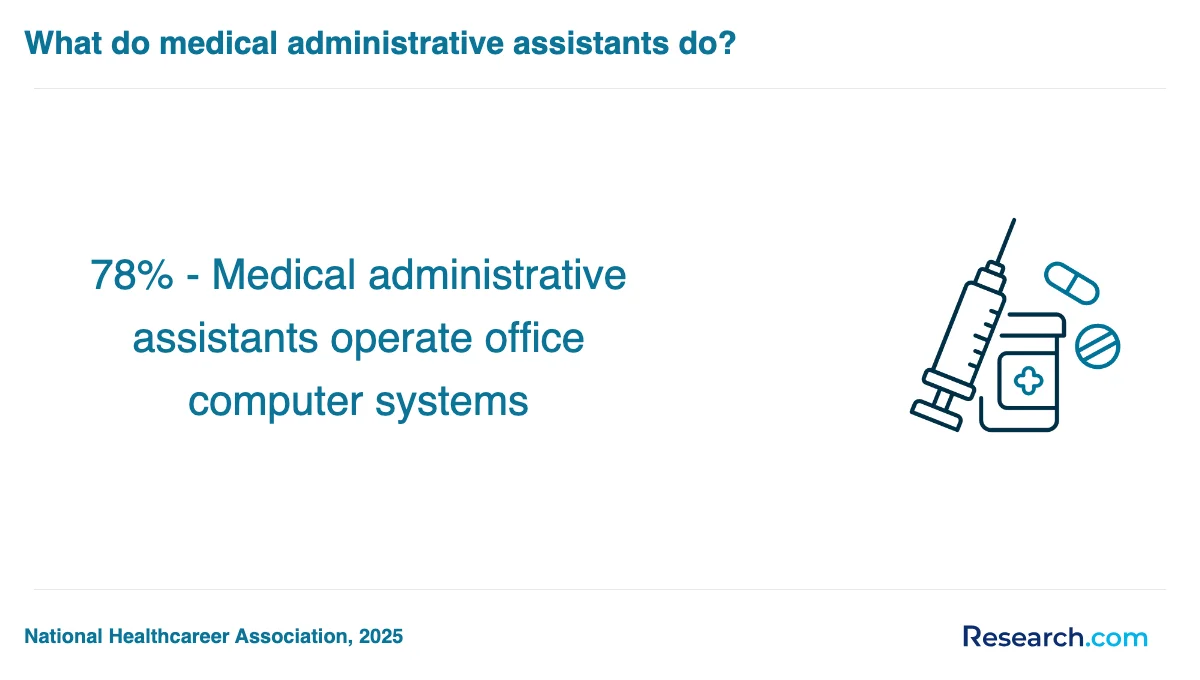
Graduates of medical assistant trade schools in Virginia find themselves well-prepared for a variety of healthcare jobs for medical assistant graduates Virginia. Many begin their careers in physicians' offices, hospitals, or outpatient clinics, where daily tasks range from taking vital signs to assisting with diagnostic tests. Some graduates from popular Virginia trade schools share how transitioning between front office duties and clinical support roles has kept their work both dynamic and rewarding.
These programs often lead to credentials like the Certified Clinical Medical Assistant (CCMA), boosting confidence and expanding career options. Students who specialize early-for example, as Phlebotomy or EKG Technicians-can enjoy stackable certifications that open doors to new positions.
Career advancement is a strong motivator. Many graduates choose to pursue further education, moving toward health sciences degrees or healthcare administration. Being active in professional groups sharpens leadership skills, essential for supervisory roles. For those curious about compensation and benefits, it's worth exploring do medical assistants get benefits.
- Clinical medical assistant in hospitals or outpatient care
- Administrative roles managing patient records
- Specialist positions like Phlebotomy or EKG technician
- Pathway to nursing or healthcare management
The job market for medical assistant trade school graduates in Virginia remains robust, fueled by steady growth in healthcare needs across the state. Graduates from popular Virginia trade schools often share how their training paved the way for job offers within weeks. Employers like Sentara Health actively seek candidates ready to work full- or part-time, reflecting consistent hiring throughout both urban centers and smaller communities. Recent graduates report that the average hourly wage around $19.72 makes starting a career here both practical and rewarding.
Understanding Virginia medical assistant employment trends helps graduates prepare for the reality of this field:
- Projected job growth at about 31% over 2014-2024, equating to roughly 4,800 new positions
- Annual job openings averaging 1,950, accounting for retirements and new roles
- Salaries vary but often range from $16.92 to $21.68 per hour
Many students find success by completing accredited programs that emphasize hands-on skills and certified training. For practical advice and access to financial support, consider exploring the top online medical assistant classes with financial aid, which can enhance opportunities in Virginia's competitive market.
Best Medical Assistant Training Programs & Trade Schools - Top Medical Assistant Schools in Virginia for 2026
# 1 position
American National University - Allied Health and Medical Assisting Services, Other.
associateAmerican National University offers an Allied Health and Medical Assisting Services, Other program with an annual in-state tuition of $10,735. Graduates have a median earning of $29,483 one year after completing the program. This instructional program covers allied health and medical assisting services not listed elsewhere and is accredited by the Distance Education Accrediting Commission.
# 2 position
Medical Solutions Academy - Allied Health and Medical Assisting Services, Other.
certificate or diplomaThe Allied Health and Medical Assisting Services, Other program at Medical Solutions Academy offers specialized instruction in allied health fields not listed elsewhere. Annual in-state tuition is $14,115. The program is accredited by the Council on Occupational Education, ensuring recognized educational standards. It prepares students for various medical assisting roles through focused training in this diverse healthcare sector.
# 3 position
American National University - Clinical/Medical Laboratory Assistant.
certificate or diplomaThe Clinical/Medical Laboratory Assistant program at American National University prepares students to perform waived testing procedures, phlebotomy, and support laboratory teams under supervision. The curriculum covers clinical procedures, laboratory tests, laboratory mathematics, computer technology, equipment operation, sterilization, safety, and communication skills. Annual in-state tuition is $10,735. The program is accredited by the Distance Education Accrediting Commission. Median earnings one year after completion are $29,483.
# 4 position
American National University - Allied Health and Medical Assisting Services, Other.
certificate or diplomaAmerican National University offers a program in Allied Health and Medical Assisting Services, Other, designed for students seeking specialized training in this field. The annual in-state tuition is $10,735. Graduates of this program have median earnings of $29,483 one year after completion. The program is accredited by the Distance Education Accrediting Commission, ensuring recognized educational standards.
# 5 position
Virginia Peninsula Community College - Allied Health and Medical Assisting Services, Other.
certificate or diplomaVirginia Peninsula Community College offers a hybrid program in Allied Health and Medical Assisting Services, Other, providing some distance-education options. The annual in-state tuition is $4,944. The program is accredited by the Southern Association of Colleges and Schools Commission on Colleges. It covers instructional content for allied health and medical assisting services not listed in other categories.
# 6 position
Chester Career College - Allied Health and Medical Assisting Services, Other.
associateChester Career College offers a hybrid program in Allied Health and Medical Assisting Services, Other, which includes some distance education options. This program covers instructional content not listed in other allied health or medical assisting areas. Graduates have median earnings of $19,572 one year after completion. The program is accredited by the Council on Occupational Education.
Frequently Asked Questions about medical assistant
After completing a medical assistant trade school in Virginia, preparing for the job market involves several key steps. First, obtaining certification such as the Certified Medical Assistant (CMA) credential from the American Association of Medical Assistants significantly improves job prospects. According to the Virginia Employment Commission, medical assistants in the state have a projected job growth of 14% through 2030, faster than the average for all occupations.
Networking with local healthcare providers and utilizing school career services can help graduates find job openings. Building a strong resume highlighting clinical skills and externship experience is essential. Additionally, staying informed about Virginia's healthcare regulations ensures compliance and readiness for employment.
Employers in Virginia highly value medical assistant graduates who demonstrate strong clinical and administrative skills. According to the Virginia Employment Commission, proficiency in patient care tasks, such as taking vital signs and preparing patients for exams, is essential. Additionally, knowledge of medical coding and electronic health records (EHR) software is frequently requested, reflecting the growing reliance on digital tools in healthcare settings.
Communication skills are also critical. Graduates must efficiently interact with patients and healthcare teams, ensuring clear information exchange. Time management and organizational abilities help medical assistants handle multiple tasks in fast-paced clinics.
Virginia healthcare employers often seek graduates with certification from recognized bodies like the CMA (AAMA), which signals a verified skill set.
To find internships relevant to medical assistant trade school programs in Virginia, start by contacting your school's career services. Many Virginia trade schools partner with local clinics and hospitals to offer students hands-on training. According to the Virginia Department of Labor, healthcare internships in the state have grown by 8% over the past five years, reflecting strong demand.
Networking is essential; connect with organizations such as the Virginia Association of Medical Assistants. Additionally, explore opportunities at community health centers, which often welcome interns. Websites like Virginia Workforce Connection list healthcare internships, including medical assisting roles, updated regularly to help students secure placements.
Obtaining a medical assistant trade school diploma in Virginia significantly enhances career mobility and advancement opportunities. According to the Virginia Employment Commission, medical assistants with formal diplomas often experience faster job placement compared to those without credentials. The structured training equips graduates with essential clinical and administrative skills, making them competitive candidates in diverse healthcare settings.
Diploma holders can pursue certifications such as the CMA (Certified Medical Assistant), which employers in Virginia increasingly prefer. This certification boosts earning potential, with median wages for certified assistants around 15% higher than non-certified peers, per Bureau of Labor Statistics data. Additionally, diploma graduates may access supervisory roles or specialized medical fields more readily.
Students enrolled in medical assistant trade schools in Virginia can enhance their education by pursuing part-time jobs relevant to the healthcare field. Common roles include medical receptionist, patient service representative, or pharmacy technician assistant positions. These jobs provide practical experience with patient interaction, administrative duties, and basic clinical tasks.
According to the U.S. Bureau of Labor Statistics (2023), Virginia's healthcare support occupations, including medical assistants, are projected to grow 17% from 2022 to 2032, faster than the average for all occupations. This growth creates ample opportunities for part-time work.
Working part-time in clinics or hospitals allows students to apply classroom knowledge while building professional networks. Additionally, some employers offer flexible schedules to accommodate school hours, making these roles ideal for trade school students.
If you are looking for the best Medical Assistant degree program near you in Virginia, there are numerous community colleges and universities that offer certificate and degree programs in this field. Programs can be found in metropolitan areas and smaller towns, making it easier to find medical assistant programs "near me" that fit your needs. Research.com can be a useful resource to explore and compare the programs available to find one that aligns with your career goals and is conveniently located "near Virginia."
- Best Medical Assistant Training Programs & Trade Schools - Top Medical Assistant Schools in West Virginia for 2026
- Best Medical Assistant Training Programs & Trade Schools - Top Medical Assistant Schools in Maryland for 2026
- Best Medical Assistant Training Programs & Trade Schools - Top Medical Assistant Schools in Tennessee for 2026
- Best Medical Assistant Training Programs & Trade Schools - Top Medical Assistant Schools in Pennsylvania for 2026
- Best Medical Assistant Training Programs & Trade Schools - Top Medical Assistant Schools in Ohio for 2026
- Best Medical Assistant Training Programs & Trade Schools - Top Medical Assistant Schools in New Jersey for 2026
- Best Medical Assistant Training Programs & Trade Schools - Top Medical Assistant Schools in Georgia for 2026
- Best Medical Assistant Training Programs & Trade Schools - Top Medical Assistant Schools in New York for 2026
- Best Medical Assistant Training Programs & Trade Schools - Top Medical Assistant Schools in Florida for 2026
- Best Medical Assistant Training Programs & Trade Schools - Top Medical Assistant Schools in Massachusetts for 2026
- Alternative Career Options for Medical Assistants | MA Specialties https://www.eaglegatecollege.edu/blog/what-other-jobs-can-a-medical-assistant-apply-for/
- Opportunities That Come with Being a Medical Assistant - Ohio Business College https://obc.edu/opportunities-that-come-with-being-a-medical-assistant/
- What Alternative Jobs Can a Certified Medical Assistant Apply For? - CyberTex https://cybertex.edu/what-alternative-jobs-can-a-certified-medical-assistant-apply-for/
- Is Part-Time Work Possible as a Medical Assistant? https://www.athenacareers.edu/can-you-work-part-time-as-a-medical-assistant/
- Can You Work While Attending Medical Assistant School? - BAMASF https://bamasf.edu/can-you-work-while-attending-medical-assistant-school/
- Jobs You Can Get w/ Medical Assistant Certificate or Degree https://www.stepful.com/post/what-jobs-can-you-get-with-a-medical-assistant-certificate-or-degree
- Summer jobs and part-time work while at medical school | Health Careers https://www.healthcareers.nhs.uk/explore-roles/doctors/medical-school/summer-jobs-and-part-time-work-while-medical-school
- Healthcare Blog | The Allen School https://www.allenschool.edu/there-are-several-benefits-of-attending-a-medical-assistant-trade-school-over-a-community-college/
- What Can You Do with a Medical Assistant Degree? | Goodwin University https://www.goodwin.edu/enews/what-can-you-do-medical-assisting/
- Where Do Medical Assistants Work | MA Employment Options | USCI https://www.uscareerinstitute.edu/blog/where-do-medical-assistants-work


