
Best Medical Assistant Training Programs & Trade Schools - Top Medical Assistant Schools in West Virginia for 2026

Co-Founder and Chief Data Scientist
Choosing the right medical assistant trade school in West Virginia can feel overwhelming. This article is here to simplify that decision for you.
We present a medical assistant trade school programs ranking created by the Research.com team of data scientists. It highlights the top programs worth considering based on reliable data and thorough analysis.
Reading this guide will help you find a program that fits your goals and sets you up for a rewarding career. Earning a diploma or certification as a medical assistant opens doors to stable jobs and personal growth.
Key benefits of finishing medical assistant trade school in West Virginia
- Medical assistant trade school graduates in West Virginia can expect starting salaries around $16 per hour, with certified assistants earning up to $38,593 annually, offering a strong return on investment.
- Graduates often find diverse career paths, including working in clinics, hospitals, or specialty practices, as shown by successful alumni from popular West Virginia trade schools.
- Completing a medical assistant program online provides flexibility and convenience, allowing students to balance work and study, as experienced by many online graduates from well-known West Virginia schools.
- Best Medical Assistant Training Programs & Trade Schools - Top Medical Assistant Schools in West Virginia for 2026
- What can I expect from medical assistant trade schools in West Virginia?
- Where can I work after finishing medical assistant trade schools in West Virginia?
What can I expect from medical assistant trade schools in West Virginia?
In a medical assistant trade school program in West Virginia, expect a balanced mix of classroom learning and hands-on clinical practice. Graduates often share how they gained confidence managing patient records, scheduling appointments, and handling billing tasks alongside practical skills like taking vital signs and assisting with exams. Many programs, such as those at Valley College, offer flexible formats-combining online coursework with on-campus labs-that fit busy schedules.
Programs typically prepare you for certification exams like the Certified Clinical Medical Assistant (CCMA), which graduates say boosts their job prospects. Some schools, including West Virginia Junior College, provide specialized training for multiple certifications, helping students feel ready and supported. The duration varies, with many completing their program within a year, which creates a motivating pace to quickly enter the workforce.
Students appreciate additional support services, including academic advising and career placement help, making the transition into healthcare smoother. Affordable tuition options and included supplies like stethoscopes make the experience accessible and practical for many West Virginia students.
Where can I work after finishing medical assistant trade schools in West Virginia?
After finishing a medical assistant trade school program in West Virginia, graduates often find rewarding job opportunities in various healthcare settings. Many start their careers in bustling physicians' offices and clinics in cities like Charleston and Morgantown, where they assist with patient exams, manage medical records, and support medical staff. Graduates from popular trade schools in West Virginia often share how quickly they felt confident contributing to busy clinic teams, enjoying the hands-on patient interaction.
Others secure positions in outpatient care centers or community health organizations, handling patient intake and electronic health records. Some graduates appreciate working in rehabilitation facilities or rural health clinics, where their skills make a real difference in underserved communities. Remote medical assistant roles are also growing; graduates report satisfaction working from home, managing scheduling and patient communications through telehealth platforms.
Hospitals in West Virginia offer roles in emergency departments, outpatient surgery, and labs, providing dynamic environments for career growth. Many graduates from state trade schools feel proud to transition smoothly into these diverse workplaces, knowing their training prepared them well for real-world demands.
After finishing a medical assistant trade school program in West Virginia, graduates typically earn between $13.22 and $18.00 per hour. Many recent graduates from popular trade schools in Charleston and Morgantown share that starting at around $15.40 per hour feels rewarding as they step into their first roles. This hourly wage translates to roughly $32,000 annually for full-time work, offering a solid foundation for those eager to build their careers.
Graduates who earn certification as Certified Medical Assistants (CMA) often see higher pay, with average wages near $16.09 per hour or about $33,460 per year. Those working in larger healthcare systems, especially in cities like Charleston, report hourly rates up to $18.00, which brings yearly earnings close to $37,440. Many feel encouraged by this potential, knowing certification and experience can quickly boost income.
Students from West Virginia trade schools often highlight how their local networks helped them secure jobs offering wages between $15 and $18 per hour, showing that location and certification can make a real difference in pay.
- Admission requires a high school diploma or GED, current immunizations, and a criminal background check.
- Programs last between 4 months for online certificates and 12 months for traditional diplomas.
- Tuition ranges from $79 per month for online programs to about $2,000 for short-term in-person courses, with additional costs for supplies and fees.
- Graduates can take certification exams like CCMA, Phlebotomy Technician, and EKG Technician, sometimes included in tuition.
- Starting salaries range from $28,000 to $34,000 annually, with potential to exceed $38,000 with experience and certifications.
Medical assistant trade school programs in West Virginia typically take about 9 to 12 months to complete. This timeframe fits well for students eager to enter the workforce quickly without sacrificing the quality of their education. Graduates from popular West Virginia trade schools often share how the focused curriculum and hands-on training helped them feel confident stepping into clinics and medical offices shortly after finishing their courses.
Many students appreciate that the programs are designed to balance practical skills like phlebotomy and patient interaction with essential medical knowledge, all within a year. For example, a graduate from a well-known trade school in Charleston described how completing the program in under a year allowed them to start earning and gaining experience while peers in longer programs were still studying.
Choosing a medical assistant trade school in West Virginia means you can expect an efficient path to certification and employment, making it a practical choice for those ready to build a rewarding healthcare career without a multi-year commitment.
Online medical assistant programs in West Virginia offer flexibility that many students appreciate. Graduates from the U.S. Career Institute share how studying entirely online allowed them to balance work and family while progressing at their own pace. These programs include interactive exercises and videos, making learning engaging without rigid deadlines. For example, a student could complete the coursework during evenings after work, paying $79 a month and finishing in as little as four months.
On-campus programs, like those at Huntington Junior College, provide a different experience. Students attend scheduled classes in Charleston or Morgantown, benefiting from direct access to instructors and modern labs. One graduate described the confidence gained from hands-on practice during regular class hours and immediate feedback from faculty.
Both options require clinical training, but on-campus students complete it onsite, while online students often attend short weekend labs or externships nearby, such as at Valley College locations in Beckley or Martinsburg. This hybrid approach ensures essential skills in patient care and procedures are mastered regardless of the learning style chosen.
The average tuition for medical assistant programs in West Virginia varies widely depending on the school type and program length. Public trade schools like Eastern West Virginia Community & Technical College provide affordable options, with program costs around $2,195 for a 16-week Clinical Medical Assistant course. Graduates from such programs often highlight the manageable tuition combined with focused, hands-on training as a major motivator that made completing their education stress-free and rewarding.
Meanwhile, private trade schools tend to charge higher fees, with costs typically ranging from $10,000 to $25,000 annually. For example, West Virginia Junior College's Medical Assistant Diploma program costs approximately $11,250 for a nine-month course. Students choosing private schools often express confidence that the additional expense is justified by the personalized attention and career support services they receive.
Those pursuing an associate degree may face tuition per credit hour rates, like Mountwest Community and Technical College's $200.75 for in-state students and $500.17 for those out-of-state. The flexibility of online or self-paced options, such as U.S. Career Institute's program priced at $79 per month, appeals to students balancing education with other responsibilities. Many find this approach practical and empowering.
Financial aid is widely available to help offset these costs. Prospective students should explore grants, scholarships, and loans to make their education more affordable. To explore more accelerated options, consider checking out this medical assistant degree online 6 weeks for a faster path to entering the field.

Medical assistant students in West Virginia often find financial aid essential to managing program costs. Many rely on federal aid, such as Pell Grants and subsidized loans, available after completing the FAFSA. For example, graduates from Blue Ridge Community and Technical College recall how these grants helped them focus on studies without overwhelming debt.
Need-based aid from schools like West Virginia Junior College (WVJC) also plays a crucial role. WVJC students share how scholarships and flexible payment plans eased their financial burden, allowing them to complete their Medical Assisting Diploma with confidence.
State-specific programs, including the West Virginia Higher Education Grant Program, provide additional support. Some students pursuing medical assisting have benefited from scholarships aimed at health sciences careers, making their path more affordable.
Workforce development grants and local employment agency tuition assistance further support those entering this in-demand field. Graduates often highlight how these combined resources made their training accessible and helped launch their healthcare careers smoothly.
To enroll in a medical assistant trade school program in West Virginia, you typically need a high school diploma or GED. This basic requirement ensures you have the foundational skills needed for the coursework and clinical training. Many trade schools, like those popular in Charleston or Huntington, also require proof of immunizations and a background check to meet healthcare regulations.
Graduates often share how completing these prerequisites felt like a straightforward first step, giving them confidence before starting their hands-on training. Some programs may ask for:
- Basic CPR certification
- Proof of residency within West Virginia
- A minimum age of 18 years
These requirements help schools ensure students are ready for the fast-paced medical environment. For instance, students from well-known trade schools in Morgantown have praised the clear guidance on prerequisites, which helped reduce anxiety and set a positive tone for their learning journey.
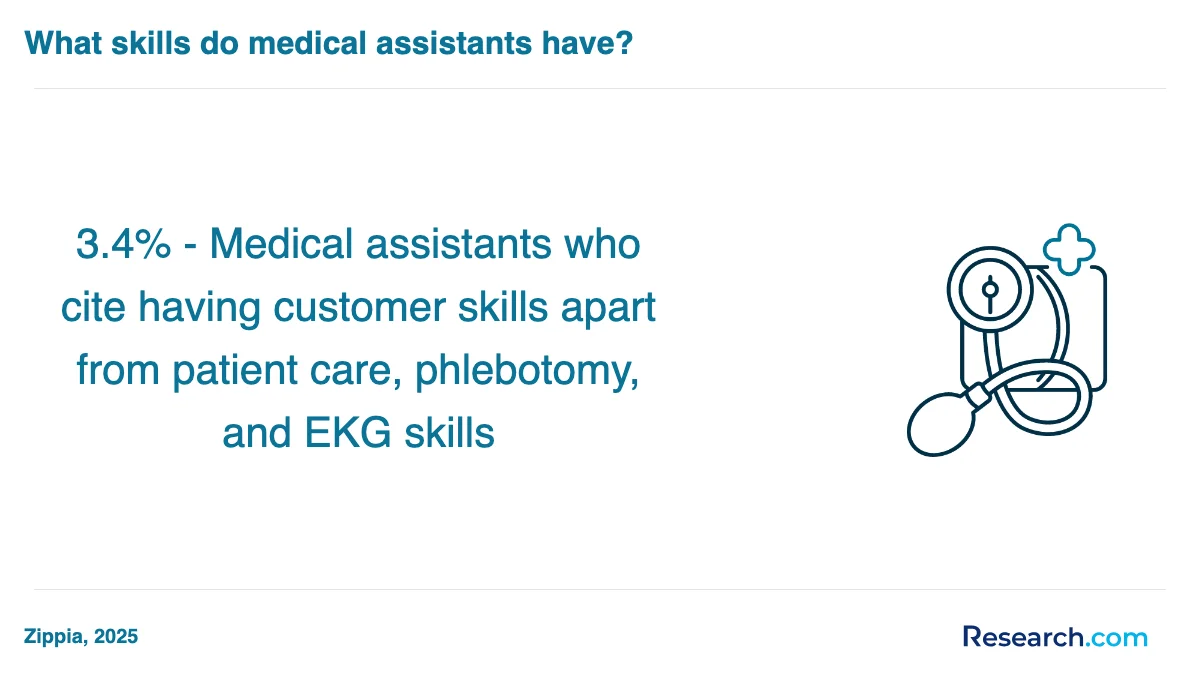
Medical assistant trade school programs in West Virginia typically include a blend of core medical knowledge, hands-on clinical skills, and administrative training designed to prepare you for real-world healthcare settings. Graduates from popular schools like WVU Parkersburg often highlight starting with essential courses such as medical terminology, human anatomy, and physiology. These classes build a strong foundation by teaching you how to understand medical language and the body's systems, which is crucial for daily tasks.
Clinical skills training is a major focus, with programs offering practical experience in:
- Taking vital signs
- Performing phlebotomy and EKGs
- Assisting with injections and patient exams
For example, WVU Parkersburg students complete around 100 hours of clinical practice, giving them confidence in real healthcare environments. Administrative courses cover electronic health records, scheduling, billing, and coding-vital for smoothly running medical offices.
Many students appreciate hybrid options at schools like Valley College, where theory is learned online but hands-on labs and externships provide direct patient care experience. Graduates often feel ready and excited to step into certified roles, confident in both their skills and professional communication.
Medical assistant trade school programs in West Virginia offer several practical specializations that prepare students for specific roles within healthcare. Many graduates find success focusing on the Clinical Medical Assistant track, which provides hands-on experience taking vital signs, performing EKGs, and administering injections. For example, graduates from West Virginia Junior College appreciate the 160-hour externship that helped them confidently transition into clinical settings.
Other students choose the Administrative Medical Assistant specialization to build essential office management skills. At Eastern West Virginia Community and Technical College, students learn medical office administration, insurance claim processing, and scheduling, often combining this with EKG and phlebotomy training for broader certification opportunities.
Popular specializations offered include:
- Clinical Medical Assistant
- Administrative Medical Assistant
- Phlebotomy Technician
- EKG Technician
- Medical Office Administration
When selecting the best medical assistant programs in West Virginia, prioritize accredited schools that offer a balance of classroom learning and hands-on training. Graduates from West Virginia Northern Community College often praise the program's accreditation, which assures employers of their skills and professionalism. Look for curricula covering essential topics like medical terminology, patient care, and administrative duties, similar to what West Virginia Junior College provides, so you feel confident stepping into real-world roles.
Flexibility matters too, especially if you're balancing work or family. Huntington Junior College's evening classes receive positive feedback from students who appreciate fitting study into busy schedules. Also, cost is a key factor; consider schools like Eastern West Virginia Community and Technical College that offer financial aid to help manage expenses without stress.
Finally, understand the career outlook first-hand and prepare for certification exams like the CCMA, valued by employers across the state. For those curious about different career paths, exploring travel medical assistant careers can expand your horizons. Choosing among the top-rated medical assistant schools in West Virginia means balancing quality, practical experience, and your personal needs for a rewarding healthcare career.

Medical assistant trade school graduates in West Virginia have diverse opportunities within the healthcare sector. Most start as medical assistants in physicians' offices, outpatient clinics, and hospitals, performing tasks like taking patient histories and lab work. Popular trade schools in the state prepare graduates well for these roles, with many quickly finding employment supporting busy clinics and local hospitals.
Graduates also explore roles such as medical office assistants or administrative healthcare assistants, especially in larger healthcare facilities where multitasking is valued. Specialized positions in fields like dermatology or internal medicine are common pathways, offering rewarding experiences with patient care. Remote medical assistant jobs supporting telemedicine are becoming more accessible, a real advantage for graduates seeking flexibility.
Those interested in advancing can follow the medical assistant to registered nurse pathway in West Virginia, which many graduates pursue after enjoying hands-on patient support roles. Employers increasingly expect certification, so trade schools emphasize preparing students for the Certified Clinical Medical Assistant (CCMA) exam. This credential enhances job prospects and earnings.
Here are typical career paths West Virginia graduates consider:
- Clinical medical assistant in outpatient and hospital settings
- Medical office or administrative assistant roles
- Remote medical assistant for telemedicine services
- Specialized assistant positions in urology, dermatology, or internal medicine
- Pursuing advancement via the medical assistant to registered nurse pathway
To better understand how these career paths differ from similar healthcare roles, many students consult expert comparisons such as medical assistant vs physician's assistant to clarify expectations and opportunities.
Medical assistant trade school graduates in West Virginia encounter a steadily growing job market with diverse opportunities. Many graduates from popular trade schools quickly find roles in hospitals, outpatient clinics, and specialty practices across urban and rural areas, reflecting strong demand. For example, graduates often secure positions within West Virginia University Medicine, benefiting from the state's 63 hospital systems.
The medical assistant job market in West Virginia is bolstered by a 2.7% increase in workforce from 2019 to 2021, with entry-level roles widely available for those who have completed certified programs. Employers increasingly require certification, ensuring graduates equipped with skills recognized by 81% of healthcare facilities.
- Over 140 job openings statewide as of early 2025
- Positions in varied healthcare environments, including remote opportunities
- Average wages of $16.29/hour, with higher pay in cities like Parkersburg and Huntington
Graduates express confidence in their career prospects, noting that certification directly impacts earning potential. The certified medical assistant salary West Virginia averages around $33,460 annually, with specialized roles offering more.
Those pursuing medical assistant trade schools benefit from hands-on training and learn the education required for medical assistant roles, helping them transition smoothly into the workforce. This practical education matches the demands of local employers and supports ongoing professional growth.
Best Medical Assistant Training Programs & Trade Schools - Top Medical Assistant Schools in West Virginia for 2026
# 1 position
Blue Ridge Community and Technical College - Allied Health and Medical Assisting Services, Other.
associateBlue Ridge Community and Technical College offers a hybrid program in Allied Health and Medical Assisting Services, Other, with an annual in-state tuition of $4,344. Graduates earn a median salary of $30,181 one year after completion. The program is accredited by the Higher Learning Commission and includes some distance-education options to provide flexible learning for students.
# 2 position
Pierpont Community and Technical College - Allied Health and Medical Assisting Services, Other.
associatePierpont Community and Technical College offers a hybrid program in Allied Health and Medical Assisting Services, Other, providing some distance-education options. The annual in-state tuition is $5,594. Graduates earn a median salary of $32,291 one year after completing the program. This instructional program covers allied health and medical assisting services not listed in other categories. The program is accredited by the Higher Learning Commission.
# 3 position
Mountwest Community and Technical College - Clinical/Medical Laboratory Assistant.
associateMountwest Community and Technical College offers a Hybrid Clinical/Medical Laboratory Assistant program preparing students to perform waived testing procedures, phlebotomy, and support tasks under supervision. The curriculum covers clinical procedures, laboratory tests, equipment operation, safety, and communication skills. The program's annual in-state tuition is $4,818. Graduates earn a median salary of $35,603 one year after completion. The program is accredited by the Higher Learning Commission.
# 4 position
Mountwest Community and Technical College - Clinical/Medical Laboratory Assistant.
certificate or diplomaMountwest Community and Technical College offers a Clinical/Medical Laboratory Assistant program in a hybrid format, combining in-person and distance education. The program trains students to perform waived testing procedures, phlebotomy, and support laboratory teams under supervision. Coursework covers clinical procedures, laboratory tests, equipment operation, safety, and communication skills. Annual in-state tuition is $4,818. Graduates have median earnings of $35,603 one year after completion. The program is accredited by the Higher Learning Commission.
# 5 position
Mountwest Community and Technical College - Allied Health and Medical Assisting Services, Other.
certificate or diplomaMountwest Community and Technical College offers a hybrid program in Allied Health and Medical Assisting Services, Other, providing some distance-education options. The annual in-state tuition is $4,818. This program is accredited by the Higher Learning Commission. Graduates earn a median salary of $35,603 one year after completion. The program covers instructional content in allied health and medical assisting services not specified elsewhere.
# 6 position
Cabell County Career Technology Center - Allied Health and Medical Assisting Services, Other.
certificate or diplomaThe Allied Health and Medical Assisting Services, Other program at Cabell County Career Technology Center offers instruction in allied health and medical assisting services not listed in other categories. This program is accredited by the Council on Occupational Education. It provides focused training for students seeking certification or a diploma in this specialized area of healthcare support services.
# 7 position
BridgeValley Community & Technical College - Clinical/Medical Laboratory Assistant.
associateBridgeValley Community & Technical College offers a Clinical/Medical Laboratory Assistant program in a hybrid format with some distance-education options. The program prepares students to perform waived testing procedures, phlebotomy, and support laboratory teams under supervision. Coursework includes clinical procedures, laboratory tests, mathematics, computer technology, equipment operation, sterilization, safety, and communication skills. Annual in-state tuition is $5,282. The program is accredited by the Higher Learning Commission.
# 8 position
Huntington Junior College - Allied Health and Medical Assisting Services, Other.
associateHuntington Junior College offers a hybrid program in Allied Health and Medical Assisting Services, Other, providing some distance-education options. The annual in-state tuition is $10,050. Graduates of this program have median earnings of $23,748 one year after completion. The program is accredited by the Higher Learning Commission. It covers instructional content not listed in other allied health and medical assisting programs.
Frequently Asked Questions about medical assistant
After completing a medical assistant trade school program in West Virginia, preparing for the job market involves several key steps. First, obtaining certification, such as the Certified Medical Assistant (CMA) credential offered by the American Association of Medical Assistants, can significantly improve employment prospects. According to the U.S. Bureau of Labor Statistics, West Virginia's medical assistant jobs are expected to grow by about 12% through 2030, highlighting strong demand.
Networking with local healthcare providers and attending job fairs can help graduates connect with employers. Additionally, tailoring resumes to highlight clinical skills and externship experiences gained during training is essential. Continuing education and staying current with healthcare technologies also support long-term career growth in the state.
Employers in West Virginia seeking medical assistant trade school graduates prioritize a mix of clinical and interpersonal skills. According to the U.S. Bureau of Labor Statistics and local workforce data, proficiency in administrative tasks like scheduling and patient record management is essential. Clinical skills such as taking vital signs, administering injections, and preparing patients for exams are also highly valued.
Strong communication abilities are critical, enabling effective interaction with patients and healthcare teams. Additionally, employers look for reliability, attention to detail, and adherence to safety protocols. West Virginia's healthcare sector increasingly emphasizes electronic health record (EHR) competency, reflecting national trends in medical administration software use.
To find internships relevant to medical assistant trade school programs in West Virginia, start by contacting your trade school's career services. Many schools maintain partnerships with local healthcare providers that offer clinical internships as part of the curriculum. The West Virginia Department of Health and Human Resources also provides resources and listings for healthcare internship opportunities.
Additionally, check with hospitals and clinics in major cities like Charleston and Morgantown, as they frequently host medical assistant interns. Websites such as the West Virginia Healthcare Association offer updated information on internship openings. Networking through local professional medical associations can also be valuable.
According to the Bureau of Labor Statistics, internships significantly improve job placement rates for medical assistants in West Virginia, underlining their importance in training.
Obtaining a medical assistant trade school diploma in West Virginia can significantly enhance career mobility and advancement opportunities. According to the U.S. Bureau of Labor Statistics, medical assistants in West Virginia earn a median annual wage around $32,000, with entry-level positions often requiring formal training or certification.
Trade school programs provide practical skills and state-recognized credentials, making graduates more competitive for jobs in clinics, hospitals, and private practices. The diploma also prepares students for certification exams like the CMA (Certified Medical Assistant), which employers increasingly prefer.
Completion of a diploma program can lead to higher starting salaries and opens pathways to supervisory roles or specialized medical assisting fields, supporting upward career progression within West Virginia's healthcare industry.
Part-time job opportunities in West Virginia that complement medical assistant trade school education include roles such as medical receptionist, pharmacy technician assistant, and patient care aide. These positions provide practical experience in healthcare settings while allowing students to apply classroom knowledge.
According to the U.S. Bureau of Labor Statistics, West Virginia's healthcare support roles are expected to grow by 9% through 2032, reflecting steady demand. Working part-time in clinics or hospitals also helps students develop essential skills like patient communication and record management.
Additionally, some employers in West Virginia offer flexible schedules to accommodate students balancing work and education, making these jobs ideal for gaining relevant experience during training.
To choose the best Medical Assistant degree program near me, it's essential to consider factors like accreditation, curriculum, and the clinical experience offered by the programs. Researching universities and colleges near West Virginia, such as those listed on platforms like Research.com, can help identify reputable options. Additionally, weighing the support services and job placement opportunities provided by programs near West Virginia can further guide your decision-making process.
- Best Medical Assistant Training Programs & Trade Schools - Top Medical Assistant Schools in Virginia for 2026
- Best Medical Assistant Training Programs & Trade Schools - Top Medical Assistant Schools in Ohio for 2026
- Best Medical Assistant Training Programs & Trade Schools - Top Medical Assistant Schools in Pennsylvania for 2026
- Best Medical Assistant Training Programs & Trade Schools - Top Medical Assistant Schools in Maryland for 2026
- Best Medical Assistant Training Programs & Trade Schools - Top Medical Assistant Schools in Tennessee for 2026
- Best Medical Assistant Training Programs & Trade Schools - Top Medical Assistant Schools in Georgia for 2026
- Best Medical Assistant Training Programs & Trade Schools - Top Medical Assistant Schools in New Jersey for 2026
- Best Medical Assistant Training Programs & Trade Schools - Top Medical Assistant Schools in Michigan for 2026
- Best Medical Assistant Training Programs & Trade Schools - Top Medical Assistant Schools in Illinois for 2026
- Best Medical Assistant Training Programs & Trade Schools - Top Medical Assistant Schools in New York for 2026
- How to Become a Medical Assistant in West Virginia https://www.healthjob.org/guide/how-to-become-a-medical-assistant-in-west-virginia
- Medical Assistant Jobs and Certification Programs in West Virginia – WV | Degree and Training Schools | Job Description https://www.medassistantedu.org/west-virginia/
- Average Medical Assistant Salary in West Virginia (Hourly and Annually) https://www.stepful.com/medical-assistant-salaries/west-virginia
- Medical Assistant Salary and Jobs in West Virginia (WV) https://www.findmedicalassistantprograms.org/salary/west-virginia/
- A Career In Medical Assisting | Complete 20 Page Guide | WVJC https://www.wvjc.edu/everything-about-career-in-medical-assisting-wv/
- Medical Assisting, Clinical Medical Assistant, A.A.S. | Career Pathways & Programs | West Virginia Northern Community College | You Belong Here https://www.wvncc.edu/career-pathways-and-programs/medical-assisting-clinical-medical-assistant-a.a.s./2948
- West Virginia Online Medical Assistant Certificate Program | Self-Paced Course https://www.uscareerinstitute.edu/online-medical-assistant-school/west-virginia
- Medical Assistant - Eastern West Virginia Community and Technical College https://easternwv.edu/workforce-education/medical-assistant/
- Best Medical Assistant Schools & Progras in West Virginia – How to Become a Medical Assistant in West Virginia for 2025 | Research.com https://research.com/universities-colleges/best-medical-assistant-schools-programs-in-west-virginia
- Client Challenge https://www.pctc.edu/page/medical-assisting


