
Best Medical Assistant Training Programs & Trade Schools - Top Medical Assistant Schools in New Jersey for 2026

Co-Founder and Chief Data Scientist
Choosing the right medical assistant trade school in New Jersey is an important step toward a rewarding healthcare career. This article presents a medical assistant trade school programs ranking created by the Research.com team of data scientists to help you make an informed choice.
By exploring these top programs, you’ll discover options that fit your goals and schedule. Earning a diploma or certification opens doors to meaningful work and growth in the medical field.
Whether you’re just starting out or seeking a career change, this guide offers valuable insights to support your journey.
Key benefits of finishing medical assistant trade school in New Jersey
- Graduates from medical assistant trade schools in New Jersey can expect an average hourly wage between $21 and $22, with annual salaries often ranging from $43,000 to $47,000, offering a strong financial start.
- Career paths for graduates include roles in hospitals, private clinics, and specialty practices, with many finding rewarding jobs in busy cities like Jersey City or Newark, where demand and pay are higher.
- Completing a medical assistant program online provides flexibility and convenience, allowing students to balance work or family, as shown by successful graduates of popular New Jersey online trade schools who quickly entered the workforce.
- Best Medical Assistant Training Programs & Trade Schools - Top Medical Assistant Schools in New Jersey for 2026
- What can I expect from medical assistant trade schools in New Jersey?
- Where can I work after finishing medical assistant trade schools in New Jersey?
What can I expect from medical assistant trade schools in New Jersey?
Students enrolling in medical assistant trade school programs in New Jersey can expect a curriculum that combines classroom instruction with extensive hands-on clinical practice. Graduates from popular trade schools often describe gaining confidence in key skills like taking vital signs, performing EKGs, and phlebotomy through real-world simulations and clinical rotations. These programs emphasize both administrative tasks-such as managing patient records and billing-and clinical duties, preparing students to support healthcare teams effectively.
Many students highlight the accelerated nature of these programs, with some completing their training in under a year, including flexible online options. This fast-paced learning environment, as experienced by graduates, fosters a strong sense of accomplishment and readiness to enter the workforce quickly.
Furthermore, students are trained to communicate compassionately and work collaboratively, skills essential in outpatient clinics and hospitals across New Jersey. Graduates often appreciate that their programs include preparation for the Certified Clinical Medical Assistant (CCMA) exam, with some schools covering exam fees and offering high pass rates, boosting confidence for certification success.
Where can I work after finishing medical assistant trade schools in New Jersey?
After completing a medical assistant trade school program in New Jersey, graduates find diverse job opportunities across the state's health care sector. Many start in physicians' offices, where they juggle clinical tasks like taking vital signs and prepping exam rooms, alongside administrative duties such as scheduling and billing. This combination reflects what recent graduates from popular New Jersey trade schools describe as a rewarding, fast-paced environment that builds confidence.
Hospitals also hire certified medical assistants to support patient care, handle intake and discharge processes, and assist specialized departments. With over 1,000 open medical assistant jobs statewide as of August 2025, according to the New Jersey Department of Labor, these settings offer strong career stability and growth.
Outpatient clinics, including urgent care and specialty practices, are another common employment path. Graduates appreciate the variety here, often managing both front desk and clinical responsibilities.
Additionally, some find roles in long-term care, rehabilitation centers, medical labs, or even med spas, especially in urban areas. Entry-level positions are plentiful, with schedules ranging from part-time to full-time, making it easier for new graduates to step into rewarding careers quickly.
Graduates of medical assistant trade school programs in New Jersey typically start with salaries ranging from $38,000 to $41,000 annually, or about $18 to $20 per hour. These figures come from popular trade schools known for their hands-on training and strong employer connections within the state's healthcare industry. Many graduates feel confident stepping into entry-level roles at clinics or outpatient centers near metropolitan hubs like Newark or Jersey City, where demand is steady.
With experience and additional certifications, mid-career medical assistants often see salaries rise to between $44,000 and $48,000 annually, translating to hourly wages of $21 to $23. Graduates who invest in specialized training or gain hospital experience report earning upwards of $50,000 per year, sometimes reaching hourly rates of $24 to $26. This progression reflects the state's robust healthcare sector and competitive pay compared to the national average.
Job postings from 2025 confirm this trend, showing standard roles offering $18 to $23 per hour, with premium positions in specialty practices or major hospitals sometimes paying up to $29 per hour. Graduates from well-regarded New Jersey trade schools often share positive experiences about securing these higher-paying roles shortly after certification, underscoring the value of their education and local industry ties.
- Applicants need a high school diploma or GED, must often be 18 or older, and usually pass background checks and medical screenings.
- Programs typically last between 200 and 345 classroom hours, with some completing in as little as four months.
- Tuition costs range from $1,799 to $2,399, with additional fees for background checks, uniforms, and medical exams.
- Graduates can take the Certified Clinical Medical Assistant (CCMA) exam and may earn phlebotomy and EKG certifications.
- Medical assistant jobs in New Jersey are expected to grow by 15% through 2033, with starting salaries between $36,000 and $41,000 per year.
Completing a medical assistant trade school program in New Jersey typically takes between 9 and 12 months. Graduates from popular New Jersey trade schools often share that the duration feels manageable and well-structured, allowing them to balance studies with personal commitments. For instance, many students at prominent institutions find that the program's pacing enables steady progress without overwhelming pressure.
These programs combine classroom instruction and hands-on clinical experience, which helps maintain student engagement. Graduates frequently express satisfaction with how quickly they could apply their learning in real healthcare settings, making the time investment feel highly worthwhile. One common experience is moving from theoretical lessons to practical skills within a few months, which boosts confidence and motivation.
Trade schools in New Jersey design their curricula to fit working adults or recent high school graduates, so the typical completion time reflects an efficient path to credentialing. This timeframe is ideal for those eager to enter the healthcare workforce promptly while gaining essential skills.
The primary distinction between online and on-campus medical assistant trade school programs in New Jersey is found in their delivery methods and scheduling flexibility. Online programs, such as those at New Jersey City University and Stepful, enable students to complete most coursework remotely, often on a self-paced or asynchronous basis. Graduates appreciate this flexibility, as it allows them to balance studies with work or family commitments without sacrificing progress.
However, all online options require in-person clinical training within New Jersey, including labs and externships essential for hands-on skill development-tasks like drawing blood or taking vital signs cannot be learned remotely. For example, Herzing University's online program mandates 180 hours of supervised externship, which students report as crucial for gaining confidence in real healthcare settings.
On-campus programs, by contrast, offer direct interaction with instructors and peers through scheduled face-to-face classes and labs. While these programs typically have higher tuition costs and longer timelines-sometimes up to two years-students value the immersive learning environment and immediate access to campus resources, which often lead to strong professional networks.
The average tuition fees for medical assistant programs in New Jersey typically range between $7,000 and $15,000, depending on whether the institution is public or private and the length of the program. Graduates from popular trade schools often share that while the upfront tuition might feel like a significant investment, particularly the upper range near $15,846 aligned with accredited programs, the comprehensive training they receive justifies the cost. These programs average about 318 contact hours and can be completed in approximately 9 to 10 months, aligning well with students' career goals and timelines.
When calculating the total expenses for medical assistant diploma programs in New Jersey, students should also consider additional costs such as books and supplies, which usually cost between $500 and $1,000. Uniforms and equipment add another $200 to $500 to the budget, and certification exam fees for credentials like the Certified Medical Assistant can range from $125 to $250. One graduate mentioned that factoring in these expenses early on helped set clear expectations and allowed for better financial planning throughout their studies.
Financial aid, including federal grants, state subsidies, scholarships, and work-study programs, often eases this financial burden. Students who researched these options found that such assistance made pursuing their education less stressful and more affordable. For those weighing career options, understanding whether is an ma the same as pa can clarify expectations in roles and compensation as they plan their journeys.
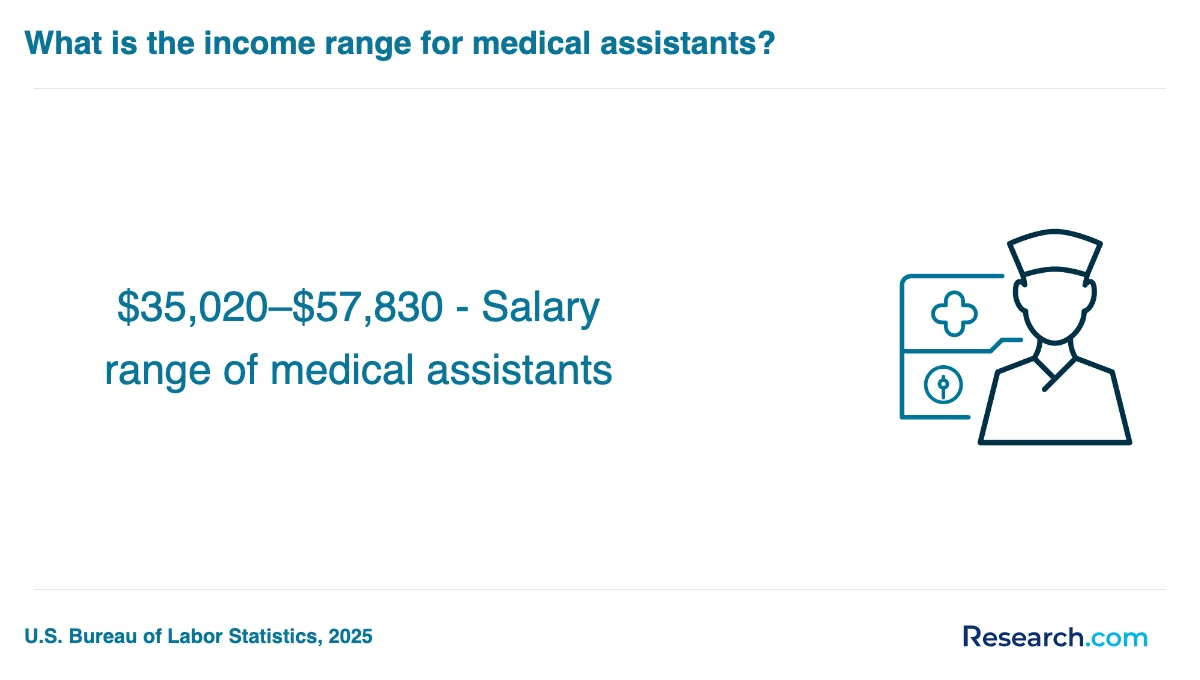
Medical assistant trade school students in New Jersey commonly access federal financial aid by completing the Free Application for Federal Student Aid (FAFSA). This opens eligibility for federal grants like the Pell Grant and loans such as Direct Subsidized and Unsubsidized Loans. For example, graduates from ACI Medical & Dental School in Eatontown highlight how Title IV financial aid significantly reduced their tuition burden, making education feel attainable despite personal financial challenges.
Beyond federal programs, many schools provide alternative financing options. At the Healthcare Training Institute in Union, students benefit from no-interest payment plans that allow monthly or weekly installments, easing immediate financial pressure. Graduates often describe this flexibility as empowering, enabling them to focus on their studies without the stress of lump-sum payments.
Private education loans are available but generally carry higher interest rates and stricter terms compared to federal aid. New Jersey students are advised to exhaust federal and institutional options first. Financial aid advisors at these trade schools play a crucial role, guiding students through complex eligibility rules and helping them combine multiple aid sources to create manageable payment strategies.
Enrollment in medical assistant trade school programs in New Jersey typically requires candidates to meet several key prerequisites that ensure readiness and success. Most schools expect applicants to have a high school diploma or GED, which serves as a fundamental requirement for admission. Graduates from popular New Jersey trade schools often recall that submitting official transcripts was a straightforward but essential step.
Additional prerequisites frequently include:
- Proof of immunizations and a recent TB test, reflecting the healthcare environment's strict safety standards.
- Basic background checks and drug screenings, which are mandatory due to clinical internship placements in healthcare settings.
- Some programs require a minimum age of 18, ensuring maturity for patient interaction.
- Completion of a basic health or anatomy course can be beneficial, as many students found this helped ease the transition into more advanced medical coursework.
These prerequisites create a foundation that supports students' confidence and ability to thrive. Graduates often describe feeling well-prepared and motivated, noting how meeting these criteria early on helped them focus fully on their training at respected New Jersey trade schools.
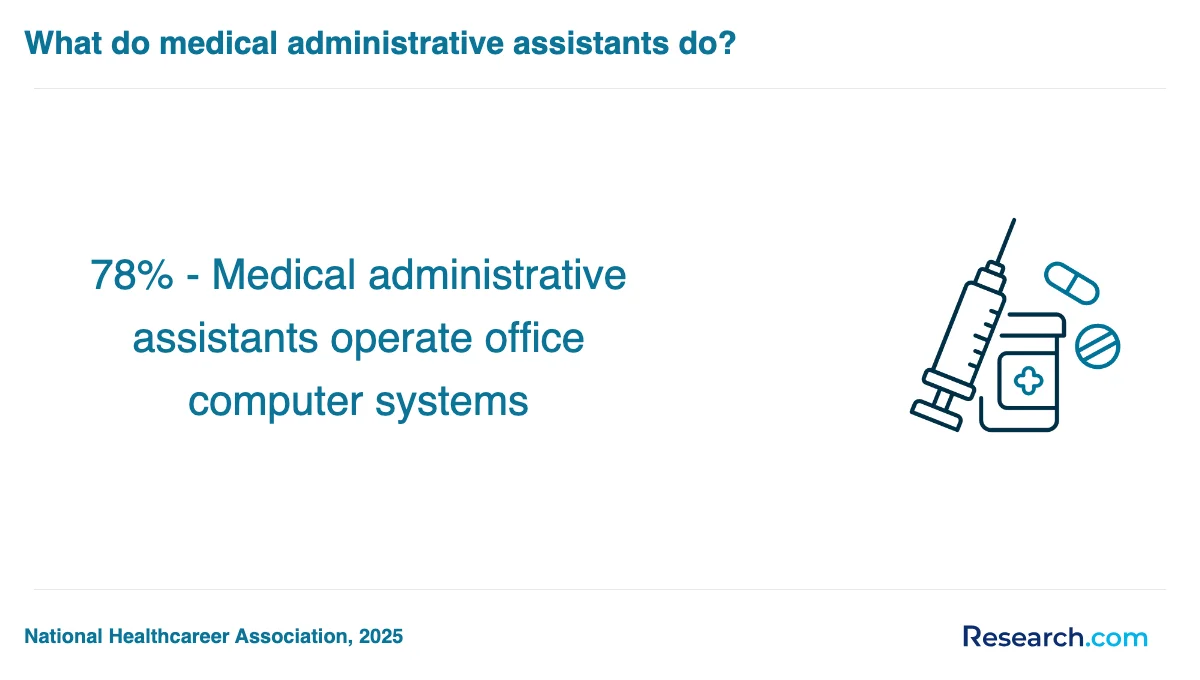
Medical assistant trade school programs in New Jersey typically include a comprehensive set of courses designed to prepare students for both clinical and administrative roles. Graduates from popular schools often highlight the value of core classes in anatomy, physiology, and medical terminology, which build a solid foundation for understanding patient care and medical communication.
Hands-on training is emphasized through courses covering:
- Vital signs measurement and patient interviews
- Phlebotomy and EKG procedures, with some programs offering certification preparation such as the NHA phlebotomy credential
- Infection control, medical asepsis, and minor surgical assistance
- Laboratory techniques for analyzing blood, urine, and conducting point-of-care tests
Administrative coursework also plays a key role, including lessons on patient file management, scheduling, billing, insurance processing, and electronic health records. Graduates appreciate how these skills directly translate to real-world job settings in New Jersey healthcare offices.
Students often find interactive simulations especially helpful for mastering office workflows, which boosts their confidence for national certification exams like the CCMA or NHA Medical Assistant certification. These programs create a practical, career-ready learning experience that graduates describe as both challenging and rewarding.
Medical assistant specializations in New Jersey trade school programs often include targeted clinical and administrative skills that enhance job readiness. Graduates from schools like Passaic County Community College and Eastwick College frequently highlight phlebotomy training, which teaches venipuncture, finger-stick techniques, and basic blood chemistry-skills critical for hospital and laboratory employment. Many students appreciate preparing for the National Healthcareer Association (NHA) phlebotomy certification, which boosts their competitive edge.
Other popular options include EKG technician training offered by institutions such as ACI Medical & Dental School along with Eastwick College, equipping students to administer cardiac tests and work in cardiovascular units. Patient care technician training provides deeper clinical experience, covering medication administration and assisting physicians, which appeals to those aiming for inpatient or rehabilitation roles. For those drawn to healthcare office management, programs offer medical secretary courses focused on billing, scheduling, and record-keeping, rounding out clinical and administrative medical assistant programs New Jersey.
- Phlebotomy certification with hands-on blood draw techniques
- EKG technician training for cardiac diagnostic support
- Patient care technician training for advanced clinical duties
- Medical office management to support healthcare administration
Many New Jersey students benefit from combined-specialization programs, like those at ACI Medical & Dental School, that allow multiple certifications including EKG, phlebotomy, and patient care technician. This multi-skilled approach aligns well with projected 29% employment growth, offering graduates flexibility and stronger job prospects. Interested applicants can also explore differences in career earnings through resources comparing medical assistant salary vs phlebotomist salary.
When selecting among the best medical assistant programs in New Jersey, accreditation is a critical factor; graduates from accredited schools consistently report higher confidence entering the workforce. Schools certified by bodies like CAAHEP or ABHES provide curricula that meet rigorous industry standards. For example, recent graduates from popular New Jersey trade schools emphasize how a balanced curriculum covering clinical procedures and administrative skills prepared them thoroughly for certification exams and real-world demands.
Choosing top-rated medical assistant schools in New Jersey also means evaluating program flexibility and hands-on opportunities. Graduates frequently highlight the benefit of clinical externships, which many local schools integrate, allowing practical experience in nearby healthcare facilities. Flexible scheduling alternatives are especially appreciated by working students, with programs offering evening or weekend classes. Some even recommend exploring affordable medical assistant certificate online options to supplement their in-person training.
Affordability paired with recognized outcomes such as job placement rates should influence your decision. Graduates recall that proximity impacted their daily routine, with closer locations reducing commute stress and increasing time for study. Balancing these factors helps ensure your investment in education aligns with your career aspirations and lifestyle.
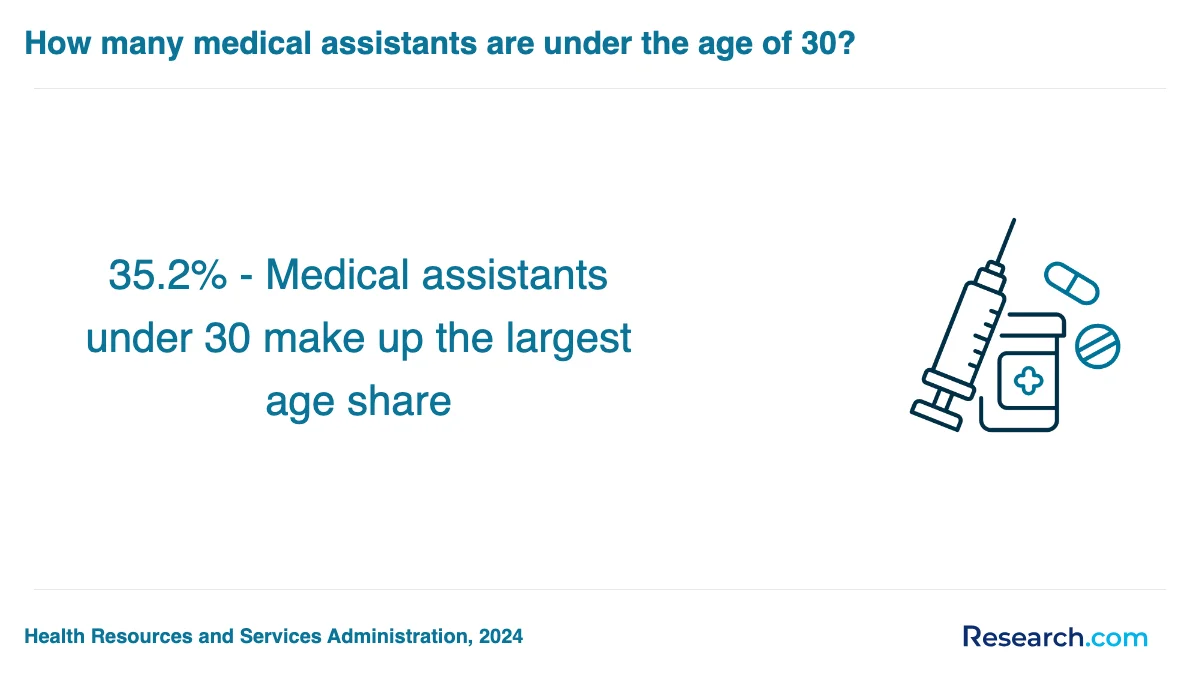
Graduates of medical assistant trade school programs in New Jersey find diverse medical assistant career opportunities in New Jersey that extend well beyond basic roles. Many begin as medical assistants in outpatient clinics or private practices, performing clinical and administrative duties essential to healthcare operations. Others leverage their training to specialize as patient care technicians, phlebotomists, or ECG technicians, expanding their skill sets to increase job security and income potential.
Popular trade schools in New Jersey highlight real-life success stories of graduates quickly securing positions across hospitals, pediatric offices, and rehabilitation centers. These healthcare jobs for medical assistant graduates in New Jersey also include administrative roles such as unit secretary or insurance processor, allowing for varied career paths within the healthcare system.
In addition, several graduates pursue further certification options like Certified Phlebotomy Technician (CPT) or Certified EKG Technician (CET), enhancing their qualifications. Some use credits from their trade schools toward an associate degree, offering paths toward supervisory roles or nursing careers. For those aiming to advance, exploring a medical assistant to lpn program online provides an efficient educational pathway.
The demand for medical assistants in New Jersey remains strong, reflecting a healthy job market for graduates of local trade schools. Graduates from well-known programs in the state often report quick job placement, with starting wages between $18 and $20 per hour, and experienced certified assistants earning up to $26.50 per hour. This wage competitiveness stems from the state's proximity to large urban centers like New York and Philadelphia, which fuels a steady need for skilled medical assistants across hospitals, clinics, and urgent care facilities.
Key factors shaping the medical assistant job outlook in New Jersey include:
- Projected growth of 15% between 2022 and 2033, significantly outpacing the national average
- Opportunities for both clinical and administrative roles, encouraging versatile skill development
- Higher wages in metropolitan and suburban healthcare systems supporting career advancement
Graduates often share how their training at New Jersey trade schools equipped them with critical skills for medical assistant resume building, enabling smooth transitions into demanding healthcare environments. Combining certification with real-world experience increases employability and prepares them for a rewarding career path.
Best Medical Assistant Training Programs & Trade Schools - Top Medical Assistant Schools in New Jersey for 2026
# 1 position
Warren County Community College - Allied Health and Medical Assisting Services, Other.
associateWarren County Community College offers a hybrid program in Allied Health and Medical Assisting Services, Other, providing some distance-education options. The annual in-state tuition is $5,310. This program is accredited by the Middle States Commission on Higher Education. It covers instructional content in allied health and medical assisting services not classified elsewhere, aiming to prepare students for related careers in the healthcare sector.
# 2 position
Raritan Valley Community College - Allied Health and Medical Assisting Services, Other.
associateRaritan Valley Community College offers a hybrid Allied Health and Medical Assisting Services program with some distance-education options. The annual in-state tuition is $5,520. This program is accredited by the Middle States Commission on Higher Education. It covers allied health and medical assisting instructional content not listed in other programs, providing students with specialized training in this field.
# 3 position
Thomas Edison State University - Allied Health and Medical Assisting Services, Other.
associateThomas Edison State University offers a program in Allied Health and Medical Assisting Services, Other, with an annual in-state tuition of $6,638. Graduates have median earnings of $30,879 one year after completing the program. This instructional program covers allied health and medical assisting areas not specified elsewhere. The program is accredited by the Middle States Commission on Higher Education.
# 4 position
Camden County College - Allied Health and Medical Assisting Services, Other.
certificate or diplomaCamden County College offers a hybrid program in Allied Health and Medical Assisting Services, Other, which includes some distance education options. The program is accredited by the Middle States Commission on Higher Education. Annual in-state tuition is $3,960. This instructional program covers allied health and medical assisting services not listed in other specific categories.
Frequently Asked Questions about medical assistant
After completing a medical assistant trade school program in New Jersey, it is important to focus on certification to enhance job prospects. The Certified Medical Assistant (CMA) credential from the American Association of Medical Assistants (AAMA) is widely recognized by employers in the state. Preparing for the CMA exam by reviewing clinical and administrative skills learned during training can improve employability.
Networking with local healthcare providers and attending job fairs in New Jersey can also increase chances of employment. According to the New Jersey Department of Labor, employment for medical assistants in the state is projected to grow by 16% from 2022 to 2032, faster than average for all occupations.
Additionally, gaining experience through internships or externships offered by trade schools can provide practical skills and professional contacts that benefit job seekers in the competitive healthcare field.
Employers in New Jersey prioritize several key skills when hiring medical assistant trade school graduates. Clinical competencies such as phlebotomy, EKG administration, and basic patient care are essential, as they directly impact patient outcomes. According to the New Jersey Department of Labor, proficiency in electronic health records (EHR) systems is increasingly important due to the digitalization of medical offices.
Strong communication skills are also crucial, enabling medical assistants to interact effectively with patients and healthcare teams. Additionally, employers value attention to detail and organizational abilities, critical for managing appointments and medical documentation.
Understanding medical terminology and safety protocols further enhances a graduate's employability in this competitive field.
Finding internships relevant to medical assistant trade school programs in New Jersey involves several strategic steps. First, students should connect with their school's career services, which often maintain partnerships with local healthcare providers. According to the New Jersey Department of Labor, healthcare facilities in the state frequently offer internship opportunities to support workforce development.
Prospective interns can also explore hospital systems such as Hackensack Meridian Health and RWJBarnabas Health, which regularly provide clinical internships for medical assistant students. Networking through local professional organizations, like the New Jersey Society of Medical Assistants, can further enhance internship prospects.
Online platforms like the New Jersey Career Connections portal offer listings specific to healthcare internships, including medical assisting. Securing an internship typically requires submitting a resume and completing health screenings or background checks, reflecting standard industry practices.
Obtaining a medical assistant trade school diploma in New Jersey significantly enhances career mobility and advancement opportunities. According to the U.S. Bureau of Labor Statistics, the demand for medical assistants in New Jersey is projected to grow by over 18% through 2030, faster than the average for all occupations.
The diploma certifies practical skills and knowledge, making graduates eligible for entry-level positions in diverse healthcare settings such as clinics, hospitals, and private practices. This credential often leads to higher starting salaries compared to those without formal training.
Additionally, employers in New Jersey increasingly prefer candidates with accredited diplomas, which can facilitate promotions or transitions into specialized roles like administrative or clinical coordination.
Data from the New Jersey Department of Labor shows diploma holders have better employment retention and advancement rates, supporting social mobility within the state's healthcare sector.
Students enrolled in medical assistant trade schools in New Jersey can benefit from various part-time job opportunities that enhance their practical skills. Common roles include medical receptionist, pharmacy technician assistant, and patient care aide. These jobs provide hands-on experience in clinical settings while reinforcing administrative duties learned in school. According to the New Jersey Department of Labor, medical assistant employment is projected to grow by 12% through 2030, highlighting strong demand.
Part-time work in outpatient clinics or nursing homes also allows students to develop communication and organizational skills critical for future certification exams. Employers often seek candidates with real-world exposure, making such jobs valuable complements to formal education.
Indeed, there are several medical assistant degree programs near New Jersey that offer comprehensive training and practical experience for aspiring medical assistants. Many universities and colleges in the region provide accredited programs that prepare students for various certification exams and a career in healthcare. If you're searching for programs "near me," consulting resources like Research.com can help identify nearby options that suit your needs.
- Best Medical Assistant Training Programs & Trade Schools - Top Medical Assistant Schools in Pennsylvania for 2026
- Best Medical Assistant Training Programs & Trade Schools - Top Medical Assistant Schools in New York for 2026
- Best Medical Assistant Training Programs & Trade Schools - Top Medical Assistant Schools in Maryland for 2026
- Best Medical Assistant Training Programs & Trade Schools - Top Medical Assistant Schools in Virginia for 2026
- Best Medical Assistant Training Programs & Trade Schools - Top Medical Assistant Schools in Massachusetts for 2026
- Best Medical Assistant Training Programs & Trade Schools - Top Medical Assistant Schools in West Virginia for 2026
- Best Medical Assistant Training Programs & Trade Schools - Top Medical Assistant Schools in Ohio for 2026
- Best Medical Assistant Training Programs & Trade Schools - Top Medical Assistant Schools in Tennessee for 2026
- Best Medical Assistant Training Programs & Trade Schools - Top Medical Assistant Schools in Maine for 2026
- Best Medical Assistant Training Programs & Trade Schools - Top Medical Assistant Schools in Georgia for 2026
- What is the Next Step After Becoming a Medical Assistant? https://www.herzing.edu/pathway/whats-next-after-medical-assisting
- What is the Next Level After Medical Assistant? | Goodwin University https://www.goodwin.edu/enews/next-step-after-medical-assistant/
- How to Succeed as a Working Student in Medical Assistant School https://www.allalliedhealthschools.com/blog/can-you-work-while-attending-medical-assistant-school/
- Medical Assistant Career Path & Advancement Opportunities https://www.stepful.com/post/medical-assistant-career-path-advancement-opportunities
- What Employers Look for After Certified Medical Assistant Training - BAMASF https://bamasf.edu/what-employers-look-for-after-certified-medical-assistant-training/
- How to Go from Medical Assistant to MBA: A Guide to Advancing Your Medical Career | George Washington University https://healthcaremba.gwu.edu/blog/continuing-education-after-becoming-a-medical-assistant
- Medical Assistant Advancement: Career Paths & How to Grow in Healthcare https://www.chcp.edu/blog/medical-assistant-career-paths-and-advancement-opportunities/
- Healthcare Blog | The Allen School https://www.allenschool.edu/there-are-several-benefits-of-attending-a-medical-assistant-trade-school-over-a-community-college/
- Launching Your Medical Assisting Career: A Step-by-Step Guide - Medquest https://medquestcollege.edu/launching-your-medical-assisting-career-a-step-by-step-guide/
- The Challenges of Being a Medical Assistant – Prism Career Institute https://prismcareerinstitute.edu/blog/what-are-the-most-difficult-parts-of-being-a-medical-assistant/


