
Best Medical Assistant Training Programs & Trade Schools - Top Medical Assistant Schools in South for 2026

Co-Founder and Chief Data Scientist
Choosing the right medical assistant trade school in the South can shape your future career and open doors to rewarding healthcare opportunities. This article introduces a carefully crafted medical assistant trade school programs ranking developed by the Research.com team of data scientists, designed to help you make a confident and informed decision.
Whether you’re starting fresh or seeking a certification, earning a diploma in this field offers valuable skills and a strong foundation for success. Explore the best options and take a positive step toward a fulfilling career in healthcare.
Key benefits of finishing medical assistant trade school in South
- Medical assistant trade school graduates in the South can expect salaries around $39,000 annually, with opportunities to earn more as they gain experience and certifications in cities like Atlanta and Miami.
- Graduates often find diverse career paths in hospitals, clinics, and specialized medical offices, benefiting from strong job growth projections and stable employment prospects.
- Completing medical assistant training online offers flexibility and faster completion times, allowing graduates to enter the workforce sooner while balancing personal commitments.
- Best Medical Assistant Training Programs & Trade Schools - Top Medical Assistant Schools in South for 2026
- What can I expect from medical assistant trade schools in South?
- Where can I work after finishing medical assistant trade schools in South?
What can I expect from medical assistant trade schools in South?
In a medical assistant trade school program in the South, you can expect a balanced combination of hands-on clinical training and classroom instruction tailored to prepare you for real healthcare environments like clinics and hospitals. Graduates often share how practicing phlebotomy, EKGs, and basic patient care during their clinical rotations made them feel confident and ready for their first job.
Many Southern programs include externships or supervised clinical hours-sometimes 100 or more-at local healthcare facilities. This real-world experience helps students apply their skills under professional guidance, which is especially reassuring for those new to the medical field.
You'll also learn administrative tasks such as billing and coding, which are essential for smooth medical office operations. Programs usually offer flexible schedules, with options for part-time or accelerated full-time study lasting 9 to 12 months for certificates, while associate degrees may take up to two years.
Graduates often highlight the value of supportive instructors and career services that help with job placement. Many programs in the South are accredited by CAAHEP, ensuring quality education and eligibility for national certification exams, boosting your confidence as you enter the workforce.
Where can I work after finishing medical assistant trade schools in South?
After finishing a medical assistant trade school program in South, graduates find a wide range of job opportunities in both clinical and administrative roles. Many secure positions in physicians' offices, outpatient clinics, and hospitals, where they assist doctors and nurses with patient care and office tasks. Graduates from popular South trade schools often share how rewarding it is to work in family medicine or pediatrics, directly impacting patient health every day.
Some graduates enjoy flexible schedules or night shifts, such as roles in Greer, SC, where full-time night positions run from 9:00 p.m. to 5:30 a.m., fitting those who prefer alternative hours. Others join large healthcare systems like Prisma Health in Columbia, gaining benefits like health and dental insurance alongside valuable clinical experience.
Non-traditional settings, including telehealth call centers, also attract graduates, offering chances to support patients remotely. Overall, completing a medical assistant program in South opens doors to diverse, fulfilling career paths tailored to individual lifestyles and goals.
After finishing a medical assistant trade school program in the South, graduates can expect competitive earnings that reflect regional conditions and experience levels. Entry-level medical assistants typically start around $34,000 to $38,000 annually, or $16 to $18 per hour, which many find encouraging as they launch their careers. Graduates from popular Southern trade schools often share how this starting pay helped them cover living expenses comfortably while gaining hands-on experience.
With a few years in the field or added certifications, salaries often rise to $40,000-$44,000 per year, about $19 to $21 per hour. Those who advance further or specialize can earn $48,000-$55,000 or more annually. For example, graduates working in South Dakota report average hourly wages near $22.87, translating to roughly $47,570 yearly, a solid income in the region.
Many find employment in hospitals or specialty clinics offering higher pay, sometimes up to $29.50 per hour. The South's lower cost of living combined with steady job growth makes these salaries both practical and motivating for new medical assistants.
- Most medical assistant trade school programs in the South require a high school diploma or equivalent and include criminal background checks and drug screenings.
- Accredited programs prepare students for the Certified Medical Assistant exam, with some schools showing a 94.34% five-year average pass rate.
- Students must complete about 180 hours of supervised practicum and meet technical standards such as communication and motor skills.
- Tuition costs typically range from $3,000 to $12,000, plus additional fees like $25 for lab coats.
- The job market is growing at 18% from 2020 to 2030, with starting salaries between $33,000 and $36,000 annually and experienced pay up to $45,000.
- Programs include training on OSHA safety protocols to manage risks like infectious diseases and workplace stress.
Completing a medical assistant trade school program in the South typically takes about 9 to 12 months. Many students at well-known trade schools in the region find this timeframe ideal because it allows them to quickly enter the workforce without sacrificing the quality of hands-on training. For instance, graduates often share how their intensive courses blended classroom learning with practical clinical experience, making the months feel rewarding and well spent.
Students appreciate that these programs are designed to fit busy schedules, sometimes offering evening or weekend classes. This flexibility helps those balancing work or family commitments. One graduate mentioned feeling confident stepping into their first job after finishing a program that packed essential skills into under a year.
Overall, the relatively short, focused duration of medical assistant programs in Southern trade schools provides a fast, effective path to starting a healthcare career with solid expertise and real-world readiness.
Online medical assistant trade school programs in the South offer flexibility that many graduates appreciate, especially those juggling jobs or family. For example, one graduate shared how studying from home allowed them to complete coursework late at night after work, speeding up their path to certification. These programs often cost between $2,000 and $5,000, making them a budget-friendly choice for students in the region.
In contrast, on-campus programs at popular Southern trade schools focus heavily on hands-on training. Graduates often highlight the value of working directly with medical equipment and participating in simulated patient care, which builds confidence before entering clinical settings. The immediate feedback from instructors and real-time collaboration with peers create a supportive learning environment that many find motivating.
Some Southern schools blend both approaches with hybrid programs, offering online study alongside scheduled in-person labs. This balance appeals to students who want flexibility without missing essential practical experiences.
The average cost of medical assistant programs in the South varies depending on the type of program and school location. Certificate programs, often lasting 6 to 15 months, are the most budget-friendly option, with tuition ranging roughly from $1,570 to $30,220. Many graduates from Florida Career College share how their 11-month certificate program gave them a quick yet confident start in healthcare roles. This affordability attracts students eager to enter the workforce without long-term financial strain.
Diploma programs, which typically take about a year, come with tuition fees between $2,940 and $41,300. These programs are popular in Southern states for their balanced depth of training, preparing students for both front and back office medical assisting tasks. For example, diploma graduates often feel ready to handle the realities of busy clinics because of the comprehensive skill set developed.
Associate degree programs require a larger financial commitment, with tuition fees ranging from $8,000 to $32,100. Community colleges in the South, like Jefferson State Community College in Alabama, offer reasonable in-state tuition around $4,920, making associate degrees more accessible. Many students appreciate how the extensive training improves their job prospects. Considering tuition fees for medical assistant schools in Southern states, exploring financial aid options is crucial as additional costs such as books, uniforms, and exam fees can add up.
Graduates emphasize the importance of understanding these costs upfront to plan effectively. They often recommend researching scholarship opportunities and payment plans to reduce the financial burden. Investing in medical assistant training also brings rewarding outcomes, especially when considering the benefits of medical assistant certification that open doors to stable careers in healthcare.
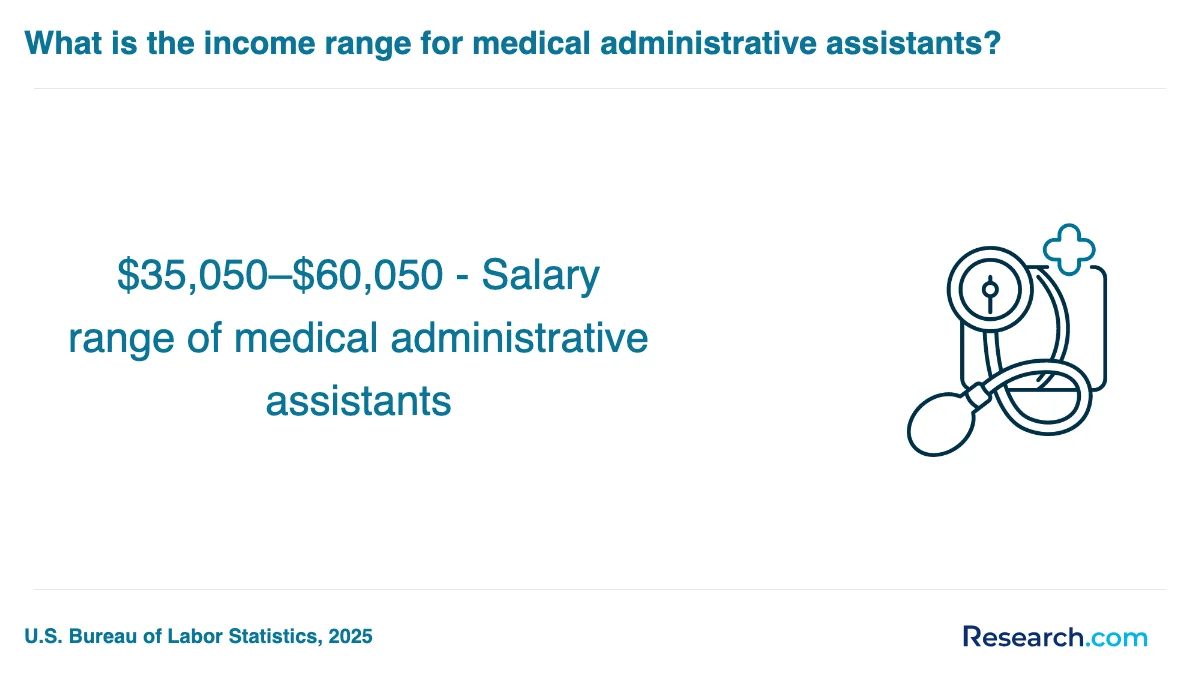
Medical assistant trade school students in the South have access to several financial aid options that make pursuing their education more affordable. Many graduates from South Dade Technical College share how completing the FAFSA opened doors to federal grants like the Pell Grant and FSEOG, which helped cover tuition without adding debt. These grants are awarded based on financial need, providing essential support for students balancing work and study.
Beyond federal aid, state-specific scholarships and grants are common in Southern states, often tailored to vocational programs like medical assisting. Graduates recall how local scholarships, sometimes targeting minority students such as African-American or Latinx applicants, significantly eased their financial burden. Schools frequently offer guidance in accessing these funds, making the process feel manageable.
Additionally, flexible payment plans at many trade schools allow students to spread out tuition costs, reducing stress. Some programs also include work-study options, enabling students to earn income while gaining hands-on experience, which many find motivating and empowering as they prepare for their healthcare careers.
Enrolling in a medical assistant trade school program in the South typically requires a high school diploma or GED as the first step. Many trade schools emphasize a clear academic foundation and basic skills in reading, writing, and math.
Applicants often need to provide:
- Proof of residency or citizenship in the state where the school is located
- Completed application forms and sometimes an application fee
- Immunization records, especially for vaccines like hepatitis B and MMR, due to clinical placement requirements
- A background check, since clinical rotations involve working in healthcare environments
Graduates from popular trade schools in the South recall that being proactive about these prerequisites helped them start classes smoothly without delays. For instance, one graduate shared how submitting immunization records early allowed them to focus fully on learning rather than administrative tasks.
Some programs may also require placement tests or interviews to assess readiness and commitment. This ensures students entering the program are fully prepared for the hands-on training ahead.
Overall, meeting these prerequisites helps create a positive, organized start to your medical assistant journey, making the experience more rewarding and less stressful.

Medical assistant trade school programs in the South focus on both clinical and administrative skills, preparing students for real healthcare environments. Graduates often recall how foundational courses like human anatomy, physiology, and medical terminology helped them confidently understand patient conditions and communicate clearly with medical teams.
Hands-on training is a highlight, with courses covering essential clinical procedures such as:
- Drawing blood (phlebotomy)
- Measuring vital signs
- Performing EKGs
- Administering CPR
- Assisting with minor surgeries
Many Southern trade schools also emphasize laboratory techniques, allowing students to practice processing specimens and conducting basic lab tests. On the administrative side, students gain skills in scheduling, patient record management, medical billing, insurance coding, and healthcare law-all vital for smooth office operations.
Students often highlight their clinical externships, completing 180 to 225 hours in local healthcare settings. This experience builds practical skills and professional confidence, making the transition from classroom to workplace seamless and rewarding.
Medical assistant specializations in Southern trade schools cater to a variety of interests, offering focused training that boosts job readiness. Many programs emphasize clinical and administrative medical assistant programs South, where graduates gain hands-on experience in vital tasks such as patient intake, vital signs, EMR management, and appointment scheduling. Popular Southern trade schools often report graduates thriving in roles that balance both clinical care and office duties, providing a well-rounded skill set highly sought after by employers.
Students can choose from specialized tracks including:
- Clinical Medical Assisting, involving phlebotomy, wound care, and assisting with procedures
- Pediatrics, focusing on child immunizations and growth monitoring
- Geriatrics, for caring for aging populations with tailored health needs
- Obstetrics and Gynecology, supporting women's prenatal and gynecological care
- High-demand specialties like cardiology, dermatology, optometry, and urgent care
Graduates often share how their training at Southern trade schools helped them confidently assist in cardiology clinics performing ECGs or dermatology offices capturing precise skin condition records. The choice of specialization can also impact earning potential, with family medicine and urgent care pathways ranking among the highest-paid in the region.
For students weighing career options, understanding does an emt make more money than a medical assistant can clarify pathways toward their financial and professional goals.
Start by confirming the accreditation status of the program to ensure it meets industry standards. Many graduates of South College's Medical Assisting program highlight how accreditation by agencies like CAAHEP gave them confidence in their training and boosted their job prospects. Review the program curriculum carefully; a solid curriculum includes both essential clinical skills and administrative tasks, preparing you well for real-world duties. Programs at South University, for instance, incorporate a 160-hour practicum that students find invaluable for hands-on experience.
Practical externship opportunities are critical. Experiences like those offered by San Antonio Medical Assistant School provide real healthcare settings that build skills and confidence. Equally important is checking job placement rates-graduates often share that strong career services made their job search easier and more successful. Financial considerations play a major role; exploring options such as scholarships or payment plans helps manage costs. For those seeking flexibility or financial assistance, it's worth exploring the best online medical assistant programs that accept financial aid available.
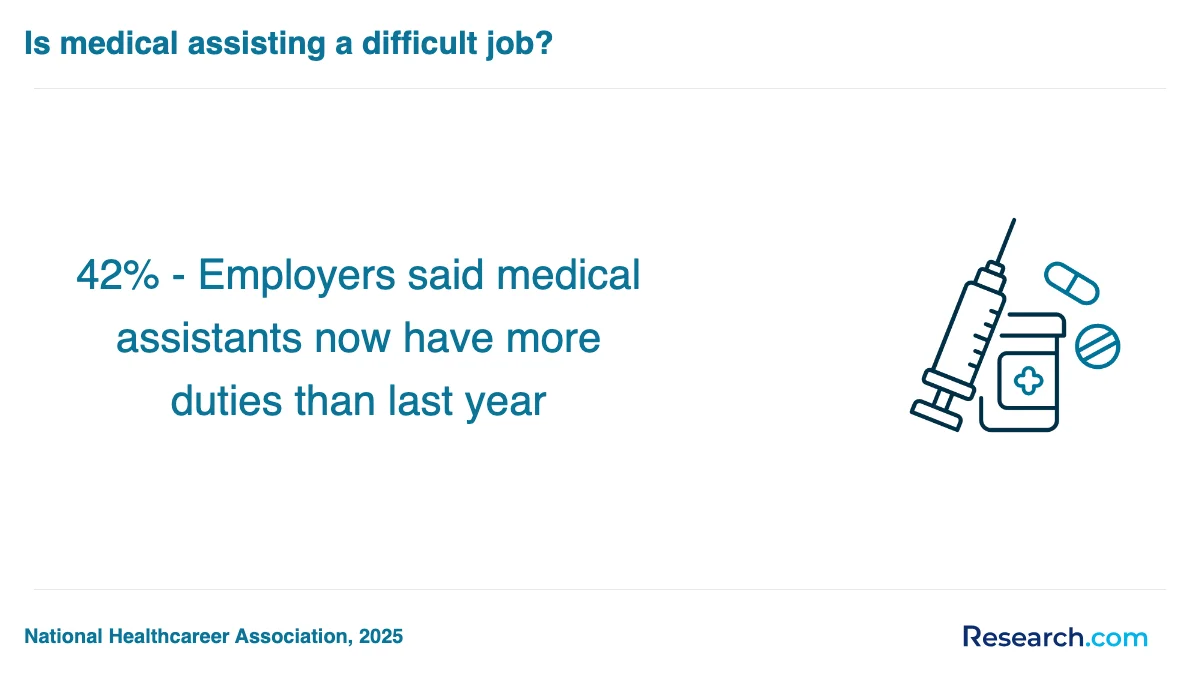
Graduates of medical assistant trade schools in South often start their careers as entry-level medical assistants, performing clinical and administrative tasks like taking vital signs and managing patient records. Popular trade schools in Southern states prepare students for these roles quickly, with programs as short as eight months, allowing them to gain hands-on experience soon after graduation.
Career advancement for medical assistants in the South is promising. Many graduates find job opportunities in physician offices, hospitals, outpatient clinics, and specialty practices such as cardiology and oncology. With experience, they can move into supervisory roles or specialized fields like ophthalmology and medical research.
Some examples of advancement paths include:
- Lead medical assistant or medical office manager positions
- Further education to become a Licensed Vocational Nurse (LVN) or Registered Nurse (RN)
- Long-term growth into roles like Physician Assistant (PA)
These options reflect the high demand and flexibility for medical assistants throughout Southern states. According to the average salary of a ncma , this career path offers both stability and financial rewards over time.
The medical assistant job outlook in the South remains strong, fueled by expanding healthcare needs and a growing elderly population. Graduates from popular trade schools in South see firsthand how this demand for medical assistants in Southern states translates into real job opportunities. For example, many find roles quickly in physicians' offices, outpatient clinics, and hospitals where staffing needs continue to rise.
Key factors making the market promising include:
- South Carolina alone plans to add 2,750 new medical assistant jobs soon, reflecting steady growth.
- Entry-level salaries typically range from $34,000 to $38,000, with mid-career wages nearing $44,000, allowing new grads to comfortably support themselves.
- The variety of clinical and administrative positions available offers flexibility based on personal interests and strengths.
Many graduates from Southern trade schools describe feeling confident stepping into the workforce due to hands-on training focused on practical skills. Additionally, career-focused programs often guide students on advancement paths, such as through a ma to rn program, broadening future earnings and responsibilities.
For students considering medical assistant trade schools in the South, the demand for medical assistants in Southern states provides both job security and a satisfying career helping diverse patient populations in growing metropolitan and rural areas alike.
Best Medical Assistant Training Programs & Trade Schools - Top Medical Assistant Schools in South for 2026
# 1 position
Dalton State College - Clinical/Medical Laboratory Assistant.
associateDalton State College offers a Clinical/Medical Laboratory Assistant program in a hybrid format, providing some distance-education options. The program trains students to perform waived testing procedures, phlebotomy, and other laboratory support tasks under supervision. Instruction covers clinical procedures, laboratory tests, equipment operation, safety, and communication skills. Annual in-state tuition is $3,283, and median earnings one year after completion reach $58,734. The program is accredited by the Southern Association of Colleges and Schools Commission on Colleges.
# 2 position
American National University - Allied Health and Medical Assisting Services, Other.
associateAmerican National University offers an Allied Health and Medical Assisting Services, Other program with an annual in-state tuition of $10,735. Graduates have a median earning of $29,483 one year after completing the program. This instructional program covers allied health and medical assisting services not listed elsewhere and is accredited by the Distance Education Accrediting Commission.
# 3 position
Southwest University at El Paso - Clinical/Medical Laboratory Assistant.
associateSouthwest University at El Paso offers a fully online Clinical/Medical Laboratory Assistant program preparing students to perform waived testing procedures, phlebotomy, and support laboratory teams. The curriculum covers clinical procedures, laboratory tests, mathematics, computer technology, equipment operation, safety, and communication skills. The program is accredited by the Accrediting Bureau of Health Education Schools. Annual in-state tuition is $16,000, with median earnings of $24,117 one year after completion.
# 4 position
Blue Ridge Community and Technical College - Allied Health and Medical Assisting Services, Other.
associateBlue Ridge Community and Technical College offers a hybrid program in Allied Health and Medical Assisting Services, Other, with an annual in-state tuition of $4,344. Graduates earn a median salary of $30,181 one year after completion. The program is accredited by the Higher Learning Commission and includes some distance-education options to provide flexible learning for students.
# 5 position
Southern Crescent Technical College - Allied Health and Medical Assisting Services, Other.
certificate or diplomaSouthern Crescent Technical College offers a hybrid Allied Health and Medical Assisting Services program. The annual in-state tuition is $3,126. Graduates typically earn a median income of $33,676 one year after completing the program. This instructional program covers allied health and medical assisting services not specifically listed elsewhere. It is accredited by the Southern Association of Colleges and Schools Commission on Colleges.
# 6 position
Central Georgia Technical College - Allied Health and Medical Assisting Services, Other.
certificate or diplomaCentral Georgia Technical College offers a hybrid Allied Health and Medical Assisting Services program, providing some distance-education options. The annual in-state tuition is $3,180. Graduates earn a median salary of $29,911 one year after completing the program. This instructional program covers allied health and medical assisting services not listed elsewhere. The program is accredited by the Southern Association of Colleges and Schools Commission on Colleges.
# 7 position
Indian River State College - Allied Health and Medical Assisting Services, Other.
certificate or diplomaIndian River State College offers a hybrid program in Allied Health and Medical Assisting Services, Other, accredited by the Southern Association of Colleges and Schools Commission on Colleges. The annual in-state tuition is $2,764. Graduates of this program have median earnings of $31,062 one year after completion. This program provides instruction in allied health and medical assisting services not specified in other categories.
# 8 position
Georgia Northwestern Technical College - Allied Health and Medical Assisting Services, Other.
certificate or diplomaGeorgia Northwestern Technical College offers a hybrid program in Allied Health and Medical Assisting Services, Other, designed for flexible learning. The annual in-state tuition is $3,132. Graduates have a median earning of $27,401 one year after completing the program. This program is accredited by the Southern Association of Colleges and Schools Commission on Colleges. It covers instructional content not listed in other allied health and medical assisting programs.
# 9 position
West Georgia Technical College - Allied Health and Medical Assisting Services, Other.
certificate or diplomaWest Georgia Technical College offers a hybrid program in Allied Health and Medical Assisting Services, Other, providing some distance-education options. The annual in-state tuition is $3,122. Graduates have a median earning of $28,477 one year after completion. The program is accredited by the Southern Association of Colleges and Schools Commission on Colleges. It covers instructional content not listed in other allied health and medical assisting programs.
# 10 position
Savannah Technical College - Allied Health and Medical Assisting Services, Other.
certificate or diplomaSavannah Technical College offers a hybrid program in Allied Health and Medical Assisting Services, Other, with some distance-education options. The annual in-state tuition is $3,072. Graduates have a median earning of $31,665 one year after completing the program. The program is accredited by the Southern Association of Colleges and Schools Commission on Colleges. It covers instructional content not listed under other allied health and medical assisting categories.
Frequently Asked Questions about medical assistant
After completing a medical assistant trade school program in the South, preparing for the job market involves several key steps. First, obtaining certification such as the Certified Medical Assistant (CMA) credential from the AAMA can significantly enhance your employability. According to the Bureau of Labor Statistics, medical assistants in southern states like Texas and Florida have growing job opportunities, with projected growth rates above the national average.
Networking through local healthcare facilities and job fairs is essential. Many trade schools offer career services that connect graduates with employers. Additionally, developing strong interpersonal skills and familiarity with electronic health records (EHR) systems will make candidates more competitive.
Continuous learning and professional development can also improve long-term job prospects in this evolving field.
Employers in the South prioritize a blend of technical and interpersonal skills when hiring medical assistant graduates. According to the Bureau of Labor Statistics, medical assistants in this region must be proficient in clinical tasks such as taking vital signs, administering injections, and performing basic lab tests. Equally important are administrative skills like scheduling appointments and managing patient records using electronic health record (EHR) systems.
Communication skills are highly valued because medical assistants frequently interact with patients and healthcare teams. Adaptability and attention to detail also rank high, as healthcare environments demand accuracy and flexibility. The South's healthcare job market increasingly favors graduates with certification from recognized programs, which can improve hiring prospects and starting salaries.
Finding internships in South relevant to medical assistant trade school programs involves a strategic approach. Start by contacting your trade school's career services or internship coordinator, as many schools maintain partnerships with local healthcare providers.
Healthcare facilities such as clinics, hospitals, and private practices often offer internships tailored to medical assistant students. According to the National Healthcare Association, over 60% of medical assistant programs in Southern states have formal agreements with such providers, increasing internship availability.
Utilize state-specific resources like the South Department of Health and Human Services website, which lists licensed healthcare facilities eligible for student internships.
Networking with local professional organizations, such as the American Association of Medical Assistants (AAMA) chapter in South, can also open doors to internship opportunities.
Obtaining a medical assistant trade school diploma in South significantly enhances career mobility and advancement opportunities. According to the U.S. Bureau of Labor Statistics, South states show a steady growth rate in medical assistant employment, with some areas experiencing up to 18% growth through 2030. This diploma provides essential clinical and administrative skills, making graduates competitive for entry-level positions in hospitals, clinics, and private practices.
Additionally, many employers in South prioritize candidates with formal training credentials, which can lead to higher starting wages. Certification eligibility after diploma completion further improves job prospects and potential promotions.
Trade schools also offer flexible programs, allowing students to quickly enter the workforce and pursue continuing education options to advance into specialized roles.
Part-time job opportunities in South that complement medical assistant trade school education include roles such as medical receptionist, pharmacy technician assistant, and patient care aide. These positions provide valuable hands-on experience with medical terminology, patient interaction, and administrative duties.
The U.S. Bureau of Labor Statistics reports that South's healthcare support occupations are growing steadily, with a projected 12% increase over the next decade. This growth makes part-time work in clinics, hospitals, and pharmacies more accessible for students.
Working part-time in these roles allows students to apply classroom knowledge in real-world settings, improving skills and employability after graduation. Additionally, many employers in South prefer candidates with practical experience, which these jobs help build.
Yes, there are many medical assistant degree programs available near me, as well as near South, with various educational institutions offering these programs across the United States. Medical assistant programs are typically offered by community colleges, technical schools, and universities, providing both certification and associate degree options. Research.com can be a useful resource to explore accredited programs and find the best fit based on location and program quality.
- Medical Assistant Externships: How to Find One & Why They Matter | Advanced eClinical Training https://advclinical.org/medical-assistant-externship/
- Medical Assistant Externship: What It Is & How To Find One https://www.stepful.com/post/medical-assistant-externship
- Career Placement for Medical Assistant Programs – Prism Career Institute https://prismcareerinstitute.edu/blog/when-choosing-a-medical-assistant-program-ask-about-career-placement/
- Mayo Clinic Careers | Internships https://jobs.mayoclinic.org/trainingprogramsandinternships
- Top Medical Internship Opportunities Abroad in 2025 & 2026 https://www.volunteerhq.org/blog/medical-internship-opportunities-abroad/
- 8 Reasons To Complete a Medical Assistant Internship https://aci.edu/blog/8-reasons-complete-medical-assistant-internship/
- The Healthcare Student’s Guide to Internships | EduMed.org https://www.edumed.org/resources/student-online-guide-to-internships/
- Medical Assistant Internships in CT | Goodwin College https://www.goodwin.edu/enews/medical-assistant-internships/
- Medical Assistants : Occupational Outlook Handbook: : U.S. Bureau of Labor Statistics https://www.bls.gov/ooh/healthcare/medical-assistants.htm
- Medical Assistant Salary 2025: How Much Do They Make? https://nurse.org/healthcare/medical-assistant-salary/


