
Best Medical Assistant Training Programs & Trade Schools - Top Medical Assistant Schools in Massachusetts for 2026

Co-Founder and Chief Data Scientist
Choosing the right medical assistant trade school in Massachusetts can be overwhelming. This article makes that easier by featuring a medical assistant trade school programs ranking created by the Research.com team of data scientists. Their data-driven approach helps you identify the best programs to consider for 2026.
Whether you’re starting a new career or seeking certification, earning a diploma from a reputable school opens doors to rewarding healthcare opportunities. Reading this guide will give you confidence to make an informed choice that fits your goals and lifestyle.
Key benefits of finishing medical assistant trade school in Massachusetts
- Graduates can expect a competitive salary, with average hourly wages around $22.50 and annual earnings near $46,800, which can increase with certification and experience.
- Medical assistant trade school graduates in Massachusetts often find diverse career paths in hospitals, clinics, and specialized practices, opening doors to roles with growth potential.
- Completing a medical assistant program online offers flexibility and convenience, allowing students to balance work and study while gaining the skills needed to succeed quickly in the healthcare field.
- Best Medical Assistant Training Programs & Trade Schools - Top Medical Assistant Schools in Massachusetts for 2026
- What can I expect from medical assistant trade schools in Massachusetts?
- Where can I work after finishing medical assistant trade schools in Massachusetts?
What can I expect from medical assistant trade schools in Massachusetts?
Enrolling in a medical assistant trade school program in Massachusetts means immersing yourself in a balanced mix of classroom learning and hands-on clinical practice. Graduates from programs like Massasoit Community College often share how the combination of administrative skills-such as managing electronic health records and scheduling appointments-and clinical tasks like taking vital signs or performing EKGs prepares them for real healthcare environments.
You can expect a clinical practicum or externship, typically around 240 hours, where you apply skills under supervision in local physicians' offices or clinics. Many students describe this as a rewarding phase where classroom theory truly comes alive, helping build confidence and professionalism.
The curriculum also emphasizes understanding medical ethics and patient sensitivity, which graduates say fosters a compassionate mindset essential for patient care. Meeting Massachusetts's immunization requirements and preparing for national certification exams are common milestones that students navigate, often feeling proud of their progress.
This practical, well-rounded training opens doors to various healthcare roles, making students optimistic about their future career paths in the Bay State.
Where can I work after finishing medical assistant trade schools in Massachusetts?
After finishing a medical assistant trade school program in Massachusetts, graduates find themselves welcomed into a variety of healthcare settings. Many quickly secure positions in physician offices, hospitals, and clinics, where their hands-on training prepares them to support doctors and nurses with both clinical and administrative duties. For example, graduates from well-known trade schools often share how their education directly helped them thrive in fast-paced environments like Emerson Hospital or local health maintenance organizations.
Others discover rewarding opportunities in school health offices or urgent care centers, enjoying the chance to build meaningful patient relationships while performing tasks such as taking vital signs or managing medical records. Some graduates even appreciate cross-training for front desk roles, which broadens their skill sets and opens doors to scheduling and patient check-in responsibilities.
With over 1,000 job postings statewide and competitive hourly wages in the Boston area, many graduates feel confident pursuing dynamic career paths that offer both stability and growth. The demand for medical assistants in Massachusetts promises a positive future, making the journey through trade school a smart investment for those eager to enter healthcare quickly and effectively.
After finishing a medical assistant trade school program in Massachusetts, many graduates find themselves earning an average of about $24.32 per hour, which translates to roughly $50,586 annually for full-time work. Graduates from popular trade schools in the state often share how this starting salary allows them to feel financially secure while building their careers in healthcare.
For example, a recent graduate working in Cambridge enjoys the city's highest average pay of $25.00 per hour, which not only supports daily living expenses but also helps with saving for future goals. Others in Boston earn around $23.75 per hour, feeling proud to contribute to the bustling healthcare community there.
Certification plays a key role; those who earn their credentials after trade school typically see salaries closer to $47,254 annually, with some reaching $56,118 as they gain experience. Graduates often express confidence knowing that 81% of Massachusetts healthcare employers require certification, making their investment in training a smart career move.
- Most programs require a high school diploma or equivalent, submission of transcripts, and may include placement tests and an interview.
- There is no state licensure needed in Massachusetts, but national certifications like CMA or CCMA are recommended to improve job prospects.
- Program lengths vary from 12 weeks for accelerated options to 10 months or more for standard certificates, often combining classroom and clinical training.
- Costs range from $5,000 to $15,000, with some schools offering apprenticeships or financial aid to help reduce expenses.
- Job placement rates are strong, with some schools reporting 90-100% success, and employment is projected to grow 16% through 2031.
- Entry-level salaries typically fall between $37,000 and $48,000 annually, with wages increasing based on experience and certification.
Completing a medical assistant trade school program in Massachusetts typically takes about 9 to 12 months, though some students finish in as little as 6 months depending on the program's structure and intensity. Graduates from popular Massachusetts trade schools often share how the accelerated pace kept them motivated and engaged, making the learning process feel dynamic and rewarding.
Many students appreciate that these programs blend hands-on clinical training with classroom instruction, allowing them to apply skills in real-world settings quickly. For example, a graduate from a well-known Boston-area trade school described how the program's compact timeline enabled them to start working in healthcare facilities sooner than expected, fueling a sense of accomplishment and excitement for their new career path.
Massachusetts trade schools frequently offer flexible scheduling options, including evening and weekend classes, which help students balance study with personal commitments. This flexibility adds to the positive experience, making the journey toward certification feel accessible and tailored to diverse lifestyles.
Online medical assistant trade school programs in Massachusetts offer a flexible learning experience, ideal for those balancing work or family commitments. Graduates often recall completing coursework on their own schedule, accessing lessons from home or coffee shops, which made managing life and education smoother. For instance, many students at popular Massachusetts trade schools appreciate how online classes cover essential topics like medical terminology and anatomy without daily commutes.
However, these programs still require in-person clinical experiences, such as externships or skill labs, ensuring students gain hands-on skills critical for certification. Graduates describe this hybrid approach as empowering, combining convenience with real-world practice.
In contrast, on-campus programs immerse students in traditional classroom settings with fixed schedules. Graduates often highlight the immediate support from instructors and peers, fostering a collaborative environment that helps deepen understanding through direct interaction and lab work. Though less flexible, the structured routine suits those who thrive on consistency.
Both pathways demand externship hours at healthcare facilities, so students must consider their personal learning style and access to clinical sites when choosing between online and on-campus options in Massachusetts.
The average tuition for medical assistant programs in Massachusetts typically hovers around $13,198, reflecting a balance between comprehensive training and affordability. Graduates from popular trade schools often recall the value they received for this investment, appreciating not only the curriculum but also the practical skills gained through approximately 318 contact hours, which usually span about 9 months of focused study.
At institutions like the Medical Training Institute in Seekonk, students experience detailed, hands-on medical assistant training for tuition costs near $16,700, which conveniently includes scrubs, uniforms, and even a Littmann Stethoscope upon graduation. These extras provide new students with a tangible sense of readiness and professionalism as they prepare to enter the healthcare workforce.
The cost of medical assistant diploma programs in Massachusetts can vary, as seen at places like the Metrowest Healthcare Academy in Framingham, where tuition is more affordable at around $6,500, complemented by modest administrative fees. Graduates often mention managing additional expenses such as uniforms, textbooks, certification fees, and immunizations, which can add up but are critical investments in their future careers.
Many students find encouragement knowing there are options for financial aid and employer-sponsored training programs that may help reduce the upfront costs. For those considering advancing their career, exploring pathways from ma to nurse also provides hope that this initial cost can lead to broader opportunities in the healthcare field.
Medical assistant students in Massachusetts often find financial aid options that make pursuing their education both manageable and encouraging. Graduates from well-known trade schools share how applying for the Free Application for Federal Student Aid (FAFSA) unlocked Pell Grants, which relieved the pressure of tuition costs without the worry of repayment. Many also accessed federal student loans, balancing the benefit of immediate funding with future repayment plans.
State support plays a big role too. For instance, learners at community colleges benefiting from the MASSGrant program describe it as a lifeline-grant money that feels like a true gift, not debt. Some recall how the Tuition Waiver program significantly lightened their financial burdens, allowing them to focus on mastering medical assisting skills instead of stressing about bills.
Others recount how MassHire Career Centers and WIOA-funded Individual Training Accounts covered full tuition when income limits were met, turning dreams into reality. Programs like NeighborHealth's, which pay trainees hourly during school and promise jobs after graduation, inspire hope and confidence in a secure future. These layered financial aids create a supportive environment for Massachusetts students stepping into the healthcare field.
Enrolling in a medical assistant trade school program in Massachusetts generally requires a few clear and achievable prerequisites that open doors to a rewarding healthcare career. Most programs expect applicants to have a high school diploma or GED, ensuring foundational skills in reading, writing, and basic math. Graduates often recall how this baseline helped them quickly grasp medical terminology and clinical procedures.
Additionally, trade schools in Massachusetts emphasize the importance of:
- Passing a background check, which reassures clinics and employers about your reliability and trustworthiness.
- Providing proof of immunizations to meet healthcare safety standards, a step many students found straightforward with local clinics.
- Demonstrating basic computer literacy, as electronic health records and scheduling software play a big role in daily tasks.
Some programs might request an interview or a placement test, offering a chance to showcase your enthusiasm and communication skills-qualities that graduates say boosted their confidence during orientation.
Trade schools in Massachusetts, such as those in Boston or Worcester, often provide supportive advising to help prospective students navigate these requirements smoothly, making the enrollment process feel welcoming and achievable. This foundation sets up students for success both academically and professionally.

Medical assistant trade school programs in Massachusetts typically offer a well-rounded mix of clinical and administrative courses designed to build confidence and practical skills. Graduates from popular schools often share how hands-on training in core clinical areas made them feel prepared for real-world healthcare settings.
Key clinical courses include:
- Phlebotomy: Learning to draw blood and handle specimens, which students describe as both challenging and rewarding when first practicing on live patients.
- Vital Signs and Patient Preparation: Gaining proficiency in measuring blood pressure, pulse, and temperature - skills that many say boost their confidence during patient interactions.
- Electrocardiography (EKG): Understanding heart monitoring techniques, which graduates find fascinating and crucial for patient care.
- Clinical Procedures: Covering infection control and minor office surgeries, providing a real sense of responsibility and professionalism.
Administrative coursework is equally emphasized, with students praising the practical focus on:
- Medical Office Administration: Mastering appointment scheduling and patient communication, helping students feel immediately useful in busy clinics.
- Electronic Health Records (EHR): Training on digital systems, a must-have skill that graduates say sets them apart in job interviews.
- Insurance and Billing: Navigating coding and billing, which demystifies the business side of healthcare.
Many programs in Massachusetts, like those at Massasoit Community College, integrate a clinical externship-often a seven-week, 245-hour hands-on experience-that students describe as transformative, allowing them to apply classroom knowledge directly to patient care. This blend of coursework and real-world training helps students feel ready and excited to start their medical assistant careers.
Medical assistant trade school programs in Massachusetts frequently offer a variety of clinical and administrative medical assistant programs Massachusetts students find especially valuable for career versatility. Graduates from these programs often specialize in clinical areas such as phlebotomy, where they learn to confidently draw blood and manage specimens in bustling hospital labs or outpatient clinics. Others choose training as EKG technicians, gaining skills to operate heart-monitoring equipment vital in emergency and cardiology settings. Patient care technician tracks prepare students to assist with vital signs and basic patient needs, providing hands-on experience that graduates praise for boosting their confidence in real-world medical offices.
On the administrative front, many programs emphasize medical office management, equipping students with knowledge of electronic health records and appointment scheduling software. Former students recall feeling empowered by mastering insurance procedures and practice software, helping them quickly transition into leadership roles within medical offices. Some Massachusetts trade schools offer externships in specialized environments such as pediatric or geriatric clinics, allowing students to build expertise relevant for specific patient populations.
These medical assistant specializations in Massachusetts ensure students graduate well-prepared for diverse healthcare roles. Those looking for options beyond traditional classrooms can explore medical assistant schools online programs that also offer these valuable tracks and hands-on experiences.
Choosing from the best medical assistant programs in Massachusetts requires focusing on accreditation, curriculum, and real-world training. Graduates from top-rated medical assistant schools in Massachusetts often highlight how programs with accredited clinical practicums helped them confidently handle patient care tasks and office duties. For example, students from well-known trade schools in Boston and Springfield emphasize the importance of hands-on externships that mirror actual healthcare environments, which shaped their readiness for employment.
Flexibility also plays a key role. Many students balance studies with personal commitments, so schools offering evening or hybrid courses attract those seeking to manage work-life balance effectively. Additionally, comparing tuition costs and exploring financial aid opportunities can ease financial stress during training.
Moreover, understanding the job market through strong job placement support is essential. Many students found value in programs that prepare them for certification exams and connect them with employers. To learn about specific role expectations, reviewing a certified clinical medical assistant job description can offer clarity and motivation.
Graduates of medical assistant trade schools in Massachusetts often find themselves stepping directly into roles that blend both clinical and administrative duties, such as recording patient histories, taking vital signs, and managing appointment schedules. Those completing programs at well-known local schools frequently share experiences of quickly securing positions in regional hospitals or private clinics, appreciating how their practical training aligns closely with employer needs. The steady demand in the state fuels a variety of medical assistant career opportunities in Massachusetts, including jobs in pediatrics, optometry, and other specialties where graduates apply their hands-on skills in focused settings.
Advancement options for Massachusetts medical assistant graduates expand as they gain experience or certifications. Many choose to diversify into roles like phlebotomy or EKG technicians, or aim for administrative leadership positions such as office manager or healthcare administrator. Trade school alumni often highlight how Massachusetts' community colleges provide accessible pathways for further education, enhancing these opportunities.
For those weighing career choices, exploring the medical assistant job description and salary details can reveal the balance of rewarding work and financial growth that awaits graduates in this vibrant healthcare market.
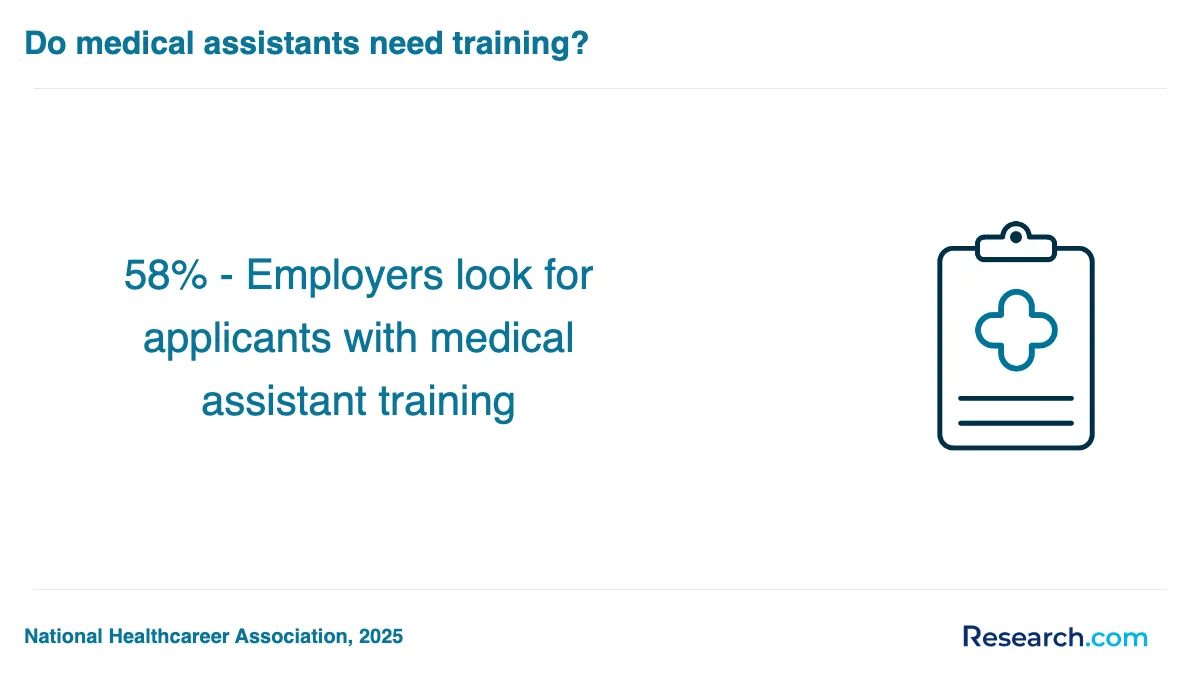
The medical assistant job outlook in Massachusetts is currently very encouraging for recent trade school graduates. Many graduates from popular programs in cities like Boston and Worcester report securing positions quickly due to the state's strong demand for qualified medical assistants. Employers often seek candidates with certification, highlighting the advantage of trade schools that emphasize national certification preparation. Graduates describe engaging in hands-on clinical training that prepares them well for real-world healthcare settings, boosting their confidence during job interviews.
Key factors shaping the demand for medical assistants in Massachusetts include:
- Average wages near $22.50 per hour, providing competitive compensation.
- Steady job openings, particularly in outpatient clinics and hospitals.
- Flexible scheduling options, including part-time roles ideal for students or those balancing family life.
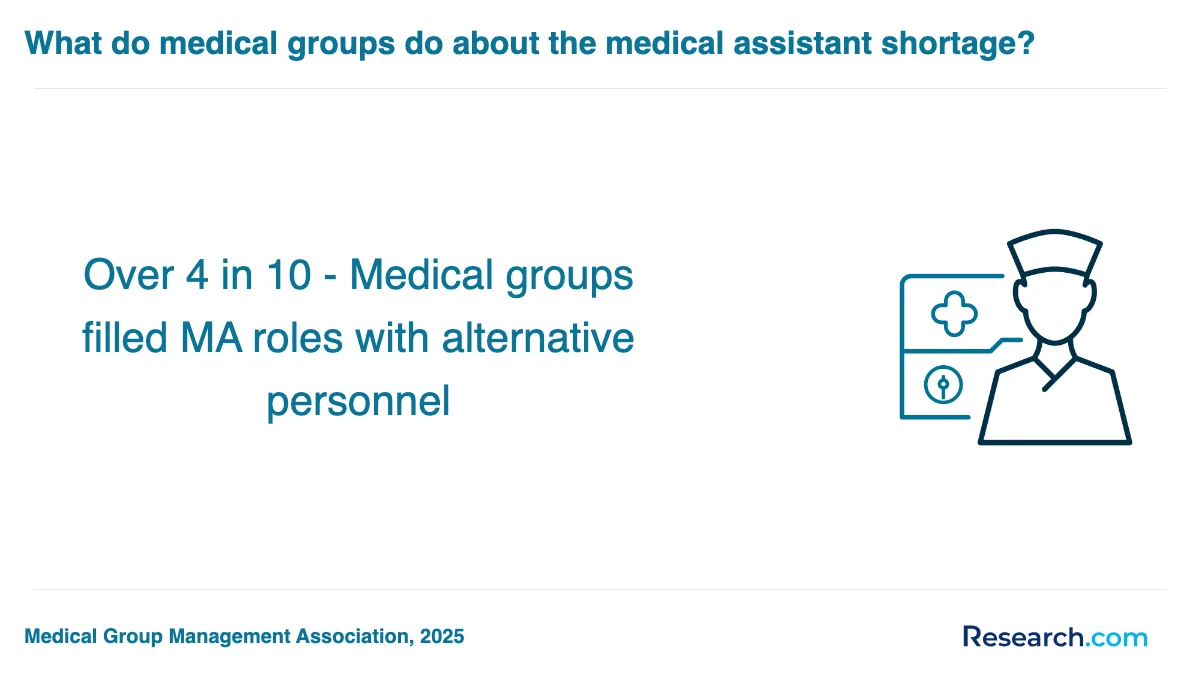
- Nearly half of medical practices find it challenging to fill medical assistant spots, increasing hiring opportunities.
Graduates often share positive stories of quickly transitioning from classes to fulfilling roles, experiencing supportive work environments thanks to workforce shortages. For those wondering about their future, exploring the career path of medical assistant in Massachusetts reveals promising stability and growth potential.
Best Medical Assistant Training Programs & Trade Schools - Top Medical Assistant Schools in Massachusetts for 2026
# 1 position
Mount Wachusett Community College - Allied Health and Medical Assisting Services, Other.
associateMount Wachusett Community College offers a hybrid program in Allied Health and Medical Assisting Services, Other, providing some distance-education options. The annual in-state tuition is $6,000. Graduates have a median earning of $45,300 one year after program completion. The program is accredited by the New England Commission on Higher Education. It covers instructional content not listed in other allied health and medical assisting programs.
# 2 position
Mount Wachusett Community College - Allied Health and Medical Assisting Services, Other.
certificate or diplomaMount Wachusett Community College offers a hybrid program in Allied Health and Medical Assisting Services, Other, with an annual in-state tuition of $6,000. The program is accredited by the New England Commission on Higher Education. Graduates have median earnings of $45,300 one year after completion. This instructional program covers allied health and medical assisting services not specified elsewhere, providing flexible learning options for students.
# 3 position
Bunker Hill Community College - Clinical/Medical Laboratory Assistant.
certificate or diplomaBunker Hill Community College offers a Clinical/Medical Laboratory Assistant program with a hybrid format that includes some distance education. The curriculum prepares students to perform waived testing procedures, phlebotomy, and laboratory support tasks under professional supervision. Instruction covers clinical procedures, laboratory tests, equipment operation, safety, and communication skills. The program is accredited by the New England Commission on Higher Education. Annual in-state tuition is $5,520, and median earnings one year after completion reach $44,141.
# 4 position
Bunker Hill Community College - Allied Health and Medical Assisting Services, Other.
certificate or diplomaBunker Hill Community College offers a hybrid Allied Health and Medical Assisting Services program with some distance-education options. The annual in-state tuition is $5,520. Graduates have median earnings of $44,141 one year after completing the program. This instructional program covers allied health and medical assisting services not listed elsewhere. It is accredited by the New England Commission on Higher Education.
Frequently Asked Questions about medical assistant
After completing a medical assistant trade school in Massachusetts, preparation for the job market involves several key steps. First, obtaining certification such as the Certified Medical Assistant (CMA) through the American Association of Medical Assistants can improve employment opportunities. Employers in Massachusetts often prefer candidates with certification due to demonstrated competency.
Next, building a strong resume that highlights clinical skills, externship experiences, and coursework is essential. Networking through local healthcare facilities and attending job fairs can open doors to entry-level positions. According to the Massachusetts Executive Office of Labor and Workforce Development, medical assisting jobs are expected to grow 14% through 2030, indicating a positive job outlook.
Lastly, continuing education and staying current with healthcare regulations and technology will help maintain competitiveness in the evolving medical field.
Employers in Massachusetts seek specific skills when hiring medical assistant trade school graduates. According to the U.S. Bureau of Labor Statistics and Massachusetts Department of Labor data, strong clinical skills like phlebotomy, EKG administration, and vital signs measurement are essential. Technical proficiency with electronic health records (EHR) systems is increasingly important, reflecting the industry's digital shift.
Communication skills are also highly valued, as medical assistants often interact directly with patients and healthcare teams. Attention to detail and the ability to multitask efficiently under pressure are critical for ensuring smooth clinical operations.
Finally, employers prefer candidates with knowledge of Massachusetts healthcare regulations and patient privacy laws, such as HIPAA compliance. These combined skills improve job performance and employment prospects in the state's competitive healthcare market.
Finding internships in Massachusetts relevant to medical assistant trade school programs involves several strategic steps. First, students should leverage their school's career services, as many trade schools maintain partnerships with local healthcare facilities.
Additionally, the Massachusetts Department of Higher Education provides resources and listings for healthcare internships, which can be valuable for locating opportunities in hospitals, clinics, and private practices.
Networking with alumni and professionals through platforms like LinkedIn or local healthcare associations can also uncover hidden internship positions.
According to the Bureau of Labor Statistics, Massachusetts has a growing demand for medical assistants, increasing internship availability in urban centers such as Boston and Worcester.
Applying early and preparing a strong resume tailored to healthcare settings enhances a candidate's chances.
Obtaining a medical assistant trade school diploma in Massachusetts significantly enhances career mobility and advancement opportunities. The state's healthcare sector is growing rapidly, with the Massachusetts Executive Office of Labor and Workforce Development projecting a 19% increase in medical assistant jobs by 2030. A diploma provides essential clinical and administrative skills valued by employers, increasing a graduate's competitiveness in the job market.
Many employers in Massachusetts prefer candidates who have completed accredited diploma programs, as these often meet the educational requirements for certification exams such as the Certified Medical Assistant (CMA) credential. Certification is linked to higher wages and better job prospects.
The diploma also enables entry into various healthcare settings, including hospitals, clinics, and private practices, facilitating upward mobility through experience and further education. According to the Massachusetts Department of Higher Education, graduates report improved earning potential and job stability after completing medical assistant diplomas.
Part-time job opportunities in Massachusetts that complement medical assistant trade school education include roles such as medical receptionist, phlebotomy technician, and patient care assistant. These positions provide practical experience in healthcare settings, enhancing skills learned in class. According to the Massachusetts Executive Office of Labor and Workforce Development, medical assistants in the state earn a median hourly wage of about $18.50, with demand expected to grow by 16% through 2030.
Working part-time in clinics, hospitals, or outpatient care centers allows students to apply their knowledge of medical terminology, patient interaction, and administrative tasks. These jobs often offer flexible hours, ideal for those balancing education and work.
To find the best Medical Assistant degree program near me in Massachusetts, it's beneficial to start by exploring local colleges and universities that offer accredited programs. Research.com can be a helpful resource to compare program ratings, curriculum, and student reviews. Additionally, consider visiting campuses near Massachusetts to get a sense of the facilities and support services they provide to students.
- Best Medical Assistant Training Programs & Trade Schools - Top Medical Assistant Schools in New York for 2026
- Best Medical Assistant Training Programs & Trade Schools - Top Medical Assistant Schools in New Jersey for 2026
- Best Medical Assistant Training Programs & Trade Schools - Top Medical Assistant Schools in Maine for 2026
- Best Medical Assistant Training Programs & Trade Schools - Top Medical Assistant Schools in Pennsylvania for 2026
- Best Medical Assistant Training Programs & Trade Schools - Top Medical Assistant Schools in Maryland for 2026
- Best Medical Assistant Training Programs & Trade Schools - Top Medical Assistant Schools in Virginia for 2026
- Best Medical Assistant Training Programs & Trade Schools - Top Medical Assistant Schools in Ohio for 2026
- Best Medical Assistant Training Programs & Trade Schools - Top Medical Assistant Schools in West Virginia for 2026
- Best Medical Assistant Training Programs & Trade Schools - Top Medical Assistant Schools in Tennessee for 2026
- Best Medical Assistant Training Programs & Trade Schools - Top Medical Assistant Schools in Michigan for 2026
- What is the Next Step After Becoming a Medical Assistant? https://www.herzing.edu/pathway/whats-next-after-medical-assisting
- What is the Next Level After Medical Assistant? | Goodwin University https://www.goodwin.edu/enews/next-step-after-medical-assistant/
- How to Succeed as a Working Student in Medical Assistant School https://www.allalliedhealthschools.com/blog/can-you-work-while-attending-medical-assistant-school/
- Medical Assistant Career Path & Advancement Opportunities https://www.stepful.com/post/medical-assistant-career-path-advancement-opportunities
- What Employers Look for After Certified Medical Assistant Training - BAMASF https://bamasf.edu/what-employers-look-for-after-certified-medical-assistant-training/
- How to Go from Medical Assistant to MBA: A Guide to Advancing Your Medical Career | George Washington University https://healthcaremba.gwu.edu/blog/continuing-education-after-becoming-a-medical-assistant
- Medical Assistant Advancement: Career Paths & How to Grow in Healthcare https://www.chcp.edu/blog/medical-assistant-career-paths-and-advancement-opportunities/
- Healthcare Blog | The Allen School https://www.allenschool.edu/there-are-several-benefits-of-attending-a-medical-assistant-trade-school-over-a-community-college/
- Launching Your Medical Assisting Career: A Step-by-Step Guide - Medquest https://medquestcollege.edu/launching-your-medical-assisting-career-a-step-by-step-guide/
- Medical Assistant | Massachusetts Bay Community College https://www.massbay.edu/academics/health-sciences/medical-assistant


