Most Affordable Medical Assistant Schools & Training - Budget-Friendly Medical Assistant Trade Programs in Maryland for 2026

Co-Founder and Chief Data Scientist
Choosing the right medical assistant trade school in Maryland can feel overwhelming, but this article is here to help. It features a comprehensive medical assistant trade school programs ranking created by the Research.com team of data scientists to guide you toward the best options.
By exploring these schools, you’ll discover affordable programs that fit your goals and budget. Earning a diploma or certification opens doors to a rewarding healthcare career, giving you confidence and valuable skills.
Take the first step toward a brighter future with clear, trustworthy information tailored just for you.
Key benefits of finishing medical assistant trade school in Maryland
- Graduates of medical assistant trade schools in Maryland can expect an average hourly wage around $19.81, with potential to earn up to $27.77 per hour depending on certification and location, offering a strong start to a rewarding career.
- Many graduates find diverse career paths, from clinical roles in hospitals to administrative positions in private practices, reflecting the flexible training provided by popular trade schools in Maryland.
- Completing a medical assistant program online offers convenience and time savings, allowing students to balance work and study effectively, as experienced by successful online graduates from well-known Maryland trade schools.
- Most Affordable Medical Assistant Schools & Training - Budget-Friendly Medical Assistant Trade Programs in Maryland for 2026
- What can I expect from medical assistant trade schools in Maryland?
- Where can I work after finishing medical assistant trade schools in Maryland?
What can I expect from medical assistant trade schools in Maryland?
Expect a dynamic mix of classroom learning and hands-on experience that truly prepares you for Maryland's bustling healthcare scene. Graduates from Towson University often recall the thrill of their 518-hour externship, where textbook knowledge met real patients, vital signs, and the adrenaline of assisting in minor surgeries. Imagine mastering anatomy one day, then confidently managing electronic health records the next-this blend is typical in Maryland's programs.
At Allegany College of Maryland, students appreciate the balance of clinical practicum hours and administrative training, from medical billing to insurance coding, which feels like unlocking the backstage secrets of healthcare. Many find the prerequisite courses and background checks a small hurdle for the rewarding challenge ahead. Tuition around $4,899 at Towson, including exam fees, feels like an investment when you picture yourself sitting for the Certified Clinical Medical Assistant exam, ready to launch your career.
Financial aid options, like those at Anne Arundel Community College, bring relief and hope. You'll leave these programs not just with skills, but with a confidence born from real-world clinical practice and a vibrant network that supports your next steps in Maryland's healthcare field.
Where can I work after finishing medical assistant trade schools in Maryland?
Graduates from Maryland's medical assistant trade schools step into a world brimming with opportunity. Imagine clocking in at a bustling outpatient clinic in Baltimore or supporting patient care at a Johns Hopkins-affiliated practice-these are common scenes for those fresh out of programs like those at Medix or Fortis College. Many find themselves juggling both clinical tasks and front-desk duties, mastering a rhythm that feels rewarding and dynamic.
Others thrive in urgent care centers or specialty practices such as pediatrics or dermatology, where every day brings new challenges and chances to make a real difference. The flexibility of full-time, part-time, or per-diem roles across Maryland-from the urban pulse of DC suburbs to quieter rural counties-means graduates craft careers that fit their lifestyles.
With employers like MedStar Health and Luminis Health regularly hiring, it's common for graduates to feel the excitement of being in-demand professionals, earning $17 to $22 an hour while gaining hands-on experience. Bilingual graduates often unlock additional doors, connecting with diverse communities and deepening their impact.
After finishing a medical assistant trade school program in Maryland, many graduates find themselves stepping into jobs that pay around $19.81 an hour-enough to cover rent in Baltimore or a cozy apartment near Annapolis. Fresh out of schools like Fortis or Medix, graduates often share stories of landing roles that start just above $37,000 annually, which feels like a solid win compared to other entry-level gigs.
Picture this: a newly certified medical assistant walking into a clinic, confidently clocking in at $20.17 per hour, with some bustling Baltimore practices offering up to $26.36 for those who've sharpened their skills. It's not just about the hourly pay-benefits like health insurance and paid time off add a comforting layer of stability that many appreciate after training.
With experience, some grads hit the $55,500 mark, turning their commitment into a paycheck that supports more than just bills-maybe a weekend getaway or extra savings. The Maryland medical assistant path is a gateway to real, tangible progress.
- Medical assistant programs in Maryland are offered as certificates or associate degrees, with examples like Towson University's 518-hour CCMA program and Harford Community College's 39-credit certificate and 60-credit associate degree options.
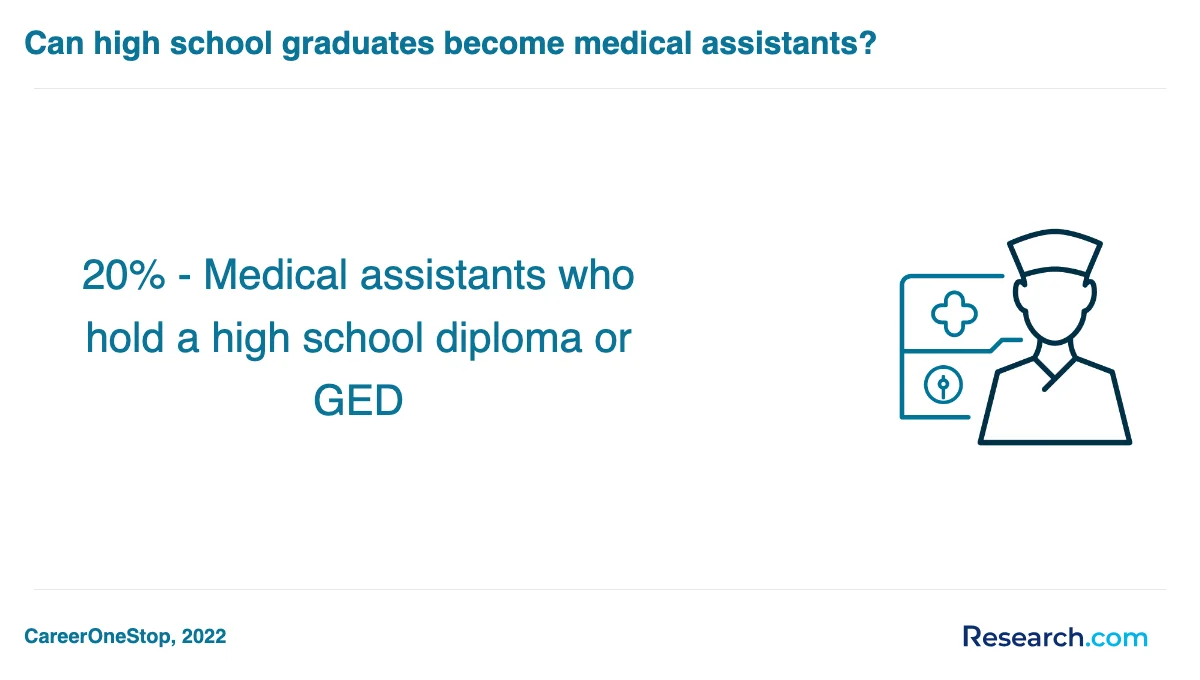
- Admission usually requires a high school diploma or GED, with some programs needing background checks, drug screening, and pre-enrollment screening for clinical externships.
- The Towson University CCMA program costs $4,899, including materials and certification vouchers; community colleges offer similar pricing with scholarships and payment plans available.
- Harford Community College reports an 86.05% job placement rate for graduates, with typical employment in doctors' offices, clinics, hospitals, and ambulatory care centers.
- Starting salaries for medical assistants in Maryland range from $36,000 to $42,000 annually, with higher pay possible through experience and additional certifications.
- Programs prepare students for national certification exams like the CCMA, which can enhance job prospects and salary, and some offer transfer options to four-year degrees.
In Maryland, completing a medical assistant trade school program typically takes about 9 to 12 months, a timeline that many graduates describe as both intense and rewarding. Imagine juggling hands-on labs, classroom lessons, and real-world clinical experience all within a year-it's like sprinting toward your career while building a strong foundation every step of the way.
At popular Maryland trade schools, such as those nestled in Baltimore or near the DC suburbs, students often share how the accelerated pace kept their motivation high. One graduate recalled feeling the excitement of mastering phlebotomy and EKG skills in just a few months, then applying those skills during externships at local clinics. This blend of fast-tracked learning and practical experience makes the journey feel doable, even for those balancing work or family.
For many, the compact timeframe means less waiting and more doing-turning the dream of becoming a certified medical assistant into a reality without years of delay.
Imagine juggling your family schedule while diving into Herzing University's 100% online medical assistant program in Maryland. Graduates rave about the freedom to study lectures from their couch, pausing and replaying lessons on their own time. Yet, they still roll up their sleeves for hands-on externships at local clinics, blending virtual convenience with real-world experience.
Contrast that with the buzz of Montgomery College's on-campus program, where students thrive on face-to-face energy. Picture attending lively lab sessions, exchanging quick tips with peers, and getting instant feedback from instructors during 96 hours of hands-on training. For those who feed off structured schedules and in-person camaraderie, it's a motivating environment that keeps distractions at bay.
Both paths lead through Maryland's required in-person externships, essential for certification and mastering skills. Whether online or on-campus, the choice hinges on your rhythm: tech-savvy independence or the pulse of the classroom.
The average tuition fees for medical assistant programs in Maryland vary widely depending on where you enroll, and this can shape your entire educational journey. Graduates often recall that community colleges, like Anne Arundel Community College, felt like the perfect balance of quality and affordability, charging roughly $291 per credit hour for in-state students and even less, $124, for Anne Arundel County residents. This makes pursuing the medical assistant diploma programs in Maryland more accessible if you know where to look.
However, some students opting for technical or vocational schools face sticker shock. Fortis Institute in Towson, with a program price near $16,457, and All-State Career in Baltimore, around $17,042, remind many graduates of the importance of budgeting carefully. Yet, these schools promise hands-on experience that makes the investment feel worthwhile to those hungry for practical skills.
Then there are private universities-like Towson University-offering specialized certificates for $4,499, attracting students who prioritize a structured academic environment. Meanwhile, for those juggling jobs or family, the U.S. Career Institute's online program at $79 per month can feel like a lifeline, combining flexibility with a manageable cost, allowing completion in as little as four months without sacrificing quality or commitment.
Many Maryland medical assistant students emphasize how important it is to develop more than just technical skills-highlighting the value of medical assistant soft skills-because employers look for empathy and communication just as much as tuition affordability. Always remember, tuition rates can and do fluctuate, so comparing your options carefully pays off.
Imagine starting your medical assistant journey at Anne Arundel Community College, excited but worried about tuition. That's where Maryland's Guaranteed Access Grant steps in, covering up to 100% of demonstrated need-turning stress into relief. Another graduate from Towson University recalls how the Workforce Investment and Opportunity Act funding helped them gain skills without draining their savings, especially since Towson's program is on Maryland's Eligible Training Provider List.
Missed FAFSA deadlines? No sweat. The Campus-Based Educational Assistance Grant might still have your back. Plus, many Maryland residents tap into Legislative Scholarships awarded by local senators and delegates, making training affordable regardless of the path taken.
Federal aid like Pell Grants and Direct Loans are common lifelines, too. Students often mention how these funds eased covering tuition and even living expenses. Some programs cleverly bundle essentials like certification fees and supplies into tuition, sparing unexpected bills.
These options make pursuing a Maryland medical assistant career feel not just possible, but genuinely within reach.
Thinking about enrolling in a medical assistant trade school in Maryland? The prerequisites are refreshingly straightforward, designed to welcome you with open arms rather than block your path. Most popular trade schools in Maryland look for these basics:
- A high school diploma or GED-this is your golden ticket to start your medical assistant journey.
- Proof of residency or a valid ID, since you're enrolling in a Maryland-based program.
- Sometimes a background check and basic health screenings, because you'll be working closely with patients.
Graduates from well-known Maryland trade schools often share stories of juggling work and study, relieved that the schools didn't demand complex prerequisites. One recalls feeling encouraged when the school's admissions team helped navigate financial aid applications and clarified the paperwork for immunizations.
Imagine stepping into a sunny classroom in Baltimore or Silver Spring, surrounded by classmates who all met these simple requirements and are eager to jump into hands-on training. The schools focus on your passion and commitment, not just paperwork hurdles.
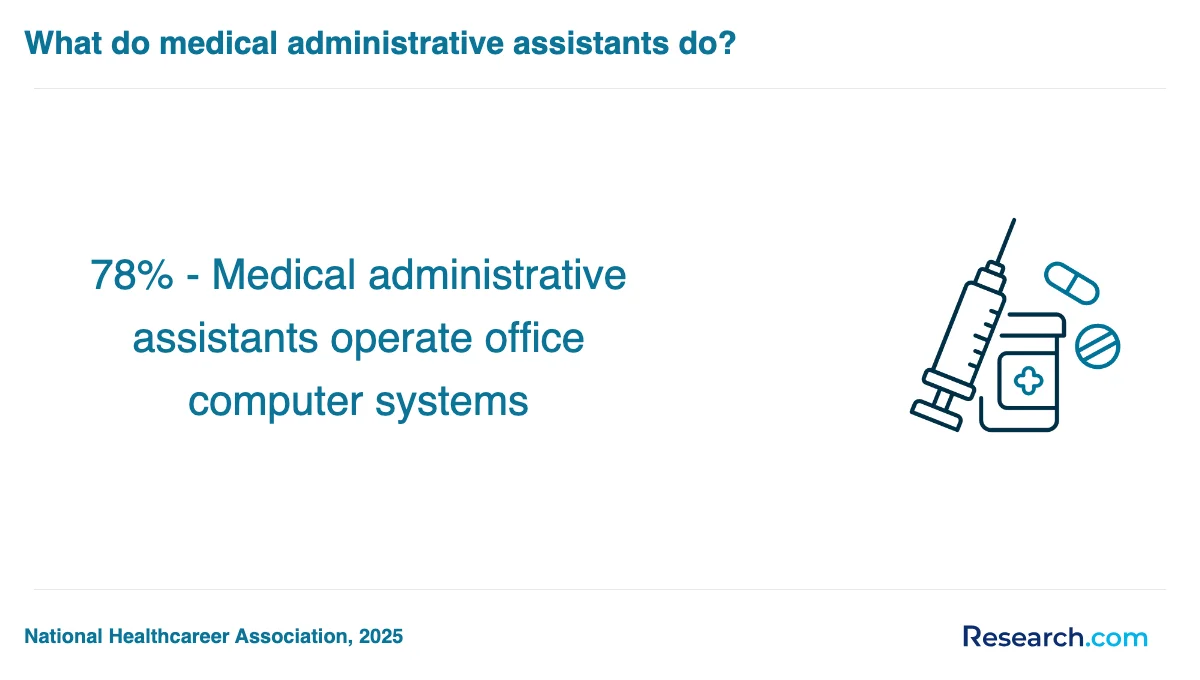
Imagine stepping into a Maryland medical assistant trade school where your days are a dynamic mix of hands-on clinical practice and sharp administrative skills. Graduates from places like Hagerstown Community College and Montgomery College often rave about starting with foundational courses like Medical Terminology and Human Anatomy & Physiology, which unlock the mysteries of the human body and medical language, setting the stage for everything that follows.
The heart of the program pulses with practical clinical skills. Students dive into:
- Vital Signs Collection-learning to take a patient's pulse and blood pressure confidently
- Phlebotomy-drawing blood with precision and care
- Basic Laboratory Testing-understanding lab results and procedures
- Pharmacology-mastering medication safety and dosage calculations
Maryland students also gain real-world experience through clinical practicums. For instance, Allegany College requires 220 hours of practicum where students assist with physical exams and infection control, transforming classroom theory into lifesaving practice. Towson University's externship, embedded in its 518-hour program, lets students feel the pulse of a real clinic, handling Electronic Health Records and insurance claims like seasoned pros.
This blend of courses doesn't just prepare students to pass the CCMA exam-it crafts confident, compassionate medical assistants ready to shine in Maryland's vibrant healthcare scene.
Maryland medical assistant training options delight students with diverse program specializations tailored to real-world healthcare demands. Graduates from Montgomery College rave about their Clinical Medical Assistant program, where hands-on labs and clinical externships bring phlebotomy and cardiology lessons to life, arming them with skills to confidently ace their CCMA certification. Meanwhile, students at Anne Arundel Community College find their groove mastering administrative prowess-medical billing, coding, and managing electronic health records turn into second nature.
Others embrace niche certifications to level up: imagine confidently performing EKG tests or administering IV therapies after completing specialized technician courses also offered in Maryland trade schools. The College of Southern Maryland's pathway program is a favorite for students eager to ascend from CCMA to Registered Medical Assistant, broadening career horizons.
These medical assistant program specializations in Maryland breathe life into the classroom, making career dreams tangible. For those curious about long-term prospects, graduates often reflect on how Maryland's curriculum syncs perfectly with booming healthcare demands (medical assistant job growth), proving that the investment truly pays off.
Choosing the best medical assistant programs in Maryland means putting yourself in the shoes of past graduates who thrived at schools like Anne Arundel Community College and Montgomery College. Imagine juggling your life and studies - flexible scheduling at Frederick Community College allowed many to handle evening classes while working, making education feel achievable, not overwhelming. Graduates rave about the hands-on externships that transform textbook knowledge into real skills, boosting confidence before stepping into actual clinics.
Affordable medical assistant schools in Maryland like Frederick Community College also offer solid financial aid, easing the stress of tuition costs while maintaining high-quality instruction. Picture walking campus paths with state-of-the-art facilities at Arnold's Anne Arundel Community College, where learning happens in spaces designed to inspire. Students who prepared for certification exams through focused programs at Community College of Baltimore County shared how this readiness gave them an edge in job placement, turning their passion into a paycheck.
And while building your clinical skills, understanding medical assistant responsibilities and duties well is key to thriving in Maryland's competitive field.
Maryland's medical assistant trade school graduates often find themselves navigating a vibrant world of medical assistant job opportunities in Maryland, extending well beyond traditional clinical roles. Graduates from top-notch programs report jumping into careers as clinical medical assistants and medical office assistants, roles that plunge them directly into the heartbeats of busy clinics and physician offices. Imagine starting your day taking vital signs and aiding minor procedures, then effortlessly switching gears to handle billing and insurance claims.
Popular trade schools in Maryland equip students with hands-on skills that translate into versatile healthcare career paths for Maryland medical assistant graduates. Some explore specialized positions like EKG technician, phlebotomy technician, billing specialist, or coding specialist-each role opening new doors in hospitals, urgent care, or specialty clinics. Graduates often share how their certificates have been stepping stones to roles like office manager or healthcare administrator, or even as springboards into nursing and allied health degrees.
- Direct patient care roles in outpatient clinics
- Administrative positions managing billing and coding
- Specialized technician roles such as EKG or phlebotomy
- Leadership pathways including office management
Many find these varied opportunities encourage growth and flexibility, making trade school training in Maryland an exciting launchpad. For anyone curious about differences within the field, examining the medical assistant vs phlebotomist career can clarify which path suits your ambition and strengths.
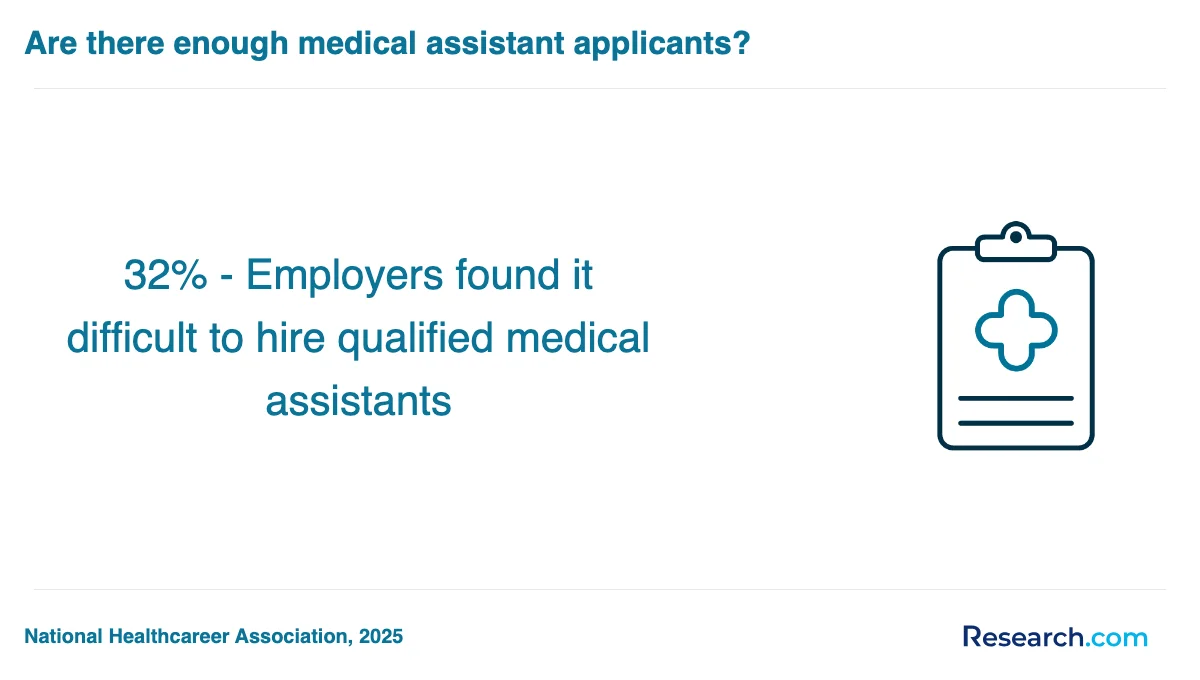
The job market for medical assistant trade school graduates in Maryland moves at its own unique rhythm - not a blistering sprint, but a steady and promising stroll. Graduates from popular trade schools around Baltimore often find themselves juggling excitement and pragmatism, knowing that while pay ranks 50th nationally, entry-level roles pay an average of $19.30 per hour. One recent graduate shared how landing a position in an urgent care clinic felt like unlocking a new chapter, fueled by the 81% of healthcare employers now requiring certification. This means earning those credentials can be a game-changer.
Maryland's medical assistant salary trends Maryland are modest but steady, with opportunities concentrated in urban hubs where over 400 jobs appeared as of May 2025. Graduates appreciate benefits like healthcare coverage and clear paths to advancement, especially if they stay flexible with locations.
Consider this:
- Statewide employment demand, though "not very active," still shows hundreds of postings, especially in Baltimore.
- Certification boosts credibility and opens more doors as employers tighten requirements.
- Hands-on experience at outpatient clinics or health systems builds confidence and connections.
Many students find inspiration to specialize or pivot toward fields like medical assistant aesthetic careers, turning their foundational skills into niche advantages. The local healthcare sector's 15% national growth rate through 2033 promises increasing opportunities for those ready to adapt and grow.
Most Affordable Medical Assistant Schools & Training - Budget-Friendly Medical Assistant Trade Programs in Maryland for 2026
# 1 position
Anne Arundel Community College - Clinical/Medical Laboratory Assistant.
certificate or diplomaAnne Arundel Community College offers a Hybrid Clinical/Medical Laboratory Assistant program that trains students to perform waived testing procedures, phlebotomy, and support laboratory teams under supervision. The curriculum includes clinical procedures, laboratory tests, mathematics, computer technology, equipment maintenance, sterilization, safety, and communication skills. The program is accredited by the Middle States Commission on Higher Education. Annual in-state tuition is $4,178.
# 2 position
Anne Arundel Community College - Allied Health and Medical Assisting Services, Other.
certificate or diplomaAnne Arundel Community College offers a hybrid program in Allied Health and Medical Assisting Services, Other, providing some distance-education options. The program is accredited by the Middle States Commission on Higher Education. Annual in-state tuition is $4,178. This program covers instructional content in allied health and medical assisting services not listed in other categories, designed for students seeking specialized training in this area.
# 3 position
Allegany College of Maryland - Clinical/Medical Laboratory Assistant.
certificate or diplomaThe Clinical/Medical Laboratory Assistant program at Allegany College of Maryland offers hybrid learning with some distance-education options. It prepares students to perform waived testing procedures, phlebotomy, and support laboratory teams under professional supervision. The curriculum includes clinical procedures, laboratory tests, mathematics, computer technology, equipment maintenance, sterilization, safety, and communication skills. Annual in-state tuition is $4,730. The program is accredited by the Middle States Commission on Higher Education.
Frequently Asked Questions about medical assistant
After completing a medical assistant trade school in Maryland, preparing for the job market involves several practical steps. First, graduates should obtain certification, such as the Certified Medical Assistant (CMA) credential from the AAMA, which is highly regarded by Maryland employers. According to the U.S. Bureau of Labor Statistics, certified medical assistants tend to have better job prospects and higher salaries.
Networking is also crucial; joining local healthcare associations or attending job fairs in Maryland can connect graduates with potential employers. Additionally, creating a professional resume that highlights both clinical and administrative skills is essential.
Maryland's healthcare sector is growing, with a 10% increase in medical assistant employment projected through 2030, making timely preparation vital.
Employers in Maryland prioritize a mix of technical and interpersonal skills when hiring medical assistant trade school graduates. According to the U.S. Bureau of Labor Statistics and Maryland Department of Labor data, proficiency in clinical tasks such as phlebotomy, EKG administration, and electronic health record (EHR) management is essential. Maryland healthcare employers also emphasize strong communication skills, as medical assistants often serve as the link between patients and medical staff.
Attention to detail and the ability to follow strict healthcare protocols are vital due to regulatory requirements. Time management and multitasking abilities rank highly because of the fast-paced medical environments in Maryland clinics and hospitals.
Basic knowledge of medical terminology and anatomy is expected, ensuring graduates can support physicians effectively. Finally, employers value graduates who demonstrate professionalism and empathy, crucial for patient care roles across the state.
Finding internships relevant to medical assistant trade school programs in Maryland involves several practical steps. Start by consulting your trade school's career services, as many maintain partnerships with local healthcare providers. Maryland's healthcare sector is robust, with over 50,000 medical assistants employed statewide, increasing demand for internships.
Additionally, explore opportunities through Maryland's Department of Labor and local workforce development boards, which often list approved internship programs. Hospitals and clinics in Baltimore and surrounding areas also offer internships; contacting these institutions directly can be effective.
Professional organizations like the Maryland Association of Medical Staff Services provide resources and networking opportunities for students. According to the Bureau of Labor Statistics, internships improve job prospects by 20% for medical assistant graduates, underscoring their importance.
Obtaining a medical assistant trade school diploma in Maryland significantly enhances career mobility and advancement opportunities. The Maryland Department of Labor highlights that certified medical assistants often experience faster job placements, with a projected 16% growth in employment for medical assistants statewide through 2030. This diploma equips graduates with recognized clinical and administrative skills that employers in Maryland's healthcare sector value highly.
Many healthcare facilities prefer or require formal certification, which a diploma supports. Additionally, diploma holders qualify for higher entry-level wages compared to uncertified peers, improving economic stability and upward mobility. According to the U.S. Bureau of Labor Statistics, Maryland's median wage for medical assistants is above the national average, reflecting strong local demand.
Furthermore, a diploma serves as a foundation for further education, such as nursing or health administration, broadening career paths. Overall, Maryland's medical assistant diploma is a practical credential that fosters professional growth in a competitive healthcare job market.
Part-time job opportunities in Maryland can effectively complement medical assistant trade school education by providing practical experience and income. Common roles include medical receptionist, patient care technician, and pharmacy technician positions. These jobs offer exposure to healthcare environments and help develop communication and administrative skills essential for medical assistants.
According to the U.S. Bureau of Labor Statistics, Maryland's healthcare sector is growing steadily, with medical assistant employment expected to increase by 16% through 2031. Gaining part-time work experience during training can enhance job prospects after graduation.
Additionally, some Maryland clinics and hospitals offer internships or externships that count toward school credit, making these opportunities valuable for hands-on learning. Exploring roles in outpatient care centers or urgent care facilities can also provide relevant experience.
To choose the most affordable Medical Assistant degree program near me, you should first research community colleges and technical schools near Maryland that offer certifications or associate degrees in Medical Assisting, as these are usually more cost-effective. Comparing tuition fees, financial aid options, and associated costs like textbooks and supplies will help in determining affordability. Resources like Research.com can provide valuable insights into the quality and reputation of the programs, helping to ensure that you make an informed decision.
- Most Affordable Medical Assistant Schools & Training - Budget-Friendly Medical Assistant Trade Programs in Virginia for 2026
- Most Affordable Medical Assistant Schools & Training - Budget-Friendly Medical Assistant Trade Programs in West Virginia for 2026
- Most Affordable Medical Assistant Schools & Training - Budget-Friendly Medical Assistant Trade Programs in Pennsylvania for 2026
- Most Affordable Medical Assistant Schools & Training - Budget-Friendly Medical Assistant Trade Programs in New Jersey for 2026
- Most Affordable Medical Assistant Schools & Training - Budget-Friendly Medical Assistant Trade Programs in New York for 2026
- Most Affordable Medical Assistant Schools & Training - Budget-Friendly Medical Assistant Trade Programs in Ohio for 2026
- Most Affordable Medical Assistant Schools & Training - Budget-Friendly Medical Assistant Trade Programs in Tennessee for 2026
- Most Affordable Medical Assistant Schools & Training - Budget-Friendly Medical Assistant Trade Programs in Massachusetts for 2026
- Most Affordable Medical Assistant Schools & Training - Budget-Friendly Medical Assistant Trade Programs in Georgia for 2026
- Most Affordable Medical Assistant Schools & Training - Budget-Friendly Medical Assistant Trade Programs in Maine for 2026
- What Can You Do with a Medical Assistant Degree? | Goodwin University https://www.goodwin.edu/enews/what-can-you-do-medical-assisting/
- Jobs You Can Get w/ Medical Assistant Certificate or Degree https://www.stepful.com/post/what-jobs-can-you-get-with-a-medical-assistant-certificate-or-degree
- Alternative Career Options for Medical Assistants | MA Specialties https://www.eaglegatecollege.edu/blog/what-other-jobs-can-a-medical-assistant-apply-for/
- Where Do Medical Assistants Work | MA Employment Options | USCI https://www.uscareerinstitute.edu/blog/where-do-medical-assistants-work
- 10 Jobs for Certified Clinical Medical Assistants https://advclinical.org/jobs-with-medical-assistant-certificate/
- Jobs You Can Get with a Medical Assistant Degree | P.I.T. https://www.pit.edu/news/jobs-you-can-get-with-a-medical-assistant-degree/
- 8 Alternative Jobs for Medical Assistants | Career Options https://www.brooklinecollege.edu/blog/alternative-jobs-for-medical-assistants/
- Can You Work While Attending Medical Assistant School? - BAMASF https://bamasf.edu/can-you-work-while-attending-medical-assistant-school/
- Medical Assistant Careers: A Guide for Students https://www.edumed.org/medical-careers/medical-assistant/
- Healthcare Blog | The Allen School https://www.allenschool.edu/there-are-several-benefits-of-attending-a-medical-assistant-trade-school-over-a-community-college/