
Most Affordable Medical Assistant Schools & Training - Budget-Friendly Medical Assistant Trade Programs in West Virginia for 2026

Co-Founder and Chief Data Scientist
Choosing the right medical assistant trade school in West Virginia can feel overwhelming, but this article is here to help. We present a carefully crafted medical assistant trade school programs ranking developed by the Research.com team of data scientists. It highlights the best options to consider for 2026, making your decision easier and more informed.
Getting a medical assistant diploma or certification opens doors to a rewarding healthcare career. This guide will show you affordable programs that fit your goals and budget, helping you take confident steps toward your future.
Key benefits of finishing medical assistant trade school in West Virginia
- Graduates can expect an average hourly wage around $15.40, with certified medical assistants earning up to $17.88 per hour, offering a rewarding start to a healthcare career in West Virginia.
- Medical assistant trade school graduates often find opportunities in clinics, hospitals, and specialized medical offices, as seen with alumni from popular schools like the West Virginia Junior College.
- Completing a medical assistant program online provides flexibility and convenience, allowing students like those from the American Medical Sciences Center to balance education with personal commitments effectively.
- Most Affordable Medical Assistant Schools & Training - Budget-Friendly Medical Assistant Trade Programs in West Virginia for 2026
- What can I expect from medical assistant trade schools in West Virginia?
- Where can I work after finishing medical assistant trade schools in West Virginia?
What can I expect from medical assistant trade schools in West Virginia?
When you enroll in a medical assistant trade school program in West Virginia, expect a well-rounded experience combining classroom learning with hands-on practice. Graduates from schools like West Virginia Junior College and Valley College often share how their programs include both medical and administrative training, from mastering patient care and phlebotomy to handling billing and electronic health records. One graduate described the confidence gained from taking vital signs and assisting with procedures during clinical labs.
Programs vary in length-some like Huntington Junior College offer associate degrees around 18 months, while shorter certificates like WVU Parkersburg's 225-hour course provide quicker entry into the workforce. Many students appreciate the flexibility of evening or online classes, which help balance work or family commitments.
Externships are a highlight for most students, offering real-world exposure that makes the classroom lessons feel alive. Several graduates mention how these experiences boosted their readiness for certification exams like the CCMA, with some programs even covering exam prep costs. Support services and job placement help ease the transition into healthcare careers, making the journey feel achievable and rewarding.
Where can I work after finishing medical assistant trade schools in West Virginia?
After finishing a medical assistant trade school program in West Virginia, you'll find many rewarding career paths waiting for you. Graduates from popular trade schools often start their careers in physician offices, where they quickly become essential team members-prepping patients, managing records, and assisting doctors during exams. Many share how satisfying it feels to support patient care directly and build strong relationships with both patients and staff.
Hospitals in Charleston and other cities also regularly hire newly certified medical assistants. Working in specialized departments like urology or cardiology, graduates gain hands-on experience in fast-paced environments, which many describe as both challenging and fulfilling. Outpatient care centers and urgent care clinics offer another great option, especially for those who enjoy variety and direct patient interaction.
Some graduates find exciting opportunities in remote telehealth roles, where they assist patients virtually, a perfect fit for those seeking flexible work environments. Overall, the demand in West Virginia's healthcare sector means you'll have numerous opportunities to grow and thrive after completing your trade school training.
After finishing a medical assistant trade school program in West Virginia, you can expect to earn around $15.40 per hour on average. Many graduates from popular trade schools here share how starting at this wage feels rewarding, especially when balancing the cost of living in the state. For example, working full time, that's about $32,000 a year-enough to cover essentials and start building your financial independence.
Graduates who earn certification often see a boost, with wages closer to $16.09 per hour or around $33,500 annually. Some even report starting jobs in Charleston, where the pay is higher-about $18.00 per hour or $37,440 a year-thanks to the larger healthcare facilities there. This increase can make a real difference when managing daily expenses or planning for the future.
Many graduates recall the confidence they felt entering the workforce knowing their skills were valued, with room to grow in experience and pay. Starting salaries typically range between $13.22 and $16.92 per hour, and as you gain experience or certifications, those numbers improve. This journey reflects not just a paycheck but a meaningful career path within West Virginia's healthcare community.
- Applicants must have a high school diploma or GED and may need to provide immunization records, pass a background check, and complete a drug screening.
- Programs typically last between 4 to 12 months and include both classroom instruction and a hands-on externship at a healthcare facility.
- Look for programs accredited by the Accrediting Bureau of Health Education Schools (ABHES) to be eligible for the Certified Clinical Medical Assistant (CCMA) exam.
- Costs range from about $2,000 for short-term programs to $79 per month for some online options, with extra fees for immunizations, scrubs, and textbooks.
- Entry-level medical assistants earn around $35,000 to $38,000 per year nationally, with strong job demand in West Virginia's healthcare facilities.
Completing a medical assistant trade school program in West Virginia typically takes about 9 to 12 months. Many graduates from well-known trade schools in the state share how this timeframe allowed them to quickly gain the hands-on skills and knowledge needed to enter the workforce without years of delay.
Students often appreciate the balance of classroom instruction and practical experience, which makes the learning process feel both efficient and engaging. For example, graduates frequently mention how their days were filled with real-world tasks like taking vital signs and managing patient records, helping them feel confident by the time they finished.
Trade schools in West Virginia tailor their programs to fit busy schedules, sometimes offering evening or accelerated courses. This flexibility means you can start working sooner, which is a big relief for those eager to begin their medical careers and support their families.
Many graduates describe the journey as rewarding and motivating, highlighting how the concise program length kept their focus sharp and their momentum strong throughout the course.
The key difference between online and on-campus medical assistant trade school programs in West Virginia lies in how and where you learn. Graduates from U.S. Career Institute often share how the online format gave them the freedom to study around work and family commitments, accessing lessons anytime without strict deadlines. This flexibility makes it easier to balance life while preparing for certification exams like the CCMA, where their pass rates are impressively high.
On the other hand, those who chose on-campus programs at places like West Virginia Junior College in Charleston or Valley College in Martinsburg talk about the value of in-person interaction. They appreciate the immediate feedback from instructors and the camaraderie with classmates, which helped them stay motivated. The hands-on clinical training, such as the 225 total hours at WVU Parkersburg combining classroom and practical practice, builds real-world skills essential in patient care.
Some students find a hybrid approach ideal, blending online theory with weekend labs at Valley College, allowing flexibility while gaining crucial hands-on experience. This mix often brings the best of both worlds, making the journey feel manageable and rewarding.
The average tuition for medical assistant programs in West Virginia varies significantly depending on the type of institution and program length. At public community colleges like Mountwest Community and Technical College, many graduates find the associate degree a solid investment-residents typically pay around $12,045 for roughly 20 months of training covering both clinical and administrative skills. This balance of cost and comprehensive education appeals to students eager to enter the workforce with a trusted credential.
Cost of medical assistant diploma programs in West Virginia typically run higher at private institutions. For example, West Virginia Junior College offers an intensive nine-month diploma program costing about $11,985. Graduates often praise the hands-on labs and externships that help them build confidence and practical skills quickly, making the investment worthwhile for those focused on fast-tracking their careers.
For those seeking shorter certificate options, costs can be even lower. Eastern West Virginia Community & Technical College's Clinical Medical Assistant program, which completes in just 16 weeks, costs approximately $2,195. Many students appreciate this streamlined path that fits tight schedules and budgets, offering a quicker route to employment.
Overall, these varied costs illustrate different paths students take to become medical assistants in West Virginia. If you are wondering what is the best way to become an aesthetic medical assistant, exploring financial aid opportunities and school-specific offerings can help. Staying informed about average tuition for medical assistant programs in West Virginia is key to choosing the right program that balances quality, speed, and cost for your unique goals.
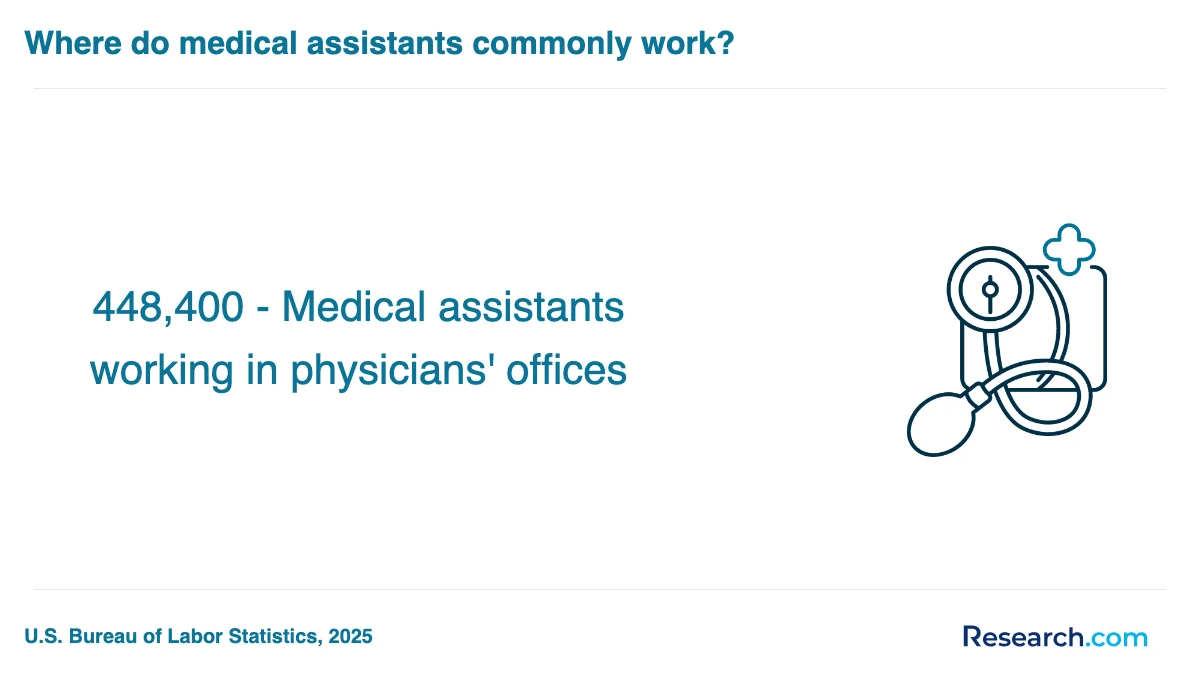
Students pursuing medical assistant programs in West Virginia often find relief through federal and state financial aid. By completing the FAFSA, many unlock Pell Grants, which don't require repayment and have been a game-changer for graduates from Blue Ridge Community and Technical College. These grants ease the burden, allowing them to focus more on their studies and less on finances.
State-specific aid like the West Virginia Higher Education Grant also supports residents attending local trade schools. Graduates from West Virginia Junior College frequently mention how institutional scholarships and school staff guidance made navigating financial aid less overwhelming and more encouraging.
While loan repayment programs usually favor advanced health careers, students committed to working in underserved areas can explore opportunities like the NHSC Scholarship, though this is less common for medical assistant students. It's important to budget for extra expenses too-books, scrubs, and immunizations-which some schools, like West Virginia University at Parkersburg, clearly outline upfront to help students plan ahead.
To enroll in a medical assistant trade school program in West Virginia, you'll typically need a high school diploma or GED. This basic prerequisite ensures you have the foundational skills to succeed in the coursework and practical training ahead. Many graduates recall feeling confident stepping into their classes because they met this straightforward requirement early on.
Additionally, some schools may ask for:
- Proof of immunizations or a recent physical exam to comply with healthcare regulations.
- A background check, especially if clinical externships are part of the program.
- Basic computer skills, as electronic health records are commonly used.
- Placement tests or an interview to assess your readiness and commitment.
At popular West Virginia trade schools, such as those in Charleston or Huntington, students often share that these prerequisites are designed to prepare you mentally and physically for the fast-paced healthcare environment. One graduate described how meeting these requirements gave them a sense of accomplishment and readiness, making the transition from student to medical assistant smoother and less stressful.
Remember, these prerequisites are there to set you up for success, not to block your path. Meeting them shows you're serious about your future in healthcare, and soon enough, you'll be gaining hands-on experience helping patients and working alongside medical professionals.
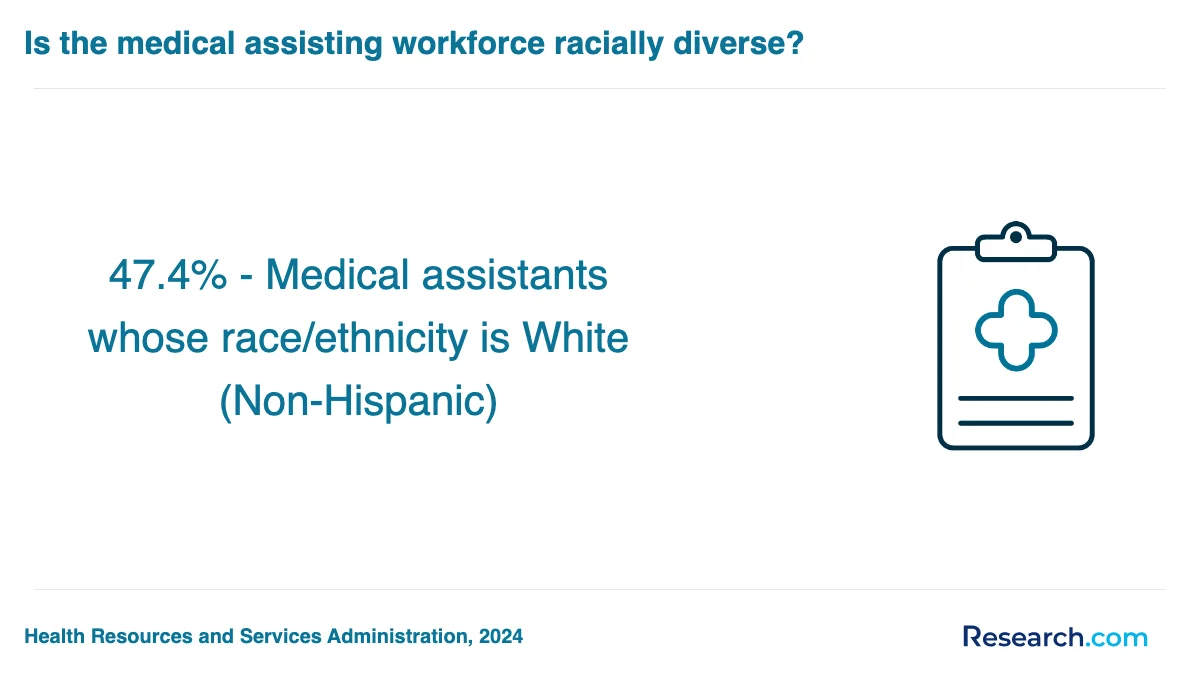
In West Virginia, medical assistant trade school programs blend clinical and administrative courses designed to prepare you for real-world healthcare roles. Graduates from schools like WVU Parkersburg often share how the hands-on clinical training-such as drawing blood, taking vital signs, and performing EKGs-boosted their confidence before stepping into the workforce.
Typical clinical courses include:
- Patient vital signs and basic lab tests like phlebotomy and EKGs
- Assisting healthcare providers during exams and procedures
- Administering injections and handling medical emergencies
- Infection control and understanding legal/ethical standards
On the administrative side, students at places like Mountwest Community and Technical College emphasize skills that keep a clinic running smoothly:
- Managing electronic health records and scheduling appointments
- Billing, coding for insurance, and front desk operations
- Effective communication with patients and staff
Many graduates highlight externships as a game-changer, allowing them to apply their knowledge in real clinics before finishing their 12-month diploma programs, such as those at West Virginia Junior College. This practical experience builds both competence and excitement for a future in healthcare.
Medical assistant trade school programs in West Virginia frequently offer a variety of specialized tracks to meet the diverse needs of healthcare employers. Graduates from popular West Virginia trade schools often highlight the value of clinical and administrative medical assistant programs West Virginia provides, which prepare them for both hands-on patient care and front-office responsibilities.
A common clinical specialization is the Certified Clinical Medical Assistant (CCMA) track, where students learn to take vital signs, assist in exams, and perform lab procedures like phlebotomy and EKG testing. For example, many graduates from West Virginia Junior College share how these skills boosted their confidence and employability in hospitals and clinics.
Other specializations include:
- Phlebotomy, focusing on blood drawing for testing and donations
- EKG technician training, supporting cardiac care in clinical settings
- Administrative skills such as managing electronic health records, scheduling, and billing
This mix of options means students can tailor their training to what excites them most, creating job opportunities across many healthcare environments. If you're uncertain about your path, reviewing a medical assistant vs medical administrative assistant career comparison might help clarify which specialization fits your goals best.
When choosing the best medical assistant trade school program in West Virginia, start by prioritizing accreditation, which ensures quality education and better job prospects. Graduates from programs like Mountwest Community and Technical College often share how their CAAHEP-accredited training gave them confidence during job interviews. Look closely at the curriculum: schools such as Huntington Junior College balance essential administrative skills with hands-on clinical experience, which many students find invaluable for feeling prepared in real healthcare settings. Another key factor is finding affordable medical assistant programs in West Virginia; for example, West Virginia Northern Community College offers competitive tuition, helping many graduates avoid heavy debt.
Flexibility also matters-Ross Medical Education Center is known for accommodating busy schedules with day and evening classes, which students juggling work and studies appreciate. Finally, consider local employment connections; graduates from West Virginia Junior College campuses benefit from strong ties to hospitals and clinics across Charleston and Morgantown. If you wonder about career paths, reviewing should you go to school for medical or dental assisting can clarify your direction.
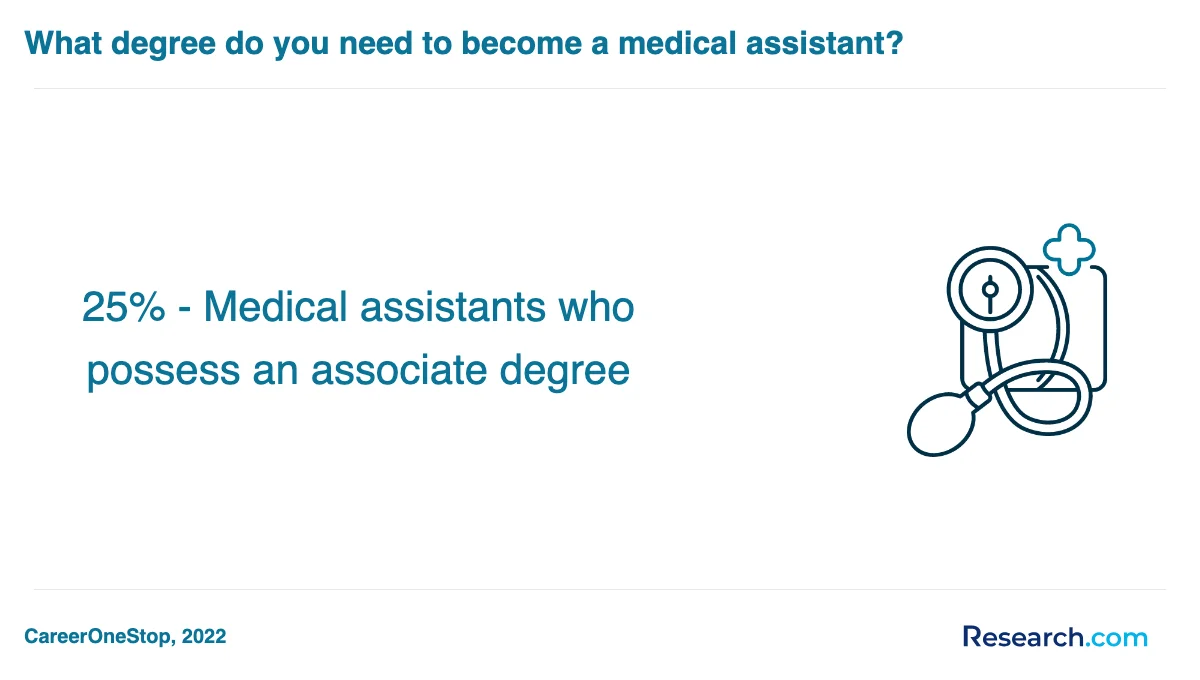
Graduates from medical assistant trade school programs in West Virginia find a rewarding array of medical assistant career opportunities in West Virginia that match their skills and ambitions. Many begin working in hospitals, private clinics, or urgent care centers, where they assist with patient exams, manage records, and help keep healthcare offices running smoothly. For example, graduates from popular trade schools in Charleston often land roles in both large health systems and smaller medical offices, gaining hands-on experience.
Some take advantage of certification to boost their earning potential and access specialized roles in urology, outpatient surgery, or internal medicine. Certification is especially valuable given that 81% of healthcare employers in West Virginia now require it. Others pursue healthcare career advancement West Virginia by moving into administrative tasks like scheduling or insurance claims, sometimes progressing to supervisory positions or branching into related areas such as medical billing or health information management.
Many graduates find inspiration in hearing about the differences between various healthcare roles, which is why exploring resources like medical assistant vs physician assistant can clarify career options and help guide decisions.
The job market for medical assistant trade school graduates in West Virginia is promising and steadily growing, thanks to the state's expanding healthcare sector. Graduates from popular trade schools often find themselves quickly hired in hospitals, clinics, and specialist offices across the state. Many recall feeling excited when receiving job offers from major employers like West Virginia University Medicine, where opportunities are abundant.
Here are some key aspects to understand about the medical assistant job outlook in West Virginia:
- Hospitals and health systems employ over 44,000 people, fueling demand for skilled medical assistants.
- More than 140 medical assistant jobs are currently posted across West Virginia, including part-time, full-time, and remote positions.
- Employers strongly prefer graduates who hold national certification, now required by 81% of healthcare institutions.
In real-life trade school experiences, graduates often mention how certification directly boosts their salary and confidence. With average hourly wages around $16.29, and higher pay in cities like Wheeling and Huntington, your dedication will pay off. Plus, if you wonder how hard is a medical assistant degree, many students praise the balance of practical skills and study, making it an achievable and rewarding path.
Understanding the medical assistant salary and employment trends West Virginia offers can help you make an informed decision about this career path, ensuring you step into a role that provides both job security and room for growth.
Most Affordable Medical Assistant Schools & Training - Budget-Friendly Medical Assistant Trade Programs in West Virginia for 2026
# 1 position
Blue Ridge Community and Technical College - Allied Health and Medical Assisting Services, Other.
associateBlue Ridge Community and Technical College offers a hybrid program in Allied Health and Medical Assisting Services, Other, with an annual in-state tuition of $4,344. Graduates earn a median salary of $30,181 one year after completion. The program is accredited by the Higher Learning Commission and includes some distance-education options to provide flexible learning for students.
# 2 position
Pierpont Community and Technical College - Allied Health and Medical Assisting Services, Other.
associatePierpont Community and Technical College offers a hybrid program in Allied Health and Medical Assisting Services, Other, providing some distance-education options. The annual in-state tuition is $5,594. Graduates earn a median salary of $32,291 one year after completing the program. This instructional program covers allied health and medical assisting services not listed in other categories. The program is accredited by the Higher Learning Commission.
# 3 position
Mountwest Community and Technical College - Clinical/Medical Laboratory Assistant.
associateMountwest Community and Technical College offers a Hybrid Clinical/Medical Laboratory Assistant program preparing students to perform waived testing procedures, phlebotomy, and support tasks under supervision. The curriculum covers clinical procedures, laboratory tests, equipment operation, safety, and communication skills. The program's annual in-state tuition is $4,818. Graduates earn a median salary of $35,603 one year after completion. The program is accredited by the Higher Learning Commission.
# 4 position
Mountwest Community and Technical College - Clinical/Medical Laboratory Assistant.
certificate or diplomaMountwest Community and Technical College offers a Clinical/Medical Laboratory Assistant program in a hybrid format, combining in-person and distance education. The program trains students to perform waived testing procedures, phlebotomy, and support laboratory teams under supervision. Coursework covers clinical procedures, laboratory tests, equipment operation, safety, and communication skills. Annual in-state tuition is $4,818. Graduates have median earnings of $35,603 one year after completion. The program is accredited by the Higher Learning Commission.
# 5 position
Mountwest Community and Technical College - Allied Health and Medical Assisting Services, Other.
certificate or diplomaMountwest Community and Technical College offers a hybrid program in Allied Health and Medical Assisting Services, Other, providing some distance-education options. The annual in-state tuition is $4,818. This program is accredited by the Higher Learning Commission. Graduates earn a median salary of $35,603 one year after completion. The program covers instructional content in allied health and medical assisting services not specified elsewhere.
# 6 position
BridgeValley Community & Technical College - Clinical/Medical Laboratory Assistant.
associateBridgeValley Community & Technical College offers a Clinical/Medical Laboratory Assistant program in a hybrid format with some distance-education options. The program prepares students to perform waived testing procedures, phlebotomy, and support laboratory teams under supervision. Coursework includes clinical procedures, laboratory tests, mathematics, computer technology, equipment operation, sterilization, safety, and communication skills. Annual in-state tuition is $5,282. The program is accredited by the Higher Learning Commission.
# 7 position
Huntington Junior College - Allied Health and Medical Assisting Services, Other.
associateHuntington Junior College offers a hybrid program in Allied Health and Medical Assisting Services, Other, providing some distance-education options. The annual in-state tuition is $10,050. Graduates of this program have median earnings of $23,748 one year after completion. The program is accredited by the Higher Learning Commission. It covers instructional content not listed in other allied health and medical assisting programs.
Frequently Asked Questions about medical assistant
After completing medical assistant trade school in West Virginia, preparing for the job market involves several key steps. First, obtaining certification such as the Certified Medical Assistant (CMA) credential from the American Association of Medical Assistants (AAMA) can significantly improve employment prospects. West Virginia's healthcare sector is growing, with a projected 15% increase in medical assistant jobs from 2020 to 2030, according to the U.S. Bureau of Labor Statistics.
Building a professional resume and gaining experience through internships or externships offered by trade schools enhances practical skills. Networking with local healthcare providers and attending job fairs in West Virginia further increases opportunities. Staying current with state-specific medical regulations is also essential for compliance and success.
Employers in West Virginia seek medical assistant graduates who demonstrate strong clinical and administrative skills. According to the U.S. Bureau of Labor Statistics and West Virginia Department of Commerce, proficiency in patient care tasks such as taking vital signs, administering injections, and managing electronic health records is highly valued.
Communication skills are essential, as medical assistants often serve as a liaison between patients and healthcare providers. Attention to detail and the ability to follow strict safety protocols are also critical to ensure accurate patient documentation and compliance with healthcare regulations.
Additionally, employers prefer candidates familiar with medical software and billing procedures. West Virginia's growing healthcare sector emphasizes adaptability and teamwork, making these soft skills important for job success in clinics and hospitals across the state.
Finding internships in West Virginia relevant to medical assistant trade school programs involves several key steps. Start by contacting your school's career services or internship coordinator, as many schools have partnerships with local healthcare providers. Hospitals, clinics, and private practices in cities like Charleston and Morgantown often offer internship opportunities to students.
Additionally, the West Virginia Department of Health and Human Resources provides resources and listings for healthcare internships across the state. According to recent data from the Bureau of Labor Statistics, healthcare support occupations, including medical assistants, are projected to grow 16% nationally through 2032, increasing internship availability.
Networking through local professional organizations such as the West Virginia Academy of Medical Assistants can also help students secure internships. Finally, online job platforms specific to West Virginia healthcare employers may list internship openings suitable for trade school students.
Obtaining a medical assistant trade school diploma in West Virginia significantly enhances career mobility and advancement opportunities. The diploma equips graduates with essential clinical and administrative skills, meeting state employer requirements. According to the U.S. Bureau of Labor Statistics, West Virginia's healthcare support occupations are projected to grow by 12% from 2022 to 2032, faster than the average for all occupations.
This growth creates demand for qualified medical assistants, making a diploma a valuable credential. Trade school graduates often qualify for entry-level positions, with potential for promotion to supervisory roles or specialization in areas like phlebotomy or EKG technology.
Additionally, many employers in West Virginia prefer or require formal certification, which trade schools often prepare students to obtain, further boosting career prospects.
Students enrolled in medical assistant trade schools in West Virginia can benefit from part-time jobs that provide practical experience and strengthen their resumes. Common opportunities include working as medical receptionists, patient care technicians, or pharmacy aides. These roles help develop skills in patient interaction, basic clinical tasks, and administrative duties.
According to the U.S. Bureau of Labor Statistics, West Virginia's healthcare support occupations are projected to grow by 12% from 2022 to 2032, higher than the national average. This growth means increasing availability of part-time positions in clinics and hospitals.
Gaining work experience while studying can improve job prospects and deepen understanding of healthcare environments, complementing classroom learning effectively.
Yes, there are affordable Medical Assistant degree programs available near West Virginia, which can be found through community colleges and universities that offer certificate and associate degree programs. By searching "near me," you can identify institutions that provide flexible scheduling options and financial aid to help manage the cost. Research.com can serve as a helpful resource for exploring programs near West Virginia that fit your budgetary needs.
- Most Affordable Medical Assistant Schools & Training - Budget-Friendly Medical Assistant Trade Programs in Virginia for 2026
- Most Affordable Medical Assistant Schools & Training - Budget-Friendly Medical Assistant Trade Programs in Ohio for 2026
- Most Affordable Medical Assistant Schools & Training - Budget-Friendly Medical Assistant Trade Programs in Pennsylvania for 2026
- Most Affordable Medical Assistant Schools & Training - Budget-Friendly Medical Assistant Trade Programs in Maryland for 2026
- Most Affordable Medical Assistant Schools & Training - Budget-Friendly Medical Assistant Trade Programs in Tennessee for 2026
- Most Affordable Medical Assistant Schools & Training - Budget-Friendly Medical Assistant Trade Programs in Georgia for 2026
- Most Affordable Medical Assistant Schools & Training - Budget-Friendly Medical Assistant Trade Programs in New Jersey for 2026
- Most Affordable Medical Assistant Schools & Training - Budget-Friendly Medical Assistant Trade Programs in Michigan for 2026
- Most Affordable Medical Assistant Schools & Training - Budget-Friendly Medical Assistant Trade Programs in Illinois for 2026
- Most Affordable Medical Assistant Schools & Training - Budget-Friendly Medical Assistant Trade Programs in New York for 2026
- Online Medical Assistant Certificate Program | Self-Paced Course https://www.uscareerinstitute.edu/online-medical-assistant-school
- Medical Assistant Technical Diploma | Northcentral Technical College https://www.ntc.edu/academics-training/programs/all/technical-diploma/medical-assistant
- Accelerated Clinical Medical Assistant Program | CALRegional https://calregional.com/program-category/medical-assistant-program/
- Medical Assistant Certificate Program https://pmi.edu/on-campus-programs/certificate/medical-assistant/
- Medical Assisting Certificate Program | Kaiser Permanente School of Allied Health Sciences https://kpsahs.edu/medical-assisting-certificate-program
- Medical Assistant Training Program | CE https://www.ce.msstate.edu/medical-assistant-training-program
- Medical Assistant Schools | Flexible and Comprehensive Training https://www.trade-schools.net/health-care/medical-assistant
- Medical Assistant | Gateway Technical College https://www.gtc.edu/programs/technical-diplomas/medical-assistant
- What is the Next Step After Becoming a Medical Assistant? https://www.herzing.edu/pathway/whats-next-after-medical-assisting
- What is the Next Level After Medical Assistant? | Goodwin University https://www.goodwin.edu/enews/next-step-after-medical-assistant/


