
Best Medical Assistant Training Programs & Trade Schools - Top Medical Assistant Schools in Midwest for 2026

Co-Founder and Chief Data Scientist
Choosing the right medical assistant trade school in the Midwest can shape your future career and open doors to rewarding opportunities. This article introduces a carefully crafted medical assistant trade school programs ranking developed by the Research.com team of data scientists to guide you toward the best options.
Reading this guide will help you make an informed decision about where to study, ensuring your time and effort lead to valuable credentials. Earning a diploma or certification in this field offers stability, growth, and the chance to make a real difference in healthcare.
Key benefits of finishing medical assistant trade school in Midwest
- Graduates from medical assistant trade schools in the Midwest can expect competitive salaries, with average hourly wages ranging from $16 to over $24, especially in cities like Chicago and Minneapolis.
- Career paths include roles in clinics, hospitals, and specialized healthcare settings, offering graduates diverse job opportunities and room for growth.
- Completing a medical assistant trade school online offers flexibility and faster completion times, making it ideal for busy students balancing work or family, as shown by many successful online program graduates in the region.
- Best Medical Assistant Training Programs & Trade Schools - Top Medical Assistant Schools in Midwest for 2026
- What can I expect from medical assistant trade schools in Midwest?
- Where can I work after finishing medical assistant trade schools in Midwest?
What can I expect from medical assistant trade schools in Midwest?
Enrolling in a medical assistant trade school program in the Midwest means diving into a balanced mix of classroom learning, hands-on labs, and real-world clinical experiences. Graduates from popular schools often share how taking vital signs, performing EKGs, and assisting with minor procedures became second nature after hours of practical training. Administrative skills like medical coding and managing electronic health records are integrated, so you're ready for both clinical and office duties.
Expect to spend about two years completing an associate degree or diploma, with some schools offering certificates along the way for quicker entry into the workforce. Theoretical courses, such as anatomy and pharmacology, are paired with clinical externships-like the 280-hour hands-on placement at Anoka Technical College-where students get to apply their knowledge in real healthcare settings.
Many students appreciate the flexible scheduling options-day, evening, full-time, or part-time-that accommodate work and personal commitments. Plus, accredited programs prepare you well for national certifications, boosting job prospects, which are often excellent in the Midwest job market.
Where can I work after finishing medical assistant trade schools in Midwest?
After finishing a medical assistant trade school program in the Midwest, graduates find a variety of job opportunities in settings like physician offices, clinics, outpatient care centers, and hospitals. Many alumni from popular Midwest trade schools quickly secure full-time roles in busy physician offices or specialty practices such as dermatology and cardiology clinics, where they balance administrative duties with hands-on patient care. One graduate shared how working in a Missouri specialty clinic gave them a fulfilling mix of scheduling appointments and assisting with minor procedures, making daily work both engaging and rewarding.
Hospitals and outpatient clinics in cities like Midwest City, Oklahoma, often hire medical assistants to support nurses and doctors by preparing exam rooms and managing patient intake. Graduates appreciate the fast-paced environment and team collaboration these roles offer.
Some choose urgent care centers or community health organizations for flexible hours and diverse patient interactions, while others find opportunities in research or specialized care centers, such as oncology clinics, providing meaningful support in clinical trials or chronic care management.
After finishing a medical assistant trade school program in the Midwest, you can expect starting salaries typically between $34,000 and $38,000 per year, or about $16 to $18 per hour. Graduates from popular trade schools in states like Illinois and Minnesota often find entry-level jobs matching this range, which feels rewarding as they begin their careers in healthcare.
For instance, graduates working in Illinois report hourly wages around $16.54 to $21.20, with an average near $19.27. In Minnesota, the numbers are even more encouraging, with starting wages averaging close to $24.78 per hour and annual salaries sometimes reaching $41,600 to $54,000. These figures reflect the value employers place on trained medical assistants in urban centers like Chicago and Minneapolis, where demand and pay are higher.
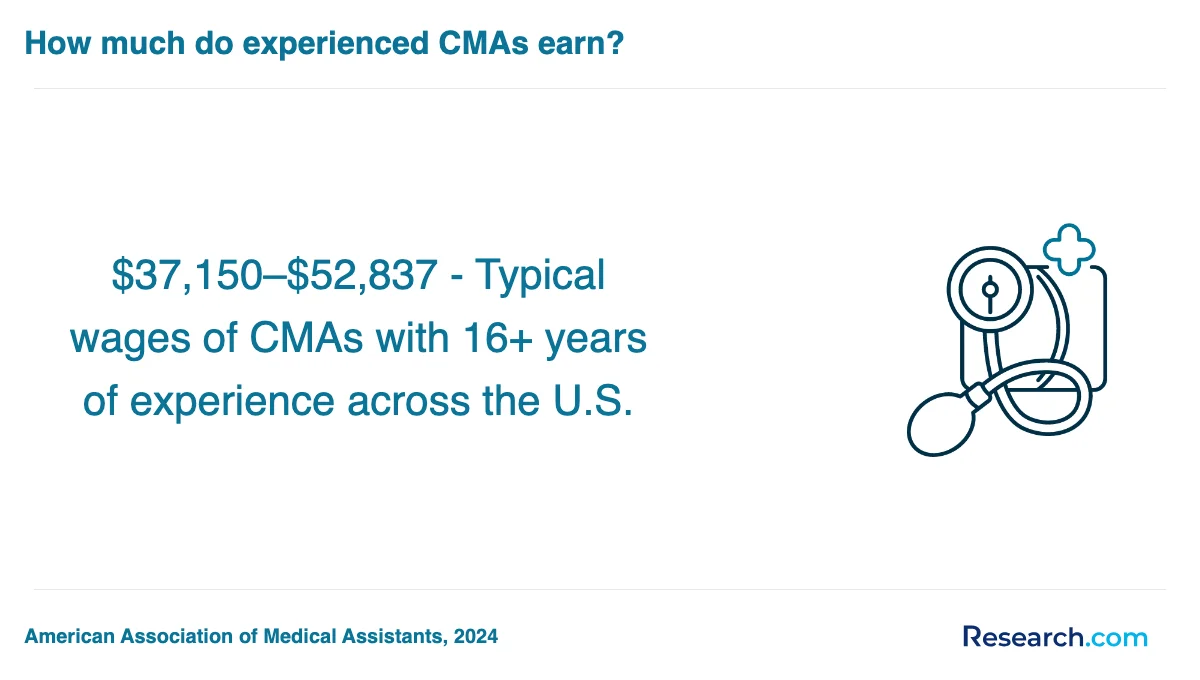
As you gain experience and possibly certifications, wages climb considerably. Mid-career medical assistants often earn between $40,000 and $44,000 annually, while seasoned professionals in metropolitan Midwest areas can see salaries rise to $48,000 to $55,000. Many graduates from trade schools share how their pay growth motivates them to continue developing skills and pursue opportunities in hospitals or specialty clinics.
- A high school diploma or GED is required for admission to nearly all accredited medical assistant programs in the Midwest.
- Certificate programs typically take 8 to 12 months, while associate degree programs last about two years or four semesters.
- Program costs range from around $3,370 per semester for associate degrees to about $4,160 total for certificate programs.
- Graduates can take the Certified Medical Assistant (CMA) exam, which is preferred or required by many employers.
- Starting salaries for medical assistants in the Midwest usually range from $34,000 to $38,000 annually, with opportunities for higher pay and advancement.
Completing a medical assistant trade school program in the Midwest typically takes between 9 to 12 months, depending on the school and whether you attend full-time or part-time. Many trade schools in the region, known for their hands-on training approach, design their programs to fit busy schedules, allowing students to balance work or family commitments.
Graduates often share how this timeframe felt just right-long enough to gain solid clinical and administrative skills but short enough to enter the workforce quickly. For example, students at popular Midwest schools recall their excitement finishing intense coursework and externships within a year, which propelled them into rewarding medical assistant roles without years of delay.
Some schools offer accelerated tracks that push completion closer to 9 months, ideal for those eager to start earning sooner. Others provide flexible pacing for students needing more time to absorb material or manage life's demands. This flexibility makes medical assistant training in the Midwest accessible and practical for a wide range of learners.
The key difference between online (or hybrid) and traditional on-campus medical assistant trade school programs in the Midwest is how coursework and hands-on training are delivered. Online or hybrid students complete most classes virtually, giving them the flexibility to study around work or family commitments. For example, graduates from Midwest Institute's blended program in St. Louis appreciate being able to attend online lectures while still participating in weekly in-person labs, which helps them balance life and learning effectively.
In contrast, on-campus programs require students to attend all classes and labs in person, providing a structured environment with face-to-face interaction. Graduates from schools like Midwestern Career College in Chicago often mention the benefit of daily routines and immediate feedback from instructors during hands-on sessions.
Importantly, no fully online medical assistant programs exist in the Midwest because all accredited programs, including Davenport University's, mandate in-person clinical hours. This ensures every student gains essential practical skills like drawing blood and taking vitals, which build confidence and readiness for real healthcare settings.
The average tuition for medical assistant programs in Midwest varies widely depending on the type of program and institution. Certificate programs in Illinois, for example, can cost anywhere from $1,510 to $29,180, with graduates often appreciating the balance of affordability and comprehensive training in clinical and administrative duties. For those aiming higher, associate degree options typically range from $5,550 to $47,130, combining general education with specialized medical assistant coursework to prepare students for diverse healthcare roles.
Many graduates from popular trade schools like East Central College in Missouri highlight the accessibility of certificate programs around $3,700, coupled with schedule flexibility-daytime or evening classes-that makes balancing work and study achievable. However, it's important to account for additional expenses such as textbooks, uniforms, and certification exam fees, which can add unexpectedly to total costs unless included like at Midwest Technical Institute, where tuition covers fees, books, equipment, and certification tests.
Those seeking to manage the cost of medical assistant diploma in Midwest 2026 should also explore financial aid, with many institutions reporting upwards of 80% of students receiving some support. For practical decision-making, prospective students can compare programs and consider online options as well, like medical assistant certification online programs, which may offer cost-effective and flexible alternatives while maintaining quality education standards.
Medical assistant students in the Midwest benefit from several financial aid options that make their education manageable. For instance, many graduates from Midwest Technical Institute's Illinois campus recall how federal student aid, including Pell Grants and Direct Loans, covered a large part of their tuition. About 80% of students there received some federal support, highlighting its accessibility.
In addition to federal aid, institutional scholarships and grants play a crucial role. Students often share how earning these awards based on academic performance or financial need eased their financial burden. Each trade school varies, so checking directly with schools like Midwest Institute is essential to discover specific scholarships.
Military tuition assistance is another valuable resource for active, reserve, and veteran students, along with their families. Many who served in the military appreciate this aid as it helped them focus on their studies without overwhelming debt.
Flexible payment plans are a practical option for those who don't qualify for grants or scholarships. These plans allow for manageable monthly payments, making it easier to stay on track with education goals. Some programs even include certification exam fees and necessary supplies in tuition, which graduates say simplifies budgeting for their career start.
To enroll in a medical assistant trade school program in the Midwest, you typically need a high school diploma or GED. This basic requirement ensures you're prepared for the coursework ahead. Many trade schools, such as those popular in cities like Chicago and Minneapolis, also expect students to pass a background check and provide proof of immunizations, reflecting real-world healthcare standards.
Graduates often share how meeting these prerequisites felt manageable and gave them confidence stepping into clinical settings. For example, one graduate recalled that having their immunization records ready early on made the start of their program smooth and stress-free.
Other common prerequisites include:
- Basic computer literacy, since much of the training involves electronic health records
- Ability to pass a drug screening, ensuring safety and professionalism
- Sometimes an entrance test or interview to assess readiness and motivation
These requirements may vary slightly by school, but trade schools in the Midwest focus on practical readiness. This approach helps students feel prepared and motivated, turning initial paperwork into a positive first step toward a rewarding healthcare career.
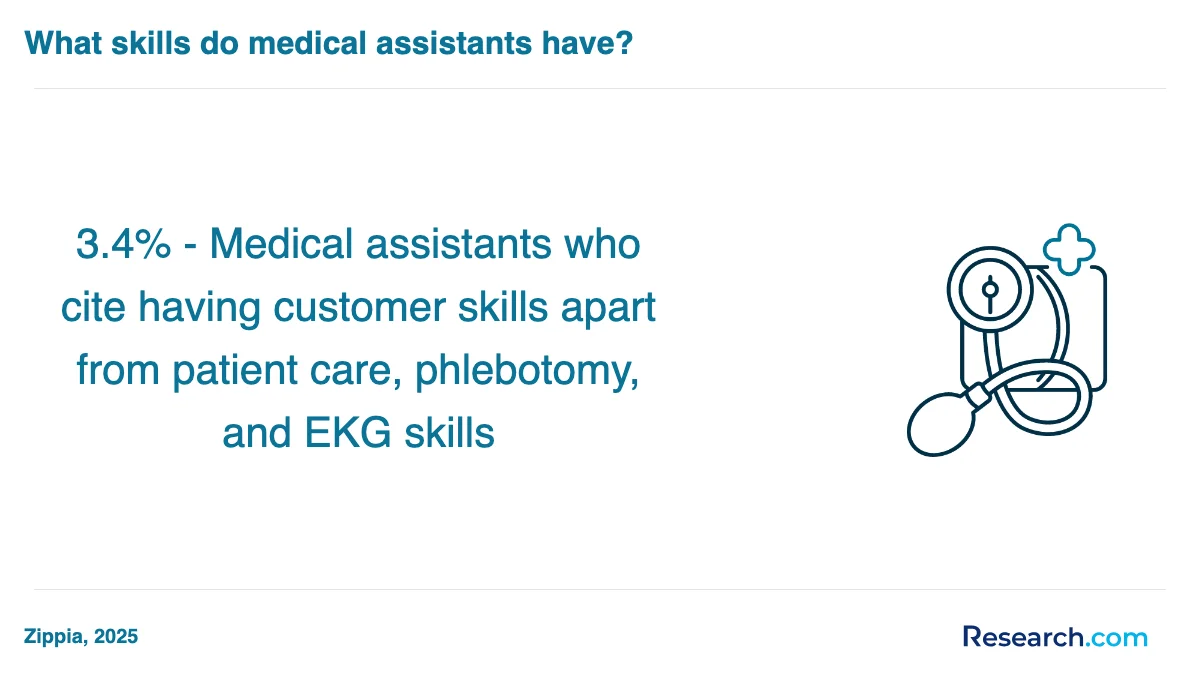
Medical assistant trade school programs in the Midwest equip you with a solid mix of clinical and administrative courses designed for quick workplace readiness. Graduates from popular Midwest schools often mention how courses in human anatomy and physiology gave them a clear understanding of the body's workings, which made hands-on tasks feel less intimidating.
Key course components include:
- Medical law and ethics: Understanding legal responsibilities helps you confidently navigate patient privacy and workplace standards.
- Medical coding and insurance procedures: These classes prepare you to handle billing and patient records smoothly, a skill many graduates found essential in their first jobs.
- Phlebotomy and laboratory processing: Drawing blood and managing lab work were among the favorite practical skills students gained, boosting their confidence in clinical settings.
- EKG, X-ray procedures, and first aid: These courses prepare you to assist with basic diagnostics and emergencies, often cited by graduates as key to feeling ready on day one.
Many programs also include training on electronic health records and clinical office management, reflecting the realities of modern healthcare workflows in Midwest clinics. Hands-on externships with at least 160 hours of supervised experience cement these skills in real-world environments, making the transition from classroom to clinic seamless for most students.
Medical assistant trade school programs in the Midwest typically offer a range of specializations tailored to various healthcare roles, allowing students to focus their skills based on personal interests and career goals. Graduates from popular Midwest trade schools often highlight hands-on training in clinical areas such as Podiatric Medical Assisting, Ophthalmic Medical Assisting, and Cardiovascular Medical Assisting, each preparing students to support specialists with specific patient care tasks. For example, students learning podiatric techniques can confidently assist with wound care and foot treatments, while those pursuing cardiovascular assistance gain valuable experience in EKGs and heart monitoring.
Many programs also emphasize Midwest medical assistant training specializations in Dermatology and Pediatrics, equipping students to handle patient care in distinctive environments like skin clinics or pediatric offices. Beyond direct patient care, some graduates appreciate training in Healthcare Administration and Management, which opens pathways to office management or medical billing roles, blending clinical knowledge with operational skills.
Additionally, the increasing role of technology in healthcare has inspired schools to offer Health Informatics and Technology specializations, helping students become proficient with electronic health records and data security. For those weighing options, exploring detailed medical assistant types can provide clearer direction on the paths available. Overall, selecting a medical assistant program specialization in Midwest trade schools enables aspiring assistants to tailor their education to rewarding, high-demand roles.
Choosing the best medical assistant trade school program in Midwest starts with focusing on programs that offer hands-on training combined with strong clinical externships. Graduates from popular Midwest colleges often highlight how real-world practice in local clinics helped them gain confidence and secure jobs quickly after finishing their courses. Look for schools that maintain close ties with healthcare providers in your area, ensuring you get relevant experience and networking opportunities.
Consider the program's flexibility and how it fits your lifestyle, especially if you have other commitments. Many students appreciate programs that balance in-person labs with online coursework, making it easier to manage time effectively. Also, check for accredited programs that meet certification requirements, boosting your eligibility for higher-paying positions.
Cost is always a factor. Research schools offering competitive tuition and financial aid options. For those seeking budget-friendly routes, explore most affordable online medical assistant programs that still deliver quality education tailored for Midwest healthcare settings.
Medical assistant trade school graduates in the Midwest find diverse medical assistant career opportunities in Midwest healthcare settings. Many begin in physicians' offices, clinics, or hospitals, where daily tasks include recording vital signs, assisting with procedures, and managing patient records. Graduates from Southwestern Illinois College and Midwest Institute often share how hands-on training prepared them for these roles, leading to quick hires by local employers.
Beyond typical clinical roles, there are exciting options in specialty fields like chiropractic, optometry, and podiatry, expanding job prospects. Graduates also benefit from the strong regional demand driven by an aging population and modern medical technology, which ensures a stable job market.
Many graduates pursue advancement through community colleges such as Grand Rapids Community College and Davenport University, where they can earn certifications like the Certified Clinical Medical Assistant (CCMA). Some employers even offer tuition assistance, encouraging further professional growth.
To understand more about advancing in this field and the career path for a medical assistant, graduates often explore tailored education routes. Overall, Midwest medical assistant jobs after graduation promise flexibility, career development, and rewarding work environments.
The job market for medical assistant trade school graduates in the Midwest is notably strong and growing faster than many other fields. Employment of medical assistants is projected to increase by 15% between 2023 and 2033, reflecting the region's expanding healthcare needs due to an aging population and greater focus on preventive care. Graduates from popular Midwest trade schools often find themselves well-positioned for these opportunities.
Many graduates report quick employment in settings like physicians' offices, outpatient clinics, and hospitals. Their roles blend clinical tasks with administrative duties, making them invaluable in busy healthcare environments. For example, graduates often describe starting with responsibilities such as patient intake and vital signs assessment before advancing to more specialized duties.
Key aspects to consider include:
- Over 10,600 active medical assistant job openings in the Midwest as of August 2025, showing robust demand.
- An average annual salary near $48,500 in major cities like Chicago, with potential growth through experience and certifications.
- Short training programs, typically under a year, accelerating entry into the workforce.
Those exploring medical assistant employment trends in Midwest also recognize that pursuing additional certifications or specialization improves job security and pay. Many who start in entry-level roles transition seamlessly into advanced positions.
If you're interested in entry level certified medical assistant jobs, consider that practical, hands-on training from Midwest trade schools equips graduates with both skills and confidence to thrive in the job market.
Overall, graduates feel optimistic about their job prospects, citing steady demand and competitive salaries as key motivators for pursuing medical assistant training in the Midwest.
Best Medical Assistant Training Programs & Trade Schools - Top Medical Assistant Schools in Midwest for 2026
# 1 position
Sinclair Community College - Allied Health and Medical Assisting Services, Other.
certificate or diplomaSinclair Community College offers a hybrid program in Allied Health and Medical Assisting Services, Other, providing some distance-education options. The program's annual in-state tuition is $3,435. Graduates have median earnings of $43,380 one year after completion. The program is accredited by the Higher Learning Commission. It covers instructional content not listed in other allied health and medical assisting programs.
# 2 position
North Central State College - Allied Health and Medical Assisting Services, Other.
associateNorth Central State College offers a hybrid Allied Health and Medical Assisting Services program, providing some distance-education options. The annual in-state tuition is $4,624. Graduates have a median earning of $34,503 one year after completing the program. This program covers allied health and medical assisting services not specified elsewhere and is accredited by the Higher Learning Commission.
# 3 position
Cincinnati State Technical and Community College - Allied Health and Medical Assisting Services, Other.
associateCincinnati State Technical and Community College offers a hybrid program in Allied Health and Medical Assisting Services, Other, accredited by the Higher Learning Commission. The annual in-state tuition is $5,400. Graduates of this program have a median earning of $41,891 one year after completion. This program includes some distance-education options and covers instructional content not listed in other allied health and medical assisting services programs.
# 4 position
College of DuPage - Allied Health and Medical Assisting Services, Other.
certificate or diplomaThe Allied Health and Medical Assisting Services, Other program at College of DuPage offers a hybrid learning format with some distance education options. Annual in-state tuition is $4,320. Graduates have median earnings of $40,196 one year after completion. The program is accredited by the Higher Learning Commission. It covers instructional content in allied health and medical assisting services not listed in other categories.
# 5 position
Cuyahoga Community College District - Clinical/Medical Laboratory Assistant.
associateThe Clinical/Medical Laboratory Assistant program at Cuyahoga Community College District prepares students to perform waived testing procedures, phlebotomy, and support laboratory teams under supervision. The hybrid program includes training in clinical procedures, laboratory tests, equipment operation, safety, and communication skills. Annual in-state tuition is $3,736. Graduates have median earnings of $38,335 one year after completion. The program is accredited by the Higher Learning Commission.
# 6 position
Clark State College - Allied Health and Medical Assisting Services, Other.
associateClark State College offers a hybrid program in Allied Health and Medical Assisting Services, Other, providing some distance-education options. The program's annual in-state tuition is $4,200. Graduates have median earnings of $35,365 one year after completing the program. This instructional program covers allied health and medical assisting services not specified elsewhere. The program is accredited by the Higher Learning Commission.
# 7 position
Brown & Clermont Adult Career Campuses - Allied Health and Medical Assisting Services, Other.
certificate or diplomaThe Allied Health and Medical Assisting Services, Other program at Brown & Clermont Adult Career Campuses offers hybrid instruction, combining distance education with in-person learning. It is accredited by the Council on Occupational Education. This program covers instructional content not listed under other allied health and medical assisting categories, providing diverse training options for students seeking certification or diplomas in these fields.
# 8 position
EHOVE Career Center - Allied Health and Medical Assisting Services, Other.
certificate or diplomaEHOVE Career Center offers a hybrid program in Allied Health and Medical Assisting Services, Other, which includes some distance education options. This program covers instructional content not listed in other allied health and medical assisting categories. It is accredited by the Council on Occupational Education, ensuring recognized standards of quality for students pursuing diplomas or certifications in this field.
# 9 position
City Colleges of Chicago-Malcolm X College - Allied Health and Medical Assisting Services, Other.
certificate or diplomaCity Colleges of Chicago-Malcolm X College offers a hybrid program in Allied Health and Medical Assisting Services, Other, providing some distance-education options. The program is accredited by the Higher Learning Commission. Annual in-state tuition is $4,380. Median earnings for students one year after completing the program are $35,140. This program covers instructional content not listed under other allied health or medical assisting categories.
# 10 position
Lake Superior College - Clinical/Medical Laboratory Assistant.
certificate or diplomaLake Superior College offers a Clinical/Medical Laboratory Assistant program in a hybrid format, combining in-person and distance education. The program prepares students to perform waived testing procedures, phlebotomy, and support laboratory teams under supervision. Coursework includes clinical procedures, laboratory tests, equipment operation, and communication skills. The annual in-state tuition is $5,786, and graduates earn a median salary of $33,245 one year after completion. The program is accredited by the Higher Learning Commission.
Frequently Asked Questions about medical assistant
After completing a medical assistant trade school in the Midwest, preparing for the job market involves several key steps. First, obtaining certification, such as the Certified Medical Assistant (CMA) credential from the American Association of Medical Assistants, significantly improves employment prospects.
Next, graduates should build a professional resume highlighting clinical skills and externship experiences gained during training. Networking through local healthcare facilities and job fairs in states like Illinois and Ohio can connect candidates with employers.
According to the U.S. Bureau of Labor Statistics, medical assistant jobs in the Midwest are projected to grow by 14% through 2031, emphasizing the importance of staying current with regional job trends.
Continuing education and maintaining certification renewals are also essential for long-term career growth.
Employers in the Midwest prioritize a blend of technical and interpersonal skills when hiring medical assistant trade school graduates. Clinical competencies such as phlebotomy, EKG administration, and basic laboratory procedures are essential, as reported by the Bureau of Labor Statistics for healthcare roles in states like Illinois and Ohio. Strong communication skills are also critical, enabling efficient patient interaction and teamwork within busy clinical settings. Attention to detail and familiarity with electronic health records (EHR) software are increasingly demanded due to the digitization of medical offices. Additionally, employers value reliability and adaptability, key traits for managing diverse medical tasks in fast-paced environments.
Finding internships relevant to medical assistant trade school programs in the Midwest involves several practical steps. Start by contacting your school's career services, as many trade schools have established partnerships with local healthcare providers for clinical placements. According to the Bureau of Labor Statistics, healthcare internships in this region often occur in clinics, hospitals, and outpatient care centers.
Networking is also key. Joining professional associations like the American Association of Medical Assistants (AAMA) can provide access to internship listings and local chapter events. Additionally, exploring job boards specific to Midwest healthcare, such as those maintained by state health departments, can uncover opportunities.
Many internships are competitive, so it's beneficial to prepare a strong resume highlighting your coursework and any prior experience. Some states in the Midwest require medical assistant interns to be certified or enrolled in accredited programs, so verify these requirements early.
Obtaining a medical assistant diploma from a trade school in the Midwest can significantly enhance career mobility and advancement opportunities. According to the U.S. Bureau of Labor Statistics, medical assistants in the Midwest earn a median annual wage ranging from $33,000 to $38,000, with demand projected to grow 16% through 2032, faster than average for all occupations.
A diploma signals to employers that a candidate has completed focused clinical and administrative training, often leading to quicker hiring and eligibility for higher-paying roles. Many Midwest employers prefer graduates from accredited trade schools due to their hands-on experience.
Additionally, diploma holders can pursue certifications such as the CMA (Certified Medical Assistant), further enhancing job prospects and potential for promotion. Regional healthcare facilities frequently offer advancement to supervisory or specialized positions based on formal training credentials.
Part-time job opportunities in the Midwest that complement medical assistant trade school education often include roles such as medical receptionist, pharmacy technician, and patient care aide. These positions allow students to apply clinical and administrative skills learned in class while gaining practical experience. According to the U.S. Bureau of Labor Statistics, states like Illinois, Ohio, and Michigan report steady growth in healthcare support roles, with medical assistant employment projected to increase by 16% through 2032. Working in outpatient clinics or physician offices also helps students build familiarity with electronic health records and patient interaction, which are critical skills for certification exams and future employment.
To find the best Medical Assistant degree program near me in Midwest, start by researching local community colleges and vocational schools, as they often offer accredited programs with comprehensive curriculums. You can explore Research.com, a helpful resource providing comparisons and reviews of various educational institutions and their medical programs. Additionally, universities near Midwest frequently provide both certificate and associate degree programs that prepare students for a career as a medical assistant, ensuring both quality education and career readiness.
- How to Become a Medical Assistant - MTI https://www.midwesttech.edu/resources/how-to-become-a-medical-assistant/
- Medical Assistant Program - Medical Assistant Training in St. Louis, MO https://www.midwestinstitute.edu/programs/medical-assistant-training/
- Finding the Right Medical Assistant Training Program | CHCP https://www.chcp.edu/blog/how-to-find-the-right-medical-assistant-training-program/
- Medical Assisting - Ivy Tech Community College https://www.ivytech.edu/programs/all-academic-programs/school-of-health-sciences/medical-assisting/
- How to Choose the Best Medical Assisting Program | Unitek College https://www.unitekcollege.edu/blog/how-to-choose-the-best-medical-assisting-program/
- Medical Assistant program in Michigan | Complete in One Year https://www.dorsey.edu/medical-assistant/
- Clinical Medical Assisting | Clinical Medical Assisting Program http://mccollege.edu/clinical-medical-assisting/
- How to Choose the Best Medical Assisting Program | Brookline https://www.brooklinecollege.edu/blog/how-to-choose-the-best-medical-assisting-program/
- Medical Assistant - Fort Hays Tech | Northwest https://www.fhnw.edu/programs/medical-assistant
- Medical Assistant Salary 2025: How Much Do They Make? https://nurse.org/healthcare/medical-assistant-salary/


