
Most Affordable Medical Assistant Schools & Training - Budget-Friendly Medical Assistant Trade Programs in New York for 2026

Co-Founder and Chief Data Scientist
Choosing the right medical assistant trade school in New York can feel overwhelming, but this article is here to guide you. We present a medical assistant trade school programs ranking created by the Research.com team of data scientists to help you make an informed decision.
By exploring these top programs, you’ll discover affordable options that fit your goals and budget. Earning a diploma or certification opens doors to a rewarding career in healthcare with strong job prospects. This article will support you on your path to success and confidence in your future.
Key benefits of finishing medical assistant trade school in New York
- Graduates from medical assistant trade schools in New York can expect starting salaries around $36,000 to $39,000 annually, with opportunities to earn up to $59,000 or more as they gain certification and experience.
- Career paths include roles in hospitals, specialized clinics, and outpatient facilities, offering diverse opportunities to grow professionally and find rewarding work environments.
- Completing a medical assistant trade school online provides flexibility and convenience, allowing students to balance studies with personal commitments while still preparing for a strong career in healthcare.
- Most Affordable Medical Assistant Schools & Training - Budget-Friendly Medical Assistant Trade Programs in New York for 2026
- What can I expect from medical assistant trade schools in New York?
- Where can I work after finishing medical assistant trade schools in New York?
What can I expect from medical assistant trade schools in New York?
When you enroll in a medical assistant trade school program in New York, expect a hands-on, well-rounded experience that prepares you for both clinical and office work. Graduates often share how they quickly learned to take vital signs, draw blood, and perform EKGs during their training. Popular schools in New York mix lectures with practical labs, so you're not just reading about medical terms-you're applying them every day.
Many programs include a clinical externship, where you get to work alongside real healthcare professionals in local clinics or hospitals. This part can be exciting and a bit nerve-wracking, but it's where you really build confidence and see how your skills make a difference.
Students appreciate the flexible schedules too, especially at schools offering online or hybrid options, letting you balance life while moving at your own pace. Plus, the supportive environment means you're not just a number-many grads mention how instructors encourage communication skills and professionalism throughout the journey.
Financial aid options also help make the programs accessible, so you can focus on learning without too much stress about costs.
Where can I work after finishing medical assistant trade schools in New York?
After finishing a medical assistant trade school program in New York, you'll find plenty of doors open for you. Graduates often land jobs in busy hospitals like NewYork-Presbyterian, where they assist in departments such as pediatrics or women's health. Imagine working alongside doctors and nurses, helping patients feel cared for every day-many graduates say this hands-on experience is incredibly rewarding.
Others prefer clinics or outpatient centers, where the pace is fast but you get to build close relationships with regular patients. Some grads from popular New York trade schools mention how much they enjoy working in private doctor's offices, juggling both clinical tasks and office duties-a great way to stay engaged and learn a wide range of skills.
Specialty practices like cardiology or OB-GYN also hire medical assistants, letting you focus on specific medical procedures. With so many options-from urgent care centers to small private practices-your career path can really match your interests and lifestyle.
After finishing a medical assistant trade school program in New York, many graduates find themselves earning between $36,000 and $39,000 a year starting out. This is a solid paycheck that reflects entry-level positions, especially for those just stepping into the healthcare field. For example, graduates from popular New York trade schools often share how landing their first job with this salary felt like a real win, giving them confidence and motivation to grow their careers.
Once you earn a certification like the Certified Medical Assistant (CMA), your salary can jump significantly. Certified medical assistants in New York City typically see salaries around $50,000 annually, with some even reaching over $55,000. Imagine working in a bustling hospital or busy clinic where your skills and certification really pay off, both in respect and in your paycheck.
Plus, if you pick up extra experience or specialize, say in bilingual patient care or a high-demand specialty, your hourly wage could hit above $22, sometimes even closer to $28. That means more earning power as you build your career right here in New York.
- Most programs require a high school diploma or GED, with some also needing basic reading, English, and math proficiency.
- Program lengths vary from about four months online to nearly two years for associate degrees, including clinical and administrative training.
- Tuition ranges from $79 per month for online programs to $1,500-$3,000 total, with additional costs for books and certification fees.
- Certification preparation focuses on the Certified Clinical Medical Assistant (CCMA) exam, with some schools reporting up to 100% pass rates.
- Entry-level salaries in New York range from $37,000 to $45,000 annually, rising to $50,000 or more with experience and extra certifications.
If you're eyeing a medical assistant trade school in New York, you'll be glad to know that most programs wrap up in about 9 to 12 months. This timeframe is pretty standard across popular schools in the state, giving you a fast track to jump into the healthcare world without a long wait.
Graduates often share how the intensive pace kept them engaged but never overwhelmed. Picture balancing hands-on training with classroom learning in a bustling New York trade school, where instructors connect real medical settings with every lesson. Many say finishing within a year felt like a rewarding sprint rather than a marathon, especially when they started landing job interviews soon after.
Some programs even offer flexible scheduling or evening classes, perfect for those juggling work or family. So, if you imagine yourself gaining practical skills quickly and stepping confidently into medical offices or clinics around New York, this timeline fits just right.
The main difference between online and on-campus medical assistant trade school programs in New York comes down to how you learn and balance flexibility with hands-on practice. Online programs, like the one at U.S. Career Institute, let you study at your own pace-some grads say finishing in just four months felt freeing because they could fit classes around their busy lives. You get videos, readings, and quizzes all online, which is great if you're juggling work or family. But don't worry, most online courses, like SUNY Corning Community College's program, still include a required clinical externship so you get real-world experience.
On the flip side, on-campus programs, such as Jefferson Community College's, are more structured with set class times and hands-on labs. Graduates often mention how much they loved the face-to-face interaction with instructors and peers, especially during the 140 hours of lectures and labs, plus clinical externships. This environment helps if you learn best by doing and being around others.
Some students even choose hybrid programs, like at Allen School of Health Sciences, blending online lessons with in-person practice-giving the best of both worlds.
When looking at the average tuition fees for medical assistant programs in New York, costs can vary widely depending on the type of program and school. For example, certificate or diploma programs that last around 8 to 18 months often fall between $8,000 and $11,000 in total. Graduates from the Medical Training Institute of New York often mention how the hybrid Medical Assistant program's total cost of around $10,918 felt like a solid investment because the hands-on training prepared them well for real-world tasks.
On the other hand, the cost of medical assistant diploma programs in New York sometimes comes with surprising options. Some schools, like New York City College of Technology, team up with community organizations to offer no-cost training programs, making it possible to start a career without worrying about tuition fees. This has been a game changer for many students who want to enter healthcare quickly without the burden of debt.
Besides tuition, students also benefit from financial aid like New York's Tuition Assistance Program (TAP), which offers grants from $500 to $5,000. This kind of support helps ease the financial side and gives more people a chance to enroll with confidence. Many graduates say that combining careful program choice with these aid options helped them focus on their studies and enjoy their path to becoming a medical assistant.
If you want to become registered medical assistant, it's smart to compare programs for costs, length, and curriculum to find the best fit for your needs and budget.
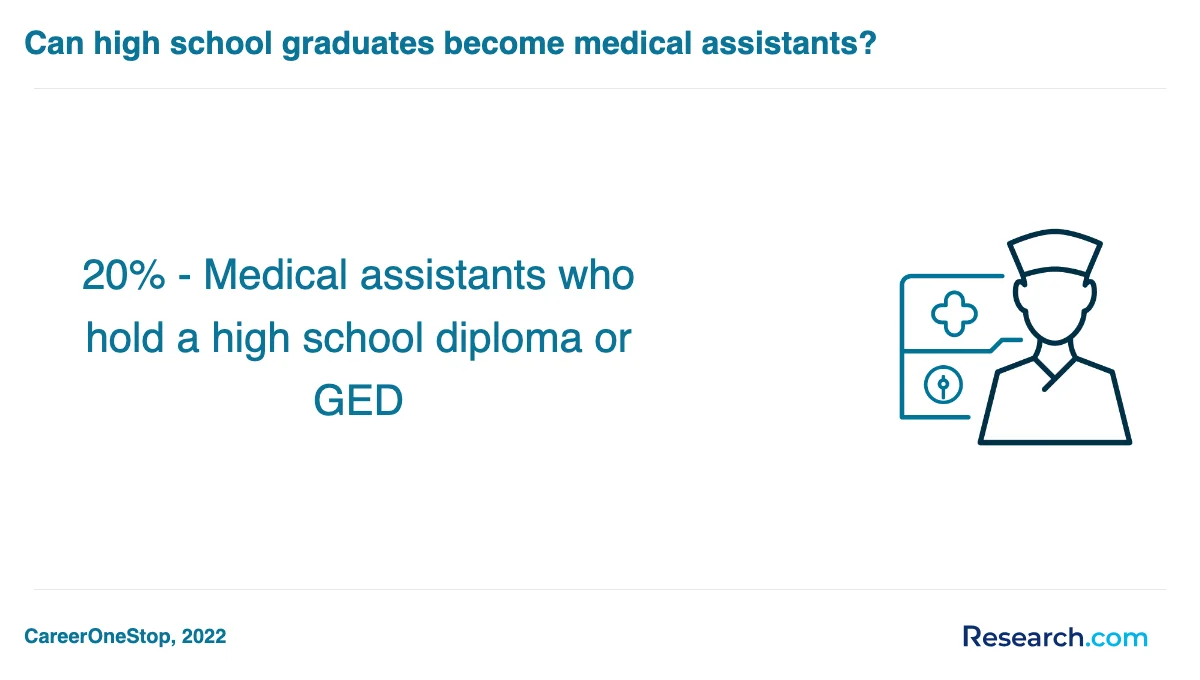
When you're diving into a medical assistant program at one of New York's popular trade schools, like those in NYC or upstate, financial aid can feel like a real lifesaver. Many graduates share how federal grants, especially the Pell Grant, made a huge difference-these grants don't need to be repaid and can cover thousands of dollars, depending on your financial situation.
Federal student loans, including subsidized Stafford Loans, are another common option. One graduate described how the government covering interest while they were in school helped reduce stress. Plus, Parent PLUS Loans can give families extra support if you're a dependent student.
Some schools also offer tuition payment plans, which helped others spread out payments comfortably without piling on debt. New York residents can tap into state grants and scholarships tailored to allied health careers, making the path even smoother.
Veterans' benefits and private scholarships often round out the aid options, bringing relief to many pursuing their medical assistant dreams in New York.
When you're thinking about enrolling in a medical assistant trade school program in New York, most schools keep the prerequisites pretty straightforward, making it easy to get started on your new career path. Graduates from popular trade schools in NYC often mention that a high school diploma or GED is the primary requirement. This simple step opens the door to hands-on training that feels both exciting and achievable.
Many programs also ask for:
- Proof of immunizations and a recent physical exam, ensuring you're ready for clinical settings
- A clear background check, since you'll be working closely with patients
- Sometimes, basic CPR certification before clinical rotations
One graduate shared how having these basics in place helped her jump into classes confidently without worrying about administrative hurdles. The clear-cut requirements at well-known New York trade schools make it feel like the focus is really on learning, not paperwork. If you're motivated and ready, the door is wide open to start your medical assistant journey.
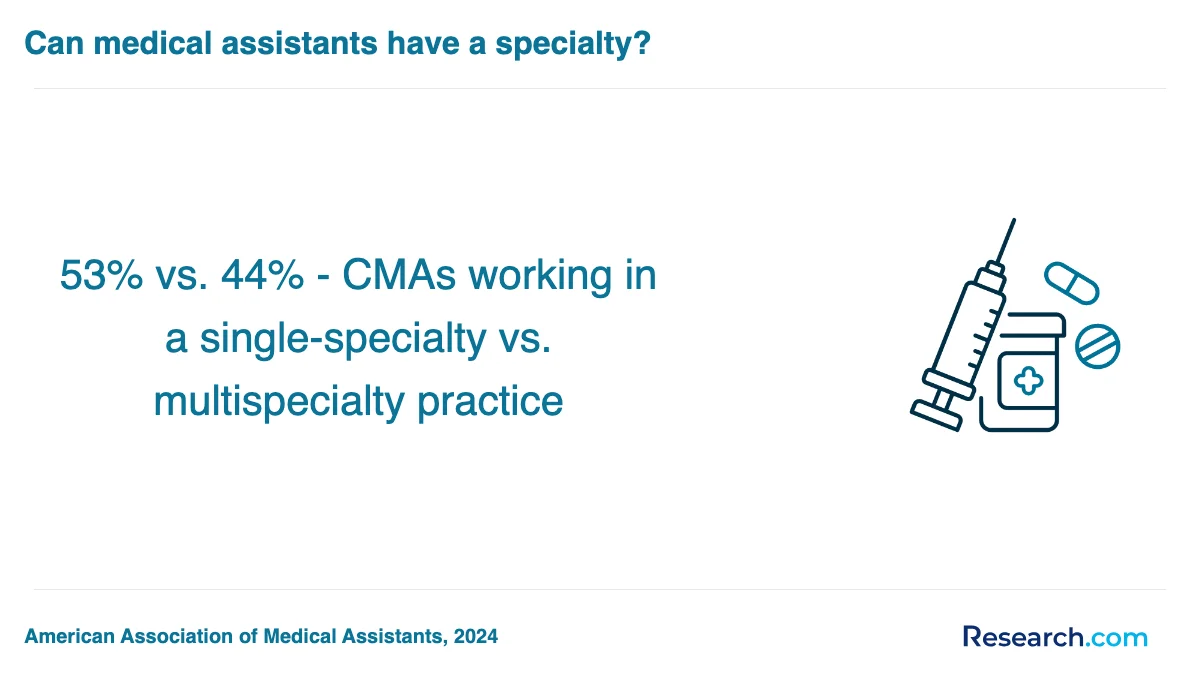
If you're thinking about medical assistant trade schools in New York, expect a mix of clinical and administrative courses designed to get you job-ready fast. Graduates from popular schools often share how hands-on classes like Phlebotomy and Electrocardiography (EKG) helped them feel confident drawing blood or running EKGs before even stepping into a clinic.
Typical courses you'll find include:
- Phlebotomy, EKG, and basic lab procedures for practical skills
- Medical Terminology, Anatomy & Physiology to understand the body and medical language
- Medical Office Administration and Records Management to handle the front desk and paperwork
- Insurance Processing and Health Records Coding for billing and claims
- Medical Law and Ethics to know your rights and responsibilities
- Pharmacology, Infection Control, and Patient Care Coordination for well-rounded care
One graduate from a New York trade school recalled how the blend of classroom learning and clinical externships made all the difference, turning theory into real-world skills. These programs usually wrap up in under a year, with about 700 to 930 clock hours, including 100-260 hours of clinical experience. That means you're not just sitting in lectures-you're really getting ready to jump into a medical assistant role!
Medical assistant trade school programs in New York offer a variety of specializations that fit different career goals and interests. Graduates often share how exciting it is to dive into clinical medical assistant specializations in New York, where hands-on tasks like taking vital signs, assisting doctors, and performing lab tests prepare them for real patient care roles. For example, students at Lehman College rave about their 100-hour clinical internship, which really boosts confidence and skills.
Other programs, like those at the Medical Training Institute of New York, focus more on administrative skills. Students learn about scheduling, insurance billing, and maintaining medical records-skills that are essential for smooth office operations. Many even choose to specialize in medical billing and coding programs New York offers, opening doors to thriving healthcare business roles.
Special tracks such as EKG and phlebotomy technician, patient care technician, and certified administrative technician also give students the option to tailor their training. This means whether you enjoy patient interaction or prefer behind-the-scenes work, there's a specialization that fits. Plus, many schools prepare students for certification exams, making it easier to stand out in New York's competitive job market. If you want to understand the difference between administrative and clinical roles, check out this difference between medical administrative assistant and medical assistant.
When choosing the best medical assistant trade school program in New York, start by checking accreditation since graduates from accredited programs can confidently pursue certification and jobs. Many students who completed programs at well-known New York colleges share how the hands-on clinical externships gave them real-world experience that made job hunting less stressful. Look for schools offering flexible schedules with day and evening classes to fit your lifestyle. Also, think about cost - affordable medical assistant programs in New York can still provide high-quality education without breaking the bank. One grad recalled how finding a program with strong job placement rates helped them land their position quickly after graduation. Don't forget to review the curriculum closely to ensure it covers both clinical skills and medical office procedures. For those wondering about income, checking the cma certification salary can offer motivation and clarity about the career path ahead.

Graduates of medical assistant trade school programs in New York find a variety of pathways to jumpstart their careers. Many start out in busy doctors' offices or hospitals where they handle everything from scheduling and billing to taking vital signs and assisting with exams. Some graduates from popular New York trade schools share how rewarding it feels to be the friendly face managing patient records one day, then supporting a doctor during a procedure the next. This hands-on work is what makes these healthcare careers for medical assistant graduates in New York so engaging and dynamic.
From there, career options expand quickly. Administrative roles might lead to positions like medical office manager or hospital administrative manager, overseeing staff and daily operations. On the clinical side, specializing with certifications in areas such as EKG or phlebotomy can boost your skills and pay.
Many graduates also use their training as a springboard, advancing to roles like Licensed Practical Nurses (LPNs) or Registered Nurses (RNs). For those curious about more details, check out reasons to become an ma to see why this path is a great fit.
Because New York's healthcare sector is so vast, there are numerous medical assistant job opportunities in New York - from outpatient centers to large hospitals serving diverse communities - making it a smart choice for flexible, lasting careers.
The job market for medical assistant trade school graduates in New York is thriving right now, especially in busy urban areas like New York City. Graduates from well-known trade schools often share how quickly they land jobs because employers are actively searching for skilled support staff. Many talk about how their hands-on training made it easier to step confidently into roles that mix clinical and administrative tasks.
Here's what makes the situation exciting for anyone studying medical assistant in New York:
- Openings are plentiful, with over 350 positions listed recently just in NYC.
- Certified graduates tend to have better pay and more job offers, boosting confidence after finishing school.
- Employers such as Mount Sinai and NYU Langone prefer candidates with certification, making it well worth pursuing.
These graduates often find themselves working in environments where they're valued for their clinical ma responsibilities and administrative skills alike. The demand for medical assistants in New York continues to grow at an impressive rate, meaning new graduates usually don't face long waits to get hired.
Most graduates talk about the real advantage of combining solid training with certification-it opens doors across hospitals, clinics, and private practices throughout the state. Knowing this upbeat job outlook for medical assistant trade school graduates in New York helps keep motivation high for students entering the field.
Most Affordable Medical Assistant Schools & Training - Budget-Friendly Medical Assistant Trade Programs in New York for 2026
# 1 position
Hudson Valley Community College - Allied Health and Medical Assisting Services, Other.
associateHudson Valley Community College offers a hybrid program in Allied Health and Medical Assisting Services, Other, providing some distance-education options. The program is accredited by the Middle States Commission on Higher Education. Annual in-state tuition costs $6,694. This program covers instructional content not listed under other allied health and medical assisting categories, focusing on specialized skills within the field.
# 2 position
Mohawk Valley Community College - Clinical/Medical Laboratory Assistant.
certificate or diplomaMohawk Valley Community College offers a Clinical/Medical Laboratory Assistant program with a hybrid format, including some distance-education options. The program prepares students to perform waived testing procedures, phlebotomy, and support laboratory teams under supervision. Coursework covers clinical procedures, laboratory tests, mathematics, computer technology, equipment operation, sterilization, safety, and communication skills. Annual in-state tuition is $6,114. The program is accredited by the Middle States Commission on Higher Education.
# 3 position
Mohawk Valley Community College - Allied Health and Medical Assisting Services, Other.
certificate or diplomaMohawk Valley Community College offers a hybrid program in Allied Health and Medical Assisting Services, Other, which includes some distance-education options. The annual in-state tuition for this program is $6,114. It is accredited by the Middle States Commission on Higher Education. This program covers instructional content in allied health and medical assisting services not specified in other categories, providing specialized training in this field.
# 4 position
Access Careers-Islandia - Allied Health and Medical Assisting Services, Other.
certificate or diplomaThe Allied Health and Medical Assisting Services, Other program at Access Careers-Islandia offers hybrid instruction with some distance-education options. It covers allied health and medical assisting topics not listed in other programs. Graduates have a median earning of $23,067 one year after completion. The program is accredited by the Council on Occupational Education, ensuring recognized standards in training and education.
# 5 position
Plaza College - Allied Health and Medical Assisting Services, Other.
associatePlaza College offers a hybrid program in Allied Health and Medical Assisting Services, Other, accredited by the Middle States Commission on Higher Education. The annual in-state tuition is $15,450. Graduates earn a median salary of $32,837 one year after completing the program. This instructional program covers allied health and medical assisting areas not listed elsewhere, providing flexible learning options through partial distance education.
Frequently Asked Questions about medical assistant
After completing a medical assistant trade school in New York, preparing for the job market involves several key steps. First, obtaining certification, such as the Certified Medical Assistant (CMA) credential from the American Association of Medical Assistants, can increase employability. In New York, employers often prefer candidates with certification and relevant clinical experience.
Networking is also crucial. Joining local professional groups or associations, like the New York State Society of Medical Assistants, can provide job leads and mentorship. Additionally, updating your resume to highlight practical skills and clinical externship experiences gained during training is essential.
According to the U.S. Bureau of Labor Statistics, the medical assistant field in New York is expected to grow by 19% from 2022 to 2032, signaling strong job prospects. Utilizing job boards focused on healthcare positions in New York can help find openings tailored to your qualifications.
Employers in New York seek medical assistant graduates who demonstrate strong clinical and administrative skills. Clinical competencies include taking vital signs, administering injections, and performing basic laboratory tests. According to the New York State Department of Labor, proficiency in electronic health records (EHR) systems is increasingly vital, as many healthcare providers rely on digital documentation.
Communication skills are also highly valued, enabling effective interactions with patients and healthcare teams. Attention to detail and the ability to multitask are essential, given the fast-paced clinical environment. Additionally, knowledge of medical terminology and understanding patient confidentiality laws, such as HIPAA, are critical for compliance and professionalism.
Finding internships relevant to medical assistant trade school programs in New York involves several practical steps. Start by contacting your trade school's career services department, which often maintains partnerships with local healthcare providers. Many New York medical assistant programs require internships as part of their curriculum, so schools typically assist students in securing clinical placements.
Additionally, explore opportunities at hospitals, clinics, and private practices throughout New York City and surrounding areas. According to the New York State Department of Labor, healthcare support occupations, including medical assistants, are expected to grow 11% from 2022 to 2032, increasing internship availability.
You can also use resources like the New York State Education Department and local workforce development boards to identify approved internship sites. Networking with healthcare professionals and joining local medical assistant associations may further enhance your chances of landing a quality internship.
Obtaining a medical assistant trade school diploma in New York significantly enhances career mobility and advancement opportunities. The New York State Department of Labor reports steady growth in healthcare support roles, including medical assistants, with a projected 15% increase in employment from 2022 to 2032. This diploma provides essential hands-on skills and certification eligibility, making graduates competitive for entry-level jobs in clinics, hospitals, and private practices.
Graduates often find it easier to secure higher-paying positions or specialized roles, such as in administrative or clinical assistance. According to the U.S. Bureau of Labor Statistics, medical assistants in New York earn a median wage above the national average, reflecting the value of formal training. Additionally, many employers prefer candidates with accredited diplomas, which supports upward mobility within healthcare organizations.
Part-time job opportunities in New York that complement medical assistant trade school education include roles such as medical receptionist, patient care technician, and pharmacy aide. These positions help students develop practical skills in patient interaction, medical terminology, and healthcare procedures. According to the U.S. Bureau of Labor Statistics (2023), New York employs over 40,000 medical assistants, with a projected 15% job growth through 2032.
Working in outpatient clinics or physician offices part-time allows students to gain hands-on experience while continuing their education. Such jobs often offer flexible hours, fitting around class schedules. Additionally, roles in elder care facilities or urgent care centers provide exposure to diverse patient needs and healthcare environments.
To choose the most affordable Medical Assistant degree program near me in New York, start by researching local community colleges and technical schools that typically offer more cost-effective tuition rates. Utilize resources like Research.com to compare accredited programs in your area for curriculum quality and financial aid options. Additionally, consider attending open houses or information sessions to gain insights into program costs and potential hidden fees.
- Most Affordable Medical Assistant Schools & Training - Budget-Friendly Medical Assistant Trade Programs in New Jersey for 2026
- Most Affordable Medical Assistant Schools & Training - Budget-Friendly Medical Assistant Trade Programs in Pennsylvania for 2026
- Most Affordable Medical Assistant Schools & Training - Budget-Friendly Medical Assistant Trade Programs in Massachusetts for 2026
- Most Affordable Medical Assistant Schools & Training - Budget-Friendly Medical Assistant Trade Programs in Maryland for 2026
- Most Affordable Medical Assistant Schools & Training - Budget-Friendly Medical Assistant Trade Programs in Ohio for 2026
- Most Affordable Medical Assistant Schools & Training - Budget-Friendly Medical Assistant Trade Programs in Virginia for 2026
- Most Affordable Medical Assistant Schools & Training - Budget-Friendly Medical Assistant Trade Programs in Maine for 2026
- Most Affordable Medical Assistant Schools & Training - Budget-Friendly Medical Assistant Trade Programs in West Virginia for 2026
- Most Affordable Medical Assistant Schools & Training - Budget-Friendly Medical Assistant Trade Programs in Tennessee for 2026
- Most Affordable Medical Assistant Schools & Training - Budget-Friendly Medical Assistant Trade Programs in Michigan for 2026
- Medical Assistant Training School in (Manhattan, Queens, Flushing, New York)- Nymedtraining https://www.nymedtraining.com/training-options/medical-assistant/
- Medical Assistant Training Program | Levittown & Medford, NY https://hunterbusinessschool.edu/programs-offered/medical-assistant-program/
- Medical Assistant Training for New York, NY https://www.nysmda.com/
- New Age Training | Medical Assistant Training School New York, NYC https://newagetraining.com/
- Medical Assistant Program Details & Curriculum | Allen School https://www.allenschool.edu/medical-assistant/
- New York Online Medical Assistant Certificate Program | Self-Paced Course https://www.uscareerinstitute.edu/online-medical-assistant-school/new-york
- New York Medical Assistant Program | Free Healthcare Training with Skilltrade https://skilltrade.com/locations/new-york/medical-assistant
- Medical Assistant Specialist Program | The College of Westchester https://www.cw.edu/programs/school-of-health-professions-medical-assistant-specialist/
- Key Factors to Consider When Choosing a Medical Assistant School in New York https://wsmda.edu/key-factors-to-consider-when-choosing-a-medical-assistant-school-in-new-york/
- New York Accredited Medical Assisting Schools and Programs https://theemedicalassistants.com/medical-assistant-schools-in-new-york/


