Most Affordable Medical Assistant Schools & Training - Budget-Friendly Medical Assistant Trade Programs in Ohio for 2026

Co-Founder and Chief Data Scientist
Choosing the right medical assistant trade school in Ohio can feel overwhelming, but it doesn’t have to be. This article introduces a carefully crafted ranking of medical assistant trade school programs developed by the Research.com team of data scientists. Their work helps you identify programs that are truly worth your time and investment.
By exploring this guide, you’ll gain helpful insights that make your decision easier and more confident. Earning a medical assistant diploma or certification opens doors to rewarding career opportunities and personal growth.
Take the first step toward a fulfilling future in healthcare today.
Key benefits of finishing medical assistant trade school in Ohio
- Graduates from medical assistant trade schools in Ohio can expect an average salary ranging from $39,000 to $42,000 per year, with entry-level positions starting around $35,270 annually and experienced assistants earning up to $48,300.
- Career paths include roles in hospitals, private practices, and specialty clinics, offering graduates flexibility and opportunities to advance in healthcare settings, as seen with many successful alumni from popular Ohio trade schools.
- Completing a medical assistant program online provides convenience and flexibility, allowing students to balance work and study effectively, which many online trade school graduates in Ohio report as a key benefit over traditional degrees.
- Most Affordable Medical Assistant Schools & Training - Budget-Friendly Medical Assistant Trade Programs in Ohio for 2026
- What can I expect from medical assistant trade schools in Ohio?
- Where can I work after finishing medical assistant trade schools in Ohio?
What can I expect from medical assistant trade schools in Ohio?
At a medical assistant trade school in Ohio, you'll dive into a mix of clinical and administrative skills that prepare you for real healthcare settings. Imagine learning how to take vital signs and perform phlebotomy in hands-on labs, much like students at Aultman College who complete a 160-hour practicum in busy physician offices or hospitals. This practical experience builds your confidence as you assist with medical procedures and laboratory tests under supervision.
On the administrative side, expect to master medical terminology, scheduling, billing, and patient records-skills that graduates say make navigating a medical office feel second nature. Many programs also introduce you to medical law, ethics, and pharmacology, giving you a well-rounded foundation.
Ohio's programs often offer flexibility, with options for full-time, part-time, or even online study, fitting your lifestyle whether you're balancing work or family. Graduates frequently highlight how these programs ready them for certification exams like the CCMA, boosting their job prospects in clinics, rehab centers, and hospitals across the state.
Where can I work after finishing medical assistant trade schools in Ohio?
After finishing a medical assistant trade school program in Ohio, graduates discover a wide world of job opportunities waiting for them. Many find themselves stepping into busy physician offices or outpatient clinics, confidently taking vital signs and preparing patients for exams-skills they practiced hands-on during their training at popular Ohio trade schools. Others dive into hospital roles, like those at Akron Children's Hospital, where medical assistants balance clinical tasks with administrative support, gaining a variety of experiences that keep each day exciting.
Some graduates choose specialty practices, such as pediatrics or ophthalmology, where they assist in surgery centers or eye institutes, often recalling how their trade school courses prepared them for these specialized environments. The rise of telehealth has also opened doors to remote roles, letting medical assistants work from home while supporting patients across the state-something many recent grads find liberating and flexible.
Urgent care centers, nursing homes, and community health organizations offer additional paths, with many positions allowing part-time schedules or chances to grow professionally. The practical training from Ohio's trade schools truly sets graduates up for success in diverse, rewarding healthcare careers.
After finishing a medical assistant trade school program in Ohio, many graduates are pleasantly surprised by their starting salary, which typically ranges from $31,110 to $35,270 per year. Imagine stepping out of a popular Ohio trade school and landing your first job with that steady paycheck-it's a real boost for anyone eager to start their healthcare career.
Some graduates share how earning an hourly wage of about $18 to $19.27 quickly adds up, especially when working full-time in bustling clinics or hospitals around cities like Columbus or Cleveland. This means an annual income between $37,440 and $40,430, enough to cover living expenses while gaining invaluable experience.
With time and added certifications, seasoned medical assistants in Ohio can see their pay climb to nearly $48,000. Many grads from well-known trade schools find this growth exciting, as it opens doors to more responsibility and higher earnings within familiar healthcare settings.
- Medical assistant programs in Ohio typically last 9 months to 1 year for certificates and diplomas, while associate degrees take about 2 years.
- Admission usually requires a high school diploma or GED, with some programs needing placement scores or prior coursework; criminal history may affect eligibility.
- Programs include classroom learning and a practicum of about 160 hours in healthcare settings for hands-on experience.
- Costs range from $3,000 to $10,000 for certificate programs, with lower tuition at community colleges for in-state students and financial aid options available.
- Starting salaries average around $36,000 annually, with experienced medical assistants earning up to $45,000 or more.
- Certification is not required by law but passing national exams like CMA, RMA, or CCMA improves job prospects and earnings.
In Ohio, completing a medical assistant trade school program typically takes about 9 to 12 months, a thrilling sprint toward a new career. Imagine enrolling at a well-known Ohio trade school, where graduates often recall the excitement of fast-paced classes combined with hands-on clinical practice. One graduate described the experience as diving headfirst into real medical environments within just a few months, gaining confidence and skills rapidly.
Trade schools in cities like Columbus and Cleveland offer flexible schedules, making it easier to balance life while studying. Many students find themselves surprised by how quickly they progress-from learning vital procedures to mastering administrative tasks-all within a year. The compact timeline keeps motivation high, fueling a sense of accomplishment as each course wraps up.
For those eager to start working in healthcare without a lengthy delay, Ohio's medical assistant programs provide a practical, engaging path. Graduates often share that the program's pace feels just right, blending challenge with support, which makes the journey as rewarding as the destination.
Choosing between online and on-campus medical assistant trade school programs in Ohio often comes down to how you want to experience learning. Imagine balancing a busy job or family life-online programs like those at Herzing University let you dive into lectures at your own pace, anytime, anywhere. Graduates often share how this flexibility made it possible to keep up with studies without sacrificing other responsibilities.
But don't expect to skip hands-on practice entirely. Even online students at places like East Ohio College make scheduled trips for clinical labs, mastering vital skills like phlebotomy or EKGs in real healthcare settings. This blend of remote learning and in-person training is essential to truly prepare for certification exams.
On-campus programs, such as those at Ohio Business College, immerse you fully in the classroom and lab environment. Students appreciate the immediate feedback and face-to-face interaction that helps build confidence quickly. Whether attending day or night classes, the structured schedule keeps learners motivated and connected.
Both paths lead to similar career opportunities, but the choice hinges on your lifestyle and how you thrive best during training in Ohio's medical assistant trade schools.
Curious about the average tuition fees for medical assistant programs in Ohio? Most students find that trade school costs hover around $11,545, though there's quite a bit of adventure in the details. Certificate programs, like those at the Ohio School of Phlebotomy, are an affordable launchpad, often priced near $1,000 plus small fees for books and supplies. Graduates from these quick, focused programs often share a sense of accomplishment mixed with relief at finishing strong without heavy debt.
On the other hand, those diving into diploma programs can expect a broader investment, typically between $15,000 and $24,000. The Professional Skills Institute in Maumee, for instance, offers a medical assisting diploma with tuition around $14,804, providing students a rich blend of hands-on training and real-world readiness. Many find this path rewarding, fueling both confidence and career momentum.
For students ready to immerse themselves in a longer journey, associate degree programs stretching two years may reach $30,000 to $50,000 in total costs. The cost of medical assistant diploma programs in Ohio can seem daunting, but many schools help ease the burden through financial aid and flexible payment plans. The Ohio School of Phlebotomy, for example, supports students with no-cost payment plans, making education more manageable and accessible.
Don't forget to explore the variety of online clinical medical assistant programs as well, which sometimes offer competitive tuition alongside convenient scheduling. Keeping these factors in mind helps you navigate the costs with confidence, making the path to your medical assistant career an achievable adventure.
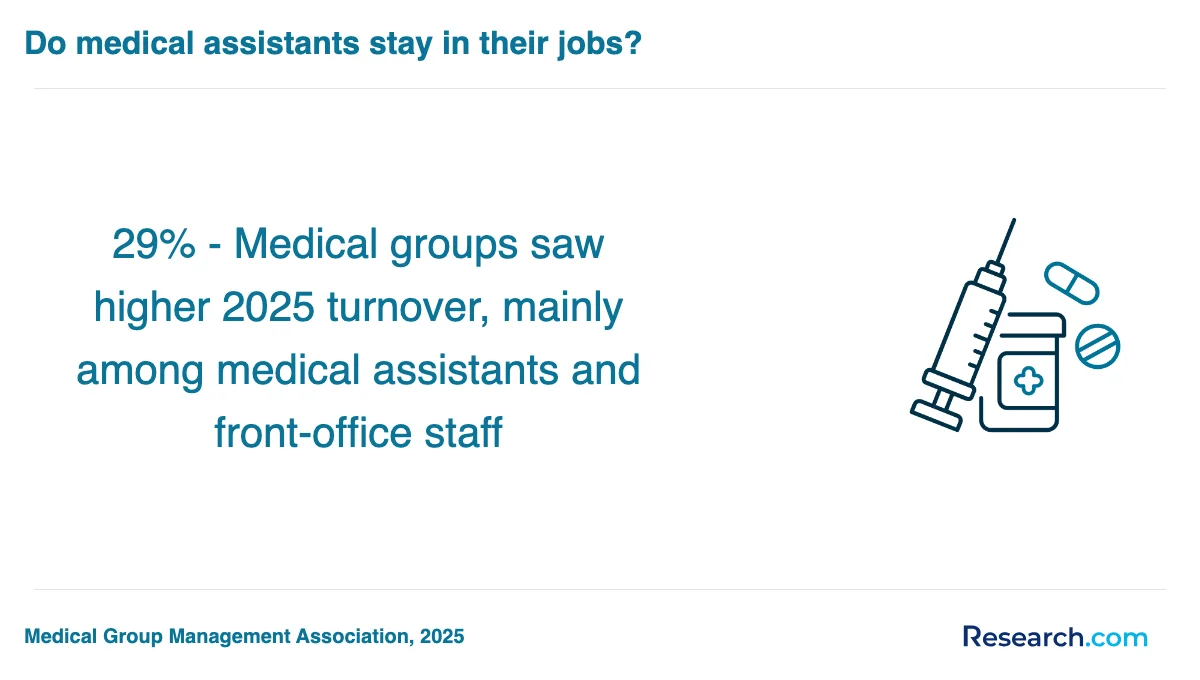
Medical assistant students in Ohio often discover a treasure trove of financial aid options that make their educational journey less daunting. Imagine starting your program at Ohio Medical Career College and learning that completing the FAFSA opens doors to Federal Student Aid like Pell Grants and subsidized loans-free money and manageable borrowing that many graduates fondly remember as the key to their success.
At Columbus State Community College, some students have felt the relief of the "Choose Ohio First" scholarship covering full tuition, turning dreams into reality without the weight of debt. Meanwhile, the Ohio College Opportunity Grant helps many low- and moderate-income students attending trade schools, spreading hope and opportunity across the state.
Veterans and National Guard members often share stories of how the GI Bill® eased their financial burdens, while others appreciate flexible payment plans at places like Wayne County Schools Career Center, making tuition manageable month by month. These financial aids transform uncertainty into excitement for a bright future in healthcare.
Ready to dive into a medical assistant trade school in Ohio? Most programs expect a simple but important set of prerequisites to ensure you're set up for success. Typically, you'll need a high school diploma or GED-this is the key that opens the door to your medical assistant journey.
Graduates from popular Ohio trade schools often share how meeting these basic requirements felt like the first exciting checkpoint on their path. Some schools might also ask for:
- A background check to ensure patient safety
- Up-to-date immunizations, because health matters
- Basic CPR certification, which some students earn just before classes start
- Proof of residency or age requirements, depending on the school
Imagine stepping into a vibrant classroom at one of Ohio's well-known trade schools, surrounded by peers who, like you, cleared these steps and are eager to learn clinical skills. This preparation stage isn't just red tape-it's your first real introduction to the professional standards you'll embrace as a medical assistant.
Many Ohio students find that meeting these prerequisites sparks a feeling of accomplishment and motivation. It's the adventure's starting line, and soon you'll be mastering tasks that directly impact patient care in clinics and hospitals across the state.
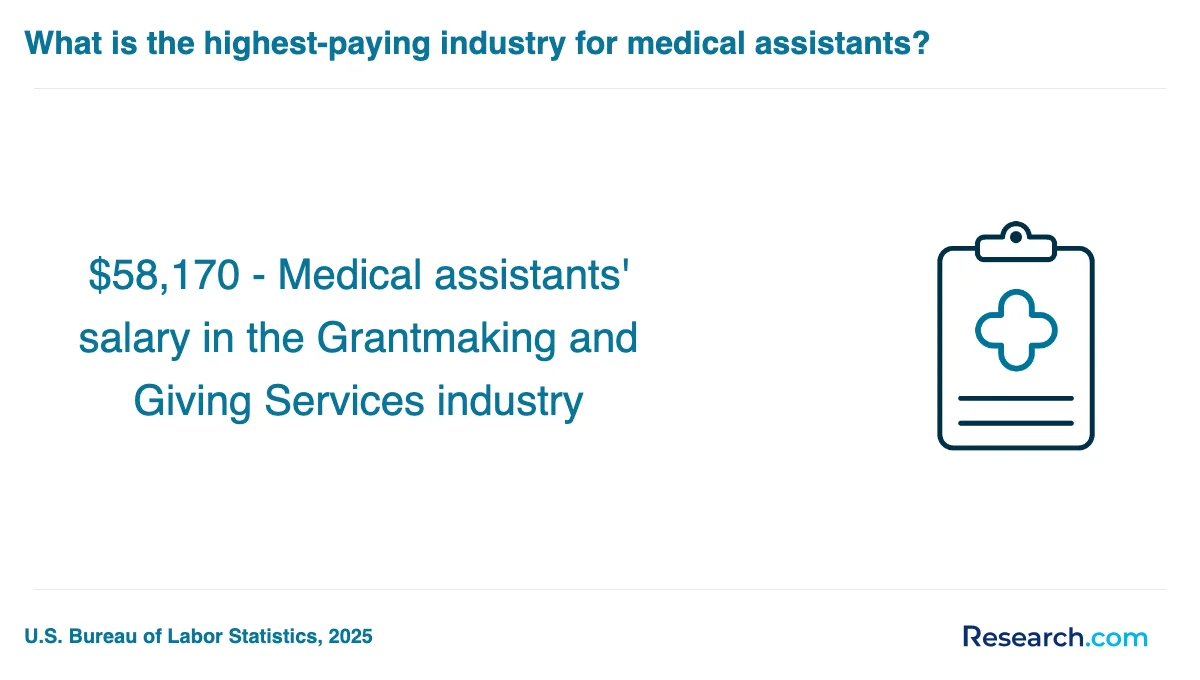
Ohio medical assistant trade school programs dive right into essential courses that build your confidence and competence in healthcare. Graduates often share how starting with human anatomy and physiology opened their eyes to the fascinating workings of the human body-imagine confidently explaining how diseases affect organs during clinical rotations!
Students quickly master medical terminology, turning intimidating jargon into everyday language, which feels like unlocking a secret code in bustling medical offices. Another favorite is pharmacology, where you learn about medications and safe administration-picture yourself accurately assisting nurses with injections or explaining dosages to patients.
On the administrative side, courses in medical office administration, medical law and ethics, and record keeping prepare you to smoothly manage patient files and insurance claims, just like graduates from popular Ohio schools who step confidently into fast-paced clinics.
Hands-on clinical skills are key, including phlebotomy, EKG/ECG, and clinical assisting techniques. Many students love how programs at Ohio trade schools mix classroom learning with real-world practice, sometimes through apprenticeships, making each day an exciting step toward becoming a Certified Clinical Medical Assistant.
Exploring medical assistant program specializations in Ohio reveals an exciting array of focused skill sets that bring both clinical and administrative expertise to life. Graduates from East Ohio College often share stories of mastering phlebotomy techniques, performing EKG tests, and running smooth medical office operations-all within one comprehensive program. This hands-on exposure builds confidence that's incredibly rewarding when stepping into real healthcare settings.
Students enrolled in Ohio medical assistant training focus areas like Ohio Business College or Stark State College find themselves diving into essential administrative skills, including medical billing, coding, and insurance processing. These specializations open doors to patient advocacy and compliance roles, creating a well-rounded career path that matches each student's strengths and interests.
You'll discover programs, such as at Cuyahoga Community College, that blend patient care with office management through supervised practicum experiences, providing a taste of the dual nature of this vibrant profession. Whether your goal is to sharpen clinical skills or hone administrative savvy, understanding these specialties helps guide your journey.
Many Ohio medical assistant graduates leverage their training to tailor careers in pediatrics, geriatrics, or other focused areas by selecting electives or externships that align with their dreams. For insight into the career landscape, consider learning about what is the best place for a certified medical assistant to work, helping you envision your next step after training.
Choosing the best medical assistant programs in Ohio means looking beyond just the curriculum-think about accreditation to ensure your education meets professional standards, like those offered by top trade schools in Cleveland or Columbus. Graduates rave about programs with hands-on clinical experiences, where externships placed in local hospitals or clinics sharpen real-world skills and boost confidence. When students share their excitement about smaller class sizes, it often ties back to schools with a low student-to-faculty ratio, making personal mentorship a reality rather than a dream.
Budget plays a big role too; many find affordable medical assistant schools in Ohio offer scholarships or payment plans that ease the financial journey. Programs that provide job placement assistance leave many graduates feeling hopeful and prepared for what's next. Plus, flexibility is key-working students appreciate evening or weekend classes that fit hectic schedules. For those curious about expanding horizons, exploring travel medical assistant requirements opens doors beyond Ohio's borders.

Graduates from medical assistant trade school programs in Ohio step into a world teeming with medical assistant job opportunities in Ohio. Many find themselves thriving in physicians' offices, outpatient clinics, hospitals, urgent care centers, or laboratories, where the mix of clinical and administrative duties keeps each day fresh and rewarding. Imagine assisting with patient intake in a bustling urban clinic or managing medical records in a cozy rural office-both rich experiences shaping your skillset.
Popular Ohio trade schools report their graduates eagerly embracing roles that include:
- Taking patient vitals and assisting with examinations
- Scheduling appointments and handling insurance paperwork
- Helping labs run smoothly with accurate specimen collection
For those dreaming bigger, advancing from medical assistant to nurse in Ohio is a tangible goal. Many alumni leverage their trade school credits to enter bridge programs for Licensed Practical Nurse (LPN) or Registered Nurse (RN) pathways, elevating their careers. Others diversify by gaining certifications in phlebotomy or EKG technology, opening doors to specialized clinical roles.
Curious about what are the responsibilities of a clinical medical assistant and how they shape your daily work? Check out what are the responsibilities of a clinical medical assistant for an insightful look behind the scenes in healthcare environments.
Medical assistant trade school graduates in Ohio dive into a vibrant job market fueled by leading healthcare giants like Cleveland Clinic and OhioHealth, where demand for skilled support staff is constant. With around 23,210 medical assistants already employed statewide, these graduates often find themselves stepping confidently into roles in outpatient clinics, specialty practices, or bustling community health centers.
Those fresh from popular Ohio trade schools share stories of employers eager to hire and provide on-the-job training, making the transition into the workforce smoother and more exciting. The medical assistant job outlook in Ohio suggests a steady 9% growth by 2030, translating to over 3,000 new jobs that keep the door wide open for new entrants.
Graduates frequently highlight several appealing aspects:
- Starting hourly wages near $19, with opportunities to earn more in urban and specialized settings
- Flexible positions ranging from entry-level clinical support to advanced administrative roles
- Supportive employers offering additional training and sometimes hiring incentives
For those exploring options to boost their credentials, many turn to the cheapest medical assistant certificate online programs for affordable training pathways that complement Ohio's vibrant job scene. Overall, medical assistant employment opportunities Ohio-wide reflect a promising future filled with career growth and hands-on learning.
Most Affordable Medical Assistant Schools & Training - Budget-Friendly Medical Assistant Trade Programs in Ohio for 2026
# 1 position
North Central State College - Allied Health and Medical Assisting Services, Other.
associateNorth Central State College offers a hybrid Allied Health and Medical Assisting Services program, providing some distance-education options. The annual in-state tuition is $4,624. Graduates have a median earning of $34,503 one year after completing the program. This program covers allied health and medical assisting services not specified elsewhere and is accredited by the Higher Learning Commission.
# 2 position
Cuyahoga Community College District - Clinical/Medical Laboratory Assistant.
associateThe Clinical/Medical Laboratory Assistant program at Cuyahoga Community College District prepares students to perform waived testing procedures, phlebotomy, and support laboratory teams under supervision. The hybrid program includes training in clinical procedures, laboratory tests, equipment operation, safety, and communication skills. Annual in-state tuition is $3,736. Graduates have median earnings of $38,335 one year after completion. The program is accredited by the Higher Learning Commission.
# 3 position
Sinclair Community College - Allied Health and Medical Assisting Services, Other.
certificate or diplomaSinclair Community College offers a hybrid program in Allied Health and Medical Assisting Services, Other, providing some distance-education options. The program's annual in-state tuition is $3,435. Graduates have median earnings of $43,380 one year after completion. The program is accredited by the Higher Learning Commission. It covers instructional content not listed in other allied health and medical assisting programs.
# 4 position
Washington State Community College - Allied Health and Medical Assisting Services, Other.
associateWashington State Community College offers a hybrid program in Allied Health and Medical Assisting Services, Other, providing some distance-education options. The program’s annual in-state tuition is $4,128. Graduates have a median earning of $29,810 one year after completion. This instructional program covers allied health and medical assisting services not listed elsewhere. It is accredited by the Higher Learning Commission.
# 5 position
Clark State College - Allied Health and Medical Assisting Services, Other.
associateClark State College offers a hybrid program in Allied Health and Medical Assisting Services, Other, providing some distance-education options. The program's annual in-state tuition is $4,200. Graduates have median earnings of $35,365 one year after completing the program. This instructional program covers allied health and medical assisting services not specified elsewhere. The program is accredited by the Higher Learning Commission.
# 6 position
Cincinnati State Technical and Community College - Allied Health and Medical Assisting Services, Other.
associateCincinnati State Technical and Community College offers a hybrid program in Allied Health and Medical Assisting Services, Other, accredited by the Higher Learning Commission. The annual in-state tuition is $5,400. Graduates of this program have a median earning of $41,891 one year after completion. This program includes some distance-education options and covers instructional content not listed in other allied health and medical assisting services programs.
# 7 position
EHOVE Career Center - Allied Health and Medical Assisting Services, Other.
certificate or diplomaEHOVE Career Center offers a hybrid program in Allied Health and Medical Assisting Services, Other, which includes some distance education options. This program covers instructional content not listed in other allied health and medical assisting categories. It is accredited by the Council on Occupational Education, ensuring recognized standards of quality for students pursuing diplomas or certifications in this field.
# 8 position
Columbiana County Career and Technical Center - Allied Health and Medical Assisting Services, Other.
certificate or diplomaThe Allied Health and Medical Assisting Services, Other program at Columbiana County Career and Technical Center offers a hybrid learning format with some distance education options. It prepares students for various roles in allied health not specifically listed elsewhere. Graduates have median earnings of $26,707 one year after completing the program. The program is accredited by the Council on Occupational Education.
# 9 position
James A. Rhodes State College - Allied Health and Medical Assisting Services, Other.
certificate or diplomaJames A. Rhodes State College offers a program in Allied Health and Medical Assisting Services, Other, accredited by the Higher Learning Commission. This instructional program covers allied health and medical assisting services not specified elsewhere. The annual in-state tuition is $4,657. Specific data on program level, graduation rate, student Pell Grant percentage, and median earnings after completion are not reported.
# 10 position
Marion Technical College - Clinical/Medical Laboratory Assistant.
certificate or diplomaMarion Technical College offers a Clinical/Medical Laboratory Assistant program with a hybrid format, including some distance education. The program prepares students to perform waived testing procedures, phlebotomy, and support laboratory teams under supervision. Coursework covers clinical procedures, laboratory tests, mathematics, technology, equipment operation, sterilization, safety, and communication skills. The annual in-state tuition is $6,475. The program is accredited by the Higher Learning Commission.
Frequently Asked Questions about medical assistant
After completing a medical assistant trade school program in Ohio, it is essential to focus on certification to improve job prospects. The Certified Medical Assistant (CMA) credential, offered by the American Association of Medical Assistants (AAMA), is widely recognized and often preferred by employers. Ohio's job market for medical assistants is projected to grow by 14% from 2022 to 2032, according to the U.S. Bureau of Labor Statistics, indicating increasing demand.
Networking with local healthcare providers and attending job fairs can also enhance employment opportunities. Many Ohio trade schools provide career services, including resume assistance and interview preparation, which students should utilize. Additionally, gaining hands-on experience through externships or internships strengthens practical skills and employer appeal.
Employers in Ohio value a blend of technical and interpersonal skills in medical assistant trade school graduates. According to the Ohio Bureau of Labor Statistics, proficiency in clinical tasks such as taking vital signs, administering injections, and performing EKGs is essential. Strong communication skills are also crucial, as medical assistants often serve as a bridge between patients and healthcare providers.
Attention to detail and familiarity with electronic health records (EHR) systems are increasingly important, reflecting the digitization of healthcare. Additionally, employers seek candidates with the ability to multitask and maintain professionalism in fast-paced medical environments.
Understanding medical terminology and basic anatomy supports accurate documentation and patient care. These skills collectively enhance job readiness and employability in Ohio's competitive healthcare job market.
Finding internships in Ohio relevant to a medical assistant trade school program involves several practical steps. Start by contacting your school's career services or internship coordinator, as many trade schools maintain partnerships with local healthcare providers. According to the Ohio Department of Higher Education, over 60% of medical assistant students secure internships through these established connections.
Additionally, explore healthcare facilities such as hospitals, clinics, and physician offices in your area. Networking with professionals during school events or job fairs can open internship opportunities. The Ohio Hospital Association reports that hospitals in Ohio offer numerous clinical placements annually, benefiting medical assistant students.
Online platforms like the OhioMeansJobs website also list internship openings tailored to medical assisting. Finally, ensure your resume highlights relevant coursework and certifications, which increases your chances of acceptance in competitive programs.
Obtaining a medical assistant diploma from a trade school in Ohio significantly enhances career mobility and advancement opportunities. According to the Ohio Department of Job and Family Services, medical assistants in Ohio enjoy a projected job growth rate of 14% from 2020 to 2030, faster than the average for all occupations. This demand creates a favorable environment for diploma holders.
A diploma signals to employers that a candidate possesses essential clinical and administrative skills, increasing eligibility for entry-level positions with potential for promotion.
Graduates often qualify to take the Certified Medical Assistant (CMA) exam, boosting their job prospects and wage potential. The Ohio Bureau of Labor Statistics reports that certified medical assistants earn a median annual wage approximately 10-15% higher than non-certified peers.
In summary, a medical assistant trade school diploma in Ohio acts as a valuable credential, facilitating upward mobility within healthcare settings.
Ohio offers various part-time job opportunities that can complement medical assistant trade school education effectively. Positions such as medical receptionist, patient care technician, and pharmacy technician provide practical experience while students complete their studies. These roles help develop essential skills in patient interaction, basic clinical procedures, and administrative tasks.
According to the Ohio Department of Job and Family Services, the demand for healthcare support occupations, including medical assistants, is projected to grow by 15% through 2030, reflecting strong job prospects. Part-time work in clinics, hospitals, and pharmacies allows students to build their resumes and network within the local healthcare community.
Additionally, flexible schedules in these roles accommodate class hours, making them ideal for students balancing education and work. Gaining hands-on experience while studying can improve employment outcomes after graduation in Ohio's competitive healthcare market.
To choose the most affordable Medical Assistant degree program near me in Ohio, consider researching local community colleges and vocational schools, which often offer lower tuition rates compared to larger universities. You can use platforms like Research.com to compare tuition costs, program length, and required certifications between different institutions near Ohio. Additionally, visit each program's financial aid office to inquire about scholarships, grants, or work-study options that could further reduce out-of-pocket expenses.
- Most Affordable Medical Assistant Schools & Training - Budget-Friendly Medical Assistant Trade Programs in West Virginia for 2026
- Most Affordable Medical Assistant Schools & Training - Budget-Friendly Medical Assistant Trade Programs in Pennsylvania for 2026
- Most Affordable Medical Assistant Schools & Training - Budget-Friendly Medical Assistant Trade Programs in Michigan for 2026
- Most Affordable Medical Assistant Schools & Training - Budget-Friendly Medical Assistant Trade Programs in Illinois for 2026
- Most Affordable Medical Assistant Schools & Training - Budget-Friendly Medical Assistant Trade Programs in Virginia for 2026
- Most Affordable Medical Assistant Schools & Training - Budget-Friendly Medical Assistant Trade Programs in Tennessee for 2026
- Most Affordable Medical Assistant Schools & Training - Budget-Friendly Medical Assistant Trade Programs in Maryland for 2026
- Most Affordable Medical Assistant Schools & Training - Budget-Friendly Medical Assistant Trade Programs in Georgia for 2026
- Most Affordable Medical Assistant Schools & Training - Budget-Friendly Medical Assistant Trade Programs in New Jersey for 2026
- Most Affordable Medical Assistant Schools & Training - Budget-Friendly Medical Assistant Trade Programs in New York for 2026
- Online Medical Assistant Certificate Program | Self-Paced Course https://www.uscareerinstitute.edu/online-medical-assistant-school
- Medical Assistant Technical Diploma | Northcentral Technical College https://www.ntc.edu/academics-training/programs/all/technical-diploma/medical-assistant
- Medical Assisting Certificate Program | Kaiser Permanente School of Allied Health Sciences https://kpsahs.edu/medical-assisting-certificate-program
- Medical Assistant Training Program | CE https://www.ce.msstate.edu/medical-assistant-training-program
- Medical Assistant - Technical Diploma | Chippewa Valley Technical College https://www.cvtc.edu/academics/programs/medical-assistant
- Online Medical Assistant Program - MedCerts https://medcerts.com/programs/healthcare/medical-assistant
- Medical Assistant Certificate Program https://pmi.edu/on-campus-programs/certificate/medical-assistant/
- Online Medical Assistant Program | CCMA Certification https://www.stepful.com/medical-assistant
- Medical Assistant Program and Courses - CMVC - Your School of Progress | Affordable Healthcare Education https://www.compumed.edu/medical-assistant/
- Medical Assistant Jobs & Certification Programs in Ohio https://www.medassistantedu.org/ohio/ohio-salary/