
Most Affordable Medical Assistant Schools & Training - Budget-Friendly Medical Assistant Trade Programs for 2026

Co-Founder and Chief Data Scientist
Choosing the right medical assistant trade school can feel overwhelming, but finding an affordable program that fits your goals is possible. This article introduces a carefully crafted medical assistant trade school programs ranking created by the Research.com team of data scientists to help guide your decision.
Reading on will give you clear insights into quality programs that offer great value, so you can confidently start your journey. Earning a diploma or certification opens doors to a rewarding healthcare career with stability and growth.
Your future as a medical assistant starts here.
Key benefits of finishing medical assistant trade school in the USA
- Graduates of medical assistant trade schools in the USA can expect starting salaries around $34,000 to $38,000 per year, with opportunities to earn up to $55,000 as they gain experience and certifications.
- Career paths for graduates often include roles in physicians' offices, hospitals, and outpatient clinics, offering a variety of environments to grow professionally and find fulfilling work.
- Completing a medical assistant program online provides flexibility and convenience, allowing students to balance life and learning, as reported by many successful online trade school graduates.
- Most Affordable Medical Assistant Schools & Training - Budget-Friendly Medical Assistant Trade Programs for 2026
- What can I expect from medical assistant trade schools in the USA?
- Where can I work after finishing medical assistant trade schools in the USA?
What can I expect from medical assistant trade schools in the USA?
Enrolling in a medical assistant trade school in the USA means diving into a dynamic mix of classroom lessons, hands-on labs, and real clinical experiences. Imagine yourself at a school like College of the Mainland, where graduates share how they quickly gained confidence taking vital signs and assisting with procedures after just a few months.
Expect to master essential subjects such as medical terminology, anatomy, pharmacology, and insurance billing. Many students find the blend of online and in-person classes perfect for balancing life's demands while moving toward their career goals.
One of the most exciting parts? The externship. Picture spending around 180 hours in a bustling clinic, applying your skills on real patients, building connections, and discovering the fast-paced rhythm of healthcare. Graduates often highlight how this hands-on experience transformed their learning and boosted their job prospects.
Faculty bring real-world expertise, and you'll use high-tech simulation manikins to practice safely. With retention rates above 80% at top schools, you'll be joining a community that supports your success every step of the way.
Where can I work after finishing medical assistant trade schools in the USA?
After completing a medical assistant trade school program in the USA, graduates often find themselves stepping into vibrant healthcare environments full of energy and purpose. Many land jobs in bustling physicians' offices, where they juggle scheduling appointments and assisting with exams-bringing a sense of accomplishment as they directly impact patient care. Graduates from popular trade schools often share excitement about their first day managing patient flow at outpatient clinics, feeling empowered by the fast-paced teamwork.
Others discover rewarding roles in hospitals, supporting surgeries or emergency departments, where every task-from prepping patients to updating records-feels like a vital contribution. The diversity of opportunities keeps the career fresh and engaging.
Some graduates venture into specialty practices like pediatrics or orthopedics, diving deep into patient care for specific groups. Others find their niche in urgent care centers, nursing homes, or even community health organizations, enjoying the variety and meaningful connections they build. The flexibility of this trade school credential opens doors to exciting paths, including roles as medical office coordinators or educators within healthcare settings, fueling lifelong growth and satisfaction.
After finishing a medical assistant trade school program in the USA, many graduates are thrilled to find themselves earning a median annual salary around $44,200, which breaks down to about $21.25 per hour. Imagine starting your first job fresh out of a popular trade school and seeing a paycheck in the range of $34,000 to $38,000 annually-just enough to cover bills and maybe a weekend outing. As you gain experience, that number climbs, with many reaching $40,000 to $44,000 within a few years.
Some graduates from well-known programs in states like Ohio or Tennessee have shared how their salaries reflect the local market-around $40,430 in Ohio or $38,150 in Tennessee-showing how location plays a big role. Plus, working in bustling cities like New York or San Francisco can boost earnings by up to 25%, thanks to the higher demand and living costs.
Many grads feel empowered when specialty clinics or large hospital systems offer higher wages, and those who earn certifications like CMA or RMA often see even better pay. With job growth expected to soar by 15% over the next decade, it's an exciting time to launch a career as a medical assistant in the USA.
- A high school diploma or GED is required to enroll in medical assistant trade school programs.
- Programs offer either a certificate (9-12 months, 30-40 credits) or an associate degree (about two years, 60-75 credits).
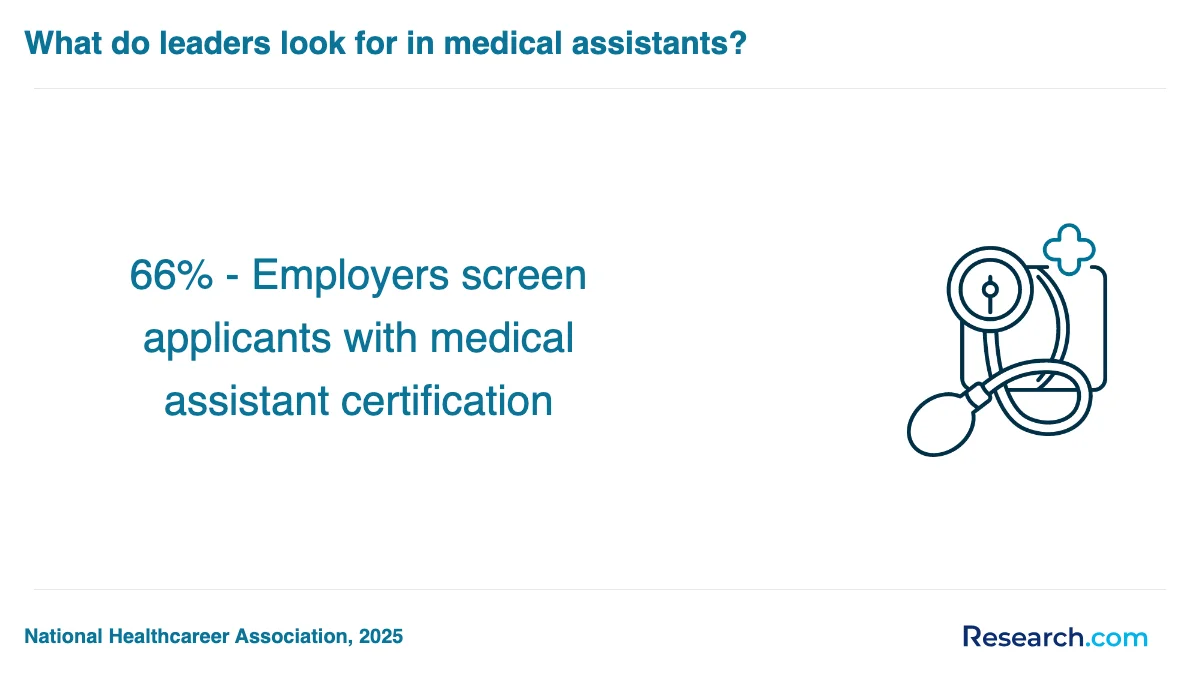
- Accreditation by organizations like CAAHEP is important for certification eligibility and most employers prefer or require certification.
- Tuition costs range from $2,000 to $15,000, with additional expenses for immunizations, insurance, and uniforms.
- The demand for medical assistants is projected to grow 29% by 2026, with job placement rates of 75-80% and exam pass rates around 83%.
- Starting salaries typically range from $34,000 to $40,000 per year, with experienced workers earning up to $50,000 annually.
Completing a medical assistant trade school program in the USA usually takes between 9 months and 1 year, a timeframe that many graduates find both exciting and manageable. Imagine dedicating less than a year to transforming your career path-just like countless students at popular trade schools across the country who balance hands-on training with real-world medical office experience.
One graduate shared how, after just 10 months of immersive learning at a well-known trade school, they were confidently stepping into clinical settings, ready to assist doctors and nurses. The curriculum's pace keeps the adventure alive, with plenty of practical labs and externships that make every day feel like a new discovery.
Trade schools in the USA design these programs to fit busy lifestyles, often offering flexible schedules. This means you can dive into your studies without putting your life on hold-whether you're coming from a different career or jumping straight out of high school. The quick turnaround time is a big win for those eager to start making a difference in healthcare right away.
Imagine juggling a busy schedule while earning your medical assistant certificate-online programs in the USA make this a reality. Graduates from well-known trade schools often share how completing lectures and assignments from home gave them freedom to work or care for family. With tuition typically between $2,000 and $5,000, these programs offer a budget-friendly and flexible path that can be faster than traditional routes.
But medical assisting isn't just theory. Hands-on skills like drawing blood or taking vital signs demand in-person practice. That's why many students at popular trade schools experience hybrid models-studying theory online and then heading to campus labs to master real clinical techniques under expert supervision. This blend satisfies accreditation rules and employer expectations, while still fitting busy lifestyles.
On-campus programs, on the other hand, immerse students fully in a clinical environment. Graduates recall how face-to-face interaction with instructors and peers sharpened their confidence and communication skills, essential for patient care. Handling real equipment and simulating patient scenarios in person creates a dynamic learning adventure that's hard to match online.
Jumping into the adventure of becoming a medical assistant means understanding the average cost of medical assistant programs in the United States, which varies widely depending on the type of program chosen. Certificate programs, often completed in less than a year, can cost anywhere from $1,200 to $20,500. Many graduates from well-known trade schools have shared how these shorter programs provided quick entry into the healthcare field without breaking the bank. For those seeking a deeper dive, diploma programs stretching 10 to 18 months typically run between $3,400 and $27,100, reflecting their more comprehensive curriculum and hands-on training.
Associates degree programs, favored by employers for their thoroughness, usually spread over two years and come with tuition fees ranging from $8,000 to $32,100. Graduates often express confidence in their enhanced skills and job prospects after investing in these programs. But costs don't stop at tuition-students also budget for books, uniforms, certification fees, and other essentials, which can add up quickly.
Institution location and program delivery format also influence tuition fees for medical assistant trade schools across the U.S., with online courses offering affordability and flexibility, generally priced between $1,500 and $5,000. Whether online, hybrid, or in-person, aspiring students find programs that fit their lifestyle and budget.
Curious about the pathway ahead, some explore how many years does it take to become a pediatric medical assistant to align their time and investment goals precisely before enrolling.

Medical assistant trade school students in the USA often discover a treasure trove of financial aid options that make their dreams feel within reach. Imagine enrolling at a popular trade school like Fortis or Kaplan and uncovering federal student aid through the Free Application for Federal Student Aid (FAFSA). Many graduates recall the relief of receiving a Pell Grant, a federal gift that doesn't need repayment, easing the burden of tuition and supplies.
Beyond federal help, institutional aid from schools themselves often provides scholarships tailored for underrepresented groups. For example, some medical assistant programs at career colleges offer scholarships specifically for African-American, Latinx, or Indigenous-American students, which alumni say made their education journey feel supported and inclusive.
Additionally, the American Association of Medical Assistants' Maxine Williams Scholarship Fund offers $1,000 awards to high-achieving students, sparking excitement and motivation among recipients.
Many students also appreciate flexible payment plans, allowing them to manage tuition costs over months without feeling overwhelmed. These combined options create a hopeful path for aspiring medical assistants across the country.
Diving into a medical assistant trade school program in the USA means meeting some straightforward but important prerequisites that set you up for success. Most trade schools expect you to have a high school diploma or a GED, which opens the door to hands-on healthcare training. Imagine walking into a bustling campus in Florida or California, where recent graduates recall how this simple step was their launchpad into a rewarding career.
Beyond the basics, schools often require:
- Proof of immunizations to keep everyone safe in clinical settings
- A background check to ensure trustworthiness around patients
- Sometimes, a basic health screening or physical exam
Some programs might ask for a placement test or an interview, but many students find these to be exciting chances to showcase their eagerness. Graduates from well-known trade schools report that these prerequisites didn't feel like hurdles but rather small gateways that prepared them for the real-world pace of medical assisting. The journey is as much about proving your readiness as it is about embracing a future full of helping others with confidence and care.

Jumping into a medical assistant trade school in the USA, students quickly discover a dynamic mix of courses that blend classroom learning with hands-on experiences. Graduates often recall how foundational classes like Medical Terminology and Anatomy and Physiology felt like unlocking a new language and understanding the human body in ways that made every patient interaction meaningful.
Clinical procedure courses bring the excitement of real-world skills. Imagine confidently drawing blood for the first time or mastering vital signs under the guidance of expert instructors at well-known trade schools. These courses include:
- Phlebotomy and specimen collection
- Basic lab tests such as urinalysis and microbiology
- Assisting with injections and minor surgical procedures
- Electrocardiography and radiology basics
On the administrative side, students thrive while learning medical office procedures, from scheduling to billing and navigating electronic health records. Many graduates share how these lessons made their first day on the job feel manageable and even exciting. Plus, training in medical law and ethics ensures students enter the workforce with confidence in their professional responsibilities.
Finally, the externship experience at a bustling clinic or healthcare facility is where everything clicks. Students describe this phase as thrilling and invaluable-where classroom knowledge meets patient care in a way that truly prepares them for success in the fast-paced US healthcare environment.
Medical assistant trade school programs in the USA offer a vibrant array of medical assistant program specializations in the USA, allowing students to tailor their skills to match healthcare demands. Graduates from popular schools often share excitement about diving into tracks like clinical medical assisting, where hands-on tasks such as taking vital signs and assisting with exams create a fast-paced, rewarding environment in clinics and hospitals.
Others find their calling in the administrative side, mastering scheduling, billing, and electronic health records at institutions known for blending practical training with real-world office dynamics. This division mirrors the common clinical vs administrative medical assistant roles USA, helping students decide if they prefer patient interaction or behind-the-scenes management.
- Clinical Medical Assisting-supporting direct patient care
- Medical Administrative Assisting-handling billing and records
- Medical Lab Assistant-conducting lab tests and specimen collection
- Ophthalmic Assisting-assisting in eye care specialty
- Chiropractor Assistant-supporting chiropractic treatments
Many graduates find the flexibility exciting, switching between roles or advancing quickly. For example, some complete programs at UEI College in as little as ten months, opening doors to various healthcare settings. Curious students can explore how this compares in a detailed emt vs ma career comparison to find their perfect fit within this diverse field.
Choosing the best medical assistant trade school program in the USA means diving into details that truly impact your journey. Graduates from top schools often highlight accreditation as a game-changer; attending a CAAHEP or ABHES accredited program guarantees the curriculum meets industry standards. Imagine yourself mastering medical terminology and clinical procedures, just like many who thrived at community colleges known for affordable medical assistant programs in the USA.
Hands-on experiences through externships at local clinics turn theoretical knowledge into confident care-something seasoned graduates treasure. Faculty with real-world healthcare background makes classes feel like exciting mentorship sessions rather than just lessons, enabling you to connect theory with daily medical office realities.
Looking for flexibility? Many schools offer schedules to fit busy lives, while job placement assistance opens doors to your first healthcare role smoothly. And yes, don't forget about cost and financial aid options-they can make your dream program much more attainable.
Plus, if you're curious whether medical assistants get benefits, explore this insightful resource on do medical assistants get benefits to know what awaits you post-training.
Graduates of medical assistant trade school programs in the USA often leap into dynamic roles that blend clinical care and office administration. Many find themselves thriving in doctors' offices, outpatient centers, or bustling hospitals. Picture a graduate from a top trade school eagerly taking vital signs, assisting with procedures, and managing patient records with joy and precision.
Exploring medical assistant career paths in the USA reveals exciting specialization opportunities. Graduates often pursue certifications to become EKG technicians, phlebotomists, or medical billers, unlocking new challenges and higher pay. Some choose a path focusing on administrative excellence, becoming indispensable medical office assistants or health unit coordinators at large clinics.
Advancement opportunities for medical assistants in the United States are robust and inspiring. Many graduates use their hands-on experience as a launchpad to careers as registered nurses, nurse practitioners, or physician assistants-a profession booming with a projected 27% job growth. Salary prospects also climb impressively; check out the salary of an rma for context. Others step into leadership, managing teams of assistants and administrative staff, shaping healthcare from the inside out.
The medical assistant job outlook in the USA shines brightly for graduates from top trade schools across the country. Many recent graduates from well-known programs describe their journey as a thrilling leap into a field bustling with opportunity. The demand for medical assistants in the United States is growing rapidly, fueled by an expanding healthcare system and an aging population requiring more care. Imagine stepping out of a popular trade school and into a busy outpatient center or telehealth clinic, where your skills are urgently needed and celebrated.
Employment projections indicate a 15% growth through 2033, meaning about 119,800 new job openings annually. Graduates often highlight these key advantages:
- Fast hiring in diverse settings like hospitals, clinics, and urgent care centers
- Median wages around $44,200 with top states offering even more competitive pay
- A strong sense of job stability and career growth
For those eager to fast-track their future, many discover that 6 weeks medical assistant programs provide an exciting path toward swift employment. This soaring demand offers both adventure and security in the evolving medical field.
Most Affordable Medical Assistant Schools & Training - Budget-Friendly Medical Assistant Trade Programs for 2026
# 1 position
Savannah Technical College - Allied Health and Medical Assisting Services, Other.
certificate or diplomaSavannah Technical College offers a hybrid program in Allied Health and Medical Assisting Services, Other, with some distance-education options. The annual in-state tuition is $3,072. Graduates have a median earning of $31,665 one year after completing the program. The program is accredited by the Southern Association of Colleges and Schools Commission on Colleges. It covers instructional content not listed under other allied health and medical assisting categories.
# 2 position
Georgia Northwestern Technical College - Allied Health and Medical Assisting Services, Other.
certificate or diplomaGeorgia Northwestern Technical College offers a hybrid program in Allied Health and Medical Assisting Services, Other, designed for flexible learning. The annual in-state tuition is $3,132. Graduates have a median earning of $27,401 one year after completing the program. This program is accredited by the Southern Association of Colleges and Schools Commission on Colleges. It covers instructional content not listed in other allied health and medical assisting programs.
# 3 position
Oconee Fall Line Technical College - Allied Health and Medical Assisting Services, Other.
certificate or diplomaOconee Fall Line Technical College offers a hybrid program in Allied Health and Medical Assisting Services, Other, accredited by the Southern Association of Colleges and Schools Commission on Colleges. The annual in-state tuition is $3,201. Graduates typically earn a median income of $18,585 one year after completing the program. This instructional program covers allied health and medical assisting services not listed in other specific categories.
# 4 position
North Central State College - Allied Health and Medical Assisting Services, Other.
associateNorth Central State College offers a hybrid Allied Health and Medical Assisting Services program, providing some distance-education options. The annual in-state tuition is $4,624. Graduates have a median earning of $34,503 one year after completing the program. This program covers allied health and medical assisting services not specified elsewhere and is accredited by the Higher Learning Commission.
# 5 position
Indian River State College - Allied Health and Medical Assisting Services, Other.
certificate or diplomaIndian River State College offers a hybrid program in Allied Health and Medical Assisting Services, Other, accredited by the Southern Association of Colleges and Schools Commission on Colleges. The annual in-state tuition is $2,764. Graduates of this program have median earnings of $31,062 one year after completion. This program provides instruction in allied health and medical assisting services not specified in other categories.
# 6 position
Southeastern Technical College - Allied Health and Medical Assisting Services, Other.
certificate or diplomaSoutheastern Technical College offers a hybrid program in Allied Health and Medical Assisting Services, Other, providing some distance-education options. The annual in-state tuition is $3,172. Graduates have median earnings of $26,324 one year after completion. The program is accredited by the Southern Association of Colleges and Schools Commission on Colleges. It covers instructional content in allied health and medical assisting services not listed elsewhere.
# 7 position
Cuyahoga Community College District - Clinical/Medical Laboratory Assistant.
associateThe Clinical/Medical Laboratory Assistant program at Cuyahoga Community College District prepares students to perform waived testing procedures, phlebotomy, and support laboratory teams under supervision. The hybrid program includes training in clinical procedures, laboratory tests, equipment operation, safety, and communication skills. Annual in-state tuition is $3,736. Graduates have median earnings of $38,335 one year after completion. The program is accredited by the Higher Learning Commission.
# 8 position
West Georgia Technical College - Allied Health and Medical Assisting Services, Other.
certificate or diplomaWest Georgia Technical College offers a hybrid program in Allied Health and Medical Assisting Services, Other, providing some distance-education options. The annual in-state tuition is $3,122. Graduates have a median earning of $28,477 one year after completion. The program is accredited by the Southern Association of Colleges and Schools Commission on Colleges. It covers instructional content not listed in other allied health and medical assisting programs.
# 9 position
Atlanta Technical College - Allied Health and Medical Assisting Services, Other.
certificate or diplomaAtlanta Technical College offers a hybrid program in Allied Health and Medical Assisting Services, Other, providing some distance-education options. The annual in-state tuition is $3,164. Graduates have median earnings of $27,997 one year after completing the program. This program is accredited by the Southern Association of Colleges and Schools Commission on Colleges. It covers instructional content not listed in other allied health and medical assisting programs.
# 10 position
North Georgia Technical College - Allied Health and Medical Assisting Services, Other.
certificate or diplomaNorth Georgia Technical College offers a hybrid program in Allied Health and Medical Assisting Services, Other, providing some distance-education options. The annual in-state tuition is $3,162. Graduates earn a median income of $28,906 one year after completing the program. The program is accredited by the Southern Association of Colleges and Schools Commission on Colleges. It covers instructional content not listed in other allied health and medical assisting programs.
Frequently Asked Questions about medical assistant
After completing a medical assistant trade school program in the USA, preparing for the job market requires focused steps. First, obtaining certification, such as the Certified Medical Assistant (CMA) credential from the American Association of Medical Assistants (AAMA), significantly improves employment prospects. According to the U.S. Bureau of Labor Statistics, certified medical assistants tend to earn higher wages and have better job security.
Next, building a strong resume highlighting clinical skills, externship experience, and any specialized training is essential. Networking through professional organizations and attending job fairs can also open doors to employment opportunities.
Finally, staying informed about healthcare industry trends and continuing education helps graduates remain competitive in a rapidly evolving job market.
Employers in the USA highly value medical assistant graduates who demonstrate strong clinical and administrative skills. According to the U.S. Bureau of Labor Statistics, proficiency in patient care, such as taking vital signs and preparing patients for exams, is essential. Additionally, knowledge of electronic health record (EHR) systems is increasingly important, as many medical offices rely on digital documentation.
Communication skills rank among the top qualities sought by employers. Medical assistants must effectively interact with patients and healthcare teams. The Medical Assistant Certification Board highlights that organizational abilities and multitasking are also critical for managing the fast-paced clinical environment.
Basic understanding of medical terminology and HIPAA compliance ensures graduates meet industry standards and regulatory requirements. These skills contribute to better job performance and career advancement opportunities in the healthcare sector.
Finding internships relevant to medical assistant trade school programs in the USA involves several practical steps. Start by consulting your school's career services, as many trade schools have partnerships with local clinics and hospitals. According to the American Association of Medical Assistants (AAMA), internships often provide hands-on experience required for certification exams.
Another effective approach is to contact healthcare facilities directly, including outpatient centers and physician offices, where medical assistants commonly work. Online job boards like Indeed and CareerBuilder also list internship opportunities, but verify that they align with your program's clinical requirements.
Networking through professional organizations such as AAMA can increase your chances of finding quality internships. The US Bureau of Labor Statistics notes that practical experience gained through internships improves employability significantly in this field.
Obtaining a medical assistant trade school diploma in the USA significantly enhances career mobility and advancement opportunities. According to the U.S. Bureau of Labor Statistics, employment for medical assistants is projected to grow 16% from 2021 to 2031, much faster than the average for all occupations. This demand creates a favorable job market for diploma holders.
Graduates with a diploma often qualify for entry-level positions in clinics, hospitals, and private practices, gaining practical experience quickly. Many employers prefer candidates with formal training, which can lead to higher starting salaries compared to on-the-job training.
Additionally, diploma programs typically include certifications such as Certified Medical Assistant (CMA), which further improve job prospects and potential for promotions. These credentials are recognized nationwide, allowing graduates to seek employment across states, supporting geographic mobility.
Trade school diplomas can also serve as a foundation for further education, such as nursing or healthcare administration, expanding long-term career pathways. Overall, a medical assistant diploma provides a clear advantage in entering and progressing within the healthcare sector in the USA.
Part-time job opportunities can significantly enhance the education of students enrolled in medical assistant trade schools in the USA. Common roles include medical receptionist, pharmacy technician assistant, and patient care aide. These positions provide practical experience in healthcare settings, improving both clinical and administrative skills.
According to the U.S. Bureau of Labor Statistics (BLS), medical assistants held about 702,600 jobs in 2022, with many employers valuing hands-on experience. Part-time work in clinics or hospitals allows students to apply classroom knowledge while building professional networks. Additionally, roles such as medical billing clerk or health unit coordinator can complement learning by focusing on healthcare documentation and patient interaction.
Such part-time jobs often offer flexible hours, fitting well with trade school schedules. They also help students develop soft skills like communication and organization, which are crucial in medical assistant careers.
- 6 Things to Look For in Medical Assistant Programs | CALRegional https://calregional.com/blog/6-things-to-look-for-in-medical-assistant-programs/
- Finding the Right Medical Assistant Training Program | CHCP https://www.chcp.edu/blog/how-to-find-the-right-medical-assistant-training-program/
- How to Choose the Best Medical Assisting Program https://ths.edu/how-to-choose-the-best-medical-assisting-program/
- 7 Questions to Ask When Choosing a Medical Assistant School https://www.dorsey.edu/blog/7-important-questions-to-ask-before-you-choose-a-medical-assistant-school/
- What to Look for in a Medical Assistant Program - Campus https://campus.edu/blog/medical-assisting/what-to-look-for-in-a-medical-assistant-program
- How to Choose the Best Medical Assisting Program | Brookline https://www.brooklinecollege.edu/blog/how-to-choose-the-best-medical-assisting-program/
- 9 Tips to Help You Choose the Right Medical Assistant Training Program - InterCoast Colleges https://intercoast.edu/articles/medical-assistant-training/
- Choosing a Medical Assistant Program – Prism Career Institute https://prismcareerinstitute.edu/blog/important-questions-when-considering-medical-assistant-programs/
- Factors When Selecting a Medical Assistant Training Program https://www.athenacareers.edu/5-key-factors-to-consider-when-selecting-a-medical-assistant-training-program/
- How To Choose the Right Medical Assistant School In Dallas, Texas? https://dallasmedicalassistant.com/2023/01/17/how-to-choose-the-right-medical-assistant-school-in-dallas-texas/


