Best Medical Assistant Training Programs & Trade Schools - Top Medical Assistant Schools in California for 2026

Co-Founder and Chief Data Scientist
Choosing the right medical assistant trade school in California can feel overwhelming, but it’s a crucial step toward a rewarding healthcare career. This article offers a carefully crafted medical assistant trade school programs ranking created by the Research.com team of data scientists to guide you in making an informed decision.
By exploring this ranking, you’ll discover programs that balance quality education and practical skills, helping you earn a valuable diploma or certification. Whether you’re starting fresh or seeking a career change, this guide is designed to support your goals and boost your confidence in finding the best fit for your future.
Key benefits of finishing medical assistant trade school in California
- Graduates from medical assistant trade schools in California can expect an average hourly wage around $20 to $24, with annual salaries near $48,050, making it a rewarding career choice in a high-demand field.
- A graduate from a popular California trade school often finds diverse career paths, including roles in hospitals, clinics, or specialized medical offices, offering flexibility and growth opportunities.
- Completing a medical assistant program online provides convenience and faster completion times, as seen with graduates from well-known online schools, allowing you to balance study with life and start working sooner.
- Best Medical Assistant Training Programs & Trade Schools - Top Medical Assistant Schools in California for 2026
- What can I expect from medical assistant trade schools in California?
- Where can I work after finishing medical assistant trade schools in California?
What can I expect from medical assistant trade schools in California?
Students enrolling in medical assistant trade school programs in California can expect a blend of rigorous classroom instruction and immersive hands-on training. Popular programs, like those at Poway Adult School, divide learning into clear phases-starting with a 12-week administrative module focused on appointment scheduling and billing, followed by a 16-week clinical module where students practice vital signs and specimen collection, then culminating in a 160-hour externship in a real healthcare setting.
Graduates often describe the externship as a pivotal experience, boosting confidence by applying skills in hospitals or clinics under professional supervision. Coursework covers essential topics such as anatomy, medical terminology, pharmacology, and electronic health record management, ensuring students gain comprehensive knowledge.
Students appreciate how programs typically last around nine months, striking a balance between thorough preparation and efficient completion. Many feel motivated by knowing certification exams like the CMA or RMA are accessible post-graduation, enhancing their job prospects in California's rapidly growing healthcare industry.
Where can I work after finishing medical assistant trade schools in California?
After finishing a medical assistant trade school program in California, graduates typically find diverse employment opportunities across the state's healthcare system. Many secure positions in outpatient clinics, physician offices, and community health centers, where they perform clinical tasks like taking vital signs and assisting with exams, as well as administrative duties such as managing patient records. Graduates often share how rewarding it feels to contribute directly to patient care and clinic efficiency in these fast-paced environments.
Hospitals, especially outpatient departments and specialty clinics, are also common employers. Medical assistants from California trade schools report satisfaction working in pediatric and primary care clinics, helping doctors and ensuring smooth patient flow. Some graduates highlight the unique experience of supporting public health departments, engaging in immunization drives and community outreach programs.
Other career paths include correctional healthcare facilities and specialty practices like dermatology or oncology, where medical assistants assist with focused clinical procedures. Clinical research centers also hire graduates to manage data and support protocols. With over 3,000 job listings statewide as of early 2025, the outlook is promising for new medical assistant graduates from California trade schools.
Graduates from medical assistant trade school programs in California typically start with an average annual salary of about $48,050, which is well above the national average. For many who completed their training at popular California trade schools, this salary reflects both the strong demand for healthcare workers and the state's higher living costs.
In busy metropolitan areas like Los Angeles, graduates often see starting salaries near $50,425. This means a recent graduate working full-time can expect to earn between $43,000 and $50,000 annually, depending on location and employer. Those earning hourly wages usually receive between $22 and $24 per hour, with certified medical assistants reaching the top of this range at about $24.17 per hour.
Many graduates share positive experiences of quickly finding employment and feeling valued for their certification and skills. Trade schools in California emphasize practical skills that help students confidently enter the workforce, often leading to wage increases as experience and specialized certifications grow.
- Admission typically requires a high school diploma or equivalent and may include prerequisite courses like medical terminology and basic anatomy.
- Programs usually last under a year, with some completing in about 29 weeks including a 160-hour externship.
- Tuition costs range from $5,000 to $15,000, though some nonprofit programs may cover up to $8,000 for eligible students.
- Certification is not required by California but is preferred by employers; most programs prepare students for national exams like CMA or CMAC.
- The average annual salary for medical assistants in California is around $45,000, with entry-level pay starting near $38,000 and experienced workers earning $50,000 or more.
Completing a medical assistant trade school program in California typically takes between six months and one year, depending on the school's curriculum intensity and whether students attend full-time or part-time. Graduates from popular trade schools in California often share how the accelerated pace allowed them to enter the workforce quickly, balancing hands-on training with classroom instruction.
For example, students at well-known California trade schools describe immersive schedules that combine clinical externships with medical office procedures, making the learning experience dynamic and practical. Many find motivation in the program's clear timeline, which helps them envision starting a rewarding healthcare career within months.
Part-time students appreciate the flexibility to work or manage family commitments while progressing steadily toward certification. These trade schools emphasize real-world skills and patient interaction, which graduates recall as both challenging and exciting, reinforcing their confidence as they prepare for state certification exams.
The primary difference between online and on-campus medical assistant trade school programs in California lies in the delivery of coursework and practical training. Online programs provide flexibility, allowing students to complete lectures and assignments remotely, which suits those balancing work or family. However, graduates often share that mastering clinical skills-like drawing blood or taking vital signs-requires in-person labs or externships, a component Herzing University incorporates through its hybrid model.
On-campus programs, found at popular California trade schools, offer face-to-face instruction with immediate feedback and hands-on practice daily. Graduates appreciate the structured environment and direct access to instructors, which fosters confidence during clinical training and builds professional connections.
Both formats cover the same curriculum and typically take 9-12 months to complete. Cost varies: online programs range from $1,500 to $5,000, while on-campus tuition can be $2,500 to $20,000 annually. Regardless of format, in-person clinical experience remains mandatory before graduation, ensuring readiness for medical assistant roles.
The average tuition for medical assistant programs in California varies significantly depending on the type of institution. Community colleges remain the most budget-friendly option, with graduates often paying around $2,500 for certificate programs that include textbooks and hands-on clinical experience. These affordable programs allow students to enter the workforce with confidence and less financial pressure. On the other hand, vocational and technical schools generally charge between $8,000 and $12,000. For example, graduates from the Kaiser Permanente School of Allied Health Sciences recall that the 12-month program, priced around $7,473, equipped them with practical skills and a competitive edge upon completion.
Private colleges and universities in California tend to be the most expensive, with tuition costs ranging from $10,000 up to $23,000. UCLA Health's comprehensive Medical Assistant Program, which spans four quarters, is an example where students invest more but gain access to advanced resources and networking opportunities. It's important to note that total expenses for medical assistant training in California include extra costs such as textbooks, uniforms, and certification exam fees, which can add between $350 and $1,500 to the overall budget.
Many students benefit from financial aid options that ease upfront costs, enabling a smoother path through their training. Those seeking career specialization or wanting to understand how to be a pediatric medical assistant can find tailored programs within these schools. Graduates often describe a sense of accomplishment and readiness due to combining affordable tuition with valuable practical experience.
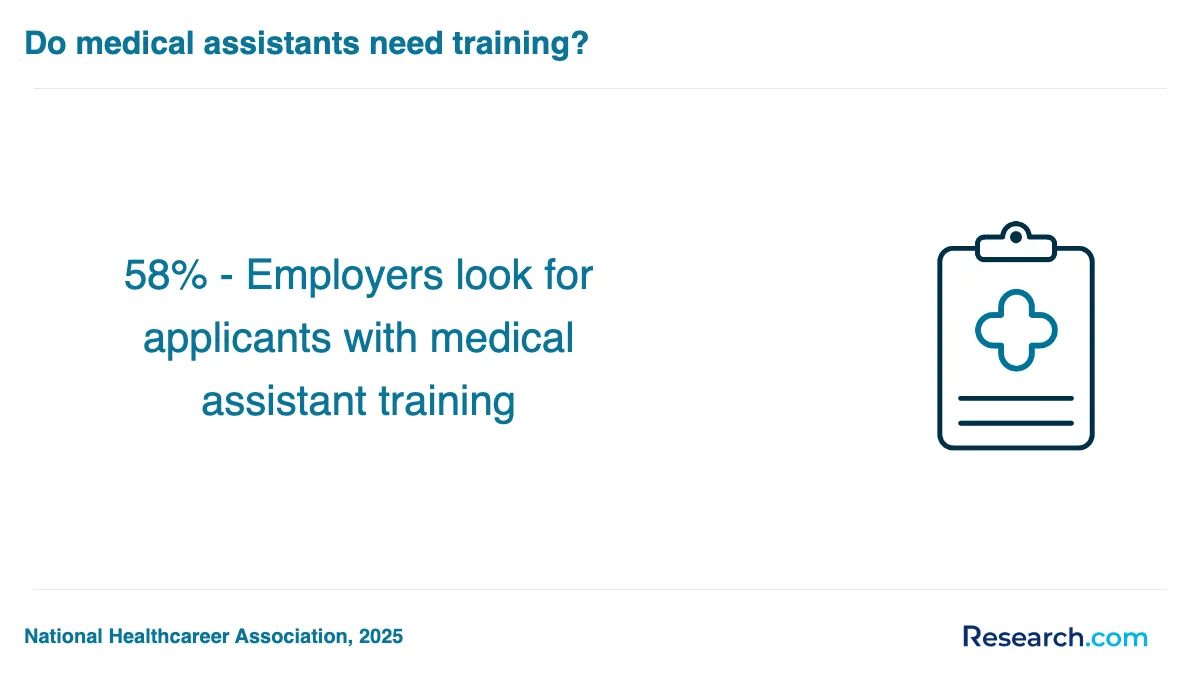
Medical assistant trade school students in California often rely on a combination of federal aid, state grants, scholarships, and workforce programs to manage tuition costs. Graduates from well-known schools such as BAMA have shared how the Free Application for Federal Student Aid (FAFSA) unlocks access to Pell Grants, which can provide up to $7,395 annually without repayment obligations, easing financial stress significantly.
California's Allied Health Scholarship Program offers up to $8,000 each year for eligible students committed to serving underserved communities, a lifeline mentioned by many recent graduates striving to balance education and work. Private scholarships, like the Maxine Williams Scholarship Fund awarding $1,000 to students with strong GPAs, and the Alice Newell Joslyn Medical Fund supporting Latino students, also help reduce out-of-pocket expenses.
Workforce grants through the WIOA program provide crucial tuition support for students facing economic challenges. Many trade school advisors in California proactively guide students through these options, making financial aid feel accessible and empowering for those pursuing a career in healthcare.
To enroll in a medical assistant trade school program in California, applicants typically need to meet several key prerequisites that ensure readiness for both the academic and practical demands of the field. Most programs require a high school diploma or GED, which serves as the foundational credential for admission.
Additional requirements often include:
- Proof of immunizations and a recent physical exam, reflecting the health and safety standards necessary for clinical environments.
- Background checks and drug screenings, as many programs partner with healthcare facilities where these clearances are mandatory.
- Basic proficiency in English and math skills, essential for effective communication and accurate medical record handling.
Graduates from well-known California trade schools report that meeting these prerequisites allowed them to confidently engage with hands-on training early in their studies, boosting their motivation and sense of achievement.
For example, students at prominent institutions like those in Los Angeles or San Diego highlight that completing a background check gave them peace of mind, knowing they met professional standards from day one. This preparation makes the transition into clinical externships smoother and fosters positive engagement with instructors and patients alike.

Medical assistant trade school programs in California typically include a balanced mix of administrative and clinical courses designed to prepare students for diverse healthcare roles. Graduates often recall starting with core courses in medical terminology, anatomy, and physiology, which helped them confidently communicate in clinical settings and understand patient conditions clearly.
Administrative training is another key component, featuring courses such as:
- Medical office procedures
- Billing and coding
- Medical records management
- Appointment scheduling
Many students found hands-on practice with electronic health records (EHR) systems particularly empowering, as it directly mirrored front-office work in busy California clinics.
On the clinical side, programs emphasize practical skills like measuring vital signs, basic lab procedures, and medication administration. Graduates frequently mention the value of learning phlebotomy and EKG techniques through simulation labs, which boosted their confidence before externships.
Courses in medical law and ethics are also standard, equipping students with knowledge about patient privacy and professional conduct-crucial for navigating real-world healthcare environments.
These detailed coursework structures, common at popular California trade schools, reflect employer expectations and help students transition smoothly into entry-level medical assistant roles.
Medical assistant trade school programs in California typically offer diverse medical assistant program specializations in California to equip students with practical skills tailored to specific healthcare roles. Popular programs at institutions like bamasf.edu and missioncareercollege.com highlight specializations such as:
- Phlebotomy Technician: Graduates gain confidence in blood collection techniques essential in labs and hospitals.
- EKG Technician: Training focuses on performing and interpreting EKG tests, valuable for cardiology departments.
- Medical Billing and Coding: Students develop expertise in managing medical records and insurance processing, key for administrative positions.
- Clinical Medical Assistant: This prepares students to assist with exams, medications, and lab work, enhancing direct patient care skills.
- Administrative Medical Assistant: Skills in appointment scheduling and office management are emphasized to support healthcare operations efficiently.
These specializations reflect California medical assistant training options that align with employer demand. Graduates from these programs report feeling well-prepared for real clinical environments, often citing how specialized training opens diverse career paths. For those wondering what can you do as a certified medical assistant, these targeted programs create a strong foundation to meet evolving healthcare needs.
Choosing the best accredited medical assistant programs in California starts with verifying accreditation by CAAHEP or ABHES, as graduates from these programs report feeling confident entering the workforce with nationally recognized credentials. A graduate from a well-known community college in Southern California shared how the balanced mix of classroom instruction and hands-on clinical training, including supervised externships at local clinics, was crucial to their success and job readiness.
When comparing programs, consider how to compare California medical assistant schools by examining the transferability of credits, especially if you plan to advance your education later. Many technical colleges offer flexible schedules and financial aid, which helped a graduate from a Bay Area trade school complete their diploma while working full-time, boosting their morale and career prospects.
Certification preparation is essential even if optional in California; programs that prepare you for CMA or CCMA exams greatly improve employability. For those seeking career growth, exploring the best medical assistant to lpn bridge program online can be a logical next step after completing a trade school program.
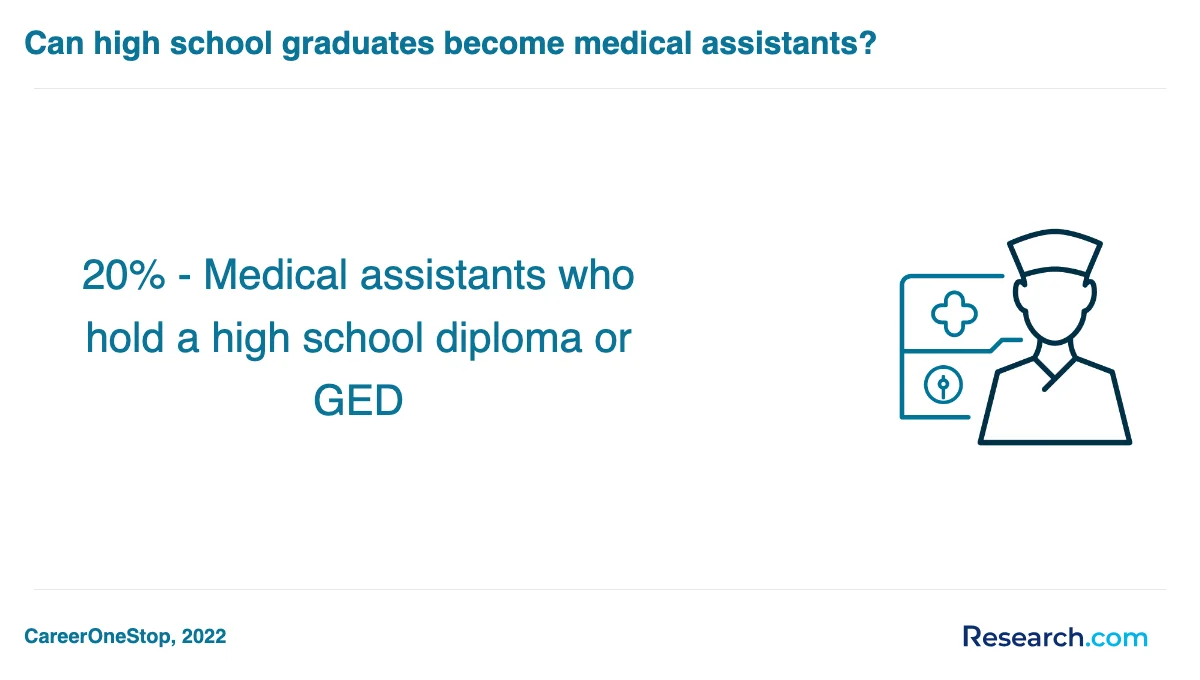
Graduates of medical assistant trade school programs in California find diverse career paths tailored to their skills and interests. Many step directly into clinical and administrative roles across private practices, hospitals, and outpatient care centers, where the demand remains high. Popular trade schools equip graduates for environments ranging from bustling urban hospitals to suburban clinics, enhancing flexibility in employment.
Specializing in fields like podiatry, optometry, or pediatrics allows graduates to elevate their expertise and income potential. Real-life experiences from California trade school alumni highlight advancement paths for California medical assistant graduates, such as moving into supervisory roles like clinical supervisor or office manager after gaining experience and certifications.
Certification, while not mandated by the state, is often rewarded by employers and frequently pursued by graduates from renowned programs. Many enroll in certified medical assistant 6 week programs to boost job prospects and achieve faster career growth.
Furthermore, the foundation laid by these programs supports transitions into broader healthcare roles such as nursing or healthcare administration, reflecting expanding medical assistant career opportunities in California.
The medical assistant job outlook in California remains highly favorable, especially for graduates from reputable trade schools. Rapid growth in the healthcare sector, driven by an aging population and expanding outpatient services, has created steady demand for qualified medical assistants. Graduates from popular programs in cities like Sacramento and Los Angeles often find about 270 new job openings per month in these markets alone. Many report starting with competitive salaries, frequently exceeding $43,000 annually, reflecting California's higher wage standards compared to the national average.
Employment trends California-wide show that securing entry-level roles in hospitals, private practices, or clinics is increasingly accessible. Trade school graduates highlight how specialized training and certification give them a distinct advantage in these settings. Key benefits they mention include:
- Strong job security with projected growth of 15 percent nationally through 2033
- Opportunities for rapid career advancement due to evolving medical roles
- Salary potential rising with experience and additional certifications
For those wondering about practical distinctions in allied health roles, understanding the key differences between an emt and ma adds clarity. Knowing these nuances increases confidence in career choices and enhances employability after completing a medical assistant trade school program in California.
Best Medical Assistant Training Programs & Trade Schools - Top Medical Assistant Schools in California for 2026
# 1 position
ATA College - Clinical/Medical Laboratory Assistant.
associateThe Clinical/Medical Laboratory Assistant program at ATA College prepares students to perform waived testing procedures, phlebotomy, and support laboratory teams under professional supervision. Instruction covers clinical procedures, laboratory tests, mathematics, computer technology, equipment operation, sterilization, safety, and communication skills. The hybrid program is accredited by the Council on Occupational Education. Graduates have a median earning of $28,599 one year after completion.
# 2 position
Skyline College - Allied Health and Medical Assisting Services, Other.
associateSkyline College offers a hybrid program in Allied Health and Medical Assisting Services, Other, which includes some distance-education options. The program’s annual in-state tuition is $1,332. It is accredited by the Western Association of Schools and Colleges Accrediting Commission for Community and Junior Colleges. This program covers instructional content in allied health and medical assisting services not listed in other specific categories.
# 3 position
California Institute of Medical Science - Clinical/Medical Laboratory Assistant.
certificate or diplomaThe Clinical/Medical Laboratory Assistant program at California Institute of Medical Science offers a hybrid format with some distance-education options. It trains students to perform waived testing procedures, phlebotomy, and support laboratory teams under supervision. The curriculum covers clinical procedures, laboratory tests, mathematics, computer technology, equipment maintenance, sterilization, safety, and communication skills. Graduates have median earnings of $27,804 one year after completion. The program is accredited by the Council on Occupational Education.
# 4 position
Summit College - Allied Health and Medical Assisting Services, Other.
certificate or diplomaSummit College offers a hybrid program in Allied Health and Medical Assisting Services, Other, which includes some distance-education options. The median earnings of students one year after completing this program are $23,181. This program is accredited by the Accrediting Council for Continuing Education & Training. It covers instructional content in allied health and medical assisting services not listed in other specific categories.
Frequently Asked Questions about medical assistant
After completing a medical assistant trade school in California, preparing for the job market involves several key steps. First, obtaining certification such as the Certified Medical Assistant (CMA) through the American Association of Medical Assistants enhances employability. California employers often prefer candidates with formal certification and hands-on clinical experience.
Networking is important; joining professional organizations like the California Medical Assistants Association can provide job leads and mentorship. Additionally, tailoring your resume to highlight specific skills gained during training, including administrative and clinical tasks, improves your chances.
California's Employment Development Department projects a 12% growth in medical assistant jobs from 2022 to 2032, reflecting steady demand. Finally, researching local healthcare facilities and applying early can give graduates a competitive edge.
Employers in California highly value medical assistant graduates who combine clinical proficiency with strong interpersonal skills. According to the California Employment Development Department, key technical skills include phlebotomy, EKG administration, and electronic health records (EHR) management. Mastery of these tasks ensures efficient patient care and accurate documentation.
Communication abilities are equally important. Medical assistants must effectively interact with patients and healthcare teams, demonstrating empathy and clarity. The Bureau of Labor Statistics highlights that teamwork and adaptability are crucial in the fast-paced medical environment.
In addition, attention to detail and knowledge of medical terminology are essential for reducing errors and improving patient outcomes. Overall, a balance of technical and soft skills optimizes job readiness in California's healthcare sector.
Finding internships relevant to medical assistant trade school programs in California involves several strategic steps. First, students should explore partnerships that their trade schools have with local healthcare providers, as many schools facilitate internship placements directly. According to the California Employment Development Department, healthcare facilities in the state offer numerous internship opportunities to support workforce development.
Additionally, students can contact community clinics, hospitals, and private practices in their area to inquire about available internships. Networking through professional associations such as the American Association of Medical Assistants can also be valuable. Online job portals like CalJOBS list internship openings specific to medical assisting roles in California. Starting early and maintaining professional communication increases the chances of securing relevant internships.
Obtaining a medical assistant trade school diploma in California significantly enhances career mobility. The California Employment Development Department reports that medical assistants are among the fastest-growing occupations in the state, with a projected growth rate of 19% from 2022 to 2032. A diploma provides essential skills and credentials that meet employer requirements, increasing job opportunities in diverse healthcare settings.
Diploma holders often qualify for higher entry-level wages compared to uncertified individuals. According to the U.S. Bureau of Labor Statistics, California medical assistants earn a median wage of approximately $19.50 per hour, with potential for advancement into supervisory roles or specialized clinical positions.
Many employers prefer candidates with formal training, which can also facilitate eligibility for certification exams, further boosting career prospects. This credential can be a critical step toward long-term professional growth within California's healthcare industry.
Students enrolled in medical assistant trade schools in California can benefit from various part-time job opportunities that complement their education. Common roles include medical receptionist, phlebotomy technician, and patient care assistant. These positions provide practical experience with clinical and administrative tasks, helping students build skills relevant to medical assisting.
According to the U.S. Bureau of Labor Statistics (2023), California employs over 100,000 medical assistants, with an average hourly wage of approximately $19.50. Part-time work in healthcare facilities, clinics, and physician offices can enhance both knowledge and employability. Gaining hands-on experience while studying also helps students network within the healthcare industry.
Additionally, roles such as medical billing clerk or health information technician offer exposure to medical office systems, complementing the administrative side of medical assistant training. These opportunities can improve students' resumes and prepare them for full-time positions after graduation.
To choose the best Medical Assistant degree program near you, start by researching accredited programs, paying close attention to the curriculum and the success rate of graduates in finding employment. Consider factors like tuition fees, location, and available resources by visiting various campuses or virtual tours near California. Utilizing tools like Research.com can guide you in comparing programs and finding the one that aligns with your career goals and logistical needs.
- Best Medical Assistant Training Programs & Trade Schools - Top Medical Assistant Schools in Oregon for 2026
- Best Medical Assistant Training Programs & Trade Schools - Top Medical Assistant Schools in Idaho for 2026
- Best Medical Assistant Training Programs & Trade Schools - Top Medical Assistant Schools in Utah for 2026
- Best Medical Assistant Training Programs & Trade Schools - Top Medical Assistant Schools in Washington for 2026
- Best Medical Assistant Training Programs & Trade Schools - Top Medical Assistant Schools in New Mexico for 2026
- Best Medical Assistant Training Programs & Trade Schools - Top Medical Assistant Schools in Montana for 2026
- Best Medical Assistant Training Programs & Trade Schools - Top Medical Assistant Schools in Texas for 2026
- Best Medical Assistant Training Programs & Trade Schools - Top Medical Assistant Schools in Arkansas for 2026
- Best Medical Assistant Training Programs & Trade Schools - Top Medical Assistant Schools in Louisiana for 2026
- Best Medical Assistant Training Programs & Trade Schools - Top Medical Assistant Schools in Illinois for 2026
- Common Medical Assistant Courses (& What to Expect in Them) https://www.stepful.com/post/medical-assistant-courses
- Online Medical Assistant Certificate Program | Self-Paced Course https://www.uscareerinstitute.edu/online-medical-assistant-school
- Medical Assistant Schools | Flexible and Comprehensive Training https://www.trade-schools.net/health-care/medical-assistant
- Medical Assistant Technical Diploma | Northcentral Technical College https://www.ntc.edu/academics-training/programs/all/technical-diploma/medical-assistant
- Medical Assistant Certificate Program https://pmi.edu/on-campus-programs/certificate/medical-assistant/
- Medical Assistant Program and Courses - CMVC - Your School of Progress | Affordable Healthcare Education https://www.compumed.edu/medical-assistant/
- Online Medical Assistant Program - MedCerts https://medcerts.com/programs/healthcare/medical-assistant
- Medical Assisting Certificate Program | Kaiser Permanente School of Allied Health Sciences https://kpsahs.edu/medical-assisting-certificate-program
- Medical Assistants https://www.bls.gov/oes/2023/may/oes319092.htm
- Medical assistant salary in California ‐ CareerExplorer https://www.careerexplorer.com/careers/medical-assistant/salary/california/