
Most Affordable HVAC Technician Schools & Training - Budget-Friendly HVAC Trade Programs in Utah for 2026

Co-Founder and Chief Data Scientist
Choosing the right HVAC technician trade school in Utah can feel overwhelming, but finding an affordable and quality program is key to your success. This article features a HVAC technician trade school programs ranking created by the Research.com team of data scientists to help you make an informed decision.
Whether you’re starting a new career or upgrading your skills, earning a diploma or certification opens doors to rewarding opportunities. Reading this guide will give you confidence and clarity as you explore your options for 2026.
Take the first step toward a bright future in HVAC with the right education tailored to your needs.
Key benefits of finishing HVAC technician trade school in Utah
- Graduates of HVAC technician trade schools in Utah can expect starting salaries around $33,129 per year, with experienced technicians earning up to $83,236 annually, offering a strong return on investment.
- Career paths include roles in residential and commercial HVAC services, maintenance, and specialized positions, as seen with graduates from popular Utah trade schools who quickly find diverse job opportunities.
- Completing an HVAC program online offers flexibility and convenience, allowing students to balance work and study, as demonstrated by successful online trade school graduates in Utah who enter the workforce faster without sacrificing quality education.
- Most Affordable HVAC Technician Schools & Training - Budget-Friendly HVAC Trade Programs in Utah for 2026
- What can I expect from HVAC technician trade schools in Utah?
- Where can I work after finishing HVAC technician trade schools in Utah?
What can I expect from HVAC technician trade schools in Utah?
Enrolling in an HVAC technician trade school program in Utah means engaging in a mix of classroom learning and hands-on training that prepares you for real-world challenges. Graduates from schools like Salt Lake Community College and Mountainland Technical College often share how they gained confidence through extensive lab work combined with theory, covering essentials such as electrical systems, refrigeration, and troubleshooting.
Expect to invest between six months and two years, depending on whether you pursue a certificate or an associate degree. The curriculum often includes system installation and repair, with some programs, like Snow College's Competency Based Education format, allowing students to progress as they demonstrate mastery rather than following rigid semesters.
Many students appreciate the blend of classroom hours and up to 1,800 hours of supervised apprenticeship training, which helps build practical skills and safety awareness. This balance ensures you're not just learning concepts but applying them in real scenarios, such as reading blueprints or using specialized tools, which former students describe as empowering and motivating.
Soft skills like communication and problem-solving are integrated throughout, preparing you for the workplace beyond technical tasks. Graduates often feel well-prepared to take certification exams like the EPA 608 and NATE Ready to Work, stepping confidently into a high-demand career in Utah's HVAC industry.
Where can I work after finishing HVAC technician trade schools in Utah?
After completing an HVAC technician trade school program in Utah, graduates find a wide range of employment opportunities across the state. Many start their careers as HVAC installers or technicians, working hands-on in residential settings like homes and small businesses. For example, graduates from popular Utah trade schools often share how rewarding it is to troubleshoot and repair systems in local neighborhoods, gaining confidence with each installation.
Others pursue roles in commercial or industrial sectors, where positions such as Commercial HVAC Service Technician or Journeyman Refrigeration Technician offer competitive wages and the chance to work on larger, complex systems in offices, schools, or hospitals. These roles often come with ongoing training and benefits, which graduates appreciate for career growth and certification support.
Employment is also available in rural areas and smaller towns, where HVAC technicians are in demand by construction firms, property managers, and government agencies. This variety ensures that graduates from Utah's trade schools can find a path that fits their lifestyle and goals, making the effort and investment feel truly worthwhile.
After completing an HVAC technician trade school program in Utah, graduates can anticipate earning between $47,640 and $54,900 per year, though this range varies based on experience, employer, and location. For example, entry-level technicians fresh out of schools like Bridgerland or Davis Technical College often start with salaries around $33,000 to $45,500 annually. These figures reflect what many recent graduates share about their initial jobs-steady pay with plenty of opportunities to learn on the clock.
With two to four years of hands-on experience, it's common for technicians to see their income rise to approximately $54,900 annually. Some graduates recall working overtime during busy seasons, which can add an extra $6,750 to $7,000 per year, making a tangible difference in their take-home pay.
More seasoned professionals, especially those who achieve journeyman status or specialize, can earn between $61,500 and $82,400 or more. In Salt Lake City, for instance, journeyman HVAC technicians typically make around $59,100 annually, a figure often cited by graduates exploring local job markets. These earnings highlight the steady financial growth tied directly to the skills and certifications earned through Utah's trade schools.
- Most HVAC programs in Utah are offered through community colleges or technical schools and focus on certificates or diplomas rather than advanced degrees.
- Admission usually requires a high school diploma or GED, but some programs allow apprentices without these credentials to enroll.
- A typical apprenticeship lasts four years, including 8,000 hours of on-the-job training and about 576 hours of formal education.
- Tuition for certificate programs ranges from $2,000 to $6,000, with extra costs for textbooks, exams, and tools.
- Technicians must work under a licensed contractor, and many programs prepare students for certifications like EPA 608 and NATE Ready to Work.
- Entry-level salaries range from $38,000 to $48,000 annually, with experienced technicians earning over $60,000 per year.
Completing an HVAC technician trade school program in Utah typically takes between six months and one year, depending on the intensity and structure of the course. Many graduates from well-known Utah trade schools share that an accelerated program, often around six to eight months, allowed them to quickly gain essential skills and enter the workforce with confidence. For example, students attending schools in Salt Lake City often balance hands-on training with classroom theory, which helps solidify their understanding in a practical setting.
Others pursuing longer programs, closer to a year, appreciate the extra time to master complex systems and develop troubleshooting skills. This extended period can feel rewarding as it builds deeper expertise, leading to greater job readiness. Many graduates describe the experience as both challenging and motivating, highlighting how the mix of technical lessons and real-world practice prepared them well for HVAC careers in Utah's growing market.
Considering your schedule and learning style is crucial when choosing a program length, as each offers distinct benefits tailored to different personal and professional goals.
The key difference between online and on-campus HVAC technician trade school programs in Utah lies in the balance between hands-on training and flexible learning. Graduates from Salt Lake Community College and Fortis College often highlight the value of direct experience working with real HVAC equipment. For example, on-campus students engage in lab sessions where they install and troubleshoot systems under expert supervision, building confidence through practice. One graduate recalls how this immersive environment made complex diagnostics feel achievable, especially with Fortis College's focus on computer-assisted tools.
Conversely, students in Utah Valley University's online HVAC/R Technician program appreciate the flexibility to study around work or family, accessing lectures and simulations at their own pace. While these students miss some in-person practice, many find that online coursework suits their independent learning style and budget.
Choosing between these paths depends on whether you prioritize hands-on skills or adaptable scheduling, both important for entering Utah's HVAC workforce.
The average tuition fees for HVAC programs in Utah demonstrate considerable variation based on the chosen institution and program format. Graduates from trade schools like Wasatch Trade Tech often highlight the advantage of its online HVAC program priced at $7,999, which covers 90 clock hours and offers flexible pacing. This flexibility allows students balancing work or family commitments to manage their training effectively while keeping costs predictable. Meanwhile, other popular schools, such as Bridgerland Technical College, provide more traditional on-campus options with tuition around $3,206, attracting those looking for more hands-on, face-to-face instruction.
However, when assessing the overall cost of HVAC technician training in Utah, tuition is just part of the equation. Graduates commonly note expenses related to books, supplies, and living costs, which can add approximately $1,979 and, if living off-campus, around $20,398 for housing. Such figures emphasize the importance of budgeting beyond tuition fees alone to get the full picture of program expenses. The highest tuition fees can approach or exceed $20,292, as seen at Paul Mitchell the School-Provo, reflecting different program intensities and resources.
For many students, understanding the financial commitment is integral to their career planning. Considering that HVAC programs aim to prepare skilled professionals, prospective students are encouraged to explore financial aid opportunities. To fully appreciate salary expectations post-completion, one might research hvac technician salary, which helps frame the investment in training relative to earning potential. This knowledge encourages confident decision-making grounded in realistic cost-benefit analysis.

Students pursuing HVAC technician training in Utah frequently access federal financial aid such as Pell Grants, federal student loans, and work-study programs, available through accredited schools like Utah State University and Dixie Technical College. Graduates often recall how these funds eased tuition burdens, allowing them to focus more on hands-on learning than financial stress.
Scholarships also play a crucial role. Many Utah trade schools and industry groups offer scholarships based on merit or financial need, which recipients describe as empowering, reducing the pressure to accumulate debt. For example, HVAC students at Dixie Technical College highlight scholarships and grants that helped cover costs for tools and materials, making education more attainable.
Additionally, some local employers provide tuition reimbursement for employees furthering their HVAC certifications, a benefit graduates say greatly motivated their career advancement. For those ineligible for federal aid, state workforce development funds and school-sponsored payment plans offer flexible alternatives, making tuition manageable without upfront lump sums.
Consulting financial aid offices at your chosen Utah technical college can reveal unique grants and local scholarships tailored to HVAC students' specific needs and goals.
Enrolling in an HVAC technician trade school program in Utah typically requires meeting a few essential prerequisites that ensure students are prepared for the technical and hands-on nature of the training. Most trade schools in Utah, including well-known institutions, expect applicants to have a high school diploma or GED. This baseline education equips students with fundamental math and reading skills critical for understanding HVAC systems and safety protocols.
Graduates from Utah trade schools often highlight the importance of a genuine interest in mechanical work and problem-solving, which helps them stay motivated through challenging coursework. Some schools may require or recommend basic knowledge of physics or electronics, reflecting real-life scenarios where troubleshooting complex HVAC equipment is routine.
Additional prerequisites can include:
- Passing an entrance exam or assessment to gauge aptitude in relevant subjects
- Proof of legal residency or age requirements, often 18 years or older
- Physical ability to perform manual labor, such as lifting heavy equipment or working in confined spaces
Students have shared that meeting these prerequisites feels rewarding as it validates their readiness. One graduate mentioned how the initial assessments helped identify gaps in their skills, which the program then addressed, leading to boosted confidence and success in both classroom and hands-on training environments.
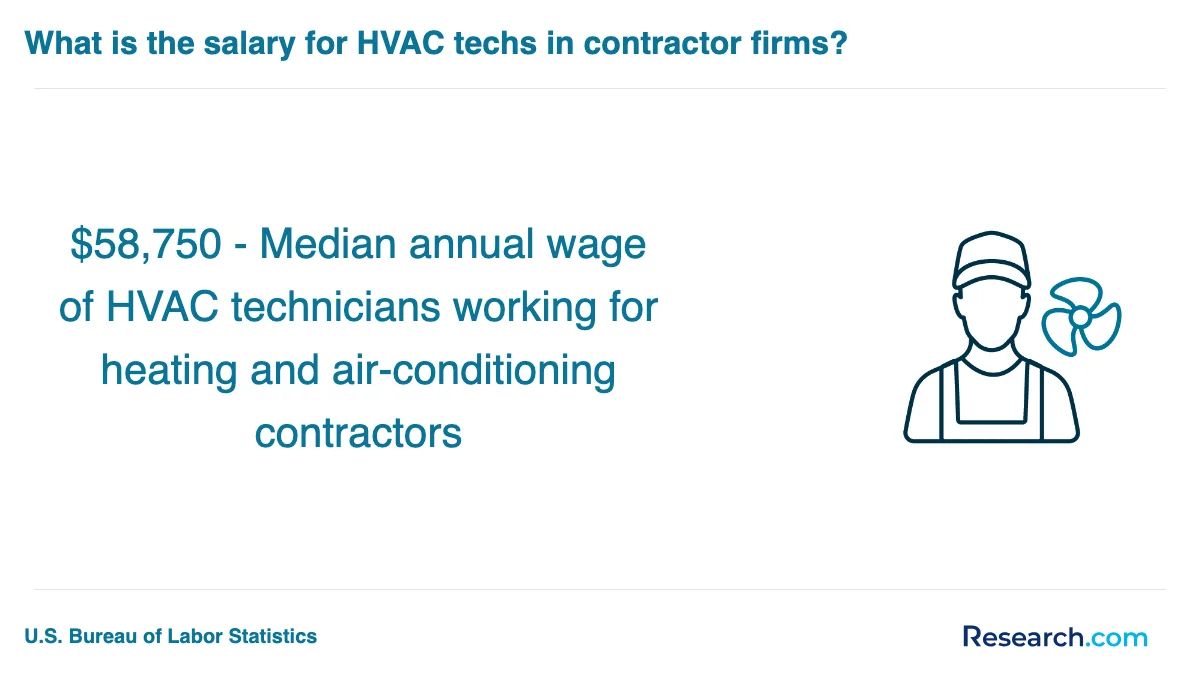
HVAC technician trade school programs in Utah consistently include a core set of courses that prepare students for real-world HVACR roles. Graduates from schools like Snow College and Dixie Technical College emphasize the balance of theory and hands-on practice, which builds confidence and competence.
Typical courses cover:
- Introductory HVACR fundamentals: Understanding the basics of air conditioning, heating, and refrigeration systems, such as Snow College's "Introduction to Air Conditioning, Heating and Refrigeration" course.
- Electrical essentials: Learning wiring, circuits, and safety protocols is crucial since HVAC systems depend heavily on electrical components.
- Heating and refrigeration systems: Separate classes focus on furnaces, boilers, heat pumps, refrigerators, and freezers, highlighting both residential and commercial applications.
- Installation skills: Students practice assembling and installing ductwork and air distribution systems, gaining hands-on experience in system layout and balancing.
- Diagnostics and troubleshooting: More advanced training teaches fault identification and repair using manual and computer-assisted tools.
Additionally, programs increasingly offer courses in sheet metal fabrication and ducting, responding to industry demands. Graduates often appreciate how these skills translate directly to job readiness in Utah's HVAC market. Soft skills like communication and time management are also integrated, helping students stand out to employers. Overall, Utah's trade schools strive to produce well-rounded technicians equipped for certification and success.
Among the HVAC program specializations in Utah, students benefit from focused training that prepares them for real-world challenges. Graduates from Snow College, for instance, praise the hands-on "Heating Systems" course, which deepens their understanding of furnaces, boilers, and heat pumps-skills that become immediately useful when troubleshooting home heating issues.
Other popular Utah HVAC technician training options include:
- Air Conditioning and Refrigeration: Fortis College and Dixie Technical College excel here, teaching diagnostics and maintenance for both residential and commercial systems, which graduates say builds confidence in varied work environments.
- Electrical Fundamentals: Vital for safely handling HVAC equipment, this specialization sharpens troubleshooting abilities with electrical faults through practical labs.
- Ventilation and Air Distribution: With a focus on ductwork and system balance, students learn techniques essential for efficient airflow-skills highly sought after by local employers.
- Commercial vs. Residential Systems: Mixed training ensures graduates can adapt to different job scopes, including exposure to computer-assisted diagnostics and larger commercial setups.
- Emerging Technologies: Some programs introduce solar power integration and hydronic heating, reflecting Utah's shift toward sustainable HVAC solutions.
Additionally, many graduates highlight the value of embedded certifications like the EPA 608 and NATE Ready to Work certificates, which are crucial for career advancement. Those exploring these options further can see what are the best trade schools online to complement their Utah-based training and enhance their expertise.
When choosing the best HVAC technician trade school program in Utah, start by examining the curriculum's depth and relevance. Graduates from popular schools like Salt Lake Community College often appreciate how courses cover essential topics such as heating systems, refrigeration, and safety protocols, which prepare them for real-world challenges. Hands-on training is crucial; students frequently share how practical experience with actual equipment builds confidence and skill more than theory alone.
Accreditation also plays a key role, ensuring the program meets high educational standards and equips students to earn industry certifications. Those attending accredited institutions consistently feel better prepared and more competitive in the job market. Many highlight the benefit of experienced instructors who bring industry insights and mentorship that shape their career path positively.
Flexibility matters for students balancing work or family, with some Utah schools offering evening classes or accelerated options that graduates value for accommodating their busy lives. Job placement assistance is another important factor; graduates note how colleges with strong employer connections significantly ease the transition into HVAC careers.
Finally, explore affordable HVAC technician programs in Utah by reviewing tuition costs and available financial aid. To find options that fit your budget without sacrificing quality, check out most affordable online hvac trade school programs.
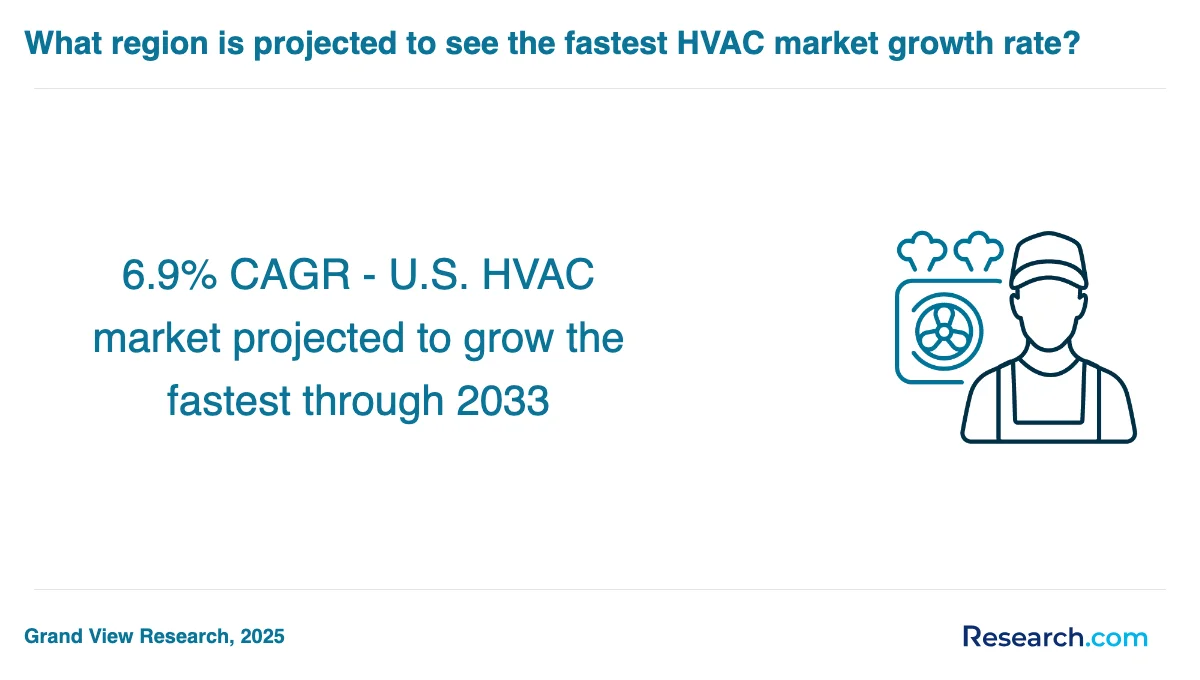
Graduates of HVAC technician trade schools in Utah often find a wide range of HVAC career opportunities in Utah that suit different skill levels and interests. Many start as general HVAC technicians, installing and repairing systems across residential and commercial properties, gaining hands-on experience soon after completing their programs at popular local trade schools. These early roles typically involve working under licensed contractors, which is common since Utah does not require a license for apprentices or entry-level technicians.
Some graduates choose to specialize in areas like refrigeration or HVAC controls, opening doors to more advanced roles such as journeyman refrigeration technicians or service managers. Others pursue paths in new construction installation or commercial kitchen equipment services. These specialized roles often come with higher pay and more technical challenges, reflecting the HVAC technician job outlook Utah predicts will grow steadily.
Experienced technicians can obtain an S350 HVAC Contractor's license, enabling them to start independent businesses, manage projects, and take on leadership roles. Beyond hands-on work, some grads thrive in system design, energy efficiency consulting, or sales, leveraging strong communication skills. For those exploring options, researching the best vocational trade training schools helps identify programs that prepare for these diverse career paths.
The HVAC technician job outlook in Utah is exceptionally promising for trade school graduates. With a projected growth rate of 34%, significantly higher than the national average, Utah's market is flooded with opportunities. Graduates from popular trade schools in the state often share stories of quickly finding positions in residential and commercial sectors due to the strong demand fueled by population growth and an active construction industry.
Entry-level technicians can expect wages starting around $20 per hour, with experienced workers earning up to $48, and the average hourly HVAC technician salary in Utah sits near $28.48. Overtime pay and comprehensive benefits make these positions even more attractive. Graduates report thriving in roles where their skills support energy-efficient installations and system upgrades, reflecting current environmental trends.
Factors contributing to this positive outlook include:
- Over 600 job openings statewide as of mid-2025
- High demand across service, installation, and refrigeration specialties
- Trade schools prepare students well for immediate employment
For those worried about training costs, exploring cheap online maintenance technician training options available in Utah can be a practical way to start a successful HVAC career without heavy financial burdens.
Most Affordable HVAC Technician Schools & Training - Budget-Friendly HVAC Trade Programs in Utah for 2026
# 1 position
Salt Lake Community College - Heating, Air Conditioning, Ventilation and Refrigeration Maintenance Technology/Technician.
associateSalt Lake Community College offers a hybrid program in Heating, Air Conditioning, Ventilation and Refrigeration Maintenance Technology/Technician. This program prepares students to repair, install, service, and maintain HVAC and refrigeration systems using diagnostic techniques and testing equipment. Instruction covers mechanics, electricity, and electronics relevant to system repair. Annual in-state tuition is $4,257. The program is accredited by the Northwest Commission on Colleges and Universities.
# 2 position
Salt Lake Community College - Heating, Air Conditioning, Ventilation and Refrigeration Maintenance Technology/Technician.
certificate or diplomaSalt Lake Community College offers a hybrid Heating, Air Conditioning, Ventilation and Refrigeration Maintenance Technology/Technician program. It trains students to repair, install, service, and maintain HVAC and refrigeration systems using diagnostic techniques and testing equipment. The program covers mechanics, electricity, and electronics principles related to these systems. Annual in-state tuition is $4,257. The program is accredited by the Northwest Commission on Colleges and Universities.
# 3 position
Snow College - Heating, Air Conditioning, Ventilation and Refrigeration Maintenance Technology/Technician.
certificate or diplomaSnow College offers a program in Heating, Air Conditioning, Ventilation and Refrigeration Maintenance Technology/Technician that prepares students to repair, install, service, and maintain HVAC and refrigeration systems. The curriculum includes diagnostic techniques, use of testing equipment, and principles of mechanics, electricity, and electronics. Annual in-state tuition is $4,564. The program is accredited by the Northwest Commission on Colleges and Universities.
# 4 position
Fortis College-Salt Lake City - Heating, Air Conditioning, Ventilation and Refrigeration Maintenance Technology/Technician.
certificate or diplomaFortis College-Salt Lake City offers a hybrid program in Heating, Air Conditioning, Ventilation and Refrigeration Maintenance Technology/Technician. This program trains students to repair, install, service, and maintain HVAC and refrigeration systems using diagnostic techniques and testing equipment. Instruction covers mechanics, electricity, and electronics relevant to these systems. The annual in-state tuition is $13,112, and median earnings one year after completion are $37,139. The program is accredited by the Accrediting Commission of Career Schools and Colleges.
Frequently Asked Questions about HVAC technician
After completing an HVAC technician trade school in Utah, preparing for the job market involves several important steps. First, obtaining industry-recognized certifications such as the EPA Section 608 certification is crucial, as it is required by law to handle refrigerants. Many employers in Utah prefer candidates with additional certifications from organizations like HVAC Excellence or NATE (North American Technician Excellence).
Next, gaining hands-on experience through internships or apprenticeships can improve job prospects. Utah's construction and manufacturing sectors are growing, increasing demand for skilled HVAC technicians. According to the U.S. Bureau of Labor Statistics, employment of HVAC technicians in Utah is projected to grow by 10% from 2022 to 2032, faster than the national average.
Networking through local trade associations and job fairs can also connect graduates with employers. Finally, preparing a strong resume that highlights both technical skills and certifications will help graduates stand out in Utah's competitive HVAC job market.
Employers in Utah seek HVAC technician graduates who demonstrate strong technical skills and practical knowledge. Proficiency in installing, maintaining, and repairing heating, ventilation, and air conditioning systems is essential. According to the U.S. Bureau of Labor Statistics, employers value familiarity with modern HVAC technologies, including energy-efficient and environmentally friendly systems.
Additionally, skills in electrical systems and refrigeration are highly sought after, as these are core components of HVAC work. Soft skills like problem-solving, communication, and reliability also rank high among employer priorities in Utah's competitive job market.
Trade schools focusing on hands-on training and updated certifications tend to produce graduates who meet these employer expectations effectively.
Finding internships in Utah for HVAC technician trade school students involves several practical steps. Start by contacting your trade school's career services office, as many maintain partnerships with local HVAC companies and can connect students to internship opportunities. According to the Utah Department of Workforce Services, the construction and HVAC sectors have grown by 5% annually, increasing demand for skilled interns.
Additionally, use Utah-based job platforms like UtahFutures and local trade unions, which often list HVAC internships. Networking at industry events, such as those hosted by the Utah Mechanical Contractors Association, can also lead to valuable contacts. Online research combined with local outreach helps secure relevant internships that provide hands-on experience.
Obtaining a HVAC technician trade school diploma in Utah significantly enhances career mobility and advancement opportunities. According to the Utah Department of Workforce Services, the demand for skilled HVAC technicians is expected to grow by 9% from 2022 to 2032, faster than the average for all occupations. This growth creates more job openings for diploma holders, especially those with formal training.
A diploma provides essential technical skills and industry certifications, making graduates more competitive for higher-paying roles and supervisory positions. Employers in Utah often prefer candidates with accredited trade education due to the practical experience and knowledge gained.
Furthermore, trade school programs typically include hands-on training, which is highly valued in the Utah job market. Graduates can also qualify for state licensing exams, a crucial step for career advancement and securing contracts.
Overall, a HVAC technician diploma serves as a foundational credential that supports upward mobility within the Utah HVAC industry and contributes to long-term job stability.
Part-time job opportunities in Utah that complement HVAC technician trade school education often involve roles in related fields such as appliance repair, general maintenance, or entry-level HVAC assisting. These positions provide hands-on experience with mechanical systems and customer service, which are crucial skills for HVAC students.
According to the U.S. Bureau of Labor Statistics (BLS), Utah's demand for HVAC technicians is expected to grow by 12% from 2022 to 2032, higher than the national average. Gaining part-time work in this sector can improve practical skills and increase employability.
Retail positions at home improvement stores or suppliers specializing in HVAC equipment are also useful, allowing students to learn about tools and parts.
Additionally, roles in energy efficiency consulting or building maintenance provide exposure to HVAC systems and energy-saving technologies, supporting classroom learning with real-world applications.
To choose the most affordable HVAC Technician degree program near me in Utah, begin by researching various community colleges and technical schools offering HVAC programs. Look for institutions that provide a balance between quality education and reasonable tuition rates, taking advantage of resources like Research.com for detailed comparisons. Additionally, consider visiting campuses near Utah to speak with admissions representatives and financial aid advisors to explore available scholarships and payment options.
- Most Affordable HVAC Technician Schools & Training - Budget-Friendly HVAC Trade Programs in New Mexico for 2026
- Most Affordable HVAC Technician Schools & Training - Budget-Friendly HVAC Trade Programs in California for 2026
- Most Affordable HVAC Technician Schools & Training - Budget-Friendly HVAC Trade Programs in Oregon for 2026
- Most Affordable HVAC Technician Schools & Training - Budget-Friendly HVAC Trade Programs in South Dakota for 2026
- Most Affordable HVAC Technician Schools & Training - Budget-Friendly HVAC Trade Programs in Kansas for 2026
- Most Affordable HVAC Technician Schools & Training - Budget-Friendly HVAC Trade Programs in Oklahoma for 2026
- Most Affordable HVAC Technician Schools & Training - Budget-Friendly HVAC Trade Programs in Minnesota for 2026
- Most Affordable HVAC Technician Schools & Training - Budget-Friendly HVAC Trade Programs in Iowa for 2026
- Most Affordable HVAC Technician Schools & Training - Budget-Friendly HVAC Trade Programs in Missouri for 2026
- Most Affordable HVAC Technician Schools & Training - Budget-Friendly HVAC Trade Programs in Arkansas for 2026
- HVAC Technician Training Program | LCTI https://www.lcti.org/adult-education-course/hvac/
- HVAC Trade Schools: HVAC Training Programs | Fortis https://www.fortis.edu/programs/skilled-trades/heating--ventilation--air-conditioning-and-refrigeration-trades.html
- Find HVAC Trade Schools - Diploma & Associate Degree Programs https://www.trade-schools.net/trades/hvac
- Entry Level HVAC Technician - Training Certificate | Midlands Technical College https://www.midlandstech.edu/programs-and-courses/advanced-manufacturing-and-skilled-trades/hvac-training-certificate
- HVACR Certification - Online Program | Penn Foster https://www.pennfoster.edu/programs/trades/hvac-technician-career-diploma
- Heating, Ventilation, & Air Conditioning Technology (HVAC) - Ivy Tech Community College https://www.ivytech.edu/programs/all-academic-programs/school-of-advanced-manufacturing-engineering-applied-science/heating-ventilation-air-conditioning-technology-hvac/
- Online Certified HVAC/R Technician Training | University of North Dakota https://und.edu/academics/development/courses/hvac-technician.html
- hvac technician Salary in utah - Average Salary https://www.talent.com/salary
- HVAC technician salary in Utah ‐ CareerExplorer https://www.careerexplorer.com/careers/hvac-technician/salary/utah/
- HVAC Technician Salary Utah https://hvactechnician.careers/hvac-technician-salary/utah/


