
Best HVAC Technician Training Programs & Trade Schools - Top HVAC Tech Schools in Illinois for 2026

Co-Founder and Chief Data Scientist
Choosing the right HVAC technician trade school in Illinois can shape your future career and open doors to rewarding job opportunities. This article presents a carefully crafted HVAC technician trade school programs ranking created by the Research.com team of data scientists. It’s designed to help you make an informed decision about which programs truly stand out.
Whether you want to earn a diploma or certification, this guide highlights schools that offer strong training and support. Reading on will give you confidence and clarity as you take the next step toward a skilled, stable profession.
Key benefits of finishing HVAC technician trade school in Illinois
- Graduates from HVAC technician trade schools in Illinois can expect starting salaries around $27.39 per hour, with annual earnings near $44,000 and strong potential to grow quickly with experience and certifications.
- Career paths for graduates often include roles in installation, maintenance, and repair, with opportunities to specialize or advance into supervisory positions, as seen with many successful alumni from top Illinois trade schools.
- Completing an HVAC technician program online offers flexibility and convenience, allowing students to balance work and study while gaining skills quickly, a benefit highlighted by graduates of popular Illinois online trade schools.
- Best HVAC Technician Training Programs & Trade Schools - Top HVAC Tech Schools in Illinois for 2026
- What can I expect from HVAC technician trade schools in Illinois?
- Where can I work after finishing HVAC technician trade schools in Illinois?
What can I expect from HVAC technician trade schools in Illinois?
Students enrolling in HVAC technician trade school programs in Illinois can expect a balanced mix of classroom learning and hands-on training. Graduates often describe the experience of working in well-equipped labs that mimic real-world HVAC environments, where they install and troubleshoot residential and commercial systems. This practical exposure builds confidence and skills that employers seek.
Typical coursework includes refrigeration fundamentals, heating principles, electrical wiring, and system diagnostics. Graduates recall how learning to read wiring diagrams and safely handle electricity was crucial for their day-to-day tasks on the job. Many students appreciate the emphasis on customer service skills, recognizing these as essential for success in the field.
Programs typically last around one year, with options for part-time study to fit working schedules. Small class sizes allow for personalized instruction, which students find encouraging and motivating. Several Illinois trade schools also provide internship opportunities, giving students valuable industry connections and real job site experience before graduation.
EPA Section 608 Certification preparation is a core focus, ensuring students are qualified to handle refrigerants legally and safely. Graduates often highlight the pride they felt earning this credential, which opens doors to well-paying positions across the state.
Where can I work after finishing HVAC technician trade schools in Illinois?
After finishing an HVAC technician trade school program in Illinois, graduates find diverse employment opportunities across the state. Many secure positions with HVAC service companies focusing on installing, repairing, and maintaining heating, ventilation, air conditioning, and refrigeration systems in homes and businesses. For example, graduates from popular Illinois trade schools often share experiences of quickly landing roles as HVAC installers or service technicians due to the strong hands-on training they received.
Others work with facilities management teams in hospitals, schools, and retail chains, where they develop skills in troubleshooting and preventative maintenance. Graduates describe the satisfaction of independently solving complex HVAC issues while contributing to larger teams in well-known companies.
Advanced career paths include roles in commercial and industrial sectors, servicing large-scale HVAC systems in manufacturing plants or office complexes. Some alumni have progressed to specialized positions like HVAC Supervisor, highlighting the value of experience gained after trade school.
Government and municipal jobs also appeal to those interested in public service, with opportunities in energy-efficient technologies expanding career choices. Overall, Illinois trade school graduates report strong job prospects and rewarding roles that match their skills and aspirations.
After completing an HVAC technician trade school program in Illinois, graduates typically start with an average hourly wage of about $27.39, translating to roughly $57,000 annually when working full time. This aligns well with national entry-level salaries, giving new technicians confidence in their career choice. Many graduates from popular Illinois trade schools share how quickly they secured jobs paying within this range, often in cities like Chicago where the average annual salary climbs to around $67,804.
Hands-on training from these programs prepares students to enter a market where overtime pay can add an extra $6,750 or more annually, especially during busy seasons. Graduates often describe feeling motivated as they see their earnings grow with experience and certifications. For example, senior technicians with advanced skills can reach salaries above $77,000, reflecting real opportunities for upward mobility after trade school.
Starting wages in the $27 to $30 per hour range offer a solid foundation, making HVAC trade school in Illinois a practical and rewarding investment for those passionate about skilled trades.
- Most HVAC technician programs in Illinois can be completed in under two years, with some lasting about nine months (35 weeks) and totaling around 735 clock hours.
- Entry requires a high school diploma or GED, and many programs offer flexible day and evening classes for students.
- All technicians working with refrigeration must pass the EPA Section 608 certification exam; additional certifications like NATE or HVAC Excellence are optional but may be preferred by some employers.
- Program costs range from $3,000 to $15,000, and financial aid such as the PELL Grant is available for eligible students.
- Entry-level HVAC technicians in Illinois earn between $41,000 and $48,000 annually, while experienced workers can make $60,000 to $75,000 or more.
Completing an HVAC technician trade school program in Illinois typically takes between six months to one year, depending on the school and the specific curriculum. Many students at well-known Illinois trade schools find that intensive programs lasting around nine months offer a balanced pace, allowing them to gain hands-on experience while advancing quickly toward certification.
Graduates often share how immersive their training felt, with real-world scenarios like diagnosing HVAC system issues or performing maintenance tasks on commercial units. These practical experiences make the learning process engaging and build confidence early on, helping students see tangible progress within months. Popular programs in Illinois emphasize this hands-on approach, which students appreciate because it mirrors day-to-day technician responsibilities.
For those balancing work or family, part-time options might extend the timeline closer to a year, but graduates report feeling proud of managing their time effectively and achieving their goals. Whether full-time or part-time, the focused training ensures graduates are job-ready promptly, a key factor driving many to choose Illinois trade schools for their HVAC education.
The primary difference between online and on-campus HVAC technician trade school programs in Illinois lies in the mode of instruction and hands-on training availability. Online programs offer flexibility, allowing students to balance work or family while accessing coursework remotely. Graduates appreciate this adaptability but often mention challenges with gaining sufficient practical experience, as much of the training is virtual or requires occasional visits to campus labs.
Conversely, on-campus programs, such as those at well-known Illinois trade schools, emphasize direct, supervised hands-on training. Students work with real HVAC equipment under expert guidance, developing essential diagnostic and installation skills. Graduates from these programs frequently highlight the confidence gained through in-person labs and internships with local employers.
Networking also differs significantly. On-campus students benefit from face-to-face interactions, fostering mentorships and job placements via employer-graduate matching processes common in Illinois schools. This personal connection often proves invaluable for launching HVAC careers in the local market.
The average HVAC technician program cost in Illinois can vary widely depending on the type of institution chosen. Vocational and trade schools, often favored for their focused curriculum and hands-on experience, generally charge tuition fees between $15,000 and $20,000. Graduates from well-known trade schools in Chicago often express satisfaction with this investment, highlighting how their practical training prepared them for real-world HVAC challenges confidently and efficiently.
Community colleges offer a more budget-friendly path for many prospective students. In-state tuition averages around $7,875 annually, making HVAC trade school tuition fees in Illinois more accessible. For example, students at Illinois Central College pay an estimated $4,320 for a one-year HVAC Technician Certificate program, plus some additional fees for supplies. Many graduates celebrate the affordability without sacrificing the quality of training, which often includes modern equipment and industry-recognized certifications.
Apprenticeship programs provide an alternative where costs can be as low as $500 to $2,000 over several years, blending paid on-the-job learning with classroom instruction. This route allows trainees to earn while they learn, reducing financial strain and fostering confidence through real workplace exposure. Those unsure about where to start their HVAC career might find it useful to explore what is the best trade school to go to to align tuition costs with program benefits and career goals.
Students pursuing HVAC technician programs in Illinois can access a variety of financial aid options designed to ease the cost of education. The Free Application for Federal Student Aid (FAFSA) is a crucial first step, unlocking eligibility for federal grants like the need-based Federal Pell Grant, which does not require repayment. Graduates from schools such as HVAC Technical Institute and Midwest Technical Institute have benefited from Pell Grants combined with federal student loans and Federal Work-Study opportunities, allowing them to focus on their studies while earning income.
Many Illinois trade schools, including Illinois Central College and the College of Lake County, offer state and institutional scholarships and workforce development awards. Some students have reported that these grants covered their entire tuition, making the path to certification more affordable and motivating.
Beyond federal and school-based aid, private scholarships from industry groups and unions provide additional support. Working students often find tuition reimbursement through their employers, further reducing financial barriers to completing HVAC training in Illinois.
To enroll in an HVAC technician trade school program in Illinois, applicants typically must meet a few essential prerequisites that ensure readiness for the technical training ahead. Most Illinois trade schools require candidates to have a high school diploma or GED, reflecting a foundational level of education necessary for success in the program.
Beyond academic credentials, schools often emphasize basic math and reading skills, crucial for understanding HVAC systems and safety protocols. Many students share that brushing up on algebra and mechanical reasoning before starting helped them excel, especially in schools known for rigorous HVAC curricula.
Other common prerequisites include:
- Being at least 18 years old, which aligns with state regulations and internship eligibility
- Passing a background check, ensuring safety and professionalism in hands-on environments
- Providing proof of physical fitness, as HVAC work can be physically demanding
Illinois trade schools also encourage prospective students to demonstrate a genuine interest in the HVAC field, sometimes through interviews or a statement of purpose. Graduates often recall how this initial passion fueled their motivation throughout the challenging but rewarding training process.
HVAC technician trade school programs in Illinois provide a comprehensive curriculum designed to build practical skills and technical knowledge essential for a successful career. Graduates from popular Illinois schools often recall hands-on lessons in safety procedures, emphasizing real-world scenarios like safely handling refrigerants or troubleshooting electrical hazards on the job.
Typical courses include:
- Safety Procedures: Learning workplace safety, tool usage, and refrigerant handling to ensure confidence and compliance.
- Basic Electricity and Electronics: Understanding wiring and circuit diagnostics, which graduates find invaluable when repairing HVAC systems in homes or businesses.
- Heating Systems: Training on installing and maintaining various heating units such as natural gas furnaces and heat pumps, preparing students for diverse job sites.
- Air Conditioning and Refrigeration: Covering design principles and troubleshooting, enabling students to confidently service both residential and commercial AC units.
- Controls and Motors: Instruction on testing and diagnosing HVAC system components, often practiced in well-equipped Illinois trade school labs.
- System Diagnostics: Developing skills to identify complex operational issues, a key strength graduates report gaining.
- EPA Certification Preparation: Essential training for passing the EPA 608 exam, allowing legal refrigerant handling nationwide.
- Soft Skills: Emphasized in programs like Southern Illinois University's, fostering communication and problem-solving abilities that graduates say enhance workplace success.
Many students also engage in organizations such as SkillsUSA, further enhancing leadership and networking skills crucial for career advancement in Illinois's HVAC industry.
HVAC technician trade school programs in Illinois offer a variety of specialized tracks that prepare students for diverse roles in the industry. Many graduates find success by focusing on residential HVAC systems, gaining hands-on skills in installation, troubleshooting, and maintenance for homes and smaller buildings. These programs emphasize customer service and energy efficiency, crucial for local residential markets.
Other students benefit from specializations in commercial HVAC, where training covers complex systems like rooftop units and advanced refrigeration cycles seen in office buildings, schools, and hospitals. Industrial HVAC is also a key area, preparing technicians to work in manufacturing and process environments requiring precise climate control.
Refrigeration is an essential focus in several Illinois programs, addressing commercial refrigeration equipment widely used in food service and large retail settings. Almost all programs integrate EPA Section 608 certification preparation, vital for handling refrigerants safely and meeting environmental regulations.
Students often highlight programs' inclusion of coursework in energy management and green technologies, aligning with growing demand for sustainable practices. For those seeking recognized credentials, HVAC certification programs Chicago Illinois offer a strong foundation.
Many find that enrolling in one of the top vocational trade programs online also enhances flexibility and access to specialized courses tailored for Illinois job markets.
Choosing from the best HVAC technician trade schools in Illinois requires careful evaluation of accreditation, curriculum, and hands-on training. Graduates from top-rated HVAC programs in Illinois often highlight how accredited institutions like HVAC Technical Institute in Chicago ensured their skills met industry standards, enhancing both their confidence and employability. Practical application through extensive lab work and real-world scenarios, such as the 900-hour program offered by this institute, is essential for mastering complex HVAC systems.
Flexibility also plays a critical role; for instance, Lincoln Tech's Melrose Park Campus offers adaptable schedules that accommodate working students without compromising on quality education. Additionally, examining job placement rates and industry partnerships can guide your choice since schools with strong connections boost career prospects. Many Illinois HVAC students emphasize the value of schools providing financial aid and proximity to home, easing both cost and commute concerns. When researching your path, consider exploring hvac technician jobs to align training with career goals.
Graduates of HVAC technician trade school programs in Illinois enjoy diverse HVAC career opportunities in Illinois across residential, commercial, and industrial settings. Many start as HVAC installers, service technicians, or maintenance technicians, working hands-on with heating, ventilation, air conditioning, and refrigeration systems in homes, offices, and factories. For instance, graduates from popular Illinois trade schools often share how quickly they secure entry-level HVAC technician jobs in Illinois due to strong industry demand and practical training.
As they gain experience, graduates can advance into supervisory or project management roles, or specialize as commercial HVAC technicians managing complex systems. Many choose to pursue additional certifications like EPA Section 608 or NATE to broaden their expertise and increase earning potential. Entrepreneurial-minded graduates often start their own businesses after meeting licensing and local regulatory requirements.
Other career paths include working in HVAC system design, energy efficiency auditing, or sales-leveraging trade school knowledge in impactful ways. Apprenticeships remain a valuable alternative or supplement to formal training; discover more about what are hvac certifications and career options.
The job market for HVAC technician trade school graduates in Illinois remains strong, particularly in the Chicago metropolitan area, where demand spans residential and commercial sectors. Graduates from popular Illinois trade schools often report immediate opportunities due to the state's heating and cooling needs shaped by hot summers and cold winters. The HVAC technician job outlook in Illinois is promising, with competitive wages that reward entry-level skills and experience.
Typical benefits experienced by new graduates include:
- Starting hourly wages between $21.44 and $30.96.
- Potential annual salaries ranging from $30,000 to $70,000 based on position and location.
- Possibility for overtime pay adding roughly $6,750 yearly, supporting additional earning potential.
Many HVAC students gain hands-on experience through their training, reinforcing their qualifications and making them attractive candidates. Graduates share that combining trade school education with certifications notably improves employment prospects. For those considering entry into this field, affordable online maintenance technician trade school programs can provide flexible pathways while ensuring relevant skills for the Illinois market. Overall, HVAC technician salaries in Illinois reflect steady growth tied to the demand for climate control professionals in new builds and established properties alike.
Best HVAC Technician Training Programs & Trade Schools - Top HVAC Tech Schools in Illinois for 2026
# 1 position
HVAC Technical Institute - Heating, Air Conditioning, Ventilation and Refrigeration Maintenance Technology/Technician.
certificate or diplomaThe Heating, Air Conditioning, Ventilation and Refrigeration Maintenance Technology/Technician program at HVAC Technical Institute offers a hybrid format with some distance education. It prepares students to repair, install, service, and maintain heating, air conditioning, and refrigeration systems. Instruction covers diagnostic techniques, testing equipment, and mechanical, electrical, and electronic principles. The program is accredited by the Council on Occupational Education. Median earnings one year after completion are $41,644.
# 2 position
ETI School of Skilled Trades - Heating, Air Conditioning, Ventilation and Refrigeration Maintenance Technology/Technician.
certificate or diplomaThe Heating, Air Conditioning, Ventilation and Refrigeration Maintenance Technology/Technician program at ETI School of Skilled Trades prepares students to repair, install, service, and maintain HVAC and refrigeration systems. The hybrid program includes instruction in diagnostic techniques, testing equipment, mechanics, electricity, and electronics. Graduates typically earn a median income of $39,169 one year after completion. The program is accredited by the Accrediting Commission of Career Schools and Colleges.
# 3 position
Olney Central College - Heating, Air Conditioning, Ventilation and Refrigeration Maintenance Technology/Technician.
certificate or diplomaOlney Central College offers a hybrid program in Heating, Air Conditioning, Ventilation, and Refrigeration Maintenance Technology/Technician. The curriculum prepares students to repair, install, service, and maintain heating, air conditioning, and refrigeration systems. Instruction includes diagnostic techniques, testing equipment use, and principles of mechanics, electricity, and electronics. The annual in-state tuition is $4,390. The program is accredited by the Higher Learning Commission.
# 4 position
Elgin Community College - Heating, Air Conditioning, Ventilation and Refrigeration Maintenance Technology/Technician.
associateElgin Community College offers a hybrid program in Heating, Air Conditioning, Ventilation and Refrigeration Maintenance Technology/Technician. The curriculum includes training in repair, installation, service, and maintenance of HVAC and refrigeration systems, focusing on diagnostic techniques and the use of testing equipment. The program is accredited by the Higher Learning Commission. Annual in-state tuition is $3,180, and median earnings one year after completion are $24,513.
# 5 position
Elgin Community College - Heating, Air Conditioning, Ventilation and Refrigeration Maintenance Technology/Technician.
certificate or diplomaElgin Community College offers a hybrid program in Heating, Air Conditioning, Ventilation and Refrigeration Maintenance Technology/Technician. The curriculum prepares students to repair, install, service, and maintain HVAC and refrigeration systems, focusing on diagnostic techniques, testing equipment, and principles of mechanics, electricity, and electronics. Annual in-state tuition is $3,180. The program is accredited by the Higher Learning Commission. Median earnings one year after completion are $24,513.
# 6 position
William Rainey Harper College - Heating, Air Conditioning, Ventilation and Refrigeration Maintenance Technology/Technician.
associateWilliam Rainey Harper College offers a hybrid program in Heating, Air Conditioning, Ventilation and Refrigeration Maintenance Technology/Technician. The curriculum prepares students to repair, install, service, and maintain heating, air conditioning, and refrigeration systems. Instruction includes diagnostic techniques, testing equipment use, and principles of mechanics, electricity, and electronics related to these systems. The annual in-state tuition is $3,822, and the program is accredited by the Higher Learning Commission.
# 7 position
William Rainey Harper College - Heating, Air Conditioning, Ventilation and Refrigeration Maintenance Technology/Technician.
certificate or diplomaWilliam Rainey Harper College offers a Hybrid program in Heating, Air Conditioning, Ventilation and Refrigeration Maintenance Technology/Technician. The curriculum prepares students to repair, install, service, and maintain HVAC and refrigeration systems, focusing on diagnostic techniques, testing equipment, and relevant mechanical and electrical principles. The annual in-state tuition is $3,822. The program is accredited by the Higher Learning Commission.
# 8 position
Sauk Valley Community College - Heating, Air Conditioning, Ventilation and Refrigeration Maintenance Technology/Technician.
certificate or diplomaThe Heating, Air Conditioning, Ventilation and Refrigeration Maintenance Technology/Technician program at Sauk Valley Community College offers a hybrid format with some distance-education options. It trains students in repairing, installing, servicing, and maintaining HVAC and refrigeration systems. Instruction covers diagnostic techniques, testing equipment, and principles of mechanics, electricity, and electronics. The program’s annual in-state tuition is $5,190 and it is accredited by the Higher Learning Commission.
# 9 position
Lake Land College - Heating, Air Conditioning, Ventilation and Refrigeration Maintenance Technology/Technician.
certificate or diplomaLake Land College offers a hybrid program in Heating, Air Conditioning, Ventilation and Refrigeration Maintenance Technology/Technician. The curriculum prepares students to repair, install, service, and maintain heating, air conditioning, and refrigeration systems. Instruction covers diagnostic techniques, testing equipment, and principles of mechanics, electricity, and electronics relevant to these systems. The program's annual in-state tuition is $4,280 and it is accredited by the Higher Learning Commission.
# 10 position
Southwestern Illinois College - Heating, Air Conditioning, Ventilation and Refrigeration Maintenance Technology/Technician.
associateSouthwestern Illinois College offers a Heating, Air Conditioning, Ventilation and Refrigeration Maintenance Technology/Technician program with a hybrid format, including some distance-education options. The program prepares students to repair, install, service, and maintain HVAC and refrigeration systems using diagnostic techniques and testing equipment. Annual in-state tuition is $3,870. Graduates have median earnings of $31,623 one year after completion. The program is accredited by the Higher Learning Commission.
Frequently Asked Questions about HVAC technician
After completing an HVAC technician trade school in Illinois, preparing for the job market requires a combination of certification, practical experience, and networking. Graduates should prioritize obtaining EPA Section 608 certification, federally required for handling refrigerants. Many Illinois employers also value NATE (North American Technician Excellence) certification, a recognized industry credential.
Hands-on experience through internships or apprenticeships significantly improves job prospects. Illinois offers various apprenticeship programs registered with the U.S. Department of Labor, which combine paid work and classroom learning.
Additionally, connecting with local trade unions and industry groups, such as the Illinois HVAC Contractors Association, can provide valuable job leads and professional development opportunities.
According to the U.S. Bureau of Labor Statistics, Illinois had over 12,000 HVAC jobs in 2022, with steady growth expected through 2030, emphasizing the importance of readiness and certification for new entrants.
Employers in Illinois prioritize practical skills when hiring HVAC technician trade school graduates. Key abilities include proficiency in system installation, maintenance, and repair of heating, ventilation, and air conditioning units. According to the U.S. Bureau of Labor Statistics, strong troubleshooting and diagnostic skills are essential, as technicians must quickly identify and solve equipment problems on-site.
Technical knowledge of electrical systems and refrigeration is also highly valued. Additionally, employers look for familiarity with state and local building codes and safety regulations, which ensures compliance and reduces liability risks.
Communication and customer service skills are increasingly important, as technicians often interact directly with clients. The Illinois Department of Employment Security highlights teamwork and adaptability as critical soft skills in this trade.
Finding internships in Illinois relevant to HVAC technician trade school programs involves several practical steps. Start by contacting your trade school's career services office, as many schools maintain partnerships with local HVAC companies for student internships. According to the Illinois Department of Commerce and Economic Opportunity, the state's construction and HVAC sectors are growing, increasing internship opportunities.
Networking is also crucial. Joining local chapters of professional groups like the Air Conditioning Contractors of America (ACCA) Illinois chapter can connect you with employers offering internships. Additionally, online job portals such as the Illinois workNet provide listings specifically for HVAC internships.
Applying early and preparing a strong resume highlighting your technical training can improve your chances of securing a position.
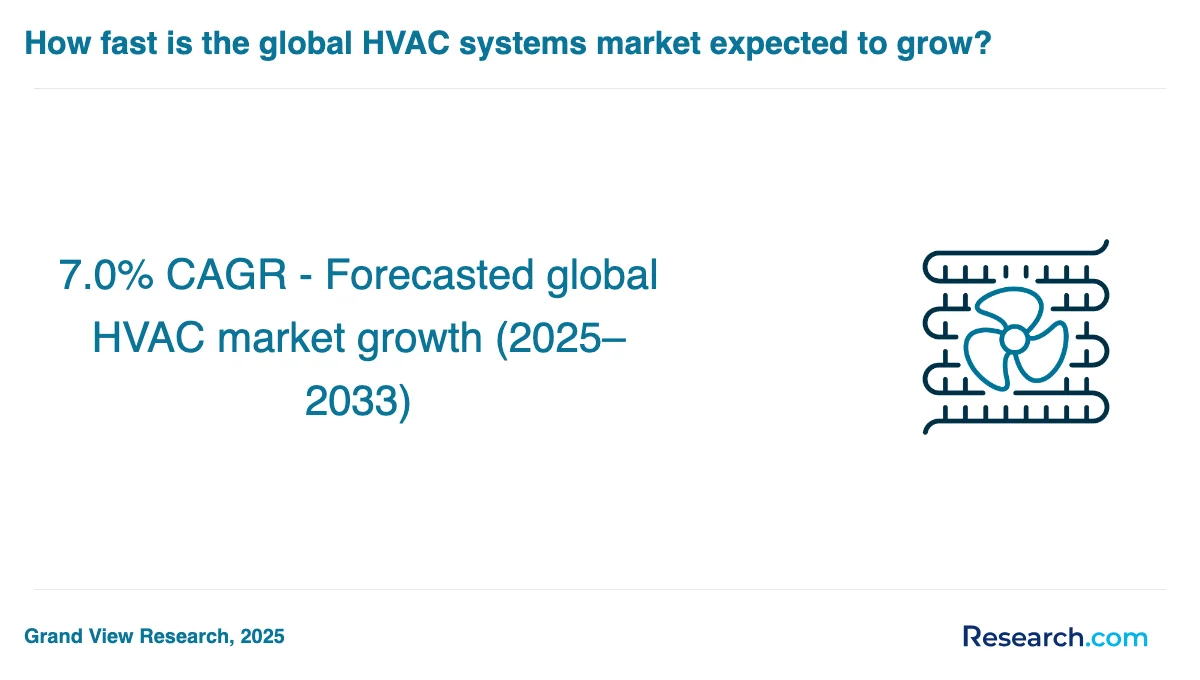
Obtaining a diploma from an HVAC technician trade school in Illinois significantly enhances career mobility and advancement opportunities. According to the Illinois Department of Employment Security, the HVAC field in Illinois is projected to grow by 7% from 2022 to 2032, faster than the average for all occupations. A diploma demonstrates practical skills and technical knowledge, often required for entry-level positions and apprenticeships.
Many employers in Illinois prioritize candidates with formal HVAC training, as this reduces on-the-job training time. Graduates typically qualify for certifications such as EPA Section 608, which are essential for handling refrigerants legally.
Moreover, a trade school diploma can lead to higher earning potential. The U.S. Bureau of Labor Statistics reports that Illinois HVAC technicians with formal training earn a median annual wage of around $52,000, compared to lower wages for those without credentials.
In summary, an HVAC diploma serves as a key credential that improves job prospects, eligibility for promotions, and access to specialized roles within Illinois's HVAC industry.
Part-time job opportunities in Illinois that complement HVAC technician trade school education often include roles such as HVAC helper, maintenance assistant, or apprentice technician. These positions provide practical experience with heating, ventilation, and air conditioning systems while allowing students to apply classroom knowledge in real-world settings.
The U.S. Bureau of Labor Statistics reports that Illinois has a steady demand for HVAC technicians, with job growth projected at 5% from 2022 to 2032. Gaining hands-on experience through part-time work can improve employment prospects upon graduation.
Additionally, some students find positions in related fields like electrical maintenance or refrigeration, which share skills with HVAC technology. Working part-time in these roles helps build technical skills and industry contacts crucial for career advancement in Illinois's HVAC market.
When choosing the best HVAC Technician degree program near you, it's important to research the curriculum, faculty, and hands-on training opportunities that align with industry standards, which Research.com can assist with by offering detailed insights into programs. Additionally, consider schools and technical colleges near Illinois that offer recognized accreditation, which can enhance employability and certification prospects in the HVAC field. There are numerous programs and universities available that provide necessary technical skills and knowledge tailored to meet the needs of the HVAC industry.
- Best HVAC Technician Training Programs & Trade Schools - Top HVAC Tech Schools in Missouri for 2026
- Best HVAC Technician Training Programs & Trade Schools - Top HVAC Tech Schools in Kentucky for 2026
- Best HVAC Technician Training Programs & Trade Schools - Top HVAC Tech Schools in Michigan for 2026
- Best HVAC Technician Training Programs & Trade Schools - Top HVAC Tech Schools in Nebraska for 2026
- Best HVAC Technician Training Programs & Trade Schools - Top HVAC Tech Schools in South Dakota for 2026
- Best HVAC Technician Training Programs & Trade Schools - Top HVAC Tech Schools in West Virginia for 2026
- Best HVAC Technician Training Programs & Trade Schools - Top HVAC Tech Schools in Oklahoma for 2026
- Best HVAC Technician Training Programs & Trade Schools - Top HVAC Tech Schools in Alabama for 2026
- Best HVAC Technician Training Programs & Trade Schools - Top HVAC Tech Schools in Pennsylvania for 2026
- Best HVAC Technician Training Programs & Trade Schools - Top HVAC Tech Schools in North Carolina for 2026
- Career in HVAC/R: Harper College https://www.harpercollege.edu/academics/manufacturing/hvac/careers.php
- Average HVAC Technician Salary in IL (Annually & Hourly) | Faraday | Faraday https://faradaycareers.com/careers/hvac-salary-illinois
- Heating, Air Conditioning, and Refrigeration Mechanics and Installers : Occupational Outlook Handbook: : U.S. Bureau of Labor Statistics https://www.bls.gov/ooh/installation-maintenance-and-repair/heating-air-conditioning-and-refrigeration-mechanics-and-installers.htm
- How To Become an HVAC Technician in Illinois | Top Trade Schools https://toptradeschools.com/near-you/hvac/illinois/
- HVAC Technician - Illinois Central College https://icc.edu/programs/hvac-technician-certificate/
- HVAC/R Training Program | Illinois & Missouri https://www.midwesttech.edu/programs/hvac-refrigeration-training/
- HVAC/R Service Technician - Career Certificate - College of Lake County https://www.clcillinois.edu/programs/egrdv/hvacr-engineering-technology/hvac-r-service-technician-certificate-career-certificate
- HVAC Program | HVAC Training | Joliet Junior College https://jjc.edu/choose-your-path/architecture-manufacturing-automotive/heating-ventilation-air-conditioning-and
- Heating, Vent, A/C, and Refrigeration | Elgin Community College (ECC) https://elgin.edu/areas-of-study/heating-vent-ac-refrigeration/
- HVAC Schools in Illinois - Accredited Programs & HVAC Certifications https://www.hvacclasses.org/schools/illinois


