
Best HVAC Technician Training Programs & Trade Schools - Top HVAC Tech Schools in Michigan for 2026

Co-Founder and Chief Data Scientist
Choosing the right HVAC technician trade school in Michigan can be a game changer for your career. This article introduces a carefully crafted HVAC technician trade school programs ranking created by the Research.com team of data scientists to help you find quality programs that truly stand out.
By exploring these top schools, you’ll discover options that match your goals and budget, making the path to certification or a diploma clearer. Whether you’re starting fresh or seeking new skills, this guide encourages smart decisions for a rewarding future in HVAC.
Key benefits of finishing HVAC technician trade school in Michigan
- Graduates of HVAC technician trade schools in Michigan can expect an average hourly wage around $24.63, translating to about $51,234 annually, with opportunities to earn more through experience and overtime.
- Career paths include roles like residential or commercial HVAC technician, system specialist, or even Ventilation Officer, offering diverse opportunities for growth and specialization after graduation.
- Completing an HVAC program online provides flexibility and convenience, allowing graduates to balance learning with work or family, as seen with successful alumni from popular Michigan online trade schools.
- Best HVAC Technician Training Programs & Trade Schools - Top HVAC Tech Schools in Michigan for 2026
- What can I expect from HVAC technician trade schools in Michigan?
- Where can I work after finishing HVAC technician trade schools in Michigan?
What can I expect from HVAC technician trade schools in Michigan?
Students enrolling in HVAC technician programs in Michigan can expect focused, hands-on training that prepares them to enter the workforce quickly. Programs typically last from six months to two years, with some, like the HVACR Technician program in Canton, completed in as little as 10 months. Graduates from schools such as Lansing Community College and Macomb Community College often share how their time in industry-standard labs gave them confidence using real tools and equipment before stepping into a job.
Michigan programs emphasize practical skills in heating, ventilation, air conditioning, and refrigeration, covering everything from electrical systems to blueprint reading. Safety and environmentally friendly techniques, including weatherization, are key parts of the curriculum, reflecting what students encounter daily on the job.
Many students appreciate the externship opportunities that let them work alongside experienced professionals, pushing them to apply classroom knowledge in real-world settings. Preparing for the EPA Section 608 Certification exam is another common experience, often supported by the school, helping students meet licensing requirements.
Financial aid options like Michigan Reconnect make these programs more accessible, especially for adult learners, reducing the financial stress and allowing students to focus on mastering their trade.
Where can I work after finishing HVAC technician trade schools in Michigan?
After finishing an HVAC technician trade school program in Michigan, graduates find a variety of career paths open to them across the state. Many start working with residential HVAC contractors, installing and maintaining heating and cooling systems in homes. This hands-on experience quickly builds confidence, especially when servicing real customers in neighborhoods around Detroit or Grand Rapids.
Others move into commercial or industrial roles, handling larger systems in offices, factories, or hospitals. Graduates from well-known Michigan trade schools often share how rewarding it is to troubleshoot complex equipment in these settings, knowing their skills keep critical facilities running smoothly.
Apprenticeship programs with local unions or companies provide a valuable entry point, combining on-the-job training with steady income. Some graduates even transition into HVAC sales advisor positions, using their technical knowledge to help clients choose energy-efficient equipment.
This wide range of opportunities reflects the strong demand for HVAC technicians in Michigan, making the career both versatile and promising for those completing trade school programs here.
Graduates from HVAC technician trade schools in Michigan typically start earning around $24 to $27 per hour, which translates to roughly $49,000 to $54,000 annually when working full-time. Many students from well-known Michigan trade schools share that these numbers feel encouraging as they begin their careers, especially when they land entry-level roles within local HVAC companies.
For example, some graduates quickly find positions as HVAC installers, where the hourly wage can be closer to $27, with experienced installers earning up to $32 per hour depending on location and employer. Overtime work is common and can add an extra $6,700 or more annually, helping new technicians boost their income.
While Michigan's HVAC pay rates are slightly below the national average, many graduates highlight how gaining certifications and hands-on experience at trade schools opens doors to higher-paying roles, such as specialized HVAC positions that pay up to $62,000 annually. This practical pathway gives graduates confidence in their financial future.
- To enroll in a Michigan HVAC technician trade school, you need a high school diploma or GED.
- Programs last from six months to two years, with some accelerated options available in about 10 months.
- Apprenticeships typically last three to five years and provide on-the-job training under licensed technicians.
- Tuition costs range from $7,000 to $20,000, with financial aid and tuition-free options for students over 25 through Michigan Reconnect.
- Entry-level HVAC technicians earn between $35,000 and $45,000 per year, with experienced workers making $60,000 or more.
Completing an HVAC technician trade school program in Michigan typically takes between six months and one year, depending on the school and course intensity. Many graduates from well-known Michigan trade schools find this timeframe ideal because it balances thorough training with a quick return to the workforce.
For example, students at popular Michigan trade schools often describe their experience as intensive but rewarding, with hands-on labs and real-world simulations that accelerate learning. This practical approach helps them build confidence early, allowing them to handle HVAC systems effectively right after graduation.
Graduates frequently share that the under-one-year completion time made it possible to start earning sooner and avoid lengthy delays common in traditional college paths. This timeframe suits those eager to gain skills quickly while still receiving comprehensive instruction on heating, ventilation, and air conditioning technology.
By choosing a Michigan trade school with a focused HVAC program, you can expect a manageable schedule that fits alongside other responsibilities, making the goal of becoming a certified HVAC technician feel achievable and motivating.
The main difference between online and on-campus HVAC technician programs in Michigan lies in how hands-on training is delivered. Graduates from Lansing Community College or Northwestern Technological Institute often recall the confidence gained by working directly with HVAC systems in well-equipped labs, guided by instructors who provide immediate feedback. This face-to-face experience is crucial for mastering practical skills that employers value.
Online students appreciate the flexibility to study from home with video lectures and digital materials, which fits well for those balancing work or family. However, many find that remote simulations can't fully replace the tactile learning of physically handling tools. Some online programs send tool kits for practice, but students often need to find local internships to meet certification requirements like NATE, which favor hands-on experience.
On-campus learners also benefit from building networks through daily interactions, while online students rely on forums and calls, which can feel less personal but still supportive. Both paths in Michigan typically take about a year for certificates, making choice depend on your lifestyle and learning preferences.
The average cost HVAC technician trade school Michigan students face varies significantly depending on the program type and duration. For example, graduates of Lansing Community College's two-year Associate in Applied Science degree report tuition fees of about $5,601 for in-state students, while out-of-state students pay around $12,927. Along with tuition, they often budget roughly $1,600 on books and supplies plus approximately $10,880 for off-campus room and board. These costs create a comprehensive picture of what to expect financially when enrolling in a typical HVAC technician trade school program in Michigan.
Many graduates from Northern Michigan University's one-year Undergraduate Certificate program note tuition fees of $14,430 for in-state attendance, with out-of-state students paying closer to $22,530. This program also usually involves around $1,095 for materials and about $13,929 in living expenses if students choose off-campus housing. These figures reflect the tuition fees HVAC technician programs Michigan aspiring technicians should plan for when considering shorter, accelerated study options.
In contrast, some students seek more flexible or intensive learning environments like the HVAC Bootcamp in Flint, where the 15-week course is designed for efficient entry into the trade. The program includes preparation for certification exams and offers access to equipment without additional costs, which resonates with students looking for focused training without the extended financial commitment.
For those researching affordable options or balancing cost with program quality, exploring low cost maintenance technician training online can offer alternatives that fit different budgets and schedules. Checking with schools directly remains essential, as actual costs fluctuate and might not cover expenses like transportation or personal needs.

HVAC technician trade school students in Michigan frequently rely on Federal Student Aid to manage tuition and related costs. Completing the FAFSA is the first step, unlocking access to Federal Pell Grants, which cover a portion of expenses without requiring repayment, and Direct Subsidized or Unsubsidized Loans that offer flexible repayment options after graduation. Graduates from programs at Lansing Community College or Northwestern Technological Institute often share how these federal funds made their education achievable without overwhelming debt.
State-specific options like the Michigan Reconnect Program also provide substantial relief, especially for adults 25 and older returning to school. This program allows many to attend community colleges such as LCC at little or no tuition cost, easing financial stress and encouraging career shifts into HVAC fields.
Veterans studying HVAC benefit from GI Bill® benefits, which cover tuition and provide stipends for housing and supplies, making education more accessible and less financially burdensome. Additionally, employer-sponsored programs like Trade Adjustment Assistance help those impacted by economic changes retrain for this high-demand trade, reflecting the practical support available throughout Michigan's HVAC training landscape.
To enroll in an HVAC technician trade school program in Michigan, students typically need a high school diploma or GED. This basic educational foundation ensures you're prepared for the technical coursework ahead. Many graduates recall that having a solid grasp of math and science from high school made hands-on training more manageable at well-known Michigan trade schools.
Other common prerequisites include:
- Being at least 18 years old, which aligns with safety and labor regulations.
- Passing an entrance assessment in some cases, especially for programs with competitive admission.
- Providing proof of residency or citizenship, important for tuition eligibility and state-specific certifications.
Some trade schools in Michigan also recommend basic mechanical skills or prior experience with tools, which can boost confidence once classes start. Graduates often share how these prerequisites helped them hit the ground running, turning early challenges into rewarding progress toward becoming certified HVAC professionals.
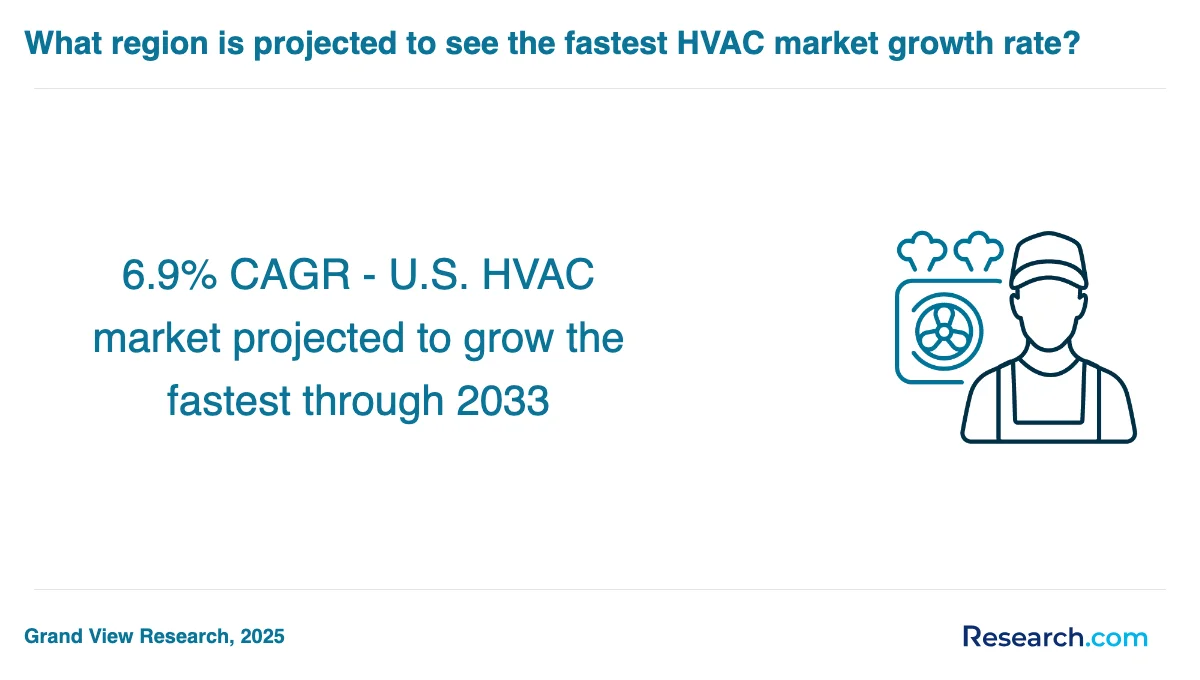
HVAC technician programs in Michigan focus on practical, hands-on learning paired with essential technical knowledge. Graduates from schools like Lansing Community College and Washtenaw Community College often highlight how core courses built their confidence in real-world tasks.
Typical courses include:
- Basic electricity and motors: Students learn electrical theory, wiring diagrams, and safe handling of components, crucial since HVAC systems heavily rely on electricity.
- Fundamentals of refrigeration: This covers refrigeration cycles, refrigerants, and EPA safety protocols. Many students appreciate the direct preparation for the EPA Section 608 Certification, a must-have credential in Michigan.
- Heating systems: Training on gas, oil, and electric heating equips students to troubleshoot and maintain residential and commercial setups.
- Indoor air quality and energy management: Courses teach ventilation, air filtration, humidity control, plus energy audits and weatherization, helping students contribute to healthier and more efficient buildings.
- System design and sustainability: Blueprint reading and green technology concepts prepare students for modern HVAC challenges.
Hands-on labs and externships offered at schools like UTI in Canton create a real-work environment where students can apply their skills confidently before entering the workforce.
Michigan HVAC trade school program options include a variety of focused specializations designed to match real-world industry needs. Graduates from popular Michigan schools like Washtenaw Community College often choose tracks such as residential HVAC, commercial HVAC, and industrial HVAC. Each track develops practical skills tailored to specific environments-for example, residential programs train students in home systems and customer interactions, while commercial and industrial tracks emphasize managing larger, complex setups and advanced troubleshooting.
Another common focus is refrigeration technology, especially relevant for careers servicing supermarkets or cold storage facilities; Macomb Community College is noted for offering this specialization. Additionally, energy management and building controls are gaining traction, with programs like Lansing Community College's degree emphasizing sustainable HVAC system optimization through automation.
Hands-on experience is a staple of these programs, and many students pursue up to four national certifications during their studies at schools such as Northwestern Technological Institute. If you're also exploring flexible study options, consider researching vocational trade online programs to complement your hands-on training.
When choosing from the best HVAC technician trade schools in Michigan, prioritize programs with strong accreditation from recognized bodies like HVAC Excellence or PAHRA. Graduates from top HVAC technician programs in Michigan often share how comprehensive curricula-covering refrigeration, electrical controls, and safety certifications like WHMIS-prepare them thoroughly for real job challenges. For example, students at well-regarded community colleges receive hands-on training in fully equipped workshops, boosting their confidence and competence before entering the workforce.
Look for schools offering flexible schedules or hybrid models that fit your lifestyle, as many Michigan students balance work and study simultaneously. Career support services also matter greatly; graduates recall how resume help and interview coaching led to smoother job placements. Those considering their future sometimes explore whether to pursue certification or apprenticeship routes, and for clarity, understanding what is an hvac apprenticeship can guide better decisions.
Ultimately, seek programs with high job placement rates reflecting strong industry ties and consider financial aid options to ease tuition burdens, making your path into HVAC rewarding and practical.
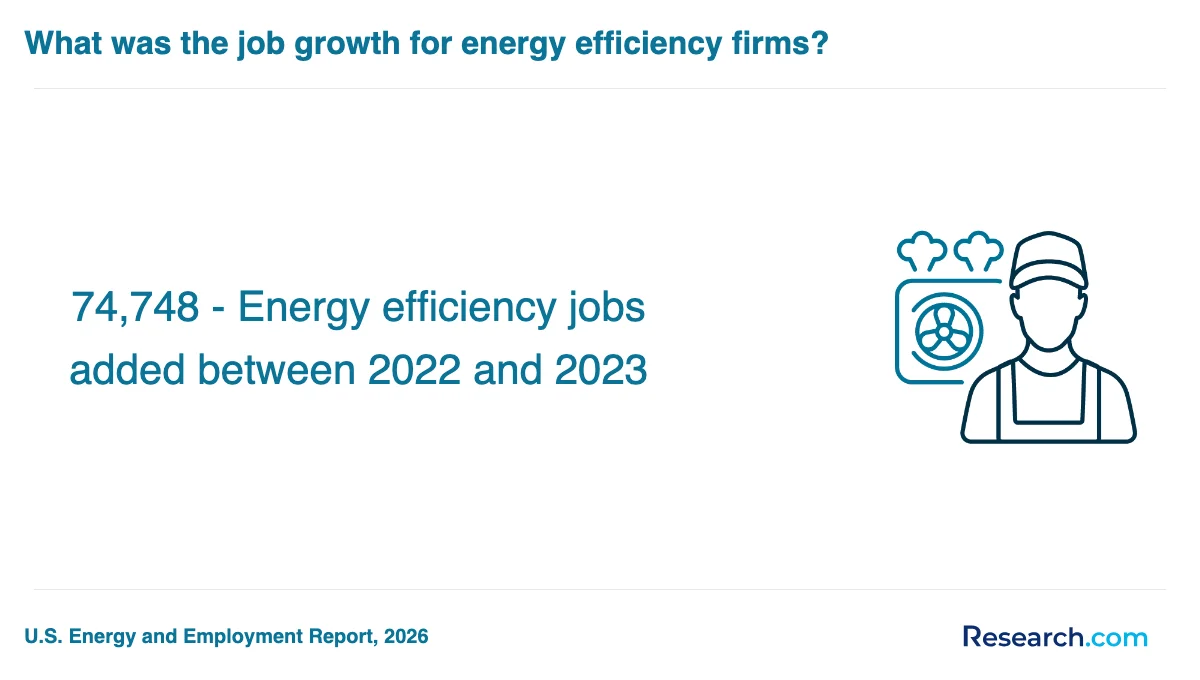
Graduates of HVAC technician trade school programs in Michigan often start with hands-on roles like HVAC technician, installer, or A/C technician. These entry-level positions focus on installing, maintaining, and repairing systems in homes and businesses, giving graduates practical experience right away. Those completing programs at well-known Michigan trade schools frequently share success stories about quickly finding HVAC technician jobs in Michigan due to strong local demand.
Experienced technicians can move up to supervisory roles such as foreman or commercial service manager. Some specialize in areas like refrigeration or inspection, which may require further certification. Graduates often enjoy career growth paths including:
- Field supervisor positions overseeing technical teams
- Facilities manager roles managing building systems
- Opportunities as mechanical contractors with licenses
Many choose to expand into business ownership or become independent contractors, benefiting from Michigan's growing renovation market. Others enhance credentials via apprenticeships or college degrees to accelerate career progression.
Specialization in energy management and HVAC controls is emerging as a rewarding option in today's tech-driven environment.
For those exploring next steps after trade school, researching how to become a hvac technician offers valuable insights into salary and career pathways in Michigan.
The HVAC technician job outlook in Michigan is exceptionally strong, driven by ongoing infrastructure modernization and green technology adoption. Graduates from popular trade schools in Michigan consistently report swift job placements, often within weeks of completing their programs. Many find themselves working in cities like Grand Rapids, where demand is high and hourly wages for entry-level installers range from $30 to $40, with experienced technicians earning up to $50 per hour plus bonuses.
Michigan HVAC technician demand and salaries reflect the state's projected growth to over 518,000 skilled trades jobs by 2032. Graduates can expect:
- Annual salaries typically between $50,000 and $75,000, increasing with experience.
- Additional earnings potential for those specializing in energy-efficient systems.
- Common benefits including health insurance, paid vacation, and retirement plans.
Many recent trade school graduates share stories of starting with hands-on roles installing HVAC systems in commercial buildings, quickly progressing to maintenance and system design roles. If you're interested in advancing your career prospects, consider reviewing best trade school degrees to find flexible options tailored to Michigan's market.
Best HVAC Technician Training Programs & Trade Schools - Top HVAC Tech Schools in Michigan for 2026
# 1 position
MIAT College of Technology - Heating, Air Conditioning, Ventilation and Refrigeration Maintenance Technology/Technician.
certificate or diplomaThe Heating, Air Conditioning, Ventilation and Refrigeration Maintenance Technology/Technician program at MIAT College of Technology prepares students to repair, install, service, and maintain heating, air conditioning, and refrigeration systems. The hybrid program includes instruction in diagnostic techniques, testing equipment, and the principles of mechanics, electricity, and electronics. Annual in-state tuition is $17,252. Graduates earn a median salary of $35,713 one year after completion. The program is accredited by the Accrediting Commission of Career Schools and Colleges.
# 2 position
Lansing Community College - Heating, Air Conditioning, Ventilation and Refrigeration Maintenance Technology/Technician.
associateThe Heating, Air Conditioning, Ventilation and Refrigeration Maintenance Technology/Technician program at Lansing Community College offers hybrid learning options. It prepares students to repair, install, service, and maintain heating, air conditioning, and refrigeration systems. The curriculum covers diagnostic techniques, testing equipment, and principles of mechanics, electricity, and electronics relevant to these systems. Annual in-state tuition is $4,010. The program is accredited by the Higher Learning Commission.
# 3 position
Washtenaw Community College - Heating, Air Conditioning, Ventilation and Refrigeration Maintenance Technology/Technician.
associateWashtenaw Community College offers a hybrid program in Heating, Air Conditioning, Ventilation, and Refrigeration Maintenance Technology/Technician. This program prepares students to repair, install, service, and maintain HVAC and refrigeration systems, focusing on diagnostic techniques and the use of testing equipment. Instruction covers mechanics, electricity, and electronics principles related to these systems. The annual in-state tuition is $2,736. The program is accredited by the Higher Learning Commission.
# 4 position
Kellogg Community College - Heating, Air Conditioning, Ventilation and Refrigeration Maintenance Technology/Technician.
associateKellogg Community College offers a hybrid Heating, Air Conditioning, Ventilation and Refrigeration Maintenance Technology/Technician program. It prepares students to repair, install, service, and maintain HVAC and refrigeration systems, emphasizing diagnostic techniques, testing equipment, and mechanical, electrical, and electronic principles. The annual in-state tuition is $3,798. The program is accredited by the Higher Learning Commission, providing a blend of technical knowledge and practical skills for this trade.
# 5 position
Delta College - Heating, Air Conditioning, Ventilation and Refrigeration Maintenance Technology/Technician.
associateThe Heating, Air Conditioning, Ventilation and Refrigeration Maintenance Technology/Technician program at Delta College offers a hybrid format with some distance-education options. It prepares students to repair, install, service, and maintain heating, air conditioning, and refrigeration systems. Instruction covers diagnostic techniques, testing equipment, and the mechanics, electricity, and electronics principles essential for this trade. The program is accredited by the Higher Learning Commission. Annual in-state tuition is $4,640.
# 6 position
Wayne County Community College District - Heating, Air Conditioning, Ventilation and Refrigeration Maintenance Technology/Technician.
associateWayne County Community College District offers a hybrid program in Heating, Air Conditioning, Ventilation and Refrigeration Maintenance Technology/Technician. The curriculum prepares students to repair, install, service, and maintain heating, air conditioning, and refrigeration systems. Instruction includes diagnostic techniques, testing equipment, and principles of mechanics, electricity, and electronics. Annual in-state tuition is $3,112. The program is accredited by the Higher Learning Commission.
# 7 position
Mid Michigan College - Heating, Air Conditioning, Ventilation and Refrigeration Maintenance Technology/Technician.
associateMid Michigan College offers a hybrid Heating, Air Conditioning, Ventilation and Refrigeration Maintenance Technology/Technician program. It prepares students to repair, install, service, and maintain HVAC and refrigeration systems. The curriculum covers diagnostic techniques, testing equipment, and principles of mechanics, electricity, and electronics. Annual in-state tuition is $5,794. The program is accredited by the Higher Learning Commission and includes some distance-education options.
# 8 position
Kirtland Community College - Heating, Air Conditioning, Ventilation and Refrigeration Maintenance Technology/Technician.
associateKirtland Community College offers a hybrid program in Heating, Air Conditioning, Ventilation and Refrigeration Maintenance Technology/Technician. It prepares students to repair, install, service, and maintain heating, air conditioning, and refrigeration systems. Instruction covers diagnostic techniques, testing equipment, and the mechanics, electricity, and electronics principles related to these systems. The program’s annual in-state tuition is $4,980 and it is accredited by the Higher Learning Commission.
# 9 position
Grand Rapids Community College - Heating, Air Conditioning, Ventilation and Refrigeration Maintenance Technology/Technician.
associateGrand Rapids Community College offers a hybrid program in Heating, Air Conditioning, Ventilation and Refrigeration Maintenance Technology/Technician. This program prepares students to repair, install, service, and maintain heating, air conditioning, and refrigeration systems. Instruction covers diagnostic techniques, testing equipment use, and principles of mechanics, electricity, and electronics related to these systems. Annual in-state tuition is $4,059. The program is accredited by the Higher Learning Commission.
# 10 position
Dorsey College-Roseville - Heating, Air Conditioning, Ventilation and Refrigeration Maintenance Technology/Technician.
certificate or diplomaDorsey College-Roseville offers a hybrid Heating, Air Conditioning, Ventilation and Refrigeration Maintenance Technology/Technician program. It trains students to repair, install, service, and maintain HVAC and refrigeration systems, emphasizing diagnostic techniques and mechanical, electrical, and electronic principles. The program is accredited by the Council on Occupational Education. Annual in-state tuition is $32,160, and median earnings one year after completion are $33,265.
Frequently Asked Questions about HVAC technician
After completing an HVAC technician trade school in Michigan, preparing for the job market involves several important steps. First, obtaining EPA Section 608 Certification is essential, as it is federally required to handle refrigerants safely. Many Michigan employers expect this credential. Gaining hands-on experience through internships or apprenticeships can significantly improve job prospects. According to the Michigan Department of Labor and Economic Opportunity, HVAC jobs in the state are projected to grow by 8% through 2030, reflecting steady demand.
Networking with local trade unions and industry professionals can open doors to job opportunities. Additionally, creating a strong resume highlighting technical skills and certifications will help graduates stand out.
Employers in Michigan prioritize a mix of technical and soft skills when hiring HVAC technician trade school graduates. Key technical abilities include proficiency in installing, maintaining, and repairing heating, ventilation, and air conditioning systems. Knowledge of electrical systems and refrigeration cycles is also crucial. According to the Michigan Department of Labor and Economic Opportunity, strong diagnostic and troubleshooting skills are in high demand to minimize downtime in residential and commercial settings.
Additionally, employers value graduates who understand Michigan's specific building codes and environmental regulations. Soft skills such as effective communication, teamwork, and customer service are essential to interact with clients and colleagues professionally. Time management and safety awareness are equally important due to the physically demanding nature of the job.
Finding internships in Michigan relevant to HVAC technician trade school programs involves several strategic steps. Start by contacting the career services office at your trade school, as many maintain relationships with local HVAC contractors and companies offering internships. According to the Michigan Department of Labor and Economic Opportunity, internship opportunities in skilled trades have increased by 10% over the past three years, reflecting growing demand.
Networking is essential; attend industry job fairs, trade shows, and local union meetings. Websites like Michigan.gov's apprenticeship portal list registered HVAC internship programs and apprenticeships statewide. Additionally, reaching out directly to HVAC companies in your area can uncover unadvertised internships. Employers often prefer candidates currently enrolled in accredited programs, so maintaining good academic standing can improve your chances.
Obtaining a diploma from a HVAC technician trade school in Michigan significantly enhances career mobility and advancement opportunities. According to the Michigan Department of Labor and Economic Opportunity, the state expects a 10% growth in HVAC-related jobs between 2022 and 2032, making skilled technicians increasingly in demand. A diploma demonstrates specialized knowledge and practical skills, which employers prioritize when hiring or promoting.
Graduates often qualify for higher entry-level wages compared to those without formal training. The U.S. Bureau of Labor Statistics reports that HVAC technicians with formal credentials earn approximately 15% more nationally, a trend reflected in Michigan's competitive labor market.
Additionally, many trade schools in Michigan offer apprenticeship programs and connections with local employers, facilitating quicker job placements and career advancement. This hands-on experience combined with certification often leads to supervisory or specialized roles within a few years.
Students enrolled in HVAC technician trade schools in Michigan can benefit from part-time jobs that provide practical experience and industry exposure. Positions such as HVAC assistant, maintenance technician, or apprentice with local contractors offer hands-on learning while earning income.
According to the U.S. Bureau of Labor Statistics, Michigan's HVAC job market is expected to grow by 7% from 2022 to 2032, creating ample opportunities for students to gain relevant work experience. Retail roles at home improvement stores like Lowe's or The Home Depot also complement technical training by familiarizing students with equipment and customer service.
These part-time roles help reinforce classroom instruction, build professional networks, and improve employability after graduation.
Yes, there are HVAC Technician degree programs available near Michigan, including various community colleges and technical institutes that provide practical and comprehensive training. When searching for options "near me," consider programs offering hands-on experience and classes in heating, ventilation, air conditioning, and refrigeration. Research.com can be a helpful resource to identify top-rated schools and programs in this field.
- Best HVAC Technician Training Programs & Trade Schools - Top HVAC Tech Schools in Illinois for 2026
- Best HVAC Technician Training Programs & Trade Schools - Top HVAC Tech Schools in Pennsylvania for 2026
- Best HVAC Technician Training Programs & Trade Schools - Top HVAC Tech Schools in Kentucky for 2026
- Best HVAC Technician Training Programs & Trade Schools - Top HVAC Tech Schools in West Virginia for 2026
- Best HVAC Technician Training Programs & Trade Schools - Top HVAC Tech Schools in Missouri for 2026
- Best HVAC Technician Training Programs & Trade Schools - Top HVAC Tech Schools in New York for 2026
- Best HVAC Technician Training Programs & Trade Schools - Top HVAC Tech Schools in North Carolina for 2026
- Best HVAC Technician Training Programs & Trade Schools - Top HVAC Tech Schools in Maryland for 2026
- Best HVAC Technician Training Programs & Trade Schools - Top HVAC Tech Schools in Delaware for 2026
- Best HVAC Technician Training Programs & Trade Schools - Top HVAC Tech Schools in Alabama for 2026
- HVAC Technician Salary: Guide to Wages, Jobs, & More | Faraday https://faradaycareers.com/careers/hvac-technician-salary
- Heating, Air Conditioning, and Refrigeration Mechanics and Installers : Occupational Outlook Handbook: : U.S. Bureau of Labor Statistics https://www.bls.gov/ooh/installation-maintenance-and-repair/heating-air-conditioning-and-refrigeration-mechanics-and-installers.htm
- What is the average salary for HVAC technician - Workiz https://www.workiz.com/blog/hvac/average-salary-for-hvac-technician/
- What is an HVAC Technician: Career Guide & FAQs | Penn Foster https://www.pennfoster.edu/blog/what-is-an-hvac-technician
- HVAC Technician Salaries: 2025 U.S. State-by-State Guide - Housecall Pro https://www.housecallpro.com/resources/hvac-technician-salary/
- HVAC Career Map https://hvaccareermap.org/
- Check Out These Nine Types of HVAC Jobs | HVAC Career Services https://eticampus.edu/career-services/not-sure-where-an-hvac-certificate-can-take-you-check-out-these-nine-types-of-hvac-jobs/
- Looking for a Great Job with Only Some College Required? Become an HVAC Technician. https://intellitec.edu/looking-for-a-great-job-with-only-some-college-required-become-an-hvac-technician/
- What you can do with an HVAC degree https://www.remingtoncollege.edu/articles/hvac-career-options/
- Top Alternatives to HVAC School | Goodwin University https://www.goodwin.edu/enews/hvac-school-alternatives/


