Best HVAC Technician Training Programs & Trade Schools - Top HVAC Tech Schools in Pennsylvania for 2026

Co-Founder and Chief Data Scientist
Choosing the right HVAC technician trade school in Pennsylvania can shape your future career and open doors to rewarding opportunities. This article introduces a carefully crafted HVAC technician trade school programs ranking created by the Research.com team of data scientists to help you make an informed decision.
By exploring these top programs, you’ll discover options that fit your goals and budget. Earning a diploma or certification in HVAC technology is a smart step toward a stable, in-demand profession.
Let’s help you take that first confident step toward a successful career in HVAC.
Key benefits of finishing HVAC technician trade school in Pennsylvania
- Graduates of HVAC technician trade schools in Pennsylvania can expect an average hourly wage of about $28.33, translating to nearly $59,000 annually, which offers a strong start in a stable, in-demand field.
- Career paths often include roles like installation, maintenance, or supervisory positions, with many graduates from popular trade schools quickly advancing due to hands-on training and industry connections.
- Completing an HVAC trade school online provides flexibility and convenience, allowing students to balance work or family while gaining skills, as experienced by many successful online graduates from well-known Pennsylvania programs.
- Best HVAC Technician Training Programs & Trade Schools - Top HVAC Tech Schools in Pennsylvania for 2026
- What can I expect from HVAC technician trade schools in Pennsylvania?
- Where can I work after finishing HVAC technician trade schools in Pennsylvania?
What can I expect from HVAC technician trade schools in Pennsylvania?
Enrolling in an HVAC technician trade school program in Pennsylvania means immersing yourself in both theory and hands-on practice from day one. Graduates often recall starting with foundational lessons on heating, ventilation, air conditioning, and refrigeration systems, gaining an understanding of how components like furnaces and heat pumps function together. This solid grounding helps students feel confident when they move to the hands-on labs, where they get to work on real equipment-installing, troubleshooting, and repairing under the guidance of experienced instructors.
Students appreciate the opportunity to develop skills beyond basic HVAC work, such as soldering, sheet metal fabrication, and pipefitting, which broadens their job prospects. Many share how balancing day or evening classes with personal commitments was manageable thanks to flexible scheduling. The programs also emphasize safety and environmental regulations, preparing students to work responsibly in diverse settings.
Graduates from well-known Pennsylvania trade schools often express pride in completing certification preparation, feeling ready to enter the workforce in residential or commercial HVAC roles with strong employment prospects ahead.
Where can I work after finishing HVAC technician trade schools in Pennsylvania?
Graduates from HVAC technician trade schools in Pennsylvania often find themselves welcomed by a variety of employers eager to fill critical roles. Many begin their careers with residential HVAC companies, where they install and maintain heating and cooling systems in homes and apartments. These positions provide hands-on experience, allowing new technicians from well-known programs to build confidence by troubleshooting real-world problems and ensuring families stay comfortable year-round.
Others discover rewarding paths in commercial or industrial settings, working on complex systems in office buildings, hospitals, or factories. Here, graduates sharpen specialized skills, sometimes managing sophisticated building automation controls, which opens doors to higher wages and more responsibility. For example, students from popular Pennsylvania trade schools often share how stepping into roles like Commercial HVAC Technician felt like a meaningful next step after graduation.
Some graduates branch into related fields such as HVAC sales or energy efficiency consulting, reflecting the growing demand for green technologies. Across these paths, the blend of technical skills and practical training from Pennsylvania's trade schools helps graduates feel prepared and optimistic about their futures.
After completing an HVAC technician trade school program in Pennsylvania, many graduates find that their earnings reflect both their dedication and the skills they acquire. For example, those from well-known trade schools in the state often start with salaries ranging from $46,000 to $55,000 annually, especially in bustling areas like Philadelphia where demand is high. One graduate shared how their hourly wage of around $28 quickly improved after they earned certifications, moving toward $66,000 to $74,500 a year within a few years.
In Philadelphia, the average hourly pay is about $30.27, with overtime often adding several thousand dollars annually. This creates a sense of financial stability and growth that many find encouraging, especially when balancing family and personal goals. While Pennsylvania ranks lower nationally for HVAC salaries, the affordable cost of living means graduates can enjoy a comfortable lifestyle without the stress of overwhelming expenses.
Experienced technicians and supervisors in Pennsylvania can earn upwards of $87,700 annually, showing that commitment to the trade and continuous learning truly pay off. Graduates often reflect on their journey with pride, appreciating how their trade school education opened doors to rewarding opportunities and steady advancement.
- Most HVAC trade school programs in Pennsylvania require a high school diploma or equivalent for admission.
- Program lengths range from 10 months for a diploma to about two years for an associate degree.
- Tuition costs average between $9,000 and $10,000, with total expenses including books and fees reaching up to $11,000.
- Pennsylvania does not require a state license for general HVAC work, but local areas may have specific rules; national certifications like EPA Section 608 are often required by employers.
- The HVAC field is expected to grow 9% nationwide from 2023 to 2033, with entry-level salaries starting around $40,000 to $45,000 per year.
Completing an HVAC technician trade school program in Pennsylvania typically takes between six months and a year, depending on the intensity and structure of the program chosen. Many graduates from well-known Pennsylvania trade schools describe the experience as both challenging and rewarding, emphasizing how the focused, hands-on training allowed them to quickly build practical skills essential for the field.
For example, students attending popular trade schools in cities like Philadelphia or Pittsburgh often share how immersive their programs were, balancing classroom theory with real-world applications. This blend helps students feel confident stepping into entry-level HVAC roles right after graduation. One graduate recalled how the accelerated pace kept motivation high, turning tough days into moments of accomplishment as they mastered refrigeration systems and electrical wiring.
Choosing a program with a clear timeline and strong support system can make the journey smoother. Many find that completing their HVAC training within a year fits well with their personal and professional goals, making the investment of time feel worthwhile and energizing for a fresh career start.
The core difference between online and on-campus HVAC technician trade school programs in Pennsylvania is the balance between hands-on experience and flexibility. Graduates from on-campus programs like Fortis Institute in Scranton or Pennco Tech in Bucks County often share how working directly with real HVAC systems in labs built their confidence. They describe the value of feeling the tools in their hands and troubleshooting equipment alongside instructors and peers, which prepared them well for real-world challenges.
In contrast, students choosing online programs appreciate the ability to study theory on their own schedule, which is especially helpful for those juggling work or family. However, many recall the challenge of arranging in-person labs or internships to gain practical skills. For example, some had to visit local HVAC businesses to complete hands-on requirements, blending flexibility with essential technical training.
In Pennsylvania, the trade's tactile nature means most programs prioritize in-person learning to develop skills employers truly value. This creates a rewarding experience for students eager to master HVAC technology through direct interaction and mentorship.
When considering the average cost HVAC technician trade school Pennsylvania options present a wide range influenced by program length and type of institution. Certificate programs, favored by many graduates seeking quick entry into the field, typically cost between $1,200 and $15,000. For example, attendees from popular trade schools have noted that a six- to twelve-month course offers an affordable and focused path with tuition covering essential tools and materials. More comprehensive associate degree programs tend to be pricier, ranging from $15,000 to $35,000, but they provide deeper skills and theory which many find highly rewarding for long-term career growth.
HVAC technician program tuition fees Pennsylvania vary also due to the type of institution chosen. Graduates from community colleges commend the balance between cost and education quality, noting in-state tuition often averages around $5,330 per year, making the entire program an economical choice. Out-of-state students or those who enroll in private colleges may face higher fees, sometimes close to $15,000 or more for two-year courses. Additionally, apprenticeship paths provide an alternative, combining paid on-the-job training with classroom instruction, typically costing between $500 and $2,000 over three to five years, appealing to those who value hands-on experience.
Many who have completed these programs appreciate how their investment translated into a confident start in the HVAC industry. For those wondering how to budget their educational journey while pursuing a rewarding career, it may help to explore diverse training options within Pennsylvania and hear firsthand from graduates. To fully understand the career prospects and costs, you can also learn more on how to become hvac technician directly through trusted resources providing clear guidance.
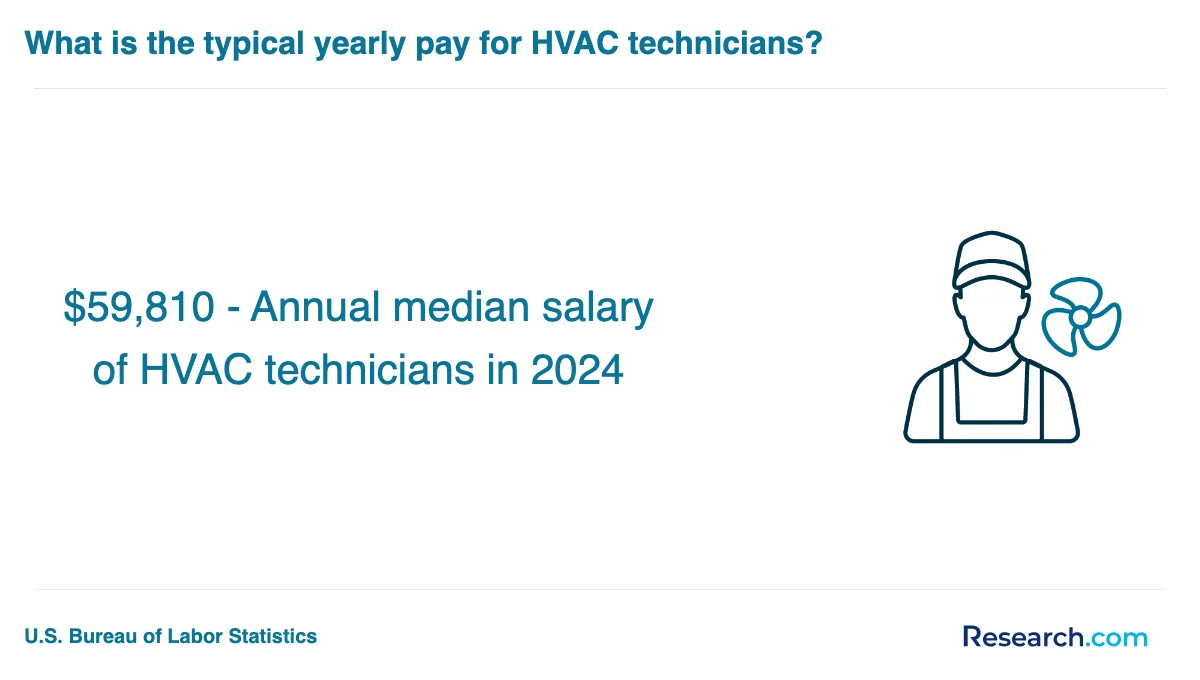
Many HVAC technician students in Pennsylvania find that financial aid opens the door to their career dreams without overwhelming debt. Graduates from schools like Pennsylvania College of Technology often share how federal aid programs, especially FAFSA, were their first step to securing funds. Through Pell Grants, which can provide up to $7,395 annually, students facing financial challenges felt supported while focusing on their hands-on training.
Beyond federal aid, institutional scholarships tailored for HVAC majors offer meaningful relief. Students recall receiving awards based on their academic efforts or demonstrated need, making education more affordable and motivating them to excel. Industry scholarships, such as those from ASHRAE, provide up to $10,000 yearly, rewarding dedication and strong performance with substantial financial backing.
Workforce grants and vocational rehabilitation funds add further options, especially for Pennsylvania residents pursuing this trade. Veterans often highlight how GI Bill® benefits eased their transition into HVAC training. Reaching out to financial aid offices at these trade schools proved invaluable, as staff helped navigate and combine these resources-making the training journey more accessible and hopeful.
Enrolling in an HVAC technician trade school program in Pennsylvania typically requires a few clear prerequisites that prepare students for success. Most trade schools expect candidates to have a high school diploma or GED, ensuring foundational skills in math and reading. Graduates from Pennsylvania trade schools often reflect on how this basic education helped them grasp complex HVAC concepts more easily.
Many programs also require students to be at least 18 years old, aligning with safety regulations and work readiness. Some schools ask for a background check or proof of physical fitness, recognizing the hands-on nature of HVAC work, like lifting heavy equipment or working in tight spaces.
Common prerequisites include:
- High school diploma or GED
- Minimum age of 18 years
- Basic math and reading proficiency
- Physical ability to perform manual labor
- Background check in some cases
Graduates often share how meeting these requirements gave them confidence walking into their first day, ready to learn and grow in programs at well-known Pennsylvania schools. This preparation fosters a smoother transition into the practical, rewarding world of HVAC work.
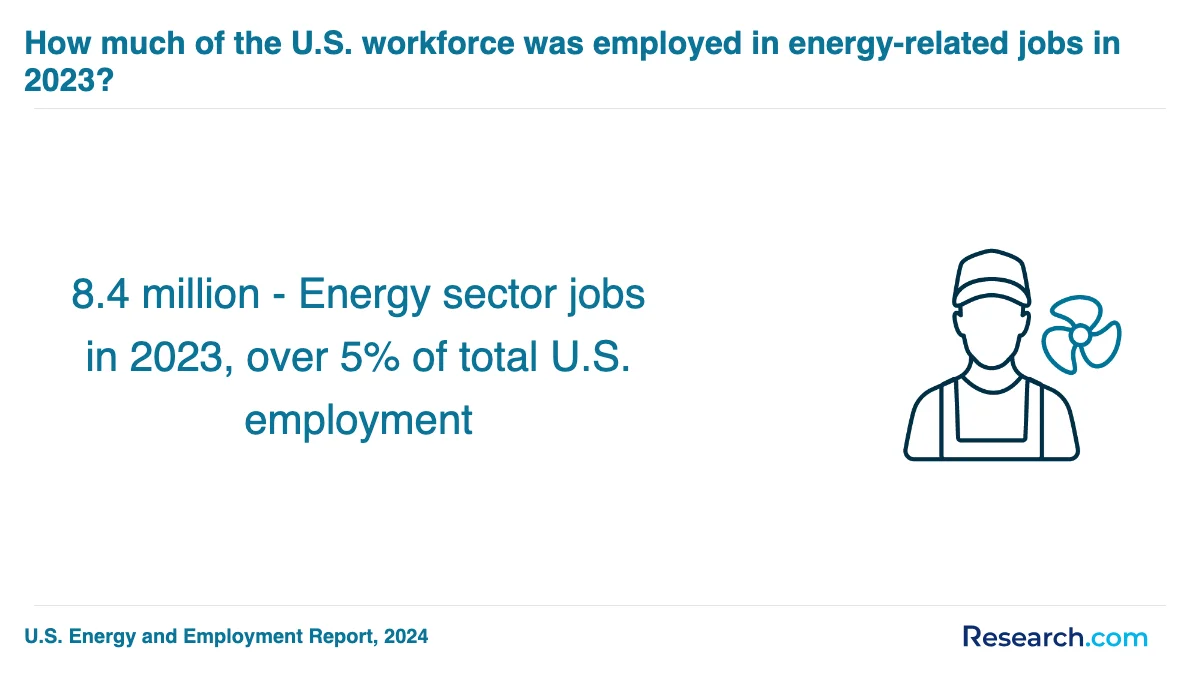
HVAC technician trade school programs in Pennsylvania are thoughtfully designed to blend theory with hands-on practice, ensuring students gain confidence and skill. Graduates often recall their first weeks learning the principles of heating, ventilation, air conditioning, and refrigeration (HVAC/R), which laid a solid foundation for understanding system components and temperature control.
Typical courses include:
- Installation, repair, and maintenance: Students practice connecting units to fuel, water, and electrical supplies, mastering ductwork with sheet metal and flexible tubing.
- Electrical systems and controls: Hands-on lessons in basic electricity, circuits, and automation controls prepare students to troubleshoot modern HVAC electronics.
- Refrigerant handling: Safe handling, recycling, and EPA certification preparation ensure compliance and environmental responsibility.
- Diagnostics and troubleshooting: Using industry-standard tools, students learn combustion analysis, airflow setup, and system checkouts.
- Emerging technologies: Some Pennsylvania programs introduce solar thermal, geothermal heating, and radiant heat gain for sustainable practice.
Graduates from well-known trade schools in Pennsylvania often speak warmly of their extensive internships, which made classroom lessons tangible and fostered a real sense of readiness for entry-level roles. This blend of knowledge and practical experience is what truly excites many students about pursuing an HVAC career in Pennsylvania.
HVAC technician specializations in Pennsylvania prepare students with hands-on expertise tailored to diverse career paths. Graduates from programs like Central Pennsylvania Institute of Science and Technology appreciate the deep dive into heating systems, mastering tasks such as installing fuel furnaces and troubleshooting electric heating components. Meanwhile, those trained at Crawford County Career and Technical Center find confidence in repairing refrigeration and air conditioning systems through practical diagnostic methods and equipment use.
Many Pennsylvania HVAC trade school programs also emphasize specializations in commercial refrigeration and energy management. For instance, Lehigh Career & Technical Institute's curriculum immerses students in real-world challenges like servicing walk-in coolers and ice machines, while also advancing skills in sustainable HVAC designs using solar and geothermal energy. Graduates often cite feeling prepared for evolving industry demands due to this broad yet focused training.
Other students explore building automation systems at schools such as the Community Technical College of Lebanon County, mastering the integration of HVAC, lighting, and security controls to optimize building performance.
Consider reviewing trade school vs college statistics to understand the value behind choosing specialized HVAC trade school programs in Pennsylvania.
Choosing the best HVAC trade schools in Pennsylvania means prioritizing program accreditation and hands-on training. Graduates from Pennsylvania College of Technology often share how the combination of rigorous theory and practical labs helped them confidently tackle real-world HVAC challenges. The quality of faculty also makes a difference-experienced instructors at Thaddeus Stevens College of Technology bring industry insights that students find invaluable for networking and skill-building.
When deciding how to choose an HVAC program in Pennsylvania, consider the curriculum's alignment with certifications like EPA Section 608, essential for working with refrigerants. Many students praise programs at YTI Career Institute-York for their up-to-date equipment and simulated work environments that boost job readiness. Cost and financial aid options are equally crucial; community colleges such as Butler County Community College offer affordable tuition without sacrificing quality.
Finally, strong job placement rates and career support ease the transition to employment. For those weighing certification versus apprenticeship, exploring an hvac certification and apprenticeship comparison can clarify the right path forward.

Graduates of HVAC technician trade school programs in Pennsylvania often discover diverse HVAC technician jobs in Pennsylvania that extend beyond conventional repair and maintenance roles. Many find rewarding careers as HVAC installers or refrigeration technicians, specializing in complex systems within bustling commercial or industrial environments familiar to students from popular trade schools in the state. Others take pride in advancing into leadership roles such as service managers or lead installers, overseeing projects and teams, a path frequently inspired by hands-on experiences during training.
HVAC career opportunities in Pennsylvania are enriched by options like launching independent businesses, where entrepreneurial graduates handle contracts and workforce management, drawing on the practical skills developed in classrooms and real-world settings. Some graduates enjoy roles as sales representatives for HVAC equipment manufacturers, blending technical know-how with customer engagement. Less traditional paths include automotive HVAC technician positions, reflecting the trade school's comprehensive curriculum.
Common career advancement routes include:
- Residential and commercial HVAC system technician
- Commercial refrigeration specialist
- Service management and project supervision
- Entrepreneurship and business ownership
- Sales and client advisory roles
- Automotive HVAC technician
Students looking to explore comprehensive programs may consider accredited online trade schools that offer flexible training adapted to Pennsylvania's growing market. Graduates consistently describe the satisfaction of contributing to energy-efficient building upgrades statewide while enjoying solid earning potential and upward mobility.
The job market for HVAC technician trade school graduates in Pennsylvania shows steady demand yet moderate competition. Graduates from popular local trade schools often share that while opportunities exist, especially in cities like Philadelphia, the overall market is not very active. Entry-level technicians can expect an average hourly wage around $28.33, with higher pay of about $30.27 in urban hubs due to overtime chances. This fits typical HVAC technician salary trends Pennsylvania, where salaries tend to rank near the lower end nationally.
Many graduates highlight how advancing certifications and technical skills open doors amid slower job growth. They also note that factors such as willingness to travel or work extra hours make a real difference. A few key points from their experiences include:
- Consistent demand driven by Pennsylvania's climate and aging infrastructure
- Stronger competition due to fewer active job postings
- Better opportunities and pay in larger metropolitan areas like Philadelphia
For those weighing their options, understanding what trade school job pays the most can help prioritize further specialization. Overall, the HVAC technician job outlook in Pennsylvania is stable but requires strategic skill-building for graduates aiming to thrive in this measured market.
Best HVAC Technician Training Programs & Trade Schools - Top HVAC Tech Schools in Pennsylvania for 2026
# 1 position
Thaddeus Stevens College of Technology - Heating, Air Conditioning, Ventilation and Refrigeration Maintenance Technology/Technician.
associateThe Heating, Air Conditioning, Ventilation and Refrigeration Maintenance Technology/Technician program at Thaddeus Stevens College of Technology is a hybrid program designed to teach technical skills in repairing, installing, servicing, and maintaining HVAC and refrigeration systems. It includes training in diagnostic techniques, testing equipment, and the fundamentals of mechanics, electricity, and electronics. Annual in-state tuition is $9,050, and median earnings one year after completion are $41,954. The program is accredited by the Middle States Commission on Higher Education.
# 2 position
Triangle Tech Inc-Greensburg - Heating, Air Conditioning, Ventilation and Refrigeration Maintenance Technology/Technician.
associateThe Heating, Air Conditioning, Ventilation and Refrigeration Maintenance Technology/Technician program at Triangle Tech Inc-Greensburg prepares students to repair, install, service, and maintain HVAC and refrigeration systems. This hybrid program covers diagnostic techniques, testing equipment, and principles of mechanics, electricity, and electronics. Annual in-state tuition is $18,513. Graduates earn a median salary of $45,808 one year after completion. The program is accredited by the Accrediting Commission of Career Schools and Colleges.
# 3 position
York County School of Technology-Adult & Continuing Education - Heating, Air Conditioning, Ventilation and Refrigeration Maintenance Technology/Technician.
certificate or diplomaThe Heating, Air Conditioning, Ventilation and Refrigeration Maintenance Technology/Technician program at York County School of Technology-Adult & Continuing Education prepares students to repair, install, service, and maintain HVAC and refrigeration systems. The hybrid program includes training in diagnostic techniques, testing equipment, and the mechanics, electricity, and electronics principles needed for system repair. It is accredited by the Pennsylvania State Board of Vocational Education.
# 4 position
Rosedale Technical College - Heating, Air Conditioning, Ventilation and Refrigeration Maintenance Technology/Technician.
associateRosedale Technical College offers a hybrid program in Heating, Air Conditioning, Ventilation and Refrigeration Maintenance Technology/Technician. The curriculum trains students to repair, install, service, and maintain HVAC and refrigeration systems, emphasizing diagnostic techniques and principles of mechanics, electricity, and electronics. Annual in-state tuition is $16,700. Graduates earn a median salary of $41,126 one year after completion. The program is accredited by the Accrediting Commission of Career Schools and Colleges.
# 5 position
Rosedale Technical College - Heating, Air Conditioning, Ventilation and Refrigeration Maintenance Technology/Technician.
certificate or diplomaRosedale Technical College offers a hybrid program in Heating, Air Conditioning, Ventilation and Refrigeration Maintenance Technology/Technician. The curriculum covers repair, installation, service, and maintenance of HVAC and refrigeration systems, including diagnostic techniques, testing equipment, and relevant mechanics, electricity, and electronics principles. Annual in-state tuition is $16,700. Graduates have a median earning of $41,126 one year after completion. The program is accredited by the Accrediting Commission of Career Schools and Colleges.
# 6 position
Pennsylvania College of Technology - Heating, Air Conditioning, Ventilation and Refrigeration Maintenance Technology/Technician.
associateThe Heating, Air Conditioning, Ventilation and Refrigeration Maintenance Technology/Technician program at Pennsylvania College of Technology offers a hybrid learning format. It trains students in repairing, installing, servicing, and maintaining HVAC and refrigeration systems, including diagnostic techniques and the use of testing equipment. The program is accredited by the Middle States Commission on Higher Education. Annual in-state tuition is $17,940, and median earnings one year after completion reach $51,770.
# 7 position
Berks Career & Technology Center - Heating, Air Conditioning, Ventilation and Refrigeration Maintenance Technology/Technician.
certificate or diplomaThe Heating, Air Conditioning, Ventilation and Refrigeration Maintenance Technology/Technician program at Berks Career & Technology Center prepares students to repair, install, service, and maintain HVAC and refrigeration systems. It includes training in diagnostic techniques, testing equipment use, and principles of mechanics, electricity, and electronics relevant to these systems. The program is offered in a hybrid format and is accredited by the Middle States Commission on Secondary Education.
# 8 position
Lancaster County Career and Technology Center - Heating, Air Conditioning, Ventilation and Refrigeration Maintenance Technology/Technician.
certificate or diplomaThe Heating, Air Conditioning, Ventilation and Refrigeration Maintenance Technology/Technician program at Lancaster County Career and Technology Center offers hybrid instruction with some distance-education options. It prepares students to repair, install, service, and maintain heating, air conditioning, and refrigeration systems. The curriculum includes diagnostic techniques, use of testing equipment, and principles of mechanics, electricity, and electronics related to system repair. The program is accredited by the Council on Occupational Education.
# 9 position
Penn Commercial Business/Technical School - Heating, Air Conditioning, Ventilation and Refrigeration Maintenance Technology/Technician.
associatePenn Commercial Business/Technical School offers a hybrid Heating, Air Conditioning, Ventilation and Refrigeration Maintenance Technology/Technician program. This program trains students in diagnosing, installing, servicing, and maintaining HVAC and refrigeration systems, emphasizing mechanics, electricity, and electronics. Annual in-state tuition is $13,654. Graduates earn a median salary of $29,898 one year after completion. The program is accredited by the Accrediting Commission of Career Schools and Colleges.
# 10 position
Clearfield County Career and Technology Center - Heating, Air Conditioning, Ventilation and Refrigeration Maintenance Technology/Technician.
certificate or diplomaThe Heating, Air Conditioning, Ventilation and Refrigeration Maintenance Technology/Technician program at Clearfield County Career and Technology Center prepares students to repair, install, service, and maintain HVAC and refrigeration systems. The hybrid program covers diagnostic techniques, testing equipment, and principles of mechanics, electricity, and electronics related to these systems. It is accredited by the Pennsylvania State Board of Vocational Education.
Frequently Asked Questions about HVAC technician
After completing an HVAC technician trade school in Pennsylvania, preparing for the job market involves several key steps. First, obtaining EPA Section 608 certification is essential, as it is federally required to handle refrigerants. Pennsylvania's Department of Labor reports that HVAC jobs are expected to grow by 5% through 2030, making timely certification and licenses a priority for job seekers.
Next, graduates should build a professional network by joining local trade associations, such as the Air Conditioning Contractors of America (ACCA) Pennsylvania chapter. Apprenticeships and internships offered through trade schools or contractors provide valuable hands-on experience and increase employability.
Lastly, crafting a clear resume highlighting technical skills and certifications is crucial. Job portals like Pennsylvania CareerLink can help locate HVAC openings. Continuous learning through additional certifications can further enhance job prospects in this competitive field.
Employers in Pennsylvania seek HVAC technician graduates who possess a strong foundation in mechanical and electrical systems. Proficiency in installing, maintaining, and repairing heating, ventilation, air conditioning, and refrigeration units is essential. According to the U.S. Bureau of Labor Statistics, practical skills with HVAC controls and diagnostics are highly valued, reflecting the increasing use of advanced technology in the field.
Additionally, employers prioritize problem-solving abilities and a solid understanding of safety protocols. Communication skills are important, as technicians often explain technical issues to clients. The Pennsylvania Department of Labor emphasizes that EPA certification for handling refrigerants is frequently required, making it a critical credential for graduates entering the workforce.
Finding internships relevant to HVAC technician trade school programs in Pennsylvania involves a combination of research and networking. Start by contacting the career services offices of trade schools, as many maintain partnerships with local HVAC companies offering internships.
Additionally, the Pennsylvania Department of Labor & Industry provides resources and job listings that can include HVAC apprenticeship and internship opportunities. According to the U.S. Bureau of Labor Statistics, Pennsylvania has a strong demand for HVAC technicians, which encourages businesses to offer hands-on training positions.
Local trade unions and industry associations, such as the Mechanical Contractors Association of Eastern Pennsylvania, often facilitate internships and apprenticeships. Online job boards focused on skilled trades can also list HVAC internships specific to Pennsylvania.
In Pennsylvania, earning a diploma from an HVAC technician trade school significantly enhances career mobility and advancement opportunities. According to the Pennsylvania Department of Labor & Industry, the HVAC sector is projected to grow by 10% through 2030, driven by increasing demand for energy-efficient climate control systems.
A trade school diploma provides essential technical skills and industry-recognized certifications, such as EPA Section 608, that employers prioritize. Graduates often qualify for higher entry-level wages compared to those without formal training. The Bureau of Labor Statistics reports that Pennsylvania HVAC technicians earn a median annual wage of around $52,000, with diploma holders more likely to access supervisory roles.
The diploma also facilitates access to apprenticeships and continuing education, which are crucial for career progression. Overall, a trade school credential in HVAC positions students for greater job stability, wage growth, and geographic mobility within Pennsylvania's diverse labor market.
Part-time job opportunities in Pennsylvania that complement HVAC technician trade school education often include roles such as HVAC helper, maintenance assistant, or entry-level technician. These positions provide hands-on experience with heating, ventilation, and air conditioning systems while students complete their studies.
According to the U.S. Bureau of Labor Statistics, Pennsylvania employs over 8,000 HVAC technicians, with steady growth expected through 2030. Gaining practical experience during training can improve job prospects in this competitive field.
Many employers in Pennsylvania offer flexible schedules to accommodate students. Additionally, roles in general building maintenance or appliance repair can also build relevant skills in troubleshooting and customer service.
These part-time jobs not only reinforce technical knowledge but also help students develop workplace professionalism, which is highly valued by future employers in the HVAC industry.
For those looking for HVAC Technician degree programs near me in Pennsylvania, numerous community colleges and trade schools offer specialized courses tailored to this field. Near Pennsylvania, some institutions provide comprehensive training programs that cover the essential skills and knowledge required for a career as an HVAC technician. Research.com could be used as a resource to explore specific programs and rankings, aiding in the selection based on your local area.
- Best HVAC Technician Training Programs & Trade Schools - Top HVAC Tech Schools in Delaware for 2026
- Best HVAC Technician Training Programs & Trade Schools - Top HVAC Tech Schools in Maryland for 2026
- Best HVAC Technician Training Programs & Trade Schools - Top HVAC Tech Schools in New York for 2026
- Best HVAC Technician Training Programs & Trade Schools - Top HVAC Tech Schools in West Virginia for 2026
- Best HVAC Technician Training Programs & Trade Schools - Top HVAC Tech Schools in Kentucky for 2026
- Best HVAC Technician Training Programs & Trade Schools - Top HVAC Tech Schools in North Carolina for 2026
- Best HVAC Technician Training Programs & Trade Schools - Top HVAC Tech Schools in Maine for 2026
- Best HVAC Technician Training Programs & Trade Schools - Top HVAC Tech Schools in Michigan for 2026
- Best HVAC Technician Training Programs & Trade Schools - Top HVAC Tech Schools in Illinois for 2026
- Best HVAC Technician Training Programs & Trade Schools - Top HVAC Tech Schools in Alabama for 2026
- HVAC Career Path: What to Expect After Training https://www.genesiscareer.edu/hvac-career-path-after-training/
- Navigating the Career Path of an HVAC Technician | CBT Technology Institute https://www.cbt.edu/blog/navigating-the-career-path-of-an-hvac-technician/
- How to Prepare for an HVAC Career | Air Conditioning & Heating Classes https://www.thetrainingcenterofairconditioningandheating.com/hvac-technician/how-to-prepare-for-an-hvac-career/
- 10 Essential Tips for Starting Your HVAC Career - RightTek HVAC https://righttekhvac.com/2024/08/30/10-essential-tips-for-starting-your-hvac-career/
- What to expect after HVAC trade school? What is a real Technician? #realtech #technician #HVAC https://www.youtube.com/watch
- 4 Tips to Prepare for an HVAC Career Path in Michigan https://www.dorsey.edu/blog/hvac-career-path-mi/
- HVAC Trade Schools: HVAC Training Programs | Fortis https://www.fortis.edu/programs/skilled-trades/heating--ventilation--air-conditioning-and-refrigeration-trades.html
- Find HVAC Trade Schools - Diploma & Associate Degree Programs https://www.trade-schools.net/trades/hvac
- HVACR Technician Training - Gwinnett Technical College https://gwinnetttech.edu/online-continuing-education/hvacr-technician-training/
- Ventilation Trade School | Chicago, IL | HVAC Tech https://www.hvac-tech.com/