Most Affordable HVAC Technician Schools & Training - Budget-Friendly HVAC Trade Programs in Mesa for 2026

Co-Founder and Chief Data Scientist
Choosing the right HVAC technician trade school in Mesa can shape your future career and open doors to rewarding job opportunities. This article introduces a carefully crafted ranking of HVAC technician programs developed by the Research.com team of data scientists to help you make an informed decision.
By exploring this guide, you’ll discover affordable options that fit your needs and goals. Earning a diploma or certification in HVAC technology offers valuable skills and confidence, setting you on a path to success in a growing industry.
Key benefits of finishing HVAC technician trade school in Mesa
- Graduates from HVAC technician trade schools in Mesa can expect an average annual salary around $109,781, with potential to earn even more with experience and certifications.
- Career paths include roles like commercial HVAC technician, HVAC engineer, or master technician, offering diverse opportunities for growth and specialization.
- Completing an HVAC program online provides flexibility and faster completion times, helping graduates start their careers sooner while balancing other commitments.
- Most Affordable HVAC Technician Schools & Training - Budget-Friendly HVAC Trade Programs in Mesa for 2026
- What can I expect from HVAC technician trade schools in Mesa?
- Where can I work after finishing HVAC technician trade schools in Mesa?
What can I expect from HVAC technician trade schools in Mesa?
Students enrolling in HVAC technician trade schools in Mesa can expect a robust combination of classroom learning and hands-on training tailored to the region's hot desert climate. Graduates from programs like UEI Mesa describe immersive experiences covering nine core modules in about 10 months, blending theory with practical lab work that simulates real-world HVAC system installation and repair.
Most programs require a high school diploma or GED and vary in length from six months to two years, allowing flexibility based on career goals. Local schools such as East Valley Institute of Technology offer both on-campus and online options, giving students choices that fit their schedules.
Curricula emphasize mastery of refrigeration cycles, electrical fundamentals, and safety standards, preparing students for essential certifications like the EPA Section 608. Many graduates highlight the confidence gained through certification prep and career support services, including job placement assistance and connections to Mesa employers.
Tuition ranges widely-from around $5,000 to over $21,000-reflecting different program lengths and resources, yet financial aid options make these programs accessible. Hands-on training, certification readiness, and strong career support combine to create a rewarding and practical learning journey.
Where can I work after finishing HVAC technician trade schools in Mesa?
Graduates from HVAC technician trade schools in Mesa often find immediate employment across diverse sectors, reflecting the city's strong demand for skilled professionals. Many begin as HVAC Service Technicians, engaging directly with homeowners to troubleshoot and repair residential heating and cooling systems, a role praised by recent graduates for its hands-on variety and customer interaction.
Others secure positions with commercial service providers, maintaining larger-scale equipment in office buildings, schools, and retail stores. Popular trade schools in Mesa prepare students well for these environments by offering practical training aligned with local employer needs. Graduates appreciate the confidence gained in handling rooftop units and complex commercial systems.
Additional career paths include roles as Maintenance Technicians focusing on preventive care, and Electricians specializing in HVAC electrical components. Some find rewarding work as Refrigeration Technicians in restaurants and medical facilities, where precision is critical.
Employment with municipal employers like the City of Mesa is a notable option, providing stability and benefits. Many graduates highlight the fulfillment of full-time positions with paid training, health insurance, and performance bonuses in local companies, from small businesses to national chains, making Mesa a promising place to launch an HVAC career.
Graduates from HVAC technician trade schools in Mesa typically start with an average annual salary between $36,800 and $46,000 in entry-level roles. Many students from popular Mesa trade schools share how quickly their earnings grew after gaining hands-on experience on the job. Within two to four years, salaries often climb to around $46,000, reflecting the value of practical skills gained during training and early work.
More seasoned technicians with four to six years of experience can expect salaries near $52,000, while those with over a decade in the field sometimes reach incomes over $67,500. Hourly wages start at approximately $23, with averages near $30 per hour, plus overtime pay that can add about $7,000 annually.
Graduates often express satisfaction with benefits like 401(k) plans and health insurance, commonly offered by Mesa employers. Some take pride in advancing to specialized roles such as Master HVAC Technician, earning up to $77,470, or HVAC Engineer positions with salaries around $81,411, showcasing the financial upside of continued certification and skill development.
- Admission requires a high school diploma or equivalent with no specialized entrance requirements.
- Program length ranges from 10 months to about 36 weeks, combining classroom and hands-on training.
- Certification preparation includes EPA Section 608 and Low GWP Refrigerant Safety Certifications.
- Average program cost is around $21,500 for tuition, books, and supplies, with financial aid options available.
- Starting salaries for HVAC technicians in Mesa range from $45,000 to $50,000 per year, with experienced workers earning over $60,000.
The typical completion time for an HVAC technician trade school program in Mesa ranges between 6 to 12 months. Students attending well-known trade schools in Mesa often report finishing their coursework in about 9 months on average, balancing hands-on training with classroom instruction. This timeframe allows graduates to quickly enter the workforce with practical skills.
Many graduates describe the experience as both intensive and rewarding, emphasizing how the focused schedule helped them stay motivated and on track. For example, those studying at popular Mesa trade schools often recall completing rigorous but engaging modules on refrigeration systems and electrical components in under a year, which made the learning process feel manageable and purposeful.
Trade schools in Mesa also offer flexible schedules to accommodate working students, ensuring that completion times can be adjusted slightly if needed. This adaptability helps students feel supported throughout their journey and confident in meeting their career goals within a realistic timeframe.
The primary difference between online and on-campus HVAC technician trade school programs in Mesa centers on delivery and practical experience. Online programs, like SkillCat's, offer flexibility with remote learning through interactive modules and virtual simulations. Graduates often appreciate the affordability-only $10 per month-and the ability to study at their own pace while covering core topics such as EPA 608 certification and refrigeration theory. However, many online students mention missing the hands-on experience crucial for confidently handling HVAC equipment.
On-campus programs at institutions like UEI College provide immersive, in-person training. Students physically install and repair HVAC systems, gaining tactile skills essential for the field. Graduates highlight the value of real-time instructor feedback and access to equipment, which boosts their job readiness. The approximately 10-month UEI program also integrates online coursework with hands-on labs, preparing students for certifications and connecting them with local employers for externships.
These differences shape the learning experience significantly, with online programs prioritizing convenience and cost, and on-campus programs focusing on direct, practical skill development.
The average HVAC technician program cost Mesa students face generally ranges from about $4,500 to $7,000, depending on the institution and program length. For example, East Valley Institute of Technology (EVIT) offers a 360-clock-hour training over five months for just under $5,000, attracting many graduates who appreciate the balance of cost and hands-on instruction. Students often share that the comprehensive approach prepares them well for real-world HVAC challenges while keeping expenses manageable.
UEI College features a longer, 10-month itinerary that combines classroom and practical training, with tuition reflecting the extended curriculum and certification preparation, including the EPA Section 608 Certification. Graduates from UEI often emphasize how the skill sets they gained justified the higher tuition, seeing it as an investment toward future job security in Mesa's HVAC market.
The variance in HVAC trade school tuition Mesa Arizona reflects the diversity of program structures and certification opportunities. For instance, Mesa Community College offers both certificate and degree pathways with generally lower tuition for in-state students, making it an accessible option. Many students mention the advantage of affordable tuition paired with financial aid options that ease upfront costs.
Potential students should thoroughly explore a school's total cost, factoring in fees, tools, and textbooks, and contact them for the latest figures. For those evaluating alternatives, consulting sources like the best online trade schools can provide additional perspectives on budgeting for HVAC education.
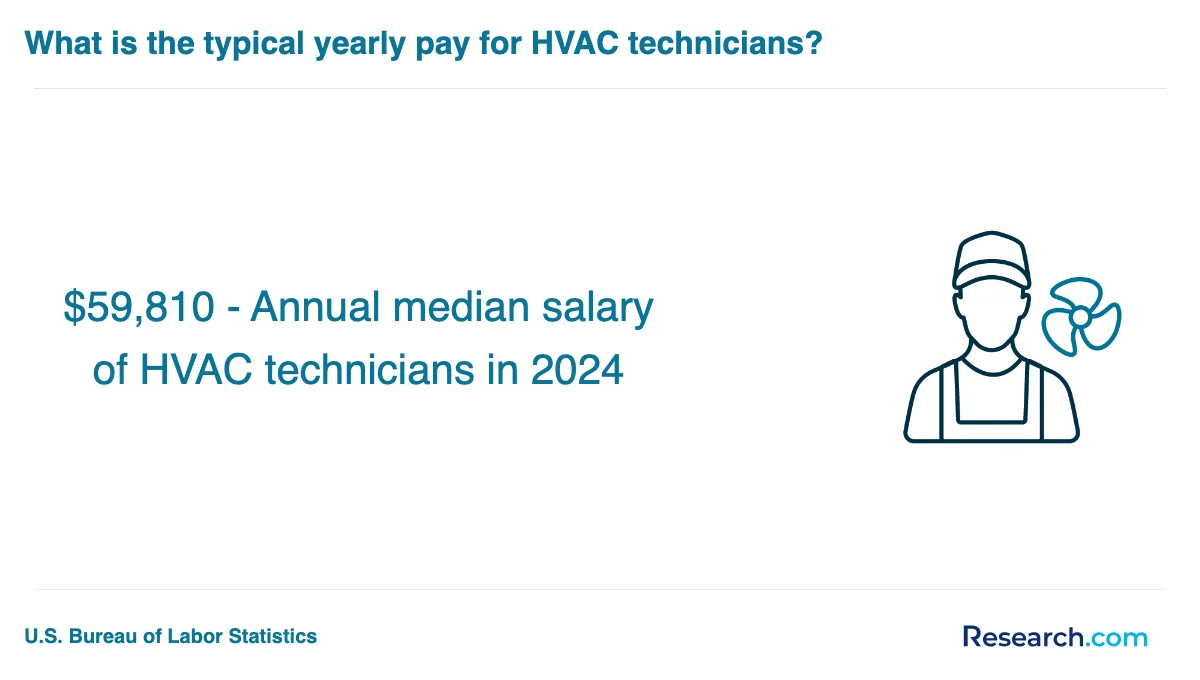
Students pursuing HVAC technician programs in Mesa benefit from a variety of financial aid options that make the $21,500 average program cost more manageable. Federal aid is the most common, with many trade schools participating in the Federal Pell Grant Program, which provides need-based grants that do not require repayment. Graduates frequently recall how receiving Pell Grants eased their financial burden, allowing them to focus fully on hands-on training without the stress of mounting debt.
The Federal Supplemental Educational Opportunity Grant (FSEOG) offers additional support to those with exceptional financial need, often awarded alongside Pell Grants. For students needing further assistance, the William D. Ford Federal Direct Loan Program provides low-interest loans to cover tuition and living expenses, a lifeline for many who balance school and family commitments.
Some Mesa trade schools also offer Federal Work-Study programs, enabling students to earn income through part-time jobs related to their field, which graduates describe as valuable for gaining work experience while funding their education.
Institutional scholarships tailored for merit or specific demographics, like women entering HVAC, enhance accessibility. Local workforce programs through ARIZONA@WORK and Maricopa County provide additional tuition aid and job placement, often praised by students for smooth transitions into the workforce.
Enrolling in an HVAC technician trade school program in Mesa typically requires a high school diploma or GED, ensuring students have foundational skills in math and reading. Most programs expect applicants to be at least 18 years old, reflecting the physical and technical demands of HVAC work. Some Mesa trade schools also request basic proficiency in English to help students navigate technical manuals and safety protocols efficiently.
Graduates from popular Mesa trade schools often highlight the importance of having hands-on experience or familiarity with mechanical work before enrollment. This can come from prior jobs, internships, or even personal projects like home HVAC system maintenance. These experiences boost confidence and ease the learning curve during the program.
Common prerequisites include:
- High school diploma or GED
- Minimum age of 18
- Basic math and reading skills
- English proficiency
- Physical ability to handle equipment and tools
These requirements prepare students to thrive in demanding environments, as reported by recent graduates who appreciated the clear expectations and felt ready to tackle both classroom theory and hands-on labs at their Mesa trade schools.
HVAC technician trade school programs in Mesa typically include a comprehensive set of courses designed to equip students with practical skills and technical knowledge essential for the industry. Graduates from popular programs, such as those at UEI College, emphasize how the curriculum balances theory with hands-on practice over about ten months.
Core courses commonly cover:
- Basic refrigeration principles, enabling students to safely handle refrigerants and understand cooling cycles
- Heating systems, focusing on the installation and troubleshooting of furnaces and heat pumps
- Air conditioning fundamentals, including system design and maintenance
- Electrical systems and controls, teaching safe wiring techniques and programmable logic controllers (PLCs) essential for modern HVAC units
- Diagnostic techniques and use of testing equipment to identify system faults efficiently
- Mechanical principles that underpin system operation and repair
Students report that courses integrate OSHA 10 safety training and preparation for EPA Section 608 Certification, which is mandatory for refrigerant handling. Hands-on labs and externships offered by Mesa trade schools help students transition confidently into the workforce, practicing real-world scenarios that build both competence and enthusiasm for the trade.
HVAC technician specializations Mesa programs typically focus on residential and commercial systems, combining theoretical knowledge with hands-on training. Graduates from Mesa Community College's HVAC Residential Service Certificate program highlight gaining expertise in key areas like Basic Electricity, HVAC Controls, and Refrigeration Theory, empowering them to confidently handle installation and repair of home HVAC-R systems.
Students from UEI College often emphasize their expanded skill sets covering commercial HVAC operations, including Heating Systems, Commercial Refrigeration, and advanced troubleshooting techniques. This broad specialization prepares them for diverse roles and aligns with growing green technology trends in the industry.
Meanwhile, those completing East Valley Institute of Technology's program report real confidence from their extensive practical training-360 clock hours over five months-developing proficiency in installation techniques and repair methods relevant to both residential and commercial markets. Program graduates appreciate how these combined approaches enhance job readiness.
Key HVAC training programs Mesa options train students in areas such as:
- Air Conditioning Troubleshooting and Heat Pump Systems
- Basic Refrigeration Theory and Application
- Motors and HVAC Controls
- Commercial Refrigeration Systems
For students weighing their choices, understanding the advantages of hvac certification over apprenticeship is crucial to align their career goals with the right specialization and training path.
When selecting among the best HVAC trade schools in Mesa Arizona, prioritize accreditation and hands-on training to ensure industry-recognized credentials and practical skills. Graduates from Mesa Community College often emphasize how comprehensive, real-world lab exercises built their confidence in troubleshooting HVAC systems. Affordable HVAC technician programs in Mesa typically balance cost with strong job placement services, which past students say eased their transition into local HVAC roles through internships and apprenticeships.
Flexibility in scheduling also matters; many working professionals value programs that accommodate night or weekend classes. Consider proximity to reduce commute stress-local options near public transit have helped many students manage work-study-life balance effectively. Alumni feedback consistently highlights the importance of a curriculum covering refrigeration, heating, ventilation, and safety protocols, which prepares them for certification exams and on-the-job challenges.
Evaluating costs critically is crucial, but leveraging financial aid opportunities can make programs more accessible. For those aiming at high earning potential, researching high paying jobs trade school in related sectors can help set realistic career goals aligned with the quality of education Mesa schools provide.
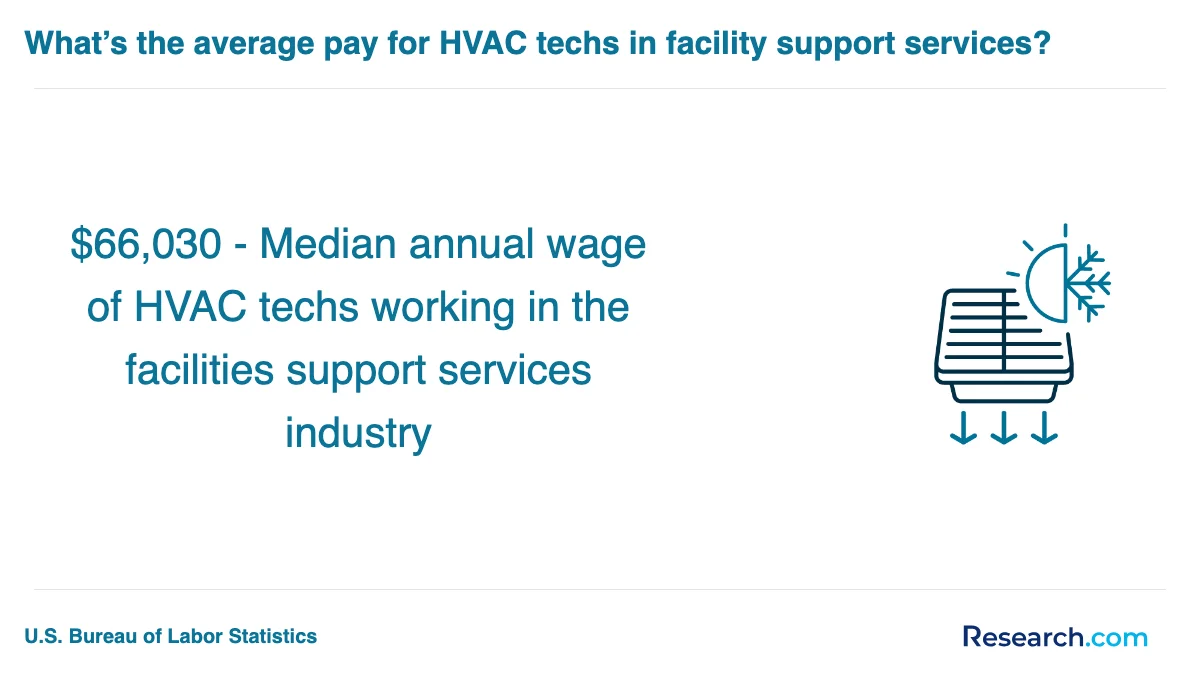
Graduates of Mesa's HVAC technician trade schools often find robust HVAC technician jobs in Mesa AZ, starting as technicians who install, maintain, and repair home and commercial cooling systems. Many experience immediate job satisfaction from working hands-on with climate control technology essential to Mesa's demanding desert environment. Popular trade schools equip students with practical skills, enabling them to secure positions that offer competitive wages, bonuses, and benefits like paid training and time off.
Career advancement frequently leads to roles such as HVAC installers, refrigeration technicians specializing in commercial units, or senior technicians with supervisory responsibilities. Additional pathways include service manager and HVAC estimator positions, which combine technical knowledge with leadership and project management.
Some graduates pursue licensing as commercial or dual-licensed HVAC contractors after gaining field experience and passing Arizona's state exams. This opens opportunities to oversee larger projects or start businesses. Specialized sectors like energy management and building automation also offer growing HVAC career opportunities in Mesa Arizona, attractive for graduates seeking long-term growth.
Many students find that enrolling in Mesa-based programs is trade school better than college for quickly launching their HVAC careers.
The HVAC technician job market in Mesa AZ is robust, driven by the region's intense climate and continuous economic growth. Trade school graduates often find a high volume of available positions, from entry-level installer roles to advanced service technician jobs in both residential and commercial sectors. Many graduates report steady work schedules without seasonal slowdowns, thanks to year-round demand. This positive job stability is a key attractor for students completing HVAC programs in Mesa.
Typical experiences shared by graduates from popular local trade schools highlight:
- Starting hourly wages between $19 and $38, which increase with experience and certifications
- Annual salaries frequently beginning around $70,000 with potential bonuses
- Access to paid training, time off, and benefits enhancing overall job satisfaction
Employers actively value trade school backgrounds and invest in employee growth. Those exploring HVAC technician salary and demand in Mesa see a clear pathway to career advancement and financial reward. For a data-driven view of compensation trends, review the average salary of hvac technician nationally, which aligns well with Mesa's strong market outlook.
Most Affordable HVAC Technician Schools & Training - Budget-Friendly HVAC Trade Programs in Mesa for 2026
# 1 position
UEI College-Mesa - Heating, Air Conditioning, Ventilation and Refrigeration Maintenance Technology/Technician.
certificate or diplomaUEI College-Mesa offers a hybrid program in Heating, Air Conditioning, Ventilation and Refrigeration Maintenance Technology/Technician. The curriculum trains students to repair, install, service, and maintain HVAC and refrigeration systems using diagnostic techniques and testing equipment. Instruction covers mechanics, electricity, and electronics relevant to these systems. Graduates have a median earning of $33,444 one year after completion. The program is accredited by the Accrediting Council for Continuing Education & Training.
Frequently Asked Questions about HVAC technician
After completing an HVAC technician trade school in Mesa, graduates should focus on building practical skills and professional credentials to enhance employment prospects. Obtaining EPA Section 608 certification is essential, as it is federally required for handling refrigerants. Additionally, Mesa's growing construction and maintenance sectors offer numerous entry-level job opportunities, with the Arizona Office of Economic Opportunity projecting a 10% growth in HVAC jobs statewide through 2030.
Networking through local trade unions, job fairs, and apprenticeship programs can also improve job placement chances. Many employers prefer candidates with hands-on experience, so seeking internships or part-time work during training is beneficial. Staying updated on emerging technologies in HVAC systems will further increase competitiveness in the job market.
Employers in Mesa value HVAC technician graduates who possess strong technical skills and practical knowledge. Key competencies include understanding heating, ventilation, and air conditioning systems, electrical wiring, and refrigeration principles. According to the U.S. Bureau of Labor Statistics, HVAC technicians with hands-on experience and certification often have a hiring advantage.
Problem-solving skills and the ability to read blueprints are also critical. Communication skills matter, as technicians must explain issues clearly to customers and work well with team members. Local Mesa employers emphasize safety awareness and familiarity with EPA regulations, which are essential for handling refrigerants responsibly.
Additionally, adaptability to new technologies and energy-efficient systems is increasingly important in the evolving HVAC field.
Finding internships in Mesa relevant to HVAC technician trade school programs involves several strategic steps. First, students should connect with their trade school's career services, as many schools maintain partnerships with local HVAC companies.
Additionally, Mesa's growing construction and service industries provide opportunities. According to the Arizona Office of Economic Opportunity, the HVAC job market in the Phoenix metropolitan area, which includes Mesa, is expected to grow by 7% through 2028, increasing internship availability.
Networking through local trade unions and professional associations like the Refrigeration Service Engineers Society (RSES) can also help secure internships. Online platforms such as the Arizona Department of Economic Security's job portal list openings specifically for HVAC apprenticeships and internships in Mesa.
Students should prepare a resume highlighting their technical skills and certifications, as many employers seek candidates with EPA Section 608 certification. Applying early and following up directly with companies improves chances of landing a suitable internship.
Obtaining a HVAC technician trade school diploma in Mesa significantly enhances career mobility and advancement opportunities. Trade schools provide specialized, hands-on training aligned with industry standards, which employers in Mesa highly value. According to the U.S. Bureau of Labor Statistics, HVAC technicians in Arizona can expect a projected job growth rate of 10% from 2022 to 2032, faster than the national average, indicating strong demand.
Completing a diploma program equips students with essential skills to qualify for entry-level positions, apprenticeships, and certifications such as EPA Section 608, which are often prerequisites for higher-paying roles. In Mesa's competitive job market, a diploma can differentiate candidates, accelerating promotions and wage increases.
Furthermore, local industry partnerships and internships facilitated by trade schools can lead to direct employment, reinforcing social mobility by providing stable, well-paying jobs. Data from the Arizona Office of Economic Opportunity highlights that skilled trade professionals in Mesa earn a median annual wage above $50,000, underscoring the diploma's impact on economic advancement.
Students enrolled in HVAC technician trade schools in Mesa can benefit from several part-time job opportunities that complement their education. Positions such as HVAC helper or assistant allow students to gain hands-on experience with installation and maintenance tasks while learning workplace safety and tool handling.
Retail roles at home improvement stores like Lowe's or Home Depot offer valuable exposure to HVAC equipment and customer service skills. These jobs help students understand product specifications and client needs.
Additionally, apprenticeships with local HVAC contractors provide practical training and often pay above minimum wage. According to the U.S. Bureau of Labor Statistics, HVAC technicians in Arizona earn a median hourly wage of around $23.50, making part-time work a useful supplement during studies.
Yes, there are affordable HVAC Technician degree programs available near Mesa, AZ. Many community colleges and technical schools in the area offer HVAC training programs that are cost-effective, providing essential skills for aspiring technicians. Research.com can be a helpful resource to compare programs and find one that matches your budget and location preferences near Mesa, AZ.
- How to write an HVAC Technician cover letter https://hipcv.com/guides/hvac-technician-cover-letter
- How to Become an HVAC Technician | Skilled Trades College of Canada https://www.skilledtradescollege.ca/resources/how-to-become-an-hvac-technician
- Entry Level HVAC Technician - Training Certificate | Midlands Technical College https://www.midlandstech.edu/programs-and-courses/advanced-manufacturing-and-skilled-trades/hvac-training-certificate
- How To Become an HVAC Technician? Step-by-Step Career Guide https://heavyequipmentcollege.edu/how-to-become-an-hvac-technician/
- HVAC/R Technician https://www.wctc.edu/WCTC/Academics/Program-List/HVAC-R-Technician
- Heating, Ventilation, Air-Conditioning and Refrigeration (HVACR) https://www.com.edu/ce/industrial-craft/hvac.html
- How to Become an HVAC Technician: 6 Straightforward Steps https://www.getjobber.com/academy/hvac/how-to-become-an-hvac-technician/
- Heating, Refrigeration and Air Conditioning Technician - Humber Polytechnic https://appliedtechnology.humber.ca/programs/heating-refrigeration-and-air-conditioning-technician.html
- HVAC | Programs & Degrees | Mesa Community College https://www.mesacc.edu/programs/hvac
- HVACR Program | EVIT College and Career | Mesa, AZ https://www.evit.edu/career-training/programs/hvacr