
Most Affordable HVAC Technician Schools & Training - Budget-Friendly HVAC Trade Programs in Maine for 2026

Co-Founder and Chief Data Scientist
Choosing the right HVAC technician trade school in Maine can feel overwhelming. This article is here to help you navigate those options with confidence.
Our team of data scientists at Research.com has created a detailed ranking of the most affordable HVAC technician programs for 2026. This ranking highlights schools that offer quality education without breaking the bank.
Reading this guide will empower you to make an informed choice, setting you on a path toward a rewarding career with valuable certifications or diplomas.
Taking this step can open doors to steady work and personal growth in the HVAC field.
Key benefits of finishing HVAC technician trade school in Maine
- Graduates from HVAC technician trade schools in Maine can expect starting salaries around $37,500 per year, with experienced technicians earning up to $70,632, offering a strong financial foundation in a growing field.
- Career paths for trade school graduates include roles as residential or commercial HVAC technicians, installers, and maintenance specialists, providing diverse opportunities after completing a program at popular Maine schools like the New England Institute of Technology.
- Completing an HVAC program online offers flexibility and convenience, allowing graduates to balance work and study while gaining practical skills, as seen with successful graduates from Maine's Southern Maine Community College online HVAC courses.
- Most Affordable HVAC Technician Schools & Training - Budget-Friendly HVAC Trade Programs in Maine for 2026
- What can I expect from HVAC technician trade schools in Maine?
- Where can I work after finishing HVAC technician trade schools in Maine?
What can I expect from HVAC technician trade schools in Maine?
When you enroll in an HVAC technician trade school program in Maine, expect a balanced mix of classroom learning and hands-on training. Graduates from schools like Northeast Technical Institute often highlight how classroom lessons cover essential topics such as safety standards, electrical wiring, system design, and repair techniques, all tailored to meet Maine's specific HVAC industry requirements.
Hands-on experience is a key part of the program. Students spend hours in well-equipped labs, working directly with HVAC/R units and tools, simulating real job conditions. This practical approach builds confidence and sharp troubleshooting skills, making graduates feel prepared for the challenges they'll face on the job.
Programs typically last from a few months up to two years, which means you can start working quickly. Graduates appreciate that many schools offer support like job placement assistance and financial aid options, helping ease the transition into the workforce. Earning certifications such as EPA 608 during the program also boosts employability and opens doors to better opportunities in Maine's HVAC market.
Where can I work after finishing HVAC technician trade schools in Maine?
After completing an HVAC technician trade school program in Maine, graduates find a wide range of job opportunities across the state. Many start with local service companies, handling installation and repair for residential and small business clients. This hands-on work gives new technicians valuable experience and confidence, often with flexible day or evening shifts and benefits like health insurance and company vehicles.
Others move into larger organizations such as Mainehealth, where HVAC technicians maintain climate control in hospitals and clinics, ensuring safe, comfortable environments. Working in these settings offers a sense of pride and stability, as technicians contribute to critical healthcare operations.
Public institutions like schools, military bases, and research labs also hire HVAC graduates, providing diverse work environments and steady schedules. Popular trade schools in Maine report many graduates quickly securing roles in cities like Bangor, Brunswick, and Caribou, where they enjoy career growth and the satisfaction of supporting vital community infrastructure.
Graduates of HVAC technician trade schools in Maine typically start with competitive salaries that reflect their skills and training. In Portland, for example, new technicians often earn around $62,000 annually, with some reaching up to $67,500 depending on experience and certifications. Many graduates from well-known Maine trade schools share stories of quickly landing jobs that pay between $20 and $35 per hour, enabling them to support themselves and their families right after completing their programs.
Hourly wages across the state usually range from about $23 to $33, with top performers making nearly $44 per hour. This means overtime opportunities can significantly boost earnings, sometimes adding thousands of dollars more each year. In cities like Scarborough and Augusta, salaries tend to be even higher, offering a strong incentive to build a career locally.
Many graduates highlight how hands-on training at Maine's trade schools gave them the confidence to enter the workforce immediately and grow their income steadily with experience and certifications. This practical approach to learning aligns perfectly with the demand for skilled HVAC technicians throughout the state.
- A high school diploma or GED is required to enroll in most HVAC technician programs in Maine.
- Programs typically last from four weeks to one year, with 160 to 330 hours of study depending on the course and school.
- Completion of Fuel Board-approved courses requires at least 160 hours of study, including 75 hours of lab work, plus six months of apprentice experience.
- EPA Section 608 Certification is mandatory for handling refrigerants, and additional licenses are needed for oil burners, solid fuel systems, and electrical work.
- Costs vary but federal financial aid and state workforce funding may be available, including support through WIOA-approved programs.
- Entry-level HVAC technicians in Maine earn between $40,000 and $50,000 annually, with experienced professionals making $60,000 to $70,000 or more.
Completing an HVAC technician trade school program in Maine typically takes about 6 to 12 months, depending on whether you choose a full-time or part-time schedule. Graduates from well-known Maine trade schools often share how the intensive hands-on training helped them quickly build confidence and technical skills, making the time investment feel worthwhile and manageable.
Many find that a full-time program, lasting around 9 months, fits well with their goal of entering the workforce promptly. These programs combine classroom instruction with practical labs, simulating real-world HVAC tasks, which students describe as both challenging and rewarding. For example, students recall working on live heating systems and troubleshooting air conditioning units, experiences that made the learning process engaging and relevant.
Part-time options extend the timeline up to a year but offer flexibility for those balancing work or family commitments. Graduates appreciate this balance, noting that pacing their studies helped reduce stress while still advancing steadily toward certification and employment in Maine's growing HVAC industry.
The main difference between online and on-campus HVAC technician programs in Maine lies in how hands-on training is delivered. On-campus programs at schools like Southern Maine Community College and Northeast Technical Institute immerse students in real-world settings, where graduates often highlight the confidence gained from working directly with HVAC/R systems and industry tools under expert supervision. This face-to-face experience helps learners master practical skills essential for entry-level roles and meet Maine's certification requirements efficiently.
Online programs, while offering flexibility to balance work or family, focus primarily on theory through digital coursework. Graduates appreciate the convenience but often share that arranging in-person labs or externships locally is necessary to develop the hands-on expertise employers expect. Many find that combining self-paced study with scheduled practical sessions requires proactive planning but can fit diverse schedules.
Ultimately, in Maine, students seeking robust skill development benefit from programs emphasizing direct equipment access and instructor feedback, as these prepare them better for state licensing and real job challenges.
The average cost HVAC technician trade school Maine 2026 varies depending on the type and length of the program you choose. Many graduates from Southern Maine Community College report that the tuition fits well within their budget for an Associate Degree in Heating, Air Conditioning, Refrigeration, and Plumbing. This comprehensive program combines both hands-on practice and classroom learning, making the investment worthwhile. Typically, vocational schools and technical colleges charge between $1,200 and $15,000 for shorter certificate programs spanning six months to a year.
When considering HVAC technician trade school tuition fees Maine 2026, expect community colleges to offer competitive rates, with in-state tuition averaging around $4,864 annually. Out-of-state students usually pay higher fees, near $8,622 per year, while private community colleges may charge about $15,100 for full two-year programs. Graduates often mention that these costs reflect well on the quality and focused nature of the training, which helps quickly prepare them for the workforce.
Additional expenses such as books, supplies, and living costs typically range from $5,500 to $11,000 annually, but many students find financial aid, grants, or scholarships that ease this burden. Exploring options like federal loans or scholarships from industry organizations can make the overall cost more manageable. For those seeking affordable paths, comparing expenses and program outcomes is crucial. Resources listing the cheapest online maintenance technician trade school programs may offer useful alternatives and insights for budget-conscious students.
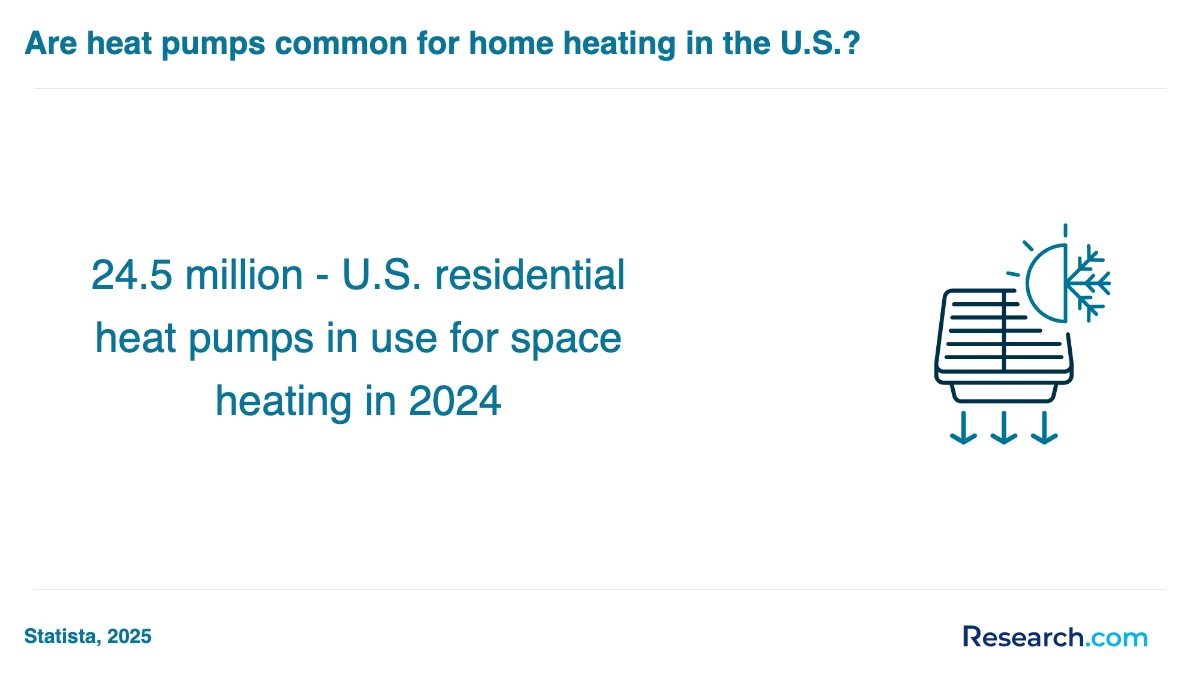
Students pursuing HVAC technician programs in Maine often rely on multiple financial aid options to ease the cost of training. Many graduates from schools like MEMA Technical Education Center (MTEC) and Northeast Technical Institute (NTI) highlight the impact of the Federal Pell Grant, which provides need-based funds that don't require repayment. Applying through FAFSA opens doors not only to Pell Grants but also to federal student loans such as Direct Subsidized and Unsubsidized Loans, both commonly accepted at these trade schools.
Veterans and active-duty students benefit greatly from the GI Bill®, which covers tuition and related expenses for programs approved at MTEC, making education accessible without financial strain. Others, especially those facing unemployment or underemployment, find support through the Workforce Innovation and Opportunity Act (WIOA), which helps cover tuition for high-demand fields like HVAC/R technology.
State grants, like the Maine State Grant, provide additional aid for residents enrolled in eligible vocational programs. Graduates often recall how financial aid advisors at these schools simplified navigating these options, turning overwhelming processes into manageable steps.
Flexible scheduling, including evening classes, and support with affordable lodging also ease financial pressure, allowing students to balance work and family while advancing their careers.
To enroll in an HVAC technician trade school program in Maine, most schools expect students to meet a few straightforward prerequisites that ensure readiness and commitment. Typically, applicants must have a high school diploma or GED, which establishes a basic level of education necessary to understand technical concepts and safety protocols.
Some programs also require:
- Proof of a valid driver's license, as hands-on training often involves travel to job sites or internships.
- Background checks or drug screenings to align with industry standards and employer expectations.
- Basic math and reading proficiency, demonstrated through placement tests or transcripts.
Graduates from well-known Maine trade schools share how these requirements prepared them to jump confidently into hands-on learning. One graduate recalled how having a solid math foundation helped them quickly grasp HVAC system diagnostics, turning initial challenges into rewarding problem-solving moments. Another found that meeting the driver's license requirement made scheduling fieldwork and apprenticeships more flexible, reducing stress and boosting their learning experience.
These practical prerequisites help ensure students succeed in Maine's competitive HVAC field by building essential skills from day one.
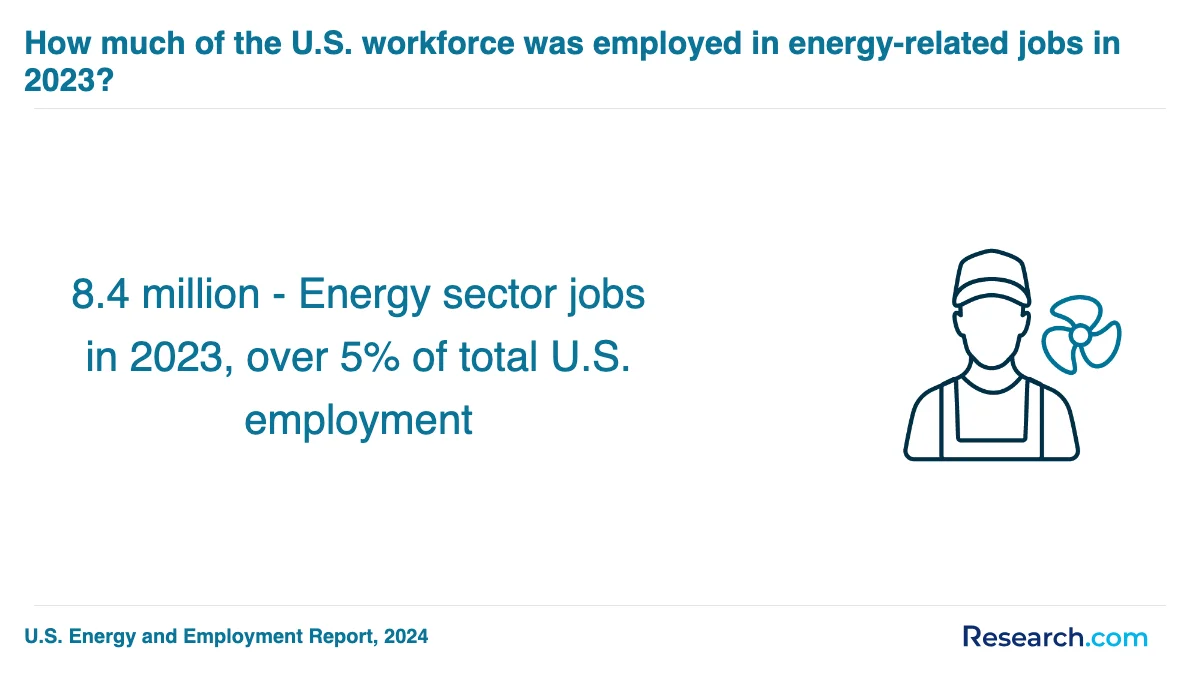
HVAC technician trade school programs in Maine focus on practical skills and essential knowledge needed for real-world jobs. Graduates from popular schools like Northeast Technical Institute and MEMA Technical Education Center often highlight courses that prepare them thoroughly for the field.
Core courses typically include:
- Safety Standards covering OSHA regulations and handling hazardous materials, ensuring students feel confident working safely on job sites.
- Installation, maintenance, and repair of both residential and commercial HVAC systems, offering hands-on practice with actual equipment.
- Electrical wiring, diagnostics, troubleshooting, and system controls, helping students understand the technical side of HVAC systems.
- Specialized training tracks such as Oilheat, Natural Gas, Propane, and Air Conditioning and Refrigeration, reflecting Maine's diverse heating needs.
Many students appreciate certification preparation integrated into coursework, like EPA Section 608 Technician Certification training, which is crucial for legally handling refrigerants. Hands-on lab sessions simulate real repairs and installations, making the learning process engaging and directly applicable to future careers.
For example, graduates from MEMA's Oilheat Certificate program mention how their practical experience reduced required apprenticeship hours, allowing them to start working sooner with confidence.
Maine HVAC technician training programs offer a range of practical specializations tailored to the state's climate and industry demands. Graduates from schools like Southern Maine Community College often highlight focused tracks in Heating Technology and Refrigeration & Air Conditioning, which prepare them for both residential and commercial service roles. These programs provide hands-on skills essential for installing, maintaining, and repairing complex systems.
Many students appreciate the flexibility found in programs at the MEMA Technical Education Center, where specialized certifications in Oilheat, Natural Gas, and Propane are available. One graduate shared how the intensive six-week oil burner training helped them pass the Maine Journeyman's Oil Burner exam quickly, accelerating their career progression.
For those interested in energy-efficient solutions, training in heat pumps meets Efficiency Maine standards and is popular among recent learners. Additionally, combined HVAC/R and Plumbing programs at Central Maine Community College enhance versatility by teaching hydronic piping design and advanced system controls.
These Maine HVAC technician training programs emphasize real-world readiness and include specializations that reflect the region's needs. For students seeking the top vocational trade programs, these options offer an effective path to stable, skilled employment.
Choosing the best HVAC technician trade school program in Maine involves focusing on programs that blend hands-on training with comprehensive coursework. Graduates from popular schools, such as Southern Maine Community College, often praise the practical experience they gained working with up-to-date HVAC equipment, which made transitioning into real jobs much smoother. Look for affordable HVAC technician programs in Maine that cover crucial topics like electrical basics, refrigeration, and safety protocols, ensuring you're well-prepared for licensing exams such as the Maine HVAC license and EPA Section 608 Certification.
Consider programs with experienced instructors who bring real-world insights and strong career support services offering job placement and interview prep. Alumni feedback frequently highlights the importance of reputation and accreditation, even though Maine lacks specific HVAC Excellence accreditations. Exploring how long does it take to become hvac technician at these schools can help you align your training with career goals. Focus on best HVAC trade schools in Maine that combine quality education with practical skills to boost your confidence and readiness in the HVAC industry.

Graduates of HVAC technician trade school programs in Maine find diverse HVAC technician jobs in Maine, ranging from entry-level installers to advanced service technicians. Many start by working in residential, commercial, or industrial environments, gaining hands-on experience in installing, maintaining, and repairing HVAC systems. Graduates often pursue EPA Section 608 certification to legally handle refrigerants, a crucial step for career growth.
Popular trade schools in Maine prepare students for this dynamic market, where HVAC career opportunities after trade school Maine include roles such as:
- Lead technician or project manager overseeing complex installations
- Specialists in solid fuel, oil burner, or gas heating systems tailored to Maine's energy needs
- HVAC sales, estimating, or supply chain roles within local contracting firms
- Entrepreneurs launching their own HVAC service businesses, driven by rising demand for energy-efficient systems
Many graduates credit their success to practical training and networking through hands-on projects common at well-known local trade programs. They often transfer credits towards higher education, expanding into thermal engineering or related fields.
For those seeking more insight into best trade school degrees, exploring available programs at best trade school degrees can help map a clear path to a rewarding HVAC career in Maine.
The HVAC technician job outlook in Maine is very promising for trade school graduates. Many graduates from popular Maine trade schools find immediate employment thanks to a strong local demand for skilled workers. With over 164 open HVAC technician positions statewide, roles like HVAC installer, refrigeration technician, and service technician are readily available across residential and commercial sectors.
Starting wages typically range from $20 to $28 per hour, with experienced technicians earning over $30 per hour. Benefits such as health insurance, paid vacation, and retirement plans often accompany these positions, adding to the appeal. Many graduates share positive experiences of gaining practical skills that translate directly into career opportunities with companies known for hiring from local schools.
Key reasons for this sustained demand include an aging workforce and increased focus on energy efficiency. For those weighing educational options, exploring low cost hvac trade school programs online may also support flexible training while positioning you well in Maine's job market.
Overall, the HVAC technician salary and demand Maine combine to create a rewarding career path with steady growth and competitive compensation.
Most Affordable HVAC Technician Schools & Training - Budget-Friendly HVAC Trade Programs in Maine for 2026
# 1 position
Washington County Community College - Heating, Air Conditioning, Ventilation and Refrigeration Maintenance Technology/Technician.
certificate or diplomaWashington County Community College offers a hybrid program in Heating, Air Conditioning, Ventilation and Refrigeration Maintenance Technology/Technician. It prepares students to repair, install, service, and maintain HVAC and refrigeration systems using diagnostic techniques and testing equipment. Instruction covers mechanics, electricity, and electronics principles related to these systems. The program’s annual in-state tuition is $3,687 and it is accredited by the New England Commission on Higher Education.
# 2 position
Kennebec Valley Community College - Heating, Air Conditioning, Ventilation and Refrigeration Maintenance Technology/Technician.
associateKennebec Valley Community College offers a hybrid program in Heating, Air Conditioning, Ventilation and Refrigeration Maintenance Technology/Technician. The curriculum prepares students to repair, install, service, and maintain heating, air conditioning, and refrigeration systems. Instruction covers diagnostic techniques, testing equipment, and principles of mechanics, electricity, and electronics relevant to system repair. Annual in-state tuition is $3,562. The program is accredited by the New England Commission on Higher Education.
# 3 position
Kennebec Valley Community College - Heating, Air Conditioning, Ventilation and Refrigeration Maintenance Technology/Technician.
certificate or diplomaKennebec Valley Community College offers a hybrid program in Heating, Air Conditioning, Ventilation and Refrigeration Maintenance Technology/Technician. The curriculum prepares students to repair, install, service, and maintain HVAC and refrigeration systems, focusing on diagnostic techniques, testing equipment, and principles of mechanics, electricity, and electronics. Annual in-state tuition is $3,562. The program is accredited by the New England Commission on Higher Education.
# 4 position
Southern Maine Community College - Heating, Air Conditioning, Ventilation and Refrigeration Maintenance Technology/Technician.
associateSouthern Maine Community College offers a hybrid program in Heating, Air Conditioning, Ventilation and Refrigeration Maintenance Technology/Technician. The curriculum trains students to repair, install, service, and maintain heating, air conditioning, and refrigeration systems. Instruction includes diagnostic techniques, testing equipment use, and principles of mechanics, electricity, and electronics. Annual in-state tuition is $3,797. The program is accredited by the New England Commission on Higher Education.
# 5 position
Southern Maine Community College - Heating, Air Conditioning, Ventilation and Refrigeration Maintenance Technology/Technician.
certificate or diplomaSouthern Maine Community College offers a hybrid program in Heating, Air Conditioning, Ventilation and Refrigeration Maintenance Technology/Technician. The curriculum prepares students to repair, install, service, and maintain HVAC and refrigeration systems, covering diagnostic techniques, testing equipment, and principles of mechanics, electricity, and electronics. The program’s annual in-state tuition is $3,797 and it is accredited by the New England Commission on Higher Education.
# 6 position
Northeast Technical Institute - Heating, Air Conditioning, Ventilation and Refrigeration Maintenance Technology/Technician.
certificate or diplomaThe Heating, Air Conditioning, Ventilation and Refrigeration Maintenance Technology/Technician program at Northeast Technical Institute prepares students to repair, install, service, and maintain HVAC and refrigeration systems. The hybrid program includes instruction in diagnostic techniques, testing equipment use, and principles of mechanics, electricity, and electronics. Graduates have a median earning of $44,276 one year after completion. The program is accredited by the Council on Occupational Education.
# 7 position
Central Maine Community College - Heating, Air Conditioning, Ventilation and Refrigeration Maintenance Technology/Technician.
associateCentral Maine Community College offers a Hybrid program in Heating, Air Conditioning, Ventilation and Refrigeration Maintenance Technology/Technician. The curriculum prepares students to repair, install, service, and maintain HVAC and refrigeration systems, including diagnostic techniques and the use of testing equipment. The program covers mechanics, electricity, and electronics principles. Annual in-state tuition is $3,864. The program is accredited by the New England Commission on Higher Education.
# 8 position
Central Maine Community College - Heating, Air Conditioning, Ventilation and Refrigeration Maintenance Technology/Technician.
certificate or diplomaCentral Maine Community College offers a hybrid program in Heating, Air Conditioning, Ventilation and Refrigeration Maintenance Technology/Technician. The curriculum covers repair, installation, service, and maintenance of HVAC and refrigeration systems, including diagnostic techniques and the use of testing equipment. Instruction includes principles of mechanics, electricity, and electronics relevant to these systems. The program is accredited by the New England Commission on Higher Education. Annual in-state tuition is $3,864.
# 9 position
Eastern Maine Community College - Heating, Air Conditioning, Ventilation and Refrigeration Maintenance Technology/Technician.
associateEastern Maine Community College offers a hybrid program in Heating, Air Conditioning, Ventilation and Refrigeration Maintenance Technology/Technician. This program prepares students to repair, install, service, and maintain heating, air conditioning, and refrigeration systems. Instruction covers diagnostic techniques, testing equipment, and principles of mechanics, electricity, and electronics. Annual in-state tuition is $3,877. The program is accredited by the New England Commission on Higher Education.
# 10 position
Eastern Maine Community College - Heating, Air Conditioning, Ventilation and Refrigeration Maintenance Technology/Technician.
certificate or diplomaEastern Maine Community College offers a hybrid program in Heating, Air Conditioning, Ventilation and Refrigeration Maintenance Technology/Technician. The curriculum prepares students to repair, install, service, and maintain HVAC and refrigeration systems, emphasizing diagnostic techniques, testing equipment, and principles of mechanics, electricity, and electronics. Annual in-state tuition is $3,877. The program is accredited by the New England Commission on Higher Education.
Frequently Asked Questions about HVAC technician
After completing an HVAC technician trade school in Maine, preparing for the job market involves several key steps. First, obtaining EPA Section 608 certification is essential, as it's federally required for handling refrigerants. Many Maine employers prioritize candidates with this certification. Additionally, gaining hands-on experience through apprenticeships or internships can significantly improve job prospects. According to the U.S. Bureau of Labor Statistics, HVAC jobs in Maine are expected to grow by 6% from 2022 to 2032, indicating steady demand.
Networking within local industry associations and attending job fairs can help graduates connect with potential employers. Finally, staying current with evolving HVAC technologies through continuing education ensures long-term career success.
Employers in Maine prioritize a combination of technical and soft skills when hiring HVAC technician trade school graduates. Proficiency in system installation, maintenance, and repair of heating, ventilation, and air conditioning units is fundamental. According to the U.S. Bureau of Labor Statistics, hands-on experience with modern HVAC technology and EPA certification for handling refrigerants are essential credentials.
Additionally, problem-solving skills and the ability to read blueprints or technical diagrams are highly valued. Communication skills matter as technicians often interact with clients to explain solutions clearly. The Maine Department of Labor highlights that reliability and adherence to safety protocols are critical due to the physical demands and regulations in this field.
Finding internships relevant to HVAC technician trade school programs in Maine involves several strategic steps. Start by contacting your trade school's career services office, as many schools maintain partnerships with local HVAC companies. These relationships can facilitate internship placements.
Additionally, explore opportunities through Maine's Department of Labor, which offers resources and listings for technical internships statewide. According to recent state labor reports, the demand for HVAC technicians in Maine is growing steadily, increasing internship availability.
Networking at local trade unions and industry events can also connect you with employers seeking interns. Websites like Apprenticeship.gov provide a national database, including listings specific to Maine's HVAC field.
Engaging directly with local HVAC contractors and companies can reveal unadvertised internships, helping you gain practical experience while completing your studies.
Obtaining a HVAC technician trade school diploma in Maine significantly enhances career mobility by providing specialized skills recognized by local employers. Graduates often qualify for entry-level positions with higher starting wages compared to those without formal training. According to the Bureau of Labor Statistics, Maine's HVAC job market is projected to grow by 8% through 2032, reflecting steady demand.
Trade school diplomas also facilitate advancement opportunities, such as supervisory roles or specialized service technician positions. Many employers prefer candidates with accredited credentials and hands-on experience, both emphasized in Maine's technical programs. Additionally, a diploma can be a stepping stone toward professional certifications, which further increase earning potential and job security.
Part-time job opportunities in Maine that complement HVAC technician trade school education often include entry-level roles such as HVAC helper or assistant technician. These positions provide practical experience working alongside certified professionals, allowing students to apply classroom knowledge in real-world settings. According to the U.S. Bureau of Labor Statistics, Maine's HVAC sector is expected to grow by 6% from 2022 to 2032, indicating steady demand for trained workers.
Additionally, positions in general maintenance or property management can help students develop skills in troubleshooting and equipment upkeep. Some employers may offer flexible hours to accommodate school schedules. Gaining hands-on experience through part-time work not only improves technical skills but also enhances job prospects after graduation.
There are several HVAC Technician degree programs available near me, offering both affordability and quality education. Near Maine, community colleges and technical institutes provide various options for students seeking cost-effective programs. Research.com can be a helpful resource to explore specific institutions and their HVAC program offerings.
- Most Affordable HVAC Technician Schools & Training - Budget-Friendly HVAC Trade Programs in New York for 2026
- Most Affordable HVAC Technician Schools & Training - Budget-Friendly HVAC Trade Programs in New Jersey for 2026
- Most Affordable HVAC Technician Schools & Training - Budget-Friendly HVAC Trade Programs in Pennsylvania for 2026
- Most Affordable HVAC Technician Schools & Training - Budget-Friendly HVAC Trade Programs in Delaware for 2026
- Most Affordable HVAC Technician Schools & Training - Budget-Friendly HVAC Trade Programs in Maryland for 2026
- Most Affordable HVAC Technician Schools & Training - Budget-Friendly HVAC Trade Programs in Virginia for 2026
- Most Affordable HVAC Technician Schools & Training - Budget-Friendly HVAC Trade Programs in Ohio for 2026
- Most Affordable HVAC Technician Schools & Training - Budget-Friendly HVAC Trade Programs in West Virginia for 2026
- Most Affordable HVAC Technician Schools & Training - Budget-Friendly HVAC Trade Programs in South Carolina for 2026
- Most Affordable HVAC Technician Schools & Training - Budget-Friendly HVAC Trade Programs in Tennessee for 2026
- HVAC Apprenticeships and Internships | Generation NEXT Energy Pros https://nextenergypros.com/apprenticeships-and-internships/
- How to Find an HVAC Apprenticeship | Austin Career Institute https://austincareerinstitute.edu/blog/hvac/tips-for-finding-an-hvac-apprenticeship/
- HVAC Job Placement: Employment Strategies After Training https://www.genesiscareer.edu/hvac-job-placement-employment-strategies/
- A Guide to Skilled Trades Apprenticeships and Internships | BestColleges https://www.bestcolleges.com/trades/guide-to-skilled-trades-apprenticeships-internships/
- Hands-on Skills at the Best Schools for HVAC Training https://tidewatertechtrades.edu/blog/combination-welding-essential-skills-for-a-successful-career/
- How to Become an HVAC Technician in 2025 | The Ultimate Career Guide - InterCoast Colleges https://intercoast.edu/articles/become-hvac-technician/
- Online HVAC Technician Career Guide https://www.ashworthcollege.edu/career-diplomas/heating-air-conditioning/career-guide/
- HVAC Technician Salary: Guide to Wages, Jobs, & More | Faraday https://faradaycareers.com/careers/hvac-technician-salary
- Heating, Air Conditioning, and Refrigeration Mechanics and Installers : Occupational Outlook Handbook: : U.S. Bureau of Labor Statistics https://www.bls.gov/ooh/installation-maintenance-and-repair/heating-air-conditioning-and-refrigeration-mechanics-and-installers.htm
- What is the average salary for HVAC technician - Workiz https://www.workiz.com/blog/hvac/average-salary-for-hvac-technician/


