Most Affordable HVAC Technician Schools & Training - Budget-Friendly HVAC Trade Programs in Ohio for 2026

Co-Founder and Chief Data Scientist
Choosing the right HVAC technician trade school in Ohio can feel overwhelming, but this article is here to help. We've gathered a ranking of the most affordable and reputable programs, created by the Research.com team of data scientists to guide you toward making an informed decision.
Whether you’re starting a new career or enhancing your skills, earning a diploma or certification opens doors to steady employment and growth. Reading this article will give you confidence in finding a program that fits your goals and budget.
Your future in HVAC starts with the right choice-let’s explore the best options together.
Key benefits of finishing HVAC technician trade school in Ohio
- Graduates of HVAC technician trade schools in Ohio can expect starting salaries around $40,000, with experienced technicians earning over $60,000 annually, offering strong financial growth.
- Career paths include roles like residential HVAC service, commercial refrigeration, and system installation, giving graduates versatile options to match their interests and skills.
- Completing HVAC training online provides flexibility and convenience, allowing students to balance work and study while gaining practical skills, as shown by successful graduates from top Ohio online trade programs.
- Most Affordable HVAC Technician Schools & Training - Budget-Friendly HVAC Trade Programs in Ohio for 2026
- What can I expect from HVAC technician trade schools in Ohio?
- Where can I work after finishing HVAC technician trade schools in Ohio?
What can I expect from HVAC technician trade schools in Ohio?
When you enroll in an HVAC technician trade school program in Ohio, like those at the University of Northwestern Ohio or Butler Tech, expect a hands-on learning experience that really prepares you for the job. Graduates often share how much they appreciated spending around 70% of their time in labs or practical settings, working directly with HVAC systems. This isn't just about books; you'll be installing, troubleshooting, and repairing real equipment, which makes the learning stick.
The curriculum covers everything from refrigeration systems and electrical wiring to system diagnostics and refrigerant handling. Many students find the mix of classroom theory and actual hands-on work helps them feel confident stepping into entry-level roles after graduation. Plus, schools like Butler Tech offer unique refrigeration training for both residential and commercial work, which graduates say is a big advantage.
Most programs offer diploma or associate degrees, with flexible schedules including evening classes to fit your lifestyle. Many students also benefit from financial aid-at UNOH, for example, 94% receive support. You'll also prepare for important certifications like EPA 608 and OSHA 30, which open doors to jobs in homes, schools, and hospitals across Ohio.
Where can I work after finishing HVAC technician trade schools in Ohio?
After finishing an HVAC technician trade school program in Ohio, you'll find plenty of job options that fit your skills and interests. Many graduates land positions with HVAC service companies, working on everything from fixing a homeowner's air conditioner to maintaining large commercial rooftop units. It's common to start as an HVAC Installer or Service Technician, but with experience, you might move up to roles like HVAC Supervisor or even HVAC-R Technician Instructor.
Graduates from popular Ohio trade schools often share how rewarding it is to work in diverse settings-one day at a busy hospital ensuring climate control, the next at a manufacturing plant troubleshooting complex systems. Cities like Columbus offer hundreds of HVAC jobs, including specialized roles like Refrigeration Technician or HVAC Mechanic. Plus, many employers provide benefits like health insurance and signing bonuses, which makes stepping into the workforce even more exciting.
Whether you prefer working for private contractors, property management firms, or government agencies, Ohio's HVAC industry is welcoming, and the career paths are wide open for motivated graduates.
After finishing an HVAC technician trade school program in Ohio, many graduates find themselves earning around $26.87 per hour, which adds up to roughly $55,889 a year working full-time. For example, graduates from popular Ohio trade schools often share how they started with entry-level jobs making about $21 per hour, but quickly gained confidence and skills that bumped their pay closer to $30 an hour within a few years.
Some grads working in cities like Cleveland enjoy salaries near $62,222 annually, and those specializing in refrigeration or service roles can see hourly rates around $28 to $29.39. One common story from recent trade school alumni is how overtime adds a nice boost, with some making an extra $6,750 a year just from extra hours.
Overall, Ohio HVAC techs report feeling optimistic about their steady income and the chance to grow quickly in this field. Many say the hands-on training they got at their trade school prepared them well to jump into real jobs that pay well and offer room to advance.
- A high school diploma or GED is usually required to enroll in HVAC technician trade school programs in Ohio.
- Program lengths range from 10 weeks to about one year, with some courses offering evening classes Monday through Thursday.
- Costs generally fall between $6,500 and $8,000, covering tuition, supplies, textbooks, lab equipment, and a student tool kit.
- Graduates can earn certifications such as EPA Section 608, NCCER HVAC Level I and II, and OSHA 10-Hour General Industry Certification.
- Entry-level salaries average $38,000 to $50,000 annually, with experienced technicians earning $60,000 to $70,000 depending on specialization and location.
In Ohio, most HVAC technician trade school programs wrap up in about six to twelve months, depending on whether you attend full-time or part-time. Many graduates from popular schools like the Ohio Technical College or Cincinnati State Community College share how this timeline felt just right for diving into hands-on training without dragging on too long. It's common to see students balancing work or family while still completing their certifications within a year, which gives a great sense of accomplishment and momentum.
One graduate mentioned how quickly they moved from classroom theory to real-world labs, building confidence week by week. Another highlighted that finishing in under a year allowed them to start applying for jobs without waiting around, making the whole experience feel practical and rewarding. If you're in Ohio and thinking about HVAC trade school, this timeframe is perfect for jumping into a career that's both stable and in demand.
The biggest difference between online and on-campus HVAC programs in Ohio is how you get hands-on experience. On-campus programs, like those at Ohio Business College or Southern Ohio Technical College, let you work directly with HVAC equipment in labs. Graduates often say this real-world practice helped them feel confident and ready for the job from day one.
Online programs, like the one at Terra State Community College, focus more on theory through digital lessons. While you still learn the same HVAC principles, you won't have the immediate lab access. Many online students find they need to arrange their own local apprenticeships or work experience to meet Ohio's practical training standards. This setup works well if you need flexibility or are juggling a job, but it means taking extra steps to get that hands-on time.
For Ohio students, choosing between these paths often comes down to whether you want structured, in-person training or the convenience to study on your own schedule.
When it comes to the average HVAC technician program cost in Ohio, many students find that certificate programs at technical schools and community colleges typically range from $1,000 to $15,000. These programs usually last six to twelve months, offering a quicker path to starting a career. Graduates often share how this shorter commitment allowed them to jump into the workforce faster while managing their expenses effectively.
For those considering a more in-depth education, associate degree programs run by popular trade schools in Ohio generally cost between $15,000 and $35,000 over 18 to 24 months. Many students appreciate that these programs dive deeper into the field, which makes them feel more confident and prepared for a variety of HVAC roles. The affordable HVAC trade schools in Ohio often offer in-state tuition averaging around $3,780 per year at public community colleges, making these options accessible for local students.
Beyond tuition, graduates advise budgeting an extra $500 to $1,000 for books and supplies, with tools and equipment adding another $500 to $3,000. Still, many feel this upfront investment is worthwhile considering the hands-on experience and certifications earned. Financial aid, including need-based grants and loans, can help ease the load, boosting positive outcomes for students pursuing HVAC careers.
For those researching options, it's smart to compare offerings to find the best combination of quality and cost. You can also explore some of the best online trade school programs if you want flexibility while keeping education affordable.

If you're looking at HVAC technician programs in Ohio, you'll be glad to know there are plenty of financial aid options to ease the cost. Most students start by filling out the FAFSA, which unlocks access to federal grants like Pell Grants that don't have to be paid back. Graduates from Columbus City Schools often mention how vital this was for them, helping cover tuition without extra debt.
Ohio also offers state-specific aid such as the Ohio College Opportunity Grant, which shines for those coming from lower-income families. Many schools, like Portage Lakes Career Center, have scholarships that students rave about because they cut down tuition costs significantly.
Plus, a lot of trade schools provide tuition payment plans, letting you spread out payments instead of stressing over a big lump sum upfront. Some students even get sponsored by employers through apprenticeship programs that cover tuition entirely or reimburse it later.
Reaching out early to your school's financial aid office can make all the difference in finding the best funding fit for your HVAC journey.
Getting into an HVAC technician trade school in Ohio usually means meeting a few straightforward prerequisites that make the process smooth and accessible. Most schools like those in Cleveland or Columbus expect you to have a high school diploma or GED. This basic requirement ensures you're ready to handle the technical coursework and hands-on training.
Many graduates share how having a solid foundation in math and science really helped them breeze through classes, especially when learning about electrical systems and refrigeration principles. Some schools also require a background check or drug screening since you'll be working with equipment and in various job sites.
Here are the typical prerequisites you'll encounter:
- High school diploma or GED
- Basic math and science skills
- Proof of residency or legal status in Ohio
- Passing a placement test or entrance exam (varies by school)
- Background check and drug screening
One graduate mentioned how easy it was to meet these requirements at a popular Ohio trade school, and how the staff was super supportive in guiding them through the enrollment steps. For those juggling work or family, many schools offer flexible scheduling once you're admitted, which adds to the positive experience. So if you're ready to start a hands-on career in HVAC, these prerequisites are designed to help you get started without stress.

In Ohio HVAC trade schools, you'll dive right into courses that mix hands-on work with solid technical knowledge, preparing you for real-world jobs. Graduates often share how understanding electrical theory and schematic reading made wiring HVAC systems feel less intimidating when they started their first installations. You'll learn to interpret wiring diagrams and get comfortable with the controls that power heating and cooling units.
Another key course is refrigerant handling, where safety and federal rules like the EPA Section 608 Refrigerant Certification come into play. Many students say mastering this was a confidence booster, especially when prepping for certifications that employers respect.
Practical skills are huge too, with labs focused on:
- Installation and maintenance of furnaces and air conditioners
- Diagnosing and repairing HVAC/R systems
- Handling both residential and commercial equipment
Plus, Ohio programs often add courses on customer service and communication, helping you connect better with clients. This blend of technical know-how and people skills makes graduates feel ready and excited to jump into the HVAC field in Ohio's growing market.
Ohio's HVAC technician trade school programs offer a variety of specializations that fit different career goals. Many students at places like Columbus State Community College dive into certificate tracks covering Residential/Light Commercial HVAC, Large Commercial HVAC, and even Controls or Test and Balance. Graduates often share how the Residential track prepped them perfectly for hands-on work with home systems, while others found the Large Commercial focus invaluable for tackling complex building setups.
For those interested in refrigeration, programs emphasize commercial refrigeration systems critical to food service and healthcare, giving you practical skills that employers in Ohio highly value. Stark State and Sinclair Community College also offer stackable certificates and associate degrees in HVACR technology, letting you build your expertise step-by-step.
Popular training in controls and EPA Section 608 certification prepares students for specialized roles, reflecting the latest trends in smart building tech and certifications like NATE. If you're searching for affordable and tailored HVAC certification options in Ohio, consider exploring options like the cheapest maintenance technician certification online to kickstart your journey.
When choosing the best HVAC technician trade schools in Ohio, prioritize programs with strong accreditation and hands-on training. Graduates from places like the University of Northwestern Ohio often mention how its accredited curriculum gave them confidence and real-world skills that employers value. Look for a curriculum that covers everything from electrical systems to refrigeration and ventilation, just like students at Cincinnati State Technical and Community College experience. They often talk about how practical workshops made learning come alive rather than just reading textbooks.
Flexibility matters too-many students juggling work appreciate programs offering evening or hybrid classes. Affordable HVAC technician programs in Ohio also play a big role. Balancing cost with quality training is key; it's worth checking financial aid options like those at the University of Northwestern Ohio. Plus, understanding local demand helps you pick programs that connect you with jobs afterward. The state projects steady growth in HVAC positions, making this career choice smart. For a clearer picture of potential income and career paths, check out insights on hvac technician salary.
Graduates from HVAC technician trade schools in Ohio often step straight into a variety of rewarding roles, thanks to the strong demand for skilled workers. Many begin as entry-level HVAC technicians handling installations, repairs, and maintenance in residential or commercial settings. For example, grads from popular Ohio trade schools share how they landed jobs quickly in cities like Columbus, where HVAC technician jobs in Ohio are abundant.
As experience builds, there are plenty of growth options such as:
- Specializing in commercial HVAC systems or refrigeration
- Moving into roles like HVAC installer, maintenance tech, or refrigeration technician
- Becoming a lead technician, service manager, or project supervisor
Beyond hands-on work, some grads even pursue teaching roles at trade schools or colleges, sharing what they learned. Others branch out into HVAC sales, system design, or energy management-showcasing diverse HVAC career opportunities in Ohio. Many find the flexibility to eventually start their own contracting business, thriving in Ohio's booming construction market. For those interested, more information on starting can be found by exploring the cheapest hvac certification online.
The HVAC technician job market in Ohio is thriving right now, especially for those coming from trade schools. Graduates from well-known Ohio HVAC programs often share how quickly they land solid jobs after finishing their certifications. With over 680 HVAC technician positions open statewide-and more than half of them concentrated in Columbus-the demand is definitely there, whether you want urban hustle or steady work in smaller towns.
Here are some reasons why the job market feels so promising:
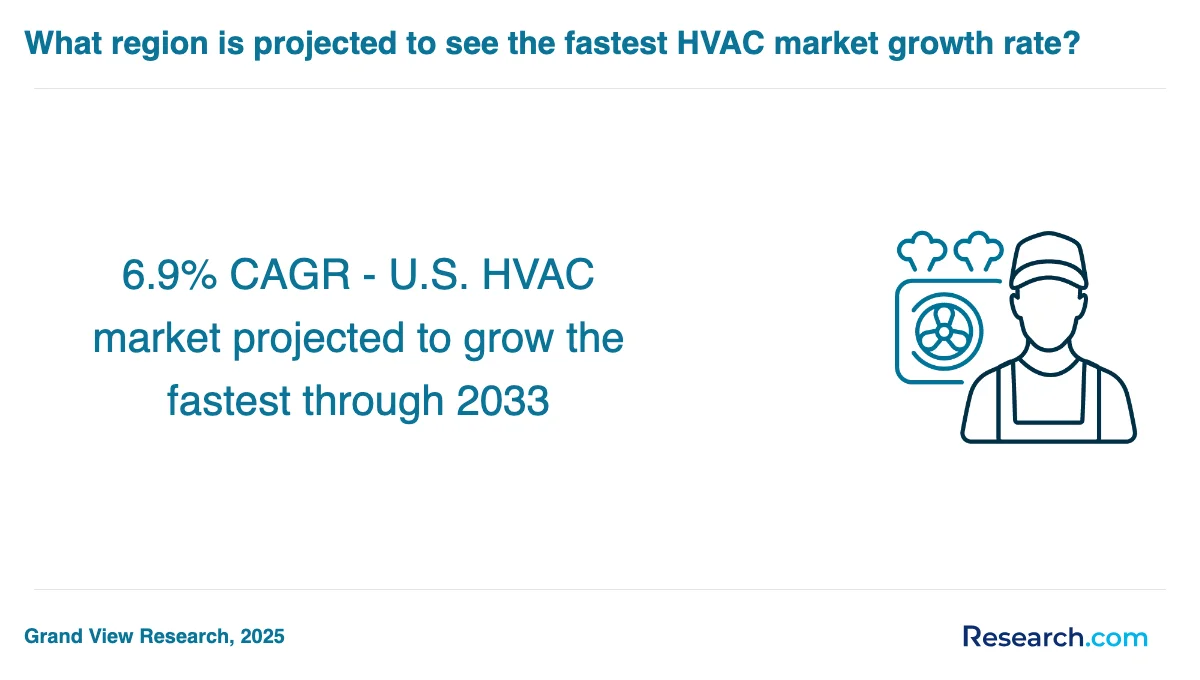
- Ohio has a 6% growth rate in HVAC jobs projected through 2033, keeping opportunities steady for years to come.
- Employers report many unfilled craft positions that new HVAC grads can confidently fill.
- Many openings offer competitive wages, benefits like health insurance, retirement plans, and sometimes signing bonuses.
Talking about money, the HVAC technician salary in Ohio is quite attractive too, with average earnings around $63,400 annually and top technicians making near $77,700. For students deciding between paths, understanding why is college better than trade school can really help frame the benefits of hands-on HVAC training in Ohio's strong local market.
Most Affordable HVAC Technician Schools & Training - Budget-Friendly HVAC Trade Programs in Ohio for 2026
# 1 position
Ohio Business College-Sheffield - Heating, Air Conditioning, Ventilation and Refrigeration Maintenance Technology/Technician.
certificate or diplomaOhio Business College-Sheffield offers a hybrid Heating, Air Conditioning, Ventilation and Refrigeration Maintenance Technology/Technician program. This program trains students to repair, install, service, and maintain HVAC and refrigeration systems, emphasizing diagnostic techniques and technical skills. The annual in-state tuition is $9,385. Graduates earn a median income of $37,743 one year after completion. The program is accredited by the Council on Occupational Education.
# 2 position
Sinclair Community College - Heating, Air Conditioning, Ventilation and Refrigeration Maintenance Technology/Technician.
associateSinclair Community College offers a program in Heating, Air Conditioning, Ventilation and Refrigeration Maintenance Technology/Technician. This training prepares students to repair, install, service, and maintain HVAC and refrigeration systems. Instruction covers diagnostic techniques, testing equipment, and the mechanics, electricity, and electronics needed for system repair. The program is accredited by the Higher Learning Commission. Annual in-state tuition is $3,435.
# 3 position
Sinclair Community College - Heating, Air Conditioning, Ventilation and Refrigeration Maintenance Technology/Technician.
certificate or diplomaSinclair Community College offers a program in Heating, Air Conditioning, Ventilation and Refrigeration Maintenance Technology/Technician. It trains students to repair, install, service, and maintain heating, air conditioning, and refrigeration systems. The curriculum includes diagnostic techniques, use of testing equipment, and principles of mechanics, electricity, and electronics related to these systems. The annual in-state tuition is $3,435. The program is accredited by the Higher Learning Commission.
# 4 position
Columbus State Community College - Heating, Air Conditioning, Ventilation and Refrigeration Maintenance Technology/Technician.
certificate or diplomaColumbus State Community College offers a hybrid program in Heating, Air Conditioning, Ventilation and Refrigeration Maintenance Technology/Technician. The curriculum trains students to repair, install, service, and maintain heating, air conditioning, and refrigeration systems. Instruction covers diagnostic techniques, testing equipment, and principles of mechanics, electricity, and electronics related to system repair. The annual in-state tuition is $5,338. The program is accredited by the Higher Learning Commission.
# 5 position
University of Northwestern Ohio - Heating, Air Conditioning, Ventilation and Refrigeration Maintenance Technology/Technician.
associateThe University of Northwestern Ohio offers a hybrid program in Heating, Air Conditioning, Ventilation, and Refrigeration Maintenance Technology/Technician. This program prepares students to repair, install, service, and maintain HVAC and refrigeration systems, emphasizing diagnostic techniques, testing equipment, and principles of mechanics, electricity, and electronics. Annual in-state tuition is $12,930. The program is accredited by the Higher Learning Commission, with median earnings of $42,690 one year after completion.
# 6 position
University of Northwestern Ohio - Heating, Air Conditioning, Ventilation and Refrigeration Maintenance Technology/Technician.
certificate or diplomaThe Heating, Air Conditioning, Ventilation and Refrigeration Maintenance Technology/Technician program at University of Northwestern Ohio offers a hybrid format with some distance-education options. It prepares students to repair, install, service, and maintain HVAC and refrigeration systems, emphasizing diagnostic techniques and principles of mechanics, electricity, and electronics. Annual in-state tuition is $12,930. Graduates have median earnings of $42,690 one year after completing the program. The program is accredited by the Higher Learning Commission.
# 7 position
Owens Community College - Heating, Air Conditioning, Ventilation and Refrigeration Maintenance Technology/Technician.
certificate or diplomaOwens Community College offers a hybrid program in Heating, Air Conditioning, Ventilation and Refrigeration Maintenance Technology/Technician. The program trains students to repair, install, service, and maintain heating, air conditioning, and refrigeration systems. Instruction covers diagnostic techniques, testing equipment, and principles of mechanics, electricity, and electronics. Annual in-state tuition is $5,750. The program is accredited by the Higher Learning Commission.
# 8 position
Great Oaks Career Campuses - Heating, Air Conditioning, Ventilation and Refrigeration Maintenance Technology/Technician.
certificate or diplomaThe Heating, Air Conditioning, Ventilation and Refrigeration Maintenance Technology/Technician program at Great Oaks Career Campuses is a hybrid program designed to prepare students to repair, install, service, and maintain heating, air conditioning, and refrigeration systems. Instruction includes diagnostic techniques, testing equipment use, and principles of mechanics, electricity, and electronics relevant to these systems. The program is accredited by the Council on Occupational Education. Median earnings one year after completion are $36,172.
# 9 position
Pickaway Ross Joint Vocational School District - Heating, Air Conditioning, Ventilation and Refrigeration Maintenance Technology/Technician.
certificate or diplomaPickaway Ross Joint Vocational School District offers a hybrid program in Heating, Air Conditioning, Ventilation and Refrigeration Maintenance Technology/Technician. This program prepares students to repair, install, service, and maintain HVAC and refrigeration systems, teaching diagnostic techniques and the use of testing equipment. Instruction covers mechanics, electricity, and electronics related to system repairs. The program is accredited by the Council on Occupational Education. Median earnings one year after completion are $25,670.85.
# 10 position
Buckeye Hills Career Center - Heating, Air Conditioning, Ventilation and Refrigeration Maintenance Technology/Technician.
certificate or diplomaThe Heating, Air Conditioning, Ventilation and Refrigeration Maintenance Technology/Technician program at Buckeye Hills Career Center offers hybrid instruction combining in-person and distance education. It prepares students to repair, install, service, and maintain HVAC and refrigeration systems using diagnostic techniques and testing equipment. The curriculum covers mechanics, electricity, and electronics principles relevant to these systems. The program is accredited by the Council on Occupational Education.
Frequently Asked Questions about HVAC technician
After completing an HVAC technician trade school in Ohio, preparing for the job market involves several important steps. First, obtaining EPA Section 608 certification is essential, as it is federally required to handle refrigerants legally. Many trade schools include this certification in their curriculum. Next, gaining hands-on experience through internships or apprenticeships can significantly improve job prospects. The Ohio Department of Job and Family Services reports steady growth in HVAC jobs, with a projected 10% increase through 2030, highlighting strong demand. Additionally, networking with local contractors and attending industry job fairs can help graduates connect with employers actively hiring in Ohio.
Employers in Ohio prioritize a blend of technical and soft skills when hiring HVAC technician trade school graduates. According to the U.S. Bureau of Labor Statistics and Ohio labor market reports, strong knowledge of HVAC systems, including installation, maintenance, and repair, is essential. Graduates must be proficient with electrical systems and refrigeration technologies, as these are core to many HVAC roles.
Additionally, problem-solving abilities and attention to safety protocols are crucial due to the complexity and risks involved in HVAC work. Communication skills also matter; technicians often explain issues and solutions to customers clearly. Practical experience gained through hands-on training or apprenticeships significantly boosts employability in Ohio's competitive job market.
Finding internships in Ohio related to HVAC technician trade school programs involves several practical steps. Start by contacting your trade school's career services office, as many schools maintain partnerships with local HVAC companies offering internships.
The Ohio Department of Job and Family Services provides labor market information showing a steady demand for HVAC technicians, which encourages businesses to offer hands-on training opportunities. According to the U.S. Bureau of Labor Statistics, Ohio employed over 17,000 HVAC technicians in 2023, highlighting a robust job market for interns.
Additionally, explore local trade unions and professional associations, such as the Mechanical Contractors Association of Ohio, which often post internship listings. Online job boards targeting Ohio's skilled trades can also be useful.
Obtaining a HVAC technician trade school diploma in Ohio significantly enhances career mobility and advancement opportunities. According to the Ohio Department of Job and Family Services, the HVAC field is projected to grow by 10% from 2020 to 2030, faster than the average for all occupations. Completing a diploma program equips students with essential technical skills and industry certifications, making them more competitive in the local job market.
Employers in Ohio often prefer candidates with formal training, as diplomas demonstrate practical knowledge and safety awareness. Graduates may advance from entry-level roles to supervisory or specialized technician positions more quickly.
Additionally, many Ohio trade schools have partnerships with local HVAC companies, facilitating apprenticeships and direct hiring, which further supports career progression.
Part-time job opportunities in Ohio that complement HVAC technician trade school education often include entry-level positions such as HVAC helper or assistant, which provide practical experience alongside classroom learning. These roles allow students to apply theoretical knowledge in real-world settings, enhancing their skills in installation, maintenance, and repair of heating and cooling systems.
Additionally, roles in related fields like electrical or plumbing assistance can offer valuable experience, as these trades share foundational skills with HVAC work. According to the U.S. Bureau of Labor Statistics (BLS), Ohio's HVAC technician jobs are projected to grow by 8% from 2020 to 2030, indicating strong demand for trained professionals.
Many Ohio employers prefer candidates with hands-on experience, so part-time work during training can improve employment prospects after graduation. Job listings on local platforms and trade unions are good places to find such opportunities.
To find the most affordable HVAC Technician degree program near me in Ohio, consider starting by researching local community colleges and technical schools, which often offer competitive pricing and flexible program options. Explore resources such as Research.com to compare program details and costs, ensuring you consider factors like tuition, fees, and potential financial aid availability. Many institutions near Ohio offer dedicated programs that focus on the skills required for HVAC certification, providing valuable pathways to entering the field.
- Most Affordable HVAC Technician Schools & Training - Budget-Friendly HVAC Trade Programs in Indiana for 2026
- Most Affordable HVAC Technician Schools & Training - Budget-Friendly HVAC Trade Programs in West Virginia for 2026
- Most Affordable HVAC Technician Schools & Training - Budget-Friendly HVAC Trade Programs in Pennsylvania for 2026
- Most Affordable HVAC Technician Schools & Training - Budget-Friendly HVAC Trade Programs in Michigan for 2026
- Most Affordable HVAC Technician Schools & Training - Budget-Friendly HVAC Trade Programs in Virginia for 2026
- Most Affordable HVAC Technician Schools & Training - Budget-Friendly HVAC Trade Programs in Tennessee for 2026
- Most Affordable HVAC Technician Schools & Training - Budget-Friendly HVAC Trade Programs in Missouri for 2026
- Most Affordable HVAC Technician Schools & Training - Budget-Friendly HVAC Trade Programs in Maryland for 2026
- Most Affordable HVAC Technician Schools & Training - Budget-Friendly HVAC Trade Programs in South Carolina for 2026
- Most Affordable HVAC Technician Schools & Training - Budget-Friendly HVAC Trade Programs in Delaware for 2026
- HVAC Trade Schools: HVAC Training Programs | Fortis https://www.fortis.edu/programs/skilled-trades/heating--ventilation--air-conditioning-and-refrigeration-trades.html
- Find HVAC Trade Schools - Diploma & Associate Degree Programs https://www.trade-schools.net/trades/hvac
- Ventilation Trade School | Chicago, IL | HVAC Tech https://www.hvac-tech.com/
- HVACR Technician Training - Gwinnett Technical College https://gwinnetttech.edu/online-continuing-education/hvacr-technician-training/
- HVACR Certification - Online Program | Penn Foster https://www.pennfoster.edu/programs/trades/hvac-technician-career-diploma
- Entry Level HVAC Technician - Training Certificate | Midlands Technical College https://www.midlandstech.edu/programs-and-courses/advanced-manufacturing-and-skilled-trades/hvac-training-certificate
- HVAC Trade Schools in Ohio: How to Get Certified https://www.smartservice.com/blog/hvac-trade-schools-in-ohio-how-to-get-certified
- HVAC Schools in Ohio - Programs, Certification and Salary https://www.hvacclasses.org/schools/ohio
- HVAC School Diploma | OBC https://obc.edu/programs/trades/hvac-school/
- Heating, Ventilating and Air Conditioning | Columbus State Community College https://www.cscc.edu/academics/departments/hvac/