
Most Affordable HVAC Technician Schools & Training - Budget-Friendly HVAC Trade Programs in Michigan for 2026

Co-Founder and Chief Data Scientist
Choosing the right HVAC technician trade school in Michigan can be overwhelming. This article helps simplify that decision by featuring a detailed ranking of HVAC technician trade school programs created by the Research.com team of data scientists. Their data-driven approach offers reliable insights to guide you toward the best options for your goals.
Whether you’re starting a new career or seeking certification, completing a quality program opens doors to in-demand job opportunities and career growth. Exploring these affordable schools can be your first step toward a rewarding future in HVAC technology.
Key benefits of finishing HVAC technician trade school in Michigan
- Graduates from HVAC technician trade schools in Michigan can expect an average starting wage around $19.28 per hour, with the potential to earn up to $27.88 per hour as experience grows, leading to a rewarding career with strong earning possibilities.
- A typical HVAC technician graduate in Michigan can explore various career paths such as residential service, commercial installation, or even specialize as a senior technician, opening doors to roles with salaries up to $80,000 annually.
- Completing an HVAC trade school online offers flexibility and convenience, allowing students to balance work or family while gaining practical skills, as seen in successful graduates from popular Michigan online programs who quickly enter the workforce.
- Most Affordable HVAC Technician Schools & Training - Budget-Friendly HVAC Trade Programs in Michigan for 2026
- What can I expect from HVAC technician trade schools in Michigan?
- Where can I work after finishing HVAC technician trade schools in Michigan?
What can I expect from HVAC technician trade schools in Michigan?
Enrolling in an HVAC technician trade school program in Michigan means diving straight into hands-on work with real equipment-imagine yourself in a lab at a well-known Michigan technical institute, confidently installing a heating unit or troubleshooting an air conditioner under the guidance of seasoned pros. Graduates often share how quickly they built skills that felt like second nature, thanks to immersive training in industry-standard settings.
Expect a curriculum that's both practical and comprehensive: from mastering electrical basics to reading blueprints and even prepping for the EPA Section 608 Universal Certification, which many Michigan schools help you pass without extra cost. You won't just learn theory; you'll get your hands dirty with eco-friendly weatherization techniques that make you a valuable asset in today's green-focused market.
Externships and career development are staples, too. Many students recall how local HVAC employers partnered with their schools, turning classroom lessons into real job offers. Plus, financial aid like Michigan Reconnect often lightens the load, making this career path accessible and exciting.
Where can I work after finishing HVAC technician trade schools in Michigan?
Finish your HVAC technician trade school program in Michigan, and suddenly the job market opens like a well-oiled furnace door. Graduates from popular trade schools here often land roles as HVAC technicians, installers, or service specialists in everything from cozy residential homes to sprawling commercial complexes.
Imagine working for a local HVAC contractor one day, then stepping into a bustling hospital's mechanical room the next. Many grads find themselves with companies like Service Experts, tackling tasks from routine maintenance to complex chiller repairs in schools or office buildings. Others dive into apprenticeship programs, sharpening skills in sheet metal fabrication or controls technology, turning hands-on learning into paycheck gold.
The thrill? In Michigan, over 400 HVAC technician jobs were open as of April 2025, spanning small businesses to large engineering firms. Starting wages often range between $23 and $40 an hour, with perks like health insurance and paid vacation sweetening the deal. Trade school grads quickly feel the pride of turning cold spaces warm and machines humming-real impact you can see and feel every day.
After finishing an HVAC technician trade school program in Michigan, like those offered at popular schools in Detroit or Grand Rapids, graduates often find themselves stepping into a job that pays around $24.63 per hour. Imagine clocking in at a local commercial site, fixing AC units while earning roughly $51,234 a year-solid ground for starting your career. Many grads share how their first paycheck gave them a real sense of independence and pride, especially when they land jobs paying between $19.28 and $27.88 hourly, depending on experience.
Some go further, snagging specialized roles like Ventilation Officer, pulling in up to $29.81 an hour or about $62,000 annually. It's common to hear from graduates who started near the lower end but quickly boosted their pay by gaining certifications or working for bigger employers. Though Michigan ranks last nationally for HVAC wages, these numbers still open doors to financial stability and a rewarding hands-on career.
- Most HVAC technician programs in Michigan require a high school diploma or equivalent and can be completed in 10 months to two years.
- Students receive hands-on training in HVAC fundamentals, electricity, refrigeration, and often complete externships for real-world experience.
- Licensure is required to work in HVAC or refrigeration, including obtaining a Mechanical Contractor license or working under a licensed contractor.
- Program costs range from $3,000 to $8,000 for certificates and up to $15,000 for associate degrees, with tuition assistance available for those 25 and older.
- Starting salaries for HVAC graduates in Michigan range from $38,000 to $45,000, while experienced technicians earn $50,000 to $60,000 annually.
Completing an HVAC technician trade school program in Michigan typically takes about 6 to 12 months, depending on the school and whether you attend full-time or part-time. Many graduates from popular Michigan trade schools share how the intense, hands-on training feels like a whirlwind, yet incredibly rewarding journey. Imagine diving straight into practical labs where you're not just reading about HVAC systems-you're fixing them, troubleshooting real equipment, and mastering the skills employers crave.
For example, students at well-known Michigan trade schools often balance classroom lessons with real-world practice, making every day feel like an adventure rather than a chore. One graduate recalls how the compact timeline meant staying focused but also enjoying quick progress toward a career. Others highlight how flexible scheduling options helped them juggle work and family while gaining valuable certifications.
In Michigan, these programs are designed to get you job-ready fast, reflecting the state's demand for skilled HVAC technicians. The energy and excitement of finishing within a year often inspires graduates to step confidently into the workforce, ready to tackle any system with hands-on expertise.
Picture this: you're at Lansing Community College, surrounded by the hum of real HVAC units, tools in hand, learning the craft through hands-on practice. That's the heartbeat of on-campus HVAC programs in Michigan-direct, tactile, and immediate. Graduates often rave about the energy in the lab, the instant feedback from instructors, and the camaraderie built in face-to-face group projects. It's a full immersion into the physical world of heating and cooling systems.
Now, imagine juggling work or family while studying HVAC theory through online lectures and virtual simulations. That's the reality for many students enrolled in Michigan's online or hybrid HVAC programs, like those at Ferris State University. They appreciate the flexibility but still travel for essential hands-on labs, where they finally get to apply what they've learned digitally. These hybrid models balance convenience with the practical skills Michigan requires for licensing, making HVAC education accessible without losing the crucial touch of real-world experience.
The average cost HVAC technician trade school Michigan students face can vary widely, reflecting the diverse paths learners take. Graduates from certificate programs often recall choosing community colleges that charged anywhere from $3,000 to $12,000 for focused, hands-on training lasting less than a year. This more affordable route lets you dive quickly into HVAC skills, perfect for those eager to start earning swiftly.
Others aiming at a deeper, more comprehensive education opt for associate degree programs, where HVAC technician program tuition fees Michigan locals know can stretch from $6,000 up to $20,000. These programs, often at technical schools, balance classroom theory and practical labs over 18 to 24 months, preparing students for a robust career foundation.
Many apprenticeships in Michigan blend paid on-the-job training with classroom sessions, costing as little as $500 to $2,000-sometimes nothing upfront, thanks to employer sponsorship. Graduates cherish this path for its real-world experience paired with low tuition, sharing stories of the paycheck that helped them stay afloat during training.
Beyond tuition, students must budget for essentials like books ($200-$500 yearly), tools, and certification exams. Many tap into financial aid options such as FAFSA, Michigan Works!, or Trade Adjustment Assistance. For those exploring choices, the best vocational trade online programs sometimes offer flexibility and competitive pricing, blending convenience with quality education.
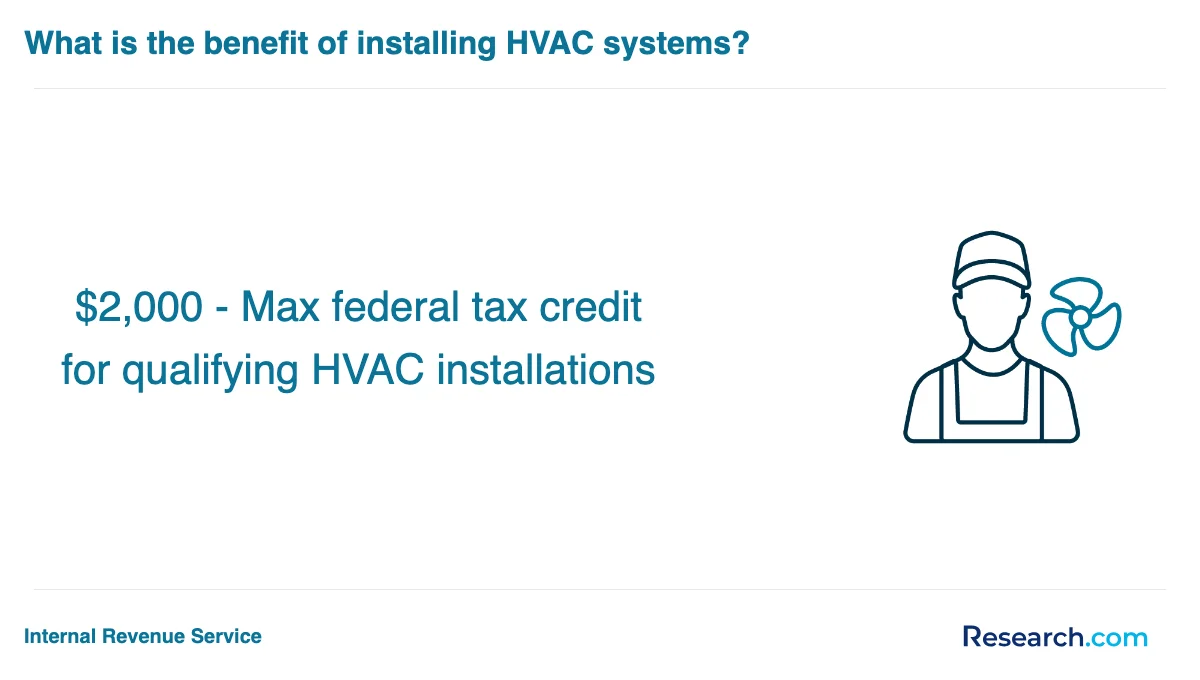
Landing a spot in an HVAC technician program at places like Lansing Community College or Northwestern Technological Institute often feels like unlocking a secret door-especially when you discover financial aid options tailored just for Michigan students. Imagine filling out the FAFSA and suddenly accessing a treasure chest of federal grants and loans that make tuition less daunting.
Graduates often share how the Michigan Reconnect program transformed their journey, letting adults 25 and older attend community colleges tuition-free or at a fraction of the cost. It's like catching a financial break just when you need it most.
Trade schools here don't leave you guessing either. Their financial aid offices become your navigators, pointing toward scholarships, private loans, and even employer tuition reimbursement-sometimes the difference between stressing over bills and focusing on hands-on learning.
Veterans tap into benefits like the Post-9/11 GI Bill®, easing tuition burdens, while programs like Michigan Works! and Trade Adjustment Assistance step in when life throws curveballs, funding training for those shifting careers or bouncing back from job loss.
Jumping into an HVAC technician trade school in Michigan usually means meeting a few straightforward prerequisites that open the door to a rewarding career. Graduates from Detroit-area and Grand Rapids trade schools often recall how a solid high school diploma or GED was their ticket in, setting the stage for hands-on learning that felt both challenging and thrilling.
Most programs expect:
- A high school diploma or GED - the baseline to ensure you're ready for technical coursework.
- Basic math and reading skills - because understanding electrical systems or reading blueprints becomes second nature.
- Sometimes a valid driver's license - handy for travel to job sites during internships or apprenticeships around Michigan's varied climates.
One graduate shared that brushing up on algebra before starting helped demystify HVAC calculations, turning what could've been a headache into an "aha" moment during class. Another recalled how the welcoming environment at their trade school made asking questions easy, removing any jitters about meeting prerequisites. The key takeaway? These entry requirements are less about barriers and more about ensuring every student feels confident and ready to thrive in Michigan's bustling HVAC field.

Imagine diving straight into the heart of HVAC magic at a Michigan trade school, where every course feels like unlocking a new superpower. Graduates often rave about starting with core classes that break down basic electricity and motors-think of mastering the electrical dance that powers your home's heater and AC. You'll get hands-on with wiring diagrams, gaining confidence to troubleshoot real systems without breaking a sweat.
Refrigeration fundamentals are next, revealing the secrets behind keeping things cool. Many Michigan schools, like those around Detroit and Grand Rapids, prepare students to ace the EPA Section 608 Certification exam-an essential credential that feels like a golden ticket in the industry.
Heating systems courses get you elbow-deep in furnaces and boilers, teaching repair skills that graduates say feel like a rewarding puzzle. Meanwhile, air conditioning and ventilation modules open your eyes to airflow and indoor air quality, crucial for keeping homes comfy.
- Blueprinting and system design courses at places like Washtenaw Community College add a creative twist, letting you sketch energy-efficient solutions.
- Hands-on labs mean real equipment, real tools, and real satisfaction.
- Externships connect you with local HVAC pros, turning classroom theory into paycheck-ready skills.
Michigan HVAC trade school certifications open doors to specialized careers focused on heating, refrigeration, and energy management. Graduates from lively campuses like Lansing Community College often share how diving into Heating and Air Conditioning Technology gave them hands-on skills to tackle freezing winters or scorching summers in Michigan homes.
Others at Washtenaw Community College relish the choice to tailor studies toward residential, commercial, or industrial HVAC/R, which means you could be mastering temperature control for cozy apartments, office towers, or sprawling factories.
Imagine gearing up with certificates in refrigeration technology-perfect for those who want to keep grocery store freezers humming or support large-scale cold storage units. Some students love blending HVAC with electrical technology at schools like Dorsey College, stepping into integrated building systems with confidence.
Here's what's typically on offer in HVAC specialization programs in Michigan:
- Heating systems expertise to engineer warm, efficient indoor climates
- Air conditioning technology focusing on comfort and green energy
- Refrigeration maintenance geared to food service and industrial needs
- Energy management engineering that optimizes system performance
- Combined electrical technology certifications for versatile careers
For those seeking flexible paths, exploring affordable online maintenance technician trade programs can also complement hands-on HVAC skills learned in Michigan classrooms.
Choosing one of the best HVAC technician trade schools in Michigan means zooming in on programs that blend rigorous, hands-on training with flexible scheduling. Graduates from popular Michigan colleges rave about the real-world readiness gained by working in on-campus workshops, where they install and troubleshoot HVAC systems just like pros on the job. Imagine clocking in with energized instructors who meld textbook theory with decades of field experience - it's not just learning, it's mentorship alive and buzzing.
For those balancing jobs or family, affordable HVAC technician programs in Michigan often offer part-time courses and accelerated tracks, turning busy calendars into career pathways without burnout. These schools know your time is valuable, and their career support services help turn applications into interviews with local HVAC companies eager for skilled hires. When hunting for the right spot, peers recommend checking reviews and comparing financial aid deals to ensure the cost matches your ambition.
Curious which schools shine brightest? Explore what are the best trade schools to find programs that align perfectly with your Michigan HVAC goals.

Graduates of HVAC technician trade school programs in Michigan dive headfirst into a spectrum of career options, each as dynamic as the climate control systems they master. From day one, many become HVAC service technicians, mastering hands-on work in homes or commercial buildings, where titles like A/C Tech, HVAC Installer, or HVAC Mechanic are their playground. These roles are the core of the bustling HVAC technician job opportunities in Michigan, offering rewarding entry points.
With experience, these graduates find themselves climbing a ladder of specialization and leadership. Picture a graduate from one of Michigan's popular trade schools taking on roles such as HVAC specialist or refrigeration operator, or even managing large facilities as a commercial service manager or code inspector. The journey often involves apprenticeships with local unions like U.A. Local 85 or trusted employers, helping them earn journeyman certifications that boost confidence and pay.
Hands-on stories from trade school alumni reveal the excitement of becoming foremen or field supervisors, guiding teams through complex projects. For those curious how it all fits, explore how to become hvac technician for deep insights into HVAC career paths after trade school in Michigan.
Graduates from HVAC technician trade schools in Michigan are stepping into a dynamic job market where demand fuels excitement and opportunity. Those finishing their programs in cities like Detroit or Grand Rapids often find themselves quickly snapped up, thanks to over 400 active HVAC technician job openings statewide. Imagine walking out of your class on a brisk Michigan morning and landing interviews almost immediately-this is the reality many enjoy. The HVAC technician job outlook in Michigan shines especially bright for graduates skilled in energy-efficient systems, with wages soaring from $18 to $40 per hour. A graduate from a well-known Michigan trade school shared how their starting wage jumped nearly 25% within the first year, propelled by certifications earned during apprenticeship.
Here's what recent graduates experience:
- Competitive hourly pay combined with full benefits including health insurance
- Steady career growth with employer-sponsored ongoing training
- High job security linked to Michigan's projected need for 518,000 skilled tradespeople by 2032
For students exploring options, choosing the most reputable programs-particularly those known for providing hands-on skills-makes a real difference. These schools often focus on the latest HVAC tech trends, helping graduates stay ahead. If you're researching pathways, consider checking out the most affordable online hvac certification choices that blend cost-effectiveness with strong career outcomes. With steady construction growth and modernization in Michigan, the demand for HVAC technicians in Michigan ensures stable employment full of meaningful work keeping homes and businesses comfortable year-round.
Most Affordable HVAC Technician Schools & Training - Budget-Friendly HVAC Trade Programs in Michigan for 2026
# 1 position
Oakland Community College - Heating, Air Conditioning, Ventilation and Refrigeration Maintenance Technology/Technician.
certificate or diplomaOakland Community College offers a hybrid program in Heating, Air Conditioning, Ventilation and Refrigeration Maintenance Technology/Technician. This program trains students to repair, install, service, and maintain heating, air conditioning, and refrigeration systems. Instruction covers diagnostic techniques, testing equipment, and foundational principles of mechanics, electricity, and electronics. The annual in-state tuition is $3,020. The program is accredited by the Higher Learning Commission.
# 2 position
MIAT College of Technology - Heating, Air Conditioning, Ventilation and Refrigeration Maintenance Technology/Technician.
certificate or diplomaThe Heating, Air Conditioning, Ventilation and Refrigeration Maintenance Technology/Technician program at MIAT College of Technology prepares students to repair, install, service, and maintain heating, air conditioning, and refrigeration systems. The hybrid program includes instruction in diagnostic techniques, testing equipment, and the principles of mechanics, electricity, and electronics. Annual in-state tuition is $17,252. Graduates earn a median salary of $35,713 one year after completion. The program is accredited by the Accrediting Commission of Career Schools and Colleges.
# 3 position
Lansing Community College - Heating, Air Conditioning, Ventilation and Refrigeration Maintenance Technology/Technician.
associateThe Heating, Air Conditioning, Ventilation and Refrigeration Maintenance Technology/Technician program at Lansing Community College offers hybrid learning options. It prepares students to repair, install, service, and maintain heating, air conditioning, and refrigeration systems. The curriculum covers diagnostic techniques, testing equipment, and principles of mechanics, electricity, and electronics relevant to these systems. Annual in-state tuition is $4,010. The program is accredited by the Higher Learning Commission.
# 4 position
Lansing Community College - Heating, Air Conditioning, Ventilation and Refrigeration Maintenance Technology/Technician.
certificate or diplomaLansing Community College offers a hybrid program in Heating, Air Conditioning, Ventilation and Refrigeration Maintenance Technology/Technician. The curriculum prepares students to repair, install, service, and maintain heating, air conditioning, and refrigeration systems. Instruction covers diagnostic techniques, testing equipment, and principles of mechanics, electricity, and electronics related to these systems. Annual in-state tuition is $4,010. The program is accredited by the Higher Learning Commission.
# 5 position
Delta College - Heating, Air Conditioning, Ventilation and Refrigeration Maintenance Technology/Technician.
associateThe Heating, Air Conditioning, Ventilation and Refrigeration Maintenance Technology/Technician program at Delta College offers a hybrid format with some distance-education options. It prepares students to repair, install, service, and maintain heating, air conditioning, and refrigeration systems. Instruction covers diagnostic techniques, testing equipment, and the mechanics, electricity, and electronics principles essential for this trade. The program is accredited by the Higher Learning Commission. Annual in-state tuition is $4,640.
# 6 position
Delta College - Heating, Air Conditioning, Ventilation and Refrigeration Maintenance Technology/Technician.
certificate or diplomaDelta College offers a hybrid Heating, Air Conditioning, Ventilation and Refrigeration Maintenance Technology/Technician program that prepares students to repair, install, service, and maintain HVAC and refrigeration systems. The curriculum covers diagnostic techniques, testing equipment, and principles of mechanics, electricity, and electronics. In-state tuition is $4,640 annually. The program is accredited by the Higher Learning Commission.
# 7 position
Grand Rapids Community College - Heating, Air Conditioning, Ventilation and Refrigeration Maintenance Technology/Technician.
associateGrand Rapids Community College offers a hybrid program in Heating, Air Conditioning, Ventilation and Refrigeration Maintenance Technology/Technician. This program prepares students to repair, install, service, and maintain heating, air conditioning, and refrigeration systems. Instruction covers diagnostic techniques, testing equipment use, and principles of mechanics, electricity, and electronics related to these systems. Annual in-state tuition is $4,059. The program is accredited by the Higher Learning Commission.
# 8 position
Grand Rapids Community College - Heating, Air Conditioning, Ventilation and Refrigeration Maintenance Technology/Technician.
certificate or diplomaGrand Rapids Community College offers a hybrid program in Heating, Air Conditioning, Ventilation and Refrigeration Maintenance Technology/Technician. The curriculum prepares students to repair, install, service, and maintain heating, air conditioning, and refrigeration systems. Instruction covers diagnostic techniques, testing equipment, and principles of mechanics, electricity, and electronics related to system repair. The program’s annual in-state tuition is $4,059 and it is accredited by the Higher Learning Commission.
# 9 position
Henry Ford College - Heating, Air Conditioning, Ventilation and Refrigeration Maintenance Technology/Technician.
certificate or diplomaHenry Ford College offers a program in Heating, Air Conditioning, Ventilation and Refrigeration Maintenance Technology/Technician. This program prepares students to repair, install, service, and maintain heating, air conditioning, and refrigeration systems. Instruction covers diagnostic techniques, testing equipment, and principles of mechanics, electricity, and electronics. The program is accredited by the Higher Learning Commission. Annual in-state tuition is $3,460.
# 10 position
Abcott Institute - Heating, Air Conditioning, Ventilation and Refrigeration Maintenance Technology/Technician.
certificate or diplomaAbcott Institute offers a hybrid program in Heating, Air Conditioning, Ventilation and Refrigeration Maintenance Technology/Technician. The curriculum prepares students to repair, install, service, and maintain HVAC and refrigeration systems, emphasizing diagnostic techniques and testing equipment. Instruction covers mechanics, electricity, and electronics related to system repair. The program is accredited by the Council on Occupational Education.
Frequently Asked Questions about HVAC technician
After completing an HVAC technician trade school in Michigan, preparing for the job market involves several key steps. First, obtaining EPA Section 608 certification is essential, as it is required by federal law to handle refrigerants. According to the U.S. Bureau of Labor Statistics, HVAC jobs in Michigan are expected to grow 5% from 2022 to 2032, reflecting steady demand.
Networking with local contractors and attending job fairs can increase employment opportunities. Joining trade organizations like the Michigan Mechanical Contractors Association provides access to resources and job listings. Additionally, gaining hands-on experience through apprenticeships or internships enhances skills and employability.
Finally, keeping technical knowledge updated with continuing education is important to stay competitive in this evolving field.
Employers in Michigan prioritize a mix of technical and soft skills when hiring HVAC technician trade school graduates. Proficiency in electrical systems, refrigeration, and heating technology is essential, as many jobs require hands-on knowledge of modern HVAC equipment. According to the U.S. Bureau of Labor Statistics, Michigan's HVAC job market expects steady growth, emphasizing the importance of practical skills.
Problem-solving and troubleshooting abilities are highly valued, enabling technicians to diagnose and repair complex system issues efficiently. Communication skills also matter, as technicians often explain repairs to customers. Safety awareness, including knowledge of local building codes and environmental regulations, is critical to ensure compliance and job site safety.
Finding internships in Michigan relevant to HVAC technician trade school programs involves several strategic steps. Start by contacting your trade school's career services office, as many schools maintain partnerships with local HVAC companies that offer internships. According to the Michigan Economic Development Corporation, the state has a growing demand for skilled HVAC technicians, which increases internship opportunities in cities like Detroit, Grand Rapids, and Lansing.
Additionally, explore job boards such as Michigan Talent Bank and industry-specific sites like HVACJobs.com, which frequently list paid and unpaid internships. Networking through local chapters of the Refrigeration Service Engineers Society (RSES) or Michigan's chapter of the Air Conditioning Contractors of America (ACCA) can also provide valuable leads.
Students should prepare a professional resume and be ready for interviews, highlighting any coursework or certifications, such as EPA Section 608. Many internships last from 3 to 6 months, providing hands-on experience that complements classroom learning.
Obtaining a HVAC technician trade school diploma in Michigan significantly enhances career mobility and advancement opportunities. According to the Michigan Department of Labor and Economic Opportunity, the HVAC sector is expected to grow by 11% through 2030, creating steady demand for skilled technicians.
Graduates with a diploma often qualify for entry-level positions with competitive wages, typically ranging from $40,000 to $55,000 annually, depending on experience and location. This credential also meets the educational requirements for state licensing, which is necessary to work independently or start a contracting business.
Moreover, trade school graduates gain practical skills that employers value, increasing their chances for promotions and specialized roles such as system design or energy management. The diploma serves as proof of technical competence, which can accelerate professional growth in Michigan's HVAC industry.
In Michigan, part-time job opportunities that complement HVAC technician trade school education often include entry-level roles such as HVAC helper, maintenance assistant, or apprentice technician. These positions provide hands-on experience with heating, ventilation, and air conditioning systems while students continue their coursework.
According to the U.S. Bureau of Labor Statistics, Michigan's HVAC industry is projected to grow by 6% between 2022 and 2032, highlighting the demand for trained technicians. Working part-time in this field allows students to develop practical skills and understand workplace safety standards early.
Additionally, roles in related fields like electrical or plumbing support can enhance technical knowledge, making students more versatile HVAC professionals. Local unions and trade organizations often post part-time apprenticeships tailored to students enrolled in trade programs.
Yes, there are affordable HVAC Technician degree programs available near Michigan that may fit your needs. Different community colleges and technical institutes offer programs designed to provide practical skills and certifications necessary for a career as an HVAC technician. To find the most suitable and affordable options near me, you might consider using resources like Research.com to explore local educational opportunities and compare costs.
- Most Affordable HVAC Technician Schools & Training - Budget-Friendly HVAC Trade Programs in Ohio for 2026
- Most Affordable HVAC Technician Schools & Training - Budget-Friendly HVAC Trade Programs in Indiana for 2026
- Most Affordable HVAC Technician Schools & Training - Budget-Friendly HVAC Trade Programs in Wisconsin for 2026
- Most Affordable HVAC Technician Schools & Training - Budget-Friendly HVAC Trade Programs in Minnesota for 2026
- Most Affordable HVAC Technician Schools & Training - Budget-Friendly HVAC Trade Programs in Pennsylvania for 2026
- Most Affordable HVAC Technician Schools & Training - Budget-Friendly HVAC Trade Programs in West Virginia for 2026
- Most Affordable HVAC Technician Schools & Training - Budget-Friendly HVAC Trade Programs in Iowa for 2026
- Most Affordable HVAC Technician Schools & Training - Budget-Friendly HVAC Trade Programs in Missouri for 2026
- Most Affordable HVAC Technician Schools & Training - Budget-Friendly HVAC Trade Programs in New York for 2026
- Most Affordable HVAC Technician Schools & Training - Budget-Friendly HVAC Trade Programs in Tennessee for 2026
- HVAC Technician Salary: Guide to Wages, Jobs, & More | Faraday https://faradaycareers.com/careers/hvac-technician-salary
- Heating, Air Conditioning, and Refrigeration Mechanics and Installers : Occupational Outlook Handbook: : U.S. Bureau of Labor Statistics https://www.bls.gov/ooh/installation-maintenance-and-repair/heating-air-conditioning-and-refrigeration-mechanics-and-installers.htm
- What is the average salary for HVAC technician - Workiz https://www.workiz.com/blog/hvac/average-salary-for-hvac-technician/
- What is an HVAC Technician: Career Guide & FAQs | Penn Foster https://www.pennfoster.edu/blog/what-is-an-hvac-technician
- HVAC Technician Salaries: 2025 U.S. State-by-State Guide - Housecall Pro https://www.housecallpro.com/resources/hvac-technician-salary/
- How to Find an HVAC Apprenticeship | Austin Career Institute https://austincareerinstitute.edu/blog/hvac/tips-for-finding-an-hvac-apprenticeship/
- HVAC Job Placement: Employment Strategies After Training https://www.genesiscareer.edu/hvac-job-placement-employment-strategies/
- A Guide to Skilled Trades Apprenticeships and Internships | BestColleges https://www.bestcolleges.com/trades/guide-to-skilled-trades-apprenticeships-internships/
- Hands-on Skills at the Best Schools for HVAC Training https://tidewatertechtrades.edu/blog/combination-welding-essential-skills-for-a-successful-career/
- How to Become an HVAC Technician in 2025 | The Ultimate Career Guide - InterCoast Colleges https://intercoast.edu/articles/become-hvac-technician/


