Most Affordable HVAC Technician Schools & Training - Budget-Friendly HVAC Trade Programs in Wisconsin for 2026

Co-Founder and Chief Data Scientist
Choosing the right HVAC technician trade school in Wisconsin can be a big step toward a rewarding career. This article introduces a carefully crafted HVAC technician trade school programs ranking created by the Research.com team of data scientists. It’s designed to help you make an informed decision about which programs offer the best value and training.
Whether you’re starting fresh or looking to upgrade your skills, earning a diploma or certification opens doors to stable jobs and career growth. Reading this guide will give you confidence in selecting a school that fits your goals and budget.
Key benefits of finishing HVAC technician trade school in Wisconsin
- Graduates from HVAC technician trade schools in Wisconsin can expect to earn around $28.50 per hour, with annual salaries near $53,474, offering a strong start in a stable and growing field.
- Career paths include residential or commercial HVAC technician roles, with opportunities to specialize and increase earnings, as seen with many successful trade school alumni working in cities like Green Bay.
- Completing an HVAC program online provides flexibility and convenience, allowing graduates to balance work and study while entering the workforce faster compared to traditional degrees.
- Most Affordable HVAC Technician Schools & Training - Budget-Friendly HVAC Trade Programs in Wisconsin for 2026
- What can I expect from HVAC technician trade schools in Wisconsin?
- Where can I work after finishing HVAC technician trade schools in Wisconsin?
What can I expect from HVAC technician trade schools in Wisconsin?
Students enrolling in HVAC technician trade schools in Wisconsin can expect a highly practical and focused education designed for quick workforce entry. Programs typically last from 9 months to 2 years, with many graduates completing around 24 to 28 credits. For example, those attending Northwood Technical College often finish a 27-credit curriculum in about a year, gaining hands-on skills in fully equipped labs.
Expect to learn core subjects like electricity, heating and air conditioning systems, refrigeration, and sheet metal fabrication. Training simulates real-world challenges where students troubleshoot and maintain HVAC equipment under expert supervision. Many graduates highlight the confidence gained from this immersive experience.
Certification preparation is a key component, with coursework aligned to help pass the EPA Section 608 Technician Certification exam, federally required for refrigerant handling. Popular schools also prepare students for industry credentials such as those from NC3.
Flexible scheduling options-full-time, part-time, day, and evening-make programs accessible to both recent high school graduates and working adults, with financial aid often available. Graduates find themselves well-prepared for roles like HVAC installer or service technician, and some use credits toward advanced degrees.
Where can I work after finishing HVAC technician trade schools in Wisconsin?
After completing an HVAC technician trade school program in Wisconsin, graduates typically find diverse employment opportunities across the state's commercial, residential, and industrial sectors. Many start their careers with HVAC contracting companies, gaining hands-on experience installing and servicing systems in homes and businesses. These roles often provide a steady workflow year-round due to Wisconsin's climate, which demands efficient heating in winter and cooling in summer.
Graduates from well-known Wisconsin trade schools frequently share how they quickly secured positions with companies serving schools, hospitals, and manufacturing plants. Some have moved into specialized commercial projects, such as large-scale HVAC installations for aquatic centers and pools, which require advanced technical skills learned during their training. Employers value technicians who combine installation expertise with strong customer service, leading to opportunities for career advancement.
Many employers offer sign-on bonuses and ongoing training, encouraging continuous learning to stay current with evolving HVAC technologies. Whether in urban hubs or rural areas, graduates find rewarding roles that balance hands-on work with professional growth and stability.
After completing an HVAC technician trade school program in Wisconsin, graduates typically start earning between $28 and $30 per hour. Many find entry-level roles offering competitive wages, especially in cities like Madison, Green Bay, and Appleton, where demand is strong. For example, a recent graduate from a well-known Wisconsin trade school shared how starting at around $29 per hour allowed them to quickly cover living expenses while gaining valuable hands-on experience.
The average hourly wage for HVAC technicians in Wisconsin sits at about $28.49, translating to an annual salary near $59,270 before overtime. Overtime is common in this field, often adding roughly $6,750 annually, pushing total earnings close to $66,000 in the early years. Many graduates appreciate the financial stability this provides, especially when balancing work and further certifications.
With experience and additional licensing, earnings rise significantly. Licensed technicians report averages around $42.30 per hour or $87,994 annually, with top professionals exceeding $100,000. Graduates from Wisconsin trade schools often find that their skills and credentials open doors to these higher wages within a few years.
- Most programs require a high school diploma or GED and may ask for basic math and science skills; application fees can be around $30.
- Program lengths vary from 16 weeks to two years, with many offering both classroom and hands-on training.
- Tuition costs typically range from $4,000 to $6,000 for in-state students, with extra fees for books and certifications.
- Graduates can work in residential and commercial HVAC roles, and Wisconsin offers an optional HVAC Qualifier Certification for experienced individuals.
- Entry-level HVAC technicians earn about $40,000 to $48,000 annually, while experienced workers may make $55,000 to $65,000 or more.
Completing an HVAC technician trade school program in Wisconsin typically takes between 6 months and 1 year, depending on the intensity and format of the course chosen. Many trade schools in the state offer flexible schedules that accommodate both full-time and part-time students, allowing individuals to balance work, family, and study.
Graduates from well-known Wisconsin trade schools often share how the accelerated programs helped them quickly enter the workforce with confidence. One common experience is the practical, hands-on training that simulates real job environments, making the learning process engaging and directly applicable.
For example, students at popular Wisconsin trade schools frequently mention how completing the program within a year gave them a strong foundation in HVAC systems, electrical components, and safety protocols without feeling overwhelmed. This efficient timeline enables graduates to start earning sooner while feeling well-prepared for industry demands.
Choosing a program with a clear, focused curriculum and strong instructor support is key to completing your training promptly and successfully in Wisconsin's HVAC field.
The primary difference between online and on-campus HVAC technician trade school programs in Wisconsin centers on the delivery of hands-on training. Graduates from on-campus programs at schools like Northwood Technical College and Mid-State Technical College often share how invaluable the direct access to real equipment and supervised labs was for building their confidence and skills. Being able to physically install, troubleshoot, and maintain HVAC systems under expert guidance creates a learning experience that online formats struggle to replicate.
While some Wisconsin programs offer general education courses online, the core technical training requires in-person attendance. Students appreciate this approach because HVAC work demands precise, practical knowledge that only comes from working on actual systems. Those who attempted hybrid models highlight the challenge of balancing online theory with mandatory campus labs, but they also value the flexibility it provides.
Ultimately, Wisconsin employers expect graduates to have completed substantial hands-on training, making on-campus education the most reliable path for career readiness in the HVAC field.
The average cost HVAC technician trade school Wisconsin students face depends largely on the type of program and institution chosen. Vocational schools and technical colleges, popular among graduates for their hands-on training, typically charge between $1,200 and $15,000 for certificate programs. Those pursuing more comprehensive associate degrees often pay around $15,000 to $35,000, reflecting the extended curriculum and time commitment.
At institutions like Blackhawk Technical College, students have reported satisfaction with affordable tuition paired with solid job placement support, illustrating how these costs translate into real career benefits. When considering HVAC technician program tuition fees Wisconsin-wide, community colleges offer competitive pricing with in-state tuition averaging $4,868 annually, while private colleges may exceed $15,000, often providing more personalized instruction and expanded resources.
Many apprenticeships serve as cost-effective alternatives combining paid on-the-job training with classes, lasting four to five years and often charging minimal fees from $500 to $2,000. Graduates frequently highlight how this pathway reduces upfront expenses while building valuable experience. Additional costs to anticipate include $500 to $1,000 for essential tools and supplies, and housing and food expenses ranging from $5,000 to $10,000 yearly.
Wisconsin's HVAC students also prepare for EPA Section 608 Technician Certification, costing between $20 and $150, to ensure compliance and career readiness. Those looking for the best trade schools in the us will find that thorough financial planning and exploring all program types empower informed decisions toward a rewarding HVAC career in Wisconsin.

HVAC technician students in Wisconsin can access various financial aid options to ease the burden of tuition, books, and supplies. Federal Pell Grants offer significant support, with awards up to $7,395 for full-time students who demonstrate financial need. Graduates from schools like Northeast Wisconsin Technical College often recall how these grants helped them stay focused on their studies without overwhelming debt. Additionally, the Federal Supplemental Educational Opportunity Grant (FSEOG) provides extra funding for eligible students at participating colleges.
State-specific grants, such as the Wisconsin Grant, are available to residents enrolled at least half-time, with many HVAC programs averaging $4,585.50 annually in tuition. Students at Moraine Park Technical College have benefited from these grants, finding the financial relief essential to completing their certifications.
Federal student loans, including Direct Subsidized and Unsubsidized Loans, offer flexible borrowing options. Workforce-focused grants like the Worker's Advancement Initiative (WAI-2) support those pursuing high-demand HVAC careers, as reported by students at Northwood Technical College. Institutional scholarships targeting veterans and underrepresented groups further enhance affordability. Dual credit and credit for prior learning also help reduce costs by recognizing high school coursework or relevant work experience.
To enroll in an HVAC technician trade school program in Wisconsin, prospective students typically need to meet several key prerequisites that ensure readiness for the hands-on and technical nature of the training. Most trade schools require applicants to have a high school diploma or GED, as this foundational education supports understanding of the electrical, mechanical, and safety concepts essential for HVAC work.
Many graduates recall that having a background in basic math and science, especially courses in algebra and physics, made the intense technical training more approachable and rewarding. This preparation often helps students confidently tackle core topics like thermodynamics and electrical circuits.
Additionally, trade schools in Wisconsin often expect applicants to demonstrate:
- Proof of residency or eligibility to study in the U.S., which is standard for enrollment
- Good physical health to manage the physical demands of HVAC work, such as lifting and working in confined spaces
- Strong communication skills, since HVAC technicians frequently interact with customers and team members
Graduates from popular Wisconsin trade schools emphasize that meeting these prerequisites not only eased their entry but also boosted their confidence, enabling them to fully engage with practical labs and real-world problem solving. For example, students often share how early familiarity with tools and safety protocols made their transition from classroom to job site seamless and enjoyable.

HVAC technician trade school programs in Wisconsin typically include a range of essential courses designed to prepare students for hands-on work in the field. Graduates from schools like Northwood Technical College highlight coursework in basic principles of air conditioning, refrigeration, and heating systems, which forms the foundation of their technical skills.
Students also engage in practical classes covering:
- Heating system installation and repair
- Electrical controls and both AC and DC electrical systems
- Sheet metal fabrication
At Chippewa Valley Technical College and Mid-State Technical College, students gain real-world experience by working directly on HVAC equipment under supervision. This includes:
- Equipment installation
- System servicing and troubleshooting
- Preventative maintenance
Many programs incorporate preparation for EPA Section 608 Technician Certification, vital for handling refrigerants safely. Innovative courses on renewable energy technologies, such as geothermal and solar HVAC applications, offer a glimpse into the industry's future sustainability focus.
Advanced topics like mathematics, drafting, and thermodynamics, featured at Milwaukee Area Technical College, equip students with problem-solving skills needed for complex system design. Graduates often describe this blend of theory and extensive lab work as empowering and confidence-building for entering the workforce.
HVAC technician specializations in Wisconsin trade school programs equip students with targeted expertise for diverse career paths in heating, ventilation, air conditioning, and refrigeration. Popular programs include air conditioning, heating, and refrigeration technology, offered at schools like Blackhawk Technical College, where graduates praise the blend of system design, installation, and maintenance skills. They often note how the Residential HVAC embedded diploma helped them secure entry-level positions quickly.
For those drawn to sustainable technologies, Wisconsin HVAC trade school programs frequently provide training in renewable energy systems. Chippewa Valley Technical College's curriculum emphasizes geothermal and solar HVAC equipment, preparing students for growing opportunities in eco-friendly solutions.
Apprenticeships provide hands-on training under licensed professionals, as seen with the Wisconsin State Registered Apprenticeship Program requiring 8,000 hours on-the-job paired with classroom instruction, which past apprentices describe as invaluable real-world experience.
Specializations also include installation skills, like those taught in Northwood Technical College's HVAC Installation Technician diploma, focusing on sheet metal fabrication and residential and commercial installation techniques.
Students balancing education and career growth often explore hvac technician salary prospects as motivation throughout their training.
Choosing the best HVAC trade schools in Wisconsin starts with evaluating program reputation and accreditation. Graduates from Madison Area Technical College often share how the school's strong industry connections and hands-on training prepared them well for local job markets. Chippewa Valley Technical College is frequently praised for balancing quality education with affordability, making it ideal for students focused on choosing affordable HVAC programs in Wisconsin. Many students appreciate that these schools offer flexible class formats, including evening and hybrid options, which help those working while studying.
Cost is a significant factor; for example, Gateway Technical College's lower tuition appeals to budget-conscious learners without compromising program standards. Consider the type of credential too-associate degrees at these colleges often lead to broader career opportunities, whereas certificates offer a quicker entry into the workforce. When deciding, also weigh graduate outcomes like job placement and apprenticeships. Exploring these aspects can help you determine if is it better to go to college or trade school for your HVAC career goals.
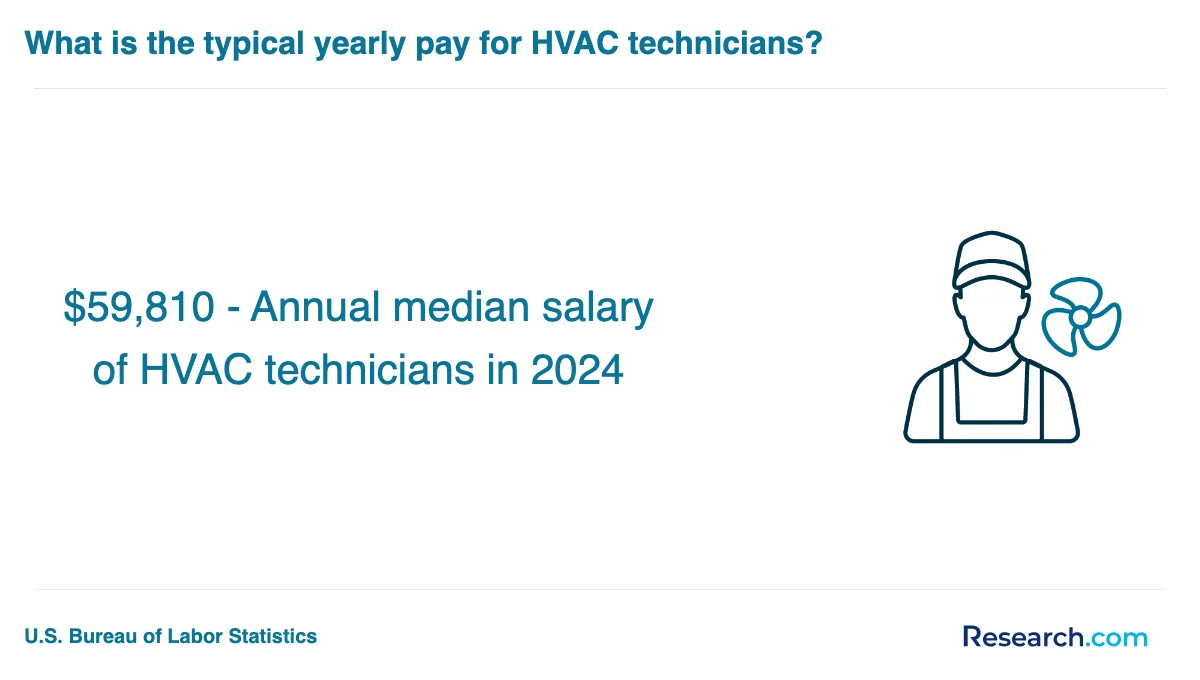
Graduates of HVAC technician trade school programs in Wisconsin have a variety of fulfilling career options. Many start in entry-level HVAC technician jobs in Wisconsin, installing and maintaining heating, cooling, and ventilation systems in homes and commercial buildings. Popular local programs, such as those at Northwood Tech, emphasize hands-on skills that prepare students for competitive wages and long-term job security.
Others pursue HVAC installer career paths in Wisconsin, focusing on designing and setting up advanced systems like geothermal heating and hydronic piping. Graduates gain industry-recognized certifications, including EPA Section 608, which are essential for working with refrigerants safely.
Additional opportunities include specialized roles as refrigeration or control systems technicians, often advancing to supervisory or management positions. Apprenticeships combine paid training with classes, offering structured career growth. Some graduates transition to roles like project management or energy efficiency consultancy, aligning with Wisconsin's increasing focus on sustainable building solutions.
For those seeking flexibility, further certifications can lead to fields such as renewable energy technician. Students interested in accessible programs may explore low cost hvac certification online options to start their career journey.
The HVAC technician job outlook in Wisconsin is highly favorable for trade school graduates. With approximately 6,190 HVAC technicians currently employed statewide and a projected 13% growth by 2033, the demand for skilled workers surpasses the national average. Graduates from popular trade schools in Wisconsin often find themselves in strong positions, as employers are actively seeking technicians with hands-on training and certifications.
Many graduates share experiences of rapidly securing jobs, often benefiting from sign-on bonuses, competitive hourly wages ranging from $28 to $50, and comprehensive benefits. Job openings are widespread, including more than 400 posted statewide and over 230 in Milwaukee alone.
Essential factors contributing to the positive HVAC technician demand in Wisconsin 2026 include:
- Ongoing industry needs for energy-efficient HVAC system upgrades
- A persistent shortage of qualified technicians, reported by half of Wisconsin firms
- Opportunities for overtime and competitive pay in cities like Madison
By enrolling in established programs, graduates gain practical skills that meet this strong labor market demand. For students considering the financial outlook, exploring the top paying trade jobs may help illustrate the lucrative potential within HVAC careers statewide.
Most Affordable HVAC Technician Schools & Training - Budget-Friendly HVAC Trade Programs in Wisconsin for 2026
# 1 position
Western Technical College - Heating, Air Conditioning, Ventilation and Refrigeration Maintenance Technology/Technician.
associateWestern Technical College offers a hybrid program in Heating, Air Conditioning, Ventilation, and Refrigeration Maintenance Technology/Technician. This program trains students to repair, install, service, and maintain HVAC and refrigeration systems, covering diagnostic techniques, testing equipment, mechanics, electricity, and electronics. The annual in-state tuition is $4,716. Graduates earn a median income of $52,820 one year after completing the program. The college is accredited by the Higher Learning Commission.
# 2 position
Western Technical College - Heating, Air Conditioning, Ventilation and Refrigeration Maintenance Technology/Technician.
certificate or diplomaWestern Technical College offers a hybrid program in Heating, Air Conditioning, Ventilation and Refrigeration Maintenance Technology/Technician that trains students to repair, install, service, and maintain HVAC and refrigeration systems. The curriculum covers diagnostic techniques, testing equipment, and principles of mechanics, electricity, and electronics. The program is accredited by the Higher Learning Commission. Annual in-state tuition costs $4,716, and median earnings one year after completion are $52,820.
# 3 position
Blackhawk Technical College - Heating, Air Conditioning, Ventilation and Refrigeration Maintenance Technology/Technician.
certificate or diplomaBlackhawk Technical College offers a hybrid Heating, Air Conditioning, Ventilation and Refrigeration Maintenance Technology/Technician program. The curriculum covers repair, installation, service, and maintenance of HVAC and refrigeration systems, emphasizing diagnostic techniques, testing equipment, and mechanical, electrical, and electronic principles. The annual in-state tuition is $4,170. The program is accredited by the Higher Learning Commission.
# 4 position
Chippewa Valley Technical College - Heating, Air Conditioning, Ventilation and Refrigeration Maintenance Technology/Technician.
associateChippewa Valley Technical College offers a hybrid program in Heating, Air Conditioning, Ventilation, and Refrigeration Maintenance Technology/Technician. The curriculum covers technical skills to repair, install, and maintain HVAC and refrigeration systems, including diagnostics, testing equipment use, and principles of mechanics, electricity, and electronics. The annual in-state tuition is $4,724. Graduates have median earnings of $42,963 one year after completion. The program is accredited by the Higher Learning Commission.
# 5 position
Chippewa Valley Technical College - Heating, Air Conditioning, Ventilation and Refrigeration Maintenance Technology/Technician.
certificate or diplomaChippewa Valley Technical College offers a hybrid Heating, Air Conditioning, Ventilation and Refrigeration Maintenance Technology/Technician program. It trains students to repair, install, service, and maintain HVAC and refrigeration systems, emphasizing diagnostic techniques and the use of testing equipment. The program covers mechanics, electricity, and electronics related to these systems. Annual in-state tuition is $4,724. Graduates have median earnings of $42,963 one year after completion. The program is accredited by the Higher Learning Commission.
# 6 position
Northwood Technical College - Heating, Air Conditioning, Ventilation and Refrigeration Maintenance Technology/Technician.
certificate or diplomaNorthwood Technical College offers a fully online program in Heating, Air Conditioning, Ventilation and Refrigeration Maintenance Technology/Technician. The curriculum prepares students to repair, install, service, and maintain heating, air conditioning, and refrigeration systems. Instruction covers diagnostic techniques, testing equipment use, and principles of mechanics, electricity, and electronics related to these systems. The program’s annual in-state tuition is $4,524 and it is accredited by the Higher Learning Commission.
# 7 position
Lakeshore Technical College - Heating, Air Conditioning, Ventilation and Refrigeration Maintenance Technology/Technician.
certificate or diplomaLakeshore Technical College offers an on-campus program in Heating, Air Conditioning, Ventilation and Refrigeration Maintenance Technology/Technician. The curriculum prepares students to repair, install, service, and maintain heating, air conditioning, and refrigeration systems. Instruction covers diagnostic techniques, testing equipment, and principles of mechanics, electricity, and electronics. The program is accredited by the Higher Learning Commission. Annual in-state tuition costs $4,649.
# 8 position
Waukesha County Technical College - Heating, Air Conditioning, Ventilation and Refrigeration Maintenance Technology/Technician.
certificate or diplomaThe Heating, Air Conditioning, Ventilation and Refrigeration Maintenance Technology/Technician program at Waukesha County Technical College prepares students to repair, install, service, and maintain HVAC and refrigeration systems. The hybrid program includes instruction in diagnostic techniques, testing equipment, and relevant mechanics, electricity, and electronics principles. The annual in-state tuition is $4,720. Graduates have median earnings of $24,979 one year after completion. The program is accredited by the Higher Learning Commission.
# 9 position
Moraine Park Technical College - Heating, Air Conditioning, Ventilation and Refrigeration Maintenance Technology/Technician.
associateMoraine Park Technical College offers a hybrid program in Heating, Air Conditioning, Ventilation and Refrigeration Maintenance Technology/Technician. This program prepares students to repair, install, service, and maintain heating, air conditioning, and refrigeration systems. Instruction includes diagnostic techniques, testing equipment use, and principles of mechanics, electricity, and electronics related to system repair. Annual in-state tuition is $4,713. The program is accredited by the Higher Learning Commission.
# 10 position
Moraine Park Technical College - Heating, Air Conditioning, Ventilation and Refrigeration Maintenance Technology/Technician.
certificate or diplomaMoraine Park Technical College offers a hybrid program in Heating, Air Conditioning, Ventilation and Refrigeration Maintenance Technology/Technician. This program prepares students to repair, install, service, and maintain HVAC and refrigeration systems using technical knowledge, diagnostic techniques, and testing equipment. Instruction covers mechanics, electricity, and electronics principles. Annual in-state tuition is $4,713. The program is accredited by the Higher Learning Commission.
Frequently Asked Questions about HVAC technician
After completing an HVAC technician trade school in Wisconsin, preparing for the job market involves several key steps. First, obtaining EPA Section 608 certification is essential, as it is federally required for handling refrigerants. Many Wisconsin schools integrate this certification into their programs. Next, gaining hands-on experience through apprenticeships or internships can improve employment prospects and practical skills.
Networking within local HVAC associations, such as the Wisconsin Refrigeration Contractors Association, helps connect graduates with potential employers. According to the U.S. Bureau of Labor Statistics, the demand for HVAC technicians in Wisconsin is projected to grow by 5% from 2022 to 2032, indicating steady job opportunities.
Finally, staying current with industry technology and pursuing additional credentials can enhance career advancement.
Employers hiring HVAC technician trade school graduates in Wisconsin prioritize a combination of technical proficiency and practical experience. Key skills include a solid understanding of heating, ventilation, and air conditioning systems, along with the ability to perform diagnostics and repairs efficiently.
Knowledge of electrical systems related to HVAC units is also critical, as is familiarity with industry standards and safety protocols. According to the U.S. Bureau of Labor Statistics and Wisconsin Department of Workforce Development, employers value graduates who demonstrate strong troubleshooting skills and the ability to work independently or as part of a team.
Communication skills are increasingly important, enabling technicians to explain issues and solutions clearly to customers. Additionally, proficiency with modern HVAC technology, including energy-efficient and environmentally friendly systems, is sought after in Wisconsin's evolving market.
Finding internships relevant to HVAC technician trade school programs in Wisconsin involves leveraging multiple local resources. Start by connecting with your trade school's career services, as many maintain partnerships with Wisconsin-based HVAC companies offering internships. According to the Wisconsin Technical College System, about 60% of HVAC students secure internships through these connections.
Another effective method is exploring job boards such as Wisconsin's Job Center website, which frequently lists HVAC internship opportunities. Additionally, joining industry associations like the Refrigeration Service Engineers Society (RSES) Wisconsin chapter can provide networking events and job leads.
Contacting local HVAC contractors directly is also recommended, especially small to mid-sized firms that often seek interns for hands-on training. Finally, attending Wisconsin trade fairs and technical expos can increase your chances of finding internship openings tailored to HVAC students.
Obtaining a HVAC technician trade school diploma in Wisconsin significantly enhances career mobility and advancement opportunities. Graduates gain essential hands-on skills and industry-recognized credentials required by local employers, which helps them qualify for entry-level positions quickly. According to the Wisconsin Department of Workforce Development, certified HVAC technicians in the state earn a median annual wage of around $50,000, with opportunities to increase earnings through specialization and experience.
Trade school diplomas also ease access to apprenticeships and licensing exams, crucial steps for career growth in Wisconsin's HVAC industry. Employers prioritize candidates with formal training, improving job stability and promotion prospects.
Furthermore, Wisconsin's growing construction and manufacturing sectors increase demand for skilled HVAC professionals, making diploma holders more competitive. The U.S. Bureau of Labor Statistics projects a 5% growth in HVAC jobs nationwide through 2030, reflecting steady opportunities in states like Wisconsin.
Part-time job opportunities that complement HVAC technician trade school education in Wisconsin often involve roles in related fields such as appliance repair, facilities maintenance, or entry-level HVAC assistant positions. These jobs provide hands-on experience with tools, equipment, and customer service, which are crucial for developing practical skills.
According to the U.S. Bureau of Labor Statistics, Wisconsin's HVAC technician employment is projected to grow by 7% from 2022 to 2032, indicating steady demand for trained professionals. Students working part-time in these roles can gain valuable industry exposure while earning an average wage ranging from $15 to $20 per hour, depending on experience and location.
Additionally, local businesses and contractors often seek part-time help for seasonal maintenance or installation projects, offering flexible schedules that align well with class hours. These positions help students build networks within Wisconsin's HVAC industry, enhancing future job prospects.
To find the most affordable HVAC Technician degree program near me, one can start by researching local community colleges and technical schools, as these institutions often offer cost-effective educational programs. For options near Wisconsin, consider using resources like Research.com, which can help compare colleges and their offerings in terms of affordability and quality. Additionally, prospective students can visit open houses or career fairs at institutions to gather more information on financial aid and scholarships available to lower the costs.
- Most Affordable HVAC Technician Schools & Training - Budget-Friendly HVAC Trade Programs in Minnesota for 2026
- Most Affordable HVAC Technician Schools & Training - Budget-Friendly HVAC Trade Programs in Iowa for 2026
- Most Affordable HVAC Technician Schools & Training - Budget-Friendly HVAC Trade Programs in Michigan for 2026
- Most Affordable HVAC Technician Schools & Training - Budget-Friendly HVAC Trade Programs in Indiana for 2026
- Most Affordable HVAC Technician Schools & Training - Budget-Friendly HVAC Trade Programs in Missouri for 2026
- Most Affordable HVAC Technician Schools & Training - Budget-Friendly HVAC Trade Programs in Ohio for 2026
- Most Affordable HVAC Technician Schools & Training - Budget-Friendly HVAC Trade Programs in South Dakota for 2026
- Most Affordable HVAC Technician Schools & Training - Budget-Friendly HVAC Trade Programs in Kansas for 2026
- Most Affordable HVAC Technician Schools & Training - Budget-Friendly HVAC Trade Programs in Tennessee for 2026
- Most Affordable HVAC Technician Schools & Training - Budget-Friendly HVAC Trade Programs in West Virginia for 2026
- How to write an HVAC Technician cover letter https://hipcv.com/guides/hvac-technician-cover-letter
- How to Become an HVAC Technician | Skilled Trades College of Canada https://www.skilledtradescollege.ca/resources/how-to-become-an-hvac-technician
- Entry Level HVAC Technician - Training Certificate | Midlands Technical College https://www.midlandstech.edu/programs-and-courses/advanced-manufacturing-and-skilled-trades/hvac-training-certificate
- How To Become an HVAC Technician? Step-by-Step Career Guide https://heavyequipmentcollege.edu/how-to-become-an-hvac-technician/
- HVAC/R Technician https://www.wctc.edu/WCTC/Academics/Program-List/HVAC-R-Technician
- How to Become an HVAC Technician: 6 Straightforward Steps https://www.getjobber.com/academy/hvac/how-to-become-an-hvac-technician/
- HVAC Installation Technician | Northwood Technical College https://www.northwoodtech.edu/academic-programs/degree-programs-and-certificates/hvac-installation-technician
- Heating, Ventilation, Air Conditioning and Refrigeration Program | College of DuPage https://www.cod.edu/academics/programs/hvacr/
- profile icon https://www.niche.com/colleges/search/best-colleges-with-hvac-and-refrigeration-engineering-technician/s/wisconsin/
- Refrigeration, Air Conditioning & Heating Service Technician | Gateway Technical College https://www.gtc.edu/programs/technical-diplomas/refrigeration-ac-and-heating-service-technician-hvac-r