Most Affordable HVAC Technician Schools & Training - Budget-Friendly HVAC Trade Programs in Minnesota for 2026

Co-Founder and Chief Data Scientist
Choosing the right HVAC technician trade school in Minnesota can feel overwhelming, but this article is here to help. We've gathered a ranking created by the Research.com team of data scientists to guide you toward the most affordable and reputable programs in 2026.
By exploring these options, you’ll gain insight into schools that offer quality education without breaking the bank. Earning a diploma or certification in HVAC opens doors to a rewarding career with strong job prospects and personal growth.
Take the first step confidently toward a skilled trade that’s in demand and built for your future success.
Key benefits of finishing HVAC technician trade school in Minnesota
- Graduates from HVAC technician trade schools in Minnesota can expect starting wages around $21.68 to $31.30 per hour, with opportunities to earn up to $42.14 per hour as they gain experience and certifications.
- Career paths for graduates include roles as residential or commercial HVAC technicians, service managers, or installers, offering diverse and rewarding job opportunities in both urban and rural settings.
- Completing an HVAC program online offers flexibility and convenience, allowing students to balance work and study while gaining the skills needed to enter the workforce quickly, as seen with successful graduates from popular Minnesota online trade schools.
- Most Affordable HVAC Technician Schools & Training - Budget-Friendly HVAC Trade Programs in Minnesota for 2026
- What can I expect from HVAC technician trade schools in Minnesota?
- Where can I work after finishing HVAC technician trade schools in Minnesota?
What can I expect from HVAC technician trade schools in Minnesota?
Students enrolling in HVAC technician trade school programs in Minnesota can expect a hands-on learning experience that combines classroom theory with real-world practice. Graduates from Minneapolis College, Hennepin Technical College, and St. Cloud Technical and Community College often describe working directly with furnaces, chillers, and rooftop units, gaining confidence in troubleshooting and electrical wiring. You will learn essential skills such as fabricating sheet metal, servicing HVAC components, and maintaining indoor air quality through ventilation techniques.
Safety training is emphasized, including preparation for EPA Section 608 refrigerant certification and sometimes state boiler operator licensing, ensuring you meet industry standards. Many programs offer flexible schedules with day and evening classes, making it easier for working adults to pursue this career path.
Students appreciate updated labs reflecting the latest energy-efficient technologies and codes, preparing them for entry-level technician roles with competitive starting salaries. Participation in SkillsUSA competitions offers chances to showcase skills and build professional networks, making the experience both challenging and rewarding.
Where can I work after finishing HVAC technician trade schools in Minnesota?
After completing an HVAC technician trade school program in Minnesota, graduates find diverse job opportunities across the state. Many secure positions with HVAC service companies, working on installations, repairs, and maintenance in homes, schools, hospitals, and commercial buildings. For example, graduates from popular Minnesota trade schools often describe starting their careers by troubleshooting heating systems in suburban homes or maintaining climate control in busy office complexes.
Others join mechanical contractors or building maintenance teams, ensuring efficient operation of HVAC systems in industrial environments. Some graduates specialize in refrigeration or boiler operations, gaining hands-on experience with rooftop units or heat pumps. Entry-level roles like HVAC installer or refrigeration technician provide a solid foundation, with many advancing through certifications and on-the-job learning.
Opportunities also exist in HVAC sales, estimating, or management, especially for those with strong communication skills. Many graduates appreciate the steady pay and benefits offered by Minnesota employers, making this a rewarding career path with room to grow in both urban centers and rural communities.
After finishing an HVAC technician trade school program in Minnesota, graduates typically start earning around $21.68 per hour, which many find encouraging as they step into their new careers. With experience, wages often rise to about $31.10 per hour, or roughly $64,700 per year, based on full-time work. For example, graduates from well-known Minnesota trade schools often share how their entry-level pay quickly improves after gaining hands-on experience and certifications.
In cities like Minneapolis, the hourly wage can be even higher, averaging $31.64, and many technicians earn extra through overtime-sometimes adding nearly $6,750 annually. This overtime pay is common in urgent repair situations, making the job both challenging and rewarding.
Wages range widely from about $13.42 to $42.14 per hour, so advancing your skills and certifications can significantly boost your income. Many graduates appreciate knowing there's clear potential to earn more as they grow in their careers.
- Admission to HVAC technician trade schools in Minnesota usually requires a high school diploma or GED, with no state-level license needed to start.
- Programs typically last between 10 months and 2 years, combining classroom lessons with hands-on training in simulated work environments.
- Students often prepare for the EPA Section 608 Certification, which is necessary for handling refrigerants, and may earn additional certificates like Construction Safety or Boiler Licenses.
- The average cost for these programs ranges from $5,000 to $15,000, with financial aid options such as WIOA grants available to eligible students.
- Local certifications like "comp cards" are required to work in cities such as Minneapolis and St. Paul but are often reciprocal across municipalities.
- Entry-level HVAC technicians in Minnesota earn a median wage of about $54,000 annually, with experienced workers making up to $75,000 or more.
Completing an HVAC technician trade school program in Minnesota typically takes between 6 months and 1 year. Many students find that accelerated programs at well-known local trade schools allow them to gain hands-on experience quickly, balancing classroom learning with real-world training. Graduates often mention a sense of accomplishment finishing within a year, which helps them enter the workforce without long delays.
For example, students at popular Minnesota trade schools share how intensive schedules helped them stay focused and motivated. One graduate described waking up each day excited to apply new skills in labs, while another appreciated the steady pace that made complex HVAC concepts easier to grasp. These programs often fit well with the busy lives of Minnesota residents, accommodating those who may be working or managing family commitments.
Overall, the completion time is designed to prepare students efficiently for certifications and entry-level jobs, making HVAC technician training in Minnesota both practical and rewarding.
On-campus HVAC technician programs in Minnesota, like those at Minneapolis College and Hennepin Technical College, offer hands-on learning that many graduates find invaluable. These programs provide access to fully equipped labs with real HVAC systems, air measurement tools, and ventilation-training houses. Students get to practice diagnostics, repairs, and installations under instructor supervision, building confidence and practical skills essential for Minnesota's job market.
Online programs, on the other hand, focus mainly on theory delivered through virtual lectures and online discussions. While they offer flexibility for balancing work or family, many online students share that they miss the immersive, tactile experience of working directly with equipment. Some online options require occasional in-person labs or internships, but these vary widely in availability and intensity.
Graduates from on-campus schools often feel better prepared for certification exams like the EPA Section 608 and report feeling more job-ready thanks to their hands-on training. Online students appreciate convenience but may need to seek additional practical experience to match employer expectations in Minnesota's competitive HVAC field.
The average HVAC technician program cost in Minnesota depends largely on the level of training and the institution you choose. Certificate programs, which many graduates select for quicker entry into the field, typically cost between $1,200 and $15,000. These programs, such as those offered at popular technical schools and community colleges, focus on practical HVAC skills over six to twelve months. For example, students at well-regarded colleges sometimes invest up to $17,206 covering tuition, materials, and fees, reflecting comprehensive preparation for the workforce.
For students pursuing associate degrees with more in-depth study over two years, tuition fees for HVAC trade schools in Minnesota usually range from $15,000 to $35,000. Graduates from these programs emphasize the advantage of broader technical knowledge combined with general education, which can enhance job prospects.
Beyond tuition, budgeting for tools, textbooks, uniforms, and lab fees is essential, as these extra costs can add $1,000 to $2,000. Many students find relief through financial aid, including federal and state grants, scholarships, and work-study programs like the Minnesota Future Together Grants. Such aid makes training more affordable and accessible.
If you're curious about how long does it take to become HVAC technician, exploring local trade schools and their financing options can give you a clearer path forward tailored to your needs.
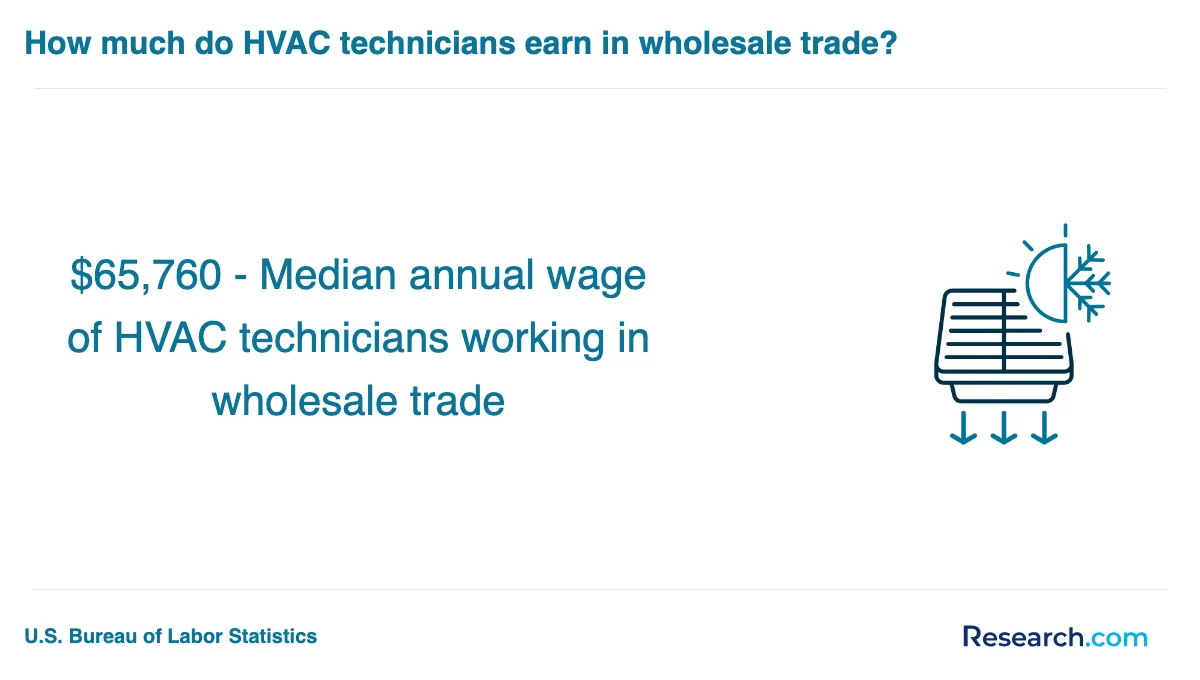
Students pursuing HVAC technician programs at Minnesota trade schools like Century College and Hennepin Technical College often rely on a mix of financial aid to make their education affordable. Many graduates share how completing the FAFSA unlocked access to federal Pell Grants, subsidized loans, and work-study opportunities, easing their financial stress. These public colleges, being accredited, qualify for such federal support, which can cover a significant portion of tuition costs.
State-specific aid also plays a key role. The Minnesota State Grant helps many low- and moderate-income students reduce tuition expenses, while the Century College Foundation awards thousands in scholarships annually, directly benefiting HVAC students. Graduates often describe how these funds lowered their need for loans and made completing their programs more manageable.
For those in non-credit or online HVAC courses, alternative funding like Workforce Innovation and Opportunity Act (WIOA) assistance through Hennepin Technical College offers crucial tuition support, especially for adults switching careers. Many students also tap into employer tuition reimbursement and scholarships from industry groups, combining resources to confidently invest in their future careers.
To enroll in an HVAC technician trade school program in Minnesota, most schools require a high school diploma or GED. This basic educational foundation ensures students have the essential math and science skills needed for technical coursework.
Applicants often must be at least 18 years old, which aligns with the hands-on and safety-focused nature of HVAC training. Some programs may also ask for proof of immunizations or a physical exam, prioritizing student health during lab work.
Practical experience isn't always mandatory, but many graduates from well-known Minnesota trade schools mention that having some familiarity with tools or basic electrical knowledge made their transition smoother and boosted confidence in their first weeks.
Typical prerequisites include:
- High school diploma or GED
- Minimum age of 18 years
- Basic math and science skills
- Physical ability to perform hands-on work
- Immunization records or physical exam (varies by school)
These requirements help students dive directly into learning HVAC systems with enthusiasm and readiness, turning their passion for hands-on work into a rewarding career path.

HVAC technician trade school programs in Minnesota focus on practical skills that prepare students for real-world jobs. Graduates from popular schools like Minneapolis College and Hennepin Technical College often share how hands-on labs made complex topics like heating, ventilation, air conditioning, and refrigeration (HVAC/R) systems clear and manageable.
Typical courses include:
- Principles of thermodynamics and science of refrigeration, explaining how HVAC systems create comfortable indoor climates.
- Basic and advanced electricity, teaching students to read wiring diagrams and safely handle electrical components found in HVAC equipment.
- Diagnostics and troubleshooting, with real repairs on furnaces, heat pumps, and refrigeration units, boosting confidence in fixing common issues.
- Sheet metal fabrication and piping skills, essential for installing ductwork and piping using copper, plastic, and steel.
- Courses on indoor air quality and ventilation, equipping students to measure airflow and test for carbon monoxide to ensure safe environments.
Safety is a top priority, with training on jobsite safety practices, EPA Section 608 refrigerant handling certification, and OSHA guidelines. Many find state-specific credentials, like the Special Engineers Boiler Operator License, valuable for advancing their careers in Minnesota's HVAC field.
HVAC technician trade school programs in Minnesota offer a variety of specializations tailored to meet the state's unique climate and job market demands. Graduates from schools like Hennepin Technical College and Minneapolis College often praise training that covers both residential and commercial systems, preparing them to confidently handle equipment from home furnaces to large rooftop units. Many find the focus on energy-efficient and electronically controlled systems particularly rewarding, as this expertise is highly sought after.
Specializations frequently include:
- Refrigeration systems (HVAC/R), with hands-on experience servicing commercial freezers and ice machines essential for Minnesota's food sector.
- Light commercial HVAC work, targeting entry-level technician roles in small businesses.
- State certifications preparation, such as the Special Engineers Boiler Operator License and EPA Section 608 refrigerant handling, crucial for safe refrigerant management.
- Advanced electrical controls and energy management training, enabling work in building automation and indoor air quality.
Students often share how these focused skills boost their confidence entering the workforce, knowing they have practical abilities employers value. For anyone exploring Minnesota HVAC technician training programs, these diverse options make it possible to find a path that fits career goals. For aspiring technicians looking for easy trades to learn that pay well, this hands-on education is a perfect fit.
Start by focusing on accredited programs that guarantee quality education and align with industry standards. Graduates from Minnesota's best HVAC trade schools like Dunwoody College of Technology often praise the hands-on training, which equips them with real-world skills essential for success. Look for programs offering extensive lab work combined with experienced faculty who provide mentoring based on their industry background. Many students choose affordable HVAC technician programs in Minnesota by comparing tuition costs and financial aid options, such as scholarships and grants, reducing overall expenses without sacrificing program quality.
Consider job placement rates when evaluating a school; a 100% placement rate, like that at Dunwoody, signals strong employer connections and confidence in graduates' capabilities. Also, think about finding a balance between program length and specialized training, especially if you're targeting a specific HVAC sector like residential or commercial systems. Incorporate hands-on learning with classroom theory, which many local graduates find crucial for career readiness. For those weighing paths, the hvac program at school or hvac apprenticeship offers insight into the best route suited to your goals in Minnesota.
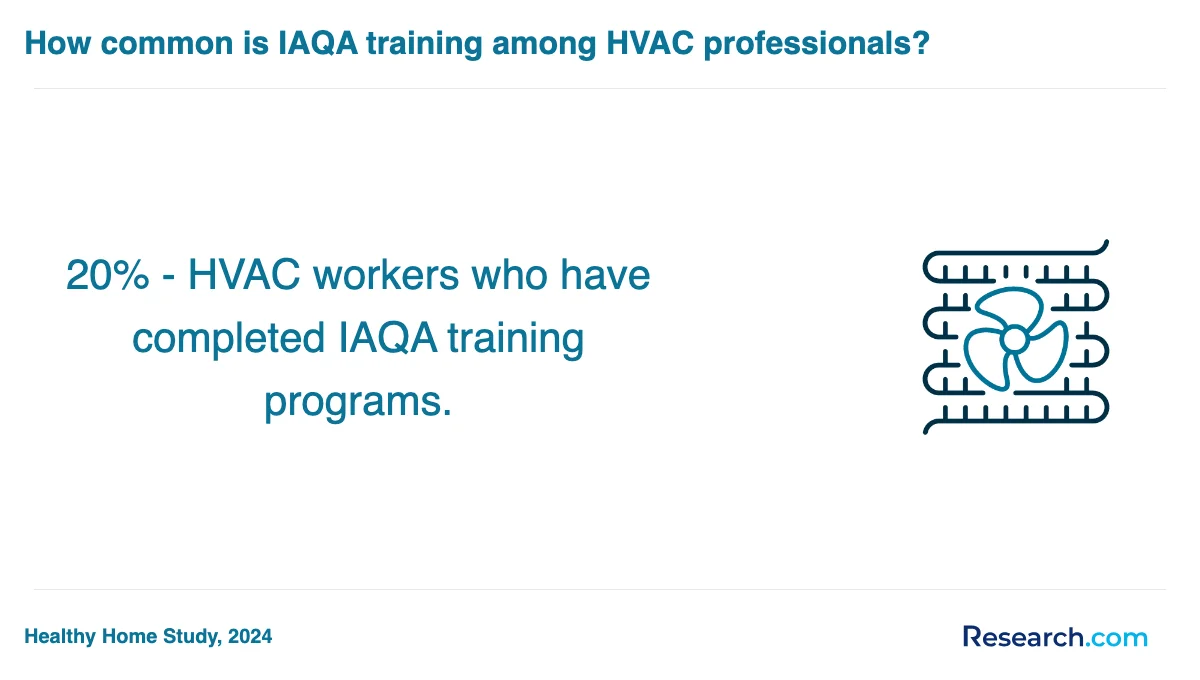
Graduates of HVAC technician trade schools in Minnesota often start their careers in roles such as HVAC service technician, HVAC installer, or commercial refrigeration technician. These entry-level jobs provide hands-on experience installing, maintaining, and repairing heating and cooling systems across residential and commercial sites. Popular Minnesota trade schools offer programs that prepare students for these positions, ensuring they meet the baseline qualifications employers seek. Many graduates find fulfilling HVAC technician jobs in Minnesota due to the strong local demand for skilled technicians.
With further certifications like the EPA Section 608, graduates gain HVAC career advancement opportunities Minnesota that include becoming lead technicians, supervisors, or project managers. Others specialize in areas such as fuel gas piping, system design, or energy efficiency consulting, expanding their skills and earning potential.
Many graduates also pursue entrepreneurial paths, launching their own HVAC contracting businesses. Trade schools in Minnesota equip students with not just technical skills but also practical knowledge to succeed in these roles. For those weighing education options, understanding why trade school is better than college can clarify the quick entry and steady growth advantages in Minnesota's HVAC field.
The HVAC technician job outlook in Minnesota is strong, providing promising opportunities for graduates of local trade schools. Many graduates find steady employment quickly, thanks to the state's ongoing demand for skilled technicians in both new construction and maintenance of heating and cooling systems. This demand is driven by Minnesota's harsh climate, which creates a constant need for reliable HVAC services and energy-efficient upgrades.
Popular trade schools in Minnesota often share stories of graduates who secured positions earning between $72,800 and $93,600 annually, reflecting the competitive wages in this field. Graduates frequently highlight the benefit of hands-on training, which prepares them for real-world challenges and boosts employer confidence. For instance, many have reported successfully landing roles in the busy Minneapolis-St. Paul metro area, where HVAC technician demand in Minnesota is especially high.
Key factors contributing to this robust market include:
- Projected state job growth of 7.1% with some regions exceeding 14%.
- Wage rates averaging $35 per hour and rising due to labor shortages.
- Consistently high number of job postings, with hundreds available statewide.
- Support from trade schools known nationally-check out the top online trade schools for HVAC training options accessible to Minnesota students.
Most Affordable HVAC Technician Schools & Training - Budget-Friendly HVAC Trade Programs in Minnesota for 2026
# 1 position
Dakota County Technical College - Heating, Air Conditioning, Ventilation and Refrigeration Maintenance Technology/Technician.
associateDakota County Technical College offers a hybrid Heating, Air Conditioning, Ventilation and Refrigeration Maintenance Technology/Technician program. It trains students in repairing, installing, and maintaining HVAC and refrigeration systems, including diagnostic techniques and the use of testing equipment. The program covers mechanics, electricity, and electronics principles. Annual in-state tuition is $6,419. Graduates have median earnings of $52,079 one year after completion. The program is accredited by the Higher Learning Commission.
# 2 position
Dakota County Technical College - Heating, Air Conditioning, Ventilation and Refrigeration Maintenance Technology/Technician.
certificate or diplomaDakota County Technical College offers a hybrid program in Heating, Air Conditioning, Ventilation and Refrigeration Maintenance Technology/Technician. The program trains students to repair, install, service, and maintain HVAC and refrigeration systems using diagnostic techniques and testing equipment. Tuition for in-state students is $6,419 annually. Graduates earn a median salary of $52,079 one year after completion. The program is accredited by the Higher Learning Commission.
# 3 position
St Cloud Technical and Community College - Heating, Air Conditioning, Ventilation and Refrigeration Maintenance Technology/Technician.
associateThe Heating, Air Conditioning, Ventilation and Refrigeration Maintenance Technology/Technician program at St Cloud Technical and Community College offers a hybrid format with some distance education. It trains students to repair, install, service, and maintain HVAC and refrigeration systems using diagnostic techniques and testing equipment. The program covers mechanics, electricity, and electronics principles related to these systems. Annual in-state tuition is $4,957. The program is accredited by the Higher Learning Commission. Median earnings one year after completion are $57,178.
# 4 position
St Cloud Technical and Community College - Heating, Air Conditioning, Ventilation and Refrigeration Maintenance Technology/Technician.
certificate or diplomaThe Heating, Air Conditioning, Ventilation and Refrigeration Maintenance Technology/Technician program at St Cloud Technical and Community College prepares students to repair, install, service, and maintain HVAC and refrigeration systems. This hybrid program covers diagnostic techniques, testing equipment, and principles of mechanics, electricity, and electronics related to these systems. The annual in-state tuition is $4,957, and students have median earnings of $57,178 one year after completion. The program is accredited by the Higher Learning Commission.
# 5 position
Minnesota State Community and Technical College - Heating, Air Conditioning, Ventilation and Refrigeration Maintenance Technology/Technician.
certificate or diplomaMinnesota State Community and Technical College offers a hybrid Heating, Air Conditioning, Ventilation and Refrigeration Maintenance Technology/Technician program. It prepares students to repair, install, service, and maintain HVAC and refrigeration systems using diagnostic techniques and testing equipment. The program includes principles of mechanics, electricity, and electronics related to these systems. Annual in-state tuition is $5,900, and median earnings one year after completion are $46,285. The program is accredited by the Higher Learning Commission.
# 6 position
Century College - Heating, Air Conditioning, Ventilation and Refrigeration Maintenance Technology/Technician.
associateCentury College offers a hybrid Heating, Air Conditioning, Ventilation and Refrigeration Maintenance Technology/Technician program. It prepares students to repair, install, service, and maintain HVAC and refrigeration systems using diagnostic techniques and testing equipment. The curriculum covers mechanics, electricity, and electronics relevant to these systems. Annual in-state tuition is $6,182. Graduates have a median earning of $52,870 one year after completion. The program is accredited by the Higher Learning Commission.
# 7 position
Century College - Heating, Air Conditioning, Ventilation and Refrigeration Maintenance Technology/Technician.
certificate or diplomaThe Heating, Air Conditioning, Ventilation and Refrigeration Maintenance Technology/Technician program at Century College offers hybrid learning options. It trains students in repairing, installing, servicing, and maintaining HVAC and refrigeration systems, focusing on diagnostic techniques and the principles of mechanics, electricity, and electronics. The annual in-state tuition is $6,182. Graduates earn a median salary of $52,870 one year after program completion. The program is accredited by the Higher Learning Commission.
# 8 position
Hennepin Technical College - Heating, Air Conditioning, Ventilation and Refrigeration Maintenance Technology/Technician.
associateHennepin Technical College offers a hybrid program in Heating, Air Conditioning, Ventilation and Refrigeration Maintenance Technology/Technician. The curriculum covers repair, installation, service, and maintenance of HVAC and refrigeration systems, including diagnostic techniques and the use of testing equipment. Instruction focuses on mechanics, electricity, and electronics principles related to these systems. Annual in-state tuition is $5,881. Median earnings one year after completion are $65,592. The program is accredited by the Higher Learning Commission.
# 9 position
Hennepin Technical College - Heating, Air Conditioning, Ventilation and Refrigeration Maintenance Technology/Technician.
certificate or diplomaHennepin Technical College offers a hybrid program in Heating, Air Conditioning, Ventilation, and Refrigeration Maintenance Technology/Technician. The curriculum prepares students to repair, install, and maintain heating, air conditioning, and refrigeration systems using technical knowledge, diagnostic techniques, and testing equipment. Instruction covers mechanics, electricity, and electronics principles relevant to system repair. The annual in-state tuition is $5,881. Graduates have median earnings of $65,592 one year after completion. The program is accredited by the Higher Learning Commission.
# 10 position
Minneapolis Community and Technical College - Heating, Air Conditioning, Ventilation and Refrigeration Maintenance Technology/Technician.
associateThe Heating, Air Conditioning, Ventilation and Refrigeration Maintenance Technology/Technician program at Minneapolis Community and Technical College prepares students to repair, install, service, and maintain HVAC and refrigeration systems. The hybrid program includes instruction on diagnostic techniques, testing equipment, and the principles of mechanics, electricity, and electronics. Annual in-state tuition is $6,128. Graduates have a median earning of $56,191 one year after program completion. The program is accredited by the Higher Learning Commission.
Frequently Asked Questions about HVAC technician
After completing an HVAC technician trade school in Minnesota, preparing for the job market involves several key steps. First, obtaining EPA Section 608 certification is essential, as it is federally required for handling refrigerants. Many trade schools help students prepare for this exam.
Next, gaining hands-on experience through internships or apprenticeships can significantly improve job prospects. Minnesota's strong construction and manufacturing sectors offer opportunities for practical training.
Networking is also important; joining local chapters of organizations like the Refrigeration Service Engineers Society (RSES) can provide valuable contacts.
Finally, staying current with industry trends and pursuing additional certifications, such as NATE (North American Technician Excellence), can increase competitiveness in the Minnesota HVAC job market.
Employers in Minnesota prioritize a combination of technical and soft skills when hiring HVAC technician trade school graduates. Strong knowledge of heating, ventilation, air conditioning, and refrigeration systems is essential, as outlined by the Minnesota Department of Employment and Economic Development. Graduates must demonstrate proficiency in system installation, maintenance, and repair, including familiarity with modern energy-efficient technology.
Problem-solving and critical thinking skills are highly valued, enabling technicians to diagnose issues quickly. Communication skills also matter since technicians often explain problems and solutions to clients. Additionally, safety awareness is crucial due to the risks involved in handling electrical components and refrigerants.
Hands-on experience gained through trade school labs or internships significantly boosts employability. According to the U.S. Bureau of Labor Statistics, Minnesota's HVAC job market expects steady growth, increasing the demand for well-prepared technicians.
Finding internships in Minnesota relevant to HVAC technician trade school programs involves several practical steps. Start by consulting your trade school's career services, as many maintain partnerships with local HVAC companies and contractors. These connections can provide direct internship opportunities tailored to your training.
Additionally, explore resources like the Minnesota Department of Employment and Economic Development (DEED), which offers job listings and apprenticeship programs in skilled trades, including HVAC. According to DEED, internships and apprenticeships in HVAC fields have grown by approximately 5% annually over recent years, reflecting strong industry demand.
Networking with local unions, such as the United Association of Plumbers and Pipefitters, can also open doors to paid internships and hands-on experiences. Attending industry job fairs and trade events in Minnesota further increases your chances of securing an internship.
Obtaining a HVAC technician trade school diploma in Minnesota significantly enhances career mobility and advancement opportunities. According to the Minnesota Department of Employment and Economic Development, the state projects a 14% growth in HVAC jobs through 2030, driven by demand for energy-efficient systems. A diploma equips graduates with practical skills and industry certifications, making them more competitive for entry-level roles and promotions.
Employers in Minnesota often prefer candidates with formal training, as it reduces on-the-job training time and ensures compliance with state licensing requirements. Certified technicians typically earn 10-20% higher wages compared to those without formal credentials.
Additionally, trade school graduates have better access to union apprenticeships and specialized fields such as HVAC system design or sales, broadening their career paths and earning potential.
Students enrolled in HVAC technician trade schools in Minnesota can benefit from part-time jobs that provide hands-on experience and industry knowledge. Common opportunities include working as HVAC helpers, assisting licensed technicians with installations and repairs. These roles help students apply classroom learning in real-world settings.
Retail positions at home improvement stores like Menards or Lowe's also complement HVAC education by familiarizing students with HVAC products and customer service. According to the Minnesota Department of Employment and Economic Development, the HVAC job market in Minnesota is expected to grow by 10% through 2030, creating ample opportunities for students seeking practical work experience.
Additionally, some employers offer apprenticeship programs that combine paid work with ongoing training, further enhancing skills while attending school.
Yes, there are affordable HVAC Technician programs available at community colleges and technical schools. For individuals looking for programs "near me" in Minnesota, schools like Hennepin Technical College or Dakota County Technical College offer specialized training. Research.com can be a helpful resource to explore various HVAC Technician programs near Minnesota that suit different budgets and educational needs.
- Most Affordable HVAC Technician Schools & Training - Budget-Friendly HVAC Trade Programs in Wisconsin for 2026
- Most Affordable HVAC Technician Schools & Training - Budget-Friendly HVAC Trade Programs in Iowa for 2026
- Most Affordable HVAC Technician Schools & Training - Budget-Friendly HVAC Trade Programs in South Dakota for 2026
- Most Affordable HVAC Technician Schools & Training - Budget-Friendly HVAC Trade Programs in Missouri for 2026
- Most Affordable HVAC Technician Schools & Training - Budget-Friendly HVAC Trade Programs in Michigan for 2026
- Most Affordable HVAC Technician Schools & Training - Budget-Friendly HVAC Trade Programs in Kansas for 2026
- Most Affordable HVAC Technician Schools & Training - Budget-Friendly HVAC Trade Programs in Indiana for 2026
- Most Affordable HVAC Technician Schools & Training - Budget-Friendly HVAC Trade Programs in Ohio for 2026
- Most Affordable HVAC Technician Schools & Training - Budget-Friendly HVAC Trade Programs in Oklahoma for 2026
- Most Affordable HVAC Technician Schools & Training - Budget-Friendly HVAC Trade Programs in Arkansas for 2026
- Heating, Ventilation, Air Conditioning and Refrigeration | Minneapolis Community & Technical College https://minneapolis.edu/academics/school-trade-technologies/heating-ventilation-air-conditioning-and-refrigeration
- How to Become an HVAC Tech in Minnesota for 2025 | Research.com https://research.com/careers/how-to-become-an-hvac-tech-in-minnesota
- HVAC/R | M State https://www.minnesota.edu/programs-and-degrees/hvac/r
- HVAC/R | Hennepin Technical College https://hennepintech.edu/academic-programs/architecture-construction/hvac.html
- HVAC Training - Avivo https://avivomn.org/avivo-institute-of-career-technical-education/hvac-training/
- Heating, Ventilation, Air Conditioning and Refrigeration Technology - Century College https://www.century.edu/programs/heating-ventilation-air-conditioning-and-refrigeration-technology/
- Heating & Cooling Technician - Minnesota North College https://minnesotanorth.edu/programs/heating-cooling-technician/
- HVAC Training & Certification – Minnesota Air - Minnesota Air https://mnair.com/training/
- Heating, Air & Refrigeration Technology (HART) | Northwest Technical College https://www.ntcmn.edu/career-paths/building-systems/heating-air-refrigeration-technology-hart/
- Top 5 Challenges in HVAC Training and How to Overcome Them https://iconnecttraining.com/top-5-challenges-in-hvac-training-and-how-iconnect-training-overcomes-them/