
Most Affordable HVAC Technician Schools & Training - Budget-Friendly HVAC Trade Programs in Arkansas for 2026

Co-Founder and Chief Data Scientist
Choosing the right HVAC technician trade school in Arkansas can feel overwhelming, but you’re not alone. This article introduces a carefully crafted HVAC technician trade school programs ranking developed by the Research.com team of data scientists to guide you toward the best options for 2026.
By exploring this ranking, you’ll gain valuable insights into affordable programs that can jumpstart your career. Earning a diploma or certification opens doors to stable, rewarding work in a growing industry. Take this step confidently and discover opportunities tailored to your goals.
Key benefits of finishing HVAC technician trade school in Arkansas
- Graduates of HVAC technician trade schools in Arkansas can expect starting salaries around $42,100 annually, with experienced technicians earning up to $76,000 per year, offering strong financial stability.
- A typical graduate from a popular Arkansas trade school can pursue various career paths, including residential or commercial HVAC service, installation, and even contractor roles, providing diverse job opportunities.
- Completing an HVAC technician trade school online offers flexibility and convenience, as demonstrated by graduates who balance work and study, making it a practical alternative to traditional degrees.
- Most Affordable HVAC Technician Schools & Training - Budget-Friendly HVAC Trade Programs in Arkansas for 2026
- What can I expect from HVAC technician trade schools in Arkansas?
- Where can I work after finishing HVAC technician trade schools in Arkansas?
What can I expect from HVAC technician trade schools in Arkansas?
Expect your days at Arkansas HVAC trade schools like Southern Arkansas University Tech or the University of Arkansas - Pulaski Technical College to be a mix of hands-on hustle and sharp classroom smarts. Imagine diving into practical labs where you're elbow-deep in real HVAC systems, troubleshooting with the latest smart diagnostics and even virtual reality tools that make learning feel like a high-tech game.
Graduates often recall the thrill of mastering thermodynamics one day and then applying those principles during internships or installation projects the next. These programs don't just teach theory-they thrust you into real-world scenarios, from wiring complex electrical systems to installing green, energy-efficient equipment that makes a difference.
Many students appreciate flexible schedules, perfect for balancing family or work, while gearing up for certifications like the EPA Section 608 Universal License. The excitement of passing those exams, often included in tuition, opens doors to careers as HVAC service techs, refrigeration pros, or energy auditors-all while feeling supported by strong job placement efforts.
Where can I work after finishing HVAC technician trade schools in Arkansas?
After finishing an HVAC technician trade school program in Arkansas-whether from a renowned local school or a well-established training center-graduates find themselves stepping into a world brimming with opportunities. Imagine starting your week fixing a residential AC unit in Fayetteville, then switching gears to a commercial system at a Little Rock hospital by Thursday. Many grads land roles with local service companies, handling installations and repairs that keep Arkansas homes and businesses comfortable year-round.
Others dive into commercial HVAC, working on sophisticated systems in schools or industrial sites, often for big names like Carrier. Trade school alumni often share how rewarding it feels to master these complex systems and earn titles like Commercial Service Technician or Journeyman. Some even climb toward specialized roles-think refrigeration technician or branch manager-with steady weekday hours and no on-call surprises, perfect for balancing life off the clock.
From urban hubs to quiet rural towns, Arkansas-based grads enjoy flexible paths: property management firms, facility maintenance, or mechanical contracting. Pay ranges from $15 to $29 per hour at the start, giving new techs solid footing to build their futures close to home or anywhere in the state.
After finishing an HVAC technician trade school program in Arkansas, graduates often find themselves stepping into a job that pays around $50,000 a year-pretty solid for starting out. Imagine clocking in and knowing you're earning about $24 to $26 an hour, enough to cover rent, groceries, and maybe even a weekend getaway. Some fresh grads from popular Arkansas schools share stories of landing entry-level roles at around $42,100 annually, feeling the pride of turning their hands-on training into a paycheck.
With two to four years of experience under their tool belts, many see their salaries jump to about $50,700. Picture working in Little Rock or Fayetteville, where the cost of living is manageable and your paycheck grows with your skills. Veterans with over a decade in the field can pull in upwards of $76,000 a year, sometimes hitting $35 an hour in specialized roles.
Overtime adds a nice boost too-think an extra $7,000 annually-turning those long days into rewarding dollars. Graduates often mention benefits like health insurance and 401(k) plans sweetening the deal, making HVAC a career that pays both in the wallet and peace of mind.
- HVAC programs in Arkansas range from certificates taking 6 months to 1 year to associate degrees requiring up to 2 years.
- Students must be at least 18 years old with a high school diploma or GED to enroll; no state licensure is needed to start training.
- Tuition costs vary from $3,000 to $6,000 for certificates and $5,000 to $10,000 for associate degrees, with financial aid often available.
- EPA Section 608 Certification is required to work with refrigerants and is essential for employment.
- Job growth for HVAC technicians in Arkansas is projected at 24% through 2024, with starting salaries between $34,000 and $39,000 annually.
- Experienced technicians can earn between $50,000 and $60,000 per year, and many graduates find jobs quickly after completing their programs.
In Arkansas, finishing an HVAC technician trade school program usually takes about 9 to 12 months, and that's a sweet spot for many eager students chasing a new career. Imagine stepping into one of the state's well-known trade schools-where hands-on learning meets real-world tools-and within a year, you're confidently diagnosing and fixing heating and cooling systems. Graduates often share how the fast pace kept them motivated, making every day feel like progress toward a paycheck.
One graduate from a popular Arkansas trade school recalls how the program's structure fit perfectly around their life, allowing them to balance studies with family while still moving quickly toward certification. Another mentions the excitement of jumping into practical labs early, which made the months fly by, turning theory into skills that employers crave.
For those dreaming of a career in HVAC, Arkansas trade schools offer a focused timeline that blends intensity with real opportunity, making the 9-to-12-month journey feel like a smart, achievable sprint rather than a marathon.
Picture this: you're enrolled in an HVAC program from your couch in Arkansas, juggling work and family while diving into video lectures and interactive simulations. That's the reality for many online students tackling HVAC/R Certified Technician courses, like those offered near Little Rock. They enjoy the freedom to study on their own clock, mastering diagnostics and equipment installation through virtual tools. But when it comes to hands-on experience, they often have to hustle independently to find real-world practice, since virtual labs can't fully replace the feel of actual HVAC units.
Now imagine stepping onto North Arkansas College's campus, where classrooms blend seamlessly with buzzing HVAC labs. Here, students don't just watch-they get their hands dirty, installing systems under the watchful eye of seasoned instructors. This on-campus vibe offers immediate feedback, mentorship, and a structured path to certifications like NATE and EPA 608. Graduates often recall the confidence gained from internships and real service calls, moments that turn theory into tangible skills.
In Arkansas, choosing between online and on-campus means weighing flexibility against immersive, supervised practice-both routes shaping skilled technicians ready for the field.
When diving into HVAC technician trade school programs in Arkansas, understanding the average tuition fees for HVAC technician programs in Arkansas can make your decision clearer. Graduates often recall their time at the University of Arkansas Community College at Morrilton where the annual tuition and fees hover around $5,013 for in-state students-an affordable stepping stone into a highly skilled trade. This investment felt manageable compared to the hands-on skills and confidence they earned.
At University of Arkansas - Pulaski Technical College, students encounter a different price tag-about $12,030 per year-yet many find the comprehensive curriculum worth the stretch, appreciating how well it prepares them for the realities of HVAC work. The cost of HVAC technician trade school in Arkansas varies dramatically depending on the institution, but for those hunting for a budget-friendly alternative, private options like HVACr Arkansas Academy offer programs at $1,750 per semester, plus a one-time $500 supplies fee, which some graduates praised for its balance between price and practical training.
Amid managing these expenses, prospective students feel encouraged knowing financial aid such as federal grants or state scholarships may be available, easing the journey through tuition payments. Understanding what is the highest paying trade school job can also inspire confidence in investing in this rewarding career path.
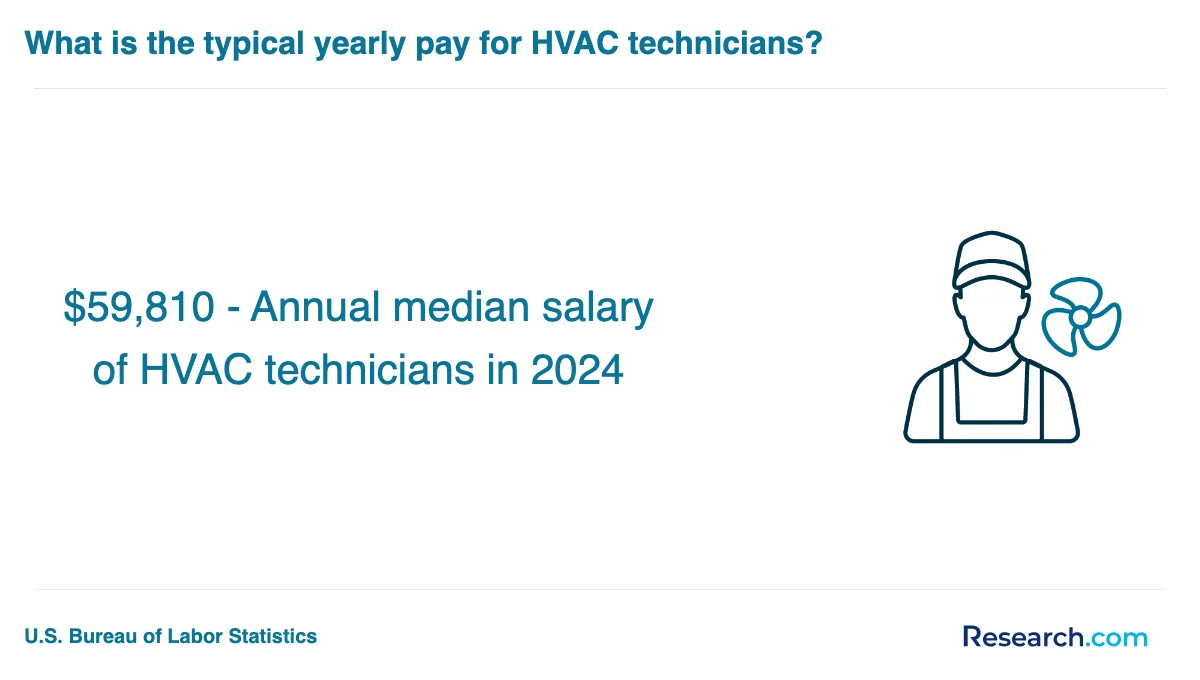
Imagine walking into Southern Arkansas University Tech or UA-PTC with a stack of bills, only to find out federal student aid is ready to soften the blow. Pell Grants, federal loans, and work-study programs have helped many HVAC grads breathe easier while mastering their trade. One graduate recalls how the Pell Grant cut her tuition cost in half, making the dream of becoming an HVAC tech feel within reach.
Then there's the Arkansas Academic Challenge Scholarship, like a hidden treasure chest funded by the state lottery. Many students tapping into this have enjoyed up to $2,000 a year to cover technical certificates or associate degrees, a real boost when balancing school and life.
For those juggling job loss or underemployment, WIOA funding through programs like NorthWest Arkansas Community College's HVAC certificate can be a game-changer, covering tuition and fees fully or partially.
Some non-credit courses don't qualify for federal aid, but don't despair-vocational rehab funds, local workforce boards, or school payment plans often step in, making the path smoother for many determined Arkansans.
To dive into an HVAC technician trade school program in Arkansas, you don't need a treasure map, but there are a few key prerequisites that open the door. Most Arkansas trade schools expect students to have a high school diploma or GED-think of it as your VIP pass to the world of heating and cooling mastery.
Graduates from popular Arkansas programs often recall how this simple step was their first real achievement, setting a confident tone for their studies ahead. Beyond that, a basic understanding of math and science is usually required because you'll be calculating airflow or troubleshooting electrical circuits-real skills that make you feel like a technical wizard.
- Proof of age (usually 18 years or older)
- High school diploma or GED
- Basic math and science proficiency
- Pass a drug screening and background check (common in many Arkansas schools)
Picture walking into a classroom at one of Arkansas's favored trade schools, ready to tackle hands-on labs and fieldwork with fellow students who were once in your shoes. This blend of academic readiness and practical checkpoints ensures you're prepared-and excited-to jump into the HVAC world.

Graduates from HVAC technician programs at Southern Arkansas University Tech, North Arkansas College, and NorthWest Arkansas Community College often recall their hands-on adventures tackling real equipment early on. The courses aren't just textbooks-they're about feeling the hum of a compressor or tracing wiring in a live electrical panel. Typical classes include:
- Fundamentals of HVAC/R: Imagine mastering heat flow and fluid dynamics to understand why your AC cools a sweltering Arkansas summer.
- Electrical Systems for HVAC: Students learn to decode and fix electrical circuits, crucial when that furnace won't ignite on a cold morning.
- Refrigeration Principles: This course dives into refrigerants and cycles, teaching how to keep commercial fridges running smoothly.
- Air Conditioning Systems: From installing units to troubleshooting, labs simulate real problems you'll face in homes and businesses.
- Heating Systems: Graduates appreciate learning to work on gas, electric, and heat pumps-vital for Arkansas' variable climate.
- EPA 608 Certification Prep: Passing this is a must to handle refrigerants legally and responsibly.
- Energy Efficiency and Green Tech: These forward-thinking lessons prepare students to implement sustainable HVAC solutions.
Arkansas programs also emphasize communication and professionalism, making graduates confident technicians ready for internships or real jobs. It's a blend of theory, sweat, and smart tech-perfect for those eager to jump into a growing, hands-on career.
Arkansas HVAC technician trade school programs dive deep into specialized areas to suit your career ambitions. Graduates from popular schools like Southern Arkansas University Tech and University of Arkansas - Pulaski Technical College often propel themselves into rewarding roles by focusing on core tracks such as residential and light commercial HVAC systems. Picture yourself confidently installing or troubleshooting cooling units in cozy homes or bustling small businesses-this is the kind of hands-on expertise these programs build.
Other programs spotlight refrigeration technology, crucial for mastering the cool world of appliances. Many students rave about the clear path toward certifications, including the EPA Section 608 Universal License, essential for legally handling refrigerants, and HVAC Excellence credentials that bolster employability across Arkansas.
Specializing in energy efficiency and green installation techniques is another popular avenue, especially at NorthWest Arkansas Community College, where students learn to champion environmentally savvy HVAC solutions. Emerging roles in HVAC design, energy auditing, and inspection broaden your toolkit beyond technician duties.
Choosing from certificates to an Associate of Applied Science degree aligns perfectly with how much you want to specialize and advance. Curious about how do you become an hvac technician? Arkansas programs provide diverse HVAC and refrigeration training programs Arkansas students value, carving clear routes to successful careers.
Choosing the best HVAC technician trade school program in Arkansas means zeroing in on what truly matters: accreditation, hands-on training, and real-world readiness. Graduates from Arkansas Tech University-Ozark often rave about their comprehensive curricula paired with EPA Section 608 Certification prep, which gave them the confidence to pass licensing exams and hit the ground running. At Northwest Technical Institute in Springdale, students get their hands dirty with interactive lab work-imagine troubleshooting actual HVAC units instead of just reading about them. When evaluating HVAC technician trade school programs in Arkansas, it's essential to consider factors such as program accreditation, hands-on training opportunities, and alignment with industry standards. This approach shapes a curriculum that's not just theory-heavy but deeply rooted in practice, setting you up for success.
Flexibility is a game-changer for many Arkansas students balancing work or family. Southeast Arkansas College's evening and weekend classes create a life-friendly learning environment, making career advancement feel achievable. Graduates consistently share stories of smooth transitions into jobs, thanks to strong job placement rates fueled by industry connections.
If you want curated insights beyond your state, check out the top online trade school programs, which shed light on nationwide standards that can elevate your training decisions.
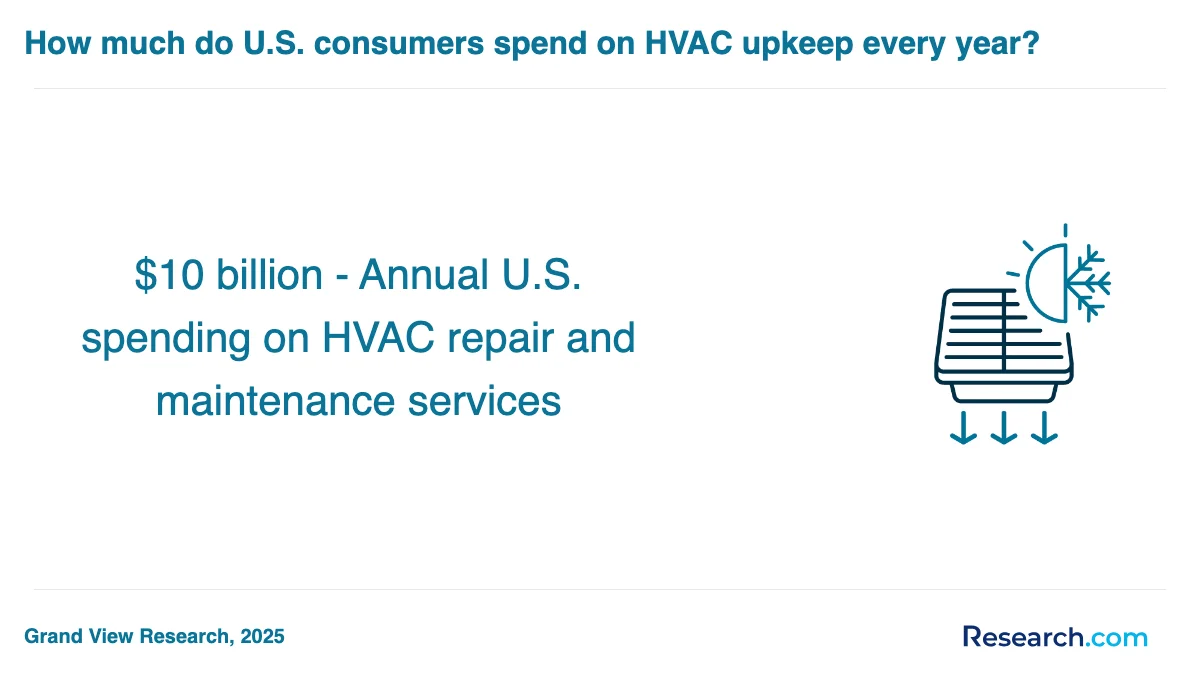
Graduates from HVAC technician trade school programs in Arkansas often step directly into a variety of hands-on roles with tangible impact. Many begin as HVAC service technicians tackling real homes and businesses across Little Rock or Fayetteville, enjoying the thrill of fixing climate control systems on the spot. Others become refrigeration service technicians, maintaining critical cooling setups in grocery stores or hospitals. These roles form the backbone of the HVAC career paths for Arkansas trade school graduates, combining solid training with EPA certifications to ensure safety and skill.
Some graduates take a detour from wrenches and gauges into designing and drafting HVACR systems, creatively planning energy-efficient buildings. Others step into energy auditor shoes, scouting homes for efficiency upgrades, or become building inspectors ensuring safety compliance. The trade schools known across Arkansas foster confidence that opens doors to supervisory roles or even launching one's own local HVAC business after licensing.
- HVAC service technician
- Refrigeration technician
- HVACR drafter/designer
- Energy auditor
- Building inspector
- HVAC estimator
- Service manager
- Self-employed contractor
Experienced technicians can expect solid salaries and career growth, sparking ambition to rise into management or entrepreneurship. For those curious about why a trade school is a better choice than college for entering this field swiftly and affordably, check out trade school is better than college. The steady demand for HVAC technician job opportunities in Arkansas means graduates often find themselves in rewarding roles that blend technical know-how with community impact every day.
Arkansas HVAC technician trade school graduates often find themselves stepping into a thriving job market. With a strong HVAC technician job outlook in Arkansas, many graduates from popular local trade schools share stories of landing jobs within weeks of completing their training. The steady demand for skilled technicians means starting salaries hover around $42,100 annually, climbing to as much as $76,000 for seasoned pros. Imagine working in Little Rock or Fort Smith where jobs pop up regularly, some even offering pay close to $95,000 for those with experience.
For recent grads, this opens doors almost immediately, with opportunities bolstered by an average hourly wage of $26.26 and overtime possibilities. Graduates often highlight how learning hands-on at Arkansas trade schools prepares them for real-world challenges, turning classroom theories into practical skills.
Key factors include:
- Growing job postings in cities like Bryant and Lowell
- Lower Arkansas living costs extending paycheck value
- Strong industry growth driven by climate control tech needs
Choosing between paths like certification or apprenticeship becomes crucial; many aspiring technicians appreciate the hvac certification vs apprenticeship comparison to find their best fit.
The fusion of rewarding pay and steady growth makes HVAC technician salary in Arkansas a powerful motivator to dive into this skilled trade.
Most Affordable HVAC Technician Schools & Training - Budget-Friendly HVAC Trade Programs in Arkansas for 2026
# 1 position
Phillips Community College of the University of Arkansas - Heating, Air Conditioning, Ventilation and Refrigeration Maintenance Technology/Technician.
certificate or diplomaPhillips Community College of the University of Arkansas offers a hybrid program in Heating, Air Conditioning, Ventilation and Refrigeration Maintenance Technology/Technician. This program prepares students to repair, install, service, and maintain heating, air conditioning, and refrigeration systems. Instruction includes diagnostic techniques, testing equipment use, and principles of mechanics, electricity, and electronics. Annual in-state tuition is $3,230. The program is accredited by the Higher Learning Commission.
# 2 position
East Arkansas Community College - Heating, Air Conditioning, Ventilation and Refrigeration Maintenance Technology/Technician.
certificate or diplomaEast Arkansas Community College offers a hybrid program in Heating, Air Conditioning, Ventilation and Refrigeration Maintenance Technology/Technician. The curriculum covers repair, installation, service, and maintenance of HVAC and refrigeration systems, including diagnostic techniques and use of testing equipment. Instruction also includes principles of mechanics, electricity, and electronics relevant to the trade. Annual in-state tuition is $3,960. The program is accredited by the Higher Learning Commission.
# 3 position
Arkansas Northeastern College - Heating, Air Conditioning, Ventilation and Refrigeration Maintenance Technology/Technician.
certificate or diplomaArkansas Northeastern College offers a hybrid program in Heating, Air Conditioning, Ventilation and Refrigeration Maintenance Technology/Technician. The curriculum prepares students to repair, install, service, and maintain heating, air conditioning, and refrigeration systems. It includes training in diagnostic techniques, testing equipment, and principles of mechanics, electricity, and electronics. The annual in-state tuition is $2,570, and the program is accredited by the Higher Learning Commission.
# 4 position
University of Arkansas Hope-Texarkana - Heating, Air Conditioning, Ventilation and Refrigeration Maintenance Technology/Technician.
certificate or diplomaThe Heating, Air Conditioning, Ventilation and Refrigeration Maintenance Technology/Technician program at University of Arkansas Hope-Texarkana offers a hybrid format with some distance education options. It trains students in repairing, installing, servicing, and maintaining HVAC and refrigeration systems. Instruction covers diagnostic techniques, testing equipment, and the mechanics, electricity, and electronics principles related to these systems. The program's annual in-state tuition is $3,400 and it is accredited by the Higher Learning Commission.
# 5 position
Arkansas State University-Newport - Heating, Air Conditioning, Ventilation and Refrigeration Maintenance Technology/Technician.
associateThe Heating, Air Conditioning, Ventilation and Refrigeration Maintenance Technology/Technician program at Arkansas State University-Newport offers a hybrid format with some distance education options. It prepares students to repair, install, service, and maintain heating, air conditioning, and refrigeration systems. Instruction covers diagnostic techniques, testing equipment use, and principles of mechanics, electricity, and electronics. Annual in-state tuition is $2,856. The program is accredited by the Higher Learning Commission.
# 6 position
Arkansas State University-Newport - Heating, Air Conditioning, Ventilation and Refrigeration Maintenance Technology/Technician.
certificate or diplomaThe Heating, Air Conditioning, Ventilation and Refrigeration Maintenance Technology/Technician program at Arkansas State University-Newport offers a hybrid learning format with some distance-education options. It prepares students to repair, install, service, and maintain HVAC and refrigeration systems. Instruction includes diagnostic techniques, testing equipment use, and principles of mechanics, electricity, and electronics. The annual in-state tuition is $2,856. The program is accredited by the Higher Learning Commission.
# 7 position
NorthWest Arkansas Community College - Heating, Air Conditioning, Ventilation and Refrigeration Maintenance Technology/Technician.
certificate or diplomaNorthWest Arkansas Community College offers a hybrid program in Heating, Air Conditioning, Ventilation and Refrigeration Maintenance Technology/Technician. The curriculum covers repair, installation, service, and maintenance of HVAC and refrigeration systems, including diagnostic techniques and use of testing equipment. Instruction also includes principles of mechanics, electricity, and electronics. The annual in-state tuition is $2,982. The program is accredited by the Higher Learning Commission.
# 8 position
Arkansas State University Three Rivers - Heating, Air Conditioning, Ventilation and Refrigeration Maintenance Technology/Technician.
certificate or diplomaArkansas State University Three Rivers offers a program in Heating, Air Conditioning, Ventilation and Refrigeration Maintenance Technology/Technician. This program prepares students to repair, install, service, and maintain heating, air conditioning, and refrigeration systems. Instruction covers diagnostic techniques, testing equipment, and principles of mechanics, electricity, and electronics relevant to these systems. The annual in-state tuition is $3,568. The program is accredited by the Higher Learning Commission.
# 9 position
Southern Arkansas University Tech - Heating, Air Conditioning, Ventilation and Refrigeration Maintenance Technology/Technician.
certificate or diplomaSouthern Arkansas University Tech offers a hybrid program in Heating, Air Conditioning, Ventilation, and Refrigeration Maintenance Technology/Technician. The curriculum prepares students to repair, install, service, and maintain heating, air conditioning, and refrigeration systems. Instruction includes diagnostic techniques, testing equipment use, and principles of mechanics, electricity, and electronics. Annual in-state tuition is $4,685. The program is accredited by the Higher Learning Commission.
# 10 position
Arkansas State University-Beebe - Heating, Air Conditioning, Ventilation and Refrigeration Maintenance Technology/Technician.
certificate or diplomaArkansas State University-Beebe offers a hybrid program in Heating, Air Conditioning, Ventilation and Refrigeration Maintenance Technology/Technician. This program prepares students to repair, install, service, and maintain HVAC and refrigeration systems, covering diagnostic techniques and the use of testing equipment. Instruction includes principles of mechanics, electricity, and electronics related to these systems. The annual in-state tuition is $3,216. The program is accredited by the Higher Learning Commission.
Frequently Asked Questions about HVAC technician
After completing an HVAC technician trade school in Arkansas, preparing for the job market involves several key steps. First, obtaining the EPA Section 608 Certification is essential, as it allows technicians to handle refrigerants legally. Arkansas also requires HVAC professionals to have appropriate state licenses, so graduates should check local regulations and complete any necessary exams.
Networking with local contractors and joining associations like the Arkansas Heating and Air Conditioning Contractors Association can provide valuable job leads. According to the U.S. Bureau of Labor Statistics, Arkansas is expected to see a steady demand for HVAC technicians, with median wages around $44,000 annually.
Internships or apprenticeships during or after school significantly improve practical skills and employability. Finally, continuously updating certifications and skills is important to stay competitive in this evolving field.
Employers in Arkansas prioritize several key skills when hiring HVAC technician trade school graduates. Technical proficiency in installing, maintaining, and repairing heating, ventilation, and air conditioning systems is essential. According to the U.S. Bureau of Labor Statistics, Arkansas HVAC technicians must also understand electrical systems and refrigeration principles to meet local industry demands.
Strong problem-solving abilities and attention to safety standards are highly valued. Communication skills enable technicians to explain complex issues clearly to customers. Additionally, familiarity with energy-efficient technologies is increasingly important as Arkansas promotes sustainable building practices.
Hands-on experience gained through internships or apprenticeships often distinguishes candidates in this competitive field.
Finding internships relevant to HVAC technician trade school programs in Arkansas involves several strategic steps. Start by contacting your trade school's career services or internship coordinator, as many Arkansas institutions partner with local HVAC companies to offer hands-on training opportunities.
Additionally, organizations like the Arkansas HVACR Association provide resources and networking events that can connect students with employers seeking interns. According to the U.S. Bureau of Labor Statistics, Arkansas has a steady demand for HVAC technicians, making internships more accessible in cities like Little Rock and Fayetteville.
Online job boards, including state workforce websites and industry-specific platforms, often list HVAC internship openings across Arkansas.
Obtaining a HVAC technician trade school diploma in Arkansas significantly enhances career mobility and advancement opportunities. The Arkansas Department of Workforce Services highlights that skilled HVAC technicians are in growing demand, with a projected 7% job growth through 2030. A diploma demonstrates practical skills and technical knowledge, which employers prioritize when hiring or promoting.
Many HVAC roles in Arkansas require state certification, and completing an accredited trade program is often a prerequisite. Graduates typically qualify for higher starting wages, with median salaries for entry-level technicians around $38,000 annually, rising substantially with experience and certification.
Additionally, trade school graduates can access apprenticeship programs and specialized training that further improve career prospects. Aligning education with industry standards in Arkansas helps ensure smoother transitions to supervisory or specialized HVAC positions.
Part-time job opportunities in Arkansas can significantly enhance the educational experience of HVAC technician trade school students. Many students find work as HVAC helpers or assistants, supporting licensed technicians in installation, maintenance, and repair tasks. According to the U.S. Bureau of Labor Statistics (BLS), Arkansas had over 2,400 HVAC technicians employed in 2023, indicating a steady demand for skilled labor. These roles provide hands-on experience, crucial for mastering technical skills taught in trade programs.
Other complementary jobs include positions in electrical or plumbing assistance, which share overlapping skills with HVAC work. Retail roles in hardware or home improvement stores also offer valuable customer service and product knowledge relevant to HVAC systems. Students often benefit from flexible schedules that accommodate class hours while building industry contacts.
Yes, there are affordable HVAC Technician degree programs available near Arkansas that offer quality instruction and training. Prospective students looking for programs "near me" can benefit from contacting local community colleges and technical schools, many of which provide cost-effective tuition and financial aid options. Researching through resources such as Research.com can help identify suitable institutions and determine specific details about the programs and their affordability.
- Most Affordable HVAC Technician Schools & Training - Budget-Friendly HVAC Trade Programs in Missouri for 2026
- Most Affordable HVAC Technician Schools & Training - Budget-Friendly HVAC Trade Programs in Oklahoma for 2026
- Most Affordable HVAC Technician Schools & Training - Budget-Friendly HVAC Trade Programs in Tennessee for 2026
- Most Affordable HVAC Technician Schools & Training - Budget-Friendly HVAC Trade Programs in Louisiana for 2026
- Most Affordable HVAC Technician Schools & Training - Budget-Friendly HVAC Trade Programs in Kansas for 2026
- Most Affordable HVAC Technician Schools & Training - Budget-Friendly HVAC Trade Programs in Iowa for 2026
- Most Affordable HVAC Technician Schools & Training - Budget-Friendly HVAC Trade Programs in Indiana for 2026
- Most Affordable HVAC Technician Schools & Training - Budget-Friendly HVAC Trade Programs in Florida for 2026
- Most Affordable HVAC Technician Schools & Training - Budget-Friendly HVAC Trade Programs in Ohio for 2026
- Most Affordable HVAC Technician Schools & Training - Budget-Friendly HVAC Trade Programs in South Carolina for 2026
- Looking for a Great Job with Only Some College Required? Become an HVAC Technician. https://intellitec.edu/looking-for-a-great-job-with-only-some-college-required-become-an-hvac-technician/
- HVAC On the Job Training vs. Trade School - HVACR Career Connect NY https://hvacrcareerconnectny.com/hvac-on-the-job-training-vs-trade-school/
- 37 Careers You Can Pursue Via Trade Schools https://www.best-trade-schools.net/careers/
- Top Alternatives to HVAC School | Goodwin University https://www.goodwin.edu/enews/hvac-school-alternatives/
- HVAC Trade School | Edvisors https://www.edvisors.com/plan-for-college/careers/hvac-trade-school/
- HVAC Technician Education & Training Requirements + Costs | Faraday https://faradaycareers.com/careers/hvac-technician-education
- HVAC Technician Training Program | LCTI https://www.lcti.org/adult-education-course/hvac/
- HVAC Trade Schools: HVAC Training Programs | Fortis https://www.fortis.edu/programs/skilled-trades/heating--ventilation--air-conditioning-and-refrigeration-trades.html
- Find HVAC Trade Schools - Diploma & Associate Degree Programs https://www.trade-schools.net/trades/hvac
- Entry Level HVAC Technician - Training Certificate | Midlands Technical College https://www.midlandstech.edu/programs-and-courses/advanced-manufacturing-and-skilled-trades/hvac-training-certificate


