Most Affordable HVAC Technician Schools & Training - Budget-Friendly HVAC Trade Programs in Virginia for 2026

Co-Founder and Chief Data Scientist
Choosing the right HVAC technician trade school in Virginia can feel overwhelming, especially with so many options available. This article offers a carefully crafted ranking of the most affordable HVAC technician trade school programs in Virginia for 2026, created by the Research.com team of data scientists.
By exploring this ranking, you’ll gain valuable insights that make it easier to find programs worth considering. Earning a diploma or certification in HVAC opens doors to a rewarding career with strong job prospects and personal growth opportunities.
Take the first step toward a brighter future by learning about your best educational options here.
Key benefits of finishing HVAC technician trade school in Virginia
- Graduates in Virginia can expect to earn between $28.02 and $29.53 per hour, translating to about $58,290 to $61,422 annually, with opportunities for additional overtime pay boosting income.
- Career paths include entry-level technician roles, specialized HVAC positions, and supervisory jobs, offering room for growth and higher salaries over time.
- Completing HVAC training online provides flexibility and convenience, allowing students to balance work and study while gaining the same valuable skills as traditional programs.
- Most Affordable HVAC Technician Schools & Training - Budget-Friendly HVAC Trade Programs in Virginia for 2026
- What can I expect from HVAC technician trade schools in Virginia?
- Where can I work after finishing HVAC technician trade schools in Virginia?
What can I expect from HVAC technician trade schools in Virginia?
Students enrolling in HVAC technician trade school programs in Virginia can expect a balanced mix of classroom instruction and hands-on training that equips them for entry-level HVAC careers. Graduates from popular trade schools often describe immersive lab sessions where they practice installing and repairing HVAC systems, simulating real-world tasks like troubleshooting electrical wiring or handling refrigerants safely. Programs typically include preparation for industry certifications, such as the EPA Section 608, which many employers require.
Course lengths vary, with certificate options lasting 6 months to 2 years, while associate degrees usually take up to two years. Some students choose apprenticeships lasting three to five years, combining paid on-the-job experience with classroom learning. Many report that this blend of theory and practice builds confidence and job readiness.
Virginia's programs also emphasize important skills like understanding building codes, workplace safety, and environmental regulations, ensuring graduates feel prepared to meet industry standards. Many students notice increased starting salaries thanks to the specialized training and accreditation their schools offer.
Where can I work after finishing HVAC technician trade schools in Virginia?
After completing an HVAC technician trade school program in Virginia, graduates find diverse employment opportunities statewide. Many secure positions as HVAC technicians, installers, or service technicians with local HVAC service companies, construction firms, or building maintenance departments. For instance, graduates from Northern Virginia Community College often join campus facilities teams, earning competitive salaries between $55,000 and $65,000 annually.
Entry-level roles frequently include apprenticeships or installer helper positions, with starting wages around $21 per hour. Employers on platforms like Indeed and ZipRecruiter regularly offer on-the-job training, helping new graduates gain practical experience while advancing toward higher-paying specialist roles that may reach $48 per hour.
Many graduates also work for government agencies, schools, and hospitals throughout Virginia, maintaining climate control systems and ensuring comfortable environments. Large regional companies, such as Service Experts, hire technicians for diagnostics, maintenance, and installation, providing career growth and benefits. These clear pathways reflect the strong demand for skilled HVAC professionals and the rewarding careers awaiting trade school graduates.
After finishing an HVAC technician trade school program in Virginia, graduates typically earn competitive wages that reflect their specialized training. Many report starting hourly wages between $21.92 and $31.68, with the state average around $28 per hour. For example, graduates from popular Virginia trade schools often share how landing roles with local HVAC companies in cities like Richmond or Virginia Beach quickly increased their earnings, especially when overtime work was available.
Overtime can significantly boost income, with many technicians earning an additional $6,750 annually. Some employers in higher-demand areas offer rates up to $42 per hour for technicians who have gained certifications or advanced skills during their programs.
More experienced technicians, including those who specialize or move into sales roles, can see salaries rise to between $77,408 and $89,061 annually. Graduates often express satisfaction knowing their trade school training opens doors to steady and growing paychecks in Virginia's HVAC industry.
- A high school diploma or GED is required for admission to all state-recognized HVAC technician programs in Virginia.
- Programs last from 6 months to 2 years, offering certificates, diplomas, or associate degrees with over 600 hours of instruction in some cases.
- Apprenticeships combine 3 to 5 years of paid work with at least 240 hours of vocational training and lead to eligibility for the Journeyman HVAC license.
- Tuition ranges from $3,000 to $7,000 for certificate programs and can exceed $15,000 for longer diploma or associate degree programs.
- Entry-level HVAC technicians typically earn between $36,000 and $48,000 annually, while experienced workers can make $60,000 or more depending on certifications and experience.
Completing an HVAC technician trade school program in Virginia typically takes between six months and one year, depending on the school and curriculum intensity. Many trade schools, such as those in Richmond or Virginia Beach, offer flexible schedules that accommodate working students or those balancing other commitments. Graduates often share that the accelerated pace helps maintain motivation and keeps the learning experience engaging.
For example, students at popular Virginia trade schools describe how completing their training within a year allowed them to quickly enter the workforce and start earning. The hands-on approach emphasized in these programs helps students build confidence early, making the learning process feel tangible and rewarding. Many highlight the sense of accomplishment after successfully installing HVAC systems during practical labs, which reinforces their skills in real-world settings.
Choosing a program in Virginia means you can expect a focused, career-ready education with timelines designed to fit various lifestyles, offering a direct path to certification and employment in the HVAC field.
The primary difference between online and on-campus HVAC technician trade school programs in Virginia lies in the delivery and hands-on experience. Graduates from online programs appreciate the flexibility to study at their own pace, balancing coursework with work or family commitments. However, they often share how challenging it can be to secure local apprenticeships to gain the essential practical training required by Virginia licensure. Without direct access to campus labs, these students must be proactive to develop hands-on skills independently.
On the other hand, graduates of on-campus programs at schools like Virginia Western Community College or Virginia Technical Academy emphasize the value of working directly with real HVAC equipment. They describe the confidence gained from supervised practice-installing systems, troubleshooting faults, and mastering copper brazing-that cannot be fully replicated online. The immediate support from instructors and peers in these settings also helps students feel connected and motivated throughout their training.
Both pathways require hands-on experience, but on-campus programs provide a more structured environment to build technical proficiency vital for success in Virginia's HVAC industry.
The average cost HVAC technician trade school Virginia students encounter depends largely on the program type and institution. Certificate programs, popular among many graduates for their shorter duration of six to twelve months, often range between $1,200 and $15,000. One graduate who completed the HVAC Specialist program at a Virginia Beach institution shared that their total cost was about $11,578, which included essential books, project supplies, and tools. This investment provided practical skills that quickly translated into job readiness and satisfaction.
For those pursuing more extensive training, associate degree programs, typically offered at community colleges like Northern Virginia Community College, come with higher tuition fees. These programs usually last two years, with tuition rates for in-state students around $185.50 per credit. Out-of-state students pay significantly more, approximately $388.25 per credit. Alumni often emphasize how this comprehensive education opened doors for advanced certifications and increased earning potential.
In addition to tuition, accounting for extra expenses such as books, uniforms, and equipment is vital. These costs typically add $1,000 to $2,000 to the overall tuition fees. Many students find financial aid essential to manage these expenses, taking advantage of federal grants, scholarships, and work-study programs, which have been instrumental in reducing financial stress throughout their studies.
When determining HVAC technician program tuition fees Virginia offers, prospective students should consider these factors and communicate directly with schools for the most updated information. Understanding the full cost can help in planning a successful and rewarding educational journey. For insights into why some choose trade school over college, see why is trade school better than college.

Students enrolled in HVAC technician trade schools in Virginia can access a variety of financial aid options that significantly ease the burden of tuition and related costs. Most accredited programs, including those at Fortis College in Richmond, qualify for federal aid through the FAFSA, enabling students to receive Pell Grants and subsidized loans. One graduate shared how federal funding covered a large portion of their tuition, allowing them to focus fully on hands-on training without financial stress.
State aid also plays a crucial role. Virginia residents often benefit from the Virginia Tuition Assistance Grant (VTAG) or Workforce Credential Grants, which many community colleges like Virginia Western Community College offer. These grants have helped numerous students reduce expenses, making it possible to attend school while balancing work and family.
Additionally, HVAC-specific scholarships, such as those from the EGIA Foundation or the Women in HVACR Scholarship Program, provide targeted support. At Tidewater Tech, a scholarship match program helps students discover awards tailored to their backgrounds and achievements, boosting both confidence and financial security during their studies.
Working closely with school financial aid advisors ensures students find and apply for all relevant aid, turning what could be a daunting financial challenge into a manageable and rewarding journey toward a skilled HVAC career.
To enroll in an HVAC technician trade school program in Virginia, applicants typically need a high school diploma or GED. This foundational requirement ensures students possess the basic math and reading skills essential for understanding complex HVAC systems. Graduates from Virginia trade schools often share how these prerequisites prepared them to confidently tackle coursework and hands-on training.
Other common prerequisites include:
- Proof of age (usually 18 or older) to meet apprenticeship and certification standards
- Basic understanding of physics or electrical concepts, sometimes assessed during admissions
- Physical ability to handle manual labor and work in varied environments, which students find rewarding as they experience real-world HVAC scenarios
Many programs, such as those at well-known Virginia technical schools, encourage applicants to have prior exposure to mechanical or technical subjects. This helps students feel more confident during intensive labs and fieldwork, where they install and maintain heating and cooling systems in real homes and businesses.
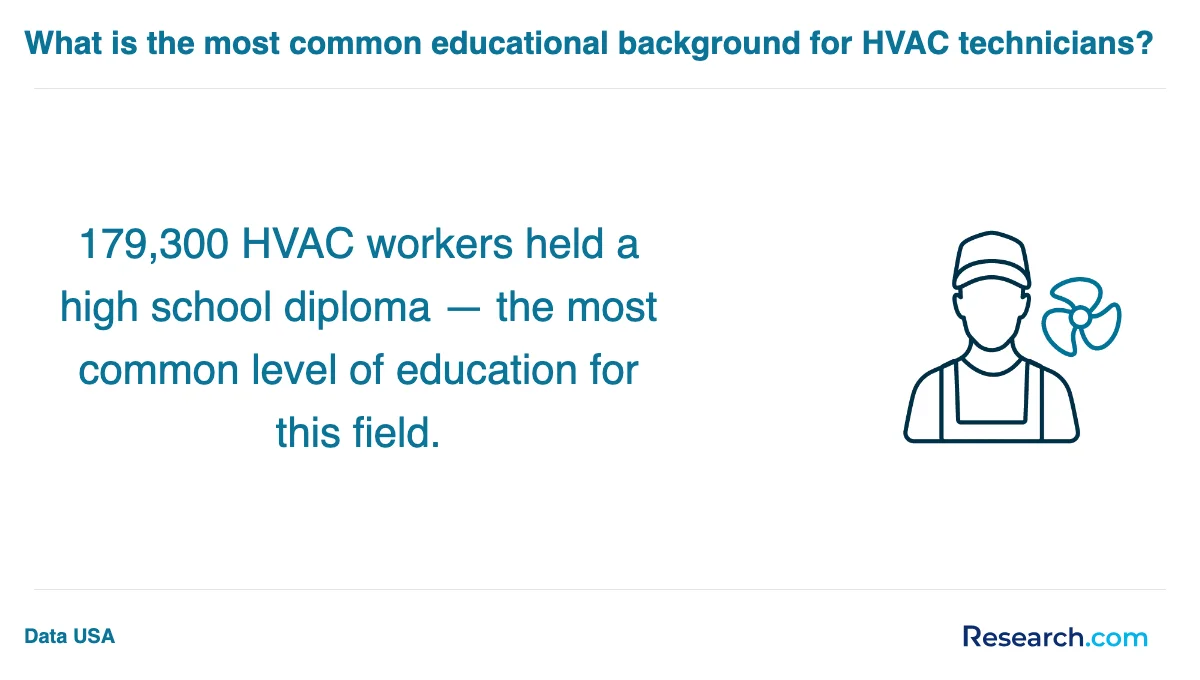
HVAC technician trade school programs in Virginia typically include a comprehensive mix of technical and general education courses designed to prepare students for real-world HVAC careers. Graduates from Virginia Technical Academy, for example, highlight how their multi-level curriculum builds confidence through progressively advanced topics, such as system diagnostics and repair, after mastering basic HVAC principles.
Core courses often cover:
- Heating and cooling system fundamentals
- Refrigeration cycles and air distribution
- Installation, operation, and maintenance of HVAC systems
- EPA Section 608 refrigerant handling certification
Students at Virginia Western Community College appreciate classes focused on HVAC installation, service, sales, and system design, which give them a well-rounded skill set applicable to diverse job settings. Tidewater Community College's hands-on labs let students work with residential and light commercial equipment, making the learning experience highly practical and engaging.
Additional specialized courses include electrical wiring for HVAC, computerized diagnostics, building codes, energy efficiency, and safety-skills that graduates find invaluable when entering the workforce or starting their own businesses.
HVAC technician specializations in Virginia cover a broad spectrum of skills designed to meet industry demands. Graduates from trade schools such as the Southern Virginia Higher Education Center gain hands-on experience and certifications including NCCER CORE, HVAC Levels 1 and 2, EPA 608 Refrigeration, and OSHA 10, preparing them for diverse roles like HVAC Repair Technician and HVAC Installer. Similarly, programs at Virginia Western Community College focus on commercial HVAC systems, teaching practical skills such as troubleshooting, heat pumps, duct systems, and commercial refrigeration.
Students at the Hanover Center for Trades & Technology enhance their knowledge with control systems, HVAC/R mathematics, and customer relation skills, often earning credentials like CPR/First Aid along the way. Virginia Peninsula Community College emphasizes technical competencies including ductwork assembly, refrigerant handling, wiring, and preparation for NCCER certifications and EPA exams.
Virginia HVAC trade school programs like those at Virginia Technical Academy offer comprehensive training across electrical circuits, ductwork fabrication, piping, and geothermal systems, resulting in certifications such as the EPA License 608 A.
- Residential and commercial HVAC maintenance and repair
- Refrigeration system certifications and safe refrigerant handling
- Installation and troubleshooting of advanced HVAC systems
- Customer service and safety protocols
These multifaceted specializations enable students to engage confidently with practical scenarios, enhancing employability in one of the highest paying trade jobs.
Choosing the best HVAC trade schools in Virginia involves evaluating several critical factors that directly impact your education and career path. Accreditation is paramount; graduates from programs like those at Tidewater Community College and Southside Virginia Community College emphasize how accredited curricula prepared them with industry-standard skills employers value. Program length and format should fit your lifestyle-some students appreciate the flexibility of evening or hybrid classes offered at Virginia Western Community College, allowing them to balance work and study effectively.
Cost is another important consideration. Many students share relief at finding affordable tuition rates at public colleges averaging around $5,400 annually. It's wise to explore financial aid and scholarships to reduce expenses. Location matters too-campus resources and proximity to employers, such as at Northern Virginia Community College, often lead to rewarding internships that boost hands-on experience and confidence. Those researching how to choose HVAC technician program Virginia also note that programs with strong job placement, like Advanced Technology Institute with its low loan default rate, provide peace of mind and economic mobility.
For personalized perspectives, check out student feedback and independent rankings. Real insights can guide you toward programs known for supportive faculty and excellent career services. You might also consider exploring affordable hvac trade school programs online to find flexible options that match your goals and budget.

Graduates of HVAC technician trade school programs in Virginia find a variety of rewarding career paths that match their skills and interests. Entry-level roles often include HVAC installer, service technician, maintenance technician, and refrigeration technician, with work settings ranging from residential homes to large commercial buildings like hospitals and schools. Many graduates from popular Virginia trade schools advance quickly by specializing in systems such as refrigeration or commercial HVAC, unlocking higher earning potential and niche opportunities.
Real-life examples from alumni at institutions like Northern Virginia Community College show that technicians frequently secure positions with stable employers where full-time salaries typically range from $55,000 to $65,000 per year. Additionally, HVAC career opportunities in Virginia include project management and supervisory roles, achievable through certifications like EPA Section 608 and valuable hands-on experience.
Entrepreneurial graduates often leverage state licenses to start their own businesses, serving diverse residential or commercial clients. For those exploring long-term advancement, instructor roles at trade schools offer a chance to share expertise and shape future technicians.
Prospective students curious about how long to become a hvac technician will find that ongoing education and experience directly impact career growth and job stability in this thriving field.
HVAC technician jobs in Virginia remain in high demand, supported by over 1,000 active listings statewide, reflecting strong industry growth and excellent prospects for graduates.
The job market for HVAC technician trade school graduates in Virginia is exceptionally strong, driven by steady growth in residential and commercial demand. Graduates from well-known Virginia trade schools often find themselves quickly employed due to the high volume of over 1,000 active HVAC technician job postings across the state. This robust landscape highlights the promise of HVAC technician job growth in Virginia, where employers seek skilled installers, service technicians, and mechanics who complete accredited programs.
Many graduates report positive experiences securing positions that offer competitive wages and clear advancement paths. Employers frequently provide paid training, company tools, and benefits, making these roles financially rewarding and stable. Typical starting wages range from $18 to $35 per hour, with the HVAC technician salary outlook Virginia supporting experienced technicians earning up to $60 per hour.
Among those pursuing HVAC careers, some explore options through trade school online programs to balance study and work.
- Strong job demand driven by Virginia's climate and infrastructure growth
- Wide range of entry-level openings and career advancement opportunities
- Competitive salary packages with health and retirement benefits
Most Affordable HVAC Technician Schools & Training - Budget-Friendly HVAC Trade Programs in Virginia for 2026
# 1 position
Virginia Western Community College - Heating, Air Conditioning, Ventilation and Refrigeration Maintenance Technology/Technician.
certificate or diplomaVirginia Western Community College offers a Hybrid program in Heating, Air Conditioning, Ventilation and Refrigeration Maintenance Technology/Technician. The program trains students to repair, install, service, and maintain HVAC and refrigeration systems using diagnostic techniques and testing equipment. It covers mechanics, electricity, and electronics principles relevant to the trade. Annual in-state tuition is $5,256. The program is accredited by the Southern Association of Colleges and Schools Commission on Colleges and reports median earnings of $40,629 one year after completion.
# 2 position
Northern Virginia Community College - Heating, Air Conditioning, Ventilation and Refrigeration Maintenance Technology/Technician.
associateThe Heating, Air Conditioning, Ventilation and Refrigeration Maintenance Technology/Technician program at Northern Virginia Community College prepares students to repair, install, service, and maintain HVAC and refrigeration systems. This hybrid program includes instruction in diagnostic techniques, testing equipment, mechanics, electricity, and electronics. Annual in-state tuition is $5,703. Graduates earn a median salary of $51,959 one year after completion. The program is accredited by the Southern Association of Colleges and Schools Commission on Colleges.
# 3 position
Northern Virginia Community College - Heating, Air Conditioning, Ventilation and Refrigeration Maintenance Technology/Technician.
certificate or diplomaNorthern Virginia Community College offers a hybrid program in Heating, Air Conditioning, Ventilation and Refrigeration Maintenance Technology/Technician. This program trains students to repair, install, service, and maintain HVAC and refrigeration systems, focusing on diagnostic techniques, testing equipment, and principles of mechanics, electricity, and electronics. The annual in-state tuition is $5,703. Graduates have a median earning of $51,959 one year after completion. The program is accredited by the Southern Association of Colleges and Schools Commission on Colleges.
# 4 position
Brightpoint Community College - Heating, Air Conditioning, Ventilation and Refrigeration Maintenance Technology/Technician.
certificate or diplomaBrightpoint Community College offers a hybrid program in Heating, Air Conditioning, Ventilation and Refrigeration Maintenance Technology/Technician. The curriculum prepares students to repair, install, service, and maintain HVAC and refrigeration systems, covering diagnostic techniques, testing equipment use, and principles of mechanics, electricity, and electronics. The annual in-state tuition is $4,938. The program is accredited by the Southern Association of Colleges and Schools Commission on Colleges.
# 5 position
Paul D Camp Community College - Heating, Air Conditioning, Ventilation and Refrigeration Maintenance Technology/Technician.
certificate or diplomaPaul D Camp Community College offers a hybrid program in Heating, Air Conditioning, Ventilation and Refrigeration Maintenance Technology/Technician. The curriculum prepares students to repair, install, service, and maintain HVAC and refrigeration systems. Instruction covers diagnostic techniques, testing equipment, and principles of mechanics, electricity, and electronics. The program’s annual in-state tuition is $4,868 and it is accredited by the Southern Association of Colleges and Schools Commission on Colleges.
# 6 position
Wytheville Community College - Heating, Air Conditioning, Ventilation and Refrigeration Maintenance Technology/Technician.
certificate or diplomaWytheville Community College offers a hybrid program in Heating, Air Conditioning, Ventilation and Refrigeration Maintenance Technology/Technician. The curriculum prepares students to repair, install, service, and maintain heating, air conditioning, and refrigeration systems, covering diagnostic techniques, testing equipment, and principles of mechanics, electricity, and electronics. Annual in-state tuition is $4,863. The program is accredited by the Southern Association of Colleges and Schools Commission on Colleges.
# 7 position
New River Community College - Heating, Air Conditioning, Ventilation and Refrigeration Maintenance Technology/Technician.
certificate or diplomaNew River Community College offers a hybrid Heating, Air Conditioning, Ventilation and Refrigeration Maintenance Technology/Technician program. It prepares students to repair, install, service, and maintain heating, air conditioning, and refrigeration systems using diagnostic techniques and testing equipment. The curriculum covers mechanics, electricity, and electronics principles. Annual in-state tuition is $4,835. The program is accredited by the Southern Association of Colleges and Schools Commission on Colleges.
# 8 position
Central Virginia Community College - Heating, Air Conditioning, Ventilation and Refrigeration Maintenance Technology/Technician.
certificate or diplomaCentral Virginia Community College offers a hybrid Heating, Air Conditioning, Ventilation and Refrigeration Maintenance Technology/Technician program. It prepares students to repair, install, service, and maintain heating, air conditioning, and refrigeration systems. The curriculum includes diagnostic techniques, testing equipment use, and principles of mechanics, electricity, and electronics related to system repair. Annual in-state tuition is $4,998. The program is accredited by the Southern Association of Colleges and Schools Commission on Colleges.
# 9 position
CET-Alexandria - Heating, Air Conditioning, Ventilation and Refrigeration Maintenance Technology/Technician.
certificate or diplomaThe Heating, Air Conditioning, Ventilation and Refrigeration Maintenance Technology/Technician program at CET-Alexandria prepares students to repair, install, service, and maintain HVAC and refrigeration systems. This hybrid program includes instruction in diagnostic techniques, use of testing equipment, and principles of mechanics, electricity, and electronics. Graduates earn a median salary of $35,970 one year after completion, reflecting the program’s technical focus and practical training approach.
# 10 position
Laurel Ridge Community College - Heating, Air Conditioning, Ventilation and Refrigeration Maintenance Technology/Technician.
certificate or diplomaLaurel Ridge Community College offers a hybrid Heating, Air Conditioning, Ventilation and Refrigeration Maintenance Technology/Technician program. It prepares students to repair, install, service, and maintain heating, air conditioning, and refrigeration systems using diagnostic techniques and testing equipment. Instruction covers mechanics, electricity, and electronics principles relevant to these systems. The annual in-state tuition is $4,928. The program is accredited by the Southern Association of Colleges and Schools Commission on Colleges.
Frequently Asked Questions about HVAC technician
After completing an HVAC technician trade school in Virginia, preparing for the job market involves several key steps. First, obtaining EPA Section 608 certification is essential, as it is federally required to handle refrigerants. Many Virginia programs integrate this certification into their curriculum, giving graduates a competitive edge. Networking through local trade organizations, such as the Virginia Refrigeration Service Engineers Society (VRSES), can provide valuable job leads and professional connections.
Hands-on experience is critical; internships or apprenticeships during or after school improve practical skills and employability. According to the U.S. Bureau of Labor Statistics, HVAC jobs in Virginia are expected to grow 5% through 2031, reflecting steady demand. Finally, updating a resume to highlight technical skills and certifications tailored to Virginia employers increases chances of securing positions in this expanding field.
Employers in Virginia seek HVAC technician graduates with a strong foundation in technical skills, including installation, maintenance, and repair of heating, ventilation, and air conditioning systems. According to the U.S. Bureau of Labor Statistics, practical knowledge of electrical systems and refrigeration is essential for success. Additionally, proficiency in reading blueprints and understanding HVAC codes and safety standards is highly valued.
Soft skills like problem-solving, customer service, and effective communication are also critical. Virginia employers often prefer candidates who demonstrate reliability and the ability to work independently or as part of a team. Hands-on experience gained through trade school programs significantly improves job prospects.
Finding internships relevant to HVAC technician trade school programs in Virginia involves several practical steps. Start by contacting the career services office at your chosen trade school, as many schools maintain partnerships with local HVAC companies. According to the Virginia Department of Labor, the HVAC industry in the state is growing by 6% annually, increasing internship opportunities.
Networking at local trade associations such as the Air Conditioning Contractors of America (ACCA) Virginia chapter can also connect students to employers offering internships. Additionally, exploring job boards like Virginia Workforce Connection can reveal paid and unpaid HVAC internships statewide.
Many internships require students to be enrolled in accredited programs. Thus, confirming your program's accreditation with bodies like HVAC Excellence can improve your chances. Internships typically last 3 to 6 months, providing hands-on experience crucial for licensing exams and future employment.
Obtaining a HVAC technician trade school diploma in Virginia significantly enhances career mobility and advancement opportunities. According to the U.S. Bureau of Labor Statistics, Virginia's HVAC sector is expected to grow by 11% from 2022 to 2032, faster than the average for all occupations. This growth increases demand for skilled technicians, making a diploma a valuable credential for entry and progression.
A diploma demonstrates hands-on training and technical competence, often required for state licensing and certification exams. These credentials improve employability and can lead to higher wages; Virginia HVAC technicians with formal training earn a median annual salary of around $48,000, above the national average.
Trade school graduates also benefit from industry connections and apprenticeships, which support upward mobility into supervisory or specialized roles. Overall, a diploma is a critical step in building a stable and advancing HVAC career in Virginia.
Students enrolled in HVAC technician trade schools in Virginia can enhance their education through several part-time job opportunities. Common roles include HVAC helper or assistant positions, where students gain hands-on experience working alongside licensed technicians. These jobs often involve tasks such as equipment maintenance, basic repairs, and customer service. According to the U.S. Bureau of Labor Statistics, Virginia's HVAC employment is projected to grow by 9% between 2022 and 2032, indicating steady demand for trained professionals.
Other complementary roles include warehouse or supply chain positions in HVAC parts stores, which help students understand inventory management and system components. Additionally, some students find part-time work with local energy companies or home improvement stores, providing exposure to HVAC products and customer interactions.
Gaining practical experience while studying improves technical skills and enhances resumes, increasing employability after graduation.
To choose the most affordable HVAC Technician degree program near me in Virginia, begin by researching local community colleges and technical schools which often offer cost-effective programs. Consider visiting Research.com for insights into program rankings to ensure quality education alongside affordability. Additionally, it's worthwhile to compare the tuition rates and financial aid opportunities provided by the available programs near Virginia.
- Most Affordable HVAC Technician Schools & Training - Budget-Friendly HVAC Trade Programs in West Virginia for 2026
- Most Affordable HVAC Technician Schools & Training - Budget-Friendly HVAC Trade Programs in Maryland for 2026
- Most Affordable HVAC Technician Schools & Training - Budget-Friendly HVAC Trade Programs in Tennessee for 2026
- Most Affordable HVAC Technician Schools & Training - Budget-Friendly HVAC Trade Programs in Pennsylvania for 2026
- Most Affordable HVAC Technician Schools & Training - Budget-Friendly HVAC Trade Programs in South Carolina for 2026
- Most Affordable HVAC Technician Schools & Training - Budget-Friendly HVAC Trade Programs in Ohio for 2026
- Most Affordable HVAC Technician Schools & Training - Budget-Friendly HVAC Trade Programs in Delaware for 2026
- Most Affordable HVAC Technician Schools & Training - Budget-Friendly HVAC Trade Programs in New Jersey for 2026
- Most Affordable HVAC Technician Schools & Training - Budget-Friendly HVAC Trade Programs in Indiana for 2026
- Most Affordable HVAC Technician Schools & Training - Budget-Friendly HVAC Trade Programs in New York for 2026
- HVAC Career Map https://hvaccareermap.org/
- Check Out These Nine Types of HVAC Jobs | HVAC Career Services https://eticampus.edu/career-services/not-sure-where-an-hvac-certificate-can-take-you-check-out-these-nine-types-of-hvac-jobs/
- Looking for a Great Job with Only Some College Required? Become an HVAC Technician. https://intellitec.edu/looking-for-a-great-job-with-only-some-college-required-become-an-hvac-technician/
- What you can do with an HVAC degree https://www.remingtoncollege.edu/articles/hvac-career-options/
- How To Become An HVAC Technician in Virginia https://www.vacontractortraining.com/career-central/how-to-become-an-hvac-technician-in-virginia
- Become a Certified HVAC/R Technician | Virginia Wesleyan University https://www.vwu.edu/academics/vwu-global/continuing-education/hvac-r-technician/
- How Long Does it Take to Get HVAC Certified? https://auto.edu/blog/how-long-does-it-take-to-become-an-hvac-technician-3
- HVAC-R School in Richmond, VA | Fortis Trade School https://www.fortis.edu/campuses/virginia/richmond/hvac.html
- How Long Does It Take to Become an HVAC Tech | HVAC https://www.ict.edu/hvac-residential/be-an-hvac-tech/how-long-does-it-take-to-become-an-hvac-tech/
- HVAC Career Track Program | Virginia Technical Academy https://vtacademy.com/career-track-program/hvac/