Best HVAC Technician Training Programs & Trade Schools - Top HVAC Tech Schools in Grand Rapids for 2026

Co-Founder and Chief Data Scientist
Choosing the right HVAC technician trade school in Grand Rapids can shape your future career. This article introduces a carefully crafted ranking of HVAC technician trade school programs created by the Research.com team of data scientists. It’s designed to help you make an informed choice and find the best options available.
Whether you want a diploma or certification, completing a quality program opens doors to rewarding job opportunities. Reading this guide will give you confidence and clarity as you take the next step toward a skilled, in-demand profession.
Key benefits of finishing HVAC technician trade school in Grand Rapids
- Graduates from HVAC technician trade schools in Grand Rapids can expect an average starting wage around $19.48 per hour, with experienced technicians earning up to $39.95 per hour, making it a rewarding career financially.
- Career paths include becoming HVAC installers, service technicians, or system specialists, offering diverse opportunities to grow and specialize within the local job market.
- Completing an HVAC program online provides flexibility and convenience, allowing students to balance work and study, as experienced by many online graduates from popular Grand Rapids trade schools.
- Best HVAC Technician Training Programs & Trade Schools - Top HVAC Tech Schools in Grand Rapids for 2026
- What can I expect from HVAC technician trade schools in Grand Rapids?
- Where can I work after finishing HVAC technician trade schools in Grand Rapids?
What can I expect from HVAC technician trade schools in Grand Rapids?
Enrolling in an HVAC technician trade school program in Grand Rapids means immersing yourself in both theory and hands-on practice from day one. Graduates often recall spending significant time in labs, working directly on HVAC units, troubleshooting real equipment issues, and developing skills like brazing and soldering under guided supervision at well-known schools such as Grand Rapids Community College.
Expect a structured schedule, often with classes compressed Monday through Thursday, designed to help you enter the workforce quickly. Many students appreciate this focused approach, balancing intensive instruction with practical experience, which builds confidence in real-world settings.
You will need to meet prerequisites like a high school diploma, basic math, and physical readiness to handle equipment safely. The curriculum covers foundational topics such as refrigeration basics, air conditioning systems, and blueprint reading, which graduates describe as essential for understanding the complexity of modern HVAC systems.
Post-graduation, many start as apprentices, gaining valuable on-the-job experience before full certification. The strong job placement rates reported by local programs reflect the demand and support for new technicians in Grand Rapids' growing skilled trades market.
Where can I work after finishing HVAC technician trade schools in Grand Rapids?
Graduates of HVAC technician trade schools in Grand Rapids often find themselves quickly employed in diverse roles such as HVAC technicians, installers, or service technicians. Many start with local companies specializing in residential or commercial systems, gaining hands-on experience that builds confidence and skills. For instance, graduates from well-known trade schools in the area report starting as HVAC Installer Helpers earning $18-$24 per hour, which allows them to learn on the job while earning.
Others move into roles like HVAC/R Service Technicians, with pay ranging from $26 to $45 per hour, reflecting their growing expertise. Some graduates land positions with larger employers like hospitals or school districts, where they appreciate the stability and benefits such as health insurance and retirement plans. Working for Corewell Health, for example, offers a glimpse into how HVAC skills support essential community services.
Beyond traditional roles, graduates often pursue specialized careers in HVAC controls, focusing on automation and energy management. With around 95 openings in this niche locally, many find exciting opportunities that challenge their technical abilities and problem-solving skills. The local job market's strength, with over 100 active listings and perks like sign-on bonuses, demonstrates the rewarding career paths available right after trade school in Grand Rapids.
After finishing an HVAC technician trade school program in Grand Rapids, graduates typically start with an hourly wage around $19.48, especially if they are fresh out of schools like Grand Rapids Community College or West Michigan Trades Academy. Many find this encouraging as it covers basic living expenses and offers steady work right away. As experience builds over a few years, wages rise modestly toward $19.74 per hour, which helps graduates feel more confident in their career path.
Some graduates report landing positions with employers like C² Strategic Solutions or National Management Resources Corporation, where pay jumps significantly-up to $34.65 or $32.40 per hour. These roles usually require certifications or stronger technical skills developed during or after trade school, rewarding those who invest in further education.
It's common to see hourly wages between $20.53 and $29.66 within a few years, with top technicians earning near $40. Graduates often share excitement about this growth, appreciating how their trade school training opened doors in a competitive local market.
- Grand Rapids Community College offers both a one-year HVACR certificate and an associate degree in Heating, Ventilation, Air Conditioning, and Refrigeration technology.
- Admission requires a high school diploma or GED, basic math skills, computer literacy, a valid driver's license, and the ability to lift up to 50 pounds.
- The HVACR certificate program includes at least two hands-on lab courses each semester and allows credits to transfer toward the associate degree.
- Some online diploma programs in Grand Rapids cost as low as $96 per year or $10 per month, with about 120 hours of training.
- Job placement rates after graduation can reach 70%, with entry-level salaries typically between $40,000 and $45,000 annually.
- Experienced HVAC technicians with certifications or degrees can earn over $60,000 per year, with opportunities for career growth through additional credentials.
Completing an HVAC technician trade school program in Grand Rapids typically takes between six months and one year, depending on the intensity and structure of the course. Many graduates from well-known trade schools in the area share how this relatively short timeframe allowed them to quickly enter the workforce and start earning. For example, some students enrolled in accelerated programs found the pace challenging but rewarding, as they could apply hands-on skills almost immediately.
Other graduates appreciated programs that spread learning over a full year, providing more time to absorb complex concepts like refrigeration cycles and electrical systems. Attending a trade school in Grand Rapids means you often benefit from instructors who combine theory with practical projects, making the learning experience feel relevant and engaging.
This balance helps graduates feel confident in their abilities when they begin apprenticeships or full-time roles. The manageable program length is a key factor for many who want to improve their career prospects without sacrificing too much time or income.
The primary difference between online and on-campus HVAC technician programs in Grand Rapids lies in how students engage with the material and gain hands-on experience. Graduates of online programs appreciate the flexibility of accessing lectures and virtual simulations at their own pace, which is ideal for those balancing work or family. For instance, they often describe how virtual labs helped them visualize complex system diagnostics, making theoretical concepts clearer without the pressure of a classroom environment. These programs, sometimes costing as little as $10 per month, can efficiently prepare students for certifications like the EPA 608.
On the other hand, students attending on-campus programs at places like Grand Rapids Community College emphasize the value of working directly with real HVAC equipment. They recall the satisfaction of mastering skills such as brazing and soldering through hands-on labs and immediate instructor feedback. This immersive setting fosters confidence and practical know-how that many find crucial for entering the workforce. Although these programs can cost between $5,000 and $15,000 and last up to two years, the tangible experience often outweighs the expense for those seeking a traditional trade education.
When evaluating the average cost HVAC technician trade school Grand Rapids offers, it's clear that tuition fees can vary significantly depending on the program type and institution. Graduates of Grand Rapids Community College's HVAC program often mention a tuition range similar to other Michigan community colleges, typically between $4,000 and $8,000 per year for in-state students. This price point feels manageable for many, allowing them to balance education expenses without excessive debt. Out-of-state students, however, should expect higher tuition fees, highlighting the importance of budgeting carefully.
Trade school graduates highlight options like the SkillCat HVAC Trade School Diploma Program, which stands out for its distinctive pricing structure - just $10 per month or $96 annually. This plan's affordability and flexible scheduling have made it a popular choice among those seeking to jump-start their careers efficiently without compromising financial stability. Students appreciate the 120 hours of thorough instruction that prepare them well for entry-level HVAC roles.
Another perspective comes from local graduates who completed shorter, intensive training programs averaging around $3,500 in tuition over 20 weeks in the Grand Rapids metro area. Many find this route attractive when aiming for quicker workforce entry and practical experience. It's important to remember that HVAC technician program tuition fees Grand Rapids students face are just part of the total cost, as expenses for books, supplies, housing, and certification exams add up.
Exploring trade school programs that pay well often means weighing tuition against outcomes and personal circumstances. Graduates advise potential students to research thoroughly and consider long-term benefits. For more insights on career value in trade education, see trade school programs that pay well.

Students pursuing HVAC technician training in Grand Rapids often find a robust mix of financial aid options that make their education more affordable. Graduates from Dorsey College and Grand Rapids Community College frequently highlight how federal student aid, particularly Pell Grants, helped them start without the burden of debt since these grants do not require repayment. Completing the FAFSA is the essential first step to unlock this support.
Many also benefit from school-specific scholarships; for instance, Ferris State University offers dedicated scholarships for HVAC majors that graduates say made a tangible difference in managing tuition costs. Local trade-specific scholarships from organizations like HVAC Excellence and ACCA provide targeted help, often requiring applications or memberships but delivering substantial awards that many students find motivating.
Additionally, some HVAC students working in the field appreciate employer tuition reimbursement programs, which ease financial pressure while gaining hands-on experience. Local workforce groups and unions, such as the Mechanical Contractors Association of Michigan, sometimes offer free workshops or tuition assistance, creating real opportunities for students committed to advancing their careers in Grand Rapids.
Enrolling in an HVAC technician trade school program in Grand Rapids typically requires a high school diploma or GED, ensuring students have a foundational education. Graduates from popular local trade schools often emphasize how this basic requirement helped them grasp essential concepts more quickly once classes began.
Most programs expect applicants to demonstrate basic math skills, especially in algebra and measurements, since HVAC work involves precise calculations. For example, students recall using these skills early on when learning to size heating and cooling systems, a task that can feel rewarding when done correctly.
Some trade schools in Grand Rapids may also require:
- Proof of physical fitness, as HVAC work often demands lifting and working in confined spaces
- A background check, especially if the program includes internships in residential or commercial settings
- Basic understanding of electrical concepts, beneficial for troubleshooting HVAC systems
One graduate shared how meeting these prerequisites gave them confidence stepping into their first hands-on lab, turning initial nervousness into excitement. These requirements ensure students are prepared to handle both the technical and physical challenges of HVAC careers, making the learning experience in Grand Rapids trade schools both practical and engaging.
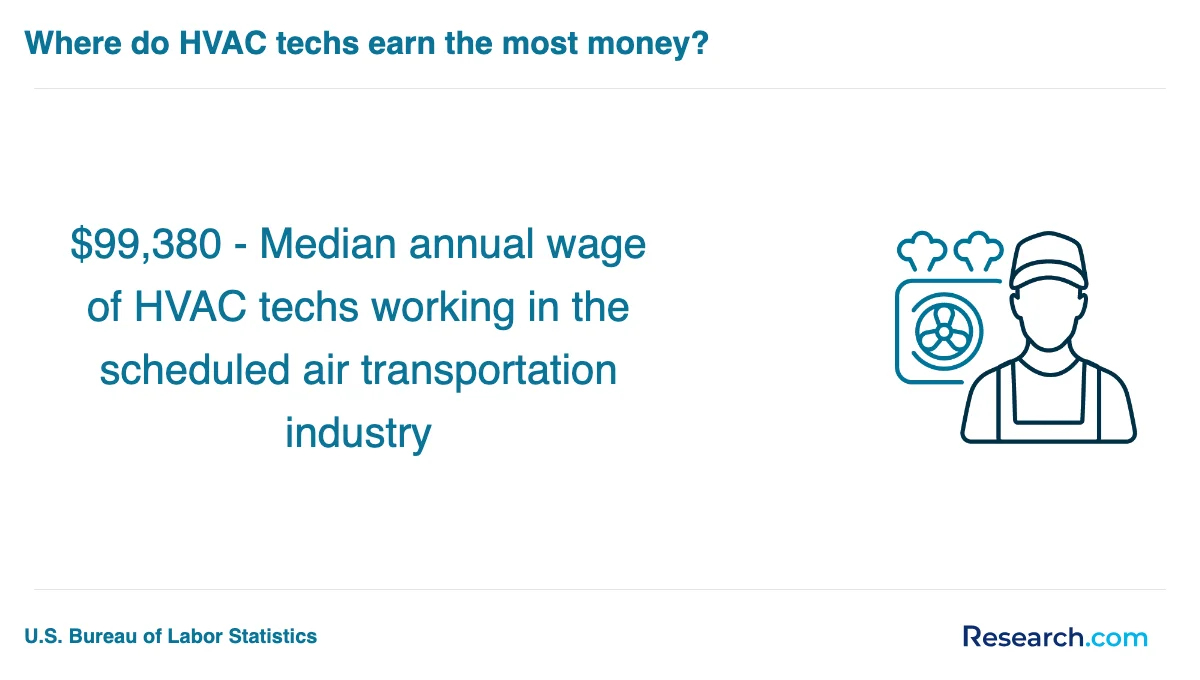
HVAC technician trade school programs in Grand Rapids focus on a range of essential courses that prepare students for real-world challenges in heating, ventilation, air conditioning, and refrigeration. Graduates often recall how courses like Basic Refrigeration and Air Conditioning Systems gave them a solid grip on core principles and hands-on skills needed to install and maintain cooling units in both homes and businesses.
Typical courses include:
- Heating Theory and Systems: covering gas, oil, and electric heating methods, helping students confidently troubleshoot various heating problems.
- HVAC Electrical Systems: emphasizing wiring and circuit diagnosis, which graduates find crucial since many HVAC issues stem from electrical faults.
- Piping, Brazing, and Soldering: teaching precise metal joining techniques essential for durable system repairs.
- Refrigeration Applications and Controls: focusing on commercial refrigeration and modern programmable HVAC systems.
- Blueprint Reading and Mechanical Systems: ensuring technical literacy for installation and maintenance tasks.
At well-known institutions like Grand Rapids Community College, students appreciate the blend of classroom learning and hands-on labs, often commenting on how immediately applying skills in simulated environments boosted their confidence and job readiness.
HVAC technician specializations in Grand Rapids are designed to cover the full spectrum of skills needed to succeed in the industry. Graduates from local programs frequently note the hands-on approach that solidifies their understanding of core areas such as heating, ventilation, air conditioning, and refrigeration. For instance, students at Grand Rapids Community College engage deeply with laboratory courses that focus on equipment service, system diagnostics, and refrigerant handling. Similarly, MIAT College of Technology emphasizes preparing students for EPA Universal Refrigerant Handling Certification and NATE Core exams, which are crucial credentials in the field.
Common specializations in HVAC training programs in Grand Rapids include:
- Heating system installation and repair
- Air conditioning servicing and troubleshooting
- Commercial refrigeration maintenance
- Refrigerant recovery and environmental compliance
Graduates often describe their training as empowering, combining classroom theory with real-world repairs and installations. This practical exposure helps clarify complex concepts and builds confidence for entering the workforce. If you're curious about what do you need to become a hvac technician beyond these specializations, this resource offers clear guidance on the required certifications and career paths.
Choosing the best HVAC technician trade school in Grand Rapids starts with ensuring the program is accredited by recognized bodies, a detail graduates often credit for smooth certification and employment processes. Schools like Grand Rapids Community College emphasize hands-on training through well-equipped labs, providing students with real-world experience that builds confidence before entering the workforce. Many graduates appreciate the block scheduling that fits their busy lives, completing certificates in about a year with focused morning classes.
Accredited HVAC trade schools Grand Rapids offer curricula blending theory and practical skills, which is vital for mastering HVAC systems. Some prefer online simulation-based training offered by programs like SkillCat, which allow flexibility without sacrificing skill-building. Several graduates highlight how job placement support and partnerships with local employers helped them secure internships and full-time roles quickly.
Considering costs, prerequisites, and available support services is equally important; having access to career counseling and financial aid often transforms the training experience. For those seeking a broader range of options, exploring trade schools online can reveal flexible paths that accommodate various life circumstances.
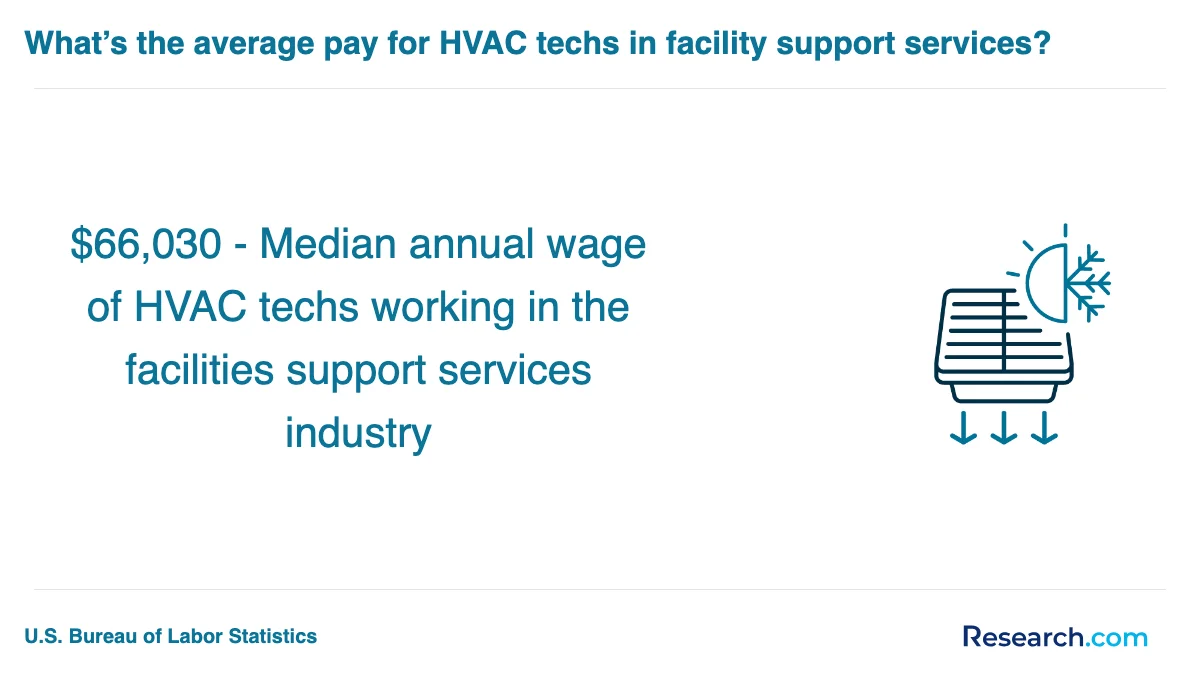
Graduates of HVAC technician trade school programs in Grand Rapids often step into a range of rewarding roles that align with their hands-on training. Common entry-level HVAC technician jobs in Grand Rapids include positions as installers, apprentices, or technician helpers. These roles allow graduates to apply practical skills learned in popular local trade schools on real equipment, building confidence and competence. For example, many report excitement when independently troubleshooting issues on residential HVAC units soon after finishing their programs.
Career growth often follows a clear trajectory, beginning with supervised apprenticeships and advancing to journeyman technician roles. As experience builds, graduates can specialize as:
- Service technicians focused on diagnostics and repairs
- Maintenance technicians managing routine system upkeep
- Lead installers overseeing projects and mentoring new trainees
These opportunities highlight diverse HVAC career opportunities in Grand Rapids, especially within unionized companies that offer structured apprenticeships and benefits. Graduates eager for advancement benefit from trade school credits transferable to associate degrees, expanding horizons toward system design or educational roles. Many find exploring vocational trade training online schools useful for flexible continuing education to enhance their career paths.
The HVAC technician job market in Grand Rapids offers strong opportunities for trade school graduates, driven by consistent local demand across residential, commercial, and industrial sectors. Graduates from well-known HVAC programs in the area commonly report quickly finding positions as service technicians, installers, or maintenance specialists. Entry-level technicians typically start around $20 per hour, while those with experience or specialized certifications can command wages up to $48 per hour. It is common for employers in Grand Rapids to provide benefits like health insurance, retirement plans, paid time off, and even sign-on bonuses reaching $3,000 to $4,000, reflecting how competitive the HVAC technician demand in Grand Rapids Michigan is.
Trade school graduates emphasize that ongoing training and certification opportunities locally, including those highlighted by instructors and employers, play a key role in career growth. Many enjoy the variety of positions available, from hands-on installation to apprenticeship pathways.
Practical experience gained at popular institutions in Grand Rapids prepares students to enter a job market supported by active construction, industry maintenance needs, and a steady influx of HVAC work. Several graduates recommend exploring cheap online hvac training options that complement local programs to maximize employability.
Best HVAC Technician Training Programs & Trade Schools - Top HVAC Tech Schools in Grand Rapids for 2026
# 1 position
Grand Rapids Community College - Heating, Air Conditioning, Ventilation and Refrigeration Maintenance Technology/Technician.
associateGrand Rapids Community College offers a hybrid program in Heating, Air Conditioning, Ventilation and Refrigeration Maintenance Technology/Technician. This program prepares students to repair, install, service, and maintain heating, air conditioning, and refrigeration systems. Instruction covers diagnostic techniques, testing equipment use, and principles of mechanics, electricity, and electronics related to these systems. Annual in-state tuition is $4,059. The program is accredited by the Higher Learning Commission.
# 2 position
Grand Rapids Community College - Heating, Air Conditioning, Ventilation and Refrigeration Maintenance Technology/Technician.
certificate or diplomaGrand Rapids Community College offers a hybrid program in Heating, Air Conditioning, Ventilation and Refrigeration Maintenance Technology/Technician. The curriculum prepares students to repair, install, service, and maintain heating, air conditioning, and refrigeration systems. Instruction covers diagnostic techniques, testing equipment, and principles of mechanics, electricity, and electronics related to system repair. The program’s annual in-state tuition is $4,059 and it is accredited by the Higher Learning Commission.
Frequently Asked Questions about HVAC technician
After completing an HVAC technician trade school in Grand Rapids, preparing for the job market involves several key steps. First, obtaining industry certifications such as EPA Section 608 is essential, as employers often require them for handling refrigerants safely. According to the U.S. Bureau of Labor Statistics, HVAC jobs in Michigan are projected to grow about 6% from 2022 to 2032, indicating steady demand.
Networking is also crucial; joining local trade organizations like the Michigan Mechanical Contractors Association can connect graduates with employers. Additionally, gaining hands-on experience through apprenticeships or internships enhances job prospects. Finally, strong soft skills, including communication and problem-solving, are valued by employers in Grand Rapids' HVAC industry.
Employers in Grand Rapids seek HVAC technician graduates with a strong foundation in mechanical knowledge and practical skills. Key abilities include proficiency in installing, maintaining, and repairing heating, ventilation, and air conditioning systems. According to the U.S. Bureau of Labor Statistics, critical thinking and problem-solving skills rank highly for HVAC roles nationwide, including Michigan.
Technical expertise with electrical systems and familiarity with refrigeration cycles are also essential. Local employers emphasize safety awareness and adherence to EPA regulations concerning refrigerants. Communication skills are important, as technicians often explain issues and solutions to clients.
Hands-on experience gained through trade school internships or apprenticeships is highly valued in the Grand Rapids job market, enhancing employability.
Finding internships in Grand Rapids related to HVAC technician trade school programs involves several practical steps. Start by contacting local trade schools directly, as many have partnerships with HVAC companies offering internship opportunities. The Michigan Works! agency in Grand Rapids is another valuable resource, connecting students with employers seeking skilled HVAC interns.
Networking with local HVAC contractors and unions can also lead to internship openings. The Greater Grand Rapids Chamber of Commerce often lists apprenticeship and internship programs in the region. According to the U.S. Bureau of Labor Statistics, internships improve job placement rates significantly in HVAC fields, so pursuing these connections early is beneficial.
Additionally, online job portals like Indeed and Glassdoor frequently post HVAC internship listings specific to Grand Rapids. Students should prepare a solid resume and be ready to discuss their technical skills, emphasizing any hands-on training from their trade school coursework.
Obtaining a diploma from a HVAC technician trade school in Grand Rapids significantly enhances career mobility and advancement. Graduates gain essential technical skills and certifications recognized by local employers, which are crucial in a competitive job market. According to the Michigan Department of Labor and Economic Opportunity, HVAC jobs in the Grand Rapids area are expected to grow by 8% through 2030, higher than the national average. This growth creates opportunities for diploma holders to secure entry-level positions and progress to supervisory roles more quickly.
Trade school diplomas also facilitate eligibility for state licensing and EPA certifications, often required for higher-paying jobs. Employers in Grand Rapids prioritize candidates with formal training, increasing chances for wage increases and promotions. Additionally, many trade schools have partnerships with local businesses, providing apprenticeships and job placement assistance that further support career advancement.
Students enrolled in HVAC technician trade schools in Grand Rapids can benefit from part-time jobs that build practical skills and industry knowledge. Entry-level positions such as HVAC helper or apprentice technician offer hands-on experience working alongside licensed professionals. These roles provide exposure to installation, maintenance, and repair tasks, reinforcing classroom learning.
Additionally, part-time opportunities at local hardware stores or home improvement centers, like Menards or Home Depot, allow students to deepen their understanding of HVAC equipment and customer service. According to the Bureau of Labor Statistics, Grand Rapids has a steady demand for HVAC technicians, with a 5% projected job growth over the next decade, making these jobs valuable for networking and career development.
To find the best HVAC Technician degree program near you, consider visiting Research.com, which offers a comparison of educational institutions and their programs. There are several colleges and technical schools near Grand Rapids, MI that offer HVAC programs, providing a mix of hands-on training and theoretical knowledge in the field. Exploring institutions in your area can help you identify the best fit based on factors such as curriculum, faculty expertise, and campus facilities.
- What Can I Expect From HVAC Training? - CyberTex https://cybertex.edu/what-can-i-expect-from-hvac-training/
- HVAC Career Path: What to Expect After Training https://www.genesiscareer.edu/hvac-career-path-after-training/
- How Long is Trade School for HVAC Technicians? | CBT Technology Institute https://www.cbt.edu/blog/how-long-is-trade-school-for-hvac-technicians/
- HVACR Trade School | HVAC Technician Training Program https://www.uti.edu/programs/hvacr
- Career Expectations for HVAC Technicians | The Training Center of Air Conditioning & Heating https://www.thetrainingcenterofairconditioningandheating.com/hvac-career/career-expectations-for-hvac-technicians/
- How Long Does HVAC Training Take? What To Know Before You Start https://www.aai.edu/how-long-does-hvac-training-take-what-to-know-before-you-start/
- What to Ask Before Applying to HVAC School | Pennco Tech https://www.penncotech.edu/questions-to-ask-when-considering-hvac-school/
- Air Conditioning / Heating / Refrigeration (KACC) | SLCC https://www.slcc.edu/satts/programs/air-conditioning-heating-refrigeration.aspx
- How to Become an HVAC Technician in 2025 | The Ultimate Career Guide - InterCoast Colleges https://intercoast.edu/articles/become-hvac-technician/
- Heating, Ventilation and Air Conditioning/Refrigeration (HVACR) Technology Certificate | Grand Rapids Community College https://www.grcc.edu/programs/heating-ventilation-air-conditioningrefrigeration-hvacr-technology-certificate