Best HVAC Technician Training Programs & Trade Schools - Top HVAC Tech Schools in Colorado for 2026

Co-Founder and Chief Data Scientist
Choosing the right HVAC technician trade school in Colorado can shape your future career. This article introduces a carefully crafted HVAC technician trade school programs ranking created by the Research.com team of data scientists to guide you in making an informed decision.
Whether you’re starting fresh or advancing your skills, earning a diploma or certification opens doors to rewarding job opportunities. Exploring the best programs helps you find quality education that fits your goals and lifestyle.
Read on to discover valuable insights that make your journey toward becoming a skilled HVAC technician both exciting and achievable.
Key benefits of finishing HVAC technician trade school in Colorado
- Graduates from HVAC technician trade schools in Colorado can expect an average hourly wage around $32.73, with opportunities to earn up to $60.54 per hour as they gain experience and certifications.
- Career paths include roles in residential, commercial, or industrial HVAC systems, with many graduates quickly advancing to specialized or supervisory positions, as seen in success stories from popular Colorado trade schools.
- Completing an HVAC program online offers flexibility and faster completion, allowing students to balance work and study, a benefit highlighted by graduates of well-known Colorado online trade schools.
- Best HVAC Technician Training Programs & Trade Schools - Top HVAC Tech Schools in Colorado for 2026
- What can I expect from HVAC technician trade schools in Colorado?
- Where can I work after finishing HVAC technician trade schools in Colorado?
What can I expect from HVAC technician trade schools in Colorado?
Jumping into an HVAC technician trade school program in Colorado means you'll get a solid mix of classroom learning and hands-on training. For instance, graduates from Pickens Technical College often mention spending half their time working directly with real HVAC equipment, which makes the theory click much faster. It's not just about reading textbooks - you'll be installing, repairing, and troubleshooting systems in scenarios that feel just like the job site.
Expect to dive deep into electrical basics, refrigeration cycles, and customer service skills. Schools like IntelliTec College and Lincoln Tech even go further, teaching green technology and programmable controls, which are big in today's industry. Most programs wrap up in about 12 to 20 months, so you can jump into the workforce quickly.
Many students appreciate how their programs prep them for certifications like EPA Section 608 and OSHA safety standards, which employers really value. Plus, you'll pick up communication and job hunting skills to help land that first gig.
Where can I work after finishing HVAC technician trade schools in Colorado?
After finishing an HVAC technician trade school program in Colorado, you'll find plenty of exciting job options waiting for you. Graduates from popular schools around Denver and Colorado Springs often land roles with local HVAC companies, construction firms, or even large institutions like hospitals and universities. Imagine working on campus at the University of Denver, maintaining heating and cooling systems that keep thousands comfortable daily-that's a real possibility.
Many grads jump into positions as residential HVAC technicians, helping homeowners stay cozy in winter and cool in summer. Others prefer the commercial side, tackling projects in office buildings or schools. The work varies from installing new systems to repairing and maintaining existing ones, so there's a chance to learn something new every day.
Plus, plenty of graduates share how rewarding it feels to see their skills directly improve people's everyday lives. Whether you're drawn to hands-on problem solving or climbing the ladder toward supervisory roles, Colorado's growing HVAC scene has room for you.
After finishing an HVAC technician trade school program in Colorado, many grads find themselves earning around $29 to $33 per hour starting out. For example, graduates from popular trade schools in Denver or Colorado Springs often share how they landed jobs paying close to $30 an hour right after completing their training. It's exciting to see that translate to about $61,800 annually for full-time work, which feels like a solid step into a rewarding career.
Location really makes a difference too. Those working in cities like Boulder or Fort Collins often report hourly wages between $33 and $36, thanks to higher demand and cost of living. On the other hand, grads who start in places like Grand Junction might see slightly lower starting pay, around $30 per hour, but still competitive.
Many grads also mention overtime pay as a nice bonus, adding roughly $6,750 a year extra, which can boost income significantly. Plus, as skills and certifications grow, so do the paychecks-some experienced techs in Colorado even make six figures!
- Applicants must be at least 18 years old, have a high school diploma or GED, and hold a valid driver's license.
- Trade school certificate programs take about six months, while associate degrees usually require up to two years to complete.
- Licensing is local in Colorado, with no statewide HVAC license, but all technicians must have EPA Section 608 Certification to handle refrigerants.
- Program costs range from $3,000 to $10,000 for certificates and $7,000 to $20,000 for associate degrees, with financial aid options often available.
- Starting salaries for HVAC technicians in Colorado range from $40,000 to $48,000, with experienced workers earning over $60,000 annually.
Completing an HVAC technician trade school program in Colorado usually takes about six months to a year, depending on whether you're going full-time or part-time. Many students from popular schools like the Colorado Technical Institute or Aims Community College find that dedicating themselves full-time lets them jump into the workforce faster, often finishing in around nine months.
Graduates often share how rewarding it feels to complete the program quickly and start earning right away. One mentioned how the hands-on labs and real-world practice made the time fly by, turning what once seemed like complicated systems into second nature.
For those balancing work or family, part-time options stretch the timeline but still keep the momentum, usually wrapping up within a year. The flexible scheduling is a big plus, letting students fit learning around their busy lives without feeling overwhelmed.
Overall, if you're ready to commit, Colorado's HVAC programs get you trained and confident to work on heating and cooling systems in less than a year, which many find both motivating and exciting.
The biggest difference between online and on-campus HVAC technician trade school programs in Colorado is how you learn and get hands-on experience. On-campus programs, like those at Lincoln Tech's Denver campus, let students work directly with real equipment like Hampden Trainers and even an Energy Audit Training House. Graduates often share how rewarding it feels to troubleshoot actual HVAC systems in a shop setting, gaining confidence as they install and repair gear under instructor supervision.
At Pickens Technical College in Aurora, students split their time evenly between classroom study and hands-on shop work, which many find helps them connect theory with real-world skills quickly. This face-to-face setup also means instant feedback and teamwork with classmates, making learning more interactive and engaging.
Online HVAC programs, meanwhile, offer flexibility perfect for those juggling work or family. Students study theory through videos and interactive modules, but practical training is mostly virtual or through occasional on-campus labs. While it's convenient, some graduates say it can feel less immersive compared to working directly on equipment every day.
The average HVAC technician training costs in Colorado can vary quite a bit depending on the type of program and school you choose. For instance, certificate programs tend to be on the more affordable side, ranging from about $1,200 to $15,000. Many students find these programs a great way to get started quickly without breaking the bank. On the other hand, associate degree programs naturally come with higher tuition fees for HVAC programs in Colorado, typically falling between $15,000 and $35,000, reflecting the more comprehensive curriculum and longer duration.
Graduates from well-known trade schools like Lincoln Tech in Denver share that the total cost, which includes tuition, fees, books, tools, and uniforms, adds up to around $27,010. Meanwhile, those attending Emily Griffith Technical College appreciate the affordable 900-hour HVAC program priced near $7,900 that they can complete in about 10 months. Community colleges offer another practical route, too. In places like Colorado Springs, the average HVAC class costs roughly $4,520 with programs running about 24 weeks-perfect for students aiming to balance cost and time investment.
Apprenticeship routes are also popular for those wanting hands-on experience combined with classroom learning. These programs usually cost between $500 and $2,000 and take 3 to 5 years to complete, making them a budget-friendly but longer-term option. If you're curious about how this all ties into career opportunities, check out this helpful resource on how to become a licensed hvac technician.
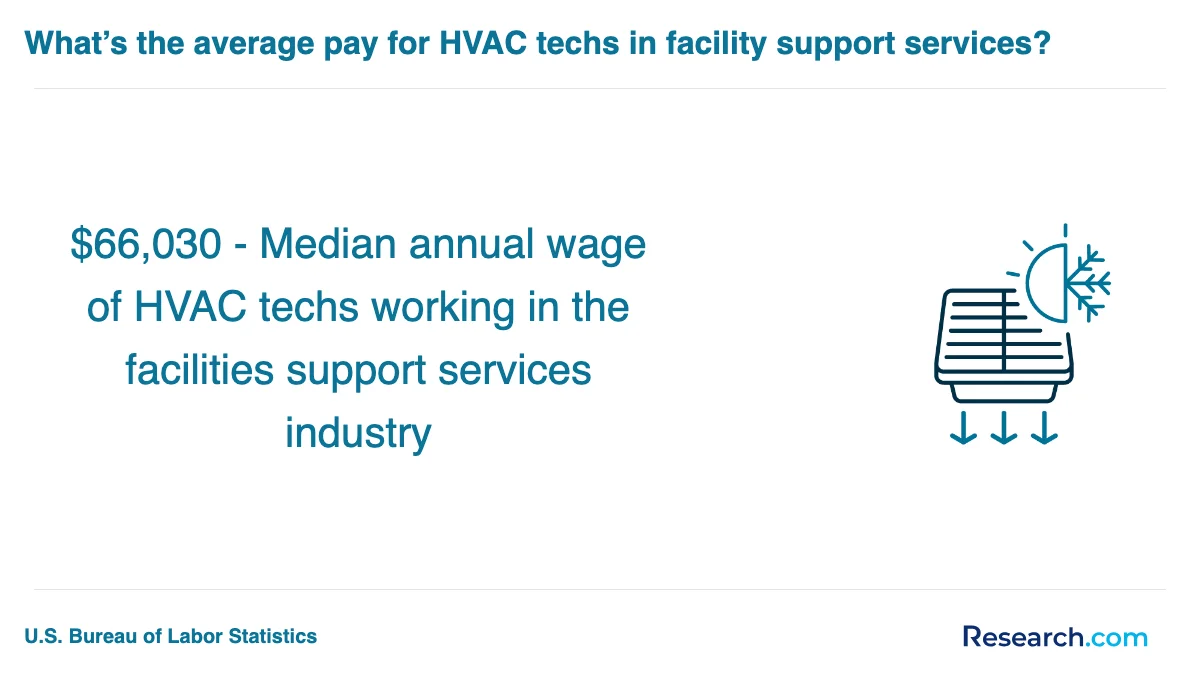
If you're thinking about HVAC technician trade schools in Colorado, financial aid can really ease the burden. Many students at places like Emily Griffith Technical College or Front Range Community College find federal aid through FAFSA a lifesaver. Pell Grants, which don't need to be paid back, can cover a big chunk of tuition-sometimes up to $7,395 for the 2025-2026 year. That's huge when programs typically cost around $8,000 to $10,000.
Beyond federal help, Colorado has state programs like Career Advance Colorado that some HVAC students swear by. It can cover the full cost if you qualify, making it possible to start training without worrying about bills right away. Plus, schools themselves often offer scholarships or payment plans tailored to HVAC students, which many grads say made a real difference.
Veterans and active military folks have extra options too, like GI Bill benefits. And if you're switching careers, workforce centers sometimes provide vouchers or funding to help get you certified and working fast. It's all about exploring your options and tapping into resources those before you have successfully used.
If you're looking to enroll in an HVAC technician trade school in Colorado, there are a few key prerequisites to keep in mind. Most programs want to see that you have a high school diploma or a GED, which makes sense because basic math and reading skills are essential when working with HVAC systems.
Graduates from popular Colorado schools often mention how having a solid foundation in subjects like algebra helped them grasp concepts like electrical wiring and system diagnostics faster. Some schools might also require placement tests to gauge your readiness.
Here are some common prerequisites you can expect:
- High school diploma or GED
- Basic understanding of math and science
- Pass a placement test (depending on the school)
- Physical ability to handle hands-on work
Many students appreciate that these requirements aren't overly strict but are there to ensure you're set up for success. For example, one graduate shared how the hands-on labs at a Denver-based trade school felt challenging at first but became enjoyable once the foundational skills were in place.
So, if you're ready to dive into a hands-on career and can check off these basics, you're well on your way to thriving in a Colorado HVAC program!

In Colorado HVAC technician trade schools like IntelliTec College and Lincoln Tech, students dive right into hands-on learning with courses that really prepare them for the field. Graduates often say the mix of classroom and practical work made a huge difference when stepping onto job sites.
Typical courses include:
- Basic refrigeration systems: Understanding refrigerant handling and system components is key, especially when you're working on real cooling units.
- Electrical fundamentals for HVAC: Learning AC theory, wiring diagrams, and troubleshooting helps students confidently handle electrical controls without second-guessing.
- Heating systems: Covering gas and electric heating, including burner operation and combustion analysis, so you're ready for any heating setup.
- Air conditioning system design: Sizing and installing A/C units efficiently makes you a go-to pro for comfort solutions.
- Energy efficiency and green technologies: Some schools emphasize sustainable practices, which is great if you want to work with the latest eco-friendly HVAC systems.
Students from Leonardi HVAC Training Center mention how courses like blueprint reading and troubleshooting chilled-water systems gave them confidence when tackling complex projects. Plus, hands-on labs with real equipment at Pickens Technical College make learning feel relevant and exciting, not just theory.
HVAC technician trade school programs in Colorado offer a range of specializations to help you dive into what really interests you in the field. Many graduates share how programs at schools like Lincoln Tech in Denver made energy auditing feel practical and rewarding-learning to spot and fix energy losses that save customers money and make systems greener. Others appreciate Front Range Community College in Fort Collins, where they gained hands-on experience with commercial refrigeration systems, from walk-in coolers to massive freezers, preparing them for real-world service calls.
Popular areas of focus include:
- Energy Auditing, emphasizing energy efficiency and sustainability.
- Commercial Refrigeration, with training on diagnosing and repairing large refrigeration units.
- Residential HVAC Systems, perfect for those installing and maintaining heating and cooling in homes, like students at Red Rocks Community College.
- Industrial HVAC Systems, which cover large-scale applications found in factories, taught at places like Pikes Peak State College.
- Boiler, Chiller, and Cooling Tower Systems, a complex but essential skill set offered at IntelliTec College.
These specialized training programs are designed to meet the growing demand for skilled HVAC technicians in Colorado, ensuring that graduates are well-prepared for various roles in the industry. If you're weighing your educational options, consider exploring the differences between trade schools and traditional colleges by checking out this helpful resource on trades vs college.
When figuring out how to choose HVAC technician trade school in Colorado, start by checking if the school is accredited and offers hands-on training. Graduates from popular colleges here often say the labs and internships were game changers, giving them real-world skills before hitting the job market. Look for programs that cover everything from electrical basics to energy efficiency-this wide scope prepares you well for diverse HVAC roles.
Also, consider schools with strong job placement rates. Many students appreciate career services that help with resumes and interviews, making the jump from classroom to work smoother. Location matters too-choosing a school close to home can save you commuting stress, especially if you need flexible schedules like evening classes to balance work or family.
For cost-conscious students, comparing tuition and financial aid is key. Some graduates recommend checking out cheap online maintenance technician training options, which can be a smart alternative. Overall, exploring the best HVAC technician trade schools in Colorado with these points in mind will set you up for success.
When visiting colleges in Colorado, hearing firsthand from former students about their experience can help you feel confident in your choice and excited for your HVAC journey.
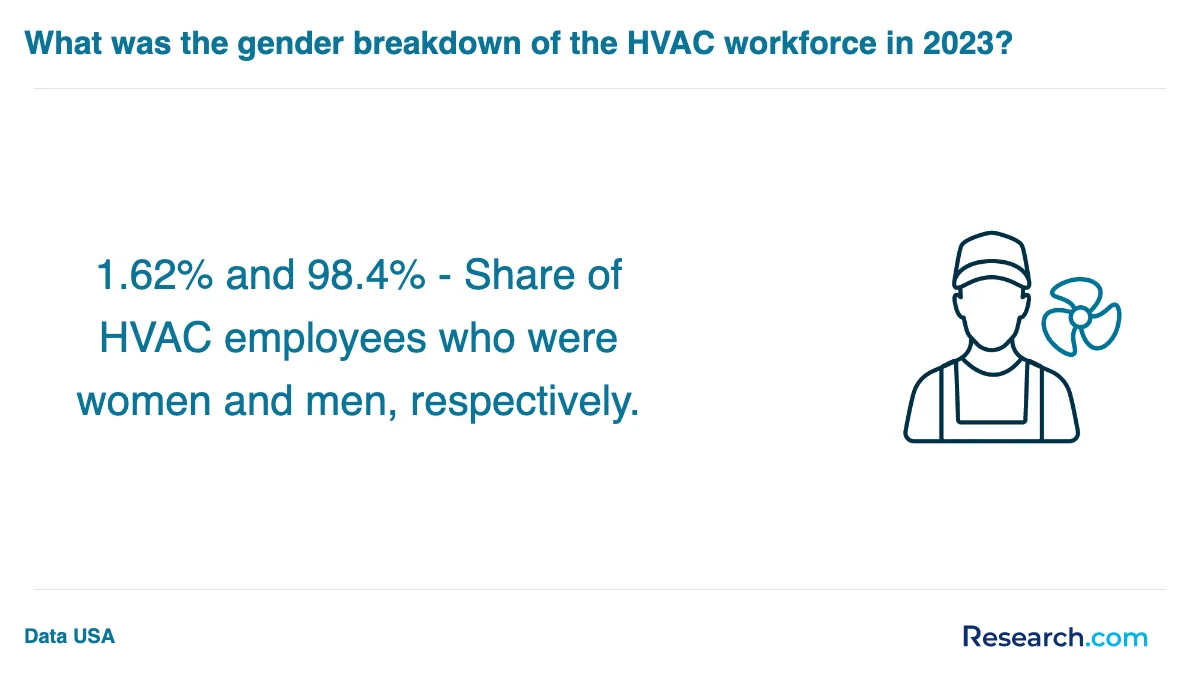
Graduates of HVAC technician trade school programs in Colorado find a range of exciting career paths right after completing their hands-on training. Many start as HVAC installers, service technicians, or maintenance specialists, working on residential systems in cities like Denver or Colorado Springs. As experience builds, it's common to move into commercial or industrial roles, tackling bigger projects or specialized refrigeration systems. Here's a quick look at typical roles graduates step into:
- Residential HVAC technician focusing on home heating and cooling
- Commercial service technician maintaining office buildings and stores
- Specialized refrigeration technician in supermarkets or manufacturing
- Maintenance expert handling HVAC system upkeep in large facilities
The journey doesn't have to stop there. Many graduates from popular Colorado trade schools pursue additional certifications to become journeymen or master technicians, opening doors to better pay and leadership roles. Those interested in HVAC technician career opportunities in Colorado often appreciate how programs balance classroom learning with equipment-focused training, so they're job-ready from day one.
Thanks to Colorado's rapid population growth and focus on green technology, HVAC jobs and salary outlook Colorado is robust, with strong demand and competitive wages. Some graduates even branch out into supervisory roles or start their own businesses. If you're looking for flexible options and steady growth, exploring the most affordable online hvac certification could be a smart move to kickstart your career in this thriving field.
The job market for HVAC technician trade school graduates in Colorado is thriving right now. Graduates from popular trade schools around Denver often find plenty of opportunities waiting for them thanks to steady HVAC technician job growth in Colorado. Many employers-ranging from residential service companies to universities-are eager to hire certified technicians who come equipped with hands-on skills and credentials like NATE certification.
These grads often share how their hands-on training perfectly prepared them for the real challenges they face on the job. Here's what makes Colorado especially attractive for new HVAC technicians:
- Over 460 HVAC technician openings statewide, with 400+ in the Denver area alone, meaning plenty of job choices.
- Competitive salaries averaging $54,800 to $66,500 annually, with top positions sometimes exceeding $72,000.
- Strong benefits packages including health insurance, paid time off, and bonuses.
If you're considering how to study HVAC technician programs in Colorado but want flexible options, many students also turn to trade school online programs that provide quality education with convenience. This flexibility helps future techs balance education while preparing for this promising career.
With this solid demand and rewarding HVAC technician average salary Colorado offers, trade school grads often feel confident stepping into the workforce and building a successful career.
Best HVAC Technician Training Programs & Trade Schools - Top HVAC Tech Schools in Colorado for 2026
# 1 position
Intellitec College-Colorado Springs - Heating, Air Conditioning, Ventilation and Refrigeration Maintenance Technology/Technician.
associateThe Heating, Air Conditioning, Ventilation and Refrigeration Maintenance Technology/Technician program at Intellitec College-Colorado Springs prepares students to repair, install, service, and maintain HVAC and refrigeration systems. It includes training in diagnostic techniques, testing equipment, and principles of mechanics, electricity, and electronics. This hybrid program is accredited by the Accrediting Commission of Career Schools and Colleges. Median earnings one year after completion are $35,919.
# 2 position
Intellitec College-Grand Junction - Heating, Air Conditioning, Ventilation and Refrigeration Maintenance Technology/Technician.
associateThe Heating, Air Conditioning, Ventilation and Refrigeration Maintenance Technology/Technician program at Intellitec College-Grand Junction prepares students to repair, install, service, and maintain HVAC and refrigeration systems. It includes training in diagnostic techniques, testing equipment, and principles of mechanics, electricity, and electronics. The hybrid program is accredited by the Accrediting Commission of Career Schools and Colleges. Median earnings one year after completion are $32,852.50.
# 3 position
Front Range Community College - Heating, Air Conditioning, Ventilation and Refrigeration Maintenance Technology/Technician.
associateFront Range Community College offers a program in Heating, Air Conditioning, Ventilation and Refrigeration Maintenance Technology/Technician. This program prepares students to repair, install, service, and maintain heating, air conditioning, and refrigeration systems. Instruction covers diagnostic techniques, testing equipment, and principles of mechanics, electricity, and electronics relevant to this field. The annual in-state tuition is $4,740. The program is accredited by the Higher Learning Commission.
# 4 position
Pikes Peak State College - Heating, Air Conditioning, Ventilation and Refrigeration Maintenance Technology/Technician.
associatePikes Peak State College offers a Hybrid Heating, Air Conditioning, Ventilation and Refrigeration Maintenance Technology/Technician program. It prepares students to repair, install, service, and maintain HVAC and refrigeration systems using technical knowledge and diagnostic techniques. Instruction covers mechanics, electricity, electronics, and the use of testing equipment. The program’s annual in-state tuition is $4,302 and it is accredited by the Higher Learning Commission.
# 5 position
Front Range Community College - Heating, Air Conditioning, Ventilation and Refrigeration Maintenance Technology/Technician.
certificate or diplomaFront Range Community College offers a program in Heating, Air Conditioning, Ventilation and Refrigeration Maintenance Technology/Technician. This program prepares students to repair, install, service, and maintain HVAC and refrigeration systems, emphasizing diagnostic techniques and the use of specialized testing equipment. Instruction covers mechanics, electricity, and electronics related to these systems. The annual in-state tuition is $4,740, and the program is accredited by the Higher Learning Commission.
# 6 position
Pikes Peak State College - Heating, Air Conditioning, Ventilation and Refrigeration Maintenance Technology/Technician.
certificate or diplomaPikes Peak State College offers a hybrid program in Heating, Air Conditioning, Ventilation and Refrigeration Maintenance Technology/Technician. The curriculum prepares students to repair, install, service, and maintain heating, air conditioning, and refrigeration systems. Instruction covers diagnostic techniques, testing equipment, and principles of mechanics, electricity, and electronics relevant to system repair. The program's annual in-state tuition is $4,302 and it is accredited by the Higher Learning Commission.
# 7 position
Emily Griffith Technical College - Heating, Air Conditioning, Ventilation and Refrigeration Maintenance Technology/Technician.
certificate or diplomaEmily Griffith Technical College offers a hybrid Heating, Air Conditioning, Ventilation and Refrigeration Maintenance Technology/Technician program. It prepares students to repair, install, service, and maintain heating, air conditioning, and refrigeration systems. Instruction covers diagnostic techniques, testing equipment, and mechanical, electrical, and electronic principles related to system repair. The program is accredited by the Council on Occupational Education.
Frequently Asked Questions about HVAC technician
After completing an HVAC technician trade school in Colorado, preparing for the job market involves several focused steps. First, obtaining EPA Section 608 certification is essential, as it legally allows technicians to handle refrigerants. Many trade schools integrate this certification into their curricula, but graduates should verify and complete it if needed.
Networking plays a key role; joining local chapters of trade organizations such as the Air Conditioning Contractors of America (ACCA) Colorado chapter can provide valuable job leads and professional connections.
The Colorado Department of Labor and Employment reports that HVAC technician jobs are projected to grow 7% through 2030, signaling a favorable employment outlook.
Gaining hands-on experience through internships or apprenticeships offered by local HVAC companies can significantly improve job prospects.
Finally, maintaining a well-organized resume highlighting certifications, training, and any practical experience will help graduates stand out in Colorado's competitive HVAC job market.
Employers in Colorado seek HVAC technician graduates with strong technical skills, including proficiency in installing, maintaining, and repairing heating, ventilation, and air conditioning systems. Knowledge of electrical systems and refrigeration cycles is essential. According to the U.S. Bureau of Labor Statistics, Colorado's HVAC sector expects a 9% growth through 2031, emphasizing the demand for skilled workers.
Soft skills are equally important. Employers value problem-solving abilities, attention to detail, and effective communication, as technicians often explain issues to clients. Familiarity with industry standards and safety regulations is critical to ensure compliance and workplace safety.
Hands-on experience gained through internships or apprenticeships significantly improves job prospects. The Colorado Department of Labor highlights that candidates with EPA certification and knowledge of green technologies have a competitive edge in the local job market.
Finding internships related to HVAC technician trade school programs in Colorado involves several strategic steps. Start by contacting your trade school's career services office, which often maintains partnerships with local HVAC companies. Many Colorado schools have established relationships with employers in the Denver and Colorado Springs areas, increasing internship availability.
Additionally, explore listings on Colorado-specific job sites such as Colorado Workforce Centers and the Colorado Department of Labor and Employment, which report that HVAC-related internships have grown by 12% in recent years. Networking through local trade unions and industry associations like the Air Conditioning Contractors of America (ACCA) Colorado chapter can also provide leads on internships.
Finally, attending job fairs and industry events in Colorado can connect students directly with employers seeking HVAC interns, helping to secure practical experience essential for certification and employment.
Obtaining a diploma from an HVAC technician trade school in Colorado significantly enhances career mobility and advancement opportunities. According to the Colorado Department of Labor and Employment, certified HVAC technicians earn a median annual wage of approximately $56,000, higher than many non-certified workers in related fields. A trade school diploma validates specialized skills, making graduates more competitive for entry-level positions and promotions within the state's growing HVAC industry.
Employers in Colorado increasingly prefer candidates with formal training and certification, as these credentials demonstrate proficiency in installation, maintenance, and repair of HVAC systems compliant with state regulations. Additionally, diploma holders are better positioned to pursue licensing requirements and advanced certifications, which can lead to supervisory roles or self-employment.
Statistics from the U.S. Bureau of Labor Statistics indicate that Colorado's HVAC job market is expected to grow by 8% through 2030, faster than the national average. This growth further underscores the value of an HVAC diploma in securing stable employment and upward mobility within the trade.
Students enrolled in HVAC technician trade schools in Colorado can benefit from several part-time job opportunities that complement their education. Positions such as HVAC helper or apprentice allow students to gain hands-on experience while working alongside licensed technicians. These roles often involve assisting with installations, maintenance, and repairs, which reinforces classroom learning.
Retail positions at home improvement stores are also valuable. Working in departments specializing in heating, ventilation, and air conditioning equipment helps students familiarize themselves with various HVAC products and customer service.
According to the U.S. Bureau of Labor Statistics, Colorado's HVAC sector is growing faster than the national average, with a 10% projected employment increase from 2022 to 2032. This growth creates ample opportunities for part-time roles that build relevant skills.
There are several HVAC technician degree programs available near Colorado, offered by various community colleges and technical institutes. These programs provide comprehensive training in heating, ventilation, air conditioning, and refrigeration systems, granting certifications or associate degrees that can enhance career opportunities. To find the best options near me, Research.com is a helpful resource to compare programs based on factors such as curriculum, facilities, and graduation rates.
- Best HVAC Technician Training Programs & Trade Schools - Top HVAC Tech Schools in Nebraska for 2026
- Best HVAC Technician Training Programs & Trade Schools - Top HVAC Tech Schools in New Mexico for 2026
- Best HVAC Technician Training Programs & Trade Schools - Top HVAC Tech Schools in Utah for 2026
- Best HVAC Technician Training Programs & Trade Schools - Top HVAC Tech Schools in Oklahoma for 2026
- Best HVAC Technician Training Programs & Trade Schools - Top HVAC Tech Schools in Arizona for 2026
- Best HVAC Technician Training Programs & Trade Schools - Top HVAC Tech Schools in Texas for 2026
- Best HVAC Technician Training Programs & Trade Schools - Top HVAC Tech Schools in South Dakota for 2026
- Best HVAC Technician Training Programs & Trade Schools - Top HVAC Tech Schools in Missouri for 2026
- Best HVAC Technician Training Programs & Trade Schools - Top HVAC Tech Schools in Montana for 2026
- Best HVAC Technician Training Programs & Trade Schools - Top HVAC Tech Schools in Idaho for 2026
- Top 5 Challenges in HVAC Training and How to Overcome Them https://iconnecttraining.com/top-5-challenges-in-hvac-training-and-how-iconnect-training-overcomes-them/
- Mastering the HVAC Career: Overcoming Common Challenges https://nats.ca/Home/NewsArticle/3-common-challenges-you-may-encounter-during-your-hvac-technician-career/
- What to Expect from HVAC Training at a Technical School https://aviationmaintenance.edu/blog/your-hvac-technical-school-training-journey/
- How Long Does HVAC Training Take? What To Know Before You Start https://www.aai.edu/how-long-does-hvac-training-take-what-to-know-before-you-start/
- Hands-on Skills at the Best Schools for HVAC Training https://tidewatertechtrades.edu/blog/combination-welding-essential-skills-for-a-successful-career/
- State of Colorado Job Opportunities | State Job Opportunities https://www.governmentjobs.com/careers/colorado/jobs/1882170/hvac-professional
- Details - HVAC Technician | University of Denver https://jobs.du.edu/en-us/job/497961/hvac-technician
- HVAC Jobs in Colorado Springs and Pueblo - Apply Now! https://flowrightphi.com/careers/hvac-jobs/
- HVAC Training in Denver Colorado - Lincoln Tech https://www.lincolntech.edu/campus/denver-co/programs/hvac
- HVAC Training School | Colorado Springs | Grand Junction | IntelliTec College http://intellitec.edu/programs/refrigeration-hvac-technician/