
Best HVAC Technician Training Programs & Trade Schools - Top HVAC Tech Schools in Arizona for 2026

Co-Founder and Chief Data Scientist
Choosing the right HVAC technician trade school in Arizona can shape your future career and open doors to rewarding opportunities. This article presents a carefully crafted HVAC technician trade school programs ranking created by the Research.com team of data scientists to help you make an informed decision.
By exploring these top programs, you’ll discover options that fit your goals and budget, ensuring you gain valuable skills and certifications. Whether you’re starting fresh or changing paths, earning this diploma can lead to steady work and personal growth.
Take the first step toward a fulfilling HVAC career today.
Key benefits of finishing HVAC technician trade school in Arizona
- Graduates of HVAC technician trade schools in Arizona can expect starting salaries around $26 to $29 per hour, with potential to earn up to $61,000 or more annually as they gain experience and certifications.
- Career paths often include roles like residential or commercial HVAC technician, system installer, or maintenance specialist, offering diverse opportunities after completing a program at popular schools such as Arizona Automotive Institute.
- Finishing an HVAC trade school online provides flexibility for students balancing work or family, as seen with graduates from schools like Penn Foster, who benefit from self-paced learning without sacrificing quality.
- Best HVAC Technician Training Programs & Trade Schools - Top HVAC Tech Schools in Arizona for 2026
- What can I expect from HVAC technician trade schools in Arizona?
- Where can I work after finishing HVAC technician trade schools in Arizona?
What can I expect from HVAC technician trade schools in Arizona?
Enrolling in an HVAC technician trade school program in Arizona means diving into a dynamic mix of hands-on training and classroom learning designed to get you job-ready fast. Graduates from programs like Arizona Automotive Institute share how the 10-month course, packed with 50 credit hours, feels like stepping into real job scenarios-from wiring complex systems to troubleshooting air conditioners and heating units.
Expect to master skills that matter: refrigerant recovery, electrical diagnostics, and installation techniques, all while preparing for the essential EPA Section 608 certification. Many students appreciate how schools integrate this into the curriculum, sometimes even offering vouchers for the exam, making the path smoother.
Safety is a big deal too; OSHA 10-Hour or 30-Hour training is often part of the journey, helping students feel confident and secure on any worksite. Plus, soft skills like communication and time management are woven into lessons, reflecting what employers truly value.
From flexible schedules at places like National Technical Institute to immersive labs simulating real HVAC challenges, Arizona's programs offer a vibrant, supportive environment where learning feels like an exciting adventure toward a solid career.
Where can I work after finishing HVAC technician trade schools in Arizona?
After finishing an HVAC technician trade school program in Arizona, graduates find themselves stepping into a world full of diverse job opportunities. Many quickly land roles as HVAC technicians, installers, or apprentices, working for residential and commercial clients across vibrant cities like Phoenix and Tucson. Imagine starting your day servicing air conditioning units in a bustling apartment complex, then switching gears to install heating systems in a local school-this variety keeps the work exciting and rewarding.
Popular Arizona trade schools prepare students to join well-known companies or even government agencies like the Central Arizona Project, where skilled HVAC work supports essential infrastructure. Graduates often share stories of their first paychecks, earning anywhere from $20 to $55 per hour, with some climbing to six-figure commissions in busy metropolitan areas.
Beyond traditional HVAC roles, many alumni discover careers in refrigeration, controls technology, or building maintenance for hospitals and schools. The adventure continues as each day brings new challenges, growth opportunities, and the satisfaction of keeping Arizona comfortable in every season.
After finishing an HVAC technician trade school program in Arizona, many graduates are pleasantly surprised by their starting pay. Imagine stepping out of a classroom in Phoenix or Tucson and landing a job that pays around $26.34 per hour-that's about $54,787 annually if you're clocking 40 hours a week. Several graduates share stories of how this starting wage helped them cover rent and start building savings right away, making the investment in their education feel worthwhile.
Some new technicians quickly discover that overtime shifts can boost their income by nearly $6,750 a year, turning weekend work into exciting extra cash. From entry-level wages hovering between $20.62 and $29.81 per hour, the range suits those eager to learn hands-on skills and prove their value on the job. Graduates from well-known Arizona trade schools often find that even their first paycheck feels like a rewarding milestone on their path to a solid career in HVAC.
As experience and certifications stack up, those same graduates watch their salaries climb, fueling ambitions for higher pay and specialized roles in bustling Arizona cities. The state's steady demand creates plenty of opportunities for motivated newcomers ready to jump in and grow.
- To enroll in an HVAC trade school in Arizona, a high school diploma or equivalent is required, with programs ranging from 3-4 months accelerated courses to 10 months for a diploma or longer for associate degrees.
- Training includes hands-on experience with HVAC systems, electrical controls, refrigeration, and EPA-compliant procedures, preparing students for the EPA Section 608 Technician certification and other industry exams.
- The average tuition cost for HVAC programs in Arizona ranges from $10,000 to $18,000, with financing and aid options often available.
- Starting salaries for HVAC technicians in Arizona typically range from $38,000 to $45,000 per year, while experienced technicians can earn $55,000 to $65,000 or more.
- Arizona does not require a state-level technician license, but HVAC work costing over $1,000 must be done under a licensed contractor, with some local licensing rules applying.
Completing an HVAC technician trade school program in Arizona typically takes between 6 months to 1 year, depending on the school and the intensity of the curriculum. Many graduates from popular Arizona trade schools share how the compact timeframe allowed them to dive quickly into hands-on training, repairing real HVAC systems and mastering essential skills without waiting years.
Imagine starting your mornings in a bustling Phoenix classroom, then heading out to practical workshops where you troubleshoot air conditioners under the scorching Arizona sun. Graduates often describe this immersive experience as both challenging and exciting, fueling their passion to enter the workforce rapidly.
Some programs offer accelerated options, enabling students eager to launch their careers sooner to finish in as little as 6 months. Others extend closer to a year, blending theory with ample lab time, perfect for those who want a thorough grounding before stepping into the field.
This balance of quick completion and quality training makes Arizona's HVAC trade schools a magnet for motivated students ready to embrace a rewarding career in a practical, hands-on environment.
Choosing between online and on-campus HVAC technician trade school programs in Arizona means weighing flexibility against hands-on experience. Graduates from online programs, like those at Arizona Western College, often share how the ability to study on their own time helped them juggle work and family commitments. They dive deep into theory-mastering system design and safety codes through interactive digital modules-though they still visit local labs to get their hands dirty with real equipment.
On the flip side, graduates from on-campus programs at schools such as Mohave Community College rave about the energy of learning face-to-face with instructors and peers. Imagine spending your days wiring up HVAC systems under expert supervision, troubleshooting refrigerant issues side by side with classmates. This immersive experience builds confidence and practical skills that many say gave them an edge when job hunting.
Cost differences are minimal, with some programs charging around $33,600 for in-person and $34,400 for online, so your choice really hinges on how you prefer to learn and live your daily life.
The average HVAC training costs in Arizona can vary widely depending on the program length and depth. Graduates from popular trade schools often share how full-length programs, costing between $7,000 and $15,000, provide a comprehensive experience. These programs blend classroom theory with hands-on labs and prepare students for valuable certifications like the EPA Section 608. Many students feel energized and confident after completing courses that offer direct interaction with real HVAC systems, a critical component in mastering this skilled trade.
For those seeking quicker routes, tuition fees for HVAC programs in Arizona show that shorter courses usually run from $1,000 to $3,000. These are appealing for students who want to dip their toes into HVAC fundamentals or build on some previous experience. While these shorter options may lack some advanced lab time or thorough certification prep, many graduates appreciate the flexibility and affordability when balancing other life commitments.
In today's digital learning environment, online programs stand out with costs generally between $500 and $3,000. Yet many Arizona students find that online learning complements but doesn't fully replace hands-on training. The best way to explore your options, including discovering top vocational trade programs online, is to carefully weigh cost against the practical experiences offered. This balance is key to making an informed and exciting step toward a future in HVAC technology.

Dreaming of becoming an HVAC technician in Arizona? Financial aid can turn that dream into reality. Many students find relief through federal student aid, like Pell Grants and federal loans, by completing the FAFSA. Imagine a graduate from a popular Arizona trade school excitedly receiving a Pell Grant, knowing it won't have to be paid back-just a boost to get started.
State and institutional scholarships also open doors. For example, the Refrigeration School, Inc. in Arizona offers scholarships that have helped numerous students cut down tuition costs, making technical training more affordable and less stressful.
Veterans and their families benefit from GI Bill Education Benefits, which cover tuition and expenses at many GI Bill-approved HVAC programs across Arizona.
Other adventurous learners have tapped into Workforce Innovation and Opportunity Act (WIOA) funding, especially in places like Coconino County, helping them train in a high-demand field without financial worries.
Some graduates even share how employer tuition reimbursement programs gave them confidence, knowing their training costs were supported in exchange for future work commitments.
Ready to dive into an HVAC technician trade school in Arizona? Most programs expect you to have a high school diploma or GED, which is the basic stepping stone to unlock these hands-on adventures. Graduates often share how this foundation helped them breeze through the technical coursework at popular Arizona schools.
Aside from that, schools typically look for some key prerequisites that gear you up for success:
- Basic math skills-think algebra and measurements, crucial for calculating load capacities and system specs.
- Good communication abilities-because explaining complex HVAC concepts to customers becomes second nature.
- Physical stamina and dexterity-imagine climbing ladders or fitting into tight spaces while installing or repairing HVAC units.
- Passion and curiosity about how heating and cooling systems work. Many grads say their excitement fueled their late-night study sessions.
Some Arizona trade schools also recommend or require a background check or drug screening, ensuring a safe learning environment. Others encourage prior exposure to basic electrical or mechanical concepts, which can give you a confident head start.
Picture yourself in a classroom at an Arizona trade school, surrounded by classmates equally eager to master the art of climate control-this blend of prerequisites sets the stage for your journey toward becoming a skilled HVAC technician.
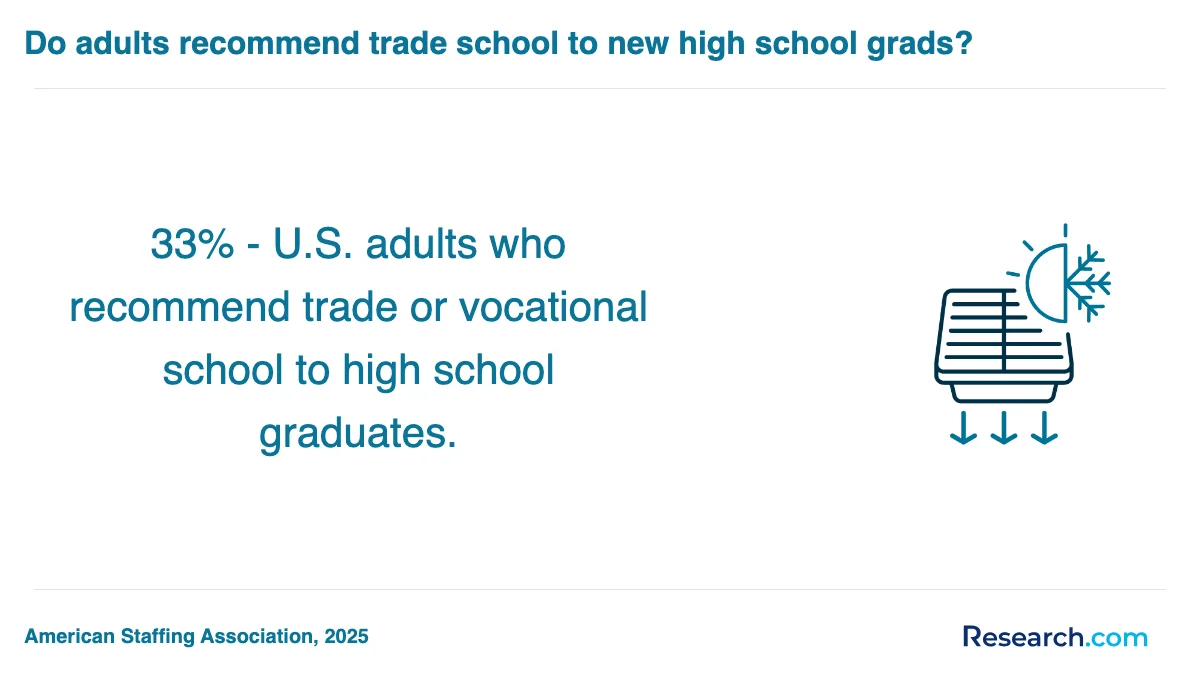
Jumping into HVAC technician trade school programs in Arizona means diving headfirst into a thrilling mix of courses that blend theory with hands-on fun. Graduates from popular Arizona trade schools often recall their excitement mastering core HVAC/R fundamentals, like the fascinating mechanics behind heating and cooling cycles and how compressors and condensers work together to keep homes comfortable even under the scorching Arizona sun.
Here's what you'll typically explore:
- Detailed HVAC/R principles, from thermodynamics to the operation of walk-in refrigerators common in local businesses.
- Diagnostic techniques and troubleshooting that challenge you to spot and fix faults in electrical and mechanical systems-imagine confidently repairing a faulty AC unit on a sweltering Phoenix afternoon.
- Electrical systems and controls courses teaching wiring and safety protocols, essential for working safely in real-world environments.
- OSHA safety training and preparation for EPA Section 608 Universal Certification, crucial credentials for anyone handling refrigerants in Arizona's strict regulatory landscape.
- Professional skills like communication and customer service, helping you thrive in diverse work settings across the state.
These courses don't just teach; they immerse you in scenarios that prepare you for the fast-paced, rewarding world of HVAC work in Arizona's unique climate.
Arizona HVAC training program specializations open the door to exciting, hands-on careers that many graduates find deeply rewarding. Imagine diving into an Air Conditioning and Refrigeration program at Arizona Western College, where students tackle 64 credits focused on mastering installation and repair of cooling systems. Others thrive in the hustle of the HVAC Residential Installation & Service Technician certificate offered by Gateway Community College, completing 665 clock hours tuning up home systems for real families.
For those drawn to commercial setups, Mohave Community College's HVAC/R Light Commercial certificate offers a streamlined 17-credit path, perfect for working on larger, complex systems. Meanwhile, Cochise College blends HVAC skills into a broader Building Construction Technology degree, preparing students for versatile careers in construction.
Many students at Pima Community College value their 32-33 credit HVAC-R Technician Certificate, which hones essential skills employers crave. These Arizona HVAC technician specializations provide not only technical knowledge but the confidence to enter the workforce eagerly. For ambitious students aiming high, the highest paying trade school careers list showcases how these skills pay off in the long run.
Choosing the best HVAC technician programs in Arizona means focusing on what truly matters: accreditation, hands-on training, and real-world readiness. Graduates from GateWay Community College often share how the school's national accreditation boosted their confidence during job hunts, proving their skills meet industry standards. Meanwhile, students at Arizona Western College appreciate the flexibility of earning either an associate degree or certificates, tailoring their education to fit busy lifestyles or quicker entry into the workforce.
Picture yourself in a bustling lab at Refrigeration School, Inc., immersed in virtual reality simulations that mimic real HVAC challenges-this is where theory meets action, creating technicians ready for anything. Comparing HVAC trade schools Arizona involves weighing these immersive experiences alongside financial aid options from community colleges like Eastern Arizona College, which make education accessible without overwhelming debt.
Don't overlook how programs prepare you for certifications or connect you with employers, key to launching your career confidently. To understand the key difference between an hvac apprenticeship and certification can also guide your choice toward the path that matches your goals perfectly.
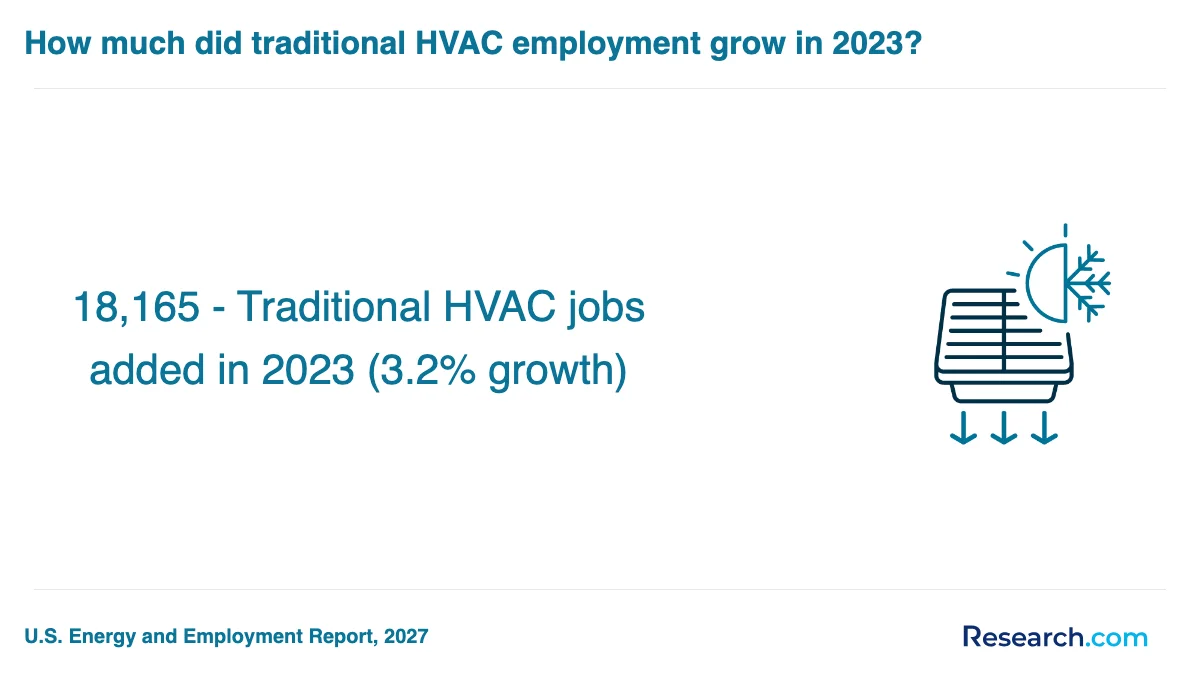
Graduates from HVAC technician trade schools in Arizona step into a world full of exciting HVAC career opportunities in Arizona that range from hands-on technician roles to leadership positions. Many start as HVAC technicians, installation technicians, or refrigeration technicians, servicing everything from neighborhood homes to large commercial sites like hospitals and schools. Trade school grads often share how working on real systems during training prepares them to tackle these dynamic environments confidently.
For those eager to climb higher, paths lead to specialized and managerial roles such as HVAC specialists, commercial service managers, or facilities managers. The journey sometimes takes adventurous turns into code inspection or energy analysis, helping buildings become safer and more efficient.
The thriving job market means HVAC technician jobs in Arizona are abundant, offering graduates chances to become licensed contractors or even business owners. Arizona's licensing requirement of four years' field experience really motivates many to gain hands-on skills first. Many graduates credit their favorite trade schools for the practical experience that made advancing their dream careers possible.
Discover more about how to become an hvac technician and the exciting job possibilities waiting for you.
Graduates from HVAC technician trade schools in Arizona dive into a thriving job market driven by the state's booming population and intense demand for climate control expertise. The HVAC technician job outlook in Arizona is vibrant, with more than 7,950 professionals currently employed and projections calling for over 42,000 technicians needed by 2024. Many former students from popular Arizona trade schools share stories of quickly landing roles, ranging from hands-on technician jobs to installer and apprentice positions, often within weeks of graduation.
Real-world experiences highlight how competitive wages and steady growth fuel enthusiasm:
- Starting pay for entry-level technicians runs between $28 and $35 per hour.
- Experienced technicians can earn as much as $55.81 hourly or up to $64,300 annually.
- Benefits often include health insurance, paid time off, and retirement plans.
For those weighing their education options, exploring the top online trade schools in Arizona can open doors to flexible learning and fast career entry, perfectly matching the high demand for HVAC technician salary and demand in Arizona.
Best HVAC Technician Training Programs & Trade Schools - Top HVAC Tech Schools in Arizona for 2026
# 1 position
Mohave Community College - Heating, Air Conditioning, Ventilation and Refrigeration Maintenance Technology/Technician.
associateMohave Community College offers a hybrid program in Heating, Air Conditioning, Ventilation and Refrigeration Maintenance Technology/Technician. The curriculum prepares students to repair, install, service, and maintain heating, air conditioning, and refrigeration systems. Instruction includes diagnostic techniques, testing equipment use, and principles of mechanics, electricity, and electronics related to system repair. Annual in-state tuition is $2,136. The program is accredited by the Higher Learning Commission.
# 2 position
Arizona Western College - Heating, Air Conditioning, Ventilation and Refrigeration Maintenance Technology/Technician.
associateArizona Western College offers a hybrid program in Heating, Air Conditioning, Ventilation and Refrigeration Maintenance Technology/Technician. The program prepares students to repair, install, service, and maintain HVAC and refrigeration systems, emphasizing diagnostic techniques and the use of testing equipment. Instruction covers mechanics, electricity, and electronics principles relevant to system repair. Annual in-state tuition is $3,020. The program is accredited by the Higher Learning Commission.
# 3 position
Eastern Arizona College - Heating, Air Conditioning, Ventilation and Refrigeration Maintenance Technology/Technician.
associateEastern Arizona College offers a hybrid program in Heating, Air Conditioning, Ventilation and Refrigeration Maintenance Technology/Technician. The program trains students to repair, install, service, and maintain heating, air conditioning, and refrigeration systems. Instruction covers diagnostic techniques, testing equipment, and principles of mechanics, electricity, and electronics. The annual in-state tuition is $2,352. The program is accredited by the Higher Learning Commission.
# 4 position
GateWay Community College - Heating, Air Conditioning, Ventilation and Refrigeration Maintenance Technology/Technician.
associateGateWay Community College offers a fully online Heating, Air Conditioning, Ventilation and Refrigeration Maintenance Technology/Technician program. It prepares students to repair, install, service, and maintain heating, air conditioning, and refrigeration systems. Instruction covers diagnostic techniques, use of testing equipment, and principles of mechanics, electricity, and electronics related to system repair. The program is accredited by the Higher Learning Commission. Annual in-state tuition is $2,358.
# 5 position
Refrigeration School Inc - Heating, Air Conditioning, Ventilation and Refrigeration Maintenance Technology/Technician.
certificate or diplomaThe Heating, Air Conditioning, Ventilation and Refrigeration Maintenance Technology/Technician program at Refrigeration School Inc offers hybrid learning options. It prepares students to repair, install, service, and maintain HVAC and refrigeration systems through technical knowledge and skills. Instruction covers diagnostic techniques, testing equipment, mechanics, electricity, and electronics related to these systems. The program is accredited by the Accrediting Commission of Career Schools and Colleges. Median earnings one year after completion are $48,145.
# 6 position
UEI College-Phoenix - Heating, Air Conditioning, Ventilation and Refrigeration Maintenance Technology/Technician.
certificate or diplomaUEI College-Phoenix offers a hybrid program in Heating, Air Conditioning, Ventilation and Refrigeration Maintenance Technology/Technician. This program prepares students to repair, install, service, and maintain HVAC and refrigeration systems, emphasizing diagnostic techniques and the use of testing equipment. Instruction covers mechanics, electricity, and electronics principles relevant to system repair. Graduates have median earnings of $33,444 one year after completion. The program is accredited by the Accrediting Council for Continuing Education & Training.
# 7 position
UEI College-Mesa - Heating, Air Conditioning, Ventilation and Refrigeration Maintenance Technology/Technician.
certificate or diplomaUEI College-Mesa offers a hybrid program in Heating, Air Conditioning, Ventilation and Refrigeration Maintenance Technology/Technician. The curriculum trains students to repair, install, service, and maintain HVAC and refrigeration systems using diagnostic techniques and testing equipment. Instruction covers mechanics, electricity, and electronics relevant to these systems. Graduates have a median earning of $33,444 one year after completion. The program is accredited by the Accrediting Council for Continuing Education & Training.
# 8 position
East Valley Institute of Technology - Heating, Air Conditioning, Ventilation and Refrigeration Maintenance Technology/Technician.
certificate or diplomaThe Heating, Air Conditioning, Ventilation and Refrigeration Maintenance Technology/Technician program at East Valley Institute of Technology prepares students to repair, install, service, and maintain HVAC and refrigeration systems. It includes training in diagnostic techniques, testing equipment, and principles of mechanics, electricity, and electronics. The program offers a hybrid format and is accredited by the Council on Occupational Education. Median earnings one year after completion are $27,069.95.
# 9 position
Pima Community College - Heating, Air Conditioning, Ventilation and Refrigeration Maintenance Technology/Technician.
certificate or diplomaPima Community College offers a hybrid program in Heating, Air Conditioning, Ventilation and Refrigeration Maintenance Technology/Technician. This program trains students to repair, install, service, and maintain HVAC and refrigeration systems, including instruction in diagnostic techniques, testing equipment, and relevant mechanical, electrical, and electronic principles. Annual in-state tuition is $2,370. The program is accredited by the Higher Learning Commission.
# 10 position
Mohave Community College - Heating, Air Conditioning, Ventilation and Refrigeration Maintenance Technology/Technician.
certificate or diplomaMohave Community College offers a Hybrid program in Heating, Air Conditioning, Ventilation and Refrigeration Maintenance Technology/Technician. The curriculum prepares students to repair, install, service, and maintain heating, air conditioning, and refrigeration systems. Instruction covers diagnostic techniques, use of testing equipment, and principles of mechanics, electricity, and electronics related to these systems. Annual in-state tuition is $2,136. The program is accredited by the Higher Learning Commission.
Frequently Asked Questions about HVAC technician
After completing an HVAC technician trade school in Arizona, preparing for the job market involves several key steps. First, obtaining EPA Section 608 certification is essential, as it is federally required for handling refrigerants and highly valued by employers. The Arizona Office of Economic Opportunity reports that HVAC jobs in the state are projected to grow by 11% through 2030, indicating strong demand.
Networking through internships or connections made during training can improve job prospects. Additionally, creating a professional resume highlighting hands-on skills and certifications will help graduates stand out. Engaging in continuing education and staying updated with new HVAC technologies is also recommended to remain competitive in this evolving field.
Employers in Arizona seek HVAC technician trade school graduates with a strong foundation in electrical systems, refrigeration, and heating technologies. Proficiency in diagnosing and repairing HVAC equipment is essential due to the state's extreme climate demands. According to the U.S. Bureau of Labor Statistics, practical skills in using diagnostic tools and interpreting technical manuals are highly valued.
Communication skills also rank high, as technicians often interact with clients and explain repair needs clearly. Additionally, knowledge of Arizona's building codes and safety regulations is crucial to ensure compliance and avoid costly violations.
Hands-on experience gained through internships or apprenticeships significantly enhances employability in Arizona's competitive HVAC job market.
Finding internships in Arizona relevant to HVAC technician trade school programs involves a few strategic steps. Start by consulting your trade school's career services, as many have established connections with local HVAC companies and contractors. These partnerships often provide internship opportunities tailored to your curriculum.
Additionally, explore the Arizona Builders Alliance and the Arizona Refrigeration Association, which frequently list apprenticeship and internship openings. According to the U.S. Bureau of Labor Statistics, Arizona's HVAC employment is expected to grow by 11% through 2031, indicating steady demand for trained interns.
Networking at industry events and trade shows can also lead to internships. Local workforce development agencies, such as Arizona@Work, offer resources and job matching services specifically for skilled trades.
Obtaining a diploma from an HVAC technician trade school in Arizona significantly enhances career mobility and advancement opportunities. According to the U.S. Bureau of Labor Statistics, HVAC technician jobs in Arizona are projected to grow by 9% from 2022 to 2032, faster than the average for all occupations. A diploma certifies that a candidate has mastered essential skills, making them more competitive for entry-level positions and promotions.
Employers in Arizona often prefer candidates with formal training, as it demonstrates practical knowledge and readiness to handle diverse HVAC systems. Graduates may qualify for higher starting wages; the Arizona Department of Economic Security reports median HVAC technician earnings around $48,000 annually.
Completing a diploma program also facilitates eligibility for EPA certifications, which are crucial for career advancement within the state. Overall, a trade school diploma serves as a foundational credential that opens pathways to supervisory roles, specialized technician positions, and increased job security in Arizona's HVAC industry.
Part-time job opportunities in Arizona that complement HVAC technician trade school education often include roles in maintenance, appliance repair, and entry-level HVAC assistance. These positions allow students to apply classroom knowledge in real-world settings while developing hands-on skills. According to the U.S. Bureau of Labor Statistics, Arizona's demand for HVAC technicians is projected to grow by 10% from 2022 to 2032, reflecting a strong job market for students gaining experience.
Working as a maintenance technician in commercial or residential buildings provides exposure to HVAC systems and troubleshooting. Additionally, entry-level HVAC helper roles often involve assisting licensed technicians with installations and repairs, which can enhance technical competencies.
Retail positions in home improvement stores focusing on HVAC products also help students understand equipment and customer needs, further supporting their education and career development.
There are several HVAC technician degree programs available throughout the United States, and you can use Research.com to find specific programs near me. Numerous community colleges and technical schools near Arizona offer specialized training and certification for HVAC technicians. These programs typically cover essential topics such as refrigeration cycles, system diagnostics, and hands-on equipment repair, preparing students for careers in the HVAC industry.
- Best HVAC Technician Training Programs & Trade Schools - Top HVAC Tech Schools in New Mexico for 2026
- Best HVAC Technician Training Programs & Trade Schools - Top HVAC Tech Schools in Nevada for 2026
- Best HVAC Technician Training Programs & Trade Schools - Top HVAC Tech Schools in Utah for 2026
- Best HVAC Technician Training Programs & Trade Schools - Top HVAC Tech Schools in Texas for 2026
- Best HVAC Technician Training Programs & Trade Schools - Top HVAC Tech Schools in Oklahoma for 2026
- Best HVAC Technician Training Programs & Trade Schools - Top HVAC Tech Schools in Idaho for 2026
- Best HVAC Technician Training Programs & Trade Schools - Top HVAC Tech Schools in Montana for 2026
- Best HVAC Technician Training Programs & Trade Schools - Top HVAC Tech Schools in Nebraska for 2026
- Best HVAC Technician Training Programs & Trade Schools - Top HVAC Tech Schools in South Dakota for 2026
- Best HVAC Technician Training Programs & Trade Schools - Top HVAC Tech Schools in Missouri for 2026
- HVAC Trade Schools: HVAC Training Programs | Fortis https://www.fortis.edu/programs/skilled-trades/heating--ventilation--air-conditioning-and-refrigeration-trades.html
- Find HVAC Trade Schools - Diploma & Associate Degree Programs https://www.trade-schools.net/trades/hvac
- Ventilation Trade School | Chicago, IL | HVAC Tech https://www.hvac-tech.com/
- HVACR Technician Training - Gwinnett Technical College https://gwinnetttech.edu/online-continuing-education/hvacr-technician-training/
- HVACR Certification - Online Program | Penn Foster https://www.pennfoster.edu/programs/trades/hvac-technician-career-diploma
- Entry Level HVAC Technician - Training Certificate | Midlands Technical College https://www.midlandstech.edu/programs-and-courses/advanced-manufacturing-and-skilled-trades/hvac-training-certificate
- HVAC Training School in Phoenix, AZ | NTI Training https://www.ntitraining.com/locations/phoenix/
- HVACR Trade School | HVAC Technician Training Program https://www.uti.edu/programs/hvacr
- HVAC/R Entry Level Technician Training Program Training Program - AZ Job Connection https://www.azjobconnection.gov/etp/public/institution_programs/22762
- HVAC Training in Avondale | HVAC-R Certification Program AZ https://www.west-mec.edu/adult-students/career-training-programs/hvac-r-certification-program-in-arizona


