
Most Affordable HVAC Technician Schools & Training - Budget-Friendly HVAC Trade Programs in Kansas for 2026

Co-Founder and Chief Data Scientist
Choosing the right HVAC technician trade school in Kansas can feel overwhelming, but this article is here to help. It features a carefully crafted ranking of trade school programs developed by the Research.com team of data scientists. This ranking is designed to guide you in making an informed decision about which programs offer the best value and quality education.
Completing an HVAC program can open doors to a rewarding career with stable demand and good earning potential. Reading on will help you discover affordable options that fit your goals and budget, making your path to certification or diploma clearer and more achievable.
Key benefits of finishing HVAC technician trade school in Kansas
- Graduates of HVAC technician trade schools in Kansas can expect to earn an average hourly wage around $27.73, with annual salaries typically between $30,730 and $76,010 depending on experience, offering strong financial stability early in their careers.
- Many graduates find diverse career paths, including residential service, commercial installation, or maintenance roles, as exemplified by a popular Kansas trade school alum who quickly secured a full-time position with upward mobility.
- Completing HVAC training online provides flexibility and faster completion times, allowing students like those from well-known Kansas online programs to balance work and study while entering the workforce sooner.
- Most Affordable HVAC Technician Schools & Training - Budget-Friendly HVAC Trade Programs in Kansas for 2026
- What can I expect from HVAC technician trade schools in Kansas?
- Where can I work after finishing HVAC technician trade schools in Kansas?
What can I expect from HVAC technician trade schools in Kansas?
Enrolling in an HVAC technician program in Kansas means diving into hands-on training combined with solid classroom learning. Graduates from Johnson County Community College recall working directly with heating and cooling systems, gaining skills in installation, repair, and maintenance that prepared them for real job sites. At Washburn Tech, students balance residential and commercial HVAC coursework, often sharing how the practical labs and testing equipment helped them feel confident troubleshooting complex systems.
Expect to build knowledge in electrical systems, refrigerant handling, and customer service-key skills highlighted by those who completed programs at Fort Scott and Hutchinson Community Colleges. Many students appreciate the flexible schedules, including evening and weekend classes, which allow them to work while studying. Certifications like EPA 608 and OSHA safety are integral parts of the curriculum, boosting employability right after graduation.
Hands-on internships and modern facilities at these Kansas schools create real-world experiences that alumni describe as invaluable for entering the workforce with confidence and technical know-how.
Where can I work after finishing HVAC technician trade schools in Kansas?
After finishing an HVAC technician trade school program in Kansas, graduates find a strong job market waiting. With over 327 HVAC technician positions available statewide as of April 2025, many graduates quickly land roles with HVAC contractors, mechanical service companies, or facilities maintenance teams. For example, those finishing programs at popular schools like Kansas City Kansas Community College report getting hired by local employers such as CoolSys or even public institutions like housing authorities.
Many graduates appreciate the variety of roles accessible, from HVAC service technician jobs to specialized positions like refrigeration specialists or building automation system technicians. Entry-level openings often require just trade school certification and EPA certification, making it easier for recent grads to start working and earn $21 to $43 per hour depending on experience. Veterans of the trade school system share how the hands-on training prepared them for real-world challenges in homes, schools, and commercial buildings.
Advancement opportunities also excite graduates who envision moving into senior technician or supervisory roles within larger companies or specialized commercial environments. The broad demand across Kansas means that starting a career in HVAC after trade school feels both promising and tangible.
After completing an HVAC technician trade school program in Kansas, graduates typically start earning around $12.22 per hour, with entry-level wages often below $20 per hour. Many recent grads from popular local trade schools report starting salaries near this range, which feels encouraging when balancing early career costs and family needs. As technicians gain experience and sharpen their skills, hourly pay can increase significantly, reaching up to around $28.51 per hour for those in the 75th percentile.
Several graduates mention that overtime opportunities are a valuable boost, often adding about $6,750 annually to their base salary. This extra income makes a real difference, especially when working in colder months or during busy seasons.
On an annual basis, HVAC technicians in Kansas earn between roughly $30,730 and $76,010, depending on experience and role. Some advanced positions, like master technicians or HVAC sales roles, can even push earnings above $80,000. This range reflects many graduates' real-world experiences balancing steady work and increased responsibility after completing their trade school training.
- HVAC programs in Kansas offer short-term certificates (one year or less) and two-year Associate of Applied Science (AAS) degrees with credit hours ranging from 24 to 63.
- Tuition for a one-year HVAC certificate typically ranges from $4,000 to $7,000, while a two-year AAS degree costs between $8,000 and $14,000.
- Some programs, like Johnson County Community College's, have PAHRA accreditation, which provides recognized credentials.
- Kansas does not require a state HVAC license, but some cities have local licensing rules and apprenticeships; EPA Section 608 certification is required for handling refrigerants.
- Starting salaries for HVAC technicians in Kansas range from $38,000 to $45,000 annually, with experienced technicians earning $55,000 or more.
Completing an HVAC technician trade school program in Kansas typically takes between six months and one year. Most students find this timeframe manageable, especially when balancing work or family commitments. For example, graduates from well-known Kansas trade schools often share how the structured, hands-on training helped them quickly gain the skills needed for entry-level positions.
Many programs offer flexible schedules, including evening or weekend classes, which makes it easier for students to maintain their daily responsibilities while advancing their education. The focused curriculum ensures students spend ample time on practical tasks like system installation and troubleshooting, which builds confidence in real-world scenarios.
One common experience among Kansas HVAC graduates is the satisfaction of completing the program swiftly without sacrificing quality. They often mention feeling well-prepared to start earning a paycheck shortly after finishing, which reinforces the value of the efficient program length.
Choosing a program with a clear timeline and hands-on approach in Kansas can be a smart move for anyone eager to enter the HVAC field promptly.
Online HVAC programs in Kansas, like the one at Pinnacle Career Institute, offer flexibility by letting students complete most coursework remotely. Graduates often appreciate being able to study around work or family schedules, accessing lectures and assignments whenever it suits them. However, even these online paths require hands-on experience-such as a mandatory 10-day boot camp in Kansas City, Missouri-where students get practical training installing furnaces and building air distribution systems. This blend ensures students don't miss out on essential physical skills.
On the other hand, on-campus programs at schools like Johnson County Community College and Fort Scott Community College immerse students fully in face-to-face instruction and lab work. Graduates frequently highlight the value of working directly with real HVAC equipment and receiving immediate feedback from instructors. The structured schedule and group projects also create a strong sense of community and prepare students for workplace environments through internships with local businesses.
Both routes prepare students for national certifications, but on-campus programs typically provide more supervised, hands-on hours. For many Kansas students, choosing between these options comes down to balancing flexibility with the desire for direct interaction and consistent lab time.
The average HVAC technician program cost in Kansas varies significantly depending on the type of institution you choose. For many students, technical schools and community colleges offer the most affordable path, with tuition fees for HVAC trade schools in Kansas typically ranging from $4,000 to $15,000. Graduates from schools like Washburn Institute of Technology report paying around $10,700 for two semesters, including fees and textbooks, which helps them quickly enter the workforce without excessive debt.
On the other hand, those pursuing a two-year associate degree generally face higher expenses, often between $15,000 and $30,000. At Wichita State University-Campus of Applied Sciences and Technology, for example, in-state tuition is roughly $4,552 per year, while out-of-state students pay around $5,462. Many students balance these costs with part-time work, scholarships, and payment plans to manage their budgets more effectively.
Beyond tuition, budgeting for additional expenses such as tools, books, and uniforms is crucial. Financial aid options help ease these costs, allowing students to focus on hands-on learning and certifications, including the mandatory EPA Section 608 Technician Certification for handling refrigerants. Many prospective HVAC technicians in Kansas find it helpful to research the top trade schools in America as part of their planning to ensure the best fit for both cost and quality.
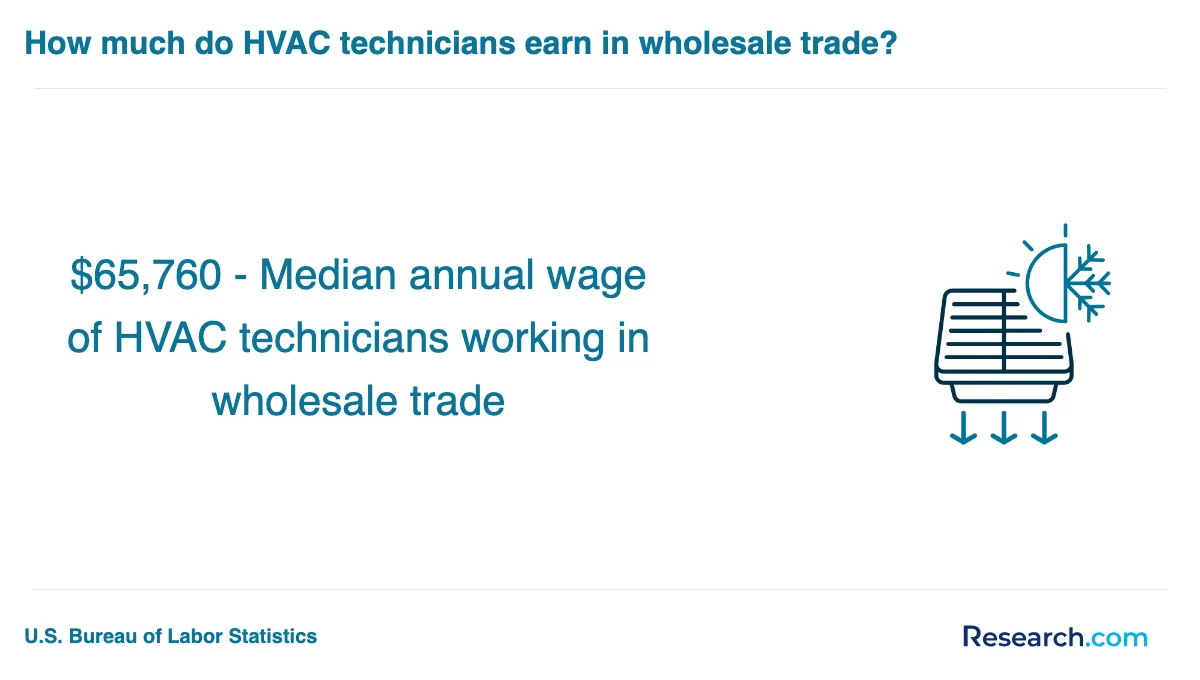
Kansas HVAC technician students often rely on federal student aid to ease tuition costs. Graduates from schools like Pinnacle Career Institute frequently share how completing the FAFSA unlocked access to Pell Grants and federal loans, making their training affordable without overwhelming debt. This federal support is a cornerstone for many, especially since most accredited Kansas trade schools participate in these programs.
State-specific aid is another major help. The Kansas Promise Scholarship is a game changer for HVAC students at community colleges such as Johnson County Community College. This scholarship covers tuition, fees, books, and materials, dramatically reducing financial stress and allowing students to focus on hands-on learning and career growth.
Additional funding from Kansas Workforce Development Boards or vocational rehabilitation services can support those facing unemployment or disabilities. Graduates often recall how these resources, combined with local scholarships and institutional grants, created a safety net that made their HVAC education possible and rewarding.
To enroll in an HVAC technician trade school program in Kansas, schools generally expect candidates to meet a few straightforward prerequisites that pave the way for a smooth start. Most programs require a high school diploma or GED. This ensures you have the basic math and reading skills essential for understanding HVAC concepts and safety protocols.
Applicants often need to be at least 18 years old, which aligns with the hands-on nature of training and access to certain equipment. Some Kansas trade schools also ask for proof of physical fitness, as the work can involve lifting and navigating tight spaces.
Graduates from popular Kansas trade schools often mention that having a genuine interest in mechanics and problem-solving made the learning process more engaging and rewarding. Schools encourage you to come prepared to:
- Demonstrate basic algebra and reading comprehension
- Complete a background check if required
- Show up ready for practical, hands-on training
One common piece of advice from recent grads is to brush up on basic electrical knowledge before starting. This preparation helps you feel confident on day one and truly enjoy the journey through Kansas's well-regarded HVAC programs.

Courses in Kansas HVAC technician trade schools focus on practical skills and industry knowledge that graduates find immediately useful on the job. Common coursework includes:
- Basic HVAC principles covering furnaces, air conditioners, and refrigeration units, helping students understand system operations.
- Diagnostic techniques paired with hands-on use of testing equipment to identify and fix malfunctions, mirroring real work challenges.
- Electrical and heating fundamentals such as wiring and circuit testing, critical for safe installation and maintenance.
- EPA Refrigerant Management training to prepare for the EPA 608 certification, a must-have for refrigerant handling.
- Safety protocols and OSHA regulations, ensuring students are workplace-ready and compliant with legal standards.
- Additional skills like plumbing basics, sheet metal fabrication, air distribution design, and digital controls for commercial HVAC work.
- Soft skills including customer service and blueprint reading, which graduates say boost confidence in communication and job site efficiency.
Students at schools like Washburn Tech and WSU Tech appreciate how these courses combine theory with hands-on labs, making complicated concepts tangible. Graduates often mention the feeling of readiness when entering their first HVAC job, thanks to the structured and comprehensive curriculum offered across Kansas trade schools.
Kansas HVAC technician trade school programs offer a variety of focused paths to prepare students for real-world work environments. Graduates from schools like Washburn Tech appreciate the choice between residential HVAC, with a 24-credit certificate tailored for home systems, and commercial HVAC, which covers complex office and industrial setups through a 48-credit certificate or an Associate degree. This flexibility lets students align their skills with the jobs they want.
Other desirable specializations include refrigeration technology, taught in programs at Fort Scott Community College and Johnson County Community College. Here, students gain hands-on experience maintaining cooling systems used in grocery stores and food processing plants, enhancing their HVAC certifications and credentials Kansas employers respect.
Many also benefit from advanced training in building automation and control systems, learning how to operate digital controls in large facilities. Students often complete coursework to earn EPA 608 and OSHA safety certifications, key credentials for career advancement.
For those seeking versatility, North Central Kansas Technical College offers combined HVAC and plumbing training, increasing job prospects across trades. Exploring low cost online maintenance technician trade school programs can further aid budget-conscious learners.
Choosing the best HVAC technician trade school program in Kansas requires focusing on accreditation and hands-on training. Graduates from Johnson County Community College praise its PAHRA-accredited program, which not only meets industry standards but also prepares them for important certifications like the EPA Refrigerant Management exam. For those seeking affordable HVAC technician programs in Kansas, this school also offers financial aid through the Kansas Promise Scholarship, making the education more accessible.
It's essential to pick a program that combines quality curriculum with real-world experience. For example, students at Washburn Institute of Technology highlight the benefit of state-of-the-art labs, which helped them confidently enter the workforce. Flexibility matters too; Salina Area Technical College's nine-month certificate suits those eager to start working quickly.
Considering the ongoing debate of career pathways, you might find this college vs trades comparison helpful to understand how trade schools like these fit into your plans. Focus on schools with strong industry ties and job placement to boost your future success.
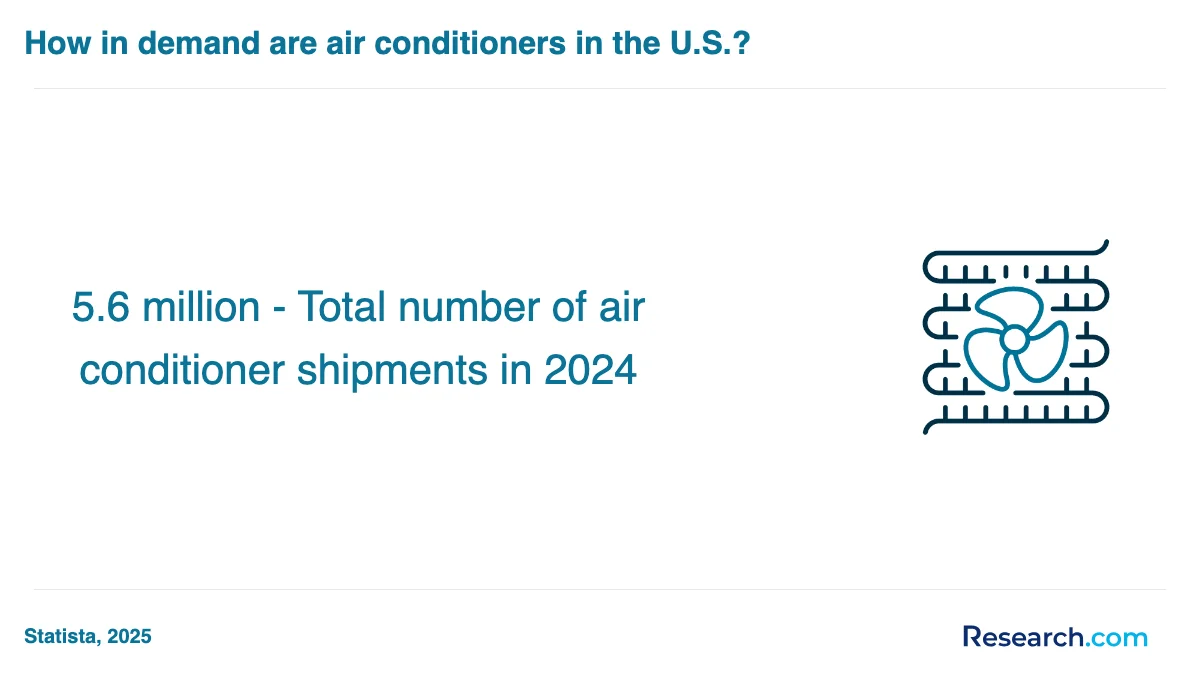
Graduates of HVAC technician trade school programs in Kansas find a variety of career paths awaiting them across residential and commercial sectors. Many begin as entry-level service technicians or apprentices, where they gain valuable hands-on experience under licensed professionals. Over time, these graduates move into roles such as HVAC mechanic, maintenance technician, or A/C technician, applying their skills in real-world settings common in cities like Topeka and Overland Park.
Job growth forecasts show steady opportunities for HVAC technician jobs in Kansas, with consistent openings in metropolitan areas. Experienced technicians often pursue specialized certifications, like EPA Section 608, unlocking further pathways including HVAC service technician or commercial refrigeration specialist.
Popular trade schools in Kansas prepare students for diverse roles. HVAC installer career opportunities Kansas-wide offer options to work on system installations or advance into project management and contracting, provided local licensing is met. Many graduates also envision launching independent HVAC contracting businesses after gaining field experience.
Those researching options can explore cheapest online hvac training to supplement their skillset and boost career advancement prospects.
The HVAC technician job outlook in Kansas shows steady if modest opportunities for graduates of local trade schools. Many students from popular Kansas programs report landing entry-level positions that pay around $30,730 annually. As they gain experience and certifications, salaries often rise toward the state average of $47,860, with some reaching up to $76,010. This steady demand reflects ongoing maintenance and construction needs in Kansas's climate, which requires heating and cooling expertise year-round.
Graduates often share that while the market is not highly active compared to other states, their skills remain in consistent demand locally. Hourly wages typically range from $19.71 to $28.51, with technicians in urban centers like Kansas City earning slightly more. Many also benefit from overtime opportunities, which can add roughly $6,750 annually.
For those curious about what it takes to enter this field, programs offer clear paths involving certification and hands-on training. You can learn more about what are the requirements to become an hvac technician while planning your career.
- Reliable starting salaries around $30K support new graduates.
- Experienced technicians find paths to higher wages.
- Job stability tied to consistent climate and building needs.
- Local competition means gradual wage growth.
Overall, knowing the HVAC technician salary and demand in Kansas helps graduates set realistic expectations and plan for growth in this stable trade.
Most Affordable HVAC Technician Schools & Training - Budget-Friendly HVAC Trade Programs in Kansas for 2026
# 1 position
Kansas City Kansas Community College - Heating, Air Conditioning, Ventilation and Refrigeration Maintenance Technology/Technician.
certificate or diplomaKansas City Kansas Community College offers a hybrid program in Heating, Air Conditioning, Ventilation and Refrigeration Maintenance Technology/Technician. The curriculum prepares students to repair, install, service, and maintain HVAC and refrigeration systems using diagnostic techniques and testing equipment. Instruction covers mechanics, electricity, and electronics principles related to system repair. The program is accredited by the Higher Learning Commission. Annual in-state tuition is $3,150, and median earnings one year after completion are $43,010.
# 2 position
Wichita State University-Campus of Applied Sciences and Technology - Heating, Air Conditioning, Ventilation and Refrigeration Maintenance Technology/Technician.
associateThe Heating, Air Conditioning, Ventilation and Refrigeration Maintenance Technology/Technician program at Wichita State University-Campus of Applied Sciences and Technology prepares students to repair, install, service, and maintain HVAC and refrigeration systems. This hybrid program includes instruction in diagnostic techniques, testing equipment, and the mechanics, electricity, and electronics principles related to these systems. Annual in-state tuition is $6,018. Median earnings one year after completion are $32,208.20. The program is accredited by the Higher Learning Commission.
# 3 position
Wichita State University-Campus of Applied Sciences and Technology - Heating, Air Conditioning, Ventilation and Refrigeration Maintenance Technology/Technician.
certificate or diplomaThe Heating, Air Conditioning, Ventilation and Refrigeration Maintenance Technology/Technician program at Wichita State University-Campus of Applied Sciences and Technology offers a hybrid format with some distance-education options. It prepares students to repair, install, service, and maintain heating, air conditioning, and refrigeration systems. Instruction covers diagnostic techniques, testing equipment, and principles of mechanics, electricity, and electronics. Annual in-state tuition is $6,018. The program is accredited by the Higher Learning Commission. Median earnings one year after completion are $32,208.20.
# 4 position
Fort Scott Community College - Heating, Air Conditioning, Ventilation and Refrigeration Maintenance Technology/Technician.
associateFort Scott Community College offers a hybrid program in Heating, Air Conditioning, Ventilation, and Refrigeration Maintenance Technology/Technician. The program prepares students to repair, install, service, and maintain HVAC and refrigeration systems, including instruction in diagnostic techniques, testing equipment, mechanics, electricity, and electronics. Annual in-state tuition is $3,240. The program is accredited by the Higher Learning Commission.
# 5 position
Fort Scott Community College - Heating, Air Conditioning, Ventilation and Refrigeration Maintenance Technology/Technician.
certificate or diplomaFort Scott Community College offers a hybrid program in Heating, Air Conditioning, Ventilation and Refrigeration Maintenance Technology/Technician. It prepares students to repair, install, service, and maintain heating, air conditioning, and refrigeration systems. The curriculum covers diagnostic techniques, testing equipment use, and principles of mechanics, electricity, and electronics related to these systems. The annual in-state tuition is $3,240. The program is accredited by the Higher Learning Commission.
# 6 position
Seward County Community College - Heating, Air Conditioning, Ventilation and Refrigeration Maintenance Technology/Technician.
associateSeward County Community College offers a hybrid program in Heating, Air Conditioning, Ventilation and Refrigeration Maintenance Technology/Technician. The curriculum prepares students to repair, install, service, and maintain HVAC and refrigeration systems, emphasizing diagnostic techniques and technical skills. Instruction covers mechanics, electricity, and electronics related to system repair. The annual in-state tuition is $3,744. The program is accredited by the Higher Learning Commission.
# 7 position
Seward County Community College - Heating, Air Conditioning, Ventilation and Refrigeration Maintenance Technology/Technician.
certificate or diplomaSeward County Community College offers a Hybrid program in Heating, Air Conditioning, Ventilation and Refrigeration Maintenance Technology/Technician. The program prepares students to repair, install, service, and maintain HVAC and refrigeration systems, emphasizing diagnostic techniques and the use of testing equipment. Instruction covers mechanics, electricity, and electronics principles. Annual in-state tuition is $3,744. The program is accredited by the Higher Learning Commission.
# 8 position
Dodge City Community College - Heating, Air Conditioning, Ventilation and Refrigeration Maintenance Technology/Technician.
associateDodge City Community College offers a program in Heating, Air Conditioning, Ventilation and Refrigeration Maintenance Technology/Technician. This program prepares students to repair, install, service, and maintain heating, air conditioning, and refrigeration systems. Instruction includes diagnostic techniques, use of testing equipment, and principles of mechanics, electricity, and electronics. The annual in-state tuition is $4,650. The program is accredited by the Higher Learning Commission.
# 9 position
Dodge City Community College - Heating, Air Conditioning, Ventilation and Refrigeration Maintenance Technology/Technician.
certificate or diplomaDodge City Community College offers a program in Heating, Air Conditioning, Ventilation and Refrigeration Maintenance Technology/Technician. The curriculum prepares students to repair, install, service, and maintain heating, air conditioning, and refrigeration systems. Instruction covers diagnostic techniques, testing equipment, and mechanical, electrical, and electronic principles. The program’s annual in-state tuition is $4,650. It is accredited by the Higher Learning Commission.
# 10 position
Johnson County Community College - Heating, Air Conditioning, Ventilation and Refrigeration Maintenance Technology/Technician.
associateJohnson County Community College offers a hybrid program in Heating, Air Conditioning, Ventilation and Refrigeration Maintenance Technology/Technician. The curriculum prepares students to repair, install, service, and maintain heating, air conditioning, and refrigeration systems using diagnostic techniques and testing equipment. Instruction covers mechanics, electricity, and electronics relevant to these systems. The annual in-state tuition is $2,328, and the program is accredited by the Higher Learning Commission.
Frequently Asked Questions about HVAC technician
After completing an HVAC technician trade school in Kansas, preparing for the job market involves several key steps. First, obtaining EPA Section 608 certification is essential, as it allows technicians to handle refrigerants legally and is often required by employers. According to the U.S. Bureau of Labor Statistics, HVAC jobs in Kansas are projected to grow about 6% from 2022 to 2032, indicating steady demand.
Networking is also important. Joining local trade organizations, like the Kansas Mechanical Contractors Association, can provide job leads and professional connections. Many schools offer career services that assist with resume building and interview preparation.
Additionally, gaining hands-on experience through apprenticeships or internships can improve employability. Kansas employers typically prefer candidates with both technical skills and practical experience, so combining education with real-world training increases job prospects.
Employers in Kansas seek HVAC technician graduates who demonstrate strong technical skills, including system installation, maintenance, and repair. Practical knowledge of electrical components and refrigeration cycles is essential. According to the U.S. Bureau of Labor Statistics, proficiency in troubleshooting and diagnostic abilities ranks highly among top employers.
Soft skills like communication and customer service are also critical, as technicians often interact directly with clients. The Kansas Department of Labor highlights that adaptability and safety awareness are vital due to evolving HVAC technologies and strict regulatory standards.
Hands-on experience gained through accredited trade programs significantly improves job prospects in the Kansas HVAC market.
Finding internships in Kansas relevant to HVAC technician trade school programs requires a strategic approach. Start by contacting your trade school's career services or internship coordinator, as many schools have partnerships with local HVAC companies. These connections often lead to exclusive opportunities for students.
Additionally, explore local trade unions and professional organizations such as the Air Conditioning Contractors of America (ACCA) Kansas chapter, which frequently post internship openings. According to the Kansas Department of Labor, the demand for HVAC technicians in Kansas is growing, increasing internship availability.
Online job platforms, including state-specific resources like KansasWorks, also list HVAC internships. Networking at industry events can further improve your chances of securing a position.
Obtaining a HVAC technician trade school diploma in Kansas significantly enhances career mobility and advancement opportunities. According to the Kansas Department of Labor, the HVAC field is projected to grow by 7% through 2030, faster than the average for all occupations. A diploma equips students with practical skills and industry-recognized certifications, which employers highly value.
Trade school graduates often start with higher entry-level wages compared to those without formal training. The median annual wage for HVAC technicians in Kansas was approximately $48,000 in 2023, with potential increases as technicians gain experience and certifications.
Moreover, diploma holders are more likely to qualify for specialized roles, supervisory positions, and licensing requirements, facilitating upward mobility within the state's workforce.
Students enrolled in HVAC technician trade schools in Kansas can benefit from several part-time job opportunities that complement their education. Positions such as HVAC helper or apprentice allow hands-on experience with installation, maintenance, and repair under licensed professionals. These roles help students apply classroom knowledge practically and build essential skills.
Retail jobs at home improvement stores like Lowe's or The Home Depot also provide valuable exposure to HVAC equipment and customer service experience. According to the U.S. Bureau of Labor Statistics (BLS), Kansas employs over 3,500 HVAC technicians, with a median hourly wage of about $22.50 as of 2023, indicating steady demand for skilled workers.
Additionally, some students find part-time roles in facility maintenance at local schools or businesses, offering opportunities to troubleshoot HVAC systems while studying. Such jobs can enhance technical expertise and improve job prospects after graduation.
To find the most affordable HVAC Technician degree program near me, a good approach is to search for community colleges, vocational schools, and universities near Kansas that offer HVAC certification or associate degree programs. Evaluating tuition costs, financial aid options, and program specifics will help in identifying affordable choices. Consulting resources such as Research.com and local college directories can also provide valuable information on available programs.
- Most Affordable HVAC Technician Schools & Training - Budget-Friendly HVAC Trade Programs in Oklahoma for 2026
- Most Affordable HVAC Technician Schools & Training - Budget-Friendly HVAC Trade Programs in Missouri for 2026
- Most Affordable HVAC Technician Schools & Training - Budget-Friendly HVAC Trade Programs in Iowa for 2026
- Most Affordable HVAC Technician Schools & Training - Budget-Friendly HVAC Trade Programs in Arkansas for 2026
- Most Affordable HVAC Technician Schools & Training - Budget-Friendly HVAC Trade Programs in South Dakota for 2026
- Most Affordable HVAC Technician Schools & Training - Budget-Friendly HVAC Trade Programs in Minnesota for 2026
- Most Affordable HVAC Technician Schools & Training - Budget-Friendly HVAC Trade Programs in New Mexico for 2026
- Most Affordable HVAC Technician Schools & Training - Budget-Friendly HVAC Trade Programs in Louisiana for 2026
- Most Affordable HVAC Technician Schools & Training - Budget-Friendly HVAC Trade Programs in Wisconsin for 2026
- Most Affordable HVAC Technician Schools & Training - Budget-Friendly HVAC Trade Programs in Tennessee for 2026
- How to Apply for the HVAC Program | Johnson County Community College https://www.jccc.edu/academics/credit/hvac/hvac-how-to-apply.html
- Online HVAC/R Certified Technician (Voucher Included) from Kansas City Kansas Community College https://careertraining.kckcc.edu/training-programs/hvacr-certified-technican/
- HVAC Training Schools in Kansas https://www.hvacclasses.org/schools/kansas
- Heating, Ventilation, and Air Conditioning | Manhattan Area Technical College https://manhattantech.edu/hvac
- Heating, Ventilation and Air Conditioning (HVAC) – Salina Area Technical College https://salinatech.edu/programs/heating-ventilation-and-air-conditioning/
- HVAC Training | HVAC Schools In Kansas | Washburn Tech https://www.washburntech.edu/career-programs/construction-training/hvac-training.html
- HVAC Schools in Kansas - Get Local Training https://hvacprograms.net/ks/
- HVAC Technician Training Online and in Kansas City - PCI https://www.pcitraining.edu/programs/hvac-technician
- Heating, Air Conditioning, and Refrigeration Mechanics and Installers : Occupational Outlook Handbook: : U.S. Bureau of Labor Statistics https://www.bls.gov/ooh/installation-maintenance-and-repair/heating-air-conditioning-and-refrigeration-mechanics-and-installers.htm
- HVAC School in Kansas | Training for HVAC Jobs in KS https://www.hvacschool.org/kansas/


