
Most Affordable HVAC Technician Schools & Training - Budget-Friendly HVAC Trade Programs in New Mexico for 2026

Co-Founder and Chief Data Scientist
Looking to start a rewarding career as an HVAC technician in New Mexico? This article will guide you through the most affordable HVAC technician trade schools for 2026, making it easier to find the right program for your goals.
Our ranking, created by the Research.com team of data scientists, helps you make an informed choice by highlighting the best programs worth considering.
Whether you want a diploma or certification, gaining these skills opens doors to stable, well-paying jobs. Let’s explore your opportunities together!
Key benefits of finishing HVAC technician trade school in New Mexico
- Graduates of HVAC technician trade schools in New Mexico can expect starting salaries around $29,880 per year, with experienced technicians earning up to $80,500 annually, offering strong financial growth potential.
- Career paths include working as residential or commercial HVAC technicians, service specialists, or system installers, as seen with successful graduates from popular schools like the New Mexico Institute of Technology.
- Completing an HVAC program online provides flexibility and faster completion times, helping students balance work and study, as demonstrated by graduates from well-regarded online schools such as Penn Foster.
- Most Affordable HVAC Technician Schools & Training - Budget-Friendly HVAC Trade Programs in New Mexico for 2026
- What can I expect from HVAC technician trade schools in New Mexico?
- Where can I work after finishing HVAC technician trade schools in New Mexico?
What can I expect from HVAC technician trade schools in New Mexico?
When enrolling in an HVAC technician trade school program in New Mexico, expect a hands-on, practical education that prepares you for immediate work in the field. Graduates from schools like Central New Mexico Community College often describe their experience as a balanced mix of classroom lessons, lab work, and online classes, making it easier to grasp both theory and real-world application.
Students typically spend time learning how to install, maintain, and repair HVAC systems across residential and commercial settings. Picture working with the latest tools in well-equipped labs, sharpening skills just like a professional technician on the job. Many programs also prepare you for the EPA Section 608 Certification, a must-have for handling refrigerants, ensuring you meet industry standards right from the start.
Programs vary in length-from around 10 months for certificates to two years for associate degrees-offering flexibility depending on your goals. Some students at Southeast New Mexico College benefit from externships, gaining real-world experience that builds confidence before graduation.
Financial aid options help make these programs accessible, so you can focus on learning without added stress. Graduates often feel ready and excited to step into roles like service technician or maintenance foreman, knowing their training matches local industry needs.
Where can I work after finishing HVAC technician trade schools in New Mexico?
After completing an HVAC technician trade school program in New Mexico, graduates find a wide range of employment opportunities across the state. Many start as entry-level technicians with employers in residential, commercial, or industrial sectors. For example, graduates from well-known trade schools in Albuquerque often secure positions with major companies like Johnson Controls or Trane Technologies, or work for local institutions such as the University of New Mexico or regional casinos.
Typical roles include installing, maintaining, and repairing HVAC and refrigeration systems in diverse settings like hospitals, schools, construction firms, and large retail stores. Working in cities such as Albuquerque or Santa Fe offers vibrant urban experiences, while rural placements provide hands-on challenges and community engagement. Military bases like Kirtland Air Force Base also hire technicians, offering steady work and benefits.
Some graduates pursue apprenticeships or additional licensure, which can lead to supervisory or contractor roles. Many appreciate the clear career paths and steady demand, which create a strong sense of accomplishment and job security after training at trade schools in New Mexico.
After finishing an HVAC technician trade school program in New Mexico, graduates typically start with an annual salary around $44,400. Many who trained at well-known local schools find this starting point encouraging, especially when balancing tuition costs and job prospects. As experience builds over a few years, earnings often rise to about $53,600 annually, reflecting a solid mid-career position in the state.
Graduates often share how gaining hands-on skills and certifications through their programs helped them quickly qualify for these wages. Some report hourly pay near $27.97, with overtime boosting income by roughly $6,750 yearly-enough to cover unexpected expenses or save for future goals.
For those who stick with the trade and deepen their expertise, senior HVAC technicians in New Mexico can earn upwards of $80,500 annually, with some specialized roles reaching over $117,000. This progression makes the investment in a trade school feel worthwhile for many graduates aiming for financial stability and career growth.
- Applicants must be at least 18 years old and have a high school diploma or GED to enroll in HVAC technician trade school programs in New Mexico.
- Programs combine classroom instruction with hands-on training and often include preparation for the EPA 608 Certification required to handle refrigerants.
- Tuition for certificate programs ranges from $3,000 to $8,000, while associate degree programs may cost more, especially for non-residents.
- To earn a Journeyman Certificate of Competence, students must complete 4,000 hours of work experience and pass a state exam.
- The average salary for HVAC technicians in New Mexico is about $48,000 per year, with entry-level wages starting near $38,000 and experienced technicians making up to $60,000 or more.
Completing an HVAC technician trade school program in New Mexico typically takes about 6 to 12 months, depending on whether you choose a full-time or part-time schedule. Many students attending popular local schools find that an intensive, full-time program around 9 months fits well with their goal of quickly entering the workforce.
Graduates often share how the hands-on training and real-world simulations offered in New Mexico's trade schools helped them gain confidence fast. For example, students at well-known schools in Albuquerque and Santa Fe report feeling prepared to handle common HVAC challenges shortly after completing their coursework.
Part-time programs extend the timeline but provide flexibility for those balancing work or family commitments. The practical approach of these schools means students are not just learning theory but applying skills daily, which accelerates understanding and job readiness.
Choosing the right pacing in New Mexico's HVAC programs can make the difference between starting a rewarding career sooner or taking extra time to master the craft comfortably.
The main difference between online and on-campus HVAC technician programs in New Mexico lies in how students learn and gain practical skills. Graduates from online programs appreciate the flexibility to study theory, safety, and codes remotely, which fits well with jobs or family responsibilities. However, many mention the challenge of limited hands-on training unless they attend required in-person labs or externships, as seen with programs like those at UEI College in Albuquerque.
On-campus students at places like Central New Mexico Community College experience direct access to modern tools and extensive lab time. They often share how working side-by-side with experienced instructors and peers in real workshops builds confidence and readiness for the physical demands of HVAC jobs.
Some graduates value hybrid options combining online theory with scheduled on-campus labs, blending convenience with essential hands-on practice. Regardless of the format, all programs in New Mexico ensure students meet state certifications by emphasizing practical skills through supervised training.
The average HVAC technician program cost in New Mexico varies significantly depending on the institution and residency status. Graduates of Central New Mexico Community College, a popular choice, often report tuition rates of $68 per credit for in-state students, totaling roughly $2,448 per semester for a 36-credit degree. Out-of-state students face much higher tuition fees, around $12,384 per semester, reflecting the financial advantage of being a New Mexico resident. This tuition structure makes CNM an affordable option for many local students seeking solid training.
Another widely recognized program at Eastern New Mexico University-Roswell offers a range of tuition fees from $197 to $317 per credit. For a 60-credit Associate of Applied Science degree, in-state students expect to pay anywhere between $11,820 and $19,020. Out-of-state expenses may rise to $19,020, still reasonable for a comprehensive trade education. Many graduates emphasize that understanding these tuition fees for HVAC trade schools in New Mexico early on helped them plan their finances effectively.
For individuals with prior HVAC experience looking for quicker certification, the University of New Mexico offers an online HVAC/R Certified Technician program priced at $3,350. This concise option includes exam vouchers, reducing additional costs. However, apprenticeship programs lasting three to five years are also common, often requiring apprentices to invest $500 to $2,000 in tools and materials while earning wages.
Additional expenses like books and supplies, estimated to add $500 to $1,000, should be factored into budgeting. Fortunately, many in-state students benefit from financial aid options such as the New Mexico Legislative Lottery Scholarship. Prospective students seeking more options can explore accredited online trade schools for flexible learning paths and financial aid possibilities at accredited online trade schools, expanding affordability and convenience.

Students enrolling in HVAC technician programs at popular New Mexico trade schools often rely on a mix of federal and state financial aid to manage tuition costs. For accredited programs, federal aid like Pell Grants and student loans are accessible once you complete the FAFSA, provided you meet citizenship and income requirements. Graduates commonly recall how this support made attending schools in Albuquerque or Santa Fe manageable despite tight budgets.
Non-credit courses, common in some community colleges, usually don't qualify for federal aid, pushing students to seek other resources. One graduate shared how New Mexico Workforce Connection's tuition assistance, offering up to $9,000, was crucial for them as a career changer entering HVAC training. For those stacking credentials through bootcamps and certifications, aid can reach $15,000, speeding up their transition to higher-paying roles.
In-house scholarships and payment plans at schools like Central New Mexico Community College also provide relief, especially when paired with guidance from financial aid counselors who helped graduates find personalized options. Vocational rehab and workforce boards further support students facing barriers, making HVAC training accessible to many determined learners.
To enroll in an HVAC technician trade school program in New Mexico, you typically need a high school diploma or GED. This basic educational requirement ensures you have the foundational skills needed for the technical coursework ahead. Many graduates recall feeling relieved when they met this straightforward prerequisite, opening the door to hands-on training at local trade schools.
Other common prerequisites include:
- Passing a basic math and reading assessment to demonstrate readiness for technical material
- Being at least 18 years old, as some programs require legal adulthood for lab work and internships
- Proof of residency or citizenship, especially for state-funded programs
For example, graduates from well-known New Mexico trade schools often emphasize how meeting these requirements was manageable and motivating. One shared how passing the math assessment boosted their confidence, preparing them for the challenges ahead. Another mentioned that having a clear checklist from the admissions office helped them stay organized and focused.
Physical fitness and a willingness to work in varying environments are also important, as HVAC work involves lifting equipment and sometimes working outdoors or in tight spaces. Trade schools in Albuquerque and Santa Fe often highlight these expectations during orientation, helping students picture their future roles clearly and feel excited about the hands-on nature of the career.
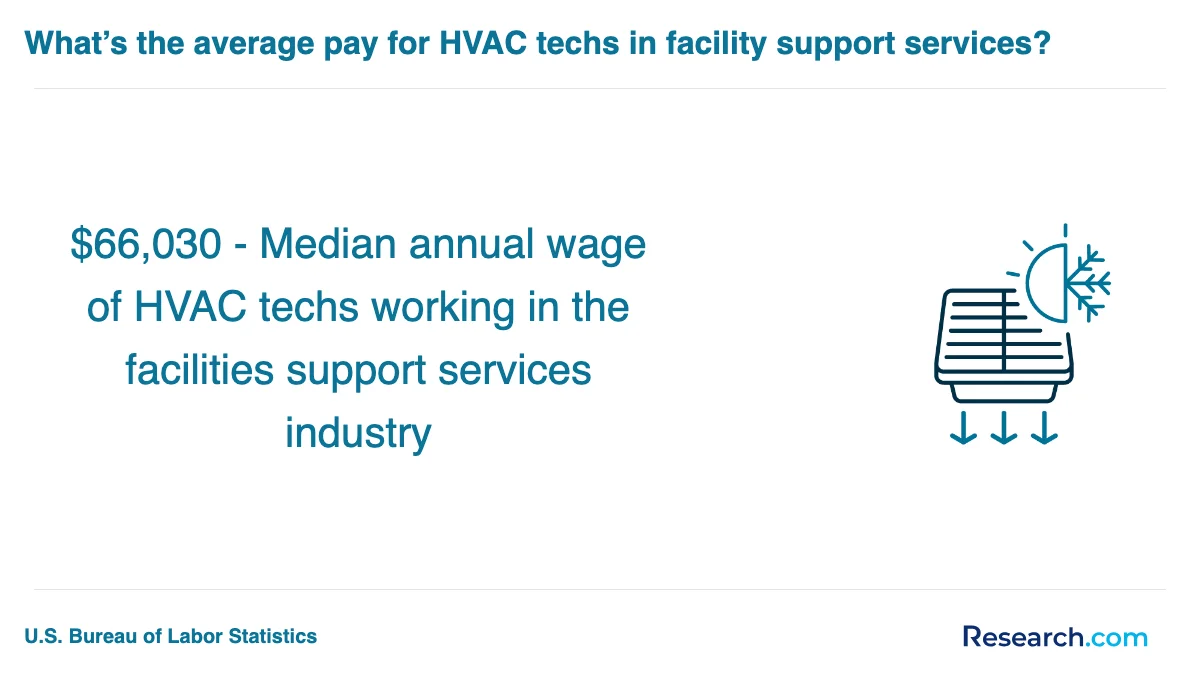
HVAC technician trade school programs in New Mexico typically include a blend of essential courses that prepare students for real-world HVAC challenges. Graduates from schools like Central New Mexico Community College and Doña Ana Community College often highlight hands-on learning as a key benefit, where they actively install, maintain, and troubleshoot HVAC systems in well-equipped labs.
Core courses generally cover:
- Refrigeration fundamentals: Understanding heat transfer and refrigeration cycles, crucial for managing cooling systems in New Mexico's varying climate.
- Basic electricity for HVAC: Learning wiring and circuitry specific to heating and cooling equipment, which graduates find immediately applicable on the job.
- EPA regulations and safety: Preparing students for EPA 608 certification by emphasizing safe refrigerant handling and environmental compliance.
- Air distribution systems: Focusing on ductwork design and airflow, skills vital for efficient heating and cooling in both homes and businesses.
- Controls and instrumentation: Training on thermostats, sensors, and automation to handle modern HVAC systems.
Students from programs like UEI College appreciate the modular format combining online theory with in-person labs, enabling completion in about 10 months. Apprenticeship options, such as those through ABC New Mexico, provide extensive paid on-the-job training alongside classroom hours, ensuring graduates feel confident tackling real HVAC problems.
HVAC technician specializations in New Mexico commonly focus on residential, commercial, and industrial applications, allowing students to tailor their education according to their career goals. For example, graduates from Central New Mexico Community College often highlight the practicality of the Residential HVAC Certificate of Completion, which equips them with essential skills for home systems installation and repair. Those pursuing broader expertise commonly enroll in programs like CNM's Commercial, Industrial HVAC & Building Performance Certificate, which emphasizes refrigeration, green building technologies, and building automation controls.
New Mexico HVAC training programs at New Mexico State University - Doña Ana Community College provide hands-on experiences, where students engage deeply with energy efficiency and smart HVAC controls, preparing them for rapid adaptation in the evolving industry. Many students appreciate the internship opportunities that connect classroom theory with real-world applications. Graduates often note the value of state-approved apprenticeships, requiring thousands of hours on the job and in the classroom, which solidify their technical confidence and job readiness.
For those balancing work and study, there are options like cheap maintenance technician training online that complement traditional programs while offering flexibility.
When selecting the best HVAC technician programs in New Mexico, start by verifying each school's accreditation and how well its curriculum aligns with state licensing requirements. Graduates from Central New Mexico Community College often praise the hands-on labs that mirror real job conditions, helping them feel confident on the first day of work. Programs that combine classroom learning with practical training in refrigeration, electrical systems, and safety prepare students thoroughly for local industry demands.
Comparing HVAC trade school costs New Mexico residents face is crucial. Many find Eastern New Mexico University - Roswell's affordable tuition and financial aid options relieve stress, allowing them to focus more on learning than on bills. Students report that access to scholarships and work-study helps make schooling manageable alongside personal responsibilities.
Look for schools offering flexible schedules and strong career support. Evening or part-time classes can fit around existing jobs, while career counseling and job placement services boost post-graduation success. For a deeper understanding of trade schools vs college options, consider reviewing the insights at trade schools vs college.
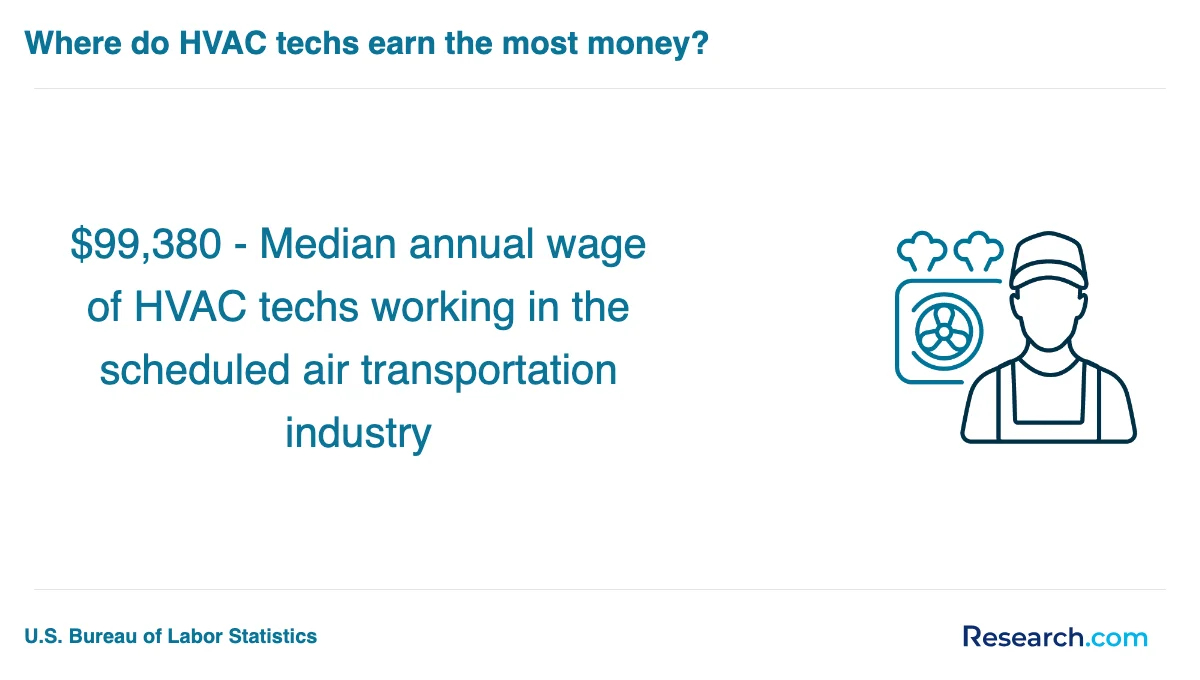
Graduates from HVAC technician trade schools in New Mexico quickly find diverse career paths available to them. Entry-level HVAC technician jobs in New Mexico commonly start with hands-on roles as installation mechanics or service technicians working in homes, hospitals, or commercial buildings. Trade school alumni often speak positively about gaining real-world skills that prepare them for these essential positions.
With experience, many graduates specialize in areas such as refrigeration, building environmental controls, or data center climate management. Opportunities include specialized roles like commercial refrigeration mechanic or clean room technician, which are especially valued in New Mexico's growing technology and research sectors.
Advancement leads to supervisory roles like maintenance foreman or operating engineer. After accumulating the required experience, technicians can pursue a journeyman certificate and apply for a contractor's license, unlocking HVAC contractor career opportunities in New Mexico that allow them to bid on projects independently or start their own business.
Many graduates from respected New Mexico trade schools appreciate how their training opens doors in both residential and commercial markets, offering steady employment with potential growth. For those curious about compensation, consider learning what is the salary of an hvac technician to better gauge the career value.
The job market for HVAC technician trade school graduates in New Mexico remains robust, with over 200 positions statewide and about 128 openings concentrated in Albuquerque. Graduates from popular trade schools report positive outcomes, finding opportunities in diverse settings such as hospitals, casinos, and government facilities. These roles often provide not just a steady paycheck but benefits like health insurance and 401(k) plans, adding to overall job satisfaction.
For HVAC technician employment opportunities New Mexico-wide, practical skills gained at local trade schools prove essential. Graduates often highlight how hands-on training with installation and repair of HVAC systems prepares them for real-world challenges, from servicing residential homes to complex commercial systems.
Wages reflect this demand, with entry-level salaries around $28 per hour rising to $45 or more for certified technicians. Employers seek candidates with EPA certification and troubleshooting expertise, qualities emphasized in accredited local programs.
Many graduates experience a smooth transition from training to work, benefiting from the benefits and differences between hvac certification and apprenticeship that can shape career paths favorably.
Most Affordable HVAC Technician Schools & Training - Budget-Friendly HVAC Trade Programs in New Mexico for 2026
# 1 position
Clovis Community College - Heating, Air Conditioning, Ventilation and Refrigeration Maintenance Technology/Technician.
associateClovis Community College offers a hybrid program in Heating, Air Conditioning, Ventilation and Refrigeration Maintenance Technology/Technician that prepares students to repair, install, service, and maintain HVAC and refrigeration systems. The curriculum includes training in diagnostic techniques, testing equipment use, and principles of mechanics, electricity, and electronics related to these systems. Annual in-state tuition is $1,472. The program is accredited by the Higher Learning Commission.
# 2 position
Clovis Community College - Heating, Air Conditioning, Ventilation and Refrigeration Maintenance Technology/Technician.
certificate or diplomaClovis Community College offers a hybrid program in Heating, Air Conditioning, Ventilation and Refrigeration Maintenance Technology/Technician. The curriculum prepares students to repair, install, service, and maintain heating, air conditioning, and refrigeration systems, emphasizing diagnostic techniques and the use of testing equipment. Instruction covers mechanics, electricity, and electronics principles relevant to these systems. The program’s annual in-state tuition is $1,472 and is accredited by the Higher Learning Commission.
# 3 position
Central New Mexico Community College - Heating, Air Conditioning, Ventilation and Refrigeration Maintenance Technology/Technician.
associateCentral New Mexico Community College offers a hybrid Heating, Air Conditioning, Ventilation and Refrigeration Maintenance Technology/Technician program. It prepares students to repair, install, service, and maintain heating, air conditioning, and refrigeration systems. Instruction covers diagnostic techniques, testing equipment, and principles of mechanics, electricity, and electronics. The program is accredited by the Higher Learning Commission. Annual in-state tuition is $1,934.
# 4 position
Central New Mexico Community College - Heating, Air Conditioning, Ventilation and Refrigeration Maintenance Technology/Technician.
certificate or diplomaCentral New Mexico Community College offers a hybrid program in Heating, Air Conditioning, Ventilation and Refrigeration Maintenance Technology/Technician. The curriculum prepares students to repair, install, service, and maintain heating, air conditioning, and refrigeration systems, covering diagnostic techniques, testing equipment, and principles of mechanics, electricity, and electronics. The annual in-state tuition is $1,934, and the program is accredited by the Higher Learning Commission.
# 5 position
Eastern New Mexico University-Roswell Campus - Heating, Air Conditioning, Ventilation and Refrigeration Maintenance Technology/Technician.
associateEastern New Mexico University-Roswell Campus offers a hybrid program in Heating, Air Conditioning, Ventilation and Refrigeration Maintenance Technology/Technician. The curriculum prepares students to repair, install, service, and maintain heating, air conditioning, and refrigeration systems. Instruction covers diagnostic techniques, testing equipment, and principles of mechanics, electricity, and electronics. Annual in-state tuition is $2,256. The program is accredited by the Higher Learning Commission.
# 6 position
Eastern New Mexico University-Roswell Campus - Heating, Air Conditioning, Ventilation and Refrigeration Maintenance Technology/Technician.
certificate or diplomaEastern New Mexico University-Roswell Campus offers a hybrid program in Heating, Air Conditioning, Ventilation and Refrigeration Maintenance Technology/Technician. This program trains students to repair, install, service, and maintain HVAC and refrigeration systems. Instruction covers diagnostic techniques, testing equipment use, and principles of mechanics, electricity, and electronics related to these systems. Annual in-state tuition is $2,256. The program is accredited by the Higher Learning Commission.
# 7 position
New Mexico State University-Dona Ana - Heating, Air Conditioning, Ventilation and Refrigeration Maintenance Technology/Technician.
associateThe Heating, Air Conditioning, Ventilation and Refrigeration Maintenance Technology/Technician program at New Mexico State University-Dona Ana offers a hybrid format with some distance education. It trains students to repair, install, service, and maintain heating, air conditioning, and refrigeration systems. Instruction covers diagnostic techniques, testing equipment, and principles of mechanics, electricity, and electronics. The program’s annual in-state tuition is $2,322 and it is accredited by the Higher Learning Commission.
# 8 position
New Mexico State University-Dona Ana - Heating, Air Conditioning, Ventilation and Refrigeration Maintenance Technology/Technician.
certificate or diplomaNew Mexico State University-Dona Ana offers a hybrid program in Heating, Air Conditioning, Ventilation and Refrigeration Maintenance Technology/Technician. The program trains students to repair, install, service, and maintain HVAC and refrigeration systems, emphasizing diagnostic techniques and the use of testing equipment. Instruction includes mechanics, electricity, and electronics principles related to this field. Annual in-state tuition is $2,322. The program is accredited by the Higher Learning Commission.
# 9 position
Santa Fe Community College - Heating, Air Conditioning, Ventilation and Refrigeration Maintenance Technology/Technician.
certificate or diplomaSanta Fe Community College offers a hybrid Heating, Air Conditioning, Ventilation and Refrigeration Maintenance Technology/Technician program. It prepares students to repair, install, service, and maintain heating, air conditioning, and refrigeration systems. Instruction covers diagnostic techniques, testing equipment, and principles of mechanics, electricity, and electronics related to system repairs. The program’s annual in-state tuition is $2,145 and it is accredited by the Higher Learning Commission.
Frequently Asked Questions about HVAC technician
After completing an HVAC technician trade school in New Mexico, preparing for the job market involves several key steps. First, obtaining EPA Section 608 certification is essential, as it is federally required for handling refrigerants. Many trade schools include this certification in their curriculum. Next, gaining hands-on experience through internships or apprenticeships helps build practical skills and improves employability.
Networking with local HVAC companies and joining professional organizations, such as the New Mexico Chapter of the Refrigeration Service Engineers Society (RSES), can open job opportunities. According to the U.S. Bureau of Labor Statistics, New Mexico's HVAC employment is expected to grow by 8% through 2031, reflecting steady demand.
Finally, creating a strong resume highlighting technical skills and certifications is crucial when applying for entry-level positions.
Employers in New Mexico prioritize several key skills when hiring HVAC technician trade school graduates. Technical proficiency in system installation, maintenance, and repair is essential, as HVAC technology evolves rapidly. According to the U.S. Bureau of Labor Statistics, practical knowledge of electric controls and refrigerant handling is highly valued. Strong troubleshooting abilities and familiarity with energy-efficient systems are increasingly important due to state energy standards.
Communication skills also matter, since technicians must explain issues clearly to clients. Additionally, safety awareness and adherence to EPA regulations are critical to meet legal requirements. Trade schools focusing on hands-on training and up-to-date certifications better prepare students for these employer expectations.
Finding internships relevant to HVAC technician trade school programs in New Mexico involves several strategic steps. Start by contacting the career services offices of local trade schools, such as Central New Mexico Community College, which often maintain partnerships with regional HVAC companies. These schools can provide internship listings tailored to their curriculum.
Networking is also essential. Joining local trade organizations like the New Mexico Mechanical Contractors Association can connect students with employers offering hands-on experience.
The U.S. Department of Labor's Apprenticeship Finder tool can help identify registered HVAC apprenticeship programs in New Mexico, which often include paid internship components. According to the New Mexico Department of Workforce Solutions, HVAC technician roles are projected to grow by 5% through 2030, increasing internship availability.
Additionally, attending job fairs and monitoring platforms such as New Mexico Workforce Connection can uncover seasonal internship opportunities with local HVAC contractors.
Obtaining a diploma from a HVAC technician trade school in New Mexico significantly enhances career mobility and advancement opportunities. According to the New Mexico Department of Workforce Solutions, skilled HVAC technicians earn a median wage of around $48,000 annually, with potential growth due to ongoing demand. Having a diploma demonstrates verified technical skills, making graduates more competitive for entry-level and supervisory roles.
Trade school programs also prepare students for industry certifications often required by employers, such as EPA Section 608. This certification is essential for handling refrigerants legally and can open doors to higher-paying positions. Employers in New Mexico tend to prioritize candidates with formal training, which accelerates career progression.
Additionally, New Mexico's growing construction and maintenance sectors, especially in urban areas like Albuquerque and Santa Fe, create steady job opportunities. Graduates with diplomas are better positioned to access these openings and qualify for apprenticeships or specialized HVAC roles, supporting upward social mobility.
Part-time job opportunities in New Mexico that complement HVAC technician trade school education often include roles such as HVAC helper, maintenance assistant, and entry-level installer. These positions provide practical experience with heating, ventilation, and air conditioning systems, reinforcing the skills learned in class. According to the U.S. Bureau of Labor Statistics, New Mexico's HVAC job market is expected to grow by 5% through 2031, indicating steady demand.
Working with local HVAC contractors or property management companies can expose students to real-world troubleshooting and customer service. Additionally, jobs in related fields like electrical or plumbing assistance often overlap with HVAC tasks, offering broader hands-on learning opportunities.
To find the most affordable HVAC Technician degree program near you, consider utilizing local community colleges and technical schools as they often offer budget-friendly options. If you're specifically seeking programs near New Mexico, institutions such as Central New Mexico Community College could serve as a starting point. Use resources like Research.com to compare and analyze the offerings and pricing of different HVAC programs near me and decide which one suits your needs best.
- Most Affordable HVAC Technician Schools & Training - Budget-Friendly HVAC Trade Programs in Oklahoma for 2026
- Most Affordable HVAC Technician Schools & Training - Budget-Friendly HVAC Trade Programs in Kansas for 2026
- Most Affordable HVAC Technician Schools & Training - Budget-Friendly HVAC Trade Programs in California for 2026
- Most Affordable HVAC Technician Schools & Training - Budget-Friendly HVAC Trade Programs in Missouri for 2026
- Most Affordable HVAC Technician Schools & Training - Budget-Friendly HVAC Trade Programs in Arkansas for 2026
- Most Affordable HVAC Technician Schools & Training - Budget-Friendly HVAC Trade Programs in Louisiana for 2026
- Most Affordable HVAC Technician Schools & Training - Budget-Friendly HVAC Trade Programs in South Dakota for 2026
- Most Affordable HVAC Technician Schools & Training - Budget-Friendly HVAC Trade Programs in Iowa for 2026
- Most Affordable HVAC Technician Schools & Training - Budget-Friendly HVAC Trade Programs in Minnesota for 2026
- Most Affordable HVAC Technician Schools & Training - Budget-Friendly HVAC Trade Programs in Wisconsin for 2026
- How to write an HVAC Technician cover letter https://hipcv.com/guides/hvac-technician-cover-letter
- 6 Hvac Technician Cover Letter Examples & Templates for 2025 | Himalayas https://himalayas.app/cover-letters/hvac-technician
- 13 HVAC Technician Cover Letter Examples: Plus Recruiter Insights (Updated for 2025) https://resumeworded.com/cover-letter-samples/hvac-technician
- Career Expectations for HVAC Technicians | The Training Center of Air Conditioning & Heating https://www.thetrainingcenterofairconditioningandheating.com/hvac-career/career-expectations-for-hvac-technicians/
- How to Become an HVAC Technician in 2025 | The Ultimate Career Guide - InterCoast Colleges https://intercoast.edu/articles/become-hvac-technician/
- How Long is Trade School for HVAC Technicians? | CBT Technology Institute https://www.cbt.edu/blog/how-long-is-trade-school-for-hvac-technicians/
- How Long Does HVAC Training Take? What To Know Before You Start https://www.aai.edu/how-long-does-hvac-training-take-what-to-know-before-you-start/
- HVACR Trade School | HVAC Technician Training Program https://www.uti.edu/programs/hvacr
- How Hard Is HVAC School? Courses, Training & What to Expect https://www.genesiscareer.edu/how-hard-is-hvac-school-training-expectations/
- HVAC Trade School | Edvisors https://www.edvisors.com/plan-for-college/careers/hvac-trade-school/


