
Best HVAC Technician Training Programs & Trade Schools - Top HVAC Tech Schools in Minnesota for 2026

Co-Founder and Chief Data Scientist
Choosing the right HVAC technician trade school in Minnesota can shape your future career. This article introduces a carefully researched ranking of HVAC technician trade school programs, created by the Research.com team of data scientists to help you make an informed decision.
Whether you’re starting fresh or seeking new skills, earning a diploma or certification opens doors to rewarding job opportunities. Exploring these top programs will give you confidence in your educational path and inspire you to take the next step toward a successful HVAC career.
Key benefits of finishing HVAC technician trade school in Minnesota
- Graduates from HVAC technician trade schools in Minnesota can expect starting salaries around $27.68 per hour, with opportunities to earn up to $31.64 per hour in cities like Minneapolis, making it a rewarding career choice.
- Career paths include hands-on technician roles, specialized HVAC system installation, and supervisory positions, as shown by successful alumni from popular Minnesota trade schools who advance quickly in the field.
- Completing HVAC training online offers flexibility and convenience, allowing students to balance work and study effectively, as experienced by graduates of well-known online HVAC programs in Minnesota.
- Best HVAC Technician Training Programs & Trade Schools - Top HVAC Tech Schools in Minnesota for 2026
- What can I expect from HVAC technician trade schools in Minnesota?
- Where can I work after finishing HVAC technician trade schools in Minnesota?
What can I expect from HVAC technician trade schools in Minnesota?
Diving into a Minnesota HVAC technician trade school is like stepping into a hands-on adventure where theory meets gritty real-world action. Imagine yourself in a state-of-the-art lab at a top school, surrounded by buzzing electrical controls and air quality sensors, learning to diagnose and fix complex HVAC/R systems. Graduates often recall fabricating and installing piping made from copper, steel, and plastic-skills that transform classroom lessons into tangible expertise.
Expect a strong focus on safety, with OSHA standards drilled into your routine, making sure you're ready for any job site challenge. You'll also prepare for certifications like the EPA Section 608 refrigerant handling license, essential for Minnesota's HVAC industry.
Classes flex around your life, with day and evening options, and some programs even offer short-term tracks to jumpstart your career quickly. Graduates feel confident knowing they've trained on the latest energy codes and technology updates, making them valuable hires from day one.
Where can I work after finishing HVAC technician trade schools in Minnesota?
Graduates from HVAC technician trade schools in Minnesota often find themselves stepping into diverse roles that feel anything but ordinary. Picture finishing your hands-on training at a popular Minnesota trade school, then landing a job with a local HVAC company, where one day you're troubleshooting a heating system in a cozy home, and the next you're installing a commercial air conditioning unit in a bustling office building. It's the variety that keeps the work exciting and rewarding.
Many alumni recall the satisfaction of joining facilities management teams at hospitals or universities, where their skills keep critical systems running smoothly-knowing your work helps patients and students stay comfortable brings a real sense of pride. Some grads even dive into construction firms, collaborating on new builds and ensuring every duct and vent meets strict codes. With Minnesota's climate swings, job stability and growth are solid, and top technicians earn salaries above $80,000, making it a smart career move.
After finishing an HVAC technician trade school program in Minnesota, many graduates find themselves pulling in an hourly wage between $27 and $31. Imagine stepping out of a classroom in Minneapolis or Duluth, diploma in hand, and landing a job that pays about $27.68 an hour on average-enough to turn heads when you see your first paycheck. One recent graduate told of working overtime in Minneapolis, raking in an extra $6,750 a year on top of the base pay. That's real cash for real effort.
Starting out, you might clock in closer to $21 per hour, but that's no ceiling. With each skill sharpened and certificate earned, the pay climbs steadily toward the $30 mark and beyond. Graduates from popular Minnesota trade schools often share stories of moving up quickly, upgrading their paychecks as they master new HVAC technologies and take on supervisory roles.
Whether you're in the Twin Cities or a smaller town, the demand and wages make it clear: HVAC trade school grads in Minnesota are stepping into a career that pays well and grows with them.
- Most HVAC programs in Minnesota require a high school diploma or GED and offer classroom plus hands-on training with modern equipment.
- Minnesota does not require a state license for HVAC technicians, but cities like Minneapolis and St. Paul require a certificate of competency for certain trades.
- Many programs can be completed in under a year, such as the 10-month Heating & Cooling Technician program at Minnesota North College.
- Tuition typically ranges from $5,000 to $15,000, often including materials and certification exam vouchers, with financial aid options available.
- Entry-level HVAC technicians in Minnesota usually start around $45,000 to $50,000 annually, with experienced workers earning $60,000 or more.
In Minnesota, diving into an HVAC technician trade school program typically wraps up in about 9 to 12 months, a timeframe that feels just right for many eager learners. Graduates from well-known schools like Dunwoody College of Technology often share how the intense, hands-on curriculum kept their days packed but fulfilling, turning complex concepts into real-world skills before they knew it.
Imagine spending a year mastering everything from furnace repairs on chilly Minneapolis mornings to air conditioner installations during summer heatwaves. This practical immersion means you're not just learning theory-you're prepping for the moment you step into a technician's boots, toolbox in hand, ready to tackle any challenge.
Many students appreciate that the program's pace is brisk yet manageable, allowing them to stay motivated without feeling overwhelmed. By the time they graduate, they often feel a confident mix of pride and excitement, knowing they've earned a credential that opens doors across Minnesota's booming HVAC industry.
Picture yourself juggling a full-time job or family while diving into HVAC studies-this is where online programs in Minnesota shine. Graduates often praise the freedom to watch video lectures and tackle assignments on their own clock, making it easier to blend learning with life's chaos. Yet, many discover the downside quickly: the absence of hands-on labs leaves them craving real-world practice. Some online programs try to bridge this gap by partnering with local facilities for occasional in-person sessions, but these moments are few and far between.
On the flip side, stepping onto the campus of Minneapolis College or Hennepin Technical College means immersing yourself in buzzing labs with real HVAC systems. Graduates rave about the thrill of diagnosing and fixing equipment under the watchful eyes of seasoned instructors. One recalls the unique experience of training in Minneapolis College's indoor air quality house, where theory turns tactile. Here, face-to-face feedback and networking foster confidence that no screen can replicate.
The average HVAC technician program cost in Minnesota is a patchwork of options, reflecting the diversity of pathways to becoming a skilled trade pro. Graduates from vibrant vocational schools share that certificate programs hover between $1,200 and $15,000 for six to twelve months of hands-on learning, a sweet spot for those eager to hit the workforce quickly without drowning in debt.
Then there are the community colleges, where in-state tuition leans around $4,868 per year, creating a more predictable budget for local residents. Out-of-state students face nearly double that, about $8,614 annually, yet many feel the investment brings solid value given the quality of Minnesota's HVAC training. Private colleges crank the price tag even higher - north of $15,000 yearly - but some graduates swear by the refined experience and networking perks.
Apprenticeships, a favorite among 'earn-while-you-learn' enthusiasts, offer a unique blend of classroom time and real-world application, costing between $500 and $2,000 annually over three to five years. These programs run by bodies like the Joint Apprenticeship Training Committee of Steamfitters Pipefitters Local 455 in St. Paul charge tuition per credit, ranging approximately from $173 to $273, which many find affordable for gaining trusted certification.
When crunching tuition fees for HVAC trade schools in Minnesota, don't forget the extras: books, supplies ($500-$1,000 yearly), and living expenses that can tip the scales by $5,000 to $10,000 annually. Many students recommend exploring financial aid to smooth the journey.
To find the best fit tailored to your goals and budget, check out the best online trade school programs-sometimes the perfect blend of cost-efficiency and flexibility awaits just a click away.
Imagine stepping into Century College or Hennepin Technical College, where the buzz isn't just from HVAC units but also from the relief of affordable tuition thanks to Minnesota's state funding. Graduates often recall how filling out the FAFSA unlocked federal grants like the Pell Grant, which felt like finding a secret stash of funds that didn't need repayment. Others describe juggling part-time jobs through the Federal Work-Study program, balancing hands-on training with earning cash to ease expenses.
Some lucky students share stories of winning institutional scholarships-Century College Foundation alone awards over $300,000 yearly, turning dreams into reality for many HVAC trainees. For those outside federal aid, tales emerge of workforce development boards and vocational rehab stepping in, covering costs for displaced workers or those retraining for a fresh start under the Workforce Innovation and Opportunity Act.
Local industry partnerships and utility companies sometimes surprise students with grants or sponsorships, making the path to becoming a skilled Minnesota HVAC tech not just achievable but exciting.
When stepping into HVAC technician trade schools in Minnesota, the prerequisites are refreshingly straightforward, designed to welcome eager hands and curious minds. Most programs expect students to have a high school diploma or a GED-think of it as your golden ticket to unlocking the cool world of heating and cooling.
Graduates from popular Minnesota trade schools often share how a basic grasp of math-especially algebra-made their start smoother, helping them tackle technical manuals and calculations with confidence. Some schools ask for a background in science or mechanical skills, but don't worry-enthusiasm often outweighs prior experience.
- Minimum age requirement usually 18 years
- High school diploma or GED
- Basic math and science knowledge recommended
- Physical ability to handle tools and equipment
Imagine a morning at a bustling trade school in Minneapolis, where a new student, fresh from a local high school, learns to wield a multimeter with a grin. Their only prerequisite? A passion for hands-on work and a readiness to dive into Minnesota's dynamic HVAC industry.
Imagine yourself in a bustling Minnesota trade school, diving into the nuts and bolts of HVAC mastery. Graduates often recall the thrill of cracking the code behind thermodynamics and heating/cooling cycles, where understanding how heat moves feels like unlocking nature's secret. The journey kicks off with solid grounding in electricity and electronics, helping you confidently navigate complex wiring in real-world furnace repairs or rooftop unit installations.
Hands-on sessions bring system diagnostics, troubleshooting, and repair alive-picture diagnosing a stubborn commercial HVAC unit that others gave up on. Refrigeration theory isn't just theory here; it's the gateway to passing the crucial EPA Section 608 certification, a must-have for handling refrigerants safely in Minnesota's climate.
- Indoor air quality and ventilation-think testing carbon monoxide levels in chilly Minnesota homes
- Sheet metal and piping fabrication-crafting copper or steel components like a true artisan
- Safety procedures and tool use-learning to work smart and safe in every scenario
These courses prepare you not just for a job, but for a career where every challenge feels like a victory.
HVAC technician specializations in Minnesota open doors to many exciting career paths. Graduates from Minneapolis Community & Technical College often share how hands-on learning about Residential HVAC Systems gave them confidence to tackle real homes' heating and cooling challenges immediately. Meanwhile, students diving into Commercial HVAC Systems at Dunwoody College of Technology get energized by mastering complex business-grade systems and commercial refrigeration, reflecting how Minnesota HVAC training program specializations adapt to diverse environments.
Here's a snapshot of what you might explore:
- Residential HVAC: Installation, upkeep, and repairs tailored for homes.
- Commercial HVAC: Larger-scale systems, industrial controls, and refrigeration expertise.
- Refrigeration Technology: Understanding core refrigeration principles, perfect for those fascinated by cold storage solutions.
- Sheet Metal Fabrication: Crafting essential components like copper and steel pipes, a skillset many seasoned grads praise for job flexibility.
- Energy Efficiency and Green Technologies: Learning sustainable approaches fits Minnesota's growing eco-conscious market.
These paths equip students with practical skills and align with industry trends. For anyone weighing options, exploring hvac certificate programs vs apprenticeships can clarify your best route in this vibrant field.
Choosing the best HVAC technician trade school in Minnesota means diving into the real heartbeat of hands-on learning. Graduates from schools around the Twin Cities often share how their programs blended classroom theory with gritty, practical experience on complex systems-turning confusion into confidence. Picture yourself troubleshooting a Minneapolis office building's heating during a frozen January morning; the right program prepares you to tackle that challenge without breaking a sweat. Look for schools that emphasize up-to-date equipment and certifications reflecting Minnesota's climate demands.
Many find that visiting campuses like those in St. Paul or Rochester and chatting with recent graduates illuminates what's truly valuable: instructors who've worked in the field, clear career pathways, and internships that lead straight to jobs. These aspects transform education into a springboard for success and joy in your work.
For deeper insights on trade opportunities, explore trade school degrees that pay well to guide your investment wisely and enter the Minnesota HVAC field ready to thrive.
Graduates of HVAC technician trade school programs in Minnesota find themselves at the gateway to a multitude of rewarding career paths. From hands-on roles like HVAC installer or refrigeration technician to more advanced positions such as lead technician or supervisor, the journey is dynamic and filled with real-world impact. Many graduates from popular Minnesota trade schools share stories of jumping into the bustling world of commercial refrigeration technician jobs Minnesota, where skills are in high demand and daily challenges build expertise quickly.
Typical career options include:
- Entry-level HVAC service technician roles in residential or business settings
- Specializing in commercial refrigeration, a field with steady job growth and job openings
- Taking on certifications like EPA refrigerant handling to boost credentials
- Advancing to project management, HVAC system design, or energy auditing
One graduate recalled how their hands-on training at a top trade school not only sharpened technical skills but sparked entrepreneurial ambitions, leading them to start a local HVAC business. For those who prefer to teach, opportunities to become instructors or support roles within apprenticeship programs also abound. The thriving market in Minnesota ensures graduates experience job security and ongoing advancement. Explore more options at vocational trade training schools to kickstart a meaningful HVAC technician career opportunity in Minnesota.
Graduates from Minnesota HVAC technician trade schools step into a bustling job market hungry for their skills. In cities like Saint Paul and Minneapolis, over 400 HVAC technician job openings pop up regularly, making the hunt for your first role feel more like a choice than a challenge. Many graduates share how their hands-on training at popular Minnesota trade schools helped them confidently tackle real-world systems, landing jobs quickly.
The energy demand here is relentless-cold winters and hot summers mean HVAC systems need constant care. This fuels robust HVAC technician job opportunities in Minnesota, where employers eagerly seek technicians armed with EPA certification and up-to-date knowledge.
Typical wages are just as inviting:
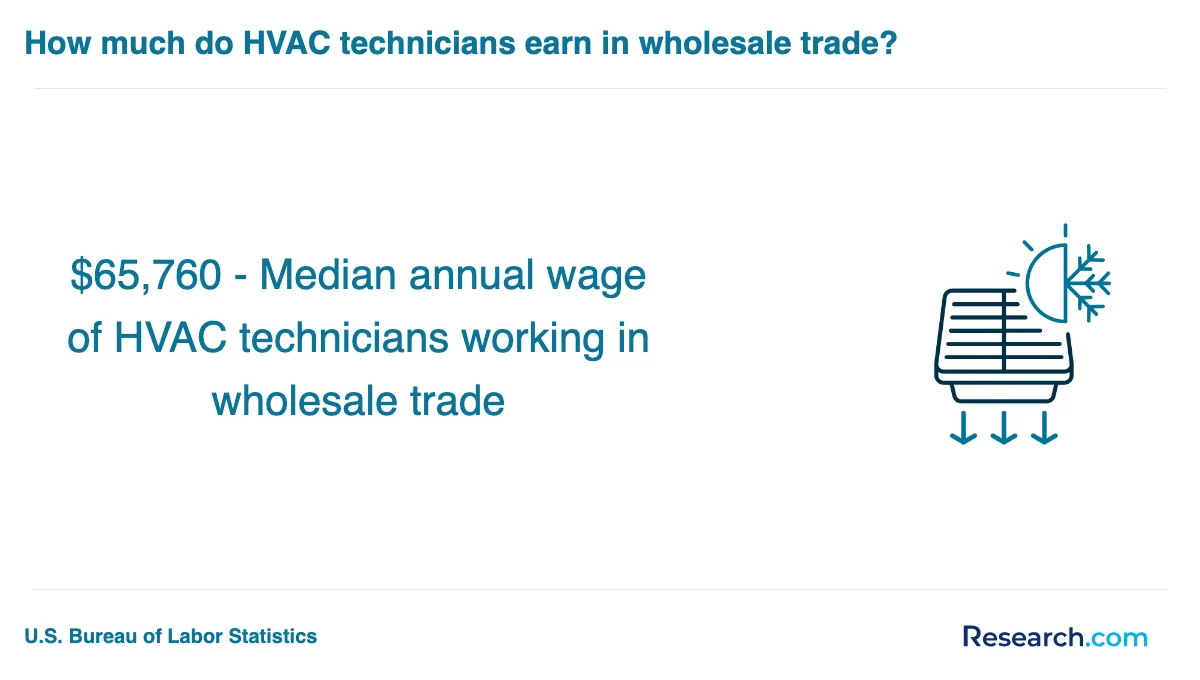
- Median pay sits at $32.94 per hour, with many reaching $40 or more with experience
- Top-paying Minneapolis roles hit $49 hourly or upwards of $84,000 annually
One graduate remarked how mastering these skills paved a steady career path with promising growth. To better understand Minnesota HVAC technician salary and job growth, explore what is the salary of an hvac technician.
Best HVAC Technician Training Programs & Trade Schools - Top HVAC Tech Schools in Minnesota for 2026
# 1 position
Dakota County Technical College - Heating, Air Conditioning, Ventilation and Refrigeration Maintenance Technology/Technician.
associateDakota County Technical College offers a hybrid Heating, Air Conditioning, Ventilation and Refrigeration Maintenance Technology/Technician program. It trains students in repairing, installing, and maintaining HVAC and refrigeration systems, including diagnostic techniques and the use of testing equipment. The program covers mechanics, electricity, and electronics principles. Annual in-state tuition is $6,419. Graduates have median earnings of $52,079 one year after completion. The program is accredited by the Higher Learning Commission.
# 2 position
Dakota County Technical College - Heating, Air Conditioning, Ventilation and Refrigeration Maintenance Technology/Technician.
certificate or diplomaDakota County Technical College offers a hybrid program in Heating, Air Conditioning, Ventilation and Refrigeration Maintenance Technology/Technician. The program trains students to repair, install, service, and maintain HVAC and refrigeration systems using diagnostic techniques and testing equipment. Tuition for in-state students is $6,419 annually. Graduates earn a median salary of $52,079 one year after completion. The program is accredited by the Higher Learning Commission.
# 3 position
Hennepin Technical College - Heating, Air Conditioning, Ventilation and Refrigeration Maintenance Technology/Technician.
associateHennepin Technical College offers a hybrid program in Heating, Air Conditioning, Ventilation and Refrigeration Maintenance Technology/Technician. The curriculum covers repair, installation, service, and maintenance of HVAC and refrigeration systems, including diagnostic techniques and the use of testing equipment. Instruction focuses on mechanics, electricity, and electronics principles related to these systems. Annual in-state tuition is $5,881. Median earnings one year after completion are $65,592. The program is accredited by the Higher Learning Commission.
# 4 position
Hennepin Technical College - Heating, Air Conditioning, Ventilation and Refrigeration Maintenance Technology/Technician.
certificate or diplomaHennepin Technical College offers a hybrid program in Heating, Air Conditioning, Ventilation, and Refrigeration Maintenance Technology/Technician. The curriculum prepares students to repair, install, and maintain heating, air conditioning, and refrigeration systems using technical knowledge, diagnostic techniques, and testing equipment. Instruction covers mechanics, electricity, and electronics principles relevant to system repair. The annual in-state tuition is $5,881. Graduates have median earnings of $65,592 one year after completion. The program is accredited by the Higher Learning Commission.
# 5 position
Minnesota West Community and Technical College - Heating, Air Conditioning, Ventilation and Refrigeration Maintenance Technology/Technician.
associateMinnesota West Community and Technical College offers a hybrid program in Heating, Air Conditioning, Ventilation and Refrigeration Maintenance Technology/Technician. The curriculum prepares students to repair, install, service, and maintain heating, air conditioning, and refrigeration systems. Instruction includes diagnostic techniques, use of testing equipment, and principles of mechanics, electricity, and electronics. The program’s annual in-state tuition is $6,484 and it is accredited by the Higher Learning Commission.
# 6 position
Minnesota West Community and Technical College - Heating, Air Conditioning, Ventilation and Refrigeration Maintenance Technology/Technician.
certificate or diplomaMinnesota West Community and Technical College offers a hybrid program in Heating, Air Conditioning, Ventilation and Refrigeration Maintenance Technology/Technician. The program prepares students to repair, install, service, and maintain HVAC and refrigeration systems, emphasizing diagnostic techniques and the use of testing equipment. Instruction includes mechanics, electricity, and electronics principles. Annual in-state tuition is $6,484. The program is accredited by the Higher Learning Commission.
# 7 position
St Cloud Technical and Community College - Heating, Air Conditioning, Ventilation and Refrigeration Maintenance Technology/Technician.
associateThe Heating, Air Conditioning, Ventilation and Refrigeration Maintenance Technology/Technician program at St Cloud Technical and Community College offers a hybrid format with some distance education. It trains students to repair, install, service, and maintain HVAC and refrigeration systems using diagnostic techniques and testing equipment. The program covers mechanics, electricity, and electronics principles related to these systems. Annual in-state tuition is $4,957. The program is accredited by the Higher Learning Commission. Median earnings one year after completion are $57,178.
# 8 position
St Cloud Technical and Community College - Heating, Air Conditioning, Ventilation and Refrigeration Maintenance Technology/Technician.
certificate or diplomaThe Heating, Air Conditioning, Ventilation and Refrigeration Maintenance Technology/Technician program at St Cloud Technical and Community College prepares students to repair, install, service, and maintain HVAC and refrigeration systems. This hybrid program covers diagnostic techniques, testing equipment, and principles of mechanics, electricity, and electronics related to these systems. The annual in-state tuition is $4,957, and students have median earnings of $57,178 one year after completion. The program is accredited by the Higher Learning Commission.
# 9 position
Northland Community and Technical College - Heating, Air Conditioning, Ventilation and Refrigeration Maintenance Technology/Technician.
associateNorthland Community and Technical College offers a hybrid program in Heating, Air Conditioning, Ventilation and Refrigeration Maintenance Technology/Technician. This program prepares students to repair, install, service, and maintain heating, air conditioning, and refrigeration systems. Instruction covers diagnostic techniques, testing equipment, and principles of mechanics, electricity, and electronics related to these systems. Annual in-state tuition is $6,262. The program is accredited by the Higher Learning Commission.
# 10 position
Northland Community and Technical College - Heating, Air Conditioning, Ventilation and Refrigeration Maintenance Technology/Technician.
certificate or diplomaNorthland Community and Technical College offers a hybrid program in Heating, Air Conditioning, Ventilation and Refrigeration Maintenance Technology/Technician. The curriculum covers repairing, installing, servicing, and maintaining HVAC and refrigeration systems, including diagnostic techniques and the use of testing equipment. Instruction also includes principles of mechanics, electricity, and electronics relevant to these systems. Annual in-state tuition is $6,262, and the program is accredited by the Higher Learning Commission.
Frequently Asked Questions about HVAC technician
After completing an HVAC technician trade school in Minnesota, preparing for the job market involves several key steps. First, obtaining industry certifications, such as the EPA Section 608 certification, is essential for legal refrigerant handling. Many employers also value additional credentials like NATE (North American Technician Excellence) certification. Networking through internships or job fairs hosted by trade schools can connect graduates with local employers.
The Minnesota Department of Employment and Economic Development reports steady growth in HVAC jobs, with a projected 10% increase by 2030, highlighting strong demand. Building a professional resume emphasizing hands-on skills and certifications improves hiring chances. Finally, staying updated on state licensing requirements and continuing education helps maintain competitiveness in the evolving HVAC field.
Employers in Minnesota highly value HVAC technician graduates who possess strong technical skills, including the ability to install, maintain, and repair heating, ventilation, and air conditioning systems. Proficiency in reading blueprints and electrical diagrams is essential, as is familiarity with the latest HVAC technologies and energy-efficient systems. According to the Minnesota Department of Employment and Economic Development, candidates with hands-on experience gained through trade school labs or apprenticeships have a competitive edge.
Critical soft skills such as problem-solving, communication, and customer service are also important. Employers expect technicians to diagnose issues accurately and explain solutions clearly to clients. Additionally, knowledge of state and federal safety regulations, including EPA certification for handling refrigerants, is often required.
Finding internships relevant to HVAC technician trade school programs in Minnesota involves several focused approaches. Start by contacting your trade school's career services or internship coordinator, as many Minnesota schools maintain partnerships with local employers.
Additionally, explore apprenticeship programs sponsored by unions such as the United Association Local 49, which offers registered HVAC apprenticeships combining paid work and classroom training.
Online job platforms like MinnesotaWorks.net list HVAC internship opportunities statewide. According to the Minnesota Department of Employment and Economic Development (DEED), internships in skilled trades, including HVAC, have grown by 8% annually, reflecting increased employer demand.
Networking through industry associations and attending local HVAC trade shows can also uncover hidden internships not publicly advertised.
Obtaining a HVAC technician trade school diploma in Minnesota significantly enhances career mobility and advancement opportunities. Graduates gain essential technical skills recognized by local employers, increasing their eligibility for entry-level positions in a competitive job market. According to the Minnesota Department of Employment and Economic Development (DEED), HVAC roles are projected to grow by 9% through 2030, faster than the average for all occupations.
A diploma often serves as a prerequisite for apprenticeship programs and licensing, which are critical for career progression. Certified technicians in Minnesota typically earn higher wages and access supervisory roles more quickly than those without formal credentials.
Additionally, trade school alumni benefit from industry connections and job placement support, further aiding upward mobility within the state's HVAC sector.
Part-time job opportunities in Minnesota that complement HVAC technician trade school education often involve roles related to general maintenance, electrical work, and customer service in facilities management. These positions allow students to apply fundamental skills while gaining practical experience. For instance, working as a maintenance assistant or helper for local building management companies provides exposure to HVAC systems and troubleshooting.
According to the U.S. Bureau of Labor Statistics, Minnesota's HVAC technician employment is projected to grow by 7% from 2022 to 2032, indicating ample entry-level work opportunities. Additionally, retail roles in home improvement stores can help students develop product knowledge relevant to HVAC tools and parts. Such jobs enhance both technical skills and customer interaction abilities, which are vital for future HVAC professionals.
To find the best HVAC Technician degree program near me in Minnesota, you can begin by searching for community colleges and technical schools that offer specialized HVAC training programs. Near Minnesota, institutions such as Hennepin Technical College or Dunwoody College of Technology are known for providing quality HVAC education. Research.com can be a helpful resource for comparing programs based on faculty expertise, program duration, and hands-on training opportunities.
- Best HVAC Technician Training Programs & Trade Schools - Top HVAC Tech Schools in South Dakota for 2026
- Best HVAC Technician Training Programs & Trade Schools - Top HVAC Tech Schools in Nebraska for 2026
- Best HVAC Technician Training Programs & Trade Schools - Top HVAC Tech Schools in Illinois for 2026
- Best HVAC Technician Training Programs & Trade Schools - Top HVAC Tech Schools in Missouri for 2026
- Best HVAC Technician Training Programs & Trade Schools - Top HVAC Tech Schools in Michigan for 2026
- Best HVAC Technician Training Programs & Trade Schools - Top HVAC Tech Schools in Kentucky for 2026
- Best HVAC Technician Training Programs & Trade Schools - Top HVAC Tech Schools in Oklahoma for 2026
- Best HVAC Technician Training Programs & Trade Schools - Top HVAC Tech Schools in West Virginia for 2026
- Best HVAC Technician Training Programs & Trade Schools - Top HVAC Tech Schools in Alabama for 2026
- Best HVAC Technician Training Programs & Trade Schools - Top HVAC Tech Schools in Texas for 2026
- HVAC Career Map https://hvaccareermap.org/
- 22 Career Change Ideas for HVAC Technicians: Exploring New Paths - Unmudl https://unmudl.com/blog/career-change-ideas-for-hvac-technicians
- Check Out These Nine Types of HVAC Jobs | HVAC Career Services https://eticampus.edu/career-services/not-sure-where-an-hvac-certificate-can-take-you-check-out-these-nine-types-of-hvac-jobs/
- Looking for a Great Job with Only Some College Required? Become an HVAC Technician. https://intellitec.edu/looking-for-a-great-job-with-only-some-college-required-become-an-hvac-technician/
- Heating, Ventilation, Air Conditioning and Refrigeration | Minneapolis Community & Technical College https://minneapolis.edu/academics/school-trade-technologies/heating-ventilation-air-conditioning-and-refrigeration
- How to Become an HVAC Tech in Minnesota for 2025 | Research.com https://research.com/careers/how-to-become-an-hvac-tech-in-minnesota
- HVAC/R | M State https://www.minnesota.edu/programs-and-degrees/hvac/r
- HVAC/R | Hennepin Technical College https://hennepintech.edu/academic-programs/architecture-construction/hvac.html
- HVAC Training & Certification – Minnesota Air - Minnesota Air https://mnair.com/training/
- Heating, Ventilation, Air Conditioning and Refrigeration Technology - Century College https://www.century.edu/programs/heating-ventilation-air-conditioning-and-refrigeration-technology/


