Most Affordable HVAC Technician Schools & Training - Budget-Friendly HVAC Trade Programs in Dayton for 2026

Co-Founder and Chief Data Scientist
Looking to start a rewarding career as an HVAC technician in Dayton? Choosing the right trade school is an important step toward your success. This article introduces a carefully crafted HVAC technician trade school programs ranking developed by the Research.com team of data scientists.
It’s designed to help you make an informed choice about which programs truly stand out. Earning a diploma or certification in HVAC can open doors to stable jobs and growth opportunities in a hands-on field.
Explore your options confidently and take the first step toward a bright future in HVAC technology.
Key benefits of finishing HVAC technician trade school in Dayton
- Graduates of HVAC technician trade schools in Dayton can expect an average salary around $62,857 per year, with hourly wages ranging from $27 to $28, offering a strong start in a well-paying field.
- Career paths include roles as HVAC installers, maintenance technicians, or specialists in refrigeration and high-efficiency systems, providing diverse opportunities to grow and specialize locally.
- Completing an HVAC program online offers flexibility and convenience, allowing students to balance work and study while still gaining the skills needed to enter Dayton's competitive HVAC job market quickly.
- Most Affordable HVAC Technician Schools & Training - Budget-Friendly HVAC Trade Programs in Dayton for 2026
- What can I expect from HVAC technician trade schools in Dayton?
- Where can I work after finishing HVAC technician trade schools in Dayton?
What can I expect from HVAC technician trade schools in Dayton?
When you enroll in an HVAC technician trade school program in Dayton, get ready for a mix of hands-on training and classroom learning that really prepares you for the job. Graduates from places like Butler Tech and Sinclair College often share how diving into real equipment and simulated repairs made the theories click faster. Expect to learn everything from reading wiring diagrams and electrical basics to handling refrigerants safely-skills you'll use every day on the job.
Many Dayton programs cover both residential and commercial HVAC systems, with some even offering specialized refrigeration training, which is a big plus if you want to work in places like walk-in coolers or large commercial setups. Plus, you'll prepare for important certifications like EPA 608 and OSHA 30, which open doors to better job opportunities.
Classes are flexible too, with options for full-time, evening, or weekend schedules so you can balance work and study. Graduates often mention how the strong connections to local employers and apprenticeship chances helped them land solid jobs quickly after finishing their programs.
Where can I work after finishing HVAC technician trade schools in Dayton?
After finishing an HVAC technician trade school program in Dayton, you'll find plenty of job options waiting for you. Many graduates quickly land positions as HVAC technicians, installers, or service techs with local contractors or big national companies that hire right here in Dayton. For example, some grads start out with well-known Dayton employers like Logan Services, where apprenticeships and entry-level roles help build real skills on the job while offering great chances to move up.
Working in commercial buildings like schools or hospitals, or in residential homes installing and fixing heating and cooling systems, are common paths. Some grads also specialize in refrigeration, finding steady work in grocery stores or retail environments. Many appreciate the competitive pay, starting around $20 an hour, and the clear career ladder from apprentice to lead technician.
Others take their training into public sector jobs-think school districts or city facilities-where stable schedules and benefits make the work rewarding. Dayton's booming HVAC market means you're stepping into a field with solid demand and plenty of room to grow after trade school.
After finishing an HVAC technician trade school program in Dayton, you can expect to start making around $56,000 a year, with many graduates sharing how excited they were to land jobs paying close to that right out of school. Some even saw salaries push past $62,000 within their first few years. That's about $28 to $31 an hour, which feels pretty rewarding when you think about clocking in daily and solving real problems in homes or businesses around Dayton.
Many grads from well-known Dayton trade schools mention how quickly their skills turned into steady paychecks. For example, working as an HVAC residential service technician often bumps the average salary to around $63,500 annually, or roughly $31 an hour-enough to cover living expenses comfortably in Dayton's moderate cost environment.
Plus, those who earn certifications beyond the basics or gain extra hands-on experience often report wages climbing even higher. Some have snagged positions with public employers like Dayton Public Schools, earning around $31.56 per hour, which feels like a solid step up early in their careers.
- HVAC technician programs in Dayton typically combine classroom learning with hands-on labs, lasting from 10 weeks (about 200 hours) up to 9 months with 900 hours.
- Program costs range from $6,500 to $8,050, covering tuition, supplies, and registration fees, with some schools offering financial aid or payment plans.
- Applicants usually need to be 18 or older and have a high school diploma or equivalent, with few additional prerequisites or test requirements.
- Students can earn certifications like EPA Refrigerant Recovery and NCCER HVAC credentials, which are important for job opportunities and career growth.
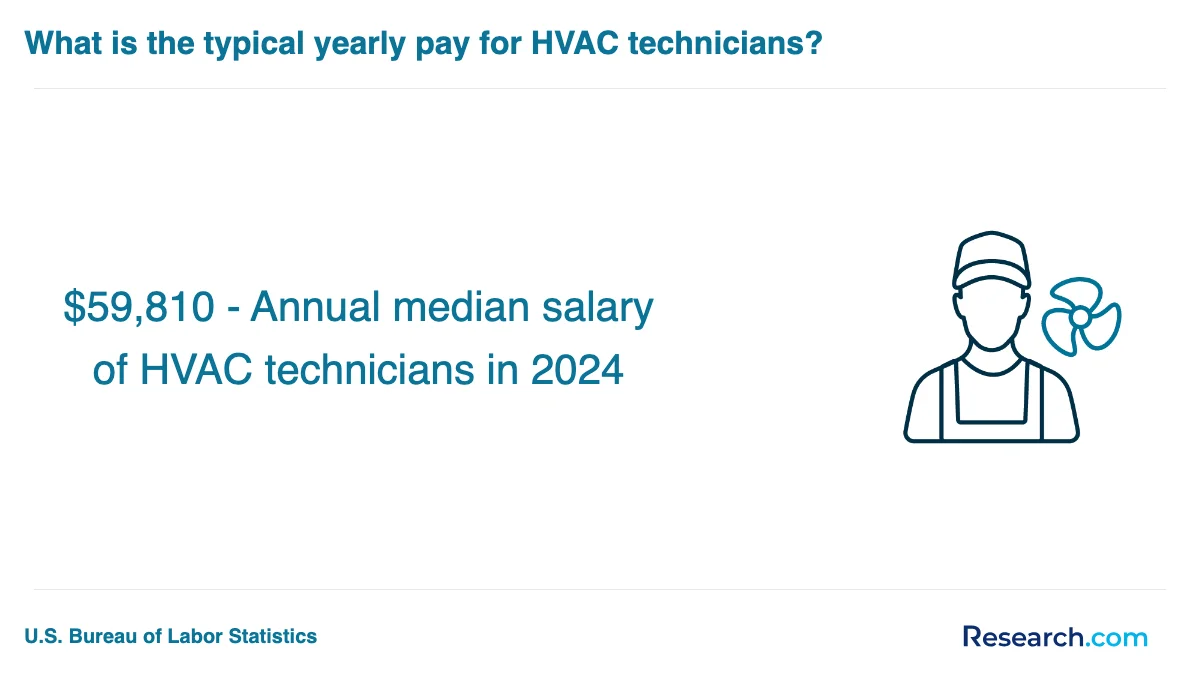
- The median annual wage for HVAC mechanics in Ohio is around $48,630, with higher pay possible as technicians gain experience and certifications.
Completing an HVAC technician trade school program in Dayton typically takes about 6 to 12 months, depending on whether you choose a full-time or part-time schedule. Many students from well-known Dayton trade schools find that this timeframe perfectly balances hands-on learning with classroom theory, allowing them to jump right into the workforce without feeling overwhelmed.
Graduates often share how quickly they gained practical skills, like installing and repairing HVAC systems, which boosted their confidence early on. One common experience is starting with basic electrical concepts and moving into real-world scenarios like troubleshooting heating units during winter, making the learning process feel very relevant and rewarding.
Popular trade schools in Dayton often offer flexible class schedules, making it easier for students juggling work or family to complete the program at their own pace. This flexibility helps students stay motivated and complete the program feeling prepared and excited about their new career.
The main difference between online and on-campus HVAC programs in Dayton comes down to how you learn. On-campus students at places like Butler Tech and Sinclair College get hands-on experience right away, working directly with HVAC equipment in labs. Graduates often say how rewarding it was to troubleshoot real systems with instructors right there to guide them. This practical approach helps build confidence for day-one job challenges.
Online programs, on the other hand, offer flexibility-perfect if you're juggling work or family. For example, some Dayton programs like Logan Services mix online lessons with scheduled in-person labs, so you still get that crucial hands-on time. Many students appreciate this blend because it lets them study theory at their own pace but still gain the skills employers expect.
Ultimately, Dayton employers want HVAC techs who can handle equipment confidently, so even online students look forward to those real-life practice sessions before graduating.
The average cost HVAC technician trade school Dayton can vary depending on the institution and the specific program you choose. For example, graduates from Sinclair Community College often mention that while tuition fees are competitive, additional costs such as textbooks and supplies add up to about $500 to $1,000. Many find that financial aid options help make the investment manageable. At Miami Valley Career Technology Center (MVCTC), tuition tends to be more affordable upfront, but students should budget for extra expenses like tools and equipment, which can range from $500 to $3,000 depending on the career path.
Many students share that considering the total expenses beyond tuition, including living costs if relocating, really helps set clear financial expectations. This practical approach makes the training experience feel less overwhelming. Those attending HVAC technician programs in Dayton often say that the combination of hands-on training and reasonable tuition fees makes the investment feel worthwhile, especially when they start earning after graduation.
If you're weighing options between certification and apprenticeship routes, it's helpful to explore resources explaining what is an hvac apprenticeship. This can give a clearer picture of how cost and experience balance out. Overall, focusing on HVAC technician program tuition fees Dayton helps you get a realistic idea of what to expect financially while pursuing a fulfilling career.
When you're diving into HVAC technician training in Dayton, financial aid can be a real game-changer. Most students start by filling out the FAFSA, which opens doors to federal grants like the Pell Grant that don't need to be paid back. Graduates from schools like Ohio Business College often say how helpful the financial aid staff were in guiding them through this process, making everything feel less overwhelming.
At Fortis College, for example, students get personalized support to explore both government and private loans, plus payment plans that fit different budgets. Many Dayton trade schools also offer their own scholarships or participate in state grant programs, though you usually need to reach out directly to ask about those options.
One graduate shared how early financial aid planning helped lower their costs significantly, making it easier to focus on hands-on training without stressing over tuition fees. It's all about connecting with advisors early and knowing what's out there to support your journey.
To enroll in an HVAC technician trade school program in Dayton, you'll typically need to meet a few straightforward prerequisites that set you up for success. Most schools expect you to have a high school diploma or a GED, which helps ensure you have the basic math and science skills needed for the coursework. For example, graduates often mention how their solid foundation in math made understanding heating and cooling systems much easier.
Some trade schools also recommend or require you to be at least 18 years old, mainly because the training involves hands-on work with tools and equipment, which requires a level of maturity and responsibility. Many students recall feeling excited and confident once they met this age requirement and started working with actual HVAC units during their labs.
Other common prerequisites include:
- Passing a basic aptitude test or placement exam to assess your readiness
- Providing proof of immunizations or a physical exam to ensure you can safely handle the physical demands of the program
- Sometimes, a valid driver's license is required since many graduates share that fieldwork involves traveling to different job sites around Dayton
These requirements might sound like hurdles, but many find them motivating. They serve as stepping stones toward a rewarding career in HVAC, especially at well-known Dayton trade schools where hands-on experience and supportive instructors make the journey enjoyable and fulfilling.
When you dive into an HVAC technician trade school program in Dayton, you're signing up for a hands-on, practical education that really prepares you for the job. Graduates often share how the mix of classroom lessons and real-world practice makes learning both fun and effective. Typical courses cover a range of essential skills, including:
- Basic HVAC Systems: Understanding how heating and cooling work in homes and businesses, which helps when you're out fixing or installing equipment.
- Electrical Theory and Controls: Learning to read wiring diagrams and troubleshoot electrical issues, a must-have skill since modern HVAC relies heavily on electronics.
- Refrigerant Handling: Properly managing refrigerants and getting EPA 608 certified, which is a legal requirement and boosts your employability.
- Installation Techniques: Getting hands-on experience installing ductwork, piping, and HVAC units, so you feel confident on the job site.
- Mechanical Blueprint Reading and Safety: Interpreting technical drawings and following OSHA safety standards, which keeps you safe and efficient during work.
Many Dayton trade schools also offer advanced troubleshooting classes that simulate real repair scenarios. Graduates often mention how this practical training helped them hit the ground running once they started their careers, making the whole learning experience feel relevant and exciting.
Dayton HVAC trade school program options are designed to fit a variety of interests within the field. Many students from popular trade schools, like Sinclair College and the Dayton School of Trades, choose specializations that match real-world demands. For example, some graduates focus on becoming Residential HVAC Technicians, working hands-on with homeowners to install, maintain, or repair heating and cooling units in houses or apartments.
Others dive into Commercial HVAC Technician roles, handling bigger systems in hospitals, schools, or offices, which requires learning advanced equipment and larger-scale installation skills. Many students find the HVAC Installation Specialist path rewarding, as it teaches the critical skills needed to set up new systems, including ductwork and electrical work.
Here's a quick look at some specializations offered locally:
- Residential HVAC Technician for home systems
- Commercial HVAC Technician for large buildings
- Installation Specialist focusing on new system setups
- Service Technician skilled at diagnostics and repairs
- Maintenance Technician for routine system care
- Refrigeration systems training for food service and manufacturing
Many graduates appreciate that programs also prepare them for EPA Technician Certification, essential for working safely with refrigerants. Students continually share how learning basic electrical and plumbing skills alongside HVAC training helps them feel confident walking into any service call.
If you want to check out some of the best paths for your future in the field, consider exploring top vocational trade online programs that can complement your local training and keep you competitive in Dayton's HVAC job market.
Dayton HVAC technician specializations in Dayton Ohio reflect a practical, hands-on approach, tailored to prepare you for real career success across multiple industries.
When choosing the best HVAC technician trade school program in Dayton, look closely at accreditation and hands-on training options. Many graduates from Fortis College in Centerville talk about how the flexible scheduling and real-world lab sessions helped them quickly build confidence. Practical experience matters a lot when you're learning HVAC skills, especially in programs that combine classroom work with plenty of time fixing actual units.
Another great choice is Sinclair Community College, where students appreciate the focus on both commercial and industrial HVAC principles, which opens more job opportunities. These programs prepare you well for certifications like EPA Section 608, which employers look for. Plus, exploring financial aid options can really ease the burden of tuition and keep your education affordable.
For anyone wondering about career paths after training, it's helpful to check out resources on how to become a hvac technician, which brings plenty of clarity on salaries and job growth.

Graduates from HVAC technician trade schools in Dayton jump into a variety of rewarding roles. Most start as HVAC technicians or installers, hands-on jobs where they install and maintain heating, ventilation, and air conditioning systems in homes and businesses. Many local success stories come from popular trade schools where grads quickly find HVAC technician jobs in Dayton Ohio, often landing gigs with commercial HVAC employers. These roles not only offer solid hourly wages but also great experience working on real-world equipment.
As experience builds, career paths open up:
- Lead installer roles supervising teams and complex projects
- Service manager positions handling operations and customer service
- Sales technician jobs blending tech know-how with customer interaction, with potential earnings up to $150K
Graduates also find opportunities with institutional employers like universities and hospitals where managing advanced building systems is key. Many in Dayton benefit from sign-on bonuses and training programs that help with career growth. For those wanting to deepen their skills without breaking the bank, checking out the cheapest maintenance technician certification online is a smart move.
The HVAC technician job market in Dayton is buzzing with opportunity for trade school graduates. Many graduates from popular local trade schools share how easy it was to find full-time roles shortly after completing their programs. With Dayton's climate shifting between hot summers and cold winters, demand for HVAC skills stays steady, making job openings frequent and reliable. From installation gigs to routine maintenance, there's always work to do.
Starting salaries tend to be around $19 per hour for apprentices, but with a little experience and certifications, many graduates quickly move up to earning between $27 and $31 hourly, with some even reaching $36.50 per hour. Employers like C&W Services and Lennox International regularly hire local trainees, showing clear paths to career growth.
Here's what new HVAC graduates can look forward to:
- Steady work availability in both residential and commercial sectors
- Opportunities to increase pay with additional certifications
- Advancement into supervisory and specialized roles
For Dayton-based students, examining the top online trade schools can also offer flexible paths to gain valuable skills while balancing life commitments.
The HVAC technician salary in Dayton Ohio is competitive too, keeping up with the city's rising cost of living and ensuring trade school grads enjoy rewarding pay as they build experience.
Most Affordable HVAC Technician Schools & Training - Budget-Friendly HVAC Trade Programs in Dayton for 2026
# 1 position
Sinclair Community College - Heating, Air Conditioning, Ventilation and Refrigeration Maintenance Technology/Technician.
associateSinclair Community College offers a program in Heating, Air Conditioning, Ventilation and Refrigeration Maintenance Technology/Technician. This training prepares students to repair, install, service, and maintain HVAC and refrigeration systems. Instruction covers diagnostic techniques, testing equipment, and the mechanics, electricity, and electronics needed for system repair. The program is accredited by the Higher Learning Commission. Annual in-state tuition is $3,435.
# 2 position
Sinclair Community College - Heating, Air Conditioning, Ventilation and Refrigeration Maintenance Technology/Technician.
certificate or diplomaSinclair Community College offers a program in Heating, Air Conditioning, Ventilation and Refrigeration Maintenance Technology/Technician. It trains students to repair, install, service, and maintain heating, air conditioning, and refrigeration systems. The curriculum includes diagnostic techniques, use of testing equipment, and principles of mechanics, electricity, and electronics related to these systems. The annual in-state tuition is $3,435. The program is accredited by the Higher Learning Commission.
Frequently Asked Questions about HVAC technician
After completing an HVAC technician trade school in Dayton, preparing for the job market involves several key steps. First, obtaining EPA Section 608 Certification is essential, as it is federally required for handling refrigerants. Many trade schools help students prepare for this exam. Networking with local employers through job fairs or internships can also improve employment prospects. According to the U.S. Bureau of Labor Statistics, the Dayton metropolitan area expects a steady 6% growth in HVAC jobs through 2030, reflecting strong demand. Additionally, joining professional organizations like HVAC Excellence or local trade unions can provide job leads and continuing education opportunities.
Continuing to build practical skills and staying updated with new technologies such as energy-efficient systems will make candidates more competitive. Dayton's growing manufacturing and commercial sectors often seek HVAC technicians with hands-on experience and relevant certifications. Many graduates benefit from creating a detailed resume highlighting their training, certifications, and any practical experiences gained during school. Finally, exploring apprenticeship programs can offer valuable on-the-job training and improve long-term career prospects in the Dayton HVAC market.
Employers in Dayton seek HVAC technician graduates who demonstrate strong technical skills, including proficiency in installing, maintaining, and repairing heating, ventilation, and air conditioning systems. According to the U.S. Bureau of Labor Statistics, hands-on experience with modern HVAC technologies is essential. Additionally, Dayton employers value knowledge of electrical systems and refrigeration cycles, which are critical for troubleshooting.
Soft skills like problem-solving, communication, and teamwork are highly regarded. The Dayton Area Chamber of Commerce highlights that employers prefer candidates who can read blueprints and comply with safety regulations. Understanding local energy codes also gives graduates an advantage in the job market.
Finding internships in Dayton relevant to HVAC technician trade school programs involves several practical steps. Start by connecting with local trade schools, as many have partnerships with Dayton-area HVAC companies that offer internship opportunities. The Ohio Department of Job and Family Services provides labor market information showing a steady demand for HVAC technicians, which can help identify active employers.
Networking through Dayton's local trade unions and industry associations, such as the Greater Dayton HVAC Association, can also be valuable. Additionally, using online job platforms like OhioMeansJobs.gov allows students to filter for HVAC internships specifically in the Dayton region.
Contacting employers directly, such as residential and commercial HVAC service providers, can uncover unadvertised internships. Most internships offer hands-on experience, crucial for certification and employment prospects post-graduation.
Obtaining a HVAC technician trade school diploma in Dayton significantly enhances career mobility and advancement opportunities. Employers in the Dayton area often prefer candidates with formal training, as diplomas verify essential technical skills and knowledge. According to the U.S. Bureau of Labor Statistics, HVAC technician jobs in Ohio are projected to grow by 8% from 2022 to 2032, indicating a healthy job market.
A diploma can qualify graduates for higher entry-level positions and increase earning potential compared to uncertified workers. Many local employers also require diplomas for promotions or specialized roles, making formal education a key factor in career growth.
Furthermore, trade schools in Dayton frequently offer connections to apprenticeships and local industry networks, which support ongoing professional development and job placement. These advantages collectively improve long-term career prospects for diploma holders in the Dayton HVAC field.
Students enrolled in HVAC technician trade schools in Dayton can benefit from several part-time job opportunities that complement their education. Positions such as HVAC helper or apprentice allow students to gain hands-on experience while earning income. These roles often involve assisting licensed technicians with installations, maintenance, and repairs, providing practical skills that reinforce classroom learning.
Other relevant part-time jobs include general maintenance work in residential or commercial buildings, which helps students understand building systems and equipment. According to the U.S. Bureau of Labor Statistics, Dayton's HVAC job market is expected to grow by 8% through 2030, reflecting strong demand for trained technicians.
Working in these roles can also enhance a student's resume and expand professional networks within Dayton's HVAC industry.
There are affordable HVAC Technician degree programs available both near Dayton, OH, and potentially near me, depending on one's location. Various community colleges and technical schools offer these programs to provide hands-on training and education in heating, ventilation, and air conditioning. Utilizing resources like Research.com can help identify the most cost-effective options and reputable institutions that offer these programs.
- HVAC Apprenticeships and Internships | Generation NEXT Energy Pros https://nextenergypros.com/apprenticeships-and-internships/
- How to Find an HVAC Apprenticeship | Austin Career Institute https://austincareerinstitute.edu/blog/hvac/tips-for-finding-an-hvac-apprenticeship/
- HVAC Job Placement: Employment Strategies After Training https://www.genesiscareer.edu/hvac-job-placement-employment-strategies/
- A Guide to Skilled Trades Apprenticeships and Internships | BestColleges https://www.bestcolleges.com/trades/guide-to-skilled-trades-apprenticeships-internships/
- Hands-on Skills at the Best Schools for HVAC Training https://tidewatertechtrades.edu/blog/combination-welding-essential-skills-for-a-successful-career/
- How to Become an HVAC Technician in 2025 | The Ultimate Career Guide - InterCoast Colleges https://intercoast.edu/articles/become-hvac-technician/
- Online HVAC Technician Career Guide https://www.ashworthcollege.edu/career-diplomas/heating-air-conditioning/career-guide/
- HVAC School near Dayton, Ohio in Centerville | Fortis https://www.fortis.edu/campuses/ohio/centerville/hvac.html
- Program https://sinclair.edu/program/params/programcode/hvacr-s-aas/
- Heating, Ventilation, Air Conditioning/Refrigeration Mechanic https://www.daytonastate.edu/academic-departments/mary-karl-college-of-workforce-and-continuing-education/school-of-workforce/hvac-machanic.html