
Best HVAC Technician Training Programs & Trade Schools - Top HVAC Tech Schools in Alabama for 2026

Co-Founder and Chief Data Scientist
Are you considering a career as an HVAC technician in Alabama? Choosing the right trade school can make all the difference in your success. This article introduces the best HVAC technician trade schools in Alabama for 2026, based on a detailed ranking developed by the Research.com team of data scientists.
By exploring this guide, you’ll discover programs that offer quality training, hands‑on experience, and strong job prospects. Earning a diploma or certification in HVAC can open doors to a rewarding and stable career. Take the first step toward your future with confidence and clarity.
Key benefits of finishing HVAC technician trade school in Alabama
- Graduates can expect an average hourly wage between $25.18 and $25.62, translating to about $48,453 per year, with opportunities to earn overtime pay that boosts overall income.
- Career paths include roles like residential HVAC technician, commercial system installer, or maintenance specialist, as shown by successful alumni from popular Alabama trade schools.
- Completing a trade school online offers flexible scheduling and faster completion times, helping graduates enter the workforce sooner, as experienced by many online program completers in Alabama.
What can I expect from HVAC technician trade schools in Alabama?
Students enrolling in HVAC technician trade school programs in Alabama can expect a blend of focused classroom instruction and hands-on lab experience, designed to prepare them for immediate entry into the HVAC-R workforce. Graduates from programs like Fortis Trade School in Mobile often highlight how quickly they transitioned from learning fundamentals-such as electrical systems, refrigeration cycles, and safety protocols-to confidently installing and repairing HVAC units.
Hands-on training is a standout feature, with facilities like the Alabama Power HVAC Training Center offering direct experience on industry-standard equipment. This practical approach helps students overcome real-world challenges before entering job sites, boosting their confidence and job readiness.
Many students also value the emphasis on industry certifications, including EPA 608 and NATE credentials, which enhance employability. Schools such as Bevill State provide additional resources like resume workshops and job placement, easing the job search process. Evening classes at NARS HVAC Training School accommodate working adults, reflecting the flexible scheduling that many students appreciate.
Where can I work after finishing HVAC technician trade schools in Alabama?
Graduates of HVAC technician trade schools in Alabama find diverse employment opportunities across residential, commercial, and industrial sectors. Many quickly secure roles maintaining and installing HVAC systems in homes, office buildings, schools, and hospitals. For example, graduates from popular Alabama trade schools often report working with employers like Johnson Controls and Daikin Applied, gaining hands-on experience in both service and installation.
Career paths extend beyond entry-level technician roles. Some graduates transition into refrigeration specialists or maintenance professionals, while others advance into supervisory or sales positions within fast-growing companies. Flexible employment arrangements are common, with options for full-time, part-time, contract, or independent contractor roles.
The job market is geographically broad, with opportunities in major cities such as Birmingham, Huntsville, and Mobile. Government agencies and public entities also hire HVAC technicians, offering stable salaries and benefits. Graduates appreciate the strong demand and career growth potential, often sharing how their training prepared them to confidently meet real-world challenges.
How much can I make after finishing HVAC technician trade schools in Alabama?
After completing an HVAC technician trade school program in Alabama, graduates can expect to earn an average hourly wage of $25.62, which translates to roughly $53,300 annually based on a full-time schedule. Entry-level technicians often see wages ranging from $20.05 to $28.99 per hour, depending on factors like employer type, location within Alabama, and individual skills. For example, graduates from well-known trade schools in Birmingham or Huntsville report starting salaries in the mid-$50,000 range, reflecting the steady demand in urban areas.
Many recent graduates share how overtime opportunities boost their yearly income by approximately $6,750, helping them achieve financial stability early in their careers. While Alabama ranks 50th nationally for HVAC salaries, the hands-on training these programs provide prepares students to quickly advance and increase their earnings.
As technicians gain experience and certifications, their pay can grow significantly, mirroring the national trend where senior HVAC professionals earn up to $77,200 annually. Graduates often express pride and motivation, seeing their trade school investment translate into dependable, well-paying jobs in their communities.
Best HVAC Technician Training Programs & Trade Schools - Top HVAC Tech Schools in Alabama for 2026
# 1 position
Fortis Institute-Birmingham - Heating, Air Conditioning, Ventilation and Refrigeration Maintenance Technology/Technician.
certificate or diplomaThe Heating, Air Conditioning, Ventilation and Refrigeration Maintenance Technology/Technician program at Fortis Institute-Birmingham offers a hybrid format with some distance education options. It prepares students to repair, install, service, and maintain HVAC and refrigeration systems using technical knowledge, diagnostic techniques, and testing equipment. The program covers mechanics, electricity, and electronics principles related to these systems. Annual in-state tuition is $14,561. The program is accredited by the Accrediting Bureau of Health Education Schools.
# 2 position
George C Wallace State Community College-Hanceville - Heating, Air Conditioning, Ventilation and Refrigeration Maintenance Technology/Technician.
certificate or diplomaGeorge C Wallace State Community College-Hanceville offers a hybrid Heating, Air Conditioning, Ventilation and Refrigeration Maintenance Technology/Technician program. It prepares students to repair, install, service, and maintain heating, air conditioning, and refrigeration systems using technical knowledge in mechanics, electricity, and electronics. The program includes instruction in diagnostic techniques and testing equipment. Annual in-state tuition is $4,980. It is accredited by the Southern Association of Colleges and Schools Commission on Colleges.
# 3 position
George C Wallace State Community College-Selma - Heating, Air Conditioning, Ventilation and Refrigeration Maintenance Technology/Technician.
certificate or diplomaGeorge C Wallace State Community College-Selma offers a hybrid Heating, Air Conditioning, Ventilation and Refrigeration Maintenance Technology/Technician program. The curriculum prepares students to repair, install, service, and maintain HVAC and refrigeration systems, emphasizing diagnostic techniques, testing equipment, and principles of mechanics, electricity, and electronics. The annual in-state tuition is $4,680. The program is accredited by the Southern Association of Colleges and Schools Commission on Colleges.
# 4 position
Fortis College-Dothan - Heating, Air Conditioning, Ventilation and Refrigeration Maintenance Technology/Technician.
certificate or diplomaFortis College-Dothan offers a hybrid program in Heating, Air Conditioning, Ventilation and Refrigeration Maintenance Technology/Technician. The curriculum trains students to repair, install, service, and maintain HVAC and refrigeration systems, focusing on diagnostic techniques, testing equipment, and principles of mechanics, electricity, and electronics. Graduates have a median earning of $32,955 one year after completion. The program is accredited by the Accrediting Bureau of Health Education Schools.
# 5 position
Fortis College - Heating, Air Conditioning, Ventilation and Refrigeration Maintenance Technology/Technician.
certificate or diplomaFortis College offers a hybrid program in Heating, Air Conditioning, Ventilation and Refrigeration Maintenance Technology/Technician. The curriculum includes instruction in diagnostic techniques, testing equipment, and principles of mechanics, electricity, and electronics for repairing heating, air conditioning, and refrigeration systems. Graduates earn a median salary of $32,004 one year after completing the program. The program is accredited by the Accrediting Bureau of Health Education Schools.
# 6 position
Remington College-Mobile Campus - Heating, Air Conditioning, Ventilation and Refrigeration Maintenance Technology/Technician.
associateThe Heating, Air Conditioning, Ventilation and Refrigeration Maintenance Technology/Technician program at Remington College-Mobile Campus prepares students to repair, install, service, and maintain HVAC and refrigeration systems. The hybrid program covers diagnostic techniques, testing equipment use, and principles of mechanics, electricity, and electronics. Annual in-state tuition is $20,476. Graduates have median earnings of $31,763 one year after completion. The program is accredited by the Accrediting Commission of Career Schools and Colleges.
# 7 position
Remington College-Mobile Campus - Heating, Air Conditioning, Ventilation and Refrigeration Maintenance Technology/Technician.
certificate or diplomaThe Heating, Air Conditioning, Ventilation and Refrigeration Maintenance Technology/Technician program at Remington College-Mobile Campus offers hybrid instruction to prepare students for repairing, installing, and maintaining HVAC and refrigeration systems. The curriculum covers diagnostic techniques, testing equipment use, and principles of mechanics, electricity, and electronics relevant to the trade. Annual in-state tuition is $20,476, with median earnings one year after completion at $31,763. The program is accredited by the Accrediting Commission of Career Schools and Colleges.
# 8 position
Fortis College-Montgomery - Heating, Air Conditioning, Ventilation and Refrigeration Maintenance Technology/Technician.
certificate or diplomaThe Heating, Air Conditioning, Ventilation and Refrigeration Maintenance Technology/Technician program at Fortis College-Montgomery is a hybrid course that prepares students to repair, install, service, and maintain HVAC and refrigeration systems. It covers diagnostic techniques, testing equipment, and principles of mechanics, electricity, and electronics. Graduates have a median earning of $32,004 one year after completion. The program is accredited by the Accrediting Bureau of Health Education Schools.
# 9 position
Bishop State Community College - Heating, Air Conditioning, Ventilation and Refrigeration Maintenance Technology/Technician.
certificate or diplomaBishop State Community College offers a program in Heating, Air Conditioning, Ventilation and Refrigeration Maintenance Technology/Technician. This program prepares students to repair, install, service, and maintain heating, air conditioning, and refrigeration systems. Instruction includes diagnostic techniques, testing equipment use, and principles of mechanics, electricity, and electronics related to these systems. Annual in-state tuition is $5,280. The program is accredited by the Southern Association of Colleges and Schools Commission on Colleges.
# 10 position
Southern Union State Community College - Heating, Air Conditioning, Ventilation and Refrigeration Maintenance Technology/Technician.
certificate or diplomaSouthern Union State Community College offers a hybrid program in Heating, Air Conditioning, Ventilation and Refrigeration Maintenance Technology/Technician. The curriculum prepares students to repair, install, service, and maintain HVAC and refrigeration systems using diagnostic techniques and testing equipment. Instruction covers mechanics, electricity, and electronics relevant to these systems. Annual in-state tuition is $4,980. The program is accredited by the Southern Association of Colleges and Schools Commission on Colleges.
Key Findings
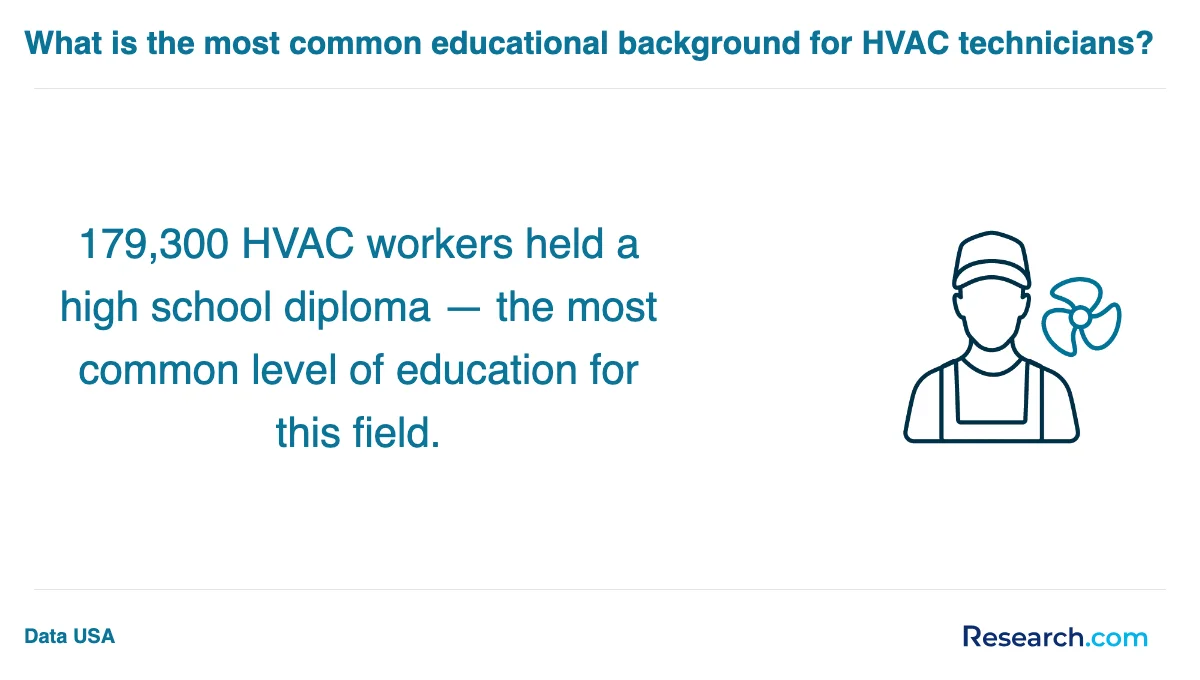
- Applicants must be at least 18 years old and have a high school diploma or GED, with possible math and reading assessments required.
- Accelerated HVAC programs in Alabama can be completed in as little as 11 weeks, with classes held Monday through Thursday, 8 a.m. to 4 p.m.
- The average cost of an 11-week program is around $4,500, and financial aid such as WIOA funding may be available.
- HVAC technicians must be licensed by the Alabama Board of Heating, Air Conditioning, & Refrigeration Contractors after completing a 3,000-hour apprenticeship and passing the state exam.
- Entry-level technicians typically earn between $37,000 and $45,000 annually, with experienced workers making $50,000 or more.
How long does it take to complete HVAC technician trade schools in Alabama?
Completing an HVAC technician trade school program in Alabama typically takes between 6 months and 1 year, depending on the intensity and format of the course. Popular trade schools in the state, such as those in Birmingham and Mobile, offer accelerated tracks that allow students to finish faster by attending full-time schedules, while part-time options extend the timeline but provide greater flexibility.
Many graduates recall how the hands-on training and well-structured curriculum made the time fly by, turning initial uncertainty into confidence. For example, a student at a well-known Alabama trade school shared how completing the program in just 9 months allowed them to quickly enter the workforce and start earning, which was both motivating and rewarding.
Programs often include classroom instruction combined with lab work and real-world field practice, which helps students grasp complex HVAC systems efficiently. The focused nature of Alabama's trade schools means that within a year, students can feel ready to tackle job site challenges and certification exams.
What's the difference between online and on-campus HVAC technician trade school programs?
Online and on-campus HVAC technician trade school programs in Alabama differ primarily in their delivery and hands-on training. Graduates from Bevill State Community College and Fortis Trade School often describe on-campus programs as immersive, with full-time schedules like Monday to Thursday, 8 am to 4 pm, that combine classroom learning with extensive lab work using real HVAC equipment.
This direct interaction with instructors and peers builds confidence and practical skills crucial for certifications such as EPA 608 Refrigerant Handling and NATE Support Technician. Students appreciate the immediate feedback and mentorship available in these settings, which many say accelerates their career readiness.
In contrast, online programs offer flexibility for students balancing work or family but focus mainly on theory, HVAC principles, safety, and codes through video demos and simulations. Graduates note the challenge of arranging separate in-person labs or internships to meet Alabama's hands-on training requirements, which can delay certification.
Overall, on-campus training remains favored in Alabama for its comprehensive approach to skill mastery and job preparedness.
What is the average cost of HVAC technician trade schools in Alabama?
The average cost HVAC technician trade school Alabama students face ranges broadly, typically between $1,200 and $15,000 for certificate programs. Many graduates from Fortis College in Montgomery report investing within this range for their essential training, which usually lasts six to twelve months. These affordable tuition fees HVAC programs Alabama reflect the focus on core technical skills that prepare students quickly for entry-level HVAC positions.
Students often find value in these programs not just for their reasonable cost but for hands-on experience and strong industry connections. Graduates share that completing a trade school in Alabama gives them a practical edge when entering the workforce, as they are trained in up-to-date HVAC practices and safety standards. Additionally, programs often emphasize preparation for certification exams like EPA 608, which is fundamental for working with refrigerants.
Beyond tuition, prospective students should consider additional expenses such as tools, books, and certification fees, which may add an extra $500 to $1,000. Some apprenticeships provide paid on-the-job training, offering a balance of cost and income while learning. To better understand the financial landscape and career outlook, many rely on data from studies like those on the hvac technician salary combined with cost analysis for trade school programs in Alabama.

What financial aid is available for HVAC technician trade schools in Alabama?
Financial aid options for HVAC technician students in Alabama vary widely, often depending on the school and program type. For example, Bevill State's 11-week HVAC Fast Track program is fully covered by scholarships or the Workforce Innovation and Opportunity Act (WIOA) for eligible applicants, eliminating tuition costs up to $4,500. Graduates from this program frequently express relief and enthusiasm about entering the workforce debt-free thanks to these supports.
Similarly, Gadsden State offers scholarships to dual enrollment students-high schoolers with at least a 2.0 GPA-who can earn college credits while still in school. These students appreciate the early financial relief and career jumpstart that this pathway provides.
However, some programs, especially non-credit or continuing education ones, do not qualify for federal aid like FAFSA or Pell Grants. In these cases, students often turn to alternative financing through schools or state workforce development boards, which many find helpful for meeting their goals without overwhelming debt.
Private institutions like Fortis in Mobile typically provide financial aid eligibility, though specifics depend on accreditation and the program. Graduates often recommend directly consulting the financial aid office to navigate available loans, grants, and scholarships effectively.
What are the prerequisites for enrolling in HVAC technician trade schools in Alabama?
To enroll in an HVAC technician trade school program in Alabama, applicants generally must meet several key prerequisites that set the foundation for success. Most schools require a high school diploma or GED as a baseline, ensuring students have essential reading, math, and science skills. Graduates from programs like those in Birmingham or Mobile often highlight how this requirement helped prepare them for technical coursework.
Beyond formal education, schools typically expect:
- Proof of age-usually a minimum of 18 years old-to meet safety and legal training standards
- Basic understanding of algebra and mechanical concepts to handle HVAC system calculations and troubleshooting
- Physical ability to perform hands-on tasks such as lifting equipment and working in confined spaces, as shared by successful students from Huntsville trade schools
- Clear background checks or drug screenings to comply with employer and internship site policies
Many Alabama trade schools also encourage applicants to demonstrate strong communication skills and a genuine interest in the HVAC field, which graduates say boosts confidence during interactive lab sessions and customer service training. Real-world readiness is emphasized early on, preparing students for the practical challenges they will face in Alabama's diverse climate and industry.

What are the typical courses in HVAC technician trade schools in Alabama?
HVAC technician trade school programs in Alabama typically cover a range of essential technical courses designed to prepare students for real-world HVAC roles. Graduates often describe hands-on learning as a key highlight, with schools like NARS HVAC Training School in Huntsville offering progressive courses from Tech 1 to Tech 4. These include:
- Refrigeration principles that explain how cooling systems operate in everyday homes and businesses
- Air conditioning and heating systems, focusing on installation, repair, and maintenance
- Basic electricity applied specifically to HVAC equipment, helping students troubleshoot electrical faults
Students at Fortis College in Mobile emphasize practical skills in operating and testing various HVAC units, as well as managing ventilation to ensure indoor air quality. Many programs also integrate metal duct design workshops, where students fabricate and install ducts-an experience that graduates find directly applicable when starting fieldwork.
Importantly, preparation for EPA 608 Refrigerant Handling Certification and other industry credentials is embedded in the curriculum, boosting confidence and employability. These structured, skill-building courses offer a clear path for Alabama students eager to launch a successful HVAC career.
What are the available specializations in HVAC technician trade schools in Alabama?
Alabama HVAC technician trade schools commonly offer a variety of specializations tailored to meet both residential and commercial needs. Popular paths include refrigeration technology, which prepares students to handle commercial refrigeration units and secure EPA Section 608 Refrigerant Certification-an essential credential reflecting EPA certification programs for Alabama HVAC technicians. Graduates from schools like Bevill State Community College find this specialization equips them to work in food processing plants or hospitals confidently.
Heating systems specialization focuses on furnaces, boilers, and heat pumps, aligning with Alabama's seasonal demands. Air conditioning and cooling systems training covers split systems and airflow diagnostics, often highlighted in hands-on programs at Jefferson State Community College.
Additional specializations include indoor air quality (IAQ) improvement, ductwork design, air balancing, and system controls. Students from Skilled Trades of West Alabama praise the real-world experience gained in sheet metal work and soldering, which enhance job readiness.
For those deciding between certifications and apprenticeships, exploring choosing between hvac certifications vs apprenticeships provides crucial guidance.
Students benefit from Alabama's diverse HVAC and refrigeration specializations in Alabama trade schools, designed to meet expanding regional job opportunities.
How do you choose the best HVAC technician trade school program in Alabama?
Choosing the best HVAC technician trade school program in Alabama requires evaluating accreditation, curriculum quality, and hands-on training opportunities. Graduates from top HVAC training programs in Alabama often emphasize how schools with experienced instructors help them gain confidence in troubleshooting real HVAC systems, which proves invaluable during apprenticeships. For instance, those attending local colleges with well-equipped labs report a smoother transition into professional roles, expressing satisfaction with practical experiences that simulate workplace scenarios.
Students should also consider programs offering strong job placement assistance, including resume coaching and interview preparation, as these services greatly increase employment rates upon graduation. Flexibility in scheduling is another key factor; many working adults in Alabama benefit from schools providing part-time or online options to balance personal commitments.
Financial considerations such as tuition and aid availability influence choices as well. Researching schools through resources like best vocational trade schools online can help locate affordable options without sacrificing quality. By focusing on these elements, prospective students can access the best HVAC technician trade schools in Alabama that align with their career goals.
What career paths are available for HVAC technician trade school graduates in Alabama?
Graduates of HVAC technician trade schools in Alabama often start their careers as apprentice HVAC technicians, gaining necessary hands-on experience while working under licensed contractors. Obtaining an apprentice license from the Alabama Board of Heating, Air Conditioning, & Refrigeration Contractors is essential to legally work and build the 3,000 hours of supervised fieldwork needed for advancement. Many graduates enter HVAC technician jobs in Alabama through this pathway, quickly moving toward contractor licensure.
After accumulating experience, graduates can qualify to become licensed HVAC contractors, a role that enables independent operation or leading teams. This fast-track approach is unique in Alabama, where qualified technicians can skip extended entry-level stages and take the contractor exam shortly after apprenticeship, opening doors for accelerated career growth.
Popular trade schools in Alabama report that graduates find employment in several sectors, including:
- Residential and commercial HVAC service companies
- Facility maintenance roles in hospitals, airports, and school systems
- Specialized refrigeration and energy efficiency upgrades with EPA Section 608 certification
- Entrepreneurial ventures launching independent HVAC businesses
Many students appreciate real-world scenarios where they service critical systems at large organizations or manage installation projects for demanding clients.
For those seeking affordable training routes, some explore cheap maintenance technician online courses to supplement their skillset or fast-track certification.
These combined options enhance HVAC contractor career opportunities in Alabama across diagnostics, sales, system design, and hands-on service roles, reflecting a strong, growing job market and rewarding professional pathways.
What is the job market for HVAC technician trade school graduates in Alabama?
The HVAC technician job demand in Alabama is robust, with more than 700 openings projected through 2028 and some experts estimating up to 2,100 positions statewide. Graduates from popular HVAC trade schools in Alabama regularly find opportunities thanks to strong employer connections and active recruitment during training programs.
Many recent graduates report quick placement in entry-level roles, often with competitive wages. In metropolitan areas like Birmingham, average HVAC technician salary Alabama ranges from $22 to $38 per hour, with top performers earning as much as $60 per hour. Benefits such as sign-on bonuses and overtime pay further boost income.
Career progression is common, with technicians advancing to supervisory or specialized roles or starting their own businesses. Graduates appreciate that Alabama's climate ensures year-round demand for heating and cooling services, providing job stability and growth prospects.
Students interested in HVAC programs can explore opportunities at some of the top trade schools in the US with strong HVAC curricula and employer partnerships.
Frequently Asked Questions about HVAC technician
After completing an HVAC technician trade school in Alabama, preparing for the job market involves several key steps. First, obtaining EPA Section 608 certification is essential, as federal law requires HVAC technicians to handle refrigerants safely. Many Alabama trade schools include this certification in their programs.
Next, gaining hands-on experience through internships or apprenticeships strengthens practical skills and improves employability. Local unions and employers often offer such opportunities.
Networking is also important; joining professional organizations like the Alabama Heating and Air Conditioning Contractors Association can help connect graduates with potential employers.
According to the U.S. Bureau of Labor Statistics, Alabama's HVAC job market is expected to grow by about 8% from 2022 to 2032, indicating steady demand for qualified technicians.
Employers in Alabama prioritize several key skills when hiring HVAC technician trade school graduates. Technical proficiency with HVAC systems, including installation, maintenance, and repair, is essential. Graduates must understand electrical systems, refrigeration cycles, and heating technology to handle diverse equipment.
Problem-solving abilities and mechanical aptitude are highly valued, enabling technicians to diagnose and fix issues efficiently. According to the U.S. Bureau of Labor Statistics, HVAC jobs in Alabama grew by 7% from 2018 to 2028, indicating rising demand for skilled workers.
Strong communication skills and customer service are also important, as technicians often interact directly with clients. Safety knowledge and adherence to EPA regulations regarding refrigerants are critical due to legal standards.
Finding internships relevant to HVAC technician trade school programs in Alabama involves a few strategic steps. Start by contacting the career services departments of your chosen trade schools, as many maintain partnerships with local HVAC companies.
Additionally, the Alabama Industrial Development Training (AIDT) program offers resources and connections for students seeking hands-on experience in HVAC fields. According to AIDT, Alabama hosts over 1,200 HVAC-related businesses, increasing internship opportunities statewide.
Job boards like the Alabama Department of Labor's website also list internships and apprenticeships specifically for HVAC technicians. Networking through local trade unions and professional associations such as the Alabama Heating and Air Conditioning Contractors Association can further enhance your chances.
Remember to prepare a solid resume and demonstrate your technical skills during interviews to secure competitive internships.
Obtaining a HVAC technician trade school diploma in Alabama can significantly enhance career mobility and advancement opportunities. According to the U.S. Bureau of Labor Statistics, skilled HVAC technicians in Alabama earn a median annual wage of approximately $45,000, with potential growth as they gain certifications and experience.
Trade school programs offer focused training that meets state licensing requirements, which employers value highly. Graduates often find it easier to secure entry-level positions and qualify for promotions, especially when holding EPA certification or NATE credentials.
Additionally, Alabama's growing construction and maintenance sectors increase demand for qualified HVAC professionals, which can lead to job stability and wage increases. Those with diplomas typically have access to apprenticeships and specialized roles not available to uncertified workers.
Part-time job opportunities in Alabama can effectively complement HVAC technician trade school education by providing practical experience. Positions such as HVAC helper or assistant allow students to work alongside licensed technicians, gaining hands-on skills while earning income. Retail jobs at home improvement stores like Lowe's or Home Depot also expose students to HVAC equipment and customer inquiries, enhancing technical knowledge.
According to the U.S. Bureau of Labor Statistics, Alabama's HVAC job market is expected to grow by 8% between 2022 and 2032, signaling strong demand for trained technicians. Working part-time in related roles helps students build a network and improve their employability after graduation.
To choose the best HVAC Technician degree program near me, start by researching local community colleges and technical schools that offer accredited HVAC programs. Evaluating programs near Alabama, consider factors such as curriculum, hands-on training facilities, faculty expertise, and job placement rates. Consulting resources like Research.com can provide additional insight into the reputations and rankings of these institutions.
Related HVAC Technician Rankings for Nearby States
- Best HVAC Technician Training Programs & Trade Schools - Top HVAC Tech Schools in Kentucky for 2026
- Best HVAC Technician Training Programs & Trade Schools - Top HVAC Tech Schools in North Carolina for 2026
- Best HVAC Technician Training Programs & Trade Schools - Top HVAC Tech Schools in Missouri for 2026
- Best HVAC Technician Training Programs & Trade Schools - Top HVAC Tech Schools in Illinois for 2026
- Best HVAC Technician Training Programs & Trade Schools - Top HVAC Tech Schools in Texas for 2026
- Best HVAC Technician Training Programs & Trade Schools - Top HVAC Tech Schools in West Virginia for 2026
- Best HVAC Technician Training Programs & Trade Schools - Top HVAC Tech Schools in Oklahoma for 2026
- Best HVAC Technician Training Programs & Trade Schools - Top HVAC Tech Schools in Maryland for 2026
- Best HVAC Technician Training Programs & Trade Schools - Top HVAC Tech Schools in Delaware for 2026
- Best HVAC Technician Training Programs & Trade Schools - Top HVAC Tech Schools in Pennsylvania for 2026
Top Trending Rankings
References
- HVAC technician salary in Alabama ‐ CareerExplorer https://www.careerexplorer.com/careers/hvac-technician/salary/alabama/
- HVAC Technician Salary Tuscaloosa, Alabama https://hvactechnician.careers/hvac-technician-salary/alabama/tuscaloosa/
- HVAC School in Alabama | Training for HVAC Jobs in AL https://www.hvacschool.org/alabama/
- Online HVAC/R Technician (Voucher Included) from Alabama State University https://careertraining.alasu.edu/training-programs/hvacr-technician/
- How to Become an HVAC Tech in Alabama for 2025 | Research.com https://research.com/careers/how-to-become-an-hvac-tech-in-alabama
- HVAC Training Center https://www.alabamapower.com/business/business-customers-and-services/hvac/hvac-training.html
- HVAC Trade School in Mobile, Al | Fortis Institute https://www.fortis.edu/campuses/alabama/mobile/hvac.html
- NARS HVAC Training School - Huntsville Al https://narshvacschool.com/
- HVAC Fast Track | Bevill State Community College https://www.bscc.edu/hvac-fast-track
- How to Become an HVAC Tech in Alabama https://www.best-trade-schools.net/locations/alabama/hvac-tech-in-al/


