Best HVAC Technician Training Programs & Trade Schools - Top HVAC Tech Schools in North Carolina for 2026

Co-Founder and Chief Data Scientist
Choosing the right HVAC technician trade school in North Carolina can shape your future career. This article introduces a carefully researched ranking of HVAC technician trade school programs, created by the Research.com team of data scientists. It’s designed to help you make an informed decision about which programs truly stand out.
Exploring these options can open doors to valuable skills and certifications that boost your job prospects. Whether you’re starting fresh or advancing your expertise, finding the right school is a key step toward success in this growing field.
Key benefits of finishing HVAC technician trade school in North Carolina
- Graduates from HVAC technician trade schools in North Carolina can expect an average hourly wage around $29.59, with annual salaries often exceeding $50,000, making it a rewarding career choice.
- Career paths include roles like installation, maintenance, or supervisory positions, as seen with graduates from Central Piedmont Community College who find diverse job opportunities statewide.
- Completing an HVAC program online offers flexibility and convenience, allowing graduates from schools like Pitt Community College to balance work and study while quickly entering the workforce.
- Best HVAC Technician Training Programs & Trade Schools - Top HVAC Tech Schools in North Carolina for 2026
- What can I expect from HVAC technician trade schools in North Carolina?
- Where can I work after finishing HVAC technician trade schools in North Carolina?
What can I expect from HVAC technician trade schools in North Carolina?
When you enroll in an HVAC technician trade school program in North Carolina, expect a hands-on learning experience that quickly builds your practical skills. Graduates from schools like Universal Technical Institute in Mooresville often share how working directly with real HVAC equipment helped them feel confident in troubleshooting and repairs even before finishing the program. Many programs last between 9 and 12 months for certificates or diplomas, while associate degrees at places like Central Piedmont Community College take about two years, blending technical training with general education.
Students can anticipate a curriculum covering HVAC theory, electrical basics, refrigeration cycles, and safety-important foundations for success in the field. Programs often prepare you for essential certifications like the EPA Section 608 or ESCO Group credentials, which many graduates say gave them an edge when job hunting.
Most programs welcome beginners with no prior experience and offer flexible schedules, including day and evening classes in cities such as Raleigh and Fayetteville. Many students appreciate the career support services that connect them with local HVAC employers, smoothing the transition from school to work.
Where can I work after finishing HVAC technician trade schools in North Carolina?
After finishing an HVAC technician trade school program in North Carolina, graduates find themselves stepping into a variety of rewarding roles. Many start as HVAC Service Technicians, Installers, or Refrigeration Technicians, working in both residential homes and bustling commercial settings like hospitals, schools, and retail stores. For example, graduates from popular trade schools in the state often share how they quickly landed jobs with local HVAC service companies or property management firms, gaining hands-on experience while earning steady pay.
Some graduates recall working for well-known companies, including national retail chains, maintaining refrigeration systems and cooling units-a role that brings both challenge and pride. The demand in cities like Charlotte, Raleigh, and Greensboro keeps job prospects bright, with over 1,100 openings statewide. Many enjoy full-time positions offering benefits like health insurance and paid time off, along with chances to earn overtime.
These opportunities open doors to career growth, especially when combined with certifications like EPA Universal or NATE, which many graduates pursue with employer support. The real-world experience and steady demand make this a promising path for anyone completing an HVAC trade school in North Carolina.
After finishing an HVAC technician trade school program in North Carolina, many graduates find themselves stepping into a career with solid earning potential right away. On average, entry-level HVAC technicians in the state make between $43,000 and $58,000 annually, with an hourly wage around $22 to $23. Graduates from popular trade schools in Charlotte, Raleigh, and Greensboro often share how their starting pay felt like a real win, especially knowing overtime and bonuses during busy seasons can boost income significantly.
For example, those working in Raleigh report earning about $30.88 per hour, which can add up to over $64,000 a year before overtime. Imagine clocking in a few extra hours during the hot summer months and seeing that paycheck grow-that's a common and motivating experience among new techs.
More experienced technicians, particularly in commercial HVAC, can expect wages above $28 per hour, showing how advancing skills and certifications can quickly increase your earning power. Many graduates from North Carolina trade schools feel proud knowing their investment leads to a career with both stability and room to grow.
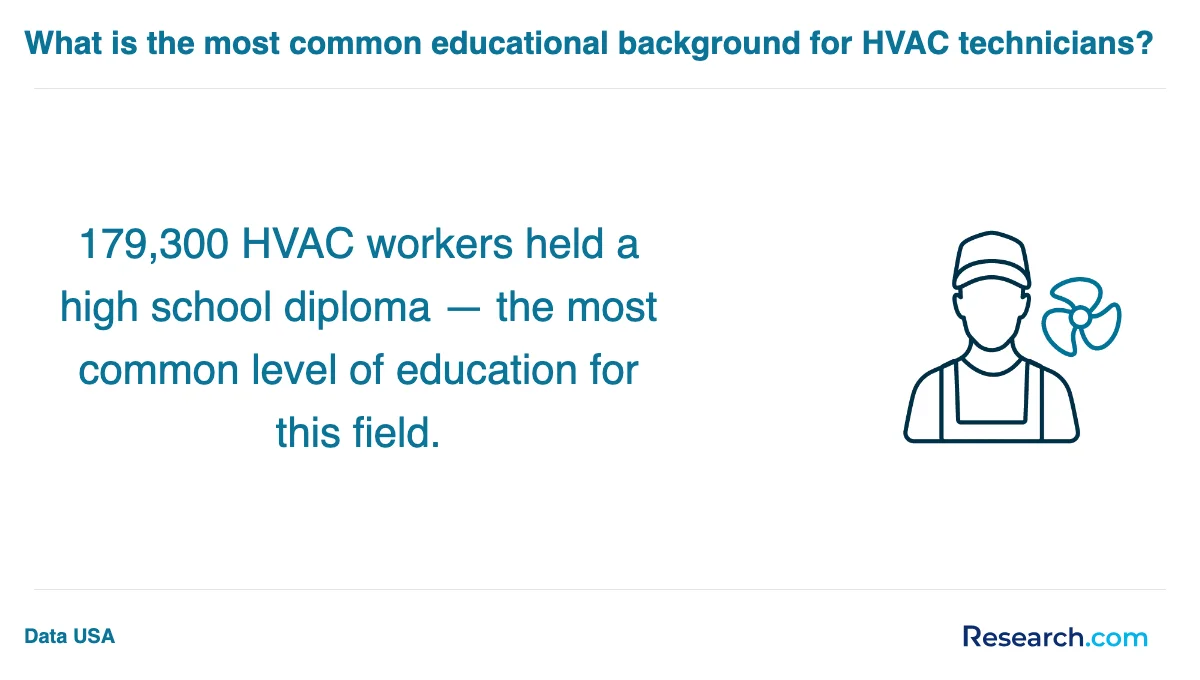
- Most HVAC trade programs in North Carolina require a high school diploma or equivalent and no prior HVAC experience.
- Program lengths vary from under a year for certificates to two years for associate degrees, with some accelerated options lasting about 39 weeks.
- Costs range between $3,000 and $15,000 depending on the school, credential level, and residency status.
- Graduates can pursue EPA 608 and other certifications; 18 months of work experience is needed before applying for a technician's license exam.
- The median annual salary for HVAC technicians in the U.S. is $59,810, with entry-level salaries in North Carolina around $40,000-$45,000.
Completing an HVAC technician trade school program in North Carolina typically takes about six months to a year, depending on the school and whether you attend full-time or part-time. Many students at well-known trade schools in the state find that a full-time schedule allows them to graduate faster and start working sooner, which adds to their excitement and motivation.
Graduates often share how the hands-on training, combined with classroom instruction, feels manageable and rewarding within this timeframe. For example, those attending popular programs in cities like Charlotte or Raleigh appreciate how the curriculum is designed to prepare them quickly for entry-level positions, making the journey feel practical and achievable. This approach helps students balance their studies with personal responsibilities and keeps their confidence high as they progress.
For those who need more flexibility, part-time options extend the program duration but still provide a clear path to certification. Overall, the completion time is short enough to keep momentum but thorough enough to build real skills, which is perfect for anyone eager to jumpstart a career in HVAC in North Carolina.
The main difference between online and on-campus HVAC technician programs in North Carolina is how the training is delivered and the hands-on experience gained. Graduates from on-campus programs at schools like Miller-Motte College and Universal Technical Institute often share how valuable it was to work directly with real HVAC equipment in labs. This in-person practice builds confidence and skills that online-only courses can't fully provide.
Online programs offer flexibility through video lectures and virtual lessons, which suits students balancing work or family. However, most reputable North Carolina programs, such as Central Piedmont Community College, require students to complete in-person labs or hybrid sessions to master the hands-on tasks essential for certification and employment.
Many graduates say that having instructors nearby for immediate feedback during lab work made all the difference in understanding complex systems. If you're considering online HVAC training, make sure it includes on-campus or approved site labs, because actual tool handling and real-world troubleshooting are critical for success in this trade.
The average cost HVAC technician trade school North Carolina students encounter varies mainly by institution type and residency status. Graduates from community colleges like Rowan-Cabarrus Community College typically recall paying around $1,824 for in-state tuition, while out-of-state classmates reported fees closer to $6,432. Similarly, Forsyth Technical Community College's HVAC programs average $2,152 annually for in-state students, reflecting a more affordable path for local residents aiming to enter the field without excessive debt.
Private vocational schools, by contrast, tend to have higher tuition fees, with some programs costing between $10,000 and $25,000. Those who attended these schools often highlight the richness of hands-on training and specialized resources, which can make the larger investment worthwhile for certain career goals. However, tuition fees are just part of the equation; most graduates advise budgeting an additional $500 to $1,500 for essential books, supplies, tools, and uniforms to be fully prepared for the demands of the program and industry.
Understanding tuition fees HVAC technician programs North Carolina offer is crucial for planning your educational journey effectively. Many students have found relief through financial aid options, including federal and state grants, scholarships specific to trade programs, and veteran benefits when applicable. It's smart to explore these opportunities early to ease the financial burden. For those weighing their options, researching the best trade school degrees online can also provide insight into affordable and reputable programs that fit individual needs and goals.

If you're training to become an HVAC technician in North Carolina, financial aid options can really ease your journey. Many graduates from Guilford Technical Community College and Pitt Community College share how the Free Application for Federal Student Aid (FAFSA) was their first step to unlocking Pell Grants, which can cover up to $7,395 per academic year without the stress of repayment. This kind of support made a huge difference, especially when balancing work and studies.
State-specific aid like the North Carolina Community College Grant and the Education Lottery Scholarship often help students at community colleges cover tuition and even some living costs. One graduate recalls how these programs allowed them to focus fully on their HVAC training without the constant worry about bills.
Many students also benefit from institutional scholarships, such as Wake Tech's Propel program, which covers registration and fees. This kind of targeted support feels like a real boost, letting students dive into their hands-on learning confidently.
High school students can get a head start through the Career and College Promise program, earning college credits for HVAC classes at no cost. This early advantage means less financial strain later on and a smoother path into the trade.
Remember, though, non-credit courses may not qualify for federal aid, so it's smart to talk directly with your school's financial aid office to explore all your options and deadlines.
To enroll in an HVAC technician trade school program in North Carolina, you generally need to meet a few straightforward prerequisites that set you up for success. Most programs require a high school diploma or GED, which ensures you have the basic knowledge to handle technical coursework. Graduates often recall that being comfortable with math and basic science made a big difference early on.
Some schools, like those popular trade schools in Charlotte or Raleigh, might also ask for:
- Proof of residency or citizenship status within North Carolina
- A valid driver's license, since hands-on training sometimes involves site visits or travel to local facilities
- Basic physical fitness, as HVAC work can be physically demanding
- Completion of a background check or drug screening, depending on the program
Many students share that coming in with a genuine curiosity about how heating and cooling systems work helped them stay motivated. For example, one graduate from a well-known Greensboro trade school described feeling excited during their first hands-on lab, knowing the prerequisites had prepared them well for practical challenges ahead.

When you enroll in an HVAC technician trade school in North Carolina, like Guilford Technical Community College or Miller-Motte College, you dive into a well-rounded curriculum designed to build both your knowledge and confidence. Early courses focus on HVACR theory, where graduates recall learning the core principles of thermodynamics and heat transfer-essential for understanding how heating and cooling systems really work.
Next, you'll tackle electrical fundamentals tailored specifically for HVAC systems. Many students find this exciting, as it demystifies the wiring and controls behind everyday equipment. Imagine confidently diagnosing a faulty circuit after this training.
Refrigeration technology is another key area, emphasizing safe refrigerant handling and system repairs. Graduates often share how hands-on labs made these concepts click, especially when working on real industry-standard equipment.
Certification prep is baked in, with EPA Section 608 training mandatory for refrigerant handling. Plus, some programs offer prep for coveted certifications like NATE or HVAC Excellence, boosting your job prospects.
- HVACR theory and systems
- Electrical fundamentals for HVAC
- Refrigeration technology and safety
- EPA Section 608 certification preparation
- Hands-on lab work with industry-standard equipment
- Optional prep for NATE or HVAC Excellence certifications
In North Carolina, HVAC technician trade school programs offer specializations that help students build expertise tailored to specific industry needs. Graduates from Wake Technical Community College often highlight the value of specializing in Commercial Air Conditioning Systems in North Carolina, where they gain hands-on experience working with large-scale commercial HVAC equipment. This specialization is ideal for those looking to work in busy commercial environments managing cooling and heating systems.
Another popular path is Building Automation Systems in North Carolina, taught extensively at institutions like Wake Tech. Students become proficient in integrating smart controls with HVAC units to optimize energy efficiency-a skill highly sought after by employers. Graduates frequently share their confidence when entering the workforce, thanks to real-world lab training and problem-solving scenarios.
Many students at Central Piedmont Community College and Eastern North Carolina Regional Skills Center find that combining these specializations with internship opportunities helps them build a strong foundation for career growth. For those exploring various options, looking into best vocational trade programs can provide insight into where to start.
Choosing the best HVAC technician trade school program in North Carolina starts with accreditation. Graduates from schools like Central Piedmont Community College highlight how accredited programs helped them transfer credits smoothly when continuing their education. These programs ensure you gain solid, industry-standard knowledge and skills, which employers value.
Next, compare HVAC technician programs North Carolina by looking at curriculum and hands-on training. Many students praise Forsyth Technical Community College for its combination of classroom lessons and real-world lab experience, which built their confidence before entering the workforce. Hands-on practice is essential to mastering HVAC systems and impressing future employers.
Location and class format matter too. If balancing work or family, you might prefer hybrid courses offered locally. Also, consider cost and financial aid options; schools like Wake Technical Community College are known for affordable tuition and helpful aid offices. Some students even explored maintenance technician certification online for extra flexibility.
Finally, check graduation rates and job placement success. Schools with strong employer ties often lead to apprenticeships or job offers immediately after graduation, which many North Carolina HVAC graduates appreciate for launching their careers quickly.
Graduates of HVAC technician trade school programs in North Carolina find a wide range of opportunities that match their skills and ambitions. Many begin with roles as HVAC technicians, installing and maintaining systems in homes and businesses. Others explore specialized paths, such as refrigeration technicians or HVAC installers, often fueled by hands-on experiences gained at popular trade schools in Raleigh, Charlotte, and Greensboro. These graduates frequently share how rewarding it feels to troubleshoot problems on-site and quickly restore comfort to customers.
HVAC technician job opportunities in North Carolina often extend beyond entry-level work. Graduates can advance into roles like service managers or project managers, overseeing teams and complex system installations. Some take pride in starting their own contracting businesses after earning experience and necessary local licenses. These career paths foster a strong sense of independence and pride.
Many graduates also pursue apprenticeships, which allow them to learn under skilled mentors. Exploring what is an hvac apprenticeship can be an invaluable step toward broadening skills and opening doors to higher positions. Real-world experience combined with education from North Carolina trade schools supports continual HVAC career advancement in North Carolina.
The HVAC technician job outlook in North Carolina is very promising, especially for students graduating from popular trade schools across the state. Graduates often find themselves quickly employed thanks to the state's steady demand for HVAC professionals in residential, commercial, and industrial sectors. It's common to see entry-level technicians hired at $20 to $30 per hour, with wages increasing as experience grows. Many graduates who started at well-known programs report early job offers in cities like Raleigh and Charlotte, where ongoing construction and system upgrades keep the market lively.
Real-life experiences from graduates highlight opportunities to quickly advance by gaining certifications and hands-on training. The average wage for HVAC technicians in North Carolina hovers around $29.59 per hour, with annual salaries near $53,421, but with overtime and specialized roles, some technicians earn over $150,000 per year.
For anyone curious about how long to become an hvac technician, trade schools in North Carolina offer accessible paths combined with strong job placement, reinforcing the HVAC technician demand in North Carolina as a very encouraging landscape for graduates.
Best HVAC Technician Training Programs & Trade Schools - Top HVAC Tech Schools in North Carolina for 2026
# 1 position
Davidson-Davie Community College - Heating, Air Conditioning, Ventilation and Refrigeration Maintenance Technology/Technician.
associateDavidson-Davie Community College offers a hybrid Heating, Air Conditioning, Ventilation and Refrigeration Maintenance Technology/Technician program. It prepares students to repair, install, service, and maintain HVAC and refrigeration systems using diagnostic techniques and testing equipment. The program covers mechanics, electricity, and electronics principles relevant to these systems. Annual in-state tuition is $1,978. Graduates earn a median of $46,491 one year after completion. It is accredited by the Southern Association of Colleges and Schools Commission on Colleges.
# 2 position
Davidson-Davie Community College - Heating, Air Conditioning, Ventilation and Refrigeration Maintenance Technology/Technician.
certificate or diplomaDavidson-Davie Community College offers a hybrid program in Heating, Air Conditioning, Ventilation and Refrigeration Maintenance Technology/Technician. The curriculum prepares students to repair, install, service, and maintain HVAC and refrigeration systems, emphasizing diagnostic techniques, testing equipment, and principles of mechanics, electricity, and electronics. The annual in-state tuition is $1,978. Graduates earn a median salary of $46,491 one year after completing the program. The program is accredited by the Southern Association of Colleges and Schools Commission on Colleges.
# 3 position
Wayne Community College - Heating, Air Conditioning, Ventilation and Refrigeration Maintenance Technology/Technician.
certificate or diplomaThe Heating, Air Conditioning, Ventilation and Refrigeration Maintenance Technology/Technician program at Wayne Community College prepares students to repair, install, service, and maintain HVAC and refrigeration systems. The hybrid program includes instruction in diagnostic techniques, testing equipment, and principles of mechanics, electricity, and electronics. Annual in-state tuition costs $2,524. The program is accredited by the Southern Association of Colleges and Schools Commission on Colleges.
# 4 position
McDowell Technical Community College - Heating, Air Conditioning, Ventilation and Refrigeration Maintenance Technology/Technician.
associateMcDowell Technical Community College offers a hybrid program in Heating, Air Conditioning, Ventilation and Refrigeration Maintenance Technology/Technician. The curriculum prepares students to repair, install, service, and maintain HVAC and refrigeration systems, emphasizing diagnostic techniques and the use of testing equipment. Instruction covers mechanics, electricity, and electronics principles related to these systems. The annual in-state tuition is $1,958. The program is accredited by the Southern Association of Colleges and Schools Commission on Colleges.
# 5 position
McDowell Technical Community College - Heating, Air Conditioning, Ventilation and Refrigeration Maintenance Technology/Technician.
certificate or diplomaMcDowell Technical Community College offers a hybrid program in Heating, Air Conditioning, Ventilation and Refrigeration Maintenance Technology/Technician. The program trains students to repair, install, service, and maintain HVAC and refrigeration systems, including diagnostic techniques and use of testing equipment. Instruction covers mechanics, electricity, and electronics principles related to system repair. The annual in-state tuition is $1,958. The program is accredited by the Southern Association of Colleges and Schools Commission on Colleges.
# 6 position
Tri-County Community College - Heating, Air Conditioning, Ventilation and Refrigeration Maintenance Technology/Technician.
associateTri-County Community College offers a hybrid program in Heating, Air Conditioning, Ventilation and Refrigeration Maintenance Technology/Technician. The curriculum prepares students to repair, install, service, and maintain HVAC and refrigeration systems using diagnostic techniques and testing equipment. Instruction covers mechanics, electricity, and electronics related to these systems. Annual in-state tuition is $2,363. The program is accredited by the Southern Association of Colleges and Schools Commission on Colleges.
# 7 position
Tri-County Community College - Heating, Air Conditioning, Ventilation and Refrigeration Maintenance Technology/Technician.
certificate or diplomaTri-County Community College offers a hybrid program in Heating, Air Conditioning, Ventilation and Refrigeration Maintenance Technology/Technician. This program prepares students to repair, install, service, and maintain HVAC and refrigeration systems, focusing on diagnostic techniques and the principles of mechanics, electricity, and electronics. The annual in-state tuition is $2,363. The program is accredited by the Southern Association of Colleges and Schools Commission on Colleges.
# 8 position
College of the Albemarle - Heating, Air Conditioning, Ventilation and Refrigeration Maintenance Technology/Technician.
certificate or diplomaThe College of the Albemarle offers a hybrid program in Heating, Air Conditioning, Ventilation and Refrigeration Maintenance Technology/Technician. This program prepares students to repair, install, service, and maintain HVAC and refrigeration systems. Instruction covers diagnostic techniques, testing equipment, and principles of mechanics, electricity, and electronics relevant to these systems. The program is accredited by the Southern Association of Colleges and Schools Commission on Colleges. Annual in-state tuition is $2,249.
# 9 position
Stanly Community College - Heating, Air Conditioning, Ventilation and Refrigeration Maintenance Technology/Technician.
associateStanly Community College offers a hybrid program in Heating, Air Conditioning, Ventilation, and Refrigeration Maintenance Technology/Technician. This program teaches technical skills to repair, install, service, and maintain HVAC and refrigeration systems. Instruction covers diagnostic techniques, testing equipment, and principles of mechanics, electricity, and electronics related to system repair. The annual in-state tuition is $2,672. The program is accredited by the Southern Association of Colleges and Schools Commission on Colleges.
# 10 position
Stanly Community College - Heating, Air Conditioning, Ventilation and Refrigeration Maintenance Technology/Technician.
certificate or diplomaStanly Community College offers a hybrid Heating, Air Conditioning, Ventilation and Refrigeration Maintenance Technology/Technician program designed to prepare students to repair, install, service, and maintain HVAC and refrigeration systems. The curriculum includes diagnostic techniques, use of testing equipment, and principles of mechanics, electricity, and electronics related to these systems. Annual in-state tuition is $2,672. The program is accredited by the Southern Association of Colleges and Schools Commission on Colleges.
Frequently Asked Questions about HVAC technician
After completing an HVAC technician trade school in North Carolina, preparing for the job market involves several key steps. First, obtaining relevant certifications such as EPA Section 608 is essential, as it is required for handling refrigerants. Many employers prefer candidates with this credential. According to the North Carolina Department of Commerce, HVAC jobs are projected to grow by 9% from 2020 to 2030, which is faster than the average for all occupations.
Networking through local trade associations or job fairs can increase employment opportunities. Practical experience, including internships or apprenticeships, is highly valued by employers. Additionally, updating a professional resume and practicing interview skills tailored to HVAC roles can improve hiring success. Staying informed about industry trends and continuing education also helps graduates remain competitive in North Carolina's evolving job market.
Employers in North Carolina seek HVAC technician graduates who demonstrate strong technical skills and practical knowledge. Proficiency in installing, maintaining, and repairing heating, ventilation, air conditioning, and refrigeration systems is essential. According to the U.S. Bureau of Labor Statistics, employers also prioritize familiarity with EPA regulations, especially regarding refrigerant handling certification.
Problem-solving abilities and troubleshooting expertise are highly valued, as HVAC systems require precise diagnostics. Communication skills matter as well, since technicians often interact with customers and coworkers. Additionally, safety awareness and adherence to industry standards are critical due to the physical and technical nature of the work.
Trade schools that emphasize hands-on training and up-to-date technology prepare students best for these employer expectations in North Carolina's HVAC job market.
Finding internships in North Carolina relevant to HVAC technician trade school programs involves several strategic steps. Start by contacting the career services office of your trade school, as many schools maintain partnerships with local HVAC companies. The North Carolina Department of Commerce reports steady growth in HVAC job openings, with internships often found through workforce development programs.
Networking is crucial; joining industry associations, such as the Air Conditioning Contractors of America (ACCA) Carolinas chapter, can connect students to employers offering internships. Additionally, online job platforms like NCWorks.gov list apprenticeship and internship opportunities specific to HVAC technician roles in the state.
Finally, attending local job fairs and trade expos can provide direct access to HVAC employers actively seeking interns, enhancing practical experience before graduation.
Obtaining a diploma from a HVAC technician trade school in North Carolina significantly enhances career mobility and advancement opportunities. According to the North Carolina Department of Commerce, skilled HVAC technicians are in high demand, with projected job growth of 10% through 2030. A diploma often serves as a key credential that employers recognize, increasing eligibility for higher-paying positions and specialized roles.
Trade school programs provide practical skills and technical knowledge aligned with industry standards, which can lead to faster promotion compared to on-the-job training alone. Graduates also gain access to professional networks and apprenticeships that facilitate upward mobility.
Additionally, certification opportunities following completion of diploma programs, such as EPA Section 608, are essential for career advancement in the state's HVAC sector.
Part-time job opportunities in North Carolina that complement HVAC technician trade school education often include roles such as HVAC helper, maintenance assistant, or apprentice technician. These positions provide hands-on experience with heating, ventilation, and air conditioning systems, allowing students to apply classroom knowledge in real-world settings. According to the U.S. Bureau of Labor Statistics, North Carolina's HVAC job market is expected to grow by 8% through 2031, reflecting steady demand for skilled workers.
Working part-time in related fields like electrical or plumbing support can also enhance technical skills relevant to HVAC work. Employers in North Carolina often seek candidates with practical experience, so internships or cooperative education programs connected to trade schools are valuable. These roles help students build professional networks and improve their employability upon graduation.
Yes, there are several accredited HVAC Technician degree programs available near North Carolina. These programs often provide a comprehensive education through both theoretical and practical instruction to prepare students for a career in heating, ventilation, and air conditioning technology. Using resources like Research.com, you can locate specific programs near me that might include full degree courses or certification options at various universities and technical colleges.
- Best HVAC Technician Training Programs & Trade Schools - Top HVAC Tech Schools in West Virginia for 2026
- Best HVAC Technician Training Programs & Trade Schools - Top HVAC Tech Schools in Kentucky for 2026
- Best HVAC Technician Training Programs & Trade Schools - Top HVAC Tech Schools in Maryland for 2026
- Best HVAC Technician Training Programs & Trade Schools - Top HVAC Tech Schools in Alabama for 2026
- Best HVAC Technician Training Programs & Trade Schools - Top HVAC Tech Schools in Pennsylvania for 2026
- Best HVAC Technician Training Programs & Trade Schools - Top HVAC Tech Schools in Delaware for 2026
- Best HVAC Technician Training Programs & Trade Schools - Top HVAC Tech Schools in Missouri for 2026
- Best HVAC Technician Training Programs & Trade Schools - Top HVAC Tech Schools in New York for 2026
- Best HVAC Technician Training Programs & Trade Schools - Top HVAC Tech Schools in Illinois for 2026
- Best HVAC Technician Training Programs & Trade Schools - Top HVAC Tech Schools in Michigan for 2026
- How to Become an HVAC Technician in North Carolina | Miller-Motte College https://www.miller-motte.edu/become-an-hvac-technician-in-nc-your-miller-motte-guide/
- HVAC Technician School & Training in Mooresville, NC | UTI https://www.uti.edu/locations/north-carolina/mooresville/hvacr
- HVAC Technician | Wake Tech https://www.waketech.edu/programs-courses/non-credit/workforce-training/construction-maintenance/hvac-technician
- HVAC School in North Carolina | Training for HVAC Jobs in NC https://www.hvacschool.org/north-carolina/
- Online Certified HVCA/R Technician Training | North Carolina Central University https://www.nccu.edu/division-extended-studies/continuing-education/professional-development-career-training/online-certified-hvcar-technician-training
- HVAC Technician – North Carolina Trade School https://northcarolinatradeschool.com/hvac-technician/
- Heating & Air Conditioning (HVAC) – Caldwell Community College & TI https://cccti.edu/program/heating-air-conditioning-hvac/
- Air Conditioning, Heating, and Refrigeration Technology https://www.gtcc.edu/academics/academic-programs/programs/manufacturing-transportation-construction/air-conditioning-heating-refrigeration-technology.php
- Online HVAC/R Technician (Voucher Included) from University of North Carolina at Pembroke https://careertraining.uncp.edu/training-programs/hvacr-technician/
- A/C, Heating, & Refrigeration Technology - Fayetteville Technical Community College https://www.faytechcc.edu/academics/engineering-applied-technology-programs/ac-heating-refrigeration-technology/