Most Affordable HVAC Technician Schools & Training - Budget-Friendly HVAC Trade Programs in Pittsburgh for 2026

Co-Founder and Chief Data Scientist
The right HVAC technician trade school in Pittsburgh should do more than teach basic repair skills. It should help you enter the workforce quickly, prepare for required certifications, fit your budget, and connect you with employers hiring in residential, commercial, industrial, and facilities maintenance settings.
This guide rewrites the key decision points for students comparing HVAC technician programs in Pittsburgh. It covers expected training, program length, online versus campus formats, costs, financial aid, admissions requirements, common courses, specializations, career paths, salaries, and local job-market conditions. The ranking is designed to help first-time students, career changers, working adults, and certification seekers compare programs with a clearer view of cost, return on investment, and career fit.
Research.com’s ranking approach is intended to make school selection easier, but the best choice still depends on your goals. Before enrolling, confirm accreditation, hands-on lab access, EPA 608 preparation, employer partnerships, tuition and fees, and whether the schedule works with your job or family responsibilities.
Key benefits of finishing HVAC technician trade school in Pittsburgh
- HVAC technician trade school can lead to solid earnings in the Pittsburgh market. Graduates can expect an average annual salary around $59,724, while experienced technicians may earn up to $84,321.
- Training can open several career routes, including residential service, commercial HVAC, refrigeration, facilities maintenance, installation, and specialized technician roles. This flexibility matters if you want room to move into higher-skill or higher-paying work later.
- Online HVAC programs can be useful for students who need flexible scheduling or want to start training while working. The strongest options still need to prepare students for hands-on tasks, certification requirements, and employer expectations.
- A trade school route can be shorter than a traditional degree, which may help students enter the workforce faster. The trade-off is that students should carefully verify how much hands-on practice, career support, and certification preparation the program provides.
- Most Affordable HVAC Technician Schools & Training - Budget-Friendly HVAC Trade Programs in Pittsburgh for 2026
- What can I expect from HVAC technician trade schools in Pittsburgh?
- Where can I work after finishing HVAC technician trade schools in Pittsburgh?
What can I expect from HVAC technician trade schools in Pittsburgh?
HVAC technician trade schools in Pittsburgh typically combine technical classroom instruction with hands-on practice. You should expect to study how heating, ventilation, air conditioning, and refrigeration systems work, then apply those concepts through labs, simulations, tool practice, and troubleshooting exercises.
Strong programs focus on job-ready skills. Students may practice piping, brazing, soldering, electrical testing, system diagnostics, refrigerant handling, and safe equipment operation. The goal is to help you move from theory to real service tasks without being surprised by the tools, safety rules, or pace of the job.
Training areas to look for
- Refrigeration theory and air conditioning systems
- Electrical fundamentals, circuitry, and motor controls
- Heating systems, including furnaces, boilers, and heat pumps
- Ventilation, ductwork, airflow, and indoor air quality concepts
- EPA 608 certification preparation for refrigerant-related work
- Customer communication, work orders, safety practices, and jobsite professionalism
Career support can also make a difference. When comparing Pittsburgh programs, ask whether the school offers resume help, interview coaching, employer referrals, apprenticeship connections, and job placement assistance. Technical skill matters, but so does the ability to present yourself well to local contractors, facilities teams, and service companies.
Where can I work after finishing HVAC technician trade schools in Pittsburgh?
After completing an HVAC technician trade school program in Pittsburgh, graduates can pursue work with HVAC contractors, residential service companies, commercial maintenance teams, property management firms, refrigeration companies, construction contractors, and institutional facilities departments.
Common workplaces include homes, apartment buildings, office buildings, hospitals, universities, retail spaces, restaurants, warehouses, and industrial facilities. The work can vary widely: one technician may spend most days servicing residential air conditioning systems, while another may maintain complex commercial equipment in a large building.
Common employment settings
- Residential HVAC companies: Installation, maintenance, diagnostics, and repair for homeowners.
- Commercial HVAC contractors: Larger systems, rooftop units, controls, and preventive maintenance contracts.
- Facilities maintenance departments: HVAC work inside hospitals, schools, universities, corporate buildings, and public facilities.
- Refrigeration employers: Service for food storage, restaurants, supermarkets, and commercial refrigeration systems.
- Construction and installation teams: New system installation, ductwork, piping, and startup support.
Specialized paths such as refrigeration or controls technician roles may require additional training, certifications, or employer-sponsored experience. If you want long-term advancement, choose a program that teaches fundamentals well and gives you a foundation for future certifications.
After finishing an HVAC technician trade school program in Pittsburgh, many graduates can expect an average annual salary of around $59,724, or roughly $29 per hour. This compares favorably with the national median of about $54,100, although individual pay depends on employer, experience, certifications, overtime, specialization, and job setting.
Entry-level earnings are usually lower than experienced technician earnings, but HVAC can offer a clear wage path for workers who build field experience and add credentials. Senior HVAC technicians in Pittsburgh earn upwards of $33.80 per hour. The commercial HVAC sector also offers strong earning potential, with average salaries near $63,668 annually.
What can raise your pay?
- EPA 608 certification and other recognized credentials
- Experience with commercial systems, refrigeration, boilers, controls, or complex diagnostics
- Willingness to work overtime, emergency service calls, or seasonal peak periods
- Strong customer service and troubleshooting skills
- Advancement into lead technician, journeyman, service manager, or specialized technician roles
Local market dynamics and a slight cost of living increase in 2025 suggest that HVAC technicians in Pittsburgh may continue to see stable demand. Still, salary outcomes are not guaranteed, so students should compare program cost against likely starting wages and job-placement support.
- Applicants must be at least 18 years old and have a high school diploma or GED, valid Pennsylvania ID, and a passing score on a general aptitude exam.
- Tuition costs vary widely, ranging from about $96 per year for some programs to up to $10,000 for comprehensive courses.
- Program length ranges from several months to two years, with options that may lead to certificates, diplomas, or associate degrees.
- Most programs combine classroom instruction with hands-on training so students can build technical knowledge and practical repair skills.
- Job placement rates can reach 70% or higher, and up to 50% of students may be hired before graduation.
- Starting salaries for HVAC technicians in Pittsburgh range from $40,000 to $48,000 annually, while experienced technicians can earn $55,000 to $65,000 or more.
Most HVAC technician trade school programs in Pittsburgh take between 6 months and 1 year to complete, depending on the school, credential level, course load, and whether the program is full-time, part-time, accelerated, or tied to a longer degree path.
Shorter certificate or diploma programs can be a good fit if your priority is to enter the workforce quickly. Longer programs may include broader coursework, more lab time, general education requirements, or preparation for additional career paths. The right timeline depends on how soon you need to work, how much hands-on training you want, and whether you plan to pursue an associate degree.
How to evaluate program length
- Several months: Often focused on core technical skills and faster workforce entry.
- 6 months to 1 year: A common range for intensive HVAC technician training.
- Up to two years: May apply to associate degree programs or broader technical education paths.
Before choosing an accelerated option, confirm that speed does not come at the expense of lab practice, certification preparation, or employer connections. Fast training is valuable only if it leaves you ready to perform safely and competently on the job.
Online and on-campus HVAC technician programs can both support career preparation, but they serve different types of learners. The main difference is how you complete technical practice. Online programs offer flexibility, while on-campus programs typically provide more direct access to tools, equipment, instructors, and lab environments.
SkillCat's online program is an example of a flexible option, with 120 hours of virtual simulations and $10 monthly tuition. This type of format may help students who need to study around work or family obligations. However, students should make sure they understand how the program addresses hands-on competencies, certification preparation, and employer expectations.
On-campus options such as All-State Career School or CCAC may appeal to students who learn best by physically handling HVAC units, working with tools, and receiving immediate feedback from instructors. Campus programs can also make it easier to build peer networks and connect with local employers.
Which format fits you best?
- Choose online if: You need maximum scheduling flexibility, already have some related experience, or want a lower-cost entry point.
- Choose on-campus if: You want structured labs, direct instructor supervision, tool practice, and a more traditional classroom routine.
- Ask both types of programs: How do students practice hands-on skills, prepare for EPA 608, receive career support, and document job-ready competencies?
The cost of HVAC technician trade schools in Pittsburgh varies by credential, school type, program length, and included materials. Certificate programs that typically last six to twelve months usually cost between $1,200 and $15,000. Associate degree programs that span about two years can range from $15,000 to $35,000.
Students should compare total cost, not tuition alone. Schools such as Triangle Technical School or Rosedale Technical College may require budgeting for books, tools, supplies, fees, transportation, and living expenses. Supplemental costs such as supplies can add between $500 and $1,000, while housing and food might range from $5,000 to $10,000 annually.
Cost factors to review before enrolling
- Tuition and mandatory fees
- Books, tools, uniforms, safety gear, and lab supplies
- EPA 608 exam preparation or certification-related costs
- Transportation, parking, housing, and food
- Whether financial aid can be applied to the program
- Program completion rate and job placement support
A lower tuition price can be attractive, but it should not be the only deciding factor. A more expensive program may be worth considering if it offers stronger hands-on training, employer connections, certification preparation, and job placement assistance. At the same time, students should avoid taking on debt without a realistic plan for repayment based on expected starting wages.
If you want a broader explanation of licensing, training steps, and career planning, Research.com’s guide on how to become a licensed hvac technician can help you understand the pathway before you commit to a program.
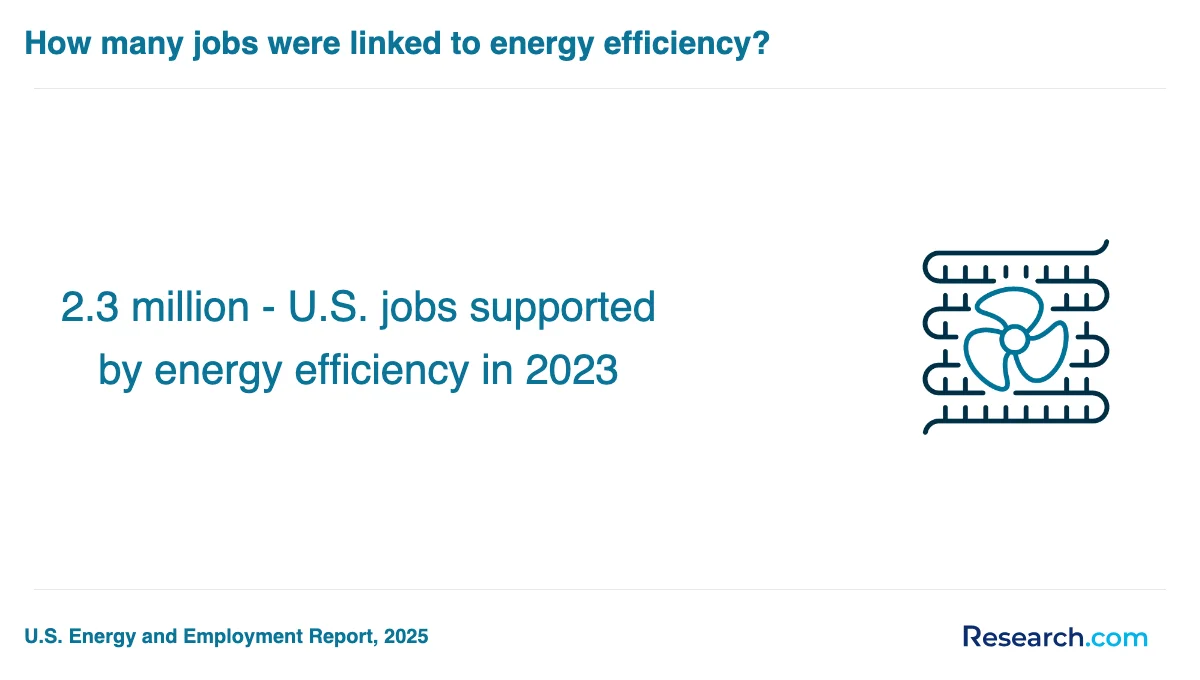
Financial aid for HVAC technician trade schools in Pittsburgh may include federal grants, federal loans, state grants, scholarships, veterans benefits, workforce funding, and rehabilitation-related support. Availability depends on the school, program eligibility, student status, financial need, residency, and whether the institution participates in specific aid programs.
Students at schools such as Rosedale Technical College may be able to use federal aid, including Pell Grants and Supplemental Educational Opportunity Grants. Some students may also consider Federal Direct Loans or PLUS Loans, but loans should be used carefully because they must be repaid.
Common aid sources to ask about
- FAFSA-based aid: The FAFSA is commonly used to determine eligibility for federal grants, loans, and some school-based aid.
- Federal grants: Pell Grants and Supplemental Educational Opportunity Grants may reduce out-of-pocket cost for eligible students.
- Federal loans: Federal Direct Loans or PLUS Loans may be available, but students should compare borrowing against expected earnings.
- Pennsylvania aid: The PA State Grant program may help eligible Pennsylvania residents.
- Local scholarships: Options such as the Pittsburgh Promise may help qualifying students.
- Veterans Benefits: Veterans and active-duty military students should ask how benefits apply to HVAC training.
- Workforce and rehabilitation programs: Some students may qualify for funding tied to employment training or career transition needs.
Before enrolling, ask the financial aid office for a written cost estimate showing tuition, fees, expected aid, loan amounts, and remaining balance. Do not rely only on advertised tuition or general aid language.
Prerequisites for HVAC technician trade schools in Pittsburgh are usually straightforward. Most programs require applicants to be at least 18 years old and have a high school diploma or GED. Some programs also require valid Pennsylvania ID, a general aptitude exam, placement testing, a background check, or drug screening.
Because HVAC training involves math, electricity, mechanical systems, safety procedures, and physical work, students should be prepared for both classroom learning and hands-on tasks. You do not usually need prior HVAC experience, but readiness matters.
Typical enrollment expectations
- High school diploma or GED
- At least 18 years old
- Valid Pennsylvania ID when required
- Basic math and reading skills
- Ability to pass a general aptitude exam when required
- Possible background check and drug screening
- Physical ability to lift equipment, use tools, climb ladders, and work in tight or elevated spaces
Helpful preparation includes basic algebra, physics concepts, mechanical curiosity, manual dexterity, and problem-solving ability. If a school offers an information session, advising appointment, or placement test, use it to confirm expectations before paying deposits or committing to a schedule.
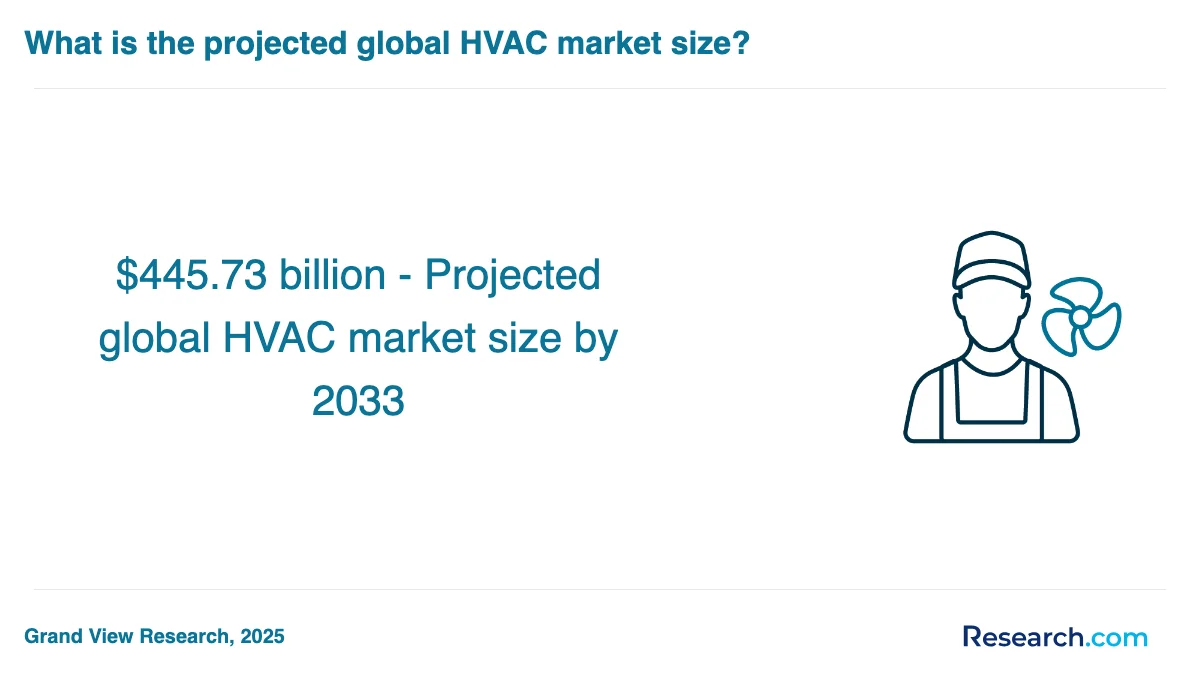
HVAC technician trade school courses in Pittsburgh usually blend technical theory, lab work, safety training, and certification preparation. The best programs help students understand why systems work, how to diagnose problems, and how to complete repairs safely.
Students often begin with tool use, safety procedures, and an introduction to heating, cooling, and ventilation systems. As training progresses, they may move into electrical systems, refrigerant handling, brazing, soldering, ductwork, heat load calculations, and troubleshooting.
Common HVAC courses and training topics
- Introduction to HVAC - heating, cooling, ventilation, system components, and basic operating principles.
- EPA 608 Certification Preparation - required knowledge for safely handling refrigerants.
- Electrical training - circuitry, wiring, motor controls, meters, and electrical safety.
- Refrigeration theory and air conditioning systems - especially important for students in more comprehensive or associate degree programs.
- Key hand tools - practical tool identification, use, care, and safety.
- Brazing and soldering techniques - joining methods used in installation and repair work.
- Residential heat load calculations - estimating heating and cooling needs for homes.
- Duct design - airflow, duct sizing, and installation principles.
- Natural gas furnaces - operation, diagnostics, and repair practice.
- Heat pumps - system operation, troubleshooting, and maintenance.
- Workplace communication and customer relations - service calls, explaining repairs, professionalism, and documentation.
When comparing programs, ask how much lab time is included and whether students work with real equipment. HVAC is a hands-on trade, so coursework should move beyond lectures into repeated practice.
HVAC technician trade schools in Pittsburgh may offer specializations or advanced training areas that help students prepare for specific work environments. Specialization is useful because HVAC work is broad: residential heating repair, commercial refrigeration, air quality, building controls, and industrial piping all require overlapping but different skill sets.
Common specialization areas
- Refrigeration: Training may cover installation, service, and troubleshooting for commercial refrigeration units, along with EPA 608 certification preparation for safe refrigerant handling.
- Ventilation and indoor air quality: Students may learn ductwork, airflow, filtration, and ventilation practices used in homes, hospitals, schools, and commercial buildings.
- Heating systems: This area focuses on furnaces, boilers, seasonal maintenance, diagnostics, and repair work that is especially relevant for Pittsburgh homes and businesses.
- Pipefitting, steamfitting, and sheet metal work: These skills can support industrial HVAC careers and may connect to union-recognized certifications.
- Digital control systems: Training may cover automated building systems, controls, sensors, and energy management concepts.
- Business and customer service: These skills can help technicians move into supervisory roles, service management, or eventually operate their own HVAC service business.
Choose a specialization based on the type of work you want. Residential service may offer frequent customer-facing calls and steady seasonal demand. Commercial HVAC and controls may involve larger systems and more complex troubleshooting. Refrigeration can be attractive for students interested in food service, retail, and cold-storage environments.
Students evaluating long-term earning potential can also compare HVAC with other high paying jobs trade school pathways before deciding which trade offers the best fit.
The best HVAC technician trade school program in Pittsburgh is the one that matches your budget, schedule, learning style, and career goal while providing credible training. Do not choose based only on convenience or advertising. Compare outcomes, hands-on training, certification preparation, and employer connections.
Factors to compare
- Accreditation and reputation: Confirm the school is recognized and that employers respect its training.
- Hands-on labs: Look for industry-standard equipment and repeated practice with real HVAC systems.
- EPA Section 608 preparation: A strong program should help students prepare for refrigerant-related certification requirements.
- Schedule flexibility: Evening, weekend, online, or hybrid options may matter if you work or support a family.
- Total cost: Compare tuition, fees, tools, books, supplies, transportation, and living expenses.
- Financial aid access: Ask which grants, loans, scholarships, veterans benefits, or workforce funds may apply.
- Job placement assistance: Review employer partnerships, placement rates, apprenticeship connections, and career services.
- Program length: Make sure the timeline fits your need to enter the workforce without sacrificing training quality.
Affordable HVAC technician programs in Pittsburgh can be a smart choice, but affordability should be weighed against completion support and job readiness. A low-cost program with weak labs or limited employer connections may not deliver the best return. Likewise, a higher-cost program should be able to explain why the added cost is justified.
If you need a more flexible format, you can also compare accredited online trade schools while checking how each program supports hands-on HVAC skills and Pittsburgh-area employment goals.
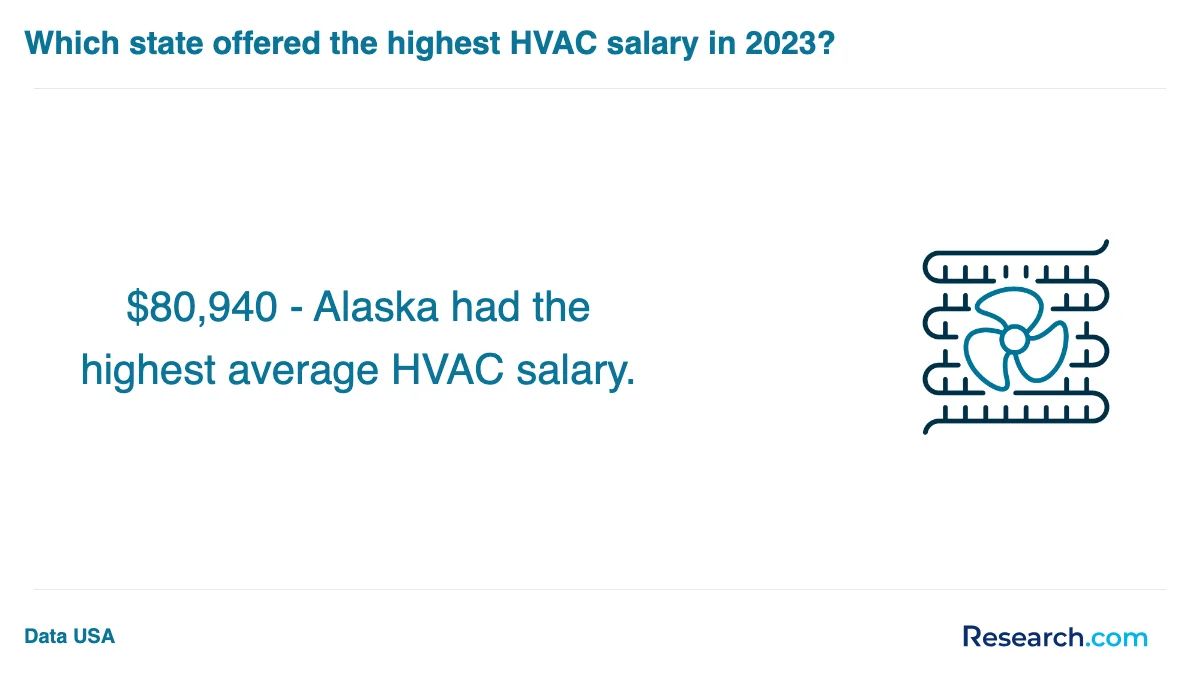
HVAC technician trade school graduates in Pittsburgh can pursue entry-level and advancement-focused roles across residential, commercial, institutional, and industrial settings. Common first jobs include HVAC service technician, HVAC installer, maintenance technician, and refrigeration technician.
Many roles involve installing, maintaining, diagnosing, and repairing heating and cooling systems. Some employers may also offer on-the-job training, health benefits, sign-on bonuses, and opportunities to move into more advanced assignments after proving reliability and technical skill.
Career options after HVAC training
- HVAC service technician: Troubleshoots and repairs heating, cooling, and ventilation equipment.
- HVAC installer: Installs systems, ductwork, equipment, and related components in homes or commercial buildings.
- Refrigeration technician: Works on refrigeration equipment used in restaurants, retail, food storage, and commercial settings.
- Facilities maintenance technician: Maintains HVAC systems along with other building systems in hospitals, schools, universities, and corporate facilities.
- Apprentice to journeyman: Apprenticeships can lead to journeyman status and higher-level technical work.
- Pipefitter or steamfitter: These related paths can combine HVAC knowledge with piping and industrial systems.
- Service manager: Experienced technicians may move into scheduling, supervision, customer relations, and team leadership.
- Related trades: Some graduates transition into plumbing, property maintenance, or broader mechanical service work.
Certifications such as HVAC Excellence Technical and Universal Refrigerant Safety may improve job prospects, depending on employer requirements. Students still deciding between technical training and a traditional degree can review Research.com’s comparison of vocational school vs college.
The job market for HVAC technician trade school graduates in Pittsburgh is supported by demand in residential service, commercial buildings, hospitals, universities, corporate facilities, property management, construction, and infrastructure upgrades. Skilled HVAC workers are needed for installation, preventive maintenance, emergency repair, system replacement, and energy-efficiency improvements.
As of early 2025, there were over 250 open HVAC technician job opportunities in Pittsburgh and surrounding areas. Some graduates may find entry-level roles with on-the-job training, while experienced or certified workers can compete for higher-paying positions in commercial, institutional, or journeyman-level roles.
Reported hourly wages between $30 and $40 align well with the average HVAC technician salary in Pittsburgh. Employers such as UPMC highlight competitive pay ranges up to $46.81 per hour for journeyman technicians, showing the potential upside for workers who gain experience and advanced skills.
Why Pittsburgh demand remains strong
- Over 250 open HVAC technician job opportunities in Pittsburgh and surrounding areas as of early 2025
- Strong demand fueled by ongoing construction and system upgrades
- Employment opportunities in hospitals, universities, corporate facilities, residential service, and commercial maintenance
- Clear pathways for career growth supported by employers focusing on employee training
- Potential for steady work with benefits such as health insurance and retirement plans, depending on employer
Students who want to keep working while adding credentials may also compare the most affordable online hvac certification options as a supplement to traditional training or field experience.
Most Affordable HVAC Technician Schools & Training - Budget-Friendly HVAC Trade Programs in Pittsburgh for 2026
# 1 position
Community College of Allegheny County - Heating, Air Conditioning, Ventilation and Refrigeration Maintenance Technology/Technician.
associateThe Heating, Air Conditioning, Ventilation and Refrigeration Maintenance Technology/Technician program at Community College of Allegheny County prepares students to repair, install, service, and maintain heating, air conditioning, and refrigeration systems. The hybrid program includes instruction on diagnostic techniques, testing equipment, and principles of mechanics, electricity, and electronics. Annual in-state tuition is $4,842. The program is accredited by the Middle States Commission on Higher Education.
# 2 position
Community College of Allegheny County - Heating, Air Conditioning, Ventilation and Refrigeration Maintenance Technology/Technician.
certificate or diplomaThe Heating, Air Conditioning, Ventilation and Refrigeration Maintenance Technology/Technician program at Community College of Allegheny County prepares students to repair, install, service, and maintain HVAC and refrigeration systems. This hybrid program includes instruction on diagnostic techniques, testing equipment, and mechanical, electrical, and electronic principles. The annual in-state tuition is $4,842. The program is accredited by the Middle States Commission on Higher Education.
# 3 position
Rosedale Technical College - Heating, Air Conditioning, Ventilation and Refrigeration Maintenance Technology/Technician.
associateRosedale Technical College offers a hybrid program in Heating, Air Conditioning, Ventilation and Refrigeration Maintenance Technology/Technician. The curriculum trains students to repair, install, service, and maintain HVAC and refrigeration systems, emphasizing diagnostic techniques and principles of mechanics, electricity, and electronics. Annual in-state tuition is $16,700. Graduates earn a median salary of $41,126 one year after completion. The program is accredited by the Accrediting Commission of Career Schools and Colleges.
# 4 position
Rosedale Technical College - Heating, Air Conditioning, Ventilation and Refrigeration Maintenance Technology/Technician.
certificate or diplomaRosedale Technical College offers a hybrid program in Heating, Air Conditioning, Ventilation and Refrigeration Maintenance Technology/Technician. The curriculum covers repair, installation, service, and maintenance of HVAC and refrigeration systems, including diagnostic techniques, testing equipment, and relevant mechanics, electricity, and electronics principles. Annual in-state tuition is $16,700. Graduates have a median earning of $41,126 one year after completion. The program is accredited by the Accrediting Commission of Career Schools and Colleges.
# 5 position
Triangle Tech Inc-Pittsburgh - Heating, Air Conditioning, Ventilation and Refrigeration Maintenance Technology/Technician.
associateThe Heating, Air Conditioning, Ventilation and Refrigeration Maintenance Technology/Technician program at Triangle Tech Inc-Pittsburgh offers a hybrid format with some distance education options. It prepares students to repair, install, service, and maintain HVAC and refrigeration systems, covering diagnostics, testing equipment, and principles of mechanics, electricity, and electronics. The annual in-state tuition is $18,538, and median earnings one year after completion are $37,045. The program is accredited by the Accrediting Commission of Career Schools and Colleges.
Frequently Asked Questions about HVAC technician
After completing an HVAC technician trade school in Pittsburgh, preparing for the job market involves several key steps. First, obtaining EPA Section 608 certification is essential, as it is federally required for handling refrigerants in HVAC work. Many trade programs include training for this certification.
Next, gaining hands-on experience through internships or apprenticeships can improve employability. Pittsburgh's growing construction and maintenance sectors offer opportunities in residential and commercial HVAC services.
Networking with local industry groups, such as the Mechanical Contractors Association of Western Pennsylvania, may open job leads. According to the U.S. Bureau of Labor Statistics, HVAC technician jobs in Pennsylvania are projected to grow 8% through 2030, reflecting strong demand.
Continuing education and staying current with technology trends in energy-efficient systems also enhance job prospects.
Typical challenges for HVAC technician trade school students in Pittsburgh include balancing school with work or family commitments, keeping up with rapidly evolving technologies, and gaining practical, hands-on experience. These challenges can be mitigated by selecting schools that offer flexible scheduling and comprehensive lab facilities.
To write a compelling HVAC technician trade school application in 2026, start by highlighting any relevant experience, emphasizing problem-solving skills and technical aptitude. Be sure to demonstrate your commitment to the field and research the specific program to tailor your application accordingly.
Students enrolled in HVAC technician trade schools in Pittsburgh can benefit from part-time jobs that provide practical experience and support their education. Entry-level roles such as HVAC helper or maintenance assistant are common opportunities. These positions allow students to apply classroom knowledge in real-world settings, learning about installation, repair, and system diagnostics firsthand.
Local businesses and contractors in Pittsburgh often seek part-time workers to assist with routine tasks. According to the U.S. Bureau of Labor Statistics, the average hourly wage for HVAC workers in the Pittsburgh metro area is approximately $22, making part-time work financially viable for students.
Additionally, retail positions at home improvement stores like Home Depot or Lowe's can complement HVAC studies by exposing students to product knowledge and customer service relevant to the trades.
Finding the most affordable HVAC Technician degree program near Pittsburgh, PA, requires exploring local community colleges, technical schools, and vocational institutions that offer competitive tuition rates. Many educational programs near me provide financial aid opportunities to help offset costs, and it's beneficial to compare these offerings to make an informed decision. Utilizing resources like Research.com can assist in identifying and evaluating programs within the area to ensure both affordability and quality education.
- HVAC Trade Schools in Pittsburgh, PA https://www.hvacclasses.org/schools/pennsylvania/pittsburgh
- Heating & Air Conditioning https://www.ccac.edu/academics/programs/industrial-technology-trades-and-transportation/heating-and-air-conditioning.php
- How Long Is HVAC&R School? | Pennco Tech https://www.penncotech.edu/how-long-does-it-take-to-complete-hvacr-school/
- HVAC Programs in Pittsburgh, PA | All-State Career https://www.allstatecareer.edu/campuses/pennsylvania/pittsburgh/hvac.html
- HVAC – Rosedale Technical College https://rosedaletech.edu/programs/hvac/
- How Long Is HVAC Training? | Fortis https://www.fortis.edu/blog/skilled-trades/how-long-is-hvac-training-.html
- All-State Career School-Pittsburgh - HVAC Technician Training School https://hvactechnician.careers/hvac-school/pennsylvania/west-mifflin/all-state-career-school-pittsburgh/
- How to Become a Certified HVAC Tech in PA https://www.best-trade-schools.net/locations/pennsylvania/hvac-tech-in-pa/
- HVACR Training Program | Earn Your Diploma in 12 Months | YTI Career Institute https://yti.edu/program/trades-programs/hvacr/
- HVAC Technician Salary: Guide to Wages, Jobs, & More | Faraday https://faradaycareers.com/careers/hvac-technician-salary