
Best HVAC Technician Training Programs & Trade Schools - Top HVAC Tech Schools in South for 2026

Co-Founder and Chief Data Scientist
Choosing the right HVAC technician trade school is an important step toward a rewarding career in the South. This article introduces a carefully crafted HVAC technician trade school programs ranking developed by the Research.com team of data scientists. It aims to help you make an informed decision about which programs truly stand out.
By exploring these top schools, you’ll discover opportunities that can lead to valuable diplomas or certifications. These credentials open doors to stable jobs and personal growth in a growing industry. Taking this step can be both exciting and empowering for your future.
Key benefits of finishing HVAC technician trade school in South
- Graduates of HVAC technician trade schools in the South can expect competitive salaries, with entry-level positions around $54,100 annually and experienced technicians earning up to $70,000 or more depending on location and skills.
- Career paths for HVAC graduates include roles like installation, maintenance, and system design, offering opportunities to grow into senior technician or supervisory positions, as seen with many successful alumni from popular Southern trade schools.
- Completing an HVAC program online offers flexibility and faster completion times, allowing students to balance work and study, a benefit experienced by many online graduates from reputable Southern trade schools compared to traditional degrees.
- Best HVAC Technician Training Programs & Trade Schools - Top HVAC Tech Schools in South for 2026
- What can I expect from HVAC technician trade schools in South?
- Where can I work after finishing HVAC technician trade schools in South?
What can I expect from HVAC technician trade schools in South?
Expect a blend of classroom lessons and hands-on training tailored to prepare you for entry-level HVAC jobs in southern cities like Houston or San Antonio. Graduates often recall working directly with heat pumps, natural gas systems, and refrigeration units during lab sessions, which builds confidence for real-world tasks.
Programs typically last between 10 and 48 weeks, with flexible schedules including evening classes to fit working adults. You'll learn essential skills like installation, troubleshooting, and repair, alongside safety protocols following OSHA and EPA standards. Many students appreciate the small class sizes that allow personalized guidance from instructors with decades of field experience.
Hands-on practice is a highlight; you might spend hours designing ductwork or running computerized diagnostics on simulated equipment. Graduates often describe this approach as crucial for understanding what's expected on the job.
Completing the program usually earns you a diploma or certificate plus industry-recognized credentials such as the OSHA 10 card, which can open doors in facilities management, HVAC contracting, or building maintenance across the South's growing job market.
Where can I work after finishing HVAC technician trade schools in South?
After finishing an HVAC technician trade school program in the South, graduates find a wide range of employment opportunities. Many start working for heating, ventilation, air conditioning, and refrigeration companies or service contractors, often gaining hands-on experience in residential and commercial settings. For example, graduates from popular Southern trade schools often land roles maintaining air conditioning systems in homes or troubleshooting refrigeration units in local businesses.
Others secure positions with building maintenance departments in hospitals, schools, or large institutions like The Citadel in Charleston, where they handle advanced HVAC systems and ensure indoor air quality. Graduates also report success working with farmer-owned cooperatives or retail chains, especially in rural areas where reliable climate control is essential for agriculture and food storage.
Career paths include HVAC installer, service technician, mechanic, and refrigeration technician, offering diversity in work environments. Many graduates appreciate the steady demand fueled by the South's climate and population growth, which means job stability and opportunities to advance with certifications and on-the-job training.
After finishing an HVAC technician trade school program in the South, you can realistically expect to start earning around $40,000 to $54,000 per year. For example, graduates from well-known Southern trade schools often report starting salaries close to the national average of about $54,100 annually or $26 per hour. In states like South Carolina, entry-level HVAC technicians typically earn around $51,200, while in Arkansas and Florida, averages range from about $39,900 to $41,500.
Many graduates find that their pay improves quickly once they gain on-the-job experience and additional certifications. Some quickly move into roles where overtime and bonuses boost their income significantly. It's common for those working in warmer Southern climates to find steady demand for their skills, which helps increase job stability and earning potential.
Graduates often share how starting as a technician right after trade school allowed them to support their families while planning to advance into supervisory roles earning up to $90,800 or more. This steady income growth feels rewarding, especially when combined with hands-on work learned at popular Southern trade schools.
- Programs focus on heating, ventilation, air conditioning, and refrigeration (HVAC/R) technology with hands-on training in installation, maintenance, diagnostics, and repairs.
- Admission requires a high school diploma or equivalent, with programs lasting about 12 months full-time or up to 24 months part-time.
- Tuition costs around $263 per credit hour, with total program expenses typically between $5,000 and $10,000.
- Industry certifications like EPA 608 and NATE Ready to Work are often included or offered with vouchers for exam fees.
- Starting salaries for entry-level HVAC technicians range from $35,000 to $45,000 annually, with experienced workers earning $50,000 to $70,000 or more.
Completing an HVAC technician trade school program in the South typically takes between six months to one year, depending on the school and course intensity. Many students at well-known Southern trade schools find that a focused, full-time schedule accelerates their path to certification and hands-on skills. Graduates often share how immersive workshops and real-world training helped them quickly grasp complex HVAC systems, making the time investment feel both efficient and rewarding.
For example, students attending popular programs in states like Texas and Georgia report finishing in about nine months, which fits well for those balancing work or family commitments. The relatively short duration compared to four-year degrees allows students to enter the workforce sooner, boosting confidence as they start earning and advancing their careers.
By joining a Southern trade school known for practical, career-ready HVAC training, students can expect a streamlined experience that combines classroom learning with hands-on practice, making those months fly by with a clear goal in sight.
The main difference between online and on-campus HVAC technician programs in the South centers on hands-on training. Graduates from Southern Technical College often share how invaluable it was to work directly with HVAC systems in well-equipped labs, gaining immediate feedback from instructors. This in-person experience builds confidence that's hard to replicate online. Santa Fe College students also appreciate the structured schedule, which helped them stay motivated and practice with real equipment daily.
Online programs offer flexibility, allowing students to balance work or family, but many graduates mention the challenge of finding local hands-on labs or externships required to meet certification standards. In Florida, schools like Florida State College at Jacksonville don't offer fully online HVAC tracks, so students must complete in-person hours to qualify for industry certification. For those serious about entering the field, on-campus or hybrid programs in the South provide the practical skills and direct instructor guidance essential for success in this hands-on trade.
The average cost HVAC technician trade school South varies widely depending on the program and location. For example, graduates from programs in Florida have reported tuition fees ranging anywhere between $1,200 and $15,000. Meanwhile, in Texas, students often face higher expenses, with schooling costs averaging around $22,825. These numbers reflect HVAC technician program tuition fees Southern United States, showing both affordable community college options and pricier private institutions.
Community colleges in the South often offer solid HVAC training with a stark contrast between in-state and out-of-state tuition. In Florida, in-state students typically pay about $2,580 annually, whereas out-of-state students might pay closer to $9,380. Apprenticeships, another popular route, blend hands-on work with classroom lessons and tend to cost between $500 and $2,000 for tools and registration. Graduates often praise these programs for their balance of learning and earning, which can ease financial strain during training.
Additional costs such as books, supplies, uniforms, and living expenses must also be considered, potentially adding $6,000 to $11,000 per year depending on housing choices. Many hopeful technicians find value in researching programs carefully, including exploring the top vocational trade programs for affordable and reputable options.
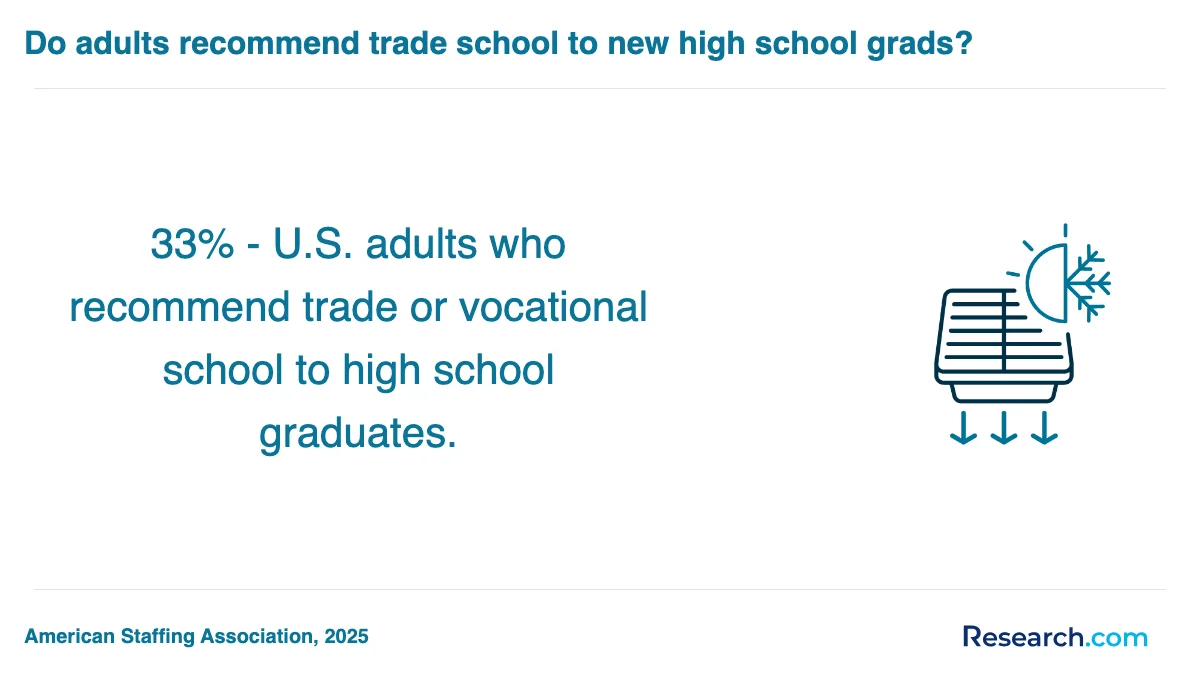
Students pursuing HVAC technician programs in the South can access several financial aid options, but availability depends heavily on the school and state. Most rely on completing the FAFSA to unlock federal grants like the Pell Grant, federal student loans, and work-study jobs. Graduates from popular Southern trade schools often recall how submitting the FAFSA early helped them secure grants that didn't require repayment, easing the financial burden during their studies.
However, some Southern technical colleges' HVAC programs aren't approved for federal aid, pushing students to lean on institutional scholarships or private funding. Many trade schools and community colleges in the region offer scholarships based on merit, financial need, or specific backgrounds. Graduates frequently mention how these scholarships made a crucial difference, allowing them to focus on hands-on training without constant financial stress.
Work-study opportunities also stand out, giving students part-time roles that build HVAC experience while helping pay bills. Contacting the financial aid office early at your chosen Southern school is key to discovering all available aid and meeting deadlines, ensuring you don't miss out on valuable support.
To enroll in an HVAC technician trade school in the South, you'll generally need a high school diploma or GED. This baseline ensures you have the essential math and science skills critical for understanding HVAC systems. Some trade schools also require proof of basic proficiency in reading and comprehension, often tested through an entrance exam or placement test.
Graduates from well-known Southern trade schools often mention the importance of having a solid foundation in algebra and physics, as these subjects help when learning about airflow dynamics and electrical components. For example, students who struggled initially found success by brushing up on these skills before classes began.
Other common prerequisites include:
- Minimum age requirement, typically 18 years old
- Physical ability to perform hands-on tasks like lifting equipment and working in confined spaces
- Proof of residency or citizenship depending on the school's enrollment policies
- Some schools may ask for a brief interview or personal statement demonstrating your commitment and interest in HVAC
These requirements are designed to set you up for success, ensuring you're prepared both mentally and physically to tackle the program's challenges. Many students appreciate this upfront clarity as it helps them confidently plan their path forward in the HVAC field.
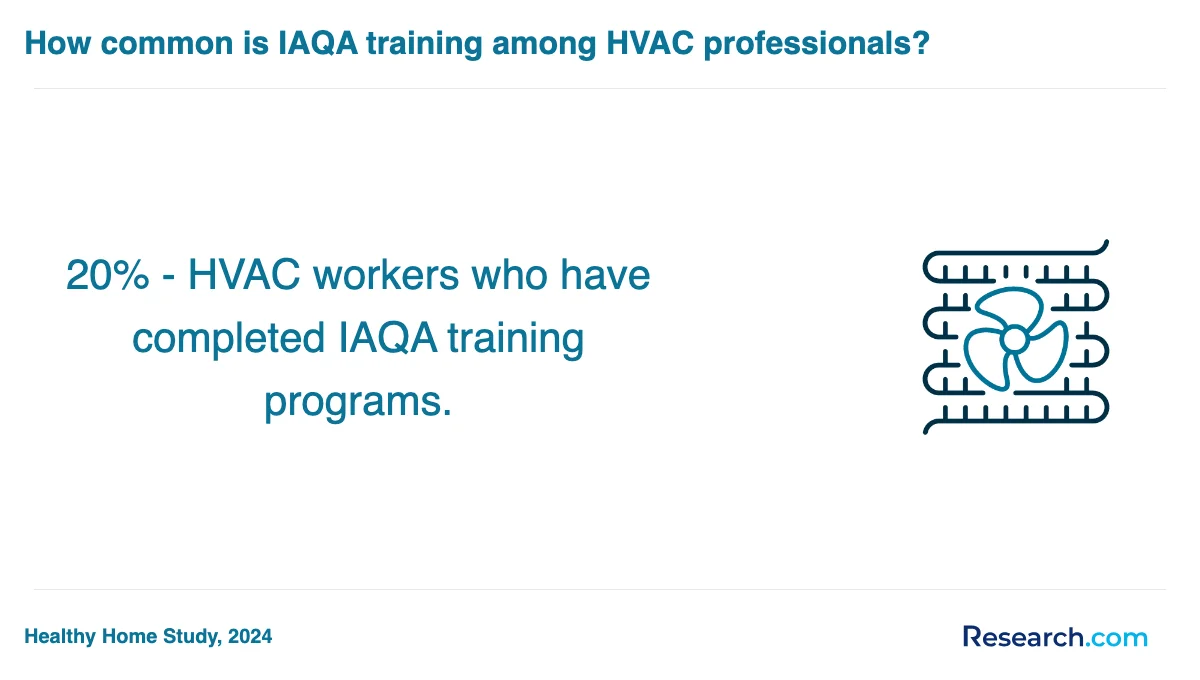
HVAC technician trade school programs in the South focus on practical and essential courses that prepare students for real-world HVAC roles. Graduates from popular Southern trade schools often highlight how core courses like HVAC Fundamentals give them a solid grasp of thermodynamics, heat transfer, and air distribution, making complex systems easier to understand on the job.
Students typically take:
- Electricity, Motors & Controls to master wiring and control systems critical for equipment operation.
- Residential Air-Conditioning & Heating Systems to learn hands-on installation and repair in homes.
- Commercial Refrigeration Technology addressing supermarket and restaurant equipment like walk-in coolers.
Trade schools such as those in South Carolina and Georgia emphasize safety and troubleshooting through capstone courses like Indoor Air Fundamentals / HVAC Capstone, which many graduates say boosted their confidence handling complex repairs.
Certification prep is integrated, including EPA 608 refrigerant handling, ensuring students leave ready for industry standards. Graduates often appreciate how soft skills training, like communication and time management, prepares them for customer-facing roles, making the learning experience feel both practical and rewarding.
HVAC technician specializations in Southern trade schools often center around key skills essential for success in heating, ventilation, air conditioning, and refrigeration fields. For example, graduates from Southern Union State Community College in Alabama highlight their strong foundation in thermodynamics and electrical theory, which makes troubleshooting complex HVAC systems manageable on the job.
Southern vocational schools like Southern Technical College in Florida focus on practical training in residential and light commercial installations, allowing students to confidently handle everyday repair and maintenance tasks.
Some specialized HVAC programs in Southern vocational schools offer training in commercial refrigeration and heat pump technology, as seen at Lanier Technical College in Georgia. This prepares students for diverse roles in both residential and industrial environments.
Graduates from institutions such as ITI Technical College in Louisiana value associate degrees that combine refrigeration with electrical technology, giving them versatile skills highly sought after by employers.
Hands-on experience is a crucial part of training at Texas schools like Arlington Career Institute, where students gain comfort with real-world system maintenance and troubleshooting, crucial for career readiness.
These specialized HVAC technician programs in the South ensure students not only grasp technical knowledge but also earn confidence in their abilities, positively impacting long-term career prospects and how much is hvac technician salary potential.
Start by focusing on the best accredited HVAC programs in the South, as accreditation signals quality education and industry recognition. Graduates from schools like Aiken Technical College often share how accreditation helped them earn valuable certifications that employers trust. Hands-on training is crucial; programs with well-equipped labs prepare you better for real-world challenges like system troubleshooting and commercial refrigeration.
Compare HVAC technician schools in Southern states by examining their job placement rates and employer partnerships. Many graduates praise schools that connect them directly with local businesses for internships and jobs, which can make a big difference in launching your career. Cost and financial aid options are equally important-affordable tuition and flexible schedules at technical colleges can ease the burden when balancing work and study. To explore options, consider checking out the most affordable online maintenance technician training available.
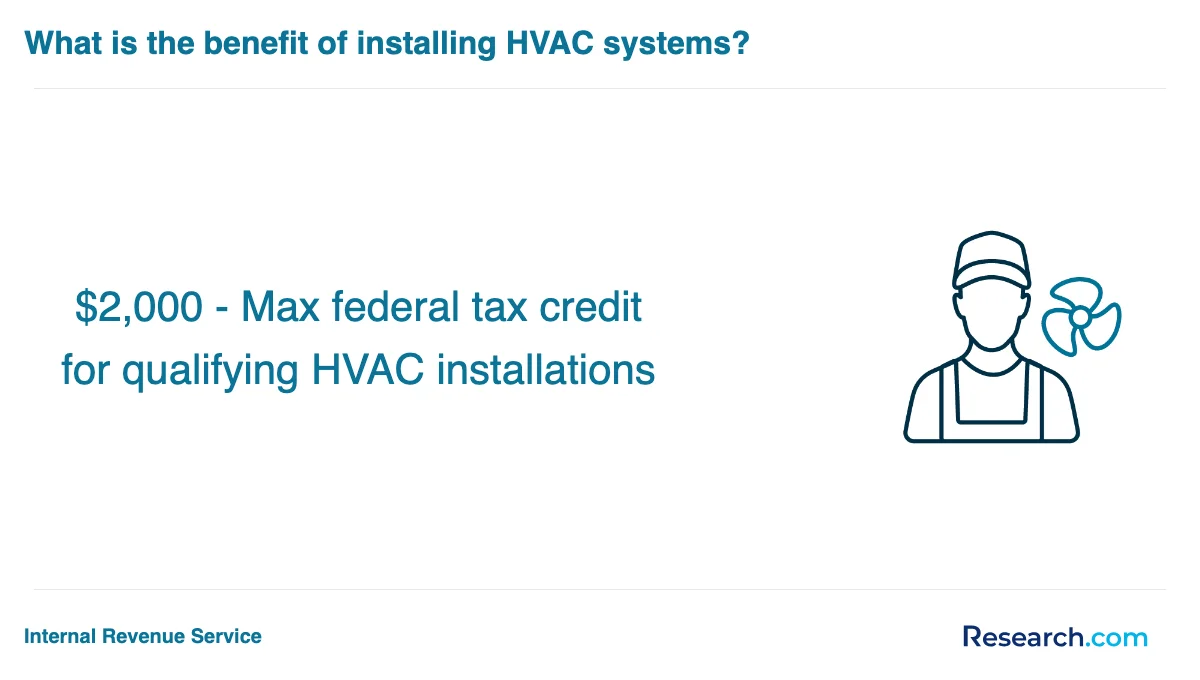
Graduates of HVAC technician trade school programs in the South typically start as residential service technicians, installing and repairing systems critical for the region's climate. Many gain hands-on experience as HVAC apprentices or maintenance technicians, roles that build essential skills through on-the-job training. Those from well-regarded Southern trade schools often share how this foundation helps them quickly adapt to real-world demands.
After three to six years, HVAC technician career opportunities in the South expand into positions like systems designer, service manager, and test and balance technician. For example, graduates recall moving into roles where they design HVAC layouts for new homes or manage teams-experiences that greatly enhance earning potential and job satisfaction.
Here are common career paths Southern HVAC graduates pursue:
- Refrigeration technicians, vital in supermarkets and hospitals
- Commercial service technicians maintaining large facilities
- Facilities maintenance technicians in schools and factories
For those exploring options, Southern trade schools and qualified programs provide excellent preparation. Prospective students seeking flexibility can find top institutions among the best trade schools online, connecting education with the region's thriving HVAC jobs and salaries in Southern states.
The job market for HVAC technician trade school graduates in the South is robust and growing, driven by a strong regional demand for skilled workers. Those completing programs at popular Southern trade schools often share how quickly they land jobs due to current labor shortages. For example, graduates frequently mention immediate employment offers following hands-on training with new virtual reality tools that simulate complex HVAC systems.
Southern US HVAC technician salary trends show competitive pay, especially considering the cost of living. While some states like Florida report average wages around $21.12 per hour, many technicians see pay increases through certifications or specialization in EPA-compliant, energy-efficient systems.
Factors highlighting the strength of this field include:
- Projected 5% job growth between 2022 and 2032 in the South
- EPA regulations starting in 2025 requiring advanced system maintenance
- Critical workforce shortages with 110,000 unfilled positions in 2025
Many graduates also emphasize how energy efficiency has become a top priority for homeowners, boosting demand further. For those thinking about affordable education options, exploring cheap hvac certification online programs can be a practical choice to fast-track entry into this rewarding trade.
Best HVAC Technician Training Programs & Trade Schools - Top HVAC Tech Schools in South for 2026
# 1 position
Owensboro Community and Technical College - Heating, Air Conditioning, Ventilation and Refrigeration Maintenance Technology/Technician.
associateThe Heating, Air Conditioning, Ventilation and Refrigeration Maintenance Technology/Technician program at Owensboro Community and Technical College prepares students to repair, install, service, and maintain HVAC and refrigeration systems. This hybrid program includes instruction in diagnostic techniques, testing equipment, and the mechanics, electricity, and electronics principles essential to the trade. Annual in-state tuition is $4,656. Graduates earn a median salary of $44,899 one year after completion. The program is accredited by the Southern Association of Colleges and Schools Commission on Colleges.
# 2 position
Owensboro Community and Technical College - Heating, Air Conditioning, Ventilation and Refrigeration Maintenance Technology/Technician.
certificate or diplomaOwensboro Community and Technical College offers a hybrid program in Heating, Air Conditioning, Ventilation and Refrigeration Maintenance Technology/Technician. This program trains students to repair, install, service, and maintain HVAC and refrigeration systems using diagnostic techniques, testing equipment, and principles of mechanics, electricity, and electronics. The annual in-state tuition is $4,656. Graduates earn a median salary of $44,899 one year after completing the program. The program is accredited by the Southern Association of Colleges and Schools Commission on Colleges.
# 3 position
Southcentral Kentucky Community and Technical College - Heating, Air Conditioning, Ventilation and Refrigeration Maintenance Technology/Technician.
associateSouthcentral Kentucky Community and Technical College offers a hybrid Heating, Air Conditioning, Ventilation and Refrigeration Maintenance Technology/Technician program. This program prepares students to repair, install, service, and maintain HVAC and refrigeration systems, emphasizing diagnostic techniques, testing equipment, and principles of mechanics, electricity, and electronics. Tuition for in-state students is $4,656 annually. The program is accredited by the Southern Association of Colleges and Schools Commission on Colleges. Median earnings one year after completion are $46,451.
# 4 position
Southcentral Kentucky Community and Technical College - Heating, Air Conditioning, Ventilation and Refrigeration Maintenance Technology/Technician.
certificate or diplomaSouthcentral Kentucky Community and Technical College offers a hybrid program in Heating, Air Conditioning, Ventilation and Refrigeration Maintenance Technology/Technician. The curriculum covers repair, installation, and maintenance of HVAC and refrigeration systems, including diagnostic techniques and testing equipment use. The program is accredited by the Southern Association of Colleges and Schools Commission on Colleges. Annual in-state tuition is $4,656, and median earnings one year after completion are $46,451.
# 5 position
Oklahoma State University Institute of Technology - Heating, Air Conditioning, Ventilation and Refrigeration Maintenance Technology/Technician.
associateThe Heating, Air Conditioning, Ventilation and Refrigeration Maintenance Technology/Technician program at Oklahoma State University Institute of Technology offers hybrid learning options. It prepares students to repair, install, and maintain HVAC and refrigeration systems using diagnostic techniques and testing equipment. Instruction covers mechanics, electricity, and electronics relevant to these systems. Annual in-state tuition is $5,774, and median earnings one year after completion reach $58,336. The program is accredited by the Higher Learning Commission.
# 6 position
Greenville Technical College - Heating, Air Conditioning, Ventilation and Refrigeration Maintenance Technology/Technician.
certificate or diplomaGreenville Technical College offers a hybrid Heating, Air Conditioning, Ventilation and Refrigeration Maintenance Technology/Technician program that trains students to repair, install, and maintain HVAC and refrigeration systems. The curriculum covers diagnostic techniques, testing equipment use, and principles of mechanics, electricity, and electronics. The program is accredited by the Southern Association of Colleges and Schools Commission on Colleges, with an annual in-state tuition of $5,639 and median earnings of $50,802 one year after completion.
# 7 position
Northern Virginia Community College - Heating, Air Conditioning, Ventilation and Refrigeration Maintenance Technology/Technician.
associateThe Heating, Air Conditioning, Ventilation and Refrigeration Maintenance Technology/Technician program at Northern Virginia Community College prepares students to repair, install, service, and maintain HVAC and refrigeration systems. This hybrid program includes instruction in diagnostic techniques, testing equipment, mechanics, electricity, and electronics. Annual in-state tuition is $5,703. Graduates earn a median salary of $51,959 one year after completion. The program is accredited by the Southern Association of Colleges and Schools Commission on Colleges.
# 8 position
Northern Virginia Community College - Heating, Air Conditioning, Ventilation and Refrigeration Maintenance Technology/Technician.
certificate or diplomaNorthern Virginia Community College offers a hybrid program in Heating, Air Conditioning, Ventilation and Refrigeration Maintenance Technology/Technician. This program trains students to repair, install, service, and maintain HVAC and refrigeration systems, focusing on diagnostic techniques, testing equipment, and principles of mechanics, electricity, and electronics. The annual in-state tuition is $5,703. Graduates have a median earning of $51,959 one year after completion. The program is accredited by the Southern Association of Colleges and Schools Commission on Colleges.
# 9 position
Indian River State College - Heating, Air Conditioning, Ventilation and Refrigeration Maintenance Technology/Technician.
certificate or diplomaIndian River State College offers a hybrid Heating, Air Conditioning, Ventilation and Refrigeration Maintenance Technology/Technician program. The curriculum prepares students to repair, install, service, and maintain HVAC and refrigeration systems using diagnostic techniques and testing equipment. Instruction covers mechanics, electricity, and electronics principles related to system repairs. The annual in-state tuition is $2,764. Graduates have a median earning of $41,239 one year after completion. The program is accredited by the Southern Association of Colleges and Schools Commission on Colleges.
# 10 position
Davidson-Davie Community College - Heating, Air Conditioning, Ventilation and Refrigeration Maintenance Technology/Technician.
associateDavidson-Davie Community College offers a hybrid Heating, Air Conditioning, Ventilation and Refrigeration Maintenance Technology/Technician program. It prepares students to repair, install, service, and maintain HVAC and refrigeration systems using diagnostic techniques and testing equipment. The program covers mechanics, electricity, and electronics principles relevant to these systems. Annual in-state tuition is $1,978. Graduates earn a median of $46,491 one year after completion. It is accredited by the Southern Association of Colleges and Schools Commission on Colleges.
Frequently Asked Questions about HVAC technician
After completing an HVAC technician trade school in the South, preparing for the job market requires practical steps. First, obtaining industry certifications, such as EPA Section 608, is essential for legal compliance and employer preference. The U.S. Bureau of Labor Statistics reports that HVAC jobs in Southern states are expected to grow around 10% through 2030, indicating strong demand.
Networking is another critical strategy. Joining local trade associations or attending job fairs can connect graduates with potential employers. Many schools also offer career services, including resume help and interview coaching.
Hands-on experience through apprenticeships or internships improves job prospects by demonstrating skills to employers.
Employers in the South prioritize a mix of technical and soft skills when hiring HVAC technician trade school graduates. Proficiency in system diagnostics and repair, especially for heating, ventilation, and air conditioning units, is essential. According to the U.S. Bureau of Labor Statistics, practical knowledge of refrigerant handling and EPA certification is critical for compliance and safety.
Strong problem-solving abilities and mechanical aptitude help technicians efficiently troubleshoot equipment issues. Communication skills are also important, as technicians must explain complex repairs clearly to clients. Additionally, familiarity with local building codes and energy-efficient technologies is increasingly valued, reflecting regional climate demands and regulations.
Trade schools in the South often emphasize hands-on training to build these competencies, aligning with industry expectations. Employers seek graduates who can adapt quickly to evolving HVAC technologies and maintain high safety standards on the job.
Finding internships in the South relevant to HVAC technician trade school programs involves several practical steps. Start by contacting the career services office at your trade school, as many maintain partnerships with local HVAC companies. According to the U.S. Bureau of Labor Statistics, internships can increase job placement rates by up to 20% in technical fields. Networking through local trade associations like the Air Conditioning Contractors of America (ACCA) South chapter is also valuable. Additionally, online job platforms such as Indeed or state workforce websites often list HVAC internships specific to Southern states. Early applications and proactive outreach improve chances significantly.
Obtaining a HVAC technician trade school diploma in South significantly enhances career mobility and advancement prospects. According to the U.S. Bureau of Labor Statistics, HVAC jobs in Southern states are expected to grow by about 10% through 2031, faster than the national average. This growth creates opportunities for certified technicians to move into higher-paying roles or supervisory positions.
Trade school diplomas provide practical skills and industry-recognized certifications, which many employers in South prioritize when hiring or promoting. Graduates often report starting salaries between $35,000 and $45,000, with advancement potential to over $60,000 within five years.
Additionally, South's strong construction and manufacturing sectors fuel demand for skilled HVAC workers, allowing diploma holders to access diverse job markets and geographic mobility.
Students enrolled in HVAC technician trade schools in South often seek part-time jobs that enhance their hands-on skills and industry knowledge. Common opportunities include assisting licensed HVAC technicians with installations, repairs, and maintenance tasks. These roles provide valuable real-world experience, complementing classroom instruction.
Retail positions in home improvement stores, such as Lowe's or Home Depot, are also popular. They offer exposure to HVAC equipment and customer service interactions, which are essential for technician careers.
According to the U.S. Bureau of Labor Statistics, South's HVAC employment is projected to grow 10% from 2022 to 2032, highlighting the demand for skilled workers gaining practical experience early.
To find the best HVAC Technician degree program near you, consider researching local community colleges and technical schools, as they often offer specialized training in HVAC systems. Programs near South may also include hands-on learning opportunities and certifications that can enhance your skills and employability in this field. Research.com can be a helpful resource for determining program rankings and reviews to help you select a quality HVAC program.
- HVAC Trade Schools: HVAC Training Programs | Fortis https://www.fortis.edu/programs/skilled-trades/heating--ventilation--air-conditioning-and-refrigeration-trades.html
- Find HVAC Trade Schools - Diploma & Associate Degree Programs https://www.trade-schools.net/trades/hvac
- Ventilation Trade School | Chicago, IL | HVAC Tech https://www.hvac-tech.com/
- HVACR Technician Training - Gwinnett Technical College https://gwinnetttech.edu/online-continuing-education/hvacr-technician-training/
- HVACR Certification - Online Program | Penn Foster https://www.pennfoster.edu/programs/trades/hvac-technician-career-diploma
- Entry Level HVAC Technician - Training Certificate | Midlands Technical College https://www.midlandstech.edu/programs-and-courses/advanced-manufacturing-and-skilled-trades/hvac-training-certificate
- How to Find an HVAC Apprenticeship | Austin Career Institute https://austincareerinstitute.edu/blog/hvac/tips-for-finding-an-hvac-apprenticeship/
- A Guide to Skilled Trades Apprenticeships and Internships | BestColleges https://www.bestcolleges.com/trades/guide-to-skilled-trades-apprenticeships-internships/
- HVAC Job Placement: Employment Strategies After Training https://www.genesiscareer.edu/hvac-job-placement-employment-strategies/
- How to Become an HVAC Technician in 2025 | The Ultimate Career Guide - InterCoast Colleges https://intercoast.edu/articles/become-hvac-technician/


