
Most Affordable HVAC Technician Schools & Training - Budget-Friendly HVAC Trade Programs in Iowa for 2026

Co-Founder and Chief Data Scientist
Choosing the right HVAC technician trade school in Iowa can feel overwhelming, but you don’t have to navigate it alone. This article introduces a carefully crafted HVAC technician trade school programs ranking, developed by the Research.com team of data scientists. It’s designed to help you make an informed decision about which programs truly stand out.
Whether you’re starting your career or seeking new skills, earning a diploma or certification opens doors to rewarding opportunities. Explore the options confidently and take the next step toward a fulfilling future in HVAC technology.
Key benefits of finishing HVAC technician trade school in Iowa
- Graduates can expect a strong salary starting around $38,664 per year, with experienced HVAC technicians in Iowa earning up to $100,456 annually, making this trade a rewarding career choice.
- Career paths include roles as service technicians, system installers, or supervisors, as seen with graduates from top Iowa trade schools who quickly find diverse job opportunities.
- Completing HVAC training online offers flexibility and convenience, allowing students to balance work and study, just like successful online graduates from well-known Iowa programs.
- Most Affordable HVAC Technician Schools & Training - Budget-Friendly HVAC Trade Programs in Iowa for 2026
- What can I expect from HVAC technician trade schools in Iowa?
- Where can I work after finishing HVAC technician trade schools in Iowa?
What can I expect from HVAC technician trade schools in Iowa?
Students entering HVAC technician trade schools in Iowa can expect a curriculum blending practical, hands-on training with strong theoretical foundations. Graduates commonly describe engaging in real-world projects involving residential and light commercial systems, gaining confidence in installing, troubleshooting, and maintaining HVAC equipment. Popular Iowa trade schools emphasize refrigeration fundamentals, electrical basics, and system design, ensuring students master essential skills before entering the workforce.
Many students appreciate the focus on safety, as programs include OSHA 10-hour certification and stress industry-standard protocols. Graduates often recall working with blueprints, hand tools, and sheet metal fabrication, which sharpens their technical abilities and readiness for on-the-job challenges.
Students should also expect to develop crucial soft skills like customer communication and job-seeking strategies, which former attendees say helped them secure positions quickly after graduation. Tool expenses around $2,000 are typical, but financial aid options ease this burden.
Certification preparation is another highlight, with most programs guiding students through the EPA Section 608 Technician Certification required to handle refrigerants. Graduates find their diplomas valuable when applying for specialty licenses from the Iowa Mechanical Board, positioning them strongly in Iowa's growing HVAC job market.
Where can I work after finishing HVAC technician trade schools in Iowa?
After completing an HVAC technician trade school program in Iowa, graduates find diverse employment opportunities across the state. Many secure positions with private companies specializing in heating, ventilation, air conditioning, and refrigeration, ranging from small local contractors to large regional firms. For instance, graduates from popular Iowa schools often join companies like Brandt Heating and Air Conditioning or Johnson Controls, gaining hands-on experience in both urban and rural settings.
Other graduates work for educational institutions such as The University of Iowa or the Iowa City Community School District, maintaining HVAC systems in schools and campus buildings. Large employers including hospitals and manufacturers also hire full-time HVAC technicians to keep critical systems running smoothly.
Career paths vary between residential roles-installing and servicing home systems-and commercial positions that involve complex projects in offices or factories. Refrigeration technician roles offer specialized opportunities in grocery stores and food processing plants. Entry-level wages typically range from $20 to $32 per hour, often accompanied by benefits like healthcare and paid training, which help graduates build rewarding, stable careers.
After completing an HVAC technician trade school program in Iowa, graduates typically start with an annual salary ranging from $38,664 to $43,300. Many recent graduates from popular Iowa trade schools find themselves quickly gaining confidence as they enter the workforce with these competitive starting wages. As experience grows, it's common for technicians to earn between $49,100 and $50,878 annually, reflecting the valuable skills gained during training.
For those who prefer hourly pay, new technicians often make between $17 and $22 per hour, with averages around $27.87 to $27.88 in cities like Des Moines. Overtime can add roughly $6,750 annually, making the job even more rewarding. Experienced technicians sometimes earn up to $40 per hour, showing clear financial growth tied to the hands-on skills developed through Iowa's respected HVAC programs.
Graduates often share how the practical training and real-world scenarios encountered in Iowa's trade schools help them feel prepared and optimistic about their income potential and career advancement.
- Most HVAC trade school programs in Iowa take about one year and combine classroom learning with hands-on training.
- Admission usually requires a high school diploma or GED, and some programs may need a meeting with an advisor before acceptance.
- Tuition costs range from $4,000 to $10,000, with additional expenses around $2,000 for tools and safety gear; financial aid and state grants may help cover these costs.
- Students earn important certifications like the EPA Section 608 Technician Certification and OSHA safety certificates to work legally in the field.
- Iowa requires HVAC apprentices to complete 2,000 hours of on-the-job training and 144 hours of classroom instruction annually for licensing.
- The job outlook shows 20% growth by 2030, with entry-level salaries averaging $44,000 to $49,000 and experienced technicians earning over $60,000.
Completing an HVAC technician trade school program in Iowa typically takes between 6 months and 1 year, depending on the school and the depth of training. Many students at popular Iowa institutions find that the accelerated programs allow them to enter the workforce quickly, balancing hands-on experience with essential theoretical knowledge.
Graduates often share how their intensive schedules, including evening or weekend classes, helped them manage work and family commitments while advancing their skills. For example, those attending well-known trade schools in Des Moines or Cedar Rapids describe feeling a strong sense of accomplishment finishing the program in under a year, ready to tackle real-world HVAC challenges confidently.
This timeframe is ideal for individuals eager to start a rewarding career without prolonged delays. The practical training components, including apprenticeships, are designed to simulate actual job conditions, ensuring students graduate with confidence and competence in their trade.
The primary difference between online and on-campus HVAC technician trade school programs in Iowa is how instruction is delivered, which directly affects hands-on training and career readiness. Graduates from on-campus programs at institutions like Iowa Western Community College and Eastern Iowa Community Colleges often share how working in actual labs with real HVAC equipment boosted their confidence and skills. These programs combine classroom learning with practical labs, allowing students to troubleshoot and maintain systems in a hands-on environment, which many find essential for mastering the trade.
In contrast, online HVAC programs emphasize flexible learning through video lectures and interactive modules. Students appreciate the ability to study around work or family commitments, but many note the challenge of gaining sufficient hands-on experience without direct access to labs. Online learners often seek local internships or apprenticeships to build the practical skills employers in Iowa expect, making proactive planning crucial for success in the field.
The average cost HVAC technician trade school Iowa students face typically ranges between $5,000 and $20,000, depending on the institution and program length. For example, graduates from Des Moines Area Community College benefit from relatively affordable tuition, paying about $5,550 if they live in-state, while out-of-state students pay nearly double. This affordability enables many to pursue their career goals without overwhelming financial pressure.
At North Iowa Area Community College, students experience a different pricing structure, with tuition based on credit hours-$165.75 per credit for Iowa residents versus $248.63 for non-residents. Graduates from this program often share how the per-credit system allowed them to manage costs effectively by pacing their coursework according to their budgets. These tuition fees are a crucial part of the HVAC technician program tuition fees Iowa prospective students should factor into their decision-making process.
Beyond tuition, students should anticipate additional expenses such as books, materials, and equipment. These can add a few hundred to several thousand dollars to the total cost. Many graduates recall budgeting carefully for these items, finding that scholarships and financial aid-including federal grants and state programs like the Iowa Jobs Training Program-can significantly ease the financial burden.
Prospective students who want to know how long to become a hvac technician often find that researching the specific program lengths and requirements at their chosen trade school helps them plan both financially and academically. These realistic insights from alumni experiences help paint a clear picture of what to expect throughout the program journey.
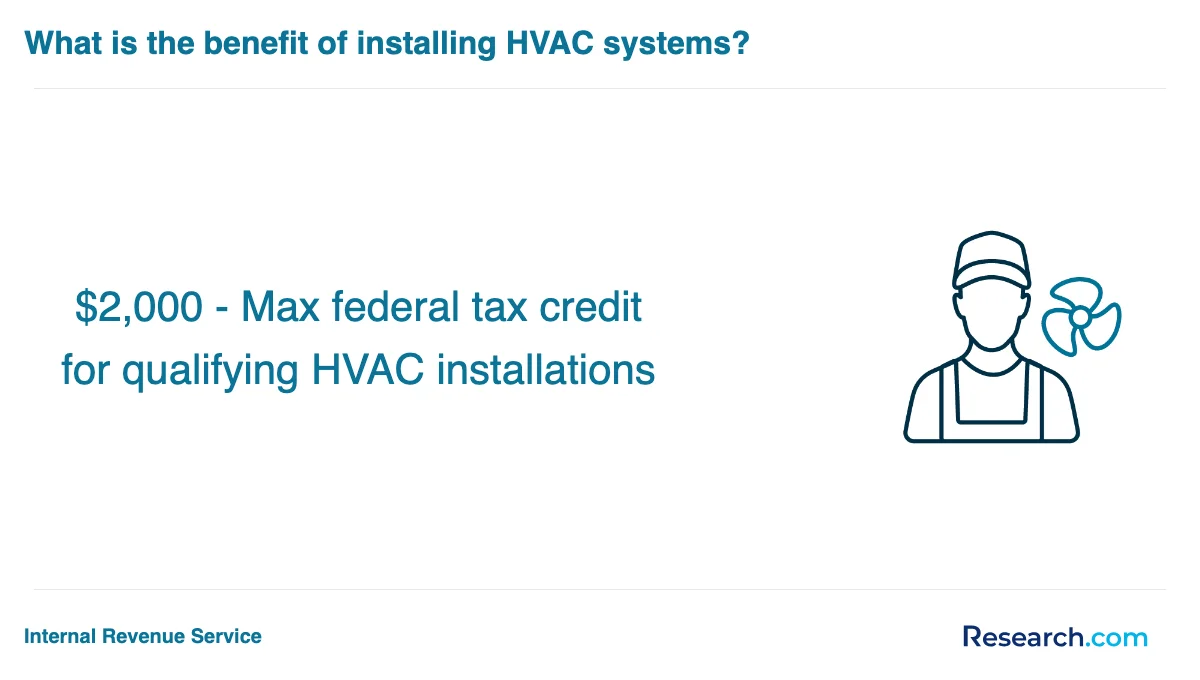
HVAC technician students in Iowa benefit from a variety of financial aid options that make trade school education more attainable. Many begin by applying for the Iowa Vocational-Technical Tuition Grant, which offers up to $1,000 per year for two years to eligible residents attending community colleges like Kirkwood. This grant supports students enrolled in HVAC programs taking at least three credit hours who demonstrate financial need, easing the burden of tuition costs.
Another key resource is the Iowa Last-Dollar Scholarship, which covers remaining tuition expenses after other aid is applied, helping students avoid large out-of-pocket payments. Graduates from popular schools report relief knowing this scholarship targets high-demand programs such as HVAC technology, especially when combined with other grants.
Additionally, many trade schools provide institutional scholarships based on merit or financial need. For example, Kirkwood Community College awards millions annually, enabling students to focus on their training without overwhelming financial stress. Flexible payment plans and low-interest loans further assist students managing expenses.
These financial supports empower HVAC students in Iowa to confidently pursue their careers, often recalling how aid transformed their educational journey from daunting to achievable.
To enroll in an HVAC technician trade school program in Iowa, applicants must meet several key prerequisites designed to ensure readiness and success. Most Iowa trade schools require candidates to have a high school diploma or GED, which forms the foundation for the technical coursework ahead.
Graduates from popular Iowa programs often recall the importance of basic math and science skills, particularly algebra and physics, which help them understand heating, ventilation, and air conditioning systems. Schools like those in Des Moines or Cedar Rapids emphasize:
- Proof of high school completion or equivalent certification
- Passing an entrance exam or meeting minimum placement test scores
- Basic computer literacy for modern HVAC diagnostic tools
- Physical ability to handle manual tasks and equipment safely
Many students share that meeting these requirements gave them confidence stepping into hands-on labs and real-world training. The supportive environments fostered by Iowa trade schools help students transform initial nervousness into excitement, knowing they are prepared to tackle challenging yet rewarding HVAC careers.
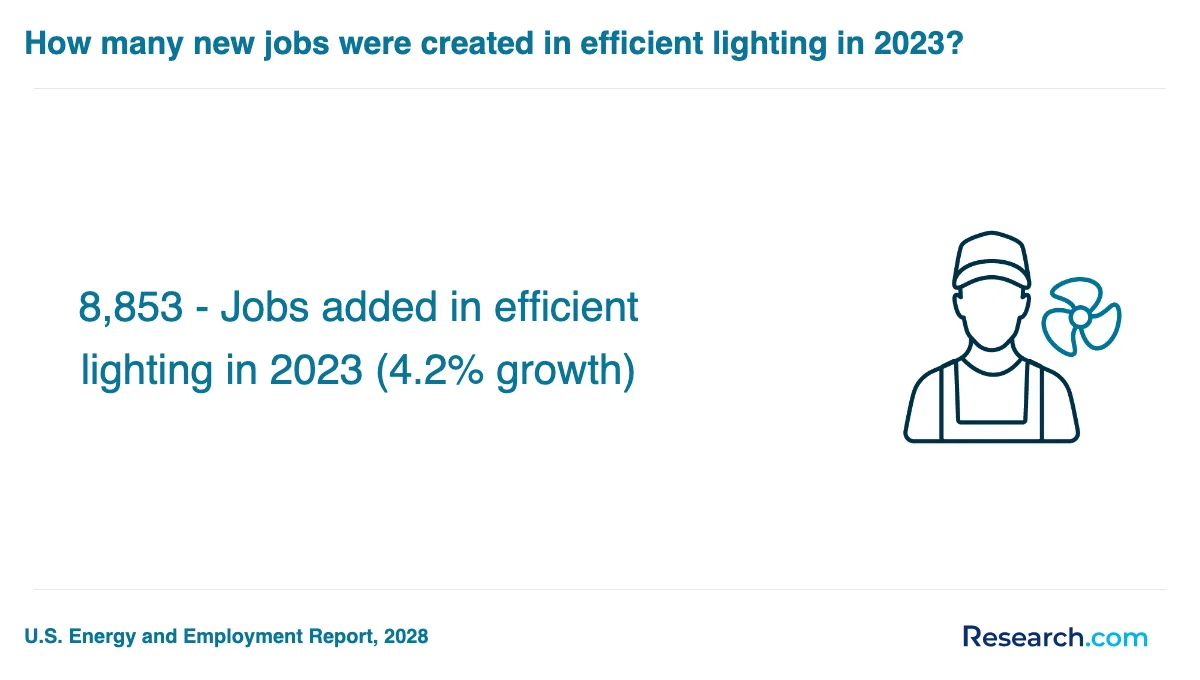
HVAC technician trade school programs in Iowa typically include a blend of theoretical and practical courses designed to prepare students for real-world challenges. Graduates from well-known schools like Eastern Iowa Community College and Des Moines Area Community College often highlight how core courses built their confidence for hands-on tasks.
Key courses usually cover:
- Basic Refrigeration Theory: Understanding refrigeration cycles and refrigerant properties helps students diagnose system issues accurately, a skill praised by recent graduates who quickly adapted to troubleshooting on the job.
- Heating and Air Conditioning Systems: Installation and repair training for furnaces, heat pumps, and air conditioners equips students to handle residential and commercial equipment with ease.
- Ventilation and Air Quality: Learning to design ventilation systems and control indoor air quality prepares students for creating comfortable and healthy environments.
- Electrical Systems and Controls: Hands-on electrical component training teaches safety and problem-solving, which former students say made them feel prepared for complex wiring tasks.
- Technical Drawing and Specifications: Reading blueprints and diagrams is emphasized, ensuring students can follow installation plans precisely.
Students also appreciate integrated safety training and preparation for the EPA Section 608 Technician Certification, which is essential for legally handling refrigerants. This comprehensive curriculum supports a smooth transition into Iowa's growing HVAC workforce.
HVAC technician specializations in Iowa cater to diverse career goals, combining classroom learning with hands-on experience. Graduates from Kirkwood Community College's HVAC Installer program appreciate its focus on residential and light commercial system installation, including electrical applications and refrigerant handling procedures, enabling smooth transitions into roles as HVAC installers and service technicians.
Many students seeking practical exposure find Iowa's HVAC Apprenticeship programs invaluable. For instance, Hawkeye Community College's four-year apprenticeship balances 8,000 hours of on-the-job training with classroom instruction, allowing apprentices to develop real-world skills in diagnosing, installing, and repairing HVAC systems in varied settings.
Others pursue comprehensive HVAC/R Technology diploma programs such as the one at Iowa Western Community College, which equips learners with troubleshooting and maintenance expertise aligned with Department of Energy apprenticeship standards. Eastern Iowa Community Colleges' accredited program stands out by preparing students rigorously for industry competency exams through extensive repair and installation training.
Exploring the best vocational trade online programs can further enhance enrollment decisions for aspiring HVAC professionals in Iowa. These varied HVAC training programs in Iowa ensure graduates enter the workforce confident and well-qualified.
Choosing the best HVAC technician trade schools in Iowa involves evaluating key factors like accreditation, curriculum, and hands-on training. Graduates from Hawkeye Community College often praise the extensive lab experience, which builds confidence for real job challenges. Affordable HVAC technician programs in Iowa, such as those at West Iowa Tech Community College, offer competitive tuition combined with financial aid options, making education accessible without sacrificing quality.
Faculty expertise is another vital consideration. Instructors with industry backgrounds provide practical insights that textbooks alone cannot offer, helping students to quickly master problem-solving in real-world HVAC systems. Additionally, strong job placement support, like programs at Des Moines Area Community College offer, can significantly ease the transition into Iowa's HVAC workforce by leveraging local business connections.
Certification and licensure preparation tailored to Iowa requirements ensure you meet state standards for legal HVAC practice. For those seeking flexible options, exploring trade school online opportunities can supplement traditional programs or serve as a full path to certification and career launch.

HVAC technician trade school graduates in Iowa find diverse career paths open to them, ranging from entry-level HVAC installer, service technician, and maintenance technician roles to specialized positions in commercial refrigeration, heating systems, or solar panel integration. Popular programs at schools like Iowa Western Community College and Eastern Iowa Community Colleges equip students with practical skills in sheet metal work, electrical systems, and refrigerant regulations, preparing them for these varied opportunities.
The expanding HVAC field in Iowa offers graduates job security and growth potential. Many pursue registered apprenticeships-as explained in what is an hvac apprenticeship-which are essential for licensing and lead to advanced roles such as specialty mechanic or HVAC contractor.
HVAC technician jobs in Iowa often include possibilities like:
- Installation and repair of HVAC systems in homes and businesses
- Specializing in commercial refrigeration or renewable energy integrations
- Supervisory and project management roles
- Energy efficiency consulting
- Business ownership as licensed contractors
Graduates at Iowa trade schools frequently share how hands-on training fosters confidence in real job settings, fueling excitement for their HVAC career opportunities in Iowa and the strong regional demand for skilled technicians.
The HVAC technician job market in Iowa is strong and steadily growing, offering promising prospects for trade school graduates. Entry-level HVAC technicians typically start with salaries around $38,664 annually, while experienced professionals can earn upwards of $100,456 per year. Many graduates from popular trade schools in Iowa report quickly securing positions thanks to hands-on training and industry-relevant certifications gained during their studies.
Employers throughout Iowa, from urban hubs like Cedar Rapids to smaller towns, continuously seek skilled technicians. Opportunities range from entry-level installer roles to senior technician and supervisory positions, highlighting a clear career path. Benefits often include health insurance, paid time off, retirement plans, and sometimes signing bonuses or flexible hours, making these jobs both stable and rewarding.
Graduates frequently emphasize the advantages of continued employer-provided training and tool allowances, which enhance job satisfaction and skill growth.
Key factors driving this positive outlook include:
- Over 250 current HVAC technician job postings across Iowa
- Strong demand from private companies and large institutions like the University of Iowa
- Competitive HVAC technician salary and demand in Iowa reflecting national averages
Those considering HVAC careers here can also explore easy trades to learn that pay well, reinforcing HVAC as a practical, enjoyable path with financial stability.
Most Affordable HVAC Technician Schools & Training - Budget-Friendly HVAC Trade Programs in Iowa for 2026
# 1 position
Western Iowa Tech Community College - Heating, Air Conditioning, Ventilation and Refrigeration Maintenance Technology/Technician.
certificate or diplomaWestern Iowa Tech Community College offers a hybrid Heating, Air Conditioning, Ventilation and Refrigeration Maintenance Technology/Technician program that prepares students to repair, install, service, and maintain HVAC and refrigeration systems. The curriculum covers diagnostic techniques, testing equipment, and principles of mechanics, electricity, and electronics. Annual in-state tuition is $5,042, and median earnings one year after completion are $36,401. The program is accredited by the Higher Learning Commission.
# 2 position
Des Moines Area Community College - Heating, Air Conditioning, Ventilation and Refrigeration Maintenance Technology/Technician.
associateDes Moines Area Community College offers a hybrid program in Heating, Air Conditioning, Ventilation and Refrigeration Maintenance Technology/Technician. This program trains students to repair, install, service, and maintain HVAC and refrigeration systems, emphasizing diagnostic techniques, testing equipment, and mechanical, electrical, and electronic principles. The annual in-state tuition is $5,550. Graduates earn a median income of $35,299 one year after completion. The program is accredited by the Higher Learning Commission.
# 3 position
Des Moines Area Community College - Heating, Air Conditioning, Ventilation and Refrigeration Maintenance Technology/Technician.
certificate or diplomaDes Moines Area Community College offers a hybrid program in Heating, Air Conditioning, Ventilation and Refrigeration Maintenance Technology/Technician. The curriculum covers repair, installation, servicing, and maintenance of HVAC and refrigeration systems, including diagnostic techniques and the use of testing equipment. Instruction integrates mechanics, electricity, and electronics principles. Annual in-state tuition is $5,550. Graduates earn a median salary of $35,299.65 one year after completion. The program is accredited by the Higher Learning Commission.
# 4 position
Indian Hills Community College - Heating, Air Conditioning, Ventilation and Refrigeration Maintenance Technology/Technician.
certificate or diplomaIndian Hills Community College offers a Hybrid program in Heating, Air Conditioning, Ventilation and Refrigeration Maintenance Technology/Technician. The program trains students to repair, install, service, and maintain HVAC and refrigeration systems, covering diagnostic techniques, testing equipment, and related mechanics, electricity, and electronics principles. Annual in-state tuition is $4,872. The program is accredited by the Higher Learning Commission.
# 5 position
Iowa Western Community College - Heating, Air Conditioning, Ventilation and Refrigeration Maintenance Technology/Technician.
certificate or diplomaIowa Western Community College offers a hybrid program in Heating, Air Conditioning, Ventilation and Refrigeration Maintenance Technology/Technician. It prepares students to repair, install, service, and maintain heating, air conditioning, and refrigeration systems. Instruction covers diagnostic techniques, testing equipment, and principles of mechanics, electricity, and electronics. The annual in-state tuition is $6,780. Graduates have median earnings of $52,345 one year after completion. The program is accredited by the Higher Learning Commission.
# 6 position
Eastern Iowa Community College District - Heating, Air Conditioning, Ventilation and Refrigeration Maintenance Technology/Technician.
certificate or diplomaThe Heating, Air Conditioning, Ventilation and Refrigeration Maintenance Technology/Technician program at Eastern Iowa Community College District is a hybrid course designed to prepare students in repairing, installing, servicing, and maintaining heating, air conditioning, and refrigeration systems. Instruction includes diagnostic techniques, testing equipment use, and principles of mechanics, electricity, and electronics. The annual in-state tuition is $4,680. The program is accredited by the Higher Learning Commission.
# 7 position
North Iowa Area Community College - Heating, Air Conditioning, Ventilation and Refrigeration Maintenance Technology/Technician.
associateNorth Iowa Area Community College offers a hybrid program in Heating, Air Conditioning, Ventilation and Refrigeration Maintenance Technology/Technician. The program trains students to repair, install, service, and maintain HVAC and refrigeration systems, emphasizing diagnostic techniques, testing equipment use, and principles of mechanics, electricity, and electronics. Annual in-state tuition is $6,436. The program is accredited by the Higher Learning Commission and includes some distance-education options.
# 8 position
North Iowa Area Community College - Heating, Air Conditioning, Ventilation and Refrigeration Maintenance Technology/Technician.
certificate or diplomaThe Heating, Air Conditioning, Ventilation and Refrigeration Maintenance Technology/Technician program at North Iowa Area Community College prepares students to repair, install, service, and maintain HVAC and refrigeration systems. It includes training in diagnostic techniques, testing equipment, and principles of mechanics, electricity, and electronics. The hybrid program has an annual in-state tuition of $6,436 and is accredited by the Higher Learning Commission.
# 9 position
Kirkwood Community College - Heating, Air Conditioning, Ventilation and Refrigeration Maintenance Technology/Technician.
certificate or diplomaKirkwood Community College offers a hybrid Heating, Air Conditioning, Ventilation and Refrigeration Maintenance Technology/Technician program that prepares students to repair, install, service, and maintain HVAC and refrigeration systems. The curriculum covers diagnostic techniques, testing equipment, and principles of mechanics, electricity, and electronics. Annual in-state tuition is $5,980. The program is accredited by the Higher Learning Commission and includes some distance-education options.
# 10 position
Iowa Central Community College - Heating, Air Conditioning, Ventilation and Refrigeration Maintenance Technology/Technician.
associateIowa Central Community College offers a hybrid program in Heating, Air Conditioning, Ventilation and Refrigeration Maintenance Technology/Technician. The program prepares students to repair, install, service, and maintain HVAC and refrigeration systems. Instruction covers diagnostic techniques, testing equipment, and principles of mechanics, electricity, and electronics. Annual in-state tuition is $5,376. The program is accredited by the Higher Learning Commission.
Frequently Asked Questions about HVAC technician
After completing an HVAC technician trade school in Iowa, preparing for the job market involves several important steps. First, obtaining EPA Section 608 Certification is crucial, as it is federally required for handling refrigerants. Many Iowa employers also value additional certifications such as NATE (North American Technician Excellence).
Networking through local trade associations like the Iowa HVAC Association can provide job leads and mentoring opportunities. Additionally, gaining hands-on experience via internships or apprenticeships significantly improves employability.
Research from the U.S. Bureau of Labor Statistics shows that the demand for HVAC technicians in Iowa is expected to grow by around 6% through 2030, indicating a steady job market. Tailoring your resume to highlight practical skills and certifications can help you stand out.
Finally, exploring job openings on Iowa-specific job boards and attending local career fairs can connect you directly with employers seeking qualified HVAC technicians.
Employers in Iowa seek HVAC technician graduates with strong technical skills, including proficiency in installing, maintaining, and repairing heating, ventilation, and air conditioning systems. According to the U.S. Bureau of Labor Statistics, knowledge of electrical systems and refrigeration is essential. Iowa contractors also value familiarity with HVAC codes and safety regulations specific to the state.
Soft skills like problem-solving, communication, and teamwork are equally important, as technicians often work directly with clients and other professionals. The Iowa Workforce Development highlights that employers prefer candidates with hands-on experience through internships or apprenticeships, demonstrating practical readiness for job demands.
Additionally, many employers look for certifications such as EPA Section 608, which is required for handling refrigerants legally in Iowa and nationwide.
Finding internships in Iowa relevant to HVAC technician trade school programs involves several strategic steps. Start by contacting the career services or internship coordinators at your trade school, as many Iowa schools maintain partnerships with local HVAC companies. The Iowa Workforce Development agency also provides resources and job listings tailored to skilled trades, including HVAC roles.
Networking through local trade unions, such as the United Association of Plumbers and Pipefitters, can connect students with apprenticeship opportunities that count as internships. Additionally, platforms like Iowa's JobLink offer updated listings of HVAC internships and entry-level positions.
According to the Bureau of Labor Statistics, Iowa's demand for HVAC technicians is projected to grow by 6% from 2022 to 2032, increasing internship availability. Early applications and proactive communication with employers improve chances of securing placements.
Obtaining a HVAC technician trade school diploma in Iowa significantly enhances career mobility and advancement opportunities. According to the Iowa Workforce Development, the demand for skilled HVAC technicians is projected to grow by 10% from 2022 to 2032, faster than the average for all occupations. A diploma provides practical skills and industry-recognized certifications, making graduates more competitive for higher-paying roles and promotions.
Employers in Iowa often prioritize candidates with formal training, as it demonstrates proficiency in system installation, maintenance, and safety protocols. Additionally, diploma holders are eligible for licensing exams required by the state, which can lead to specialized positions and increased earnings. The U.S. Bureau of Labor Statistics reports that HVAC technicians with formal education earn a median wage 15% higher than those without.
In summary, completing a trade school diploma in Iowa not only opens doors to entry-level jobs but also supports long-term career growth within the HVAC industry.
In Iowa, students enrolled in HVAC technician trade schools can benefit from part-time jobs that provide practical experience and align with their studies. Common opportunities include assistant technician roles, where students support licensed HVAC professionals with installation and maintenance tasks. These positions often pay between $12 and $18 per hour, according to the U.S. Bureau of Labor Statistics.
Retail positions at home improvement stores like Menards or Lowe's also offer students exposure to HVAC products and customer service experience. Additionally, some local contractors hire apprentices or helpers, which helps students build hands-on skills while earning.
These part-time roles complement classroom learning and improve job prospects in Iowa's growing HVAC market, projected to expand by 5% through 2030 per Iowa Workforce Development data.
To find the most affordable HVAC Technician degree program near me, you may begin by exploring local community colleges and technical schools, as they often offer cost-effective education options. Look specifically for institutions near Iowa to ensure proximity and affordability, as regional schools might have lower tuition for residents. Additionally, resources like Research.com can help identify programs with strong reputations and reasonable costs, aiding your search for the right educational opportunity.
- Most Affordable HVAC Technician Schools & Training - Budget-Friendly HVAC Trade Programs in Minnesota for 2026
- Most Affordable HVAC Technician Schools & Training - Budget-Friendly HVAC Trade Programs in Wisconsin for 2026
- Most Affordable HVAC Technician Schools & Training - Budget-Friendly HVAC Trade Programs in South Dakota for 2026
- Most Affordable HVAC Technician Schools & Training - Budget-Friendly HVAC Trade Programs in Missouri for 2026
- Most Affordable HVAC Technician Schools & Training - Budget-Friendly HVAC Trade Programs in Kansas for 2026
- Most Affordable HVAC Technician Schools & Training - Budget-Friendly HVAC Trade Programs in Indiana for 2026
- Most Affordable HVAC Technician Schools & Training - Budget-Friendly HVAC Trade Programs in Michigan for 2026
- Most Affordable HVAC Technician Schools & Training - Budget-Friendly HVAC Trade Programs in Ohio for 2026
- Most Affordable HVAC Technician Schools & Training - Budget-Friendly HVAC Trade Programs in Oklahoma for 2026
- Most Affordable HVAC Technician Schools & Training - Budget-Friendly HVAC Trade Programs in Arkansas for 2026
- How to write an HVAC Technician cover letter https://hipcv.com/guides/hvac-technician-cover-letter
- How to Become an HVAC Technician | Skilled Trades College of Canada https://www.skilledtradescollege.ca/resources/how-to-become-an-hvac-technician
- Entry Level HVAC Technician - Training Certificate | Midlands Technical College https://www.midlandstech.edu/programs-and-courses/advanced-manufacturing-and-skilled-trades/hvac-training-certificate
- How To Become an HVAC Technician? Step-by-Step Career Guide https://heavyequipmentcollege.edu/how-to-become-an-hvac-technician/
- HVAC/R Technician https://www.wctc.edu/WCTC/Academics/Program-List/HVAC-R-Technician
- Heating, Ventilation, Air-Conditioning and Refrigeration (HVACR) https://www.com.edu/ce/industrial-craft/hvac.html
- How to Become an HVAC Technician: 6 Straightforward Steps https://www.getjobber.com/academy/hvac/how-to-become-an-hvac-technician/
- Heating, Refrigeration and Air Conditioning Technician - Humber Polytechnic https://appliedtechnology.humber.ca/programs/heating-refrigeration-and-air-conditioning-technician.html
- HVAC Technician Diploma - Iowa Lakes Community College https://iowalakes.edu/program/heating-ventilation-air-conditioning-tech-diploma/
- HVAC Academy | EICC https://eicc.edu/classes-programs/pathway/academy/hvac/default.aspx


