Most Affordable HVAC Technician Schools & Training - Budget-Friendly HVAC Trade Programs in Cisco for 2026

Co-Founder and Chief Data Scientist
If you're considering a career as an HVAC technician in Cisco, choosing the right trade school is an important first step. This article introduces a carefully crafted HVAC technician trade school programs ranking developed by the Research.com team of data scientists. It’s designed to help you confidently explore your options and find programs that truly fit your goals.
Reading this guide can simplify your decision-making process and highlight the benefits of earning a diploma or certification. With the right training, you’ll be prepared to build a rewarding and stable career in a growing field.
Key benefits of finishing HVAC technician trade school in Cisco
- Graduates of HVAC technician trade schools in Cisco can expect starting salaries around $44,000 to $59,000 annually, with hourly wages near $22.33, offering a strong foundation for a rewarding career.
- Career paths for trade school graduates often include roles such as HVAC installer, service technician, or maintenance specialist, providing diverse opportunities to grow within local businesses like Cisco's Heating & Air Conditioning, Inc.
- Completing HVAC training online offers flexibility and faster completion times, as experienced by many Cisco students, making it easier to balance work and study compared to traditional degree programs.
- Most Affordable HVAC Technician Schools & Training - Budget-Friendly HVAC Trade Programs in Cisco for 2026
- What can I expect from HVAC technician trade schools in Cisco?
- Where can I work after finishing HVAC technician trade schools in Cisco?
What can I expect from HVAC technician trade schools in Cisco?
Students enrolling in HVAC technician programs in Cisco can expect a balanced mix of technical theory and hands-on training designed to prepare them for real-world HVAC roles. Graduates from Cisco College often recall working directly with modern HVAC systems, learning to diagnose issues using industry-standard testing equipment. This practical experience, combined with coursework in refrigeration mechanics, electrical systems, and climate control, builds confidence in both residential and commercial settings.
Programs typically offer Level I and Level II certifications, allowing students to progress at a manageable pace over two to three semesters. Many students appreciate the accessibility of these programs, as they usually require only a high school diploma or GED, with no additional prerequisites.
Beyond technical skills, students report gaining valuable soft skills such as communication and problem-solving, which are essential on job sites. Cisco programs also prepare students to earn important certifications like the EPA 608, increasing their employability. The comprehensive nature of these programs helps graduates feel well-prepared and optimistic about their career prospects in HVAC.
Where can I work after finishing HVAC technician trade schools in Cisco?
Graduates of HVAC technician trade schools in Cisco find steady job opportunities with local employers like Cisco Heating & Air Conditioning Inc and similar companies in the surrounding area. Entry-level roles often include HVAC service technician, installation technician, and maintenance specialist, where graduates apply skills learned in school to install, maintain, and repair heating and cooling systems in homes and businesses.
Many graduates share positive experiences securing positions that value NATE certification, which is either required or encouraged within the first six months of employment, enhancing their job prospects. Employers in Cisco prioritize candidates who can troubleshoot equipment, read wiring diagrams, and provide excellent customer service, all skills emphasized in popular local trade programs.
Workplaces range from HVAC contracting firms to schools, hospitals, and government buildings, offering variety and stability. Career growth is common, with opportunities to advance to lead technician or supervisor roles, especially for those who pursue additional certifications or specialized training offered by some Cisco companies.
Skills gained also open doors to related fields like building maintenance, reinforcing the program's value in a strong local job market driven by ongoing demand for climate control expertise.
After completing an HVAC technician trade school program in Cisco, graduates typically start earning around $20 to $27 per hour. This range reflects the local market conditions and is supported by data from employers like Cisco's Heating & Air Conditioning, Inc., where entry-level wages average about $22.33 per hour. Many graduates share that this starting pay, while slightly below the national average, provides a solid foundation for building experience and skills in a growing industry.
In real-world terms, this means working full-time could bring annual earnings between approximately $41,600 and $56,160. Those attending popular trade schools in Cisco often describe feeling encouraged by how quickly their pay improves once they gain certifications or specialized expertise. For example, graduates report moving into roles with higher responsibilities, which can push incomes above the Texas average median wage of $51,790 annually.
The demand for HVAC skills in Cisco and nearby areas remains strong, offering steady work and chances for overtime. Many graduates find that their hands-on training from local trade schools prepares them well for these opportunities, making the career both rewarding and financially viable early on.
- HVAC technician programs in Cisco typically offer Level I (two semesters) and Level II (three semesters) certificates covering system operations and diagnostic techniques.
- There are no special admission criteria beyond a high school diploma or GED, and students must be at least 18 years old to register as HVAC technicians in Texas.
- The average tuition and fees for HVAC programs in Texas range from $3,000 to $7,000, with additional costs for books, tools, and certification exams.
- The HVAC job market in Texas is growing by 9% from 2023 to 2033, with around 42,500 annual job openings nationwide.
- Entry-level HVAC technicians in Texas earn about $40,000 to $45,000 per year, with median salaries rising to approximately $59,810 annually with experience.
Completing an HVAC technician trade school program in Cisco typically takes between 6 months to 1 year, depending on the intensity and schedule of the specific school. Graduates from popular local institutions often share how a focused, hands-on curriculum helped them gain practical skills quickly, allowing them to enter the workforce with confidence.
Many trade schools in Cisco offer accelerated programs that fit the needs of working adults or those eager to start their careers soon. For example, a graduate recalled balancing evening classes with a part-time job, completing their certification in just 9 months while feeling supported by instructors who emphasized real-world applications.
Others highlight the value of flexible pacing, where students can extend their program to 12 months for a more in-depth learning experience, ensuring they master HVAC systems troubleshooting and installation. This adaptability is crucial for students managing personal commitments while pursuing their technical education.
Overall, the typical duration of HVAC technician programs in Cisco reflects a practical balance between intensive training and flexibility, enabling motivated students to finish promptly and embark on rewarding careers.
The primary difference between online and on-campus HVAC technician trade school programs in Cisco lies in how instruction and hands-on training are delivered. Graduates from Cisco College's on-campus program emphasize the value of immediate, face-to-face interaction with instructors and peers, describing the experience as engaging and supportive. These students benefit from direct access to labs and equipment, allowing them to practice diagnostic techniques and system operations in real-time, which builds confidence and practical skills.
In contrast, online HVAC students appreciate the flexibility to study electrical principles and refrigeration cycles remotely, fitting coursework around jobs or family commitments. However, many report the challenge of arranging required hands-on training locally or during short in-person residencies, which can feel logistically complex but essential for mastering physical skills. Both paths in Cisco emphasize meeting Texas state certification requirements, but on-campus learners often highlight a stronger sense of community and mentorship, while online learners value adaptable pacing and remote access to theoretical content.
The average cost HVAC technician trade school Cisco students face is influenced primarily by tuition rates, fees, and living expenses. At Cisco College, a prominent choice for HVAC training in Cisco Texas, tuition varies by residency status. In-district residents pay $137 per semester credit hour, while out-of-district residents are charged $182. Out-of-state and international students face higher rates at $218 per credit hour. These tuition fees apply equally to online and on-campus courses, offering flexibility for students balancing work or family commitments.
Graduates from Cisco College often mention the affordability of the HVAC technician program tuition Cisco Texas compared to other regional institutions, emphasizing the value of practical training paired with manageable costs. Beyond tuition, students budget additional costs including a $24 lab fee and a $50 supply fee critical for hands-on experience.
Beyond tuition, students should plan for an estimated $1,339 annually for books and supplies. Living costs are another major factor: on-campus housing costs average $11,816, while off-campus living runs about $12,979 per year. These figures bring the total annual expenses for in-state students to approximately $19,215, with out-of-state students paying closer to $20,295.
Students looking toward HVAC careers often find financial aid options attractive, helping to offset costs and making it easier to focus on training for one of the top paying trades available. Real-life success stories from HVAC grads attest to the program's value and the positive start it provides in a skilled trade demanding both expertise and dedication.

Students pursuing HVAC technician trade school programs in Cisco often access federal and state financial aid when enrolled in credit-bearing programs at institutions like Cisco College. Many graduates recall how applying for the Pell Grant through FAFSA alleviated substantial tuition costs, making the path to certification feel achievable.
For those in non-credit programs, typically offered via workforce development partners, traditional federal aid is unavailable. However, some graduates have successfully tapped into state vocational rehabilitation funds or workforce development board grants, especially when retraining after job loss. These alternative resources have been crucial in turning uncertainty into renewed career confidence.
Cisco College's manageable tuition rates-about $137 per semester credit hour for in-district students-combined with in-house financing or flexible payment plans, have helped many balance education expenses without overwhelming debt.
Veteran students often highlight military tuition assistance as a game-changer, significantly reducing costs and enabling them to focus on hands-on learning. Local scholarships and institutional aid also contribute to easing financial burdens, empowering students to complete their training with less stress.
Enrolling in an HVAC technician trade school program in Cisco typically requires a high school diploma or GED, reflecting the baseline educational standard most local schools expect. Graduates from popular Cisco trade schools often highlight how this prerequisite ensures everyone starts with fundamental math and science skills essential for HVAC studies.
Additional common prerequisites include:
- Basic proficiency in algebra and physics, critical for understanding HVAC system mechanics.
- Proof of residency or legal status, which is standard for enrollment and financial aid eligibility.
- Sometimes, a background check or drug screening, depending on the school's policy and local regulations.
- Applicants may need to pass an entrance assessment or placement test to tailor instruction to their skill level.
Many students share how meeting these requirements helped build their confidence before hands-on training began, making the transition into practical HVAC work smoother. In Cisco, trade schools often encourage applicants to bring real-life curiosity and a willingness to engage in physical, technical work, which aligns well with the demands of HVAC careers in the regional market.
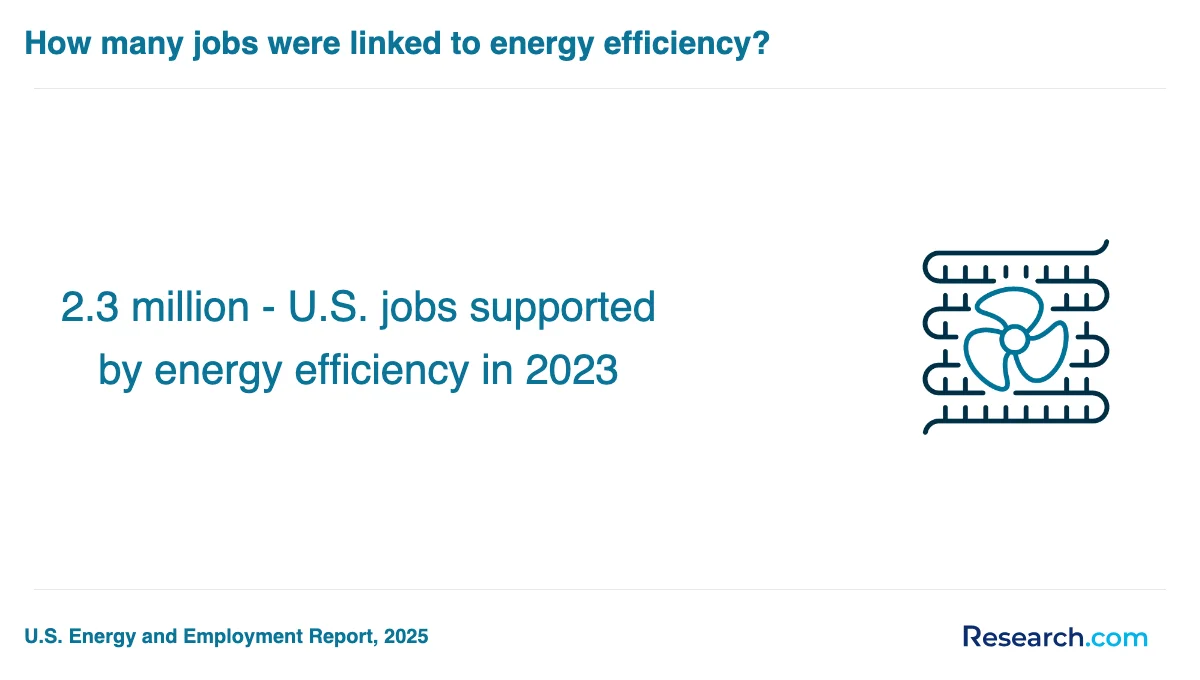
HVAC technician trade school programs in Cisco, such as those at Cisco College, include a series of core courses designed to equip students with practical skills and technical knowledge. Graduates often highlight how these courses prepare them for real-world HVAC challenges.
Key courses typically include:
- System Operations: Understanding heating, cooling, air distribution, and ventilation systems helps students visualize how household and commercial HVAC units function daily.
- Diagnostic Techniques: Learning to use multimeters and pressure gauges enables students to troubleshoot equipment failures efficiently, a skill praised by recent graduates entering the workforce.
- Electricity and Electronics: Instruction on wiring and electrical safety is vital, as modern HVAC units rely heavily on complex electronic controls.
- Refrigeration Principles: Covers refrigerant handling and EPA 608 certification preparation, essential for legal and safe operations.
- Mechanical Principles: Focuses on compressors, condensers, and air flow-core elements in heating and cooling systems.
- Control Systems and Climate Control: Teaches programming thermostats and maintaining climate equipment, skills useful in both residential and commercial settings.
- Soft Skills: Communication and problem-solving training help graduates succeed in dynamic job environments.
Students at Cisco College often comment on how the hands-on approach within these courses makes them confident in tackling everyday HVAC tasks upon graduation.
HVAC technician specializations in Cisco typically cover several focused areas to meet the diverse technical demands of the industry. Popular trade schools in Cisco often offer programs that enable graduates to work confidently on residential, commercial, and refrigeration systems. Many students highlight how training on residential HVAC systems, including split systems and ductless mini-splits, prepares them for hands-on jobs in homeowners' daily comfort solutions.
Other graduates emphasize their exposure to commercial HVAC trade school program options, where they learned about rooftop units and complex air distribution-skills highly sought after in office or retail environments. Refrigeration technology is another cornerstone specialization, focusing on systems like walk-in coolers and supermarket freezers, which many students found both challenging and rewarding.
- Residential HVAC: split systems, heat pumps, mini-splits
- Commercial HVAC: rooftop units, air distribution systems
- Refrigeration Technology: commercial refrigeration, walk-in coolers
- Diagnostic and Repair: advanced troubleshooting for electrical and refrigerant issues
Practical experience from Cisco's prominent trade schools also emphasizes preparation for certifications like EPA Section 608, enhancing students' job readiness and confidence. Those looking into how to become hvac technician will find these program options align well with local employer needs and industry standards, making Cisco a strategic choice for HVAC training.
Choosing the best HVAC technician trade school program in Cisco involves evaluating several critical factors. Graduates from Cisco College highlight the value of hands-on training through real-world externships, which builds confidence and job readiness. The program's accreditation by the Southern Association of Colleges and Schools ensures that students receive a recognized credential, which is essential when pursuing industry certifications like EPA Section 608 and NATE. These certifications significantly boost employability in the HVAC field.
Affordability is also key for many students. Local programs in Cisco provide competitive tuition rates compared to private schools, making them attractive for those seeking affordable HVAC technician programs in Cisco without compromising quality. Career services such as resume assistance and job placement have helped many grads transition smoothly into the workforce, easing the stress of job searching.
For prospective students looking for options beyond Cisco, exploring affordable online hvac trade school programs can offer flexible learning at reduced costs while maintaining strong industry connections.
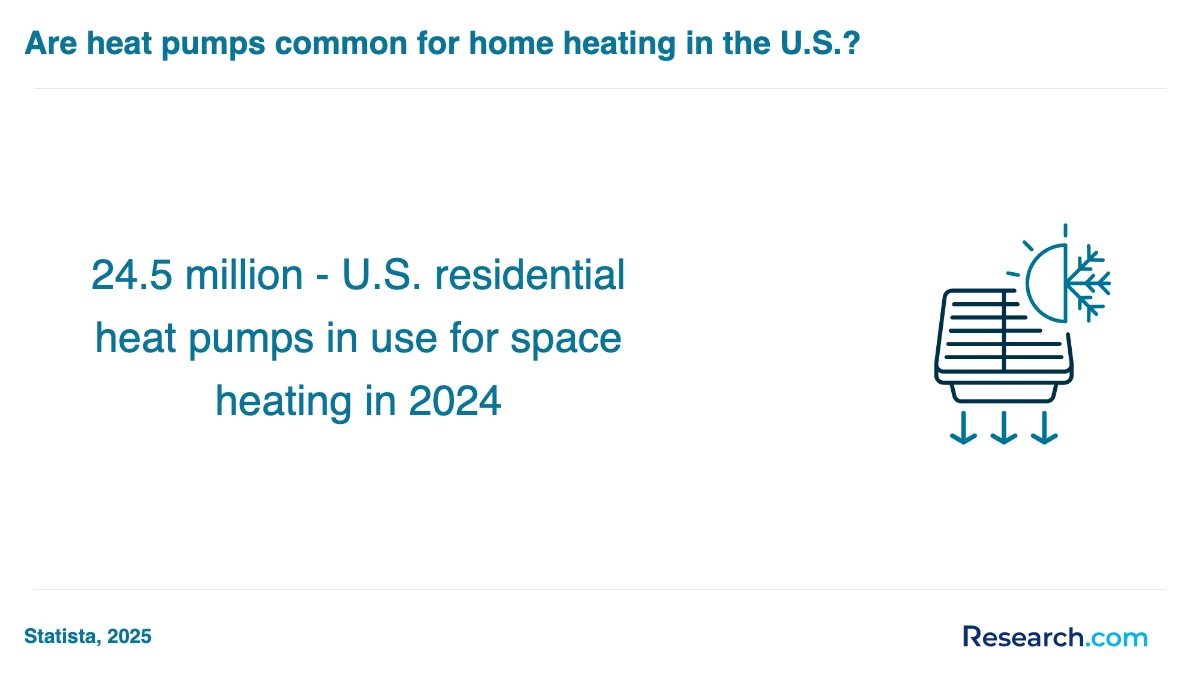
Graduates of HVAC technician trade school programs in Cisco frequently secure HVAC technician jobs in Cisco Texas, starting with entry-level roles that involve installing, maintaining, and repairing residential and commercial HVAC systems. Many former students from popular trade schools report positive early career experiences, often finding temporary or full-time positions with local contractors and service companies eager to hire skilled technicians.
As their experience grows, many choose to specialize, stepping into commercial HVAC technician positions installing complex systems in hospitals or schools. This specialization aligns with well-paid HVAC contractor career opportunities Cisco College graduates often pursue, expanding into supervisory roles or project management within local HVAC firms.
Additional paths include operations management or becoming independent contractors after licensing. HVAC graduates also take advantage of unique roles in government or educational institutions maintaining critical climate control systems. For those balancing work and study, exploring online classes trade schools offers flexible ways to enhance skills and career prospects.
- Entry-level HVAC technician jobs
- Commercial HVAC technician specialization
- Supervisory and management roles
- Operations management and project oversight
- Independent contracting and entrepreneurship
The HVAC technician job market in Cisco TX offers promising opportunities for graduates of local trade schools. Employers actively seek certified HVAC technicians for roles including supervisor, installer, and general technician, driven by steady local demand in residential, commercial, and industrial sectors. Graduates often report positive experiences securing positions shortly after completing programs at popular Cisco trade schools, where hands-on training aligns closely with certification requirements critical to Texas law.
Key factors shaping the HVAC technician employment opportunities Cisco include:
- Regular HVAC system replacements every 10 to 15 years
- Ongoing retrofitting for energy-efficient technologies
- Consistent maintenance contracts providing year-round work
Entry-level wages in Texas average around $51,790 annually, increasing noticeably with experience and certifications earned through these programs. Graduates describe feeling confident entering the workforce thanks to practical skills gained in Cisco vocational schools. For those weighing options, understanding trade school vs college pros and cons can clarify career pathways. Overall, HVAC technician trade schools in Cisco serve as a valuable gateway to a stable, growing career landscape.
Most Affordable HVAC Technician Schools & Training - Budget-Friendly HVAC Trade Programs in Cisco for 2026
# 1 position
Cisco College - Heating, Air Conditioning, Ventilation and Refrigeration Maintenance Technology/Technician.
associateCisco College offers a hybrid Heating, Air Conditioning, Ventilation and Refrigeration Maintenance Technology/Technician program designed to prepare students to repair, install, service, and maintain HVAC and refrigeration systems. The curriculum includes instruction on diagnostic techniques, testing equipment, and the principles of mechanics, electricity, and electronics. The program is accredited by the Southern Association of Colleges and Schools Commission on Colleges. Annual in-state tuition is $4,110.
# 2 position
Cisco College - Heating, Air Conditioning, Ventilation and Refrigeration Maintenance Technology/Technician.
certificate or diplomaCisco College offers a hybrid program in Heating, Air Conditioning, Ventilation and Refrigeration Maintenance Technology/Technician. The curriculum prepares students to repair, install, service, and maintain heating, air conditioning, and refrigeration systems. Instruction includes diagnostic techniques, testing equipment use, and principles of mechanics, electricity, and electronics related to system repair. The annual in-state tuition is $4,110. The program is accredited by the Southern Association of Colleges and Schools Commission on Colleges.
Frequently Asked Questions about HVAC technician
After completing an HVAC technician trade school in Cisco, preparing for the job market involves several key steps. First, obtaining industry certifications such as the EPA Section 608 is essential, as these credentials are often required by employers and demonstrate compliance with federal regulations. Next, gaining hands-on experience through internships or apprenticeships can improve job prospects by building practical skills and professional networks.
Job seekers should also tailor their resumes to highlight specific skills learned during training, such as system installation and maintenance. According to the U.S. Bureau of Labor Statistics, HVAC employment in Texas is projected to grow 13% from 2022 to 2032, reflecting strong local demand. Networking with local contractors and attending job fairs in Cisco can further enhance employment opportunities.
Employers in Cisco seek HVAC technician graduates who demonstrate strong technical skills, including proficiency in installation, maintenance, and repair of heating, ventilation, and air conditioning systems. According to the U.S. Bureau of Labor Statistics, practical knowledge of electrical systems and refrigeration technology is essential for success in this field.
Communication abilities are equally important, as technicians must clearly explain issues and solutions to clients. Additionally, problem-solving skills and attention to detail are critical, given the complexity of modern HVAC systems.
Safety awareness and familiarity with local building codes also rank highly among employer priorities in Cisco's HVAC job market.
Finding internships in Cisco that align with HVAC technician trade school programs involves several strategic steps. Start by contacting local trade schools and community colleges, as many have partnerships with HVAC companies offering internship opportunities. The Cisco Workforce Solutions office is another valuable resource, providing listings of internships and apprenticeships in skilled trades.
Networking plays a crucial role; attending local trade fairs and industry events can connect you with employers. Additionally, websites such as the U.S. Department of Labor's Apprenticeship Finder list registered HVAC apprenticeship programs in Texas, including Cisco.
According to Texas Workforce Commission data, the HVAC sector in Cisco has grown steadily, increasing internship openings by approximately 8% annually over the past three years.
Obtaining a HVAC technician trade school diploma in Cisco significantly enhances career mobility and advancement opportunities. According to the U.S. Bureau of Labor Statistics, HVAC technicians with formal training and certification tend to earn higher wages and experience lower unemployment rates compared to those without credentials.
In Cisco, local employers often prioritize graduates from accredited trade schools due to their practical skills and up-to-date knowledge of HVAC systems. This diploma serves as a gateway to entry-level positions and opens pathways for specialization, such as refrigeration or energy management.
Moreover, trade school programs typically include hands-on training and industry-recognized certifications, which improve job prospects and eligibility for promotions. Data from the Texas Workforce Commission highlights that certified HVAC technicians in Cisco see a 10-15% faster career progression compared to non-certified peers.
Students enrolled in HVAC technician trade schools in Cisco can benefit from part-time jobs that provide practical experience and supplement their education. Positions such as HVAC helper or assistant with local service companies allow students to apply classroom knowledge in real-world settings. These roles often involve assisting with installations, maintenance, and repairs, offering hands-on learning opportunities.
Additionally, part-time work in related fields like electrical or plumbing support can enhance technical skills relevant to HVAC careers. According to the U.S. Bureau of Labor Statistics, HVAC technicians in Texas earn a median wage of around $23 per hour, making part-time HVAC roles financially viable for students.
Retail positions at home improvement stores in Cisco also expose students to HVAC equipment and customer service experience, broadening their understanding of the industry. These jobs often offer flexible hours that fit around school schedules, helping students balance work and study effectively.
To choose the most affordable HVAC Technician degree program near me in Cisco, TX, start by researching local community colleges and vocational schools that offer HVAC certification and degree programs, often providing competitive tuition rates. Consider utilizing resources like Research.com to compare course offerings, reputation, and costs across institutions. Additionally, reach out to schools near Cisco, TX to inquire about financial aid opportunities, scholarships, or flexible payment plans to help reduce expenses.
- HVAC Technician Training Program | LCTI https://www.lcti.org/adult-education-course/hvac/
- ATI | HVAC Trade School https://auto.edu/hvac-trade-school
- Online Certified HVAC/R Technician Training | University of North Dakota https://und.edu/academics/development/courses/hvac-technician.html
- Entry Level HVAC Technician - Training Certificate | Midlands Technical College https://www.midlandstech.edu/programs-and-courses/advanced-manufacturing-and-skilled-trades/hvac-training-certificate
- Online HVAC Certification School | Self-Paced Course https://www.uscareerinstitute.edu/online-hvac-school
- HVACR Certification - Online Program | Penn Foster https://www.pennfoster.edu/programs/trades/hvac-technician-career-diploma
- HVAC Course | Pre-Apprenticeship Training | Skilled Trades College of Canada https://www.skilledtradescollege.ca/courses/hvac-pre-apprenticeship-program
- Cisco Heating & Air Conditioning Inc, Employment Opportunities - Saint Peters, MO 63376 https://www.ciscoheating.com/employment/
- HVAC-R | Cisco College https://www.cisco.edu/degrees-programs/certificate-programs/hvac
- Careers - Cisco Air Systems https://www.ciscoair.com/careers/