
Most Affordable HVAC Technician Schools & Training - Budget-Friendly HVAC Trade Programs in Omaha for 2026

Co-Founder and Chief Data Scientist
Choosing the right HVAC technician trade school in Omaha can feel overwhelming, but this article is here to help. We've gathered a ranking of HVAC technician programs created by the Research.com team of data scientists to guide you in making an informed decision.
Whether you’re starting fresh or looking to advance your skills, earning a diploma or certification opens doors to a rewarding career. This article highlights affordable options that balance quality and cost, so you can confidently take the next step toward your future.
Key benefits of finishing HVAC technician trade school in Omaha
- HVAC technician trade school graduates in Omaha can expect starting salaries around $44,000 per year, with opportunities to earn up to $80,795 annually as they gain experience and certifications.
- Graduates often find diverse career paths, including maintenance technician, installer, or service specialist roles, providing steady work and room for growth in Omaha's strong job market.
- Completing an HVAC trade school online offers flexibility and faster completion times, allowing graduates to start earning sooner while balancing personal commitments, as many Omaha students report positive outcomes from online programs.
- Most Affordable HVAC Technician Schools & Training - Budget-Friendly HVAC Trade Programs in Omaha for 2026
- What can I expect from HVAC technician trade schools in Omaha?
- Where can I work after finishing HVAC technician trade schools in Omaha?
What can I expect from HVAC technician trade schools in Omaha?
In an HVAC technician trade school program in Omaha, you can expect a hands-on learning experience that combines classroom instruction with practical lab work. Graduates from popular schools like Metropolitan Community College often share how the labs simulate real-world HVAC problems, from fixing refrigeration units to troubleshooting electrical systems. This approach builds confidence and job-ready skills faster than just theory alone.
Coursework covers essential topics such as blueprint reading, safety protocols, and technical math, helping students understand the full scope of HVAC work. Many students appreciate the opportunity to earn industry certifications like EPA and OSHA credentials during their studies, which are crucial for local Omaha licensing requirements and future employment.
Programs typically offer flexible timelines, from six-month certificates to two-year associate degrees, allowing you to choose what fits your schedule and goals. Tuition varies, with rates between $70 and $144 per credit hour, making it accessible for many aspiring technicians. Graduates often highlight the supportive community and the strong job outlook, with starting wages around $17 to $20 per hour and a growing demand for skilled HVAC workers in Omaha.
Where can I work after finishing HVAC technician trade schools in Omaha?
After finishing an HVAC technician trade school program in Omaha, graduates find a wide range of employment opportunities waiting for them. Many secure positions as HVAC service technicians, installers, or mechanics working in homes, schools, hospitals, and office buildings around the city. For example, graduates from popular local trade schools often share how quickly they landed roles servicing HVAC and refrigeration systems in both residential and light commercial settings.
Some graduates move into specialized roles such as HVAC sales representatives or supervisors as they gain experience. The local market is strong, with over 150 job openings, and employers value the hands-on skills taught at Omaha trade schools. Many report satisfaction with competitive wages ranging from $26 to $45 per hour and benefits like health and retirement plans, which make the career path financially rewarding.
Union and non-union positions are available, allowing graduates to choose work environments that suit their goals. The diversity of employers-from small businesses to national companies-means you can find a role that fits your lifestyle and ambitions right after completing your program.
After finishing an HVAC technician trade school program in Omaha, graduates typically start with an annual salary between $44,000 and $49,000. Many find this rewarding as they quickly begin earning a solid income in a growing field. For example, recent graduates from popular Omaha trade schools report starting hourly wages around $22 to $27, which covers a range of entry-level positions with different employers.
Hands-on training from these schools prepares students to confidently step into roles where they can earn competitively, even if just starting out. One graduate shared how working for a local service company brought an average hourly pay of about $22.81 right after completing training, with opportunities to increase this with experience.
As skills develop over the first few years, salaries rise noticeably. After two to four years, many technicians in Omaha report annual pay increasing to around $55,000, with those gaining more experience earning up to $62,000 or more. The potential for overtime and advancement also adds to overall earnings, making the trade school investment worthwhile for many in the area.
- HVAC technician programs in Omaha typically cost between $10 per month for online options and $70-$144 per credit hour for campus-based courses.
- Programs usually last from six months to two years, offering diplomas, certificates, or associate degrees with about 120 hours of training for diplomas.
- Curriculum covers refrigeration, ventilation, electrical systems, blueprint reading, EPA 608 certification, and OSHA safety practices.
- Nebraska does not require state HVAC licenses, but Omaha has local licensing or certification rules for technicians, and contractors must register with the Nebraska Department of Labor.
- The job market in Omaha expects over 5,100 HVAC jobs by 2025, with a growth rate of +20.12% from 2020 to 2030 and starting pay between $17 and $20 per hour.
Completing an HVAC technician trade school program in Omaha typically takes between 6 months and 1 year, depending on whether you enroll full-time or part-time. Many graduates from popular Omaha trade schools share how the focused, hands-on training helped them quickly gain practical skills, making the relatively short program feel intense but rewarding.
For example, full-time students often finish their coursework in about 9 months, allowing them to enter the workforce swiftly and start earning sooner. Part-time options extend the timeline to around a year, which suits those balancing work or family commitments.
Students appreciate the balance of classroom instruction and real-world practice, often recalling how simulated HVAC system installations in Omaha-based labs gave them confidence before stepping into actual job sites. This practical approach shortens the learning curve and makes the completion time feel worthwhile.
Overall, Omaha's HVAC trade schools offer a manageable timeline that keeps motivation high while preparing graduates for certification and employment without unnecessary delays.
The main difference between online and on-campus HVAC technician trade school programs in Omaha lies in how students experience learning. Online programs, like the one offered by SkillCat, provide flexibility that suits those balancing work or family. Graduates often appreciate being able to study at their own pace, accessing lectures and virtual simulations anywhere. This convenience, paired with a low cost-just $10 per month-makes it an attractive option for many.
On the other hand, on-campus programs at places such as Metropolitan Community College offer hands-on training with real HVAC equipment, which many students find invaluable. These students benefit from direct interaction with instructors and peers, practicing skills like brazing, refrigeration, and electrical heating in dedicated labs. With tuition ranging from $70 to $105 per credit hour, these programs emphasize immersive, practical learning that builds confidence for the workplace.
Both paths prepare students for entry-level HVAC roles, but the choice depends on whether you prioritize flexible scheduling or in-person experience to master technical skills.
The average HVAC technician program cost Omaha 2026 varies depending on the institution and program type, but students often find that tuition is not always clearly published. For example, graduates from popular trade schools like the HVAC Training Center and Vatterott College report paying tuition fees that are typically affordable when combined with quality hands-on training. While tuition details require direct contact with these schools, many students appreciate the balance between cost and practical experience provided by these Omaha programs.
Beyond tuition, students should account for additional expenses such as books and supplies, which generally range from $500 to $1,000 annually. Tools and uniforms contribute another $600 to $800, which graduates have found to be excellent investments for their budding careers. Housing and food may add $5,000 to $10,000 per year for those moving to Omaha, but many find that the supportive community and city resources make living manageable during training.
Licensing and certifications also add to the financial considerations. Omaha requires HVAC technicians to register annually, with fees starting at $25 for apprentices. Many find the EPA Section 608 Certification essential, with exam fees varying from $40 to $240 depending on the certification type. These factors make affordable HVAC training tuition Omaha 2026 a comprehensive figure that includes more than just tuition alone.
Prospective students seeking alternatives may also explore options for cheap online hvac certification, which some find convenient and cost-effective alongside local training. This approach can reduce costs while providing valuable credentials.
HVAC technician students in Omaha can access several financial aid options to make trade school more affordable. Many rely on federal aid like Pell Grants and student loans by completing the FAFSA, which opens doors to additional state and institutional scholarships. For example, graduates from Metropolitan Community College often share how Pell Grants significantly lowered their tuition costs in the HVAC-R Technology program, which charges about $4,500 annually.
Local schools such as Iowa Western Community College also connect students with scholarships and financial aid offices that guide them through applications, easing the stress of funding their education. Some students find apprenticeship programs especially helpful-like the Nebraska HVAC Apprenticeship run by the Plumbers and Pipefitters Local Union 16-where they earn wages while learning, reducing or eliminating out-of-pocket expenses.
This blend of federal grants, scholarships, apprenticeships, and loans allows Omaha HVAC students to tailor financial support to their needs, helping them start their careers without overwhelming debt.
To enroll in an HVAC technician trade school program in Omaha, there are a few key prerequisites that most schools expect from applicants. Graduates often recall how meeting these requirements helped them feel confident and prepared before starting their hands-on training.
Typically, you need:
- A high school diploma or GED equivalency, as this ensures you have the basic academic skills needed to succeed.
- Basic math and reading proficiency, since much of the coursework involves calculations and understanding technical manuals.
- Proof of physical ability to handle the demands of HVAC work, like lifting equipment and working in tight spaces.
- Sometimes, schools ask for a background check, especially if internships or apprenticeships at job sites are part of the program.
For example, graduates from popular Omaha trade schools often mention that having some prior experience with tools or mechanical work made the transition smoother, but it's not mandatory. Many students began with no prior HVAC knowledge and quickly grew enthusiastic as they learned through hands-on labs and real-world scenarios provided by their programs.
Being ready mentally and physically sets the stage for success and makes the educational experience in Omaha's HVAC trade schools both achievable and rewarding.

HVAC technician trade school programs in Omaha typically include a mix of technical theory and hands-on training to prepare you for real-world challenges. Graduates from popular schools like Metropolitan Community College often highlight how the curriculum builds confidence through practical lab exercises that simulate actual job conditions.
Key course areas include:
- Basic refrigeration theory: Understanding how heating and cooling systems work on a scientific level.
- Electrical fundamentals: Learning to safely handle wiring and controls essential for HVAC equipment.
- Installation and troubleshooting: Gaining skills to install furnaces, air conditioners, and repair common issues in the field.
- System design and blueprint reading: Interpreting technical diagrams for residential and commercial systems.
- EPA 608 certification preparation: Necessary for legally handling refrigerants in the U.S.
Many students appreciate the focus on real-life skills like customer service and job safety, which are critical when starting as an independent contractor or business owner in Omaha's HVAC industry.
HVAC technician specializations Omaha students encounter focus on practical skills that meet local industry demands. Graduates from Metropolitan Community College often highlight how specializations like Heating and Air Conditioning Technology, Refrigeration Technology, and Commercial Refrigeration Technology prepared them for real-world scenarios, such as troubleshooting residential HVAC systems or maintaining large commercial refrigeration units. These specializations build confidence in handling diverse equipment and environments.
Southeast Community College's HVAC/R Technology program emphasizes both residential and commercial skills, making it easier for students to adapt in Omaha's varied job market. Students appreciate training that covers installation and servicing of multiple HVAC types, often sharing that the hands-on experience made transition to the workforce smoother.
Northeast Community College offers a broad Associate of Applied Science degree covering heating, ventilation, and air conditioning. This diverse curriculum equips students with a flexible foundation, enabling them to pursue various HVAC roles locally. For those seeking comprehensive Omaha HVAC training programs with career-focused pathways, the best trade schools in america provide useful guidance for choosing the right fit.
When choosing an HVAC technician trade school program in Omaha, prioritize accreditation and hands-on training to ensure quality education aligned with industry standards. Graduates from Metropolitan Community College often praise the program's balance of theoretical instruction and practical lab experience, which effectively prepares students for EPA certification exams. Another notable option is Southeast Community College in Milford, where the curriculum covers HVAC system design, installation techniques, and maintenance practices, complemented by a paid cooperative experience that provides valuable real-world skills while earning an income. These programs focus on building confidence through direct engagement with HVAC equipment and scenarios mirrored from actual job sites.
Additionally, consider program length, location, and certification support when evaluating options. Omaha students have found that enrolling in programs with strong employer connections enhances job placement prospects. For more detailed pathways and insights related to starting your career, explore how to become hvac technician to understand all necessary qualifications and salary expectations.
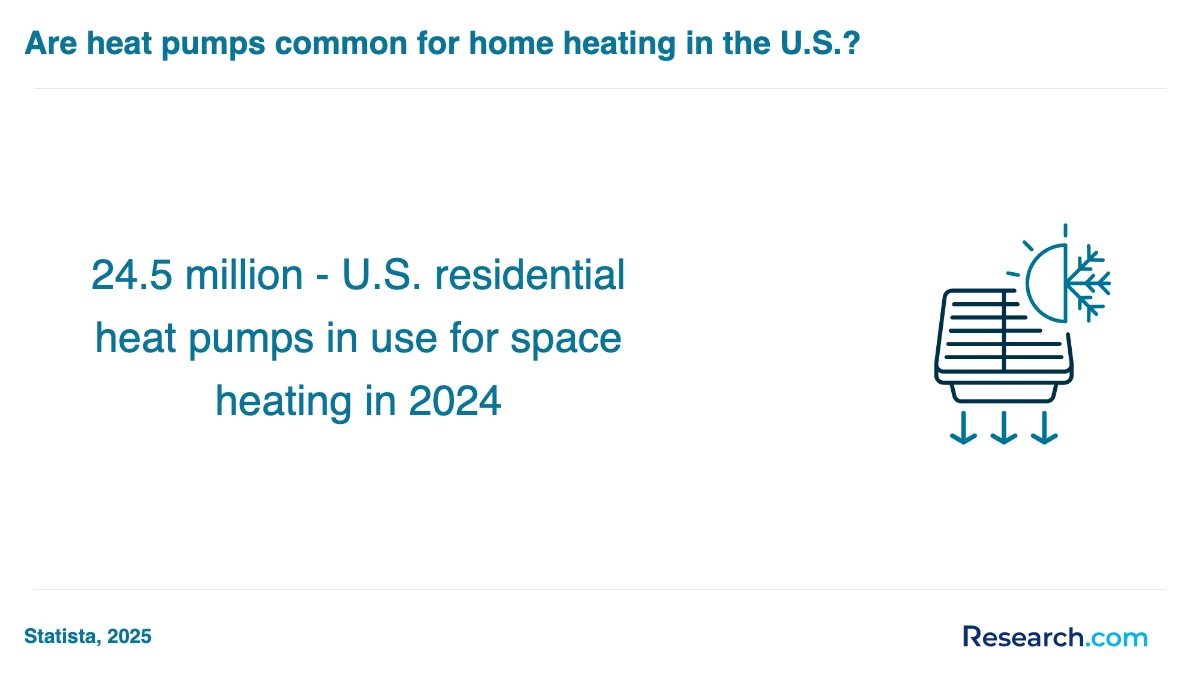
Graduates of HVAC technician trade schools in Omaha quickly find a variety of career paths that match their skills and ambitions. Many start as HVAC service technicians, installing and repairing residential and commercial climate systems-roles especially crucial due to Omaha's intense seasonal weather. Entry-level HVAC installer career opportunities Omaha also include maintenance technician and apprentice positions, where gaining hands-on experience is key. For instance, recent graduates from popular Omaha trade schools often describe the hands-on projects as vital preparation for the field.
As skills grow, options expand. Experienced technicians move into specialized roles such as commercial HVAC technicians, refrigeration mechanics, or building automation specialists. Some advance to journeyman installers or project managers, combining technical knowledge with leadership. Employers like Aksarben/ARS even offer related opportunities in drain cleaning or construction support, broadening the scope of HVAC technician jobs in Omaha NE.
With starting wages ranging from $17 to $20 per hour and pathways to earn up to $40 per hour with added benefits, this field is both stable and rewarding. For those looking for the highest paying trade jobs, HVAC offers promising prospects fueled by steady local demand.
The HVAC technician job outlook in Omaha is highly favorable for graduates of local trade schools. Employers consistently seek candidates trained in hands-on skills and HVAC certifications, with over 120 to 200 job openings regularly available. Graduates from popular Omaha vocational programs often share how their technical education directly prepared them for positions like HVAC installer or maintenance technician, leading to fast hiring and rewarding career starts.
Many find the average HVAC technician salary in Omaha Nebraska competitive, with entry-level wages around $26.81 per hour and experienced techs earning $35 to $45 hourly. Sign-on bonuses and solid benefits encourage candidates to pursue ongoing training, a path supported by local employers who value formal HVAC education.
Common experiences among graduates include:
- Quick placement into stable roles within family-owned or commercial companies
- Steady work in construction and property management sectors that fuel ongoing demand
- Clear career advancement driven by continuous skill development
Those considering an HVAC trade program in Omaha often explore options among top vocational trade schools to gain the specialized training employers desire, ensuring a resilient pathway from education to employment.
Most Affordable HVAC Technician Schools & Training - Budget-Friendly HVAC Trade Programs in Omaha for 2026
# 1 position
Metropolitan Community College Area - Heating, Air Conditioning, Ventilation and Refrigeration Maintenance Technology/Technician.
associateThe Heating, Air Conditioning, Ventilation and Refrigeration Maintenance Technology/Technician program at Metropolitan Community College Area prepares students to repair, install, service, and maintain heating, air conditioning, and refrigeration systems. The hybrid program includes instruction in diagnostic techniques, testing equipment use, and principles of mechanics, electricity, and electronics. Annual in-state tuition is $3,285. The program is accredited by the Higher Learning Commission.
# 2 position
Metropolitan Community College Area - Heating, Air Conditioning, Ventilation and Refrigeration Maintenance Technology/Technician.
certificate or diplomaThe Heating, Air Conditioning, Ventilation and Refrigeration Maintenance Technology/Technician program at Metropolitan Community College Area is offered in a hybrid format, combining in-person and distance education. This program trains students to repair, install, service, and maintain heating, air conditioning, and refrigeration systems using diagnostic techniques and testing equipment. The curriculum covers mechanics, electricity, and electronics principles essential for these systems. Annual in-state tuition is $3,285. The program is accredited by the Higher Learning Commission.
Frequently Asked Questions about HVAC technician
After completing an HVAC technician trade school in Omaha, preparing for the job market involves several key steps. First, obtaining EPA Section 608 certification is essential, as it is federally required to handle refrigerants safely. Many Omaha trade schools incorporate this certification into their curriculum.
Next, consider gaining hands-on experience through internships or apprenticeships offered locally. The Nebraska Department of Labor notes that practical skills significantly improve employment prospects in Omaha's HVAC field.
Networking with local contractors and attending trade job fairs can also help graduates connect with employers actively hiring HVAC technicians. According to the U.S. Bureau of Labor Statistics, Omaha's HVAC technician employment is projected to grow by 6% through 2030, indicating steady demand.
Lastly, maintaining up-to-date knowledge about new HVAC technologies and continuing education supports long-term career growth in this evolving industry.
Employers in Omaha highly value HVAC technician graduates who demonstrate strong technical skills in system installation, maintenance, and repair. According to the U.S. Bureau of Labor Statistics, practical knowledge of electrical systems, refrigeration, and heating units is essential for entry-level positions. Additionally, Omaha employers seek candidates with problem-solving abilities to diagnose issues accurately and efficiently. Communication skills are also important, as technicians often interact with clients and other tradespeople. Familiarity with safety standards and local building codes is critical to ensure compliance and reduce workplace accidents. Hands-on experience gained through internships or apprenticeships greatly enhances employability in this competitive market.
Finding internships in Omaha related to HVAC technician trade school programs involves several practical steps. Start by contacting local trade schools, as many have partnerships with HVAC companies offering hands-on internships. The Nebraska Department of Labor's website lists apprenticeship and internship opportunities in skilled trades, including HVAC.
Networking through local unions like the Sheet Metal Workers Local 33 can also help secure internships, as unions often collaborate with employers to train new technicians. Additionally, websites such as Indeed and Glassdoor frequently post internship openings in Omaha's HVAC sector.
According to Nebraska's Workforce Development data, the demand for HVAC technicians in Omaha is growing by about 5% annually, increasing internship availability.
Obtaining a HVAC technician trade school diploma in Omaha significantly enhances career mobility and advancement opportunities. According to the U.S. Bureau of Labor Statistics, skilled HVAC technicians in Nebraska enjoy a steady job growth rate of 8% through 2031, higher than the national average. Completing a diploma program provides essential hands-on training and industry certifications, which local employers prioritize when hiring or promoting staff.
Trade schools also connect students with apprenticeships and local businesses, creating valuable networking opportunities. In Omaha's competitive job market, a formal diploma can lead to higher starting salaries and quicker advancement into supervisory roles, with median wages around $22 per hour as reported by Nebraska Workforce Development.
Overall, a HVAC diploma serves as a practical credential that supports upward economic mobility and long-term career stability in Omaha's expanding HVAC industry.
Students enrolled in HVAC technician trade schools in Omaha can benefit from part-time jobs that provide practical experience alongside their studies. Entry-level HVAC helper positions are common, offering hands-on exposure to installation and repair tasks. According to the U.S. Bureau of Labor Statistics, Omaha's HVAC job market is growing steadily, with many employers seeking candidates who combine education with real-world skills.
Retail positions at home improvement stores like Menards or Lowe's can also complement HVAC training. These roles help students learn about HVAC products and customer service. Additionally, some local HVAC companies offer part-time apprenticeships, which are valuable for networking and skill development.
To choose the most affordable HVAC Technician degree program near me, consider factors such as tuition costs, financial aid options, and the overall reputation of programs near Omaha, NE. Research.com can be a helpful resource to compare different schools and programs to find one that aligns with your financial capacity and educational goals. Be sure to visit local community colleges and technical schools near Omaha, NE, as they often offer lower tuition rates and flexible learning options.
- HVAC Career Path: What to Expect After Training https://www.genesiscareer.edu/hvac-career-path-after-training/
- How to Study for a Hands-On Job as an HVACR Tech | Penn Foster https://www.pennfoster.edu/blog/how-to-study-for-a-hands-on-job-as-an-hvacr-technician
- Navigating the Career Path of an HVAC Technician | CBT Technology Institute https://www.cbt.edu/blog/navigating-the-career-path-of-an-hvac-technician/
- How to Prepare for an HVAC Career | Air Conditioning & Heating Classes https://www.thetrainingcenterofairconditioningandheating.com/hvac-technician/how-to-prepare-for-an-hvac-career/
- 4 Tips to Prepare for an HVAC Career Path in Michigan https://www.dorsey.edu/blog/hvac-career-path-mi/
- HVAC Trade School | Edvisors https://www.edvisors.com/plan-for-college/careers/hvac-trade-school/
- 10 Essential Tips for Starting Your HVAC Career - RightTek HVAC https://righttekhvac.com/2024/08/30/10-essential-tips-for-starting-your-hvac-career/
- HVAC Trade Schools: HVAC Training Programs | Fortis https://www.fortis.edu/programs/skilled-trades/heating--ventilation--air-conditioning-and-refrigeration-trades.html
- HVAC Technician Training Program | LCTI https://www.lcti.org/adult-education-course/hvac/
- HVAC Training: Entry Level Tech - ACCA https://www.acca.org/certification/qtech/entryleveltech


