
Best HVAC Technician Training Programs & Trade Schools - Top HVAC Tech Schools in Spokane for 2026

Co-Founder and Chief Data Scientist
Choosing the right HVAC technician trade school in Spokane can shape your future career and open doors to rewarding opportunities. This article introduces a carefully crafted HVAC technician trade school programs ranking developed by the Research.com team of data scientists to guide you in making an informed decision.
Whether you’re starting fresh or seeking to enhance your skills, earning a diploma or certification in HVAC can boost your confidence and job prospects. Exploring these top programs helps you find the best fit for your goals and lifestyle.
Take the first step toward a promising career today.
Key benefits of finishing HVAC technician trade school in Spokane
- Graduates of HVAC technician trade schools in Spokane can expect starting salaries around $37,790 annually, with experienced technicians earning up to $90,000, reflecting strong earning potential in the local job market.
- Career paths for trade school graduates include roles as entry-level technicians, apprentices, or specialized HVAC professionals, offering opportunities to grow and advance within the industry.
- Completing an HVAC trade school online offers flexibility and faster completion times, as seen with graduates from popular Spokane programs who balance work and study effectively while entering the workforce sooner.
- Best HVAC Technician Training Programs & Trade Schools - Top HVAC Tech Schools in Spokane for 2026
- What can I expect from HVAC technician trade schools in Spokane?
- Where can I work after finishing HVAC technician trade schools in Spokane?
What can I expect from HVAC technician trade schools in Spokane?
Enrolling in an HVAC technician trade school program in Spokane means diving into a hands-on, practical education designed to prepare you for real-world work. Graduates often recall the balance between classroom theory and lab time, especially at Spokane Community College, where they spent hours working with over 120 pieces of functional equipment. This approach helps students gain confidence with tools and techniques they'll use daily on job sites.
The curriculum covers everything from refrigeration theory and electricity to duct design and troubleshooting, making sure you're ready for both residential and light commercial roles. Many find the opportunity to earn certifications like the EPA 608 license particularly empowering, opening doors to steady employment.
Programs vary in length and pace, fitting different lifestyles-some students appreciated the flexible, self-paced options offered by private schools, enabling them to balance work and study.
Financial aid is common, easing the burden of tuition and fees, while job placement support provides reassurance that your investment will lead to real career opportunities. Graduates often describe the experience as challenging but rewarding, with a strong sense of readiness for the HVAC industry in Spokane.
Where can I work after finishing HVAC technician trade schools in Spokane?
After completing an HVAC technician trade school program in Spokane, graduates often find themselves welcomed by a diverse job market ripe with opportunity. Many begin their careers with local HVAC contractors, where roles like HVAC technician or installer provide hands-on experience and steady hourly pay-ranging from $30 to $45 in some companies-alongside full-time employment and benefits. These positions allow recent graduates from schools like Spokane Community College (SCC) and Spokane Falls Community College (SFCC) to immediately apply their skills in real-world settings, servicing homes and businesses across Eastern Washington.
Others choose to work within institutions such as colleges, hospitals, or government buildings, where HVAC technicians maintain critical systems essential for daily operations. For example, graduates working at SCC or SFCC often enjoy a starting monthly salary around $4,865, with clear paths for raises and job security. These roles foster a strong sense of purpose, as technicians keep classrooms and labs comfortable and functional.
Many graduates also explore specialized commercial and industrial HVAC positions, which, while demanding broader technical skills, offer rewarding career growth and higher pay. The steady demand in Spokane-with over 75 HVAC openings regularly posted-reflects the region's ongoing need for well-trained professionals, making trade school graduates highly sought after.
After finishing an HVAC technician trade school program in Spokane, graduates often find themselves pleasantly surprised by the earning potential that awaits. Many start with an entry-level salary around $37,790 annually, which feels like a solid foundation after completing hands-on training at well-known Spokane trade schools. One recent graduate shared how quickly she moved from that starting point to earning about $52,000 within a couple of years, thanks to local demand and her growing certifications.
Experienced technicians in Spokane can earn upwards of $90,000 yearly, reflecting the value employers place on skills honed through practical education and apprenticeships. Hourly wages typically range from $25 to $44, with apprentices beginning closer to $18 to $25. The steady job market in Spokane, bolstered by businesses and institutions seeking HVAC experts, means graduates feel confident stepping into roles that not only pay well but also offer career growth.
For many, the journey from trade school classroom to well-paying HVAC technician is both rewarding and inspiring, setting the stage for financial stability and professional satisfaction in Spokane's thriving market.
- Programs in Spokane range from short diploma courses to two-year associate degrees, with some offering over 120 pieces of hands-on equipment for training.
- Most schools do not require SAT/ACT scores or minimum GPA for admission, and application fees may be around $35.
- Costs vary widely, from online programs costing as low as $10 per month to higher tuition for full-time local college programs; 68% of students receive financial aid.
- Certifications available include the EPA 608 Universal Refrigerant Handling License and Washington State electrical trainee registration.
- Job placement rates can reach up to 70%, with starting salaries averaging $25,300 annually and prospects for growth in the HVAC field.
Completing an HVAC technician trade school program in Spokane typically takes anywhere from six months to a year, depending on the school and the intensity of the curriculum. Many graduates from well-regarded Spokane trade schools share how this timeframe felt just right-long enough to gain hands-on experience yet short enough to quickly enter the workforce and start earning.
One common reflection is how the program's pace balances classroom learning with practical training, which helps students feel confident when facing real-world HVAC challenges. Imagine spending mornings in a Spokane workshop, learning to install and repair systems, then afternoons understanding theory-this blend makes the months fly by.
Graduates often mention how finishing within a year gave them a satisfying sense of accomplishment without dragging on, allowing them to promptly begin apprenticeships or jobs. For Spokane students eager to jumpstart their careers, this completion time fosters motivation and a clear path forward, making the investment in trade school feel both manageable and rewarding.
The difference between online and on-campus HVAC technician trade school programs in Spokane often comes down to how students engage with the material and the learning environment. Graduates of the online program offered by SkillCat frequently describe the freedom of studying at their own pace, fitting lessons around work or family life. One recalls appreciating the affordability and convenience, especially when juggling multiple responsibilities. However, some missed the hands-on experience with actual HVAC equipment, which on-campus programs like Spokane Community College (SCC) provide in abundance.
At SCC, students thrive in a setting filled with real HVAC/R systems, gaining confidence through direct interaction with over 120 pieces of equipment. Many graduates highlight how the structured schedule and in-person labs helped them develop practical skills quickly, preparing them for the demands of the job. The ability to troubleshoot and repair systems under instructor supervision creates a sense of readiness that online learners sometimes find hard to replicate.
Certification and career support also vary. On-campus students often benefit from access to EPA 608 licensing exams and local internships, which can open doors to employment. Choosing between these paths means weighing flexibility against immersive, hands-on training-both valued by Spokane's HVAC community.
The average cost HVAC technician trade school Spokane students face can vary significantly depending on the program and institution they choose. Graduates from the Northwest HVAC/R Training Center often recall balancing the $11,500 tuition with nearly $535 for essential books and supplies, recognizing this investment as pivotal for their nine-month, 900-hour comprehensive training. While some find the cost demanding, many appreciate the thorough preparation that equips them well for the workforce.
Alternately, those attending the Northwest HVAC/R Association Training Center highlight the $6,500 price tag as a more accessible option, offering a solid one-year certificate that lays a strong foundation in HVAC principles. Students choosing this path often share how manageable expenses helped reduce stress and allow them to concentrate fully on hands-on learning.
Throughout Spokane, prospective students researching HVAC technician program tuition fees Spokane often discover that additional costs like tools and off-campus living can greatly influence total expenses. These details can feel overwhelming until graduates describe the rewarding sense of accomplishment once they complete their training and start working in the field.
For those exploring avenues to reduce costs without sacrificing quality, some turn to the cheapest online hvac courses with certificates, blending flexibility and affordability with career-oriented training options.
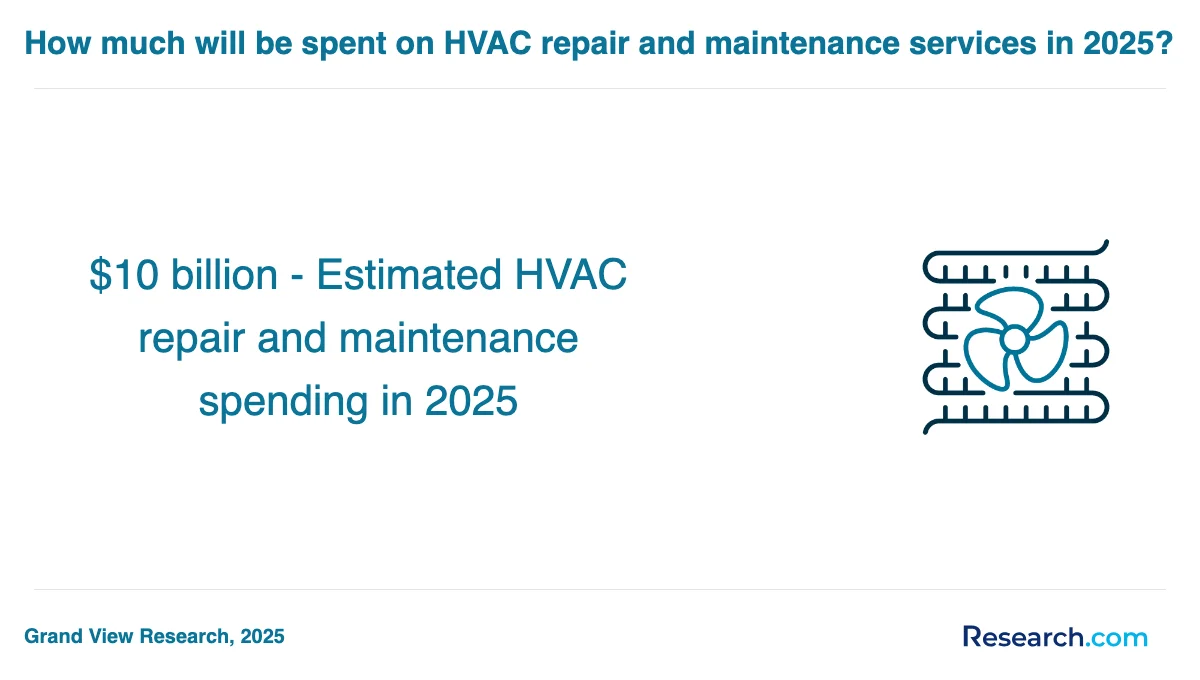
Many HVAC technician students in Spokane find financial aid to be a vital support during their training. At schools like the Northwest HVAC/R Training Center, a large portion-77% of students-receive financial aid, which helps ease the burden of tuition and living costs. Imagine a graduate recalling how federal Pell Grants, which nearly half of their classmates qualified for, made a real difference by covering thousands of dollars each year.
Filling out the FAFSA early is a common piece of advice shared among students, as it opens doors to federal and state grants, loans, and other aid. Spokane students know to use their school's FAFSA code (#032833) to ensure their applications are processed smoothly. Many also rely on federal student loans; about 64% of enrollees at local trade schools borrow funds averaging over $6,500 annually to cover expenses beyond tuition.
Additional resources such as worker retraining grants, Workforce Innovation and Opportunity Act (WIOA) support, and tribal vouchers provide tailored help, especially for those facing job displacement or coming from tribal communities. These layered options bring hope and practical assistance, letting Spokane's HVAC students focus on mastering their skills without constant financial worry.
Enrolling in an HVAC technician trade school program in Spokane typically requires a few key prerequisites that ensure students are ready to tackle the hands-on and technical training ahead. Most schools expect applicants to have a high school diploma or GED, which lays the foundation for understanding the math and science concepts vital to HVAC work. Graduates from popular Spokane trade schools often recall how their basic algebra skills helped them quickly grasp refrigerant pressure calculations and electrical circuit diagrams.
Beyond formal education, schools look for practical qualities and readiness:
- A genuine interest in mechanical systems and problem-solving
- Basic computer proficiency, as many programs incorporate digital diagnostics
- Physical ability to handle the demands of installing and repairing HVAC equipment
Many students also share that having prior experience with tools or a background in general construction can be a huge confidence booster when they begin their training. For example, one graduate mentioned how weekend projects tinkering with home heating units made the transition smoother and more enjoyable.
Trade schools in Spokane often require a simple application and sometimes an interview to assess motivation and readiness. This approach ensures that students are not only academically prepared but also enthusiastic about starting a fulfilling career in HVAC.
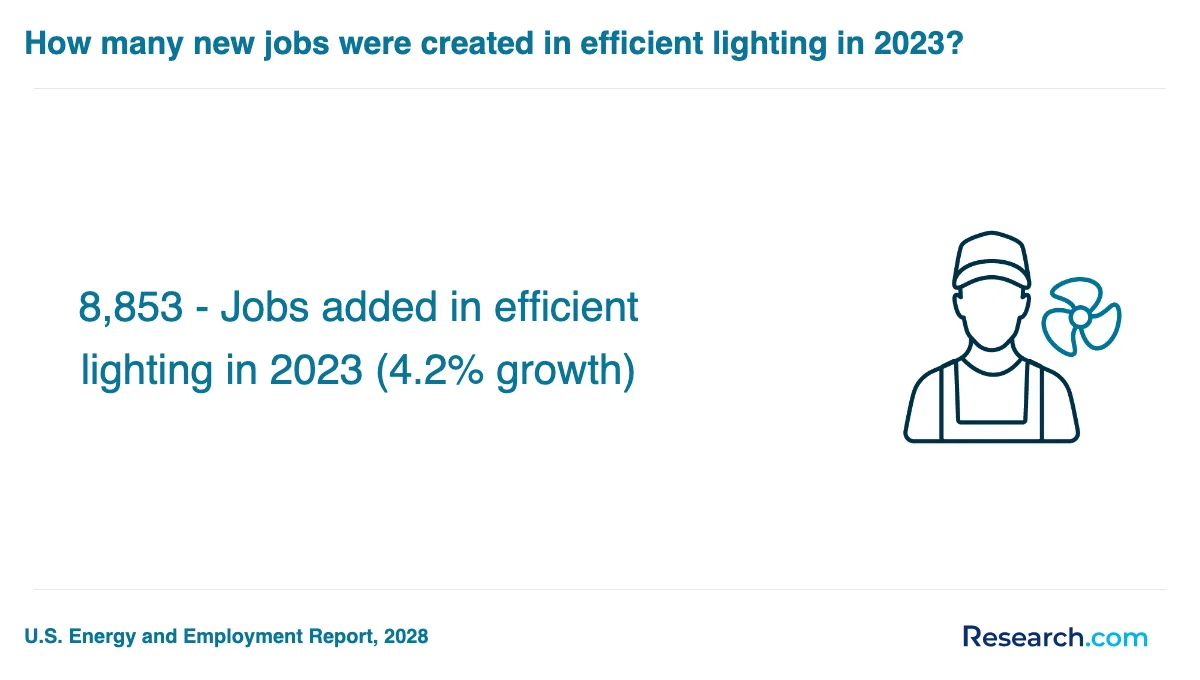
Students pursuing HVAC technician training in Spokane often find themselves immersed in a well-rounded curriculum designed to build both knowledge and confidence. Core courses such as Introduction to HVAC, Refrigeration Theory, Air Conditioning Systems, and Ventilation lay the foundation for understanding how essential systems operate in homes and businesses.
Graduates from Spokane Community College and Northwest HVAC/R Training Center frequently share how hands-on classes on Key Hand Tools, Piping, Brazing, and Soldering transformed their learning into practical skills they could immediately apply on the job.
Regulatory knowledge is vital, with many students appreciating the inclusion of EPA 608 certification preparation, a must-have for legally handling refrigerants. Others value coursework focused on local licensing requirements like the Spokane Gas Heating Mechanic's 1 License and the WA L&I Electrical Trainee License, which open doors to employment in Washington State.
Additional courses often include:
- Preventative Maintenance to anticipate and solve system issues before they arise
- System Design for understanding HVAC layouts
- Troubleshooting to quickly diagnose problems
- Electrical Fundamentals to safely manage system wiring and controls
Many Spokane students recall how working with over 120 pieces of operational equipment in labs gave them the confidence to tackle real-world HVAC challenges, making the technical knowledge feel tangible and rewarding.
Spokane's HVAC technician trade school programs equip students with a range of specializations vital for a successful career in heating, ventilation, air conditioning, and refrigeration. Graduates often highlight how hands-on training combined with deep theoretical instruction makes the learning experience both engaging and rewarding.
Typical specializations featured in these programs include:
- Gas mechanics and gas codes, essential for safe and legal HVAC installations, as emphasized in the 900-hour program at Northwest HVAC/R Association & Training Center
- Electrical fundamentals including HVAC/R electrical applications, crucial for diagnosing and repairing system components taught at Spokane Community College's Associate in Applied Science program
- System design and performance testing, allowing technicians to optimize equipment efficiency and troubleshoot real-world problems
- EPA 608 Universal Certification for handling refrigerants responsibly
Many students find their skills sharpened through optional internships or specialized classes, such as gas licensing preparation for local municipalities. By blending classroom work with practical scenarios, these schools help build confidence to handle diverse HVAC challenges.
Those exploring pathways in Spokane often consider looking for detailed training options via trade school online resources, helping them tailor their education to their career goals within the HVAC/R industry.
Choosing the best HVAC technician trade schools Spokane means prioritizing accredited programs with strong hands-on training. Graduates from Spokane Community College often reflect on their confidence gained through the school's balanced curriculum and its proximity to vibrant industry connections. Real-life success stems from learning in facilities where practical skills meet theoretical knowledge, preparing students for the unpredictable challenges of HVAC work in Spokane's varied climate.
Working adults appreciate programs that offer flexibility, like those found at the Northwest HVAC/R Training Center, where part-time schedules and internship opportunities create a pathway tailored to busy lifestyles. Positive experiences often come from feeling supported by schools that promote safe work environments alongside strong technical expertise.
Cost consideration is vital. Many graduates emphasize the relief of affordable tuition, especially when combined with financial aid options. Exploring options such as affordable maintenance technician training online can further ease this burden.
Seeking the top HVAC training programs Spokane also means valuing schools with strong job placement rates and industry ties, giving students early exposure to local employers and real-world scenarios that build both skills and confidence.
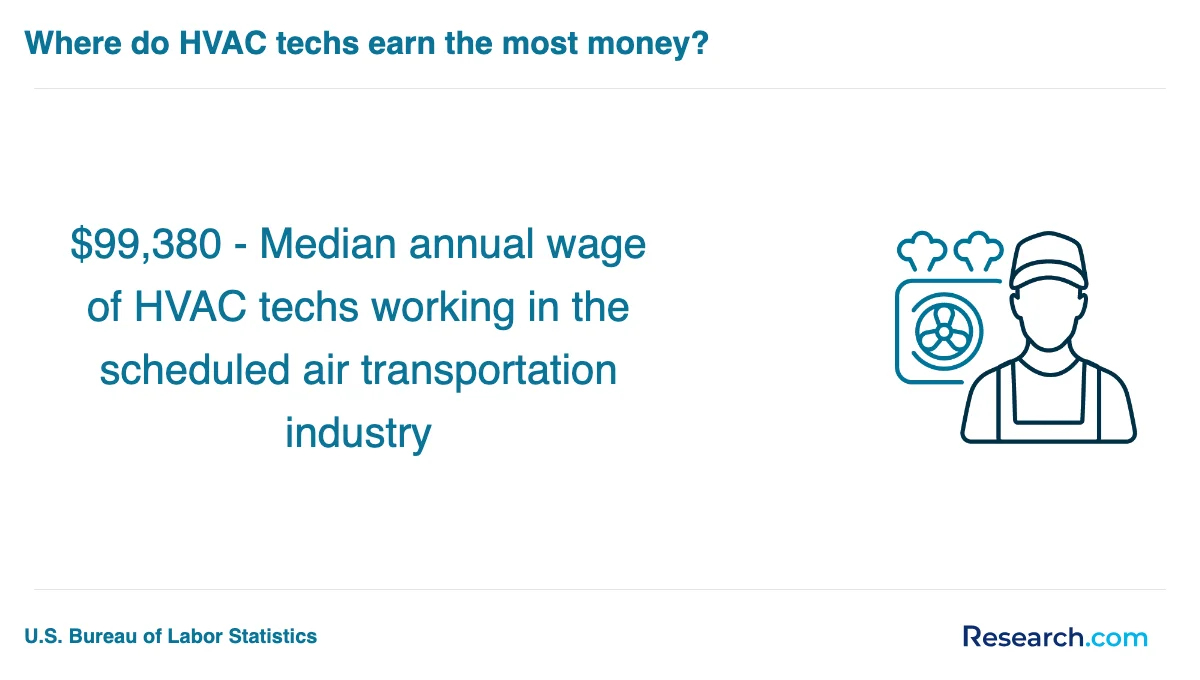
Graduates from HVAC technician trade schools in Spokane often discover a variety of fulfilling career paths that suit their skills and interests. Many step into roles such as HVAC Technician, HVAC Installer, or HVAC Service Technician, working hands-on with heating and cooling systems in homes, businesses, and institutions. Those coming from institutions like Spokane Community College and Spokane Falls Community College frequently share how their foundational training makes day-to-day challenges rewarding and manageable.
Beyond these core positions, there are opportunities for growth and specialization, including:
- HVAC Refrigeration Technician
- Maintenance Technician
- Commercial HVAC Service Technician
- HVAC Controls Engineer, focusing on building automation and climate control
Many graduates also explore supervisory roles or advance as lead installers, often enjoying increased pay and leadership challenges. Spokane's local market supports union and non-union jobs, with apprenticeships creating pathways to these positions. The availability of numerous jobs reflects strong HVAC career opportunities in Spokane.
For those curious about how long does it take to become hvac technician, trade schools provide clear routes to meaningful employment and career growth, fueling both job stability and independence over time.
The job market for HVAC technician trade school graduates in Spokane remains strong, reflecting consistent demand across residential, commercial, and institutional sectors. Graduates from well-regarded schools like Spokane Community College and Spokane Falls Community College often find multiple openings soon after completing their training. Many report starting monthly wages between $4,865 and $5,929, highlighting the attractive earning potential in this field.
Opportunities for Spokane HVAC technician salary and career outlook are especially promising due to steady hiring for roles such as HVAC Install Lead and Refrigeration Technician. Employers frequently offer paid training and clear advancement paths, creating a supportive environment for entry-level technicians eager to grow professionally.
Real-world experiences from graduates emphasize:
- Hands-on skills learned in trade programs directly preparing them for immediate employment
- Competitive hourly pay ranging from $24 to $55, with specialized positions earning significantly more
- Job stability fueled by ongoing construction and maintenance of HVAC systems in local schools and hospitals
For those exploring the best vocational trade training online schools alongside Spokane-based options, this career path offers both steady demand and upward mobility in a thriving local job market.
Best HVAC Technician Training Programs & Trade Schools - Top HVAC Tech Schools in Spokane for 2026
# 1 position
Spokane Community College - Heating, Air Conditioning, Ventilation and Refrigeration Maintenance Technology/Technician.
associateSpokane Community College offers a hybrid program in Heating, Air Conditioning, Ventilation and Refrigeration Maintenance Technology/Technician. This program trains students to repair, install, service, and maintain HVAC and refrigeration systems, including diagnostic techniques and the use of testing equipment. Instruction covers mechanics, electricity, and electronics principles related to these systems. Annual in-state tuition is $4,057. The program is accredited by the Northwest Commission on Colleges and Universities, with median earnings one year after completion at $42,862.
# 2 position
Northwest HVAC/R Training Center - Heating, Air Conditioning, Ventilation and Refrigeration Maintenance Technology/Technician.
certificate or diplomaThe Heating, Air Conditioning, Ventilation and Refrigeration Maintenance Technology/Technician program at Northwest HVAC/R Training Center prepares students to repair, install, service, and maintain HVAC and refrigeration systems. The hybrid program includes instruction on diagnostic techniques, testing equipment, and principles of mechanics, electricity, and electronics. Graduates earn a median income of $39,949 one year after completion. The program is accredited by the Council on Occupational Education.
Frequently Asked Questions about HVAC technician
After completing an HVAC technician trade school in Spokane, preparing for the job market involves several strategic steps. First, obtaining EPA Section 608 certification is essential, as it is federally required to handle refrigerants. This certification significantly improves employability. Next, gaining hands-on experience through internships or apprenticeships can provide practical skills and industry connections.
Networking within local trade organizations, such as the Spokane chapter of the Air Conditioning Contractors of America (ACCA), can open job opportunities. According to the U.S. Bureau of Labor Statistics, HVAC technician jobs in Washington state are projected to grow 13% from 2022 to 2032, indicating a positive job outlook. Building a strong resume and preparing for technical interviews tailored to HVAC roles will also help graduates enter the workforce successfully.
Employers in Spokane seek HVAC technician graduates who demonstrate strong technical skills and practical knowledge. Proficiency in installing, maintaining, and repairing heating, ventilation, and air conditioning systems is essential. According to the U.S. Bureau of Labor Statistics, employers value familiarity with modern HVAC technologies and EPA regulations regarding refrigerants.
Soft skills such as problem-solving, communication, and customer service are highly regarded. Spokane-area employers also prefer candidates with hands-on experience gained through internships or apprenticeships, which many local trade schools emphasize.
Understanding safety protocols and electrical systems is critical, as HVAC work involves both mechanical and electrical components. Local job postings often highlight these as must-have skills.
Finding internships relevant to HVAC technician trade school programs in Spokane involves connecting with local employers and training centers. Many trade schools have partnerships with Spokane-area HVAC companies, which can help students access hands-on internship opportunities. The Spokane Workforce Council and local union chapters often list HVAC apprenticeships and internships, providing practical work experience that complements classroom learning.
Students should also explore job boards such as Washington State's WorkSource, where HVAC internships are posted regularly. According to the U.S. Bureau of Labor Statistics, internships and apprenticeships increase employment chances by 25% in technical fields like HVAC.
Networking through school career services and attending industry events in Spokane can further improve internship prospects.
Obtaining a HVAC technician trade school diploma in Spokane significantly enhances career mobility and advancement opportunities. Employers in the Spokane area often prioritize candidates with formal training, as the diploma demonstrates practical skills and industry knowledge required for the job. According to the U.S. Bureau of Labor Statistics, HVAC technicians with postsecondary certificates tend to earn higher wages and experience lower unemployment rates.
In Spokane, local employers value trade school credentials because they align with Washington State's licensing requirements for HVAC professionals. Graduates can access apprenticeships and journeyman certifications more readily, which are essential for career growth.
Furthermore, trade school diplomas facilitate entry into union positions and specialized roles such as HVAC system design or commercial installation. The Spokane Workforce Council reports that skilled HVAC technicians see an average salary increase of 15% within five years of certification, reflecting better job stability and upward mobility.
Students enrolled in HVAC technician trade schools in Spokane can benefit from part-time jobs that offer practical experience and income. Entry-level positions such as HVAC helper or apprentice technician are common and provide hands-on training alongside certified professionals. These roles help students apply classroom knowledge in real work settings.
Retail positions in home improvement stores like Home Depot or Lowe's also complement HVAC studies by familiarizing students with tools, equipment, and customer service. According to the Bureau of Labor Statistics, Spokane's HVAC job market is expected to grow 9% from 2022 to 2032, reflecting steady demand for skilled workers.
Other opportunities include positions in facilities maintenance or energy management within local businesses, which help build relevant technical and problem-solving skills.
To choose the best HVAC Technician degree program near Spokane, WA, first identify schools that offer HVAC training near me by checking community colleges or trade schools in the area. Compare programs by investigating their curriculum, accreditation, and hands-on training opportunities, and use resources like Research.com for rankings and reviews from professionals in the field. Additionally, consider the school's job placement rates and relationships with local HVAC companies to ensure a seamless transition from education to employment.
- HVAC Apprenticeships and Internships | Generation NEXT Energy Pros https://nextenergypros.com/apprenticeships-and-internships/
- How to Find an HVAC Apprenticeship | Austin Career Institute https://austincareerinstitute.edu/blog/hvac/tips-for-finding-an-hvac-apprenticeship/
- HVAC Job Placement: Employment Strategies After Training https://www.genesiscareer.edu/hvac-job-placement-employment-strategies/
- A Guide to Skilled Trades Apprenticeships and Internships | BestColleges https://www.bestcolleges.com/trades/guide-to-skilled-trades-apprenticeships-internships/
- Hands-on Skills at the Best Schools for HVAC Training https://tidewatertechtrades.edu/blog/combination-welding-essential-skills-for-a-successful-career/
- How to Become an HVAC Technician in 2025 | The Ultimate Career Guide - InterCoast Colleges https://intercoast.edu/articles/become-hvac-technician/
- Online HVAC Technician Career Guide https://www.ashworthcollege.edu/career-diplomas/heating-air-conditioning/career-guide/
- Career Expectations for HVAC Technicians | The Training Center of Air Conditioning & Heating https://www.thetrainingcenterofairconditioningandheating.com/hvac-career/career-expectations-for-hvac-technicians/
- How Long is Trade School for HVAC Technicians? | CBT Technology Institute https://www.cbt.edu/blog/how-long-is-trade-school-for-hvac-technicians/
- How Long Does HVAC Training Take? What To Know Before You Start https://www.aai.edu/how-long-does-hvac-training-take-what-to-know-before-you-start/


