Best HVAC Technician Training Programs & Trade Schools - Top HVAC Tech Schools in New Hampshire for 2026

Co-Founder and Chief Data Scientist
Choosing the right HVAC technician trade school in New Hampshire can shape your future career. This article introduces a carefully crafted HVAC technician trade school programs ranking created by the Research.com team of data scientists. It’s designed to help you make an informed decision about which programs deserve your attention.
By exploring these top-rated schools, you’ll discover opportunities to gain valuable skills and certifications that open doors to rewarding jobs. Pursuing a diploma or certification in HVAC technology is a smart step toward a stable and fulfilling career.
Key benefits of finishing HVAC technician trade school in New Hampshire
- Graduates from HVAC technician trade schools in New Hampshire can expect competitive salaries, with average annual earnings around $61,500 to $68,500, plus opportunities for overtime pay that boost income significantly.
- Career paths include roles such as entry-level technician, master HVAC technician, or sales specialist, offering room for growth and higher earnings as skills and certifications increase.
- Completing an HVAC trade school online provides flexibility and convenience, allowing students to balance work and study while gaining practical skills that lead to quick employment, as reported by successful online graduates.
- Best HVAC Technician Training Programs & Trade Schools - Top HVAC Tech Schools in New Hampshire for 2026
- What can I expect from HVAC technician trade schools in New Hampshire?
- Where can I work after finishing HVAC technician trade schools in New Hampshire?
What can I expect from HVAC technician trade schools in New Hampshire?
Enrolling in an HVAC technician trade school program in New Hampshire means diving into a dynamic mix of hands-on training and solid classroom learning. Graduates often recall the excitement of working directly with live HVAC equipment, gaining real-world skills that prepare them for entry-level roles in residential, commercial, or industrial settings. At schools like Granite State Trade School, students experience a balanced schedule with evening classes twice a week, allowing them to learn while managing other responsibilities.
Expect to master essential topics such as thermodynamics, refrigerant cycles, and control systems, while also sharpening customer service skills vital for success in the field. Many students appreciate the tailored preparation for industry certifications like NORA, boosting confidence and job prospects. Flexible course options and apprenticeship opportunities make it possible to learn at your own pace, empowering you to build a rewarding career in New Hampshire's thriving HVAC industry.
Where can I work after finishing HVAC technician trade schools in New Hampshire?
Graduates of HVAC technician trade schools in New Hampshire step into a world full of promising career paths and steady job opportunities. Many find themselves working for local HVAC service companies, construction firms, or facilities management teams, where they quickly become trusted experts in installing and maintaining heating, ventilation, and air conditioning systems. Imagine joining a team that keeps schools, hospitals, and office buildings comfortable year-round-many graduates describe the pride they feel knowing their work directly improves people's daily lives.
Others specialize in refrigeration systems for supermarkets or dive into sheet metal work, gaining skills that make them indispensable. Several graduates from New Hampshire's well-known trade schools report landing roles with companies like A.J. LeBlanc Heating, where supportive environments offer not just jobs but career growth, benefits, and ongoing training. Public sector roles also attract many, with technicians maintaining climate systems in county buildings and schools, creating stable, meaningful careers close to home.
After finishing an HVAC technician trade school program in New Hampshire, graduates often find themselves stepping into a rewarding career with an average salary around $59,860 per year. Many recent graduates from well-known New Hampshire trade schools share stories of starting at about $37,670 annually, building confidence while gaining hands-on experience.
With dedication and time, it's common for these technicians to boost their earnings up to $78,620 as they earn additional certifications like EPA Section 608 or take on more complex projects. Imagine working in a bustling city like Manchester, where demand for HVAC expertise means you can count on steady work and opportunities for overtime pay that enhances your income.
Graduates often describe the satisfaction of seeing their skills directly improve people's comfort and safety, making every dollar earned feel even more meaningful. Whether you're starting fresh or aiming to grow, New Hampshire's HVAC trade schools offer a solid foundation for a promising and fulfilling career.
- HVAC technician programs in New Hampshire usually last two to three years and combine classroom learning with hands-on experience.
- Admission often requires Algebra I and II and science courses; physical ability to lift equipment and work on ladders is important.
- Programs prepare students for certifications like EPA Section 608, HVAC Excellence, and NATE, often including exam vouchers.
- Tuition for certificate and diploma programs ranges from $4,000 to $7,000, with associate degrees generally costing more.
- Starting salaries for HVAC technicians in New Hampshire range from $40,000 to $48,000 annually, with experienced workers earning $55,000 to $65,000 or more.
Completing an HVAC technician trade school program in New Hampshire typically takes between 6 months to 1 year, depending on the school and the intensity of the program. Many graduates from well-known New Hampshire trade schools share how this focused timeframe allowed them to quickly gain hands-on experience and technical knowledge, preparing them for real-world HVAC challenges with confidence.
Imagine starting your day in a vibrant classroom, then moving to fully equipped labs where you practice installing and repairing heating and cooling systems. This blend of theory and practical work in schools popular across New Hampshire helps students absorb skills fast, making the completion timeline feel both achievable and motivating.
Several students find that the immersive environment accelerates their learning, inspiring them to stay dedicated and enthusiastic. The relatively short duration means you're stepping into a rewarding career sooner, turning your aspirations of becoming a skilled HVAC technician in New Hampshire into reality without unnecessary delay.
Choosing between online and on-campus HVAC technician trade school programs in New Hampshire often comes down to how you want to learn and experience the craft. Graduates from Granite State Trade School recall the excitement of working hands-on with real HVAC systems during evening classes, where every tool and part felt tangible and immediate. This face-to-face training builds confidence fast, as instructors guide you through installations and repairs in real time.
On the other hand, students at NHTI enjoy the flexibility of online programs, fitting coursework into busy schedules while still mastering essential HVAC theory. They appreciate learning at their own pace with interactive simulations that prepare them well for certification exams like EPA 608.
Many find that on-campus programs offer invaluable direct practice and instant feedback, while online courses provide convenience and adaptability. Both paths lead to certifications and rewarding careers, letting you tailor your education to your lifestyle and goals right here in New Hampshire.
The average HVAC technician program cost in New Hampshire varies depending on the school and program type, but practical training remains within a reachable investment for many aspiring technicians. Graduates from Granite State Trade School often share their relief at the reasonable total cost of about $7,900 for a thorough two-year certificate program that covers essential skills like thermodynamics and HVAC system installations. This tuition fee stands out as an accessible option compared to high-cost alternatives, making it easier for students to pursue their dream career.
For those seeking flexibility, programs like the one at Manchester Community College charge tuition per credit hour-$215 for residents-allowing students to pace their studies according to personal schedules and budgets. Alumni from this college appreciate how the tuition fees for HVAC trade schools in New Hampshire align with the comprehensive curriculum, including refrigeration and electricity fundamentals, enabling them to enter the workforce confidently.
The New Hampshire School of Mechanical Trades offers specialized courses, such as Air Conditioning Technician, priced around $2,300, demonstrating that focused HVAC training can be affordable and targeted. Many graduates emphasize how manageable tuition led to swift certification and employment opportunities.
Beyond tuition, students often prepare for additional expenses, including certification exams like the EPA Section 608, with fees between $40 and $240. Fortunately, financial aid and scholarships can ease these costs. Prospective students should explore all options thoroughly to plan their educational journey wisely.
Discovering the right program at a reasonable cost is achievable, especially when consulting guides on the top trade schools in the us. This supports making informed decisions on education investment and career growth.
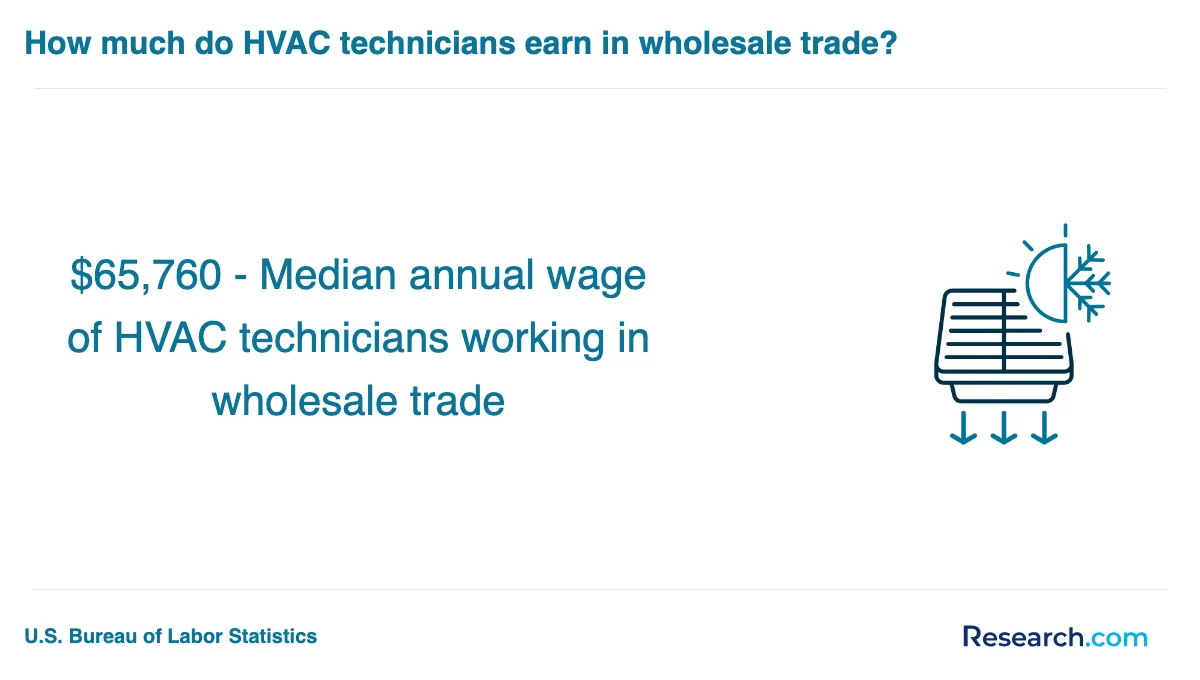
Many HVAC technician students in New Hampshire find financial aid that truly lifts their journey. Graduates from well-known trade schools often share how completing the Free Application for Federal Student Aid (FAFSA) opened doors to federal grants like the Pell Grant, helping ease tuition pressures. However, they also discovered that not all HVAC programs qualify for federal aid, especially non-credit or continuing education courses, so checking with their school's financial aid office was key.
For those ineligible for federal aid, interest-free payment plans offered by schools provided a practical path. Imagine breaking down tuition of $2,400 to $2,800 into manageable weekly payments over a few months, making education feel within reach without overwhelming upfront costs.
Many students leveraged state workforce development funds, especially those transitioning careers or seeking retraining. Local workforce offices became their allies in securing support, turning aspirations into attainable goals.
Some also benefited from scholarships through trade associations or employer sponsorships, fueling motivation and commitment. These combined options make HVAC training a hopeful and achievable step for New Hampshire learners.
To begin your journey as an HVAC technician in New Hampshire, trade schools typically ask for a few straightforward prerequisites that set you up for success. Most programs require a high school diploma or GED, ensuring you have the foundational skills to grasp technical concepts and safety protocols. Graduates often share how this basic requirement gave them confidence to dive into hands-on training with ease.
Applicants are also encouraged to have a strong interest in math and science, as these subjects are integral when working with electrical systems and thermodynamics. Many students recall feeling inspired during their early classes at popular New Hampshire trade schools, where instructors connect theory to real-world applications like installing heating systems in chilly winters.
Additional prerequisites might include:
- Proof of residency or citizenship in New Hampshire
- Passing a placement test or entrance assessment
- Basic physical fitness to handle the demands of HVAC work
These requirements ensure you are prepared mentally and physically for the rewarding challenges ahead, creating a pathway that many graduates describe as empowering and life-changing.
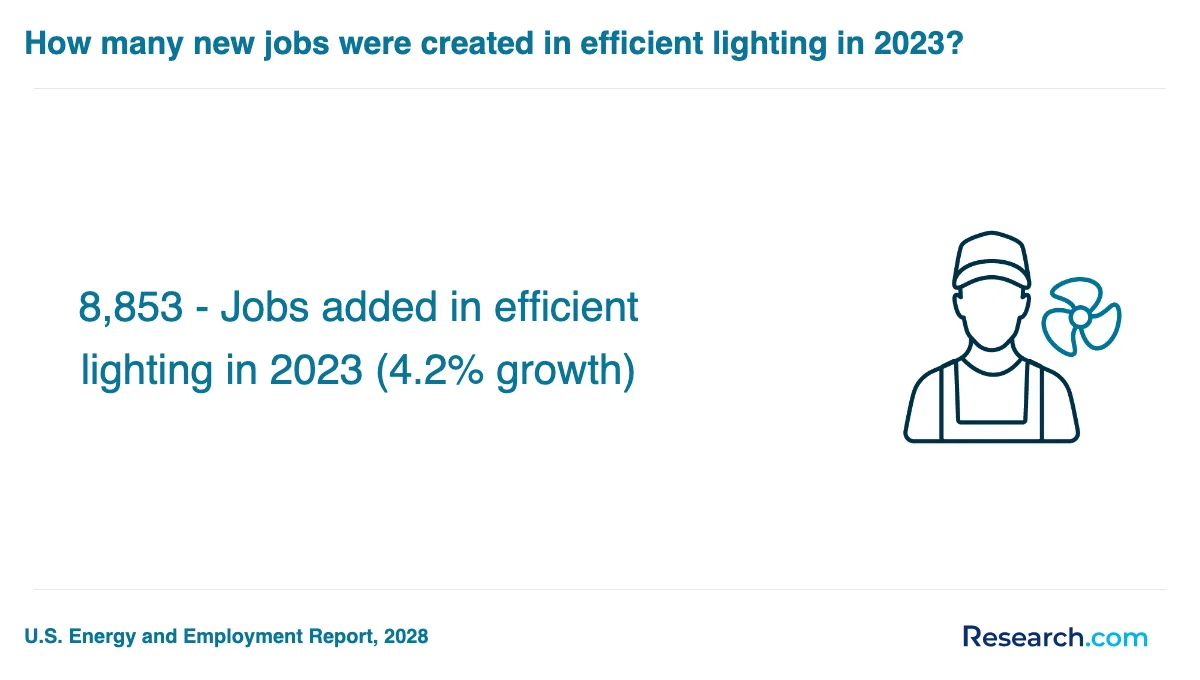
New Hampshire HVAC technician trade schools offer a dynamic mix of courses that ignite passion and build confidence. Starting with HVAC 101, students grasp the fundamentals of thermodynamics and the refrigerant cycle, laying a solid foundation for success. Graduates from Granite State Trade School often describe how mastering basic installation and repair techniques made them feel empowered to tackle real-world challenges.
As students advance, they dive into hands-on training in:
- Installation and maintenance of HVAC/R equipment
- Use of essential tools, meters, and measuring devices
- Electrical wiring and service troubleshooting techniques
The New Hampshire School of Mechanical Trades, among others, enriches learning with specialized courses like Oil Heat Technician and Gas Piping Installer, enabling students to confidently handle oil-fired and gas-fired systems. Safety training, including OSHA 10 courses, is woven throughout, ensuring graduates enter the workforce prepared and secure.
Many students find the tiered curriculum, culminating in advanced modules covering control systems, furnaces, heat pumps, and split systems, perfectly balances theory with practical skills, making each day an exciting step toward a rewarding HVAC career.
HVAC technician trade school programs in New Hampshire offer exciting specializations that empower students to shape their futures with confidence and purpose. Popular paths include Heating Services, focusing on mastering residential and commercial heating systems, and Air Conditioning/Refrigeration, where graduates become experts in cooling technologies critical for New Hampshire's varying climate. Many graduates from Manchester Community College proudly share their journey through these specializations, appreciating how focused training helped them excel in their careers.
New Hampshire HVAC technician training programs also welcome ambitious students eager to pursue Advanced HVAC skills, often preparing for supervisory roles or technical licensing. Schools like the New Hampshire School of Mechanical Trades ensure students gain hands-on experience with gas piping and code compliance, vital for navigating local regulations and industry standards.
Those passionate about blending technical knowledge with customer interaction find programs especially rewarding, as they emphasize communication and professionalism. Students often benefit from courses covering:
- Basic electricity for HVAC systems
- Heat pump technology
- Troubleshooting ventilation
- Commercial refrigeration applications
Flexible scheduling at Granite State Trade School and Manchester Community College makes it possible for students balancing life and work to pursue their aspirations. For those seeking affordable routes into this rewarding field, exploring the most affordable maintenance technician certification online can be a game changer, opening doors to new opportunities with ease.
Choosing from the best HVAC technician trade schools in New Hampshire means looking beyond just the classroom. Graduates often share how hands-on training at local colleges, combined with experienced instructors, boosted their confidence to tackle real-life HVAC challenges. When deciding how to choose HVAC technician programs in New Hampshire, prioritize schools that offer flexibility, such as evening or hybrid classes, to balance work and study. Some students found that programs with strong career support helped them secure internships quickly, easing the transition into full-time jobs.
It's important to think about your goals and local licensing requirements. While New Hampshire doesn't require a statewide HVAC license, some towns do, and a good program will prepare you for these certifications. A graduate from a well-known trade school mentioned how understanding licensing procedures made their job search smoother and more successful. For those torn between different training paths, it's worth exploring whether is it better to go to hvac school or apprenticeship fits your learning style and career aspirations best.
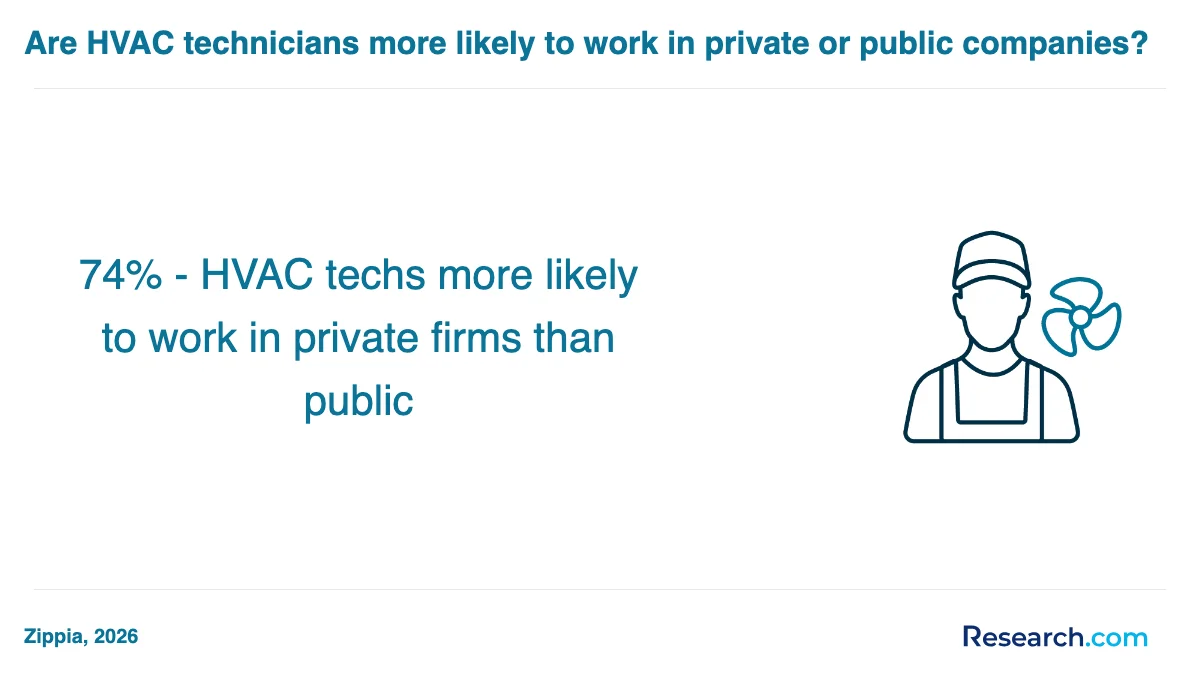
Graduates of HVAC technician trade school programs in New Hampshire step into a vibrant array of HVAC career opportunities in New Hampshire, fueled by strong local demand and diverse industry needs. Many begin as skilled HVAC technicians, installing and maintaining systems in homes and businesses across the state, gaining invaluable hands-on experience that builds confidence and expertise.
Others embrace specialized paths such as:
- HVAC installers who bring new construction projects to life by setting up advanced systems,
- service technicians focused on troubleshooting and repairing critical HVAC problems,
- HVAC refrigeration technicians working with essential commercial units in supermarkets and hospitals,
- apprentices enjoying paid on-the-job training, like those enrolled in programs partnered with Manchester Community College, which enriches real-world skills and career growth.
The versatility of HVAC technician jobs in New Hampshire also opens doors to roles beyond the basics, including sheet metal journeyman, project management, system design, and HVAC sales. Graduates tell inspiring stories of turning technical know-how from popular trade schools into rewarding careers with upward mobility.
If you seek guidance on what are the requirements to become an hvac technician, knowing these paths empowers you to craft your future in this ever-evolving industry.
The HVAC technician job outlook in New Hampshire is strong and promising for graduates of local trade schools. Many recent graduates from well-known programs have quickly found rewarding jobs thanks to the state's steady demand for skilled HVAC professionals. Whether maintaining heating systems through cold winters or ensuring air conditioning in humid summers, technicians in New Hampshire enjoy consistent work year-round. Graduates often share how hands-on training and industry certifications gained at popular trade schools gave them the confidence to step into the workforce seamlessly.
HVAC technician demand in New Hampshire is supported by diverse employers, from small local contractors to larger service companies across cities like Manchester and Concord. Trade school graduates appreciate the positive environment where wages are competitive and rising, translating into a sustainable career. Typical benefits include:
- Competitive salaries averaging around $60,000 annually
- Strong local demand ensuring ample job openings
- Opportunities for overtime and career growth
If you're considering entering this field, exploring the top online vocational trade schools can help you find the best fit for your goals and unlock your potential in New Hampshire's HVAC market.
Best HVAC Technician Training Programs & Trade Schools - Top HVAC Tech Schools in New Hampshire for 2026
# 1 position
Manchester Community College - Heating, Air Conditioning, Ventilation and Refrigeration Maintenance Technology/Technician.
associateManchester Community College offers a hybrid program in Heating, Air Conditioning, Ventilation and Refrigeration Maintenance Technology/Technician. The curriculum trains students to repair, install, service, and maintain heating, air conditioning, and refrigeration systems. Instruction covers diagnostic techniques, testing equipment, and mechanical, electrical, and electronic principles related to these systems. The annual in-state tuition is $7,090. The program is accredited by the New England Commission on Higher Education.
# 2 position
Manchester Community College - Heating, Air Conditioning, Ventilation and Refrigeration Maintenance Technology/Technician.
certificate or diplomaManchester Community College offers a hybrid program in Heating, Air Conditioning, Ventilation and Refrigeration Maintenance Technology/Technician. The curriculum prepares students to repair, install, service, and maintain HVAC and refrigeration systems, emphasizing diagnostic techniques, testing equipment, and mechanical and electrical principles. The annual in-state tuition is $7,090. The program is accredited by the New England Commission on Higher Education.
Frequently Asked Questions about HVAC technician
After completing an HVAC technician trade school in New Hampshire, preparing for the job market involves several key steps. First, obtaining industry certifications such as EPA Section 608 is essential, as it qualifies technicians to handle refrigerants legally. According to the U.S. Bureau of Labor Statistics, HVAC jobs in New Hampshire are expected to grow by 6% through 2031, signaling steady demand.
Networking is also important; joining local trade associations or unions can connect graduates with potential employers. Many schools offer job placement assistance or internships, which provide valuable hands-on experience. Additionally, updating a resume to highlight technical skills and certifications helps in job applications. Staying informed about local HVAC codes and regulations is critical for success in New Hampshire's market.
Employers in New Hampshire prioritize a mix of technical and soft skills when hiring HVAC technician trade school graduates. Strong knowledge of heating, ventilation, air conditioning, and refrigeration systems is fundamental. According to the U.S. Bureau of Labor Statistics, proficiency in electrical systems and EPA certification for handling refrigerants are essential requirements in the region.
Additionally, employers value problem-solving abilities and mechanical aptitude. Communication skills are important since technicians often explain complex issues to clients. Time management and reliability are also frequently mentioned by New Hampshire contractors.
Trade schools that integrate hands-on training with up-to-date industry standards tend to better prepare students for these employer expectations.
Finding internships relevant to HVAC technician trade school programs in New Hampshire requires a strategic approach. Start by connecting with local vocational schools and community colleges, as many have partnerships with HVAC companies offering internships. The New Hampshire Department of Employment Security often lists apprenticeship and internship opportunities in skilled trades, including HVAC.
Additionally, exploring websites like the U.S. Department of Labor's Apprenticeship Finder can help locate registered HVAC apprenticeship programs nearby. According to the Bureau of Labor Statistics, HVAC job growth in New England is projected at 5% over the next decade, increasing internship availability.
Networking through trade organizations such as the New England Fuel Institute or local HVAC contractor associations can also provide leads on internships not publicly advertised.
Obtaining a diploma from an HVAC technician trade school in New Hampshire significantly enhances career mobility and advancement opportunities. According to the U.S. Bureau of Labor Statistics, HVAC technicians in New Hampshire earn a median annual wage higher than the national average, reflecting strong local demand for skilled professionals. A trade school diploma provides essential technical skills and industry certifications, which employers often require for higher-level positions.
Graduates can access better job prospects, including roles in installation, maintenance, and system design. Many employers prefer candidates with formal training due to evolving HVAC technologies and regulatory standards in New Hampshire.
Additionally, diploma holders benefit from networking opportunities and apprenticeship placements through trade schools, facilitating faster career progression.
Students enrolled in HVAC technician trade schools in New Hampshire can benefit from part-time jobs that offer practical experience while supporting their education. Positions such as HVAC helper or apprentice technician are common and allow students to work alongside licensed professionals. According to the U.S. Bureau of Labor Statistics (BLS), New Hampshire's HVAC sector is expected to grow by 9% through 2031, indicating strong opportunities for hands-on learning. Other complementary roles include maintenance assistant jobs in commercial buildings or residential properties, where students can develop troubleshooting skills. These part-time roles often provide flexible hours to accommodate class schedules.
Additionally, some local contractors may offer seasonal work helping with installations or system inspections, which aligns well with academic calendars. Gaining work experience while studying not only enhances technical knowledge but also improves employability after graduation. The New Hampshire Employment Security (NHES) reports that HVAC technicians earn a median hourly wage of about $24, making part-time work financially viable for students. Overall, part-time roles within the HVAC field or related maintenance work serve as valuable complements for trade school students in New Hampshire.
To find the best HVAC Technician degree program near me in New Hampshire, you can start by searching local community colleges and technical schools that offer HVAC certification and training programs. Programs often provide hands-on experience and coursework in heating, ventilation, air conditioning, and refrigeration, which are essential for a career in this field. Additionally, utilizing resources like Research.com can help identify reputable institutions near New Hampshire that specialize in technical education and training.
- Best HVAC Technician Training Programs & Trade Schools - Top HVAC Tech Schools in Maine for 2026
- Best HVAC Technician Training Programs & Trade Schools - Top HVAC Tech Schools in New York for 2026
- Best HVAC Technician Training Programs & Trade Schools - Top HVAC Tech Schools in Pennsylvania for 2026
- Best HVAC Technician Training Programs & Trade Schools - Top HVAC Tech Schools in Delaware for 2026
- Best HVAC Technician Training Programs & Trade Schools - Top HVAC Tech Schools in Maryland for 2026
- Best HVAC Technician Training Programs & Trade Schools - Top HVAC Tech Schools in West Virginia for 2026
- Best HVAC Technician Training Programs & Trade Schools - Top HVAC Tech Schools in Kentucky for 2026
- Best HVAC Technician Training Programs & Trade Schools - Top HVAC Tech Schools in North Carolina for 2026
- Best HVAC Technician Training Programs & Trade Schools - Top HVAC Tech Schools in Michigan for 2026
- Best HVAC Technician Training Programs & Trade Schools - Top HVAC Tech Schools in Illinois for 2026
- What Can I Expect From HVAC Training? - CyberTex https://cybertex.edu/what-can-i-expect-from-hvac-training/
- HVAC Career Path: What to Expect After Training https://www.genesiscareer.edu/hvac-career-path-after-training/
- How Long is Trade School for HVAC Technicians? | CBT Technology Institute https://www.cbt.edu/blog/how-long-is-trade-school-for-hvac-technicians/
- HVACR Trade School | HVAC Technician Training Program https://www.uti.edu/programs/hvacr
- Career Expectations for HVAC Technicians | The Training Center of Air Conditioning & Heating https://www.thetrainingcenterofairconditioningandheating.com/hvac-career/career-expectations-for-hvac-technicians/
- How Long Does HVAC Training Take? What To Know Before You Start https://www.aai.edu/how-long-does-hvac-training-take-what-to-know-before-you-start/
- What to Ask Before Applying to HVAC School | Pennco Tech https://www.penncotech.edu/questions-to-ask-when-considering-hvac-school/
- Air Conditioning / Heating / Refrigeration (KACC) | SLCC https://www.slcc.edu/satts/programs/air-conditioning-heating-refrigeration.aspx
- How to Become an HVAC Technician in 2025 | The Ultimate Career Guide - InterCoast Colleges https://intercoast.edu/articles/become-hvac-technician/
- HVAC Technician Jobs https://leblanchvac.com/blog/careers/hvac-technician-jobs