
Most Affordable HVAC Technician Schools & Training - Budget-Friendly HVAC Trade Programs in Florida for 2026

Co-Founder and Chief Data Scientist
Choosing the right HVAC technician trade school in Florida can feel overwhelming, especially when budget matters. This article introduces a carefully crafted ranking of HVAC technician trade school programs created by the Research.com team of data scientists. It’s designed to help you make an informed choice about which programs offer the best value and quality for 2026.
Getting a diploma or certification in HVAC technology opens doors to a stable and rewarding career. Reading this guide will give you confidence in selecting a program that fits your goals and budget.
Key benefits of finishing HVAC technician trade school in Florida
- Graduates from HVAC trade schools in Florida can expect starting salaries around $39,948 to $55,800 annually, with opportunities to earn more through experience and overtime.
- A graduate from a well-known Florida trade school often finds diverse career paths, including residential service, commercial installation, or supervisory roles, offering exciting growth options.
- Completing HVAC training online provides flexibility and faster entry into the workforce, as seen with online graduates who balance learning with personal commitments and still achieve strong job prospects.
- Most Affordable HVAC Technician Schools & Training - Budget-Friendly HVAC Trade Programs in Florida for 2026
- What can I expect from HVAC technician trade schools in Florida?
- Where can I work after finishing HVAC technician trade schools in Florida?
What can I expect from HVAC technician trade schools in Florida?
When you enroll in an HVAC technician trade school program in Florida, get ready for a hands-on experience that truly prepares you for the field. Many graduates from schools like Florida State College at Jacksonville share how they dove straight into practical workshops, learning to cut pipes, wire electrical systems, and troubleshoot real HVAC units. It's not just about sitting in a classroom; you'll work with actual air conditioners, heat pumps, and refrigeration systems, making the learning process both exciting and relevant.
Expect a flexible schedule too-whether you choose a full-time 12-15 month track or a part-time evening option stretching up to 24 months, you'll find programs that fit your lifestyle. Plus, you'll cover essential topics like safety, electricity basics, and environmental rules. Many grads appreciate earning certifications like the EPA 608 Universal and OSHA 10 Safety, which boost their confidence and job prospects right after finishing.
Job placement help is often part of the package, and starting pay can be $15 an hour or more, making it a rewarding path for many who want steady, skilled work in Florida's growing HVAC industry.
Where can I work after finishing HVAC technician trade schools in Florida?
After finishing an HVAC technician trade school program in Florida, graduates find plenty of job opportunities across the state. Many start working as HVAC technicians, handling installations, repairs, and maintenance for homes and businesses. Whether it's fixing an air conditioner in a Miami apartment or servicing a commercial system in Orlando's office towers, there's no shortage of places to work.
Graduates from popular Florida trade schools often share how exciting it feels landing jobs with trusted companies like ARS/Rescue Rooter or Del-Air right after school. Some dive into specialized roles like refrigeration or controls technician, while others jump into apprenticeships, earning $16 to $18 an hour and quickly moving up.
Whether you want a fast-paced city job or a steady role in a smaller town, Florida's year-round climate means HVAC skills are always in demand. Plus, sign-on bonuses and benefits make the work even more rewarding, creating a career path that feels both secure and fulfilling.
After finishing an HVAC technician trade school in Florida, many graduates find themselves starting with salaries between $40,000 and $55,000 a year. For example, graduates from popular Florida trade schools often share how their first jobs pay around $19 to $27 per hour, which feels great when you're fresh out of school and eager to start earning. Imagine clocking in at a local HVAC company in Miami or Orlando, learning on the job, and seeing your paycheck grow as you gain real-world skills.
With experience, those numbers climb. Many HVAC pros in Florida move up to making $66,000 to $88,000 annually, especially if they pick up extra certifications or take on more responsibility. Some even hit $130,000 in busy markets like Tampa, where demand is high. Graduates often talk about how overtime helps boost their income too, sometimes adding an extra $6,700 a year. It's encouraging to know that while Florida's HVAC wages start modestly, hard work and experience pay off over time.
- HVAC programs in Florida typically last 12 to 15 months full-time or up to 24 months part-time, requiring about 1,350 clock hours of instruction.
- Applicants usually need a high school diploma or equivalent, with some programs accepting students as young as 16 after assessments or interviews.
- Curriculum covers refrigeration, electrical circuitry, load calculations, installation, repair, and includes preparation for EPA Section 608 and OSHA 10 certifications.
- Public colleges charge between $3,000 and $7,000 for the full program, excluding books and fees; financial aid may be available.
- Starting salaries for new HVAC technicians in Florida range from $35,000 to $45,000 annually, with experienced workers earning $50,000 to $60,000 or more.
Completing an HVAC technician trade school program in Florida typically takes about 6 to 12 months, depending on whether you choose a full-time or part-time schedule. Many graduates from popular Florida trade schools share how this timeframe felt just right to jumpstart their careers without a long wait. For example, those attending schools in Miami or Orlando often mention how the hands-on training felt intense but manageable, fitting well into their busy lives.
One graduate talked about balancing work and study, appreciating that the program's length allowed them to learn everything from refrigerant handling to system installation without feeling overwhelmed. Another highlighted how finishing in under a year gave them the confidence to start applying for jobs quickly, which was a huge relief in a competitive job market.
The practical nature of Florida's HVAC programs means you're not just sitting in a classroom-you're actively working on real equipment, which helps the time fly by. This direct experience is why so many find the duration to be both efficient and rewarding.
The main difference between online and on-campus HVAC technician trade school programs in Florida comes down to how you learn and practice your skills. Online programs, like the one from the University of West Florida, let you study at your own pace from anywhere. You get access to lectures and assignments through an online portal, which is perfect if you need flexibility or are juggling work and family. Graduates often appreciate finishing their coursework in as little as three months with schools like the U.S. Career Institute, enjoying the freedom of no fixed schedule.
On the flip side, on-campus programs at places like Florida State College at Jacksonville offer hands-on training that's hard to beat. Students spend time in labs working with actual HVAC equipment, installing systems, and troubleshooting under the watchful eye of instructors. This real-world experience builds confidence and practical skills that many employers in Florida highly value. For those who thrive in structured environments, the fixed class times and in-person support make all the difference.
The average cost HVAC technician trade school Florida 2026 expects generally ranges depending on the type of program chosen. Many graduates from popular trade schools across Florida share that certificate programs, which usually take six months to a year, can cost between $1,200 and $15,000. These programs focus on practical skills and swift entry into the workforce, making them perfect for those eager to start hands-on jobs quickly without a hefty price tag.
For students aiming for a more thorough education, associate degree programs in HVAC technology usually last about two years and can cost between $15,000 and $35,000. These longer programs give you a deeper foundation and often include more technical training, which some find valuable for advancing in the field. Several Florida schools offering these programs provide flexible schedules to accommodate working students, which many graduates appreciate.
Beyond tuition, graduates often mention budgeting for books and supplies ($500 to $1,000) and tools and equipment, which can add another $500 to $3,000. Many future HVAC technicians find this investment worthwhile since being well-equipped boosts their confidence on the job. Financial aid options such as grants and scholarships are definitely worth exploring early on.
Many students appreciate knowing how much is hvac technician salary potential after their investment, which helps keep motivation high throughout their studies. You can learn more about career prospects and costs at how much is hvac technician salary.
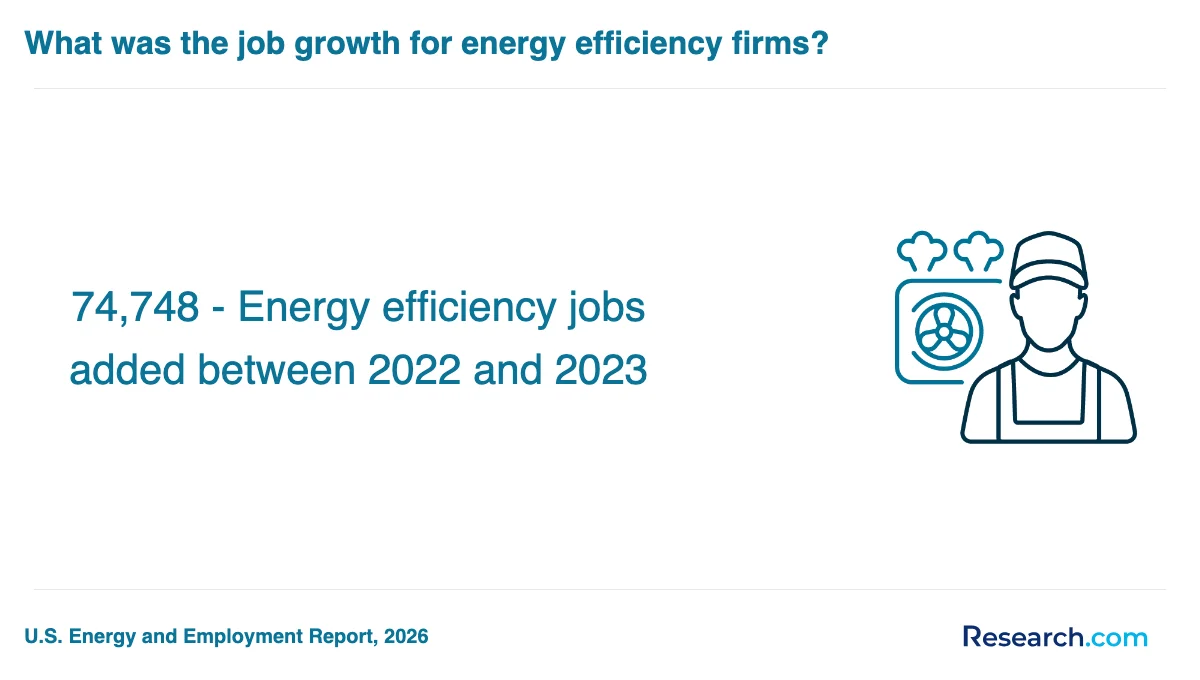
Many HVAC technician students in Florida find financial aid makes their schooling much more affordable and less stressful. For example, at Eastern Florida State College, graduates often mention how federal aid like Pell Grants and student loans helped cover the roughly $3,460 tuition for their HVAC/R certificate program. This kind of support is common across public colleges and technical schools in Florida, as long as you meet basic requirements like a high school diploma or GED.
State grants like the Florida Student Assistance Grant (FSAG) also come through for many students, especially those attending participating public institutions. Some students at Santa Fe College share how institutional scholarships, such as the Whiting-Turner Construction and Technical Education Scholarship, made a big difference by easing financial pressure while they focused on hands-on training.
On top of that, veterans and active military personnel can tap into the GI Bill® benefits, with schools like Santa Fe having dedicated offices to guide them. Payment plans and work-study opportunities further help students balance expenses, making HVAC training feel achievable and within reach for many Florida residents.
Getting into an HVAC technician trade school in Florida usually isn't complicated, but there are a few common prerequisites you'll need to meet before you start your hands-on training.
Most schools expect you to have:
- A high school diploma or GED-this is the basic foundation for understanding the technical material.
- Proof of age, usually 18 or older, since the work involves physical labor and handling equipment.
- Sometimes, a background check or drug screening, especially if the program partners with local employers for apprenticeships.
Graduates from popular Florida trade schools often share how these requirements were straightforward but essential. For example, one former student mentioned that having their high school math skills refreshed made tackling HVAC electrical systems way less intimidating.
Another common tip? Be ready to show a positive attitude and eagerness to learn. Florida trade schools value students who come prepared to get their hands dirty and dive into real-world HVAC challenges, like fixing A/C units on hot Miami days.
So, if you're ready with your diploma and a can-do spirit, you're already on the right track to starting an exciting HVAC career in Florida.
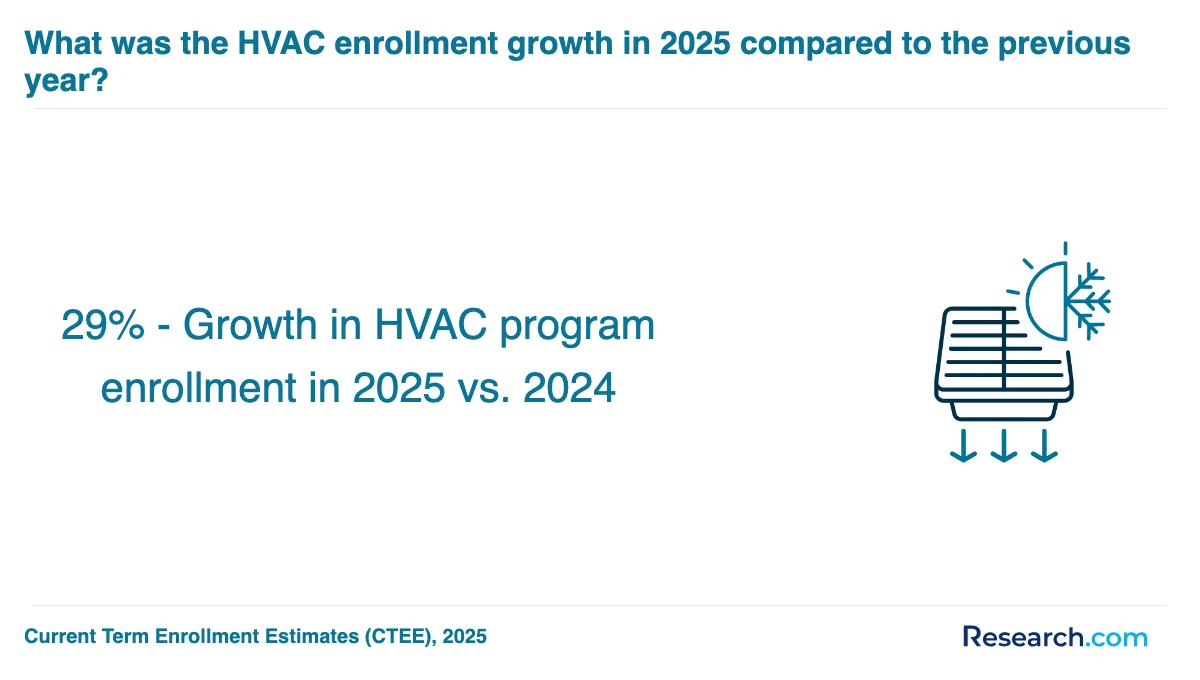
In Florida, HVAC technician trade school programs pack a lot of practical and technical knowledge into their courses, making sure you're ready to jump into the field confidently. Graduates from schools like Florida Technical College often share how the hands-on labs helped them feel equipped to handle real-world HVAC challenges.
Typical courses include:
- Safety and trade skills: Learning to work safely with tools and understanding OSHA rules is a must before anything else.
- Applied math: You'll get comfortable with calculations that matter, like load estimations and unit conversions.
- Basic electricity and electronics: Understanding circuits and troubleshooting electrical issues is key for HVAC systems.
- Refrigeration and air conditioning: Dive into thermodynamics and the vapor-compression cycle, essential for fixing modern equipment.
- Residential and commercial systems: Courses focus on installing and maintaining systems in homes and businesses.
- Laboratory practice: Expect to solder, braze, and assemble equipment under expert guidance.
- EPA 608 Certification prep: This is critical for anyone handling refrigerants legally in Florida and beyond.
Many students find that these courses, especially the hands-on parts, turn complex concepts into manageable skills. It's like getting a backstage pass to how HVAC systems really work, which makes the jump to jobs in Florida's diverse climate feel natural and exciting.
In Florida, HVAC technician trade school programs offer various specializations to equip students with the skills needed for diverse career paths. Some graduates from popular trade schools here found that focusing on Residential HVAC Systems prepared them well to handle everyday heating and cooling issues in homes, from installing ductless mini-split systems to troubleshooting furnaces.
Others enjoyed diving into Commercial HVAC Systems, learning to maintain complex setups in offices, schools, and hospitals, mastering rooftop units and advanced energy management tools.
Then there's Refrigeration Technology, where students train to keep perishables fresh in supermarkets or warehouses, working with compressors and temperature controls-perfect for those who like precision work.
More environmentally conscious students often pick Green HVAC Technology, focusing on energy efficiency and sustainable practices, including using green refrigerants and helping properties qualify for certifications like LEED. Plus, some graduates felt prepared to handle tough environments through Industrial HVAC Systems training, learning about industrial ventilation and safety in large factories.
All these options make trade vs college decisions easier for Florida students exploring hands-on HVAC careers.
Choosing the best HVAC technician trade school program in Florida means digging into what really matters: program quality, hands-on training, and how well graduates do after finishing. Many students who attended schools like Atlantic Technical College or Pinellas Technical College-St. Petersburg rave about how real-world lab experiences prepared them for actual HVAC jobs. It's smart to check out the best HVAC technician programs in Florida that combine classroom learning with solid fieldwork, so you're confident stepping into the workforce.
Another big factor is finding accredited HVAC trade schools in Florida. Accreditation ensures the program meets industry standards, making you eligible for financial aid and certifications. Graduates from programs at College of Business and Technology-Hialeah often mention the strong support services and high retention rates, which really helped them stay on track and land good jobs.
If you want to explore more options, consider checking out online trade schools that might offer flexible scheduling and competitive pricing to fit your life.
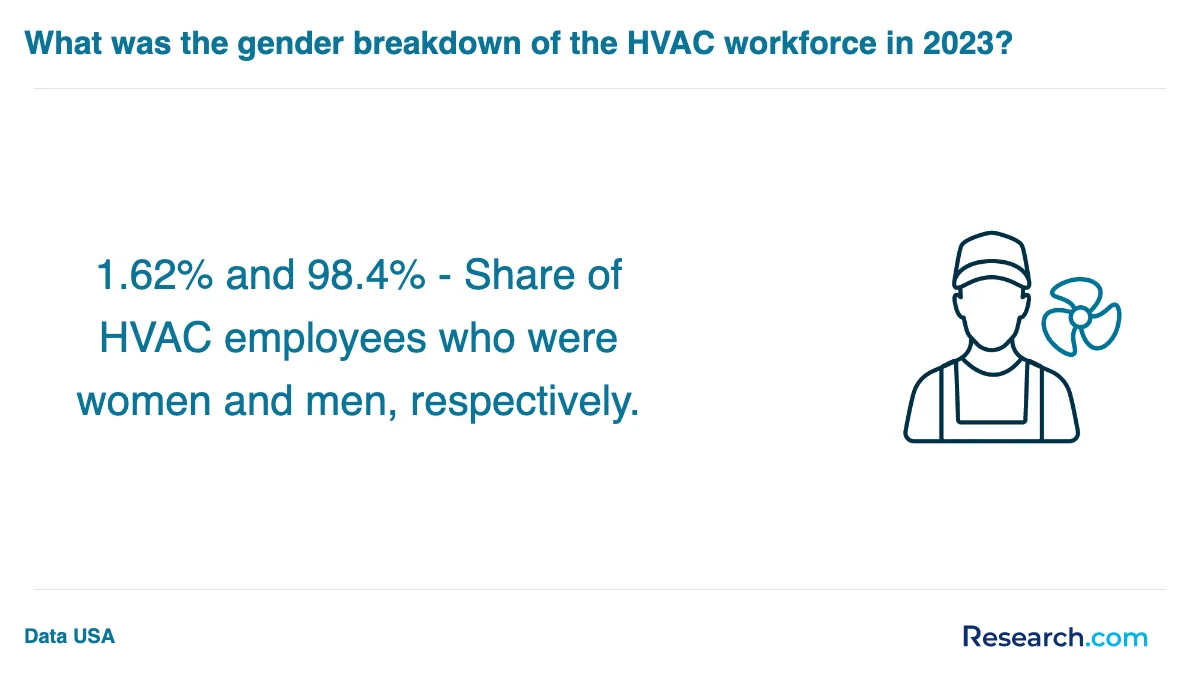
Graduates of HVAC technician trade school programs in Florida often find a wide range of HVAC career opportunities in Florida that fit their skills and interests. Many start as HVAC installer, repair technician, or service technician, gaining hands-on experience with residential and commercial systems. For example, graduates from popular Floridian trade schools frequently mention how their training helped them confidently handle real-world jobs, from installing new air conditioning units in hot Miami homes to troubleshooting cooling problems in Tampa's office buildings.
As they grow in their career, technicians can specialize in exciting areas like energy efficiency or smart home technology, which are booming sectors in Florida's market. Others pursue certifications like EPA Section 608 to unlock higher-level HVAC technician jobs in Florida, leading to supervisory or lead technician roles. Some even turn their expertise into small business ventures or become HVAC instructors, sharing their passion with new students. For those looking for affordable options to get started, exploring the cheapest maintenance technician training online might be a smart move.
The HVAC technician job demand in Florida is strong and growing, making it a great time to graduate from a trade school here. Many grads from popular Florida HVAC programs share how quickly they found work, often with multiple job offers thanks to the steady need for skilled technicians in this hot, humid state. Since Florida's climate drives high demand for cooling systems, employers are on the lookout for experts trained in the latest energy-efficient and smart HVAC technologies.
Here's what graduates typically experience:
- Over 2,200 HVAC technician jobs advertised statewide as of mid-2025
- Opportunities range from entry-level to advanced positions with bonuses and benefits
- Average pay starts around $21 per hour and can grow with experience and certifications
For those curious about training options, many turn to affordable online hvac training to get certified while balancing life and work. The HVAC technician employment outlook Florida is promising, especially for grads who keep up with evolving technologies and earn certifications that employers value.
Most Affordable HVAC Technician Schools & Training - Budget-Friendly HVAC Trade Programs in Florida for 2026
# 1 position
Indian River State College - Heating, Air Conditioning, Ventilation and Refrigeration Maintenance Technology/Technician.
certificate or diplomaIndian River State College offers a hybrid Heating, Air Conditioning, Ventilation and Refrigeration Maintenance Technology/Technician program. The curriculum prepares students to repair, install, service, and maintain HVAC and refrigeration systems using diagnostic techniques and testing equipment. Instruction covers mechanics, electricity, and electronics principles related to system repairs. The annual in-state tuition is $2,764. Graduates have a median earning of $41,239 one year after completion. The program is accredited by the Southern Association of Colleges and Schools Commission on Colleges.
# 2 position
Palm Beach State College - Heating, Air Conditioning, Ventilation and Refrigeration Maintenance Technology/Technician.
certificate or diplomaPalm Beach State College offers a hybrid program in Heating, Air Conditioning, Ventilation and Refrigeration Maintenance Technology/Technician. The curriculum covers repair, installation, servicing, and maintenance of HVAC and refrigeration systems, including diagnostic techniques and the use of testing equipment. The program emphasizes mechanics, electricity, and electronics principles. Annual in-state tuition is $3,050. Median earnings one year after completion are $42,882. It is accredited by the Southern Association of Colleges and Schools Commission on Colleges.
# 3 position
Tallahassee Community College - Heating, Air Conditioning, Ventilation and Refrigeration Maintenance Technology/Technician.
certificate or diplomaThe Heating, Air Conditioning, Ventilation and Refrigeration Maintenance Technology/Technician program at Tallahassee Community College offers hybrid learning options. It prepares students to repair, install, service, and maintain HVAC and refrigeration systems. Instruction covers diagnostic techniques, testing equipment usage, and principles of mechanics, electricity, and electronics. The annual in-state tuition is $2,026. The program is accredited by the Southern Association of Colleges and Schools Commission on Colleges.
# 4 position
Pensacola State College - Heating, Air Conditioning, Ventilation and Refrigeration Maintenance Technology/Technician.
certificate or diplomaPensacola State College offers a hybrid Heating, Air Conditioning, Ventilation and Refrigeration Maintenance Technology/Technician program. It trains students to repair, install, service, and maintain HVAC and refrigeration systems, covering diagnostic techniques, testing equipment, and principles of mechanics, electricity, and electronics. The program’s annual in-state tuition is $2,348. It is accredited by the Southern Association of Colleges and Schools Commission on Colleges.
# 5 position
Daytona State College - Heating, Air Conditioning, Ventilation and Refrigeration Maintenance Technology/Technician.
certificate or diplomaDaytona State College offers a hybrid program in Heating, Air Conditioning, Ventilation and Refrigeration Maintenance Technology/Technician. The curriculum trains students to repair, install, service, and maintain heating, air conditioning, and refrigeration systems, including diagnostic techniques and the use of testing equipment. Instruction covers mechanics, electricity, and electronics principles related to these systems. The annual in-state tuition is $3,106. The program is accredited by the Southern Association of Colleges and Schools Commission on Colleges.
# 6 position
Seminole State College of Florida - Heating, Air Conditioning, Ventilation and Refrigeration Maintenance Technology/Technician.
certificate or diplomaSeminole State College of Florida offers a hybrid program in Heating, Air Conditioning, Ventilation and Refrigeration Maintenance Technology/Technician. The program prepares individuals to repair, install, service, and maintain heating, air conditioning, and refrigeration systems. Instruction includes diagnostic techniques, use of testing equipment, and principles of mechanics, electricity, and electronics. Annual in-state tuition is $3,227. The program is accredited by the Southern Association of Colleges and Schools Commission on Colleges.
# 7 position
Florida State College at Jacksonville - Heating, Air Conditioning, Ventilation and Refrigeration Maintenance Technology/Technician.
certificate or diplomaFlorida State College at Jacksonville offers a hybrid program in Heating, Air Conditioning, Ventilation and Refrigeration Maintenance Technology/Technician. The curriculum equips students with technical skills to repair, install, service, and maintain heating and refrigeration systems, including diagnostic techniques and the use of testing equipment. Annual in-state tuition is $2,878. The program is accredited by the Southern Association of Colleges and Schools Commission on Colleges.
# 8 position
South Florida State College - Heating, Air Conditioning, Ventilation and Refrigeration Maintenance Technology/Technician.
certificate or diplomaSouth Florida State College offers a Hybrid program in Heating, Air Conditioning, Ventilation and Refrigeration Maintenance Technology/Technician. The curriculum prepares students to repair, install, service, and maintain HVAC and refrigeration systems using diagnostic techniques and testing equipment. Instruction covers mechanics, electricity, and electronics relevant to these systems. The program’s annual in-state tuition is $3,165 and it is accredited by the Southern Association of Colleges and Schools Commission on Colleges.
# 9 position
Florida International Training Institute - Heating, Air Conditioning, Ventilation and Refrigeration Maintenance Technology/Technician.
certificate or diplomaThe Heating, Air Conditioning, Ventilation and Refrigeration Maintenance Technology/Technician program at Florida International Training Institute offers a hybrid format with some distance education options. It trains students to repair, install, service, and maintain heating, air conditioning, and refrigeration systems. Coursework covers diagnostic techniques, testing equipment use, and principles of mechanics, electricity, and electronics related to system repair. The program is accredited by the Accrediting Council for Continuing Education & Training.
# 10 position
Tulsa Welding School-Jacksonville - Heating, Air Conditioning, Ventilation and Refrigeration Maintenance Technology/Technician.
certificate or diplomaThe Heating, Air Conditioning, Ventilation and Refrigeration Maintenance Technology/Technician program at Tulsa Welding School-Jacksonville offers hybrid training with some distance-education options. It prepares students to repair, install, service, and maintain heating, air conditioning, and refrigeration systems. Instruction covers diagnostic techniques, testing equipment, and principles of mechanics, electricity, and electronics relevant to these systems. The program is accredited by the Accrediting Commission of Career Schools and Colleges.
Frequently Asked Questions about HVAC technician
After completing an HVAC technician trade school in Florida, preparing for the job market involves several key steps. First, obtaining the EPA Section 608 Certification is essential, as it is federally required for handling refrigerants. Many Florida employers prioritize candidates with this certification. Next, gaining hands-on experience through internships or apprenticeships can improve job prospects significantly.
Networking is also important; joining local trade organizations such as the Florida Refrigeration and Air Conditioning Contractors Association (FRACCA) can provide valuable contacts. According to the U.S. Bureau of Labor Statistics, HVAC jobs in Florida are expected to grow about 13% through 2031, indicating strong demand. Staying updated with continuing education and state licensure requirements further enhances employability.
Employers in Florida seek HVAC technician graduates with a strong blend of technical and soft skills. According to the U.S. Bureau of Labor Statistics, proficiency in electrical systems, refrigeration, and heating equipment is essential. Practical knowledge of industry-standard tools and diagnostic equipment is highly valued.
Communication skills also rank high, as technicians often explain complex issues to customers. Problem-solving ability and attention to safety protocols are critical, given the risks involved with HVAC systems.
The Florida Department of Education emphasizes that graduates familiar with local building codes and energy efficiency standards have a competitive edge in the job market.
Finding internships in Florida relevant to HVAC technician trade school programs involves a combination of research and networking. Start by contacting your school's career services or internship coordinator, as many trade schools partner with local HVAC companies. The Florida Department of Education also provides resources and listings for apprenticeship and internship opportunities in skilled trades.
Additionally, websites like Apprenticeship.gov list registered HVAC apprenticeship programs in Florida, which often include paid internships. Industry associations such as the Air Conditioning Contractors of America (ACCA) Florida chapter can connect students with employers seeking interns. According to the U.S. Bureau of Labor Statistics, HVAC employment in Florida is expected to grow by 17% through 2031, increasing internship availability.
Networking through local trade unions and attending industry job fairs in cities like Miami, Orlando, and Tampa can further enhance internship prospects.
Obtaining a HVAC technician trade school diploma in Florida significantly enhances career mobility and advancement opportunities. According to the Florida Department of Education, graduates with a diploma are more likely to qualify for entry-level positions that offer competitive wages, averaging $45,000 annually. This credential also meets state requirements for licensing and certification, which are essential for career growth.
Employers in Florida often prioritize candidates with formal training, increasing the chances of promotions and specialized roles. The Florida Department of Economic Opportunity projects a 10% growth in HVAC jobs through 2030, underscoring the demand for qualified technicians.
Therefore, completing a diploma program supports upward career movement within this expanding industry.
Students enrolled in HVAC technician trade schools in Florida can benefit from several part-time job opportunities that complement their education. Entry-level HVAC helper positions allow students to gain hands-on experience by assisting licensed technicians with installations, maintenance, and repairs. According to the U.S. Bureau of Labor Statistics, Florida's HVAC job market is expected to grow by 15% from 2022 to 2032, making practical experience valuable.
Other relevant roles include warehouse work in HVAC supply companies and customer service positions in home improvement stores. These jobs help students understand the equipment and customer needs, enhancing their technical knowledge and communication skills. Many HVAC employers in Florida prefer candidates with both education and work experience.
If you're seeking affordable HVAC Technician degree programs near Florida, you will find several community colleges and technical institutions offering cost-effective options. Many of these programs provide comprehensive training in heating, ventilation, and air conditioning, equipping students with the skills needed for certification and employment. To locate specific programs near me, consider exploring resources like Research.com for detailed information on nearby institutions.
- Most Affordable HVAC Technician Schools & Training - Budget-Friendly HVAC Trade Programs in South Carolina for 2026
- Most Affordable HVAC Technician Schools & Training - Budget-Friendly HVAC Trade Programs in Tennessee for 2026
- Most Affordable HVAC Technician Schools & Training - Budget-Friendly HVAC Trade Programs in Louisiana for 2026
- Most Affordable HVAC Technician Schools & Training - Budget-Friendly HVAC Trade Programs in Arkansas for 2026
- Most Affordable HVAC Technician Schools & Training - Budget-Friendly HVAC Trade Programs in Virginia for 2026
- Most Affordable HVAC Technician Schools & Training - Budget-Friendly HVAC Trade Programs in West Virginia for 2026
- Most Affordable HVAC Technician Schools & Training - Budget-Friendly HVAC Trade Programs in Missouri for 2026
- Most Affordable HVAC Technician Schools & Training - Budget-Friendly HVAC Trade Programs in Indiana for 2026
- Most Affordable HVAC Technician Schools & Training - Budget-Friendly HVAC Trade Programs in Ohio for 2026
- Most Affordable HVAC Technician Schools & Training - Budget-Friendly HVAC Trade Programs in Maryland for 2026
- HVAC Apprenticeships and Internships | Generation NEXT Energy Pros https://nextenergypros.com/apprenticeships-and-internships/
- How to Find an HVAC Apprenticeship | Austin Career Institute https://austincareerinstitute.edu/blog/hvac/tips-for-finding-an-hvac-apprenticeship/
- HVAC Job Placement: Employment Strategies After Training https://www.genesiscareer.edu/hvac-job-placement-employment-strategies/
- A Guide to Skilled Trades Apprenticeships and Internships | BestColleges https://www.bestcolleges.com/trades/guide-to-skilled-trades-apprenticeships-internships/
- Hands-on Skills at the Best Schools for HVAC Training https://tidewatertechtrades.edu/blog/combination-welding-essential-skills-for-a-successful-career/
- How to Become an HVAC Technician in 2025 | The Ultimate Career Guide - InterCoast Colleges https://intercoast.edu/articles/become-hvac-technician/
- Online HVAC Technician Career Guide https://www.ashworthcollege.edu/career-diplomas/heating-air-conditioning/career-guide/
- HVAC Trade Schools: HVAC Training Programs | Fortis https://www.fortis.edu/programs/skilled-trades/heating--ventilation--air-conditioning-and-refrigeration-trades.html
- Find HVAC Trade Schools - Diploma & Associate Degree Programs https://www.trade-schools.net/trades/hvac
- Ventilation Trade School | Chicago, IL | HVAC Tech https://www.hvac-tech.com/


