Most Affordable HVAC Technician Schools & Training - Budget-Friendly HVAC Trade Programs in South Dakota for 2026

Co-Founder and Chief Data Scientist
Choosing the right HVAC technician trade school in South Dakota can feel overwhelming, but this article is here to help. We’ve gathered a ranking of top HVAC technician trade school programs, created by the Research.com team of data scientists, to guide you in making an informed decision.
Getting a diploma or certification in HVAC opens doors to a rewarding career with steady demand and growth. Exploring these affordable options makes your goal more achievable and sets you up for success.
Let’s find the best fit for your future together.
Key benefits of finishing HVAC technician trade school in South Dakota
- Graduates of HVAC technician trade schools in South Dakota can expect starting salaries around $35,680, with potential to earn up to $62,000 or more as they gain experience, reflecting strong local demand.
- Career paths often include roles in residential, commercial, and industrial HVAC services, with successful graduates from popular schools in Sioux Falls quickly finding diverse job opportunities.
- Completing an HVAC program online offers flexibility and convenience, as shown by online graduates from well-known South Dakota schools who balance work and study while launching their careers faster than traditional degree paths.
- Most Affordable HVAC Technician Schools & Training - Budget-Friendly HVAC Trade Programs in South Dakota for 2026
- What can I expect from HVAC technician trade schools in South Dakota?
- Where can I work after finishing HVAC technician trade schools in South Dakota?
What can I expect from HVAC technician trade schools in South Dakota?
When you enroll in an HVAC technician trade school program in South Dakota, expect a hands-on, career-focused journey. At schools like Southeast Technical College and Western Dakota Technical College, graduates often share how small class sizes made it easy to get personal help from instructors who really know their stuff. You'll dive into practical labs working with real equipment-think walk-in coolers, heat pumps, and commercial refrigeration systems-so you're not just reading about it, you're doing it.
Programs usually last anywhere from six months to two years, depending on if you're after a certificate or an associate degree. You'll learn everything from basic electrical work to troubleshooting complex HVAC systems, all while building skills that employers love, like problem-solving and time management. Plus, many students appreciate how these programs prepare them for important certifications, like the EPA 608, which can open doors to better job opportunities in South Dakota's growing HVAC field.
Where can I work after finishing HVAC technician trade schools in South Dakota?
After finishing an HVAC technician trade school program in South Dakota, many graduates find themselves stepping into a variety of rewarding job roles. Whether it's working for local HVAC companies in cities like Sioux Falls or Rapid City, or joining building maintenance teams in schools and hospitals, the options are plentiful. Students from popular trade schools often share how exciting it is to start as HVAC Service Technicians or Maintenance Technicians, getting hands-on experience right away.
Some grads even dive into specialized commercial HVAC roles, installing and maintaining systems in grocery stores or office buildings. Others take on related jobs like building maintenance technician positions, especially in larger institutions where their skills are in high demand. Many enjoy the flexibility of part-time or seasonal work, which is common during busy heating and cooling seasons-perfect for those balancing work and further training.
With steady openings across the state and employers like Johnson Controls and Comfort Heroes looking for certified techs, graduates feel confident about finding jobs that match their skills and career goals.
After finishing an HVAC technician trade school program in South Dakota, many graduates find themselves earning between $47,000 and $60,000 annually, depending on experience and where they work. For example, some recent grads from popular trade schools in the state started with salaries around $35,680 to $44,300, which felt like a great jump into the workforce. As they gained hands-on experience and extra certifications, they saw raises that pushed their income closer to $62,000 to $79,900 per year.
Hourly wages typically range from $26 to $35, with some employers offering up to $49 per hour for skilled technicians. Overtime is pretty common too, adding around $6,750 to $7,000 extra annually, which really helps boost take-home pay.
Graduates often mention how the combination of a solid starting wage and benefits like health insurance and paid time off makes this career path feel stable and rewarding right out of school.
- Admission typically requires a high school diploma or GED with minimum GPA or test scores, such as a 2.0 GPA or ACT score of 15.
- Program durations range from six months for certificates to two years for associate degrees, with most programs accredited by recognized bodies.
- Tuition for a one-year HVAC diploma in South Dakota usually costs between $7,000 and $10,000, including fees and tools.
- Starting salaries for new HVAC technicians average about $48,000 annually, with experienced technicians earning up to $60,000 or more.
- State licensing is not required, but local licenses may be needed; EPA Section 608 certification is mandatory for handling refrigerants.
In South Dakota, completing an HVAC technician trade school program usually takes about 6 months to a year, depending on whether you choose a full-time or part-time schedule. Many students find this timeline to be just right-long enough to gain essential hands-on skills but short enough to jump into the workforce quickly. For example, graduates from popular schools in Sioux Falls and Rapid City often share how they appreciated the focused, practical training that helped them feel job-ready in less than a year.
One graduate mentioned how balancing classes with a part-time job was manageable because the programs are designed with flexible pacing. Another recalled the excitement of finishing their coursework just in time to start an apprenticeship, which made the whole experience feel rewarding and motivating. If you're in South Dakota and want to become an HVAC technician without spending years in school, these trade programs offer a clear, achievable path forward.
The main difference between online and on-campus HVAC technician programs in South Dakota comes down to where and how you get hands-on experience. Graduates from on-campus programs at places like Southeast Technical College and Mitchell Technical Institute often talk about the value of working directly with real HVAC equipment. They describe how being in the lab, troubleshooting actual units, and practicing installations made them feel confident and ready for the job. It's a more immersive experience, with instructors right there to guide you through tricky repairs or refrigerant handling.
On the flip side, online HVAC programs-though less common in South Dakota-offer flexibility that suits busy students juggling work or family. However, these students usually need to find their own local hands-on training, which can be a bit of a challenge. Many mention that while watching video demos helps, nothing beats the feeling of fixing a real system in person. So, if you want that in-depth, practical learning vibe, on-campus programs remain the go-to choice here.
When figuring out the average cost HVAC technician trade school South Dakota can offer, many students find Southeast Technical College in Sioux Falls a solid choice. Their two-year HVAC/R Associate degree runs about $5,472 just in tuition, but with fees and extras, students often budget close to $17,280. Graduates often share how investing in this program felt totally worth it because of the hands-on experience and solid training they received.
Mitchell Technical College is another popular option, especially for those looking for a one-year diploma or a two-year AAS degree in Heating & Cooling Technology. The diploma costs around $8,194, while the AAS degree is just under $18,000 when you factor everything in. Plus, students need to plan for laptop or software fees near $999 and tools ranging up to about $3,000. Many graduates recall how having quality tools right from the start made on-the-job training much smoother and less stressful.
Beyond tuition, budgeting for tools, textbooks, and supplies is key. Expect to spend between $200 and $1,000 on basic tools, plus advanced tools can tack on another $500 to $1,500. Textbooks typically add about $200-$500 more. For those seeking financial relief, scholarships like the Build Dakota Scholarship can cover full tuition and fees for eligible students. For students curious about other options across the country, checking out low cost online hvac trade school programs can be helpful.
For many, the HVAC technician program tuition fees South Dakota schools offer reflect a worthwhile investment in a promising career path, balancing costs with quality learning and real-world experience.

Many HVAC students in South Dakota find financial aid a huge help when navigating trade school costs. For example, those attending Southeast Technical College often benefit from the Build Dakota Scholarship, which can cover full tuition for students entering HVAC/R programs. It's a real game-changer for anyone worried about expenses.
Federal aid through FAFSA is another big support system. Graduates from Mitchell Technical Institute frequently share how Pell Grants and Federal Direct Loans made their training affordable, especially since Pell Grants don't need to be repaid. These grants can cover a large portion of tuition, easing financial stress.
Work-study and apprenticeship programs are also popular. Some students at Western Dakota Technical Institute earn while they learn, gaining hands-on experience and getting paid. This combination of scholarships, grants, and paid apprenticeships means many find a way to manage tuition, tools, and book costs without feeling overwhelmed.
Getting into an HVAC technician trade school in South Dakota usually means meeting a few straightforward prerequisites, making the process pretty accessible for most people. Graduates from popular schools in the state often share how these requirements helped them feel prepared and confident from day one.
Typically, you'll need:
- A high school diploma or GED - this is the basic foundation, and most schools won't let you start without it.
- Some schools might ask for a placement test or basic math skills, since HVAC work involves measurements and calculations.
- Being at least 18 years old is common, especially because of safety rules and hands-on lab work.
- Good physical health and the ability to handle manual tasks like lifting or climbing, which many students find rewarding as they get hands-on experience.
One graduate from a well-known South Dakota trade school mentioned how having a solid grasp of basic math made the hands-on classes easier and less stressful. Another appreciated that the schools offered prep courses if students needed a quick refresher before starting.
Overall, these prerequisites aren't meant to block you but to set you up for success. If you're motivated and ready to learn, South Dakota's HVAC programs are designed to welcome you in and get you working in a skilled trade quickly.
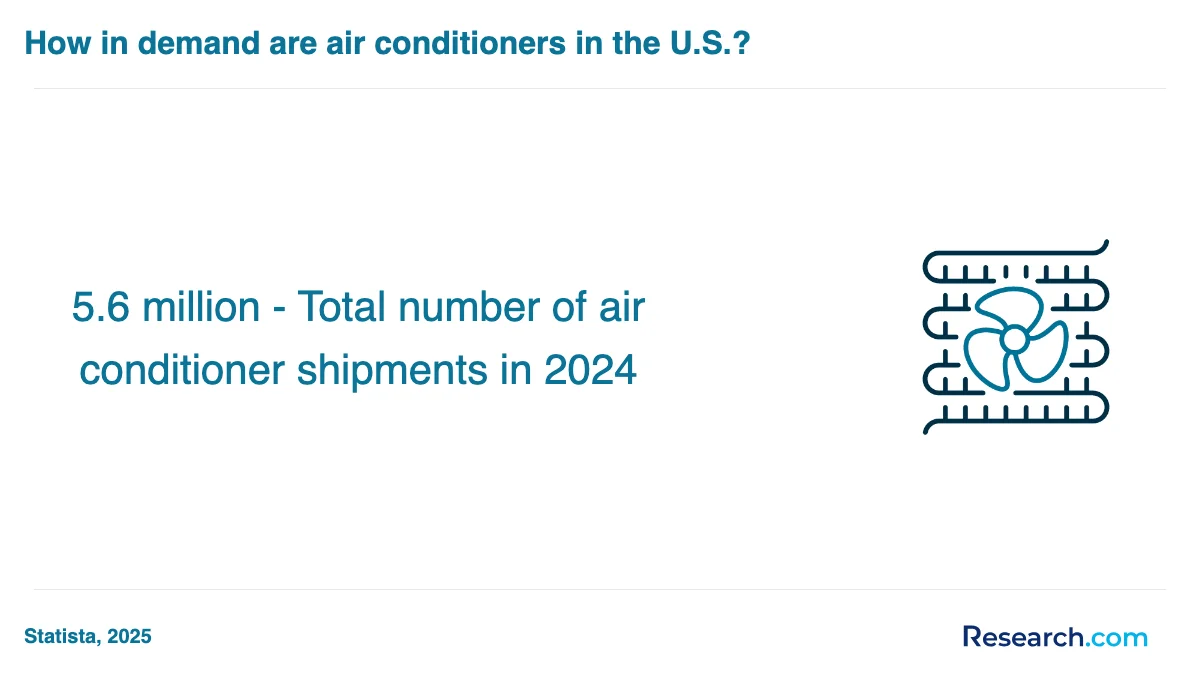
At South Dakota HVAC trade schools like Southeast Technical College and Western Dakota Technical College, students dive right into courses that blend hands-on work with solid technical knowledge. Graduates often say these programs feel like real-world training from day one, prepping them to tackle everyday HVAC challenges confidently.
Typical courses cover:
- Heating and cooling technology: Learning how furnaces, boilers, air conditioners, and heat pumps operate and how to install and repair them - imagine fixing a customer's broken furnace on a chilly winter day.
- Refrigeration technology: Working with walk-in coolers and freezers, essential for grocery stores or restaurants, helps students gain practical skills in low- and medium-temperature systems.
- Basic electricity and controls: Understanding wiring, circuits, and controls is key to diagnosing electrical issues-picture tracing a wiring fault that's shutting down an AC unit.
- System troubleshooting: Hands-on problem solving teaches students to find and fix mechanical or electrical problems efficiently on site.
- Sheet metal fabrication and installation: Crafting and installing ductwork gives a real sense of accomplishment, like fitting custom vents perfectly in a new build.
Many programs also include advanced controls and indoor air quality courses, reflecting the industry's shift toward automation and healthier indoor environments. Plus, preparation for certifications like EPA 608 means students graduate ready to handle refrigerants legally and impress employers right away.
When diving into HVAC technician trade school programs in South Dakota, you'll find several exciting options to specialize in. Many graduates from schools like Southeast Technical College and Western Dakota Technical College rave about the hands-on learning they got in refrigeration technology-perfect if you enjoy working with equipment like walk-in coolers or ice machines for restaurants and grocery stores.
Other students love focusing on heating and cooling systems, where programs cover everything from gas furnaces to heat pumps, giving you the skills to handle both residential and commercial setups. A popular South Dakota HVAC technician program concentration is also in HVAC controls and system troubleshooting, which gets you ready for the tech-driven side of the field involving electronics and diagnostics.
Additional specializations include hydronic heating and chilled water systems, great for those interested in bigger commercial projects. Many grads also appreciate courses in indoor air quality and air distribution, reflecting today's demand for healthier living and working environments. Most South Dakota trade schools offer flexible degree or certificate options to match your career goals and lifestyle.
Thinking about the big picture on your educational path and wondering why is college better than trade school? It's a question many students ask while exploring their HVAC specialization options in South Dakota trade schools.
Choosing the best HVAC technician trade schools South Dakota offers means looking for programs that combine solid accreditation and hands-on training. Many graduates praise Southeast Technical College in Sioux Falls for its fully accredited HVAC Excellence certification and a program that feels tailored to real-world skills. Others at Mitchell Technical Institute find the option between a one-year diploma and a two-year associate degree really helpful, letting them pick a pace that suits their lifestyle and goals. The practical experience offered at Western Dakota Technical College's labs in Rapid City is another highlight, where students build confidence by working directly with advanced HVAC systems.
Affordability is key too. Several students appreciate the Build Dakota Scholarship at Southeast Technical College, which can cover full tuition, making it one of the more affordable HVAC technician programs South Dakota students can access. If you're wondering how long does it take to become hvac technician, checking program length and financial aid options is a smart move.
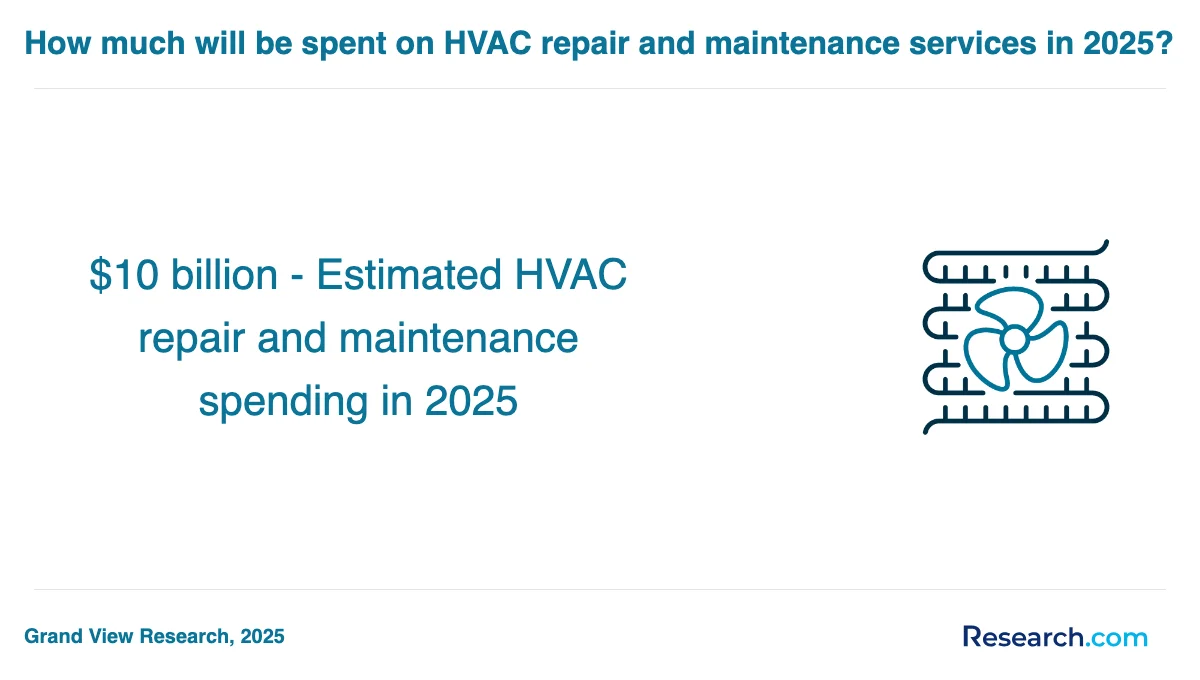
Graduates of HVAC technician trade school programs in South Dakota have a variety of exciting HVAC career opportunities South Dakota to explore. Many start as HVAC technicians, working hands-on with installation, repair, and maintenance of heating and cooling systems in homes, offices, or factories. Some grads from popular schools in Sioux Falls or Mitchell find themselves stepping into specialized roles like commercial refrigeration or environmental technician, which can be really rewarding if you enjoy working with green technologies and energy-efficient systems.
Others take the path towards leadership or entrepreneurship, becoming HVAC supervisors, sales reps, or even starting their own contracting businesses. It's common to hear from graduates who love the independence and financial upside of running their own service company.
Here's a quick look at the mix of HVAC technician jobs in South Dakota that grads get excited about after finishing their programs:
- Service technician roles for residential and commercial customers
- Energy audit and equipment performance specialist positions
- Industrial maintenance and system performance trainer jobs
Since the South Dakota market is growing, there are plenty of openings for folks ready to dive into the field. Plus, many students find online classes trade schools helpful to supplement hands-on learning with flexible study options. This variety means you can shape a career that fits your skills and passions perfectly.
The HVAC technician job outlook South Dakota is solid, especially for those graduating from well-known trade schools across the state. Graduates often share stories about landing their first roles quickly with mechanical contractors or local service companies, thanks to steady demand in both cities and rural areas. The need for HVAC techs in South Dakota is boosted by ongoing construction and the push for energy-efficient systems, making it a promising field to jump into.
Many graduates from popular South Dakota trade schools report positive experiences, highlighting:
- Consistent job opportunities tied to residential and commercial heating and cooling needs
- Competitive starting pay around $35,680, with potential growth to $62,000 annually
- Work environments that range from hospitals to food service providers and independent repair shops
As for HVAC technician salary South Dakota, it's slightly below the national average but reflects the state's lower living costs. For example, in Sioux Falls, the hourly rate averages about $23, with some employers like Sysco offering up to $49 per hour depending on experience. If you're considering a career in this field, checking out cheap online maintenance technician training options might be a great way to get started without breaking the bank.
Most Affordable HVAC Technician Schools & Training - Budget-Friendly HVAC Trade Programs in South Dakota for 2026
# 1 position
Mitchell Technical College - Heating, Air Conditioning, Ventilation and Refrigeration Maintenance Technology/Technician.
associateThe Heating, Air Conditioning, Ventilation and Refrigeration Maintenance Technology/Technician program at Mitchell Technical College offers a hybrid learning format. It prepares students to repair, install, service, and maintain HVAC and refrigeration systems. Instruction covers diagnostic techniques, testing equipment use, and principles of mechanics, electricity, and electronics. The annual in-state tuition is $7,524. The program is accredited by the Higher Learning Commission.
# 2 position
Mitchell Technical College - Heating, Air Conditioning, Ventilation and Refrigeration Maintenance Technology/Technician.
certificate or diplomaMitchell Technical College offers a hybrid program in Heating, Air Conditioning, Ventilation, and Refrigeration Maintenance Technology/Technician. The curriculum covers repairing, installing, servicing, and maintaining HVAC and refrigeration systems, including diagnostics and the use of testing equipment. Students learn principles of mechanics, electricity, and electronics relevant to these systems. The program’s annual in-state tuition is $7,524 and it is accredited by the Higher Learning Commission.
# 3 position
Southeast Technical College - Heating, Air Conditioning, Ventilation and Refrigeration Maintenance Technology/Technician.
associateSoutheast Technical College offers a hybrid program in Heating, Air Conditioning, Ventilation and Refrigeration Maintenance Technology/Technician. The curriculum prepares students to repair, install, service, and maintain HVAC and refrigeration systems using diagnostic techniques and testing equipment. Instruction covers mechanics, electricity, and electronics principles relevant to these systems. The program's annual in-state tuition is $7,650 and it is accredited by the Higher Learning Commission.
# 4 position
Southeast Technical College - Heating, Air Conditioning, Ventilation and Refrigeration Maintenance Technology/Technician.
certificate or diplomaSoutheast Technical College offers a hybrid program in Heating, Air Conditioning, Ventilation and Refrigeration Maintenance Technology/Technician. The curriculum prepares students to repair, install, service, and maintain HVAC and refrigeration systems, emphasizing diagnostic techniques, testing equipment, and principles of mechanics, electricity, and electronics. The program’s annual in-state tuition is $7,650. It is accredited by the Higher Learning Commission and includes some distance-education options.
# 5 position
Western Dakota Technical College - Heating, Air Conditioning, Ventilation and Refrigeration Maintenance Technology/Technician.
associateWestern Dakota Technical College offers a Hybrid program in Heating, Air Conditioning, Ventilation and Refrigeration Maintenance Technology/Technician. The program prepares students to repair, install, service, and maintain heating, air conditioning, and refrigeration systems. It includes training in diagnostic techniques, testing equipment, and the principles of mechanics, electricity, and electronics. The annual in-state tuition is $8,008. The program is accredited by the Higher Learning Commission.
Frequently Asked Questions about HVAC technician
After completing an HVAC technician trade school in South Dakota, graduates should focus on gaining relevant certifications such as the EPA Section 608, which is federally required for handling refrigerants. South Dakota's job market for HVAC technicians is growing steadily, with the Bureau of Labor Statistics projecting an 8% increase in employment through 2031. Networking with local contractors and trade unions can open job opportunities in cities like Sioux Falls and Rapid City. Additionally, building skills in troubleshooting modern HVAC systems and obtaining OSHA safety training improves employability. Internships or apprenticeships offered by schools or employers provide valuable hands-on experience in the field.
Employers in South Dakota highly value HVAC technician graduates who demonstrate strong technical skills and practical knowledge. Key abilities include proficiency in installing, maintaining, and repairing heating, ventilation, and air conditioning systems. According to the U.S. Bureau of Labor Statistics, understanding electrical systems and refrigeration principles is essential. Additionally, employers look for graduates with good troubleshooting skills to quickly diagnose and fix issues.
Soft skills such as communication and teamwork are also important, as HVAC technicians often work directly with customers and other tradespeople. Safety awareness and adherence to local codes and regulations are critical, given the state's emphasis on proper licensing and certification. Practical experience gained through trade school internships or apprenticeships can significantly improve job prospects in South Dakota's HVAC industry.
Finding internships in South Dakota related to HVAC technician trade school programs requires a strategic approach. Start by contacting your trade school's career services, as many have partnerships with local HVAC companies. According to the South Dakota Department of Labor and Regulation, the state supports workforce development programs that often connect students with paid internships.
Networking through local HVAC unions and trade associations, such as the South Dakota Heating, Air Conditioning & Refrigeration Contractors Association, can also provide leads. Additionally, online job platforms like the South Dakota Workforce website list HVAC internship opportunities.
Many internships focus on practical skills, giving students hands-on experience with installation and maintenance, which is essential for certification.
Obtaining a diploma from an HVAC technician trade school in South Dakota significantly enhances career mobility and advancement opportunities. According to the U.S. Bureau of Labor Statistics, HVAC technicians in South Dakota earn a median annual wage of about $50,000, with higher wages accessible to those holding formal credentials. A diploma signals to employers that a candidate has practical skills and foundational knowledge, increasing employability in a competitive job market.
Trade school graduates often qualify for entry-level positions and apprenticeships that lead to certifications such as EPA 608, essential for working with refrigerants. South Dakota's growing construction and maintenance sectors create steady demand for certified HVAC technicians, enabling diploma holders to advance into supervisory or specialized roles more quickly. The South Dakota Department of Labor reports a steady increase in HVAC job openings, reflecting positive career prospects for credentialed professionals.
Students enrolled in HVAC technician trade schools in South Dakota can benefit from part-time jobs that align with their studies. Positions such as HVAC assistant or helper at local service companies provide hands-on experience with equipment installation and maintenance. These roles often pay between $12 and $18 per hour, according to the U.S. Bureau of Labor Statistics (BLS) regional data.
Retail jobs at home improvement stores like Menards or Lowe's also offer valuable exposure to HVAC products and customer service skills. Additionally, apprenticeships registered with the Department of Labor allow students to earn while they learn.
These opportunities help build practical skills and improve employability upon graduation.
To find the most affordable HVAC Technician degree program near me in South Dakota, you should consider researching local colleges and technical schools that offer HVAC programs, as there are various programs and universities available that provide quality education at competitive prices. Additionally, utilizing resources like Research.com can help identify institutions that offer HVAC training programs near South Dakota, ensuring you have access to comprehensive information on tuition and program details. Remember to visit school websites and contact admissions offices directly for the most current and precise information on affordability and program offerings.
- Most Affordable HVAC Technician Schools & Training - Budget-Friendly HVAC Trade Programs in Minnesota for 2026
- Most Affordable HVAC Technician Schools & Training - Budget-Friendly HVAC Trade Programs in Iowa for 2026
- Most Affordable HVAC Technician Schools & Training - Budget-Friendly HVAC Trade Programs in Kansas for 2026
- Most Affordable HVAC Technician Schools & Training - Budget-Friendly HVAC Trade Programs in Wisconsin for 2026
- Most Affordable HVAC Technician Schools & Training - Budget-Friendly HVAC Trade Programs in Missouri for 2026
- Most Affordable HVAC Technician Schools & Training - Budget-Friendly HVAC Trade Programs in Oklahoma for 2026
- Most Affordable HVAC Technician Schools & Training - Budget-Friendly HVAC Trade Programs in Indiana for 2026
- Most Affordable HVAC Technician Schools & Training - Budget-Friendly HVAC Trade Programs in Michigan for 2026
- Most Affordable HVAC Technician Schools & Training - Budget-Friendly HVAC Trade Programs in Arkansas for 2026
- Most Affordable HVAC Technician Schools & Training - Budget-Friendly HVAC Trade Programs in Ohio for 2026
- Top 5 Challenges in HVAC Training and How to Overcome Them https://iconnecttraining.com/top-5-challenges-in-hvac-training-and-how-iconnect-training-overcomes-them/
- Mastering the HVAC Career: Overcoming Common Challenges https://nats.ca/Home/NewsArticle/3-common-challenges-you-may-encounter-during-your-hvac-technician-career/
- What to Expect from HVAC Training at a Technical School https://aviationmaintenance.edu/blog/your-hvac-technical-school-training-journey/
- How Long Does HVAC Training Take? What To Know Before You Start https://www.aai.edu/how-long-does-hvac-training-take-what-to-know-before-you-start/
- Hands-on Skills at the Best Schools for HVAC Training https://tidewatertechtrades.edu/blog/combination-welding-essential-skills-for-a-successful-career/
- HVAC Technician - Building Maintenance - 7am-3:30pm | Sanford Health https://sanfordcareers.com/sioux-falls-sd/hvac-technician-building-maintenance-7am-330pm/3A5EAD74589E4833A585D1252FFD8A78/job/
- HVAC School in South Dakota | Training for HVAC Jobs in SD https://www.hvacschool.org/south-dakota/
- Hvac Technician Jobs in South Dakota (Hiring Now!) - Zippia https://www.zippia.com/hvac-technician-south-dakota-jobs/
- HVAC Degree | HVAC Schools, Training Programs | South Dakota https://www.southeasttech.edu/programs/industrial/hvac/index.php
- HVAC Technician - BUILDSOUTHDAKOTA http://www.buildsouthdakota.com/college-careers/construction-career-pathways/hvac-technician/