Most Affordable HVAC Technician Schools & Training - Budget-Friendly HVAC Trade Programs in Massachusetts for 2026

Co-Founder and Chief Data Scientist
Choosing the right HVAC technician trade school in Massachusetts can feel overwhelming, but this article is here to help. Featuring a comprehensive HVAC technician trade school programs ranking created by the Research.com team of data scientists, it offers clear, data-driven insights to guide your decision.
Whether you’re starting fresh or looking to enhance your skills, earning a diploma or certification in HVAC opens doors to rewarding career opportunities. Reading this article will give you confidence in selecting a school that fits your goals and budget, setting you on a path to success in a growing field.
Key benefits of finishing HVAC technician trade school in Massachusetts
- Graduates can expect competitive salaries, with averages ranging from $57,500 to over $63,000 annually in Massachusetts, and hourly wages up to $35.42, making HVAC a financially rewarding career choice.
- Career paths include residential and commercial HVAC technician roles, service management, or starting your own HVAC business, as demonstrated by successful alumni from popular Massachusetts trade schools.
- Completing an HVAC program online offers flexible learning schedules and quicker entry into the workforce, a benefit highlighted by graduates who balance study with work or family commitments.
- Most Affordable HVAC Technician Schools & Training - Budget-Friendly HVAC Trade Programs in Massachusetts for 2026
- What can I expect from HVAC technician trade schools in Massachusetts?
- Where can I work after finishing HVAC technician trade schools in Massachusetts?
What can I expect from HVAC technician trade schools in Massachusetts?
Students enrolling in HVAC technician trade school programs in Massachusetts can expect a mix of classroom learning and hands-on training that prepares them for real-world jobs. Graduates from schools like the New England Institute of HVAC often mention how the condensed 13-week courses push them to quickly master essential skills, from electrical systems to refrigeration and ductwork. Others attending community colleges appreciate the flexible schedules, including evening and weekend classes, which allow them to balance work and study effectively.
Programs emphasize safety, energy efficiency, and industry standards, with many students gaining certifications like EPA 608 and OSHA 10 along the way. For example, graduates recall practicing on actual HVAC units, giving them confidence when entering the workforce. Some even earn credit hours toward Massachusetts-specific licenses, making their transition into local trades smoother.
Financial aid and toolkits often ease the initial investment, while job placement assistance connects students with employers ready to hire. Many report feeling well-prepared and motivated, viewing their training as a solid step toward a rewarding and stable career in Massachusetts.
Where can I work after finishing HVAC technician trade schools in Massachusetts?
After completing an HVAC technician trade school program in Massachusetts, graduates often find themselves quickly employed in diverse settings. Many start working with residential HVAC service companies, where they install and maintain systems in local homes. Others join commercial building maintenance teams, handling HVAC needs in offices, schools, or hospitals throughout the Boston metro area. Graduates from popular trade schools in Massachusetts report feeling confident stepping into roles as HVAC installers or service technicians, applying hands-on skills gained during their training.
Some graduates choose specialized paths, such as becoming HVAC controls technicians or refrigeration (HVAC/R) technicians, expanding their expertise beyond basic installation and repair. Apprenticeship programs are another common route, allowing new technicians to earn while they learn and prepare for state licensure. Many find rewarding careers in large facilities management or with contractors who value their practical training. With over 1,000 open positions statewide, graduates experience the satisfaction of entering a strong job market offering competitive wages and growth opportunities.
After finishing an HVAC technician trade school program in Massachusetts, graduates typically start earning between $18 and $24 per hour. Many from well-known trade schools in the state share that this entry-level wage lets them support themselves comfortably while gaining hands-on experience. For example, a recent graduate working in Boston reported starting at $20 per hour, appreciating the steady paycheck while learning on the job.
With time and added certifications, wages increase noticeably. It's common for technicians with a couple of years' experience to make closer to $30 to $35 per hour, especially in urban areas like Worcester where demand is higher. Some specialized roles even pay up to $40 or more hourly, which former students say feels rewarding after investing in additional training.
Overtime opportunities can boost annual earnings by around $6,750, helping graduates reach salaries in the mid-$60,000 range. This potential for growth makes HVAC trade school a practical choice for those ready to build a stable and upward career in Massachusetts.
- Most HVAC programs in Massachusetts require students to be at least 18 years old and have a high school diploma or equivalency, with some programs allowing diploma completion during training.
- Program lengths range from 17 weeks to 6 months, often including hands-on training, classroom instruction, and internships or job placement support.
- Graduates can earn certifications like EPA 608 and NATE Ready-to-Work, and must pass a state licensing exam with a minimum 70% score for Massachusetts HVAC licenses.
- Tuition ranges from $5,000 to $15,000 for private schools, while some community college and workforce programs offer free tuition to eligible residents.
- Starting wages for new HVAC technicians can reach up to $30 per hour, with strong job demand and opportunities for career growth in Massachusetts.
Completing an HVAC technician trade school program in Massachusetts typically takes about 6 to 12 months, depending on the intensity and structure of the course. Many students at well-known trade schools in the state find that a full-time program lasting around 9 months offers a balanced pace-fast enough to start working soon but thorough enough to build solid skills.
Graduates often share how this timeframe allowed them to juggle hands-on labs, classroom theory, and real-world internships without feeling overwhelmed. For example, those attending programs in the Boston area mention appreciating the practical, day-to-day HVAC troubleshooting exercises that prepare them for immediate entry into the workforce.
Part-time options extend the timeline but provide flexibility for those managing jobs or family commitments. This adaptability is a major plus for many Massachusetts students striving to advance their careers without pausing their lives. Ultimately, these programs are designed to efficiently equip students with the skills needed to pass licensing exams and secure HVAC technician roles in local industries.
The main difference between online and on-campus HVAC technician trade school programs in Massachusetts comes down to hands-on experience and flexibility. Graduates from on-campus programs at schools like the New England Institute of HVAC in Lowell often recall the value of working directly with HVAC equipment during their 13-week courses. They appreciated the real-time feedback from instructors and the chance to practice troubleshooting on actual systems, which helped build their confidence and practical skills quickly.
On the other hand, students who chose online programs through community colleges such as Bristol Community College enjoyed the ability to study on their own schedule. They found interactive videos and 3D HVAC simulation tools very helpful, especially when balancing work or family commitments. However, many online learners had to seek local internships or workshops to gain the physical experience required for certification in Massachusetts, which sometimes felt challenging but rewarding once completed.
Both paths offer solid training, but the choice depends on your need for hands-on practice versus scheduling flexibility.
The average cost HVAC technician trade school Massachusetts candidates face varies significantly depending on the program type they choose. Certificate programs, often lasting 6 to 12 months, typically range in tuition from around $1,200 to $15,000 at popular trade schools in the state. Graduates from these short-term programs often highlight their satisfaction with the focused, hands-on training that gets them quickly into the workforce without incurring years of debt.
For those pursuing HVAC technician program tuition fees Massachusetts through associate degree programs, the cost rises accordingly. These programs usually span 18 to 24 months, incorporating both general education and specialized HVAC training. In many public two-year colleges, the annual tuition including room and board averages about $11,600. Students who commit to these longer programs often appreciate the well-rounded education, which opens doors to advanced positions or continuing education.
Apprenticeships offer a distinctly different financial path. Though many apprenticeships are paid, there are often registration fees ranging between $500 and $2,000. Many Massachusetts trade school students have shared how the combination of paid work experience and classroom instruction provides a balanced, financially manageable route, making apprenticeships a practical option for those wary of upfront tuition costs.
Those planning their education budget should also consider additional expenses. Books and supplies can add $500 to $1,000, and if relocation is necessary, housing and food might add $5,000 to $10,000 yearly. For students thoughtfully exploring costs and program benefits, a good place to start understanding how to become hvac technician effectively in Massachusetts is by comparing programs and available financial aid options at local trade schools.
Students pursuing HVAC technician training in Massachusetts often rely on a combination of federal, state, and local financial aid to make their education affordable. Completing the FAFSA is a crucial first step, as it unlocks eligibility for the Federal Pell Grant, which many HVAC students at popular trade schools use to cover tuition without adding debt. Federal Direct Loans are another option, offering manageable repayment plans that recent graduates appreciate for reducing financial stress during training.
Veterans transitioning into HVAC careers benefit from GI Bill® education benefits, which cover tuition and provide living stipends, making schools like Greenfield Community College accessible without financial strain. Massachusetts residents can also apply for the MASSGrant and Tuition Waiver programs, which provide gift aid and full tuition assistance for low-income students, a relief noted by many graduates balancing family budgets.
Local initiatives such as the Bay Path Career Technical Initiative offer free HVAC training including transportation and equipment, easing barriers for unemployed or underemployed residents. Payment plans and workforce funding through MassHire further support students by spreading costs over time or covering expenses if they meet employment criteria, enabling hands-on training without overwhelming financial pressure.
To enroll in an HVAC technician trade school program in Massachusetts, you'll need to meet a few straightforward prerequisites that set you up for success. Most programs require a high school diploma or GED, ensuring you have the basic academic foundation. Graduates from popular trade schools in Massachusetts often mention how this simple step helped them feel confident moving into hands-on training.
Other common prerequisites include:
- Basic math skills, especially in algebra, to handle technical calculations
- Passing a placement test or an entrance exam to assess readiness
- Proof of residency or legal authorization to study in the state
- Physical fitness to manage the demands of the job, like lifting equipment or climbing ladders
For example, many students at well-known Massachusetts trade schools shared that meeting these requirements was manageable and gave them a clear sense of direction. They appreciated knowing what was expected before starting, which made their training feel more rewarding and less overwhelming. This pragmatic approach helps you focus on gaining skills rather than worrying about administrative hurdles.
HVAC technician trade school programs in Massachusetts cover a range of essential courses designed to build both practical skills and technical knowledge. Graduates from well-known schools like NETTTS and Greenfield Community College often share how the curriculum prepares them for real-world challenges.
Key courses include:
- Electrical systems - focusing on wiring, circuitry, and how electricity powers HVAC equipment.
- Refrigeration principles - teaching cycle theory, refrigerants, and refrigeration unit operation.
- Heating systems - covering oil burners, natural gas, and propane setups common in Massachusetts homes.
- Ventilation and ductwork - training students to install and troubleshoot air distribution systems effectively.
- Safety certifications - such as OSHA 10 and EPA 608, critical for workplace safety and legal refrigerant handling.
Hands-on labs let students practice installing and repairing HVAC units with real tools, which many graduates say greatly boosted their confidence before entering the workforce.
Additional training may include pipefitter skills, energy efficiency, and system diagnostics-preparing students for diverse roles across residential, commercial, and industrial settings in the state.
Massachusetts HVAC technician trade school programs offer a variety of specializations that prepare students for diverse career paths. Graduates often highlight refrigeration technology as a core focus, where hands-on training in both commercial and residential refrigeration systems is emphasized. Schools like NETTTS and Benjamin Franklin Cummings Institute provide coursework aligned with licensing requirements, helping students efficiently pursue refrigeration and air conditioning certifications Massachusetts.
Other sought-after tracks include oil and gas heating systems, especially essential in areas of Massachusetts that rely heavily on these energy sources. Programs at Southeastern Technical Institute and the Technology Learning Center equip students for the Massachusetts State Oil Burners License, giving them a practical edge in the job market.
Students also appreciate specializations in pipefitting and steam engineering, which cover vital skills for industrial HVAC settings. Renewable energy technology and air distribution systems are gaining popularity, reflecting a growing focus on sustainability and system efficiency. Many students find safety certifications like OSHA 10-hour and EPA Section 608 included, enhancing their readiness.
For those considering flexible learning, several leading programs offer robust online coursework. To compare options, check out comprehensive rankings of online trade schools tailored to HVAC specialization programs in Massachusetts.
Choosing the best HVAC technician trade school program in Massachusetts means focusing on practical factors like accreditation, hands-on training, and certification preparation. Graduates from schools such as the New England Institute of HVAC report how the small class sizes and real-world lab sessions helped build confidence and job-ready skills quickly. Programs that prepare you for Massachusetts HVAC licensing and EPA Section 608 Certification are essential since these credentials open doors to well-paying jobs in the state.
Tuition cost is always on students' minds. Many look for affordable HVAC technician programs Massachusetts offers without sacrificing quality. For example, a 13-week course at the New England Institute costs around $6,975 for day classes but includes comprehensive training that graduates say pays off fast. Exploring financial aid and comparing costs among schools like Cape Cod Regional Technical High School can make a practical difference.
For those balancing work and study, programs with strong job placement support can make all the difference. Many graduates appreciate knowing they have expert help securing positions after finishing. To explore options, consider checking affordable online maintenance technician trade programs as a starting point to find flexible pathways that fit your career goals.

Graduates of HVAC technician trade school programs in Massachusetts often begin their careers as service technicians or installers, tackling tasks such as installing and repairing heating, ventilation, air conditioning, and refrigeration systems. Many find work immediately through HVAC service companies, construction firms, or building management organizations. Hands-on apprenticeships offered by popular trade schools in the state provide practical experience while earning, making the transition into HVAC technician jobs in Massachusetts both swift and financially feasible.
With time and experience, these graduates typically explore diverse HVAC contractor career paths Massachusetts offers, including specialization in energy-efficient systems, industrial refrigeration, or advanced HVAC technologies. For example, some choose to earn contractor's licenses to supervise larger projects, manage teams, or launch their own businesses-transformations often inspired by interactions with instructors and mentors at the trade school.
Career growth commonly follows this progression:
- Entry-level technician roles with steady work and income
- Apprenticeship hours combined with on-the-job training
- Advanced certifications or licensing leading to supervisory roles
- Entrepreneurship or roles in system design and building automation
This flexible training path, favored by graduates from well-known Massachusetts institutions, balances earning and learning and positions technicians for stable, rewarding careers. For students weighing trade school versus college, this route emphasizes practical skills matched to strong local demand, promising job security and multiple growth avenues in the field.
HVAC technician trade school graduates in Massachusetts enter a job market that rewards skill and experience with competitive pay and promising opportunities. Those finishing programs at well-known regional schools often find starting wages around $30.86 per hour, with annual salaries ranging from $50,000 to over $63,000 depending on specialization and location. This aligns well with the HVAC technician salaries in Massachusetts, which notably exceed the national median.
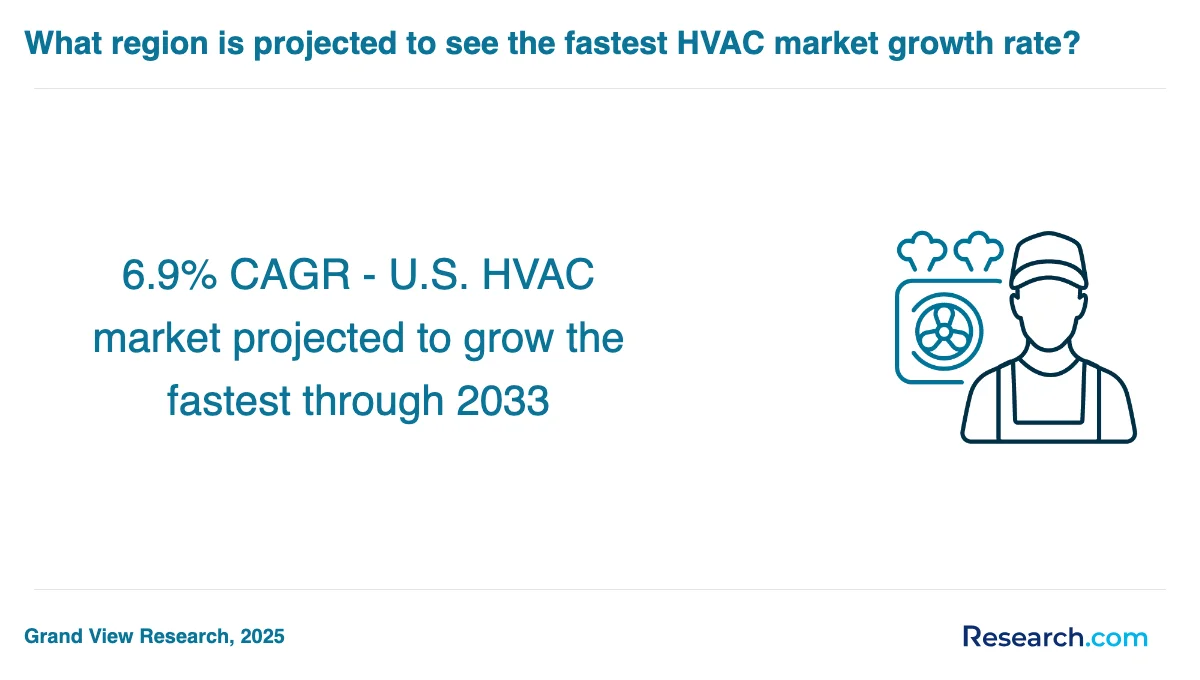
Graduates frequently report that securing their first role requires persistence, but gaining certifications or focusing on commercial HVAC or refrigeration can boost their earning potential substantially. Employers in areas with higher living costs often offer premium pay, reflecting local demand. The HVAC technician job outlook in Massachusetts remains positive, supported by industry growth projected at 9% nationally through 2033, and ongoing system upgrades and replacements.
Success stories from trade schools show graduates quickly advancing thanks to hands-on training and strong industry ties. Those weighing career paths might benefit from choosing between hvac apprenticeships and certifications to optimize their entry into the market.
Most Affordable HVAC Technician Schools & Training - Budget-Friendly HVAC Trade Programs in Massachusetts for 2026
# 1 position
Springfield Technical Community College - Heating, Air Conditioning, Ventilation and Refrigeration Maintenance Technology/Technician.
associateSpringfield Technical Community College offers a hybrid program in Heating, Air Conditioning, Ventilation and Refrigeration Maintenance Technology/Technician. The curriculum prepares students to repair, install, service, and maintain HVAC and refrigeration systems, covering diagnostic techniques, testing equipment, and principles of mechanics, electricity, and electronics. The program is accredited by the New England Commission on Higher Education. Annual in-state tuition is $5,520, and median earnings one year after completion are $31,369.
# 2 position
Springfield Technical Community College - Heating, Air Conditioning, Ventilation and Refrigeration Maintenance Technology/Technician.
certificate or diplomaSpringfield Technical Community College offers a hybrid program in Heating, Air Conditioning, Ventilation and Refrigeration Maintenance Technology/Technician. The program prepares students to repair, install, service, and maintain HVAC and refrigeration systems using diagnostic techniques and testing equipment. Instruction covers mechanics, electricity, and electronics related to these systems. Annual in-state tuition is $5,520. The program is accredited by the New England Commission on Higher Education. Median earnings one year after completion are $31,369.
# 3 position
Massasoit Community College - Heating, Air Conditioning, Ventilation and Refrigeration Maintenance Technology/Technician.
associateMassasoit Community College offers a hybrid program in Heating, Air Conditioning, Ventilation, and Refrigeration Maintenance Technology/Technician. The curriculum prepares students to repair, install, service, and maintain HVAC and refrigeration systems, emphasizing diagnostic techniques and the use of specialized testing equipment. Instruction covers mechanics, electricity, and electronics relevant to these systems. The annual in-state tuition is $5,376. The program is accredited by the New England Commission on Higher Education.
# 4 position
New England Tractor Trailer Training School of Massachusetts - Heating, Air Conditioning, Ventilation and Refrigeration Maintenance Technology/Technician.
certificate or diplomaThe Heating, Air Conditioning, Ventilation and Refrigeration Maintenance Technology/Technician program at New England Tractor Trailer Training School of Massachusetts prepares students to repair, install, service, and maintain heating, air conditioning, and refrigeration systems. The hybrid program includes instruction in diagnostic techniques, testing equipment use, and principles of mechanics, electricity, and electronics. Median earnings one year after completion are $42,532. The program is accredited by the Accrediting Commission of Career Schools and Colleges.
# 5 position
Southeastern Technical Institute - Heating, Air Conditioning, Ventilation and Refrigeration Maintenance Technology/Technician.
certificate or diplomaThe Heating, Air Conditioning, Ventilation and Refrigeration Maintenance Technology/Technician program at Southeastern Technical Institute offers a hybrid format with some distance-education options. It prepares students to repair, install, service, and maintain heating, air conditioning, and refrigeration systems. Instruction covers diagnostic techniques, testing equipment use, and principles of mechanics, electricity, and electronics related to these systems. The program is accredited by the Council on Occupational Education.
# 6 position
Motoring Technical Training Institute - Heating, Air Conditioning, Ventilation and Refrigeration Maintenance Technology/Technician.
certificate or diplomaThe Heating, Air Conditioning, Ventilation and Refrigeration Maintenance Technology/Technician program at Motoring Technical Training Institute is a hybrid course designed to teach repair, installation, service, and maintenance of HVAC and refrigeration systems. Students learn diagnostic techniques, use of testing equipment, and principles of mechanics, electricity, and electronics. Graduates have a median earning of $51,281 one year after completion. The program is accredited by the Accrediting Commission of Career Schools and Colleges.
# 7 position
Quinsigamond Community College - Heating, Air Conditioning, Ventilation and Refrigeration Maintenance Technology/Technician.
certificate or diplomaQuinsigamond Community College offers a hybrid Heating, Air Conditioning, Ventilation and Refrigeration Maintenance Technology/Technician program. This program prepares students to repair, install, service, and maintain HVAC and refrigeration systems. Instruction covers diagnostic techniques, testing equipment, and mechanical, electrical, and electronic principles relevant to these systems. The annual in-state tuition is $5,974. The program is accredited by the New England Commission on Higher Education.
# 8 position
Benjamin Franklin Cummings Institute of Technology - Heating, Air Conditioning, Ventilation and Refrigeration Maintenance Technology/Technician.
certificate or diplomaThe Heating, Air Conditioning, Ventilation and Refrigeration Maintenance Technology/Technician program at Benjamin Franklin Cummings Institute of Technology prepares students to repair, install, service, and maintain HVAC and refrigeration systems. The hybrid program covers diagnostic techniques, testing equipment, mechanics, electricity, and electronics relevant to these systems. Annual in-state tuition is $18,906. Median earnings one year after completion reach $29,266. The program is accredited by the New England Commission on Higher Education.
Frequently Asked Questions about HVAC technician
After completing an HVAC technician trade school in Massachusetts, graduates should focus on obtaining EPA Section 608 certification, which is federally required to handle refrigerants. Many employers in Massachusetts prefer candidates with this certification, as noted by the U.S. Bureau of Labor Statistics. Networking through local trade unions and industry associations like the Air Conditioning Contractors of America (ACCA) can improve job prospects. Additionally, gaining hands-on experience through apprenticeships or internships is highly recommended. According to MassHire, the demand for HVAC technicians in Massachusetts is projected to grow by 10% through 2030, making timely preparation essential for entering this expanding field.
Employers hiring HVAC technician graduates in Massachusetts prioritize a mix of technical and soft skills. According to the Massachusetts Executive Office of Labor and Workforce Development, strong knowledge of heating, ventilation, and air conditioning systems is essential, including installation, maintenance, and repair expertise.
Practical skills in electrical systems and refrigeration technology are also highly valued, as many HVAC jobs require troubleshooting complex equipment safely and efficiently. Additionally, employers look for proficiency in reading blueprints and technical manuals to ensure accurate system assessments.
Communication skills are increasingly important. HVAC technicians must explain system issues and solutions clearly to clients and coworkers. Problem-solving ability and adaptability are key, given the evolving technology in energy-efficient HVAC systems.
Workplace safety awareness is mandatory, with many employers expecting certification in OSHA standards. The U.S. Bureau of Labor Statistics notes that certified technicians tend to have better job prospects in Massachusetts' competitive market.
Finding internships in Massachusetts relevant to HVAC technician trade school programs involves several practical steps. Start by contacting your trade school's career services office, as many schools have partnerships with local HVAC companies for internship placements. According to the Massachusetts Department of Labor, HVAC-related internships are often available in larger cities like Boston and Worcester, where demand for skilled technicians is higher.
Networking is also important; joining local chapters of organizations such as the Refrigeration Service Engineers Society (RSES) can connect students with internship opportunities. Additionally, online job portals like MassHire list HVAC internship openings specifically in Massachusetts. The U.S. Bureau of Labor Statistics notes that hands-on experience is critical for HVAC certification and employment readiness, making internships a valuable part of your education.
Obtaining a HVAC technician trade school diploma in Massachusetts significantly enhances career mobility and advancement opportunities. According to the Massachusetts Executive Office of Labor and Workforce Development, skilled trades like HVAC are projected to grow by nearly 10% through 2030, reflecting strong demand for certified professionals.
A diploma equips students with technical skills and industry-recognized certifications, such as EPA Section 608, which are essential for securing higher-paying roles. Graduates often qualify for entry-level technician positions and can advance to supervisory or specialized technician roles faster than those without formal training.
Moreover, Massachusetts employers value trade school credentials, which can lead to increased job stability and access to apprenticeships. This credential also improves eligibility for state licensing, required for many HVAC roles, further supporting upward mobility within the field.
Students enrolled in HVAC technician trade schools in Massachusetts can benefit from several part-time job opportunities that complement their education. Entry-level roles such as HVAC helper or apprentice technician are common and provide practical experience alongside coursework. These positions often involve assisting licensed technicians with installation, maintenance, and repair tasks.
Additionally, roles in building maintenance or facilities management can expose students to HVAC systems in real-world settings. According to the U.S. Bureau of Labor Statistics, Massachusetts employs about 6,500 HVAC technicians, reflecting steady demand in the region.
Local contractors and utility companies frequently hire part-time help, offering flexible schedules suitable for students. Gaining hands-on experience while studying can enhance skills and improve job prospects after graduation.
To find the most affordable HVAC Technician degree program near me in Massachusetts, start by researching local community colleges and technical institutes as they often offer competitive tuition rates along with comprehensive training programs. Consider using educational resources like Research.com to compare programs based on tuition costs, course offerings, and proximity. In Massachusetts, several programs might be closer to your location and provide financial aid options, making them more financially accessible.
- Most Affordable HVAC Technician Schools & Training - Budget-Friendly HVAC Trade Programs in New York for 2026
- Most Affordable HVAC Technician Schools & Training - Budget-Friendly HVAC Trade Programs in New Jersey for 2026
- Most Affordable HVAC Technician Schools & Training - Budget-Friendly HVAC Trade Programs in Maine for 2026
- Most Affordable HVAC Technician Schools & Training - Budget-Friendly HVAC Trade Programs in Pennsylvania for 2026
- Most Affordable HVAC Technician Schools & Training - Budget-Friendly HVAC Trade Programs in Delaware for 2026
- Most Affordable HVAC Technician Schools & Training - Budget-Friendly HVAC Trade Programs in Maryland for 2026
- Most Affordable HVAC Technician Schools & Training - Budget-Friendly HVAC Trade Programs in Virginia for 2026
- Most Affordable HVAC Technician Schools & Training - Budget-Friendly HVAC Trade Programs in Ohio for 2026
- Most Affordable HVAC Technician Schools & Training - Budget-Friendly HVAC Trade Programs in West Virginia for 2026
- Most Affordable HVAC Technician Schools & Training - Budget-Friendly HVAC Trade Programs in South Carolina for 2026
- Find HVAC Trade Schools - Diploma & Associate Degree Programs https://www.trade-schools.net/trades/hvac
- HVACR Technician Training - Gwinnett Technical College https://gwinnetttech.edu/online-continuing-education/hvacr-technician-training/
- Ventilation Trade School | Chicago, IL | HVAC Tech https://www.hvac-tech.com/
- Entry Level HVAC Technician - Training Certificate | Midlands Technical College https://www.midlandstech.edu/programs-and-courses/advanced-manufacturing-and-skilled-trades/hvac-training-certificate
- HVAC Technology program - Texas State Technical College https://www.tstc.edu/programs/hvactechnology/
- HVACR Certification - Online Program | Penn Foster https://www.pennfoster.edu/programs/trades/hvac-technician-career-diploma
- How to write an HVAC Technician cover letter https://hipcv.com/guides/hvac-technician-cover-letter
- How to Become an HVAC Technician | Skilled Trades College of Canada https://www.skilledtradescollege.ca/resources/how-to-become-an-hvac-technician
- How To Become an HVAC Technician? Step-by-Step Career Guide https://heavyequipmentcollege.edu/how-to-become-an-hvac-technician/
- Heating, Ventilation, Air-Conditioning and Refrigeration (HVACR) https://www.com.edu/ce/industrial-craft/hvac.html