
Most Affordable HVAC Technician Schools & Training - Budget-Friendly HVAC Trade Programs in Phoenix for 2026

Co-Founder and Chief Data Scientist
Choosing the right HVAC technician trade school in Phoenix can feel overwhelming. This article makes it easier by featuring a carefully crafted HVAC technician trade school programs ranking created by the Research.com team of data scientists. Their expertise helps highlight the best options, so you can find a program that fits your goals and budget.
Whether you want a diploma or certification, completing a quality HVAC program opens doors to a rewarding career. Reading this guide will empower you to make an informed decision and take confident steps toward your future.
Key benefits of finishing HVAC technician trade school in Phoenix
- Graduates of HVAC technician trade schools in Phoenix can expect starting salaries around $51,000 per year, with experienced technicians earning up to $97,000 or more as they advance.
- Many graduates find diverse career paths, including roles as installation specialists, maintenance technicians, or supervisors, offering growth and job stability in a high-demand field.
- Completing an HVAC program online offers flexibility and convenience, allowing students to balance studies with work or family, often leading to quicker entry into the workforce compared to traditional degrees.
- Most Affordable HVAC Technician Schools & Training - Budget-Friendly HVAC Trade Programs in Phoenix for 2026
- What can I expect from HVAC technician trade schools in Phoenix?
- Where can I work after finishing HVAC technician trade schools in Phoenix?
What can I expect from HVAC technician trade schools in Phoenix?
Students entering HVAC technician trade school programs in Phoenix can expect a hands-on, practical learning experience that prepares them for real-world jobs. Graduates often share how working directly with HVAC systems in workshops helped them build confidence in troubleshooting and repairs before even stepping into a service call.
Programs in Phoenix typically blend classroom lessons on heating, cooling cycles, electrical systems, and safety with lab sessions using actual equipment. For example, many report mastering EPA Section 608 Universal Certification and OSHA safety standards during training, which employers highly value.
Duration varies: some students complete accelerated courses in as little as three months, while others engage in more thorough seven-month programs or intensive 200-hour schedules. Flexible class times, including evenings and weekends, allow working adults to balance their studies and personal life.
Graduates appreciate earning certificates that open doors to immediate entry-level jobs in Phoenix's high-demand HVAC market, making the effort feel rewarding and practical from day one.
Where can I work after finishing HVAC technician trade schools in Phoenix?
After finishing an HVAC technician trade school program in Phoenix, graduates find a variety of rewarding job opportunities locally. Many start as technicians or apprentices with HVAC service companies that handle installation, repair, and maintenance for homes and businesses. Popular Phoenix trade schools prepare students well for roles at companies like Parker & Sons and Knight Air Conditioning, where new hires quickly gain hands-on experience and benefits such as health insurance and paid time off.
Some graduates secure steady full-time positions in facilities maintenance for large organizations like Grand Canyon University, managing climate control systems across campus buildings. Others build careers with property management firms, servicing multiple sites and expanding their skills.
For those interested in customer interaction, HVAC equipment sales or dispatch positions offer pathways to blend technical knowledge with communication skills. Graduates often share how the strong local demand and competitive wages-from entry-level hourly pay to six-figure salaries during peak seasons-make pursuing HVAC training in Phoenix a smart, practical choice for stable employment.
After finishing an HVAC technician trade school program in Phoenix, graduates typically start with an annual salary around $51,071. Many find their first jobs paying between $44,589 and $59,461, which feels encouraging for those just entering the field. For example, graduates from well-regarded Phoenix trade schools often share how this starting pay helped them cover living expenses while gaining hands-on experience.
Hourly wages usually range from $28.06 to $31.00, making full-time work rewarding, especially when overtime boosts earnings by about $6,750 a year. Many find that overtime shifts not only increase income but also confidence in their new skills.
As graduates gain experience or specialize, salaries can rise substantially. Some seasoned technicians in Phoenix report earning up to $97,724 annually, with hourly rates exceeding $36. This career path offers a clear progression, which many graduates appreciate for its stability and potential to support a comfortable lifestyle.
- Accelerated HVAC programs in Phoenix can be completed in as little as 4 weeks for entry-level training, with some certification tracks lasting around 3 months and comprehensive programs up to 7 months.
- Program costs are affordable compared to multi-year degrees, with options for financing and community college hands-on training available.
- Students often earn important certifications like EPA Section 608 Universal and R410A Safety Certification, along with OSHA safety certification.
- The Phoenix HVAC job market is strong, with steady demand in residential, commercial, and industrial sectors, and many graduates find work quickly.
- Starting salaries for HVAC technicians in Phoenix range from $38,000 to $48,000, with experienced technicians earning $55,000 or more annually.
Completing an HVAC technician trade school program in Phoenix typically takes between six months and one year. Many local trade schools offer accelerated programs designed for students eager to enter the workforce quickly, balancing hands-on training with essential classroom instruction. Graduates often share that the intensive pace keeps them engaged and motivated, especially when learning in real-world lab environments that mimic Phoenix's unique climate challenges.
Popular schools in Phoenix structure their programs to accommodate working adults, with evening and weekend classes, allowing students to manage other responsibilities while progressing steadily. For example, some graduates mention that completing their certification within nine months felt rewarding as they quickly landed entry-level positions and started gaining valuable field experience.
This timeframe is ideal for those who want to jumpstart their careers without long delays, offering a practical path to becoming skilled HVAC technicians ready to handle the demands of Phoenix's hot weather and residential or commercial systems.
The main difference between online and on-campus HVAC technician trade school programs in Phoenix lies in how students learn practical skills. Graduates from on-campus programs at schools like the National Technical Institute praise the hands-on experience with real HVAC equipment, which builds confidence in troubleshooting and repairs. They describe working directly with tools and system modules under instructor supervision as invaluable, especially when preparing for real-world job challenges.
Online programs offer flexibility for those balancing work or family, letting students study at their own pace using video tutorials and simulations. However, many online learners share that they had to find local workshops or internships to gain the essential hands-on practice not fully available online. While tuition can be slightly higher for online options, students appreciate the ability to fit studies into busy schedules.
This trade-off means on-campus students often feel more immediately prepared for technician roles, while online students enjoy adaptable learning but need extra effort to secure practical training in Phoenix's community settings.
In Phoenix, the average HVAC technician program cost ranges broadly depending on the program type and length. Most comprehensive HVAC programs hover between $7,000 and $15,000, offering a mix of classroom learning and hands-on lab training. Graduates from well-known trade schools often find that the investment pays off due to strong industry certifications and job placement support included in their tuition. For example, students completing courses at Horizon Trade Institute benefit from a $9,995 program that covers multiple certification exams, providing confidence as they enter the workforce.
Many community college programs in Phoenix offer HVAC-R training culminating in an associate degree, generally taking about two years to complete. These courses tend to be more affordable and provide a strong educational foundation. Some shorter or introductory courses cost as little as $1,000 to $3,000, appealing to those seeking affordable HVAC training Phoenix 2026 before committing to longer programs. However, these may lack the certification opportunities found in full-length courses, meaning graduates might need additional training later.
Beyond tuition, students should budget for tools, materials, and textbooks, which can add several hundred dollars or more. Many schools provide financial aid, scholarships, and payment plans, helping students manage these expenses. For those exploring options, understanding what are hvac apprenticeships can also be a valuable path toward entering the field with reduced educational costs and hands-on experience.

Students pursuing HVAC technician programs in Phoenix often find financial aid essential to managing costs. Federal Student Aid is a primary resource, offering grants like the Pell Grant and loans that graduates from schools such as the National Technical Institute (NTI) and Refrigeration School, Inc. (RSI) have successfully used to fund their training. Completing the FAFSA is a critical first step to access these options.
Veterans and active-duty military personnel can benefit from the GI Bill Education Benefits, which many Phoenix HVAC students have leveraged to cover tuition, housing, and supplies at approved institutions. Local trade schools also provide scholarships and flexible payment plans, helping students balance work and study while easing financial pressure.
Some HVAC employers in Phoenix, like Parker & Sons, offer tuition reimbursement programs, rewarding graduates who commit to working with them. Additionally, state workforce initiatives such as ARIZONA@WORK provide grants and vouchers, especially for those transitioning into skilled trades from unemployment. These layered supports make HVAC training in Phoenix more accessible and affordable.
To enroll in an HVAC technician trade school program in Phoenix, candidates typically need to meet a few straightforward prerequisites that set the foundation for success. Most trade schools require a high school diploma or GED, ensuring students have basic math and reading skills essential for understanding technical manuals and safety protocols.
Graduates from popular Phoenix trade schools often mention the importance of a genuine interest in hands-on work and problem-solving, which helps them thrive during practical lab sessions and real-world training.
Common prerequisites include:
- Proof of high school completion or equivalent certificate
- Basic math proficiency, such as algebra and measurements
- Passing a background check or drug screening in some cases
- Physical ability to perform manual tasks like lifting and climbing
For example, students recall that having these basics covered made their transition into the fast-paced classrooms and workshops much smoother. Trade schools in Phoenix emphasize readiness, but also offer support to help students build confidence from day one, making the experience rewarding and motivating.
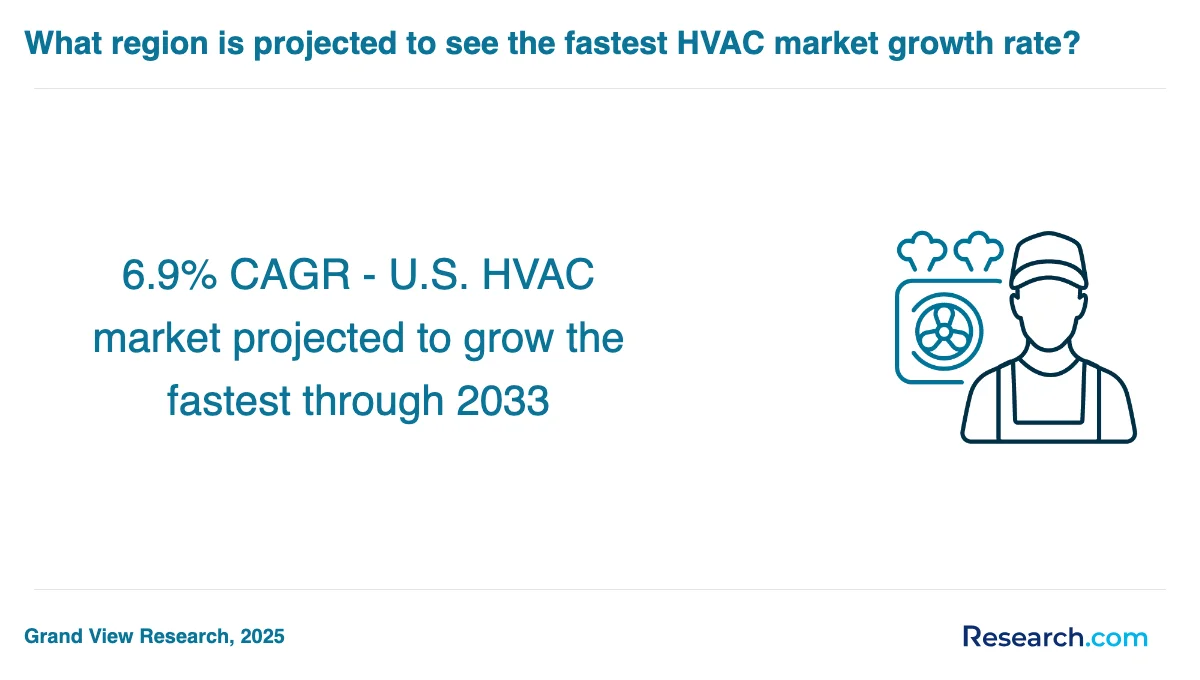
HVAC technician trade school programs in Phoenix typically include a hands-on mix of courses designed to prepare students for real-world jobs. Graduates often highlight how foundational classes on HVAC/R systems helped them understand the heating and cooling cycles they encounter daily in Arizona's hot climate. These courses cover essential topics like thermodynamics and air distribution, making complex concepts easy to grasp through practical examples.
Key courses include:
- Electrical systems and controls: Learning to read circuit diagrams and troubleshoot wiring issues, crucial for safely working on residential and commercial units.
- Installation and maintenance: Hands-on labs where students practice repairing HVAC equipment, mimicking the fast-paced environment of Phoenix service calls.
- Refrigeration technology: Focused on compressors and walk-in coolers, ideal for students aiming for roles in restaurants or retail settings common in the area.
- EPA Section 608 Certification preparation: Ensuring students meet legal requirements to handle refrigerants safely.
Popular Phoenix trade schools offer accelerated programs lasting 3 to 7 months with flexible schedules, allowing students to balance work and study while gaining confidence through practical training.
HVAC technician trade school programs in Phoenix typically offer a wide array of specializations designed to prepare students for the dynamic HVAC industry. Graduates often share how mastering subjects like heating systems, air conditioning systems, and refrigeration technologies empowered them to confidently tackle real-world challenges. Key areas covered include:
- Heating and air conditioning system installation and maintenance
- Commercial refrigeration and advanced refrigeration technologies
- Energy efficiency and green HVAC technologies
- System design, controls, and automation
- Safety protocols and compliance standards
For example, students at popular Phoenix trade schools find value in hands-on training with both residential and commercial HVAC systems, which enhances their readiness for the workforce. Programs such as those at The Refrigeration School and UEI College emphasize skills like HVAC system troubleshooting and electrical components, reflecting the practical needs in Phoenix's climate.
Exploring Phoenix HVAC training program specializations ensures you can align your career goals with market demands. To find the most suitable path, consider reviewing the best online trade school programs that match your needs and learning style.
Start by checking program accreditation to ensure the school meets national standards recognized by employers and licensing boards. Graduates from accredited schools like The Refrigeration School and GateWay Community College often feel confident entering the workforce, knowing their training is respected. Hands-on training is essential; programs at RSI and the National Technical Institute offer real-world labs and industry-standard tools, helping students build practical skills quickly.
When comparing options, consider program length and scheduling flexibility. Some graduates praise NTI's accelerated tracks, finishing in just a few months, while others appreciate RSI and Vocational Training Institute's extended schedules with day and evening classes that fit busy lifestyles. Cost is another factor-tuition ranges from around $6,895 at NTI to over $20,000 at VTI, so explore scholarships and payment plans to ease financial burdens.
Look into career support services like job placement and resume workshops. Schools such as RSI and UEI College provide valuable assistance that recent graduates say made their job search less stressful. For advice on how to compare HVAC programs in Phoenix, consider visiting vocational trade programs to find options that balance quality and affordability.
Focusing on graduate employment rates and industry reputation helps identify the best HVAC technician trade schools in Phoenix. For example, GateWay Community College's low student loan default rate and strong HVAC focus give students peace of mind about their future prospects.
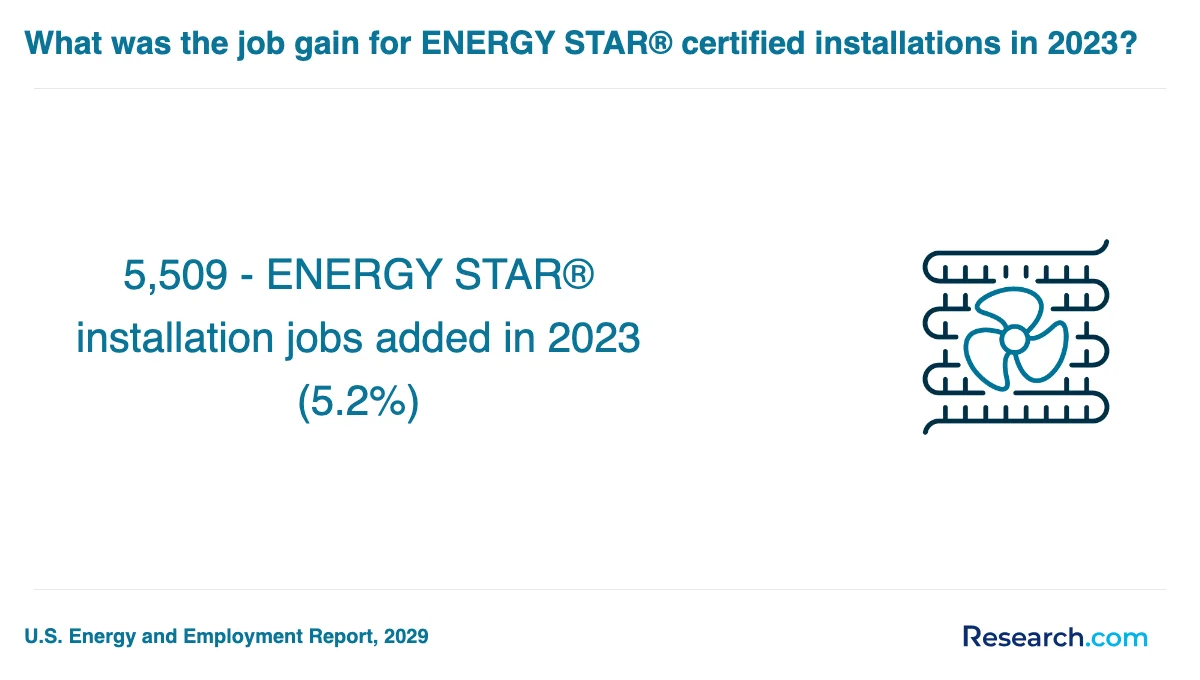
Graduates of HVAC technician trade school programs in Phoenix find a wide range of promising career paths. Many start as HVAC service technicians, focusing on installing and maintaining systems in homes and businesses-roles that are highly relevant given the city's hot climate. Popular trade schools like NTI prepare students for these hands-on jobs, where they gain valuable experience.
Specialized HVAC careers in Phoenix also stand out, especially in commercial refrigeration. Graduates can work servicing equipment in grocery stores or restaurants, boosting their income through certifications and advanced training. Many graduates mention how this specialization expanded their job opportunities beyond standard HVAC technician roles.
With experience, technicians often advance to lead installer, senior technician, or service manager positions. Others pursue self-employment, launching their own businesses and enjoying the independence that comes with it. The region's growing demand makes these HVAC technician job opportunities in Phoenix both accessible and rewarding.
For those curious about how long to become an hvac technician, graduates often reference their time at Phoenix trade schools as being well worth it for the career flexibility it provides.
The HVAC technician job demand in Phoenix is strong and steady, fueled by the city's rapid population growth, hot climate, and expanding infrastructure. Graduates from popular HVAC schools in Phoenix often find immediate openings due to over 375 job listings focused solely on HVAC technicians in the area. Many apprentices and new technicians quickly secure roles at local companies offering diverse positions-from residential service calls to commercial installation and project management.
In real-life terms, graduates from Phoenix trade schools report feeling confident about their career prospects, noting that employers highly value hands-on training combined with certifications. The chance to work in different sectors keeps their daily work engaging and the path to advancement clear.
Regarding HVAC technician salary in Phoenix Arizona, entry-level technicians typically earn between $25 and $40 per hour, while experienced workers can reach hourly rates up to $65 or annual salaries from $70,000 to $125,000 depending on skill and certifications. Benefits like health insurance and paid time off are common and enhance overall compensation.
Students seeking strong career outcomes after graduation should explore programs that emphasize practical skills and certifications. Many local HVAC programs are designed to prepare students for the thriving market and connect them directly with employers. Choosing HVAC training in Phoenix offers not only education but a reliable pathway into a resilient and rewarding profession.
For more insight on lucrative career options after trade school, students interested in HVAC should visit high paying trades.
Most Affordable HVAC Technician Schools & Training - Budget-Friendly HVAC Trade Programs in Phoenix for 2026
# 1 position
GateWay Community College - Heating, Air Conditioning, Ventilation and Refrigeration Maintenance Technology/Technician.
associateGateWay Community College offers a fully online Heating, Air Conditioning, Ventilation and Refrigeration Maintenance Technology/Technician program. It prepares students to repair, install, service, and maintain heating, air conditioning, and refrigeration systems. Instruction covers diagnostic techniques, use of testing equipment, and principles of mechanics, electricity, and electronics related to system repair. The program is accredited by the Higher Learning Commission. Annual in-state tuition is $2,358.
# 2 position
GateWay Community College - Heating, Air Conditioning, Ventilation and Refrigeration Maintenance Technology/Technician.
certificate or diplomaGateWay Community College offers a hybrid program in Heating, Air Conditioning, Ventilation and Refrigeration Maintenance Technology/Technician. The curriculum trains students to repair, install, service, and maintain HVAC and refrigeration systems, emphasizing diagnostic techniques and the use of testing equipment. Instruction covers mechanics, electricity, and electronics principles relevant to the field. The program’s annual in-state tuition is $2,358 and it is accredited by the Higher Learning Commission.
# 3 position
GateWay Community College-Central City - Heating, Air Conditioning, Ventilation and Refrigeration Maintenance Technology/Technician.
certificate or diplomaThe Heating, Air Conditioning, Ventilation and Refrigeration Maintenance Technology/Technician program at GateWay Community College-Central City offers hybrid learning options. It prepares students to repair, install, service, and maintain HVAC and refrigeration systems. Instruction includes diagnostic techniques, testing equipment use, and principles of mechanics, electricity, and electronics. The program is accredited by the Higher Learning Commission.
# 4 position
UEI College-Phoenix - Heating, Air Conditioning, Ventilation and Refrigeration Maintenance Technology/Technician.
certificate or diplomaUEI College-Phoenix offers a hybrid program in Heating, Air Conditioning, Ventilation and Refrigeration Maintenance Technology/Technician. This program prepares students to repair, install, service, and maintain HVAC and refrigeration systems, emphasizing diagnostic techniques and the use of testing equipment. Instruction covers mechanics, electricity, and electronics principles relevant to system repair. Graduates have median earnings of $33,444 one year after completion. The program is accredited by the Accrediting Council for Continuing Education & Training.
# 5 position
Refrigeration School Inc - Heating, Air Conditioning, Ventilation and Refrigeration Maintenance Technology/Technician.
certificate or diplomaThe Heating, Air Conditioning, Ventilation and Refrigeration Maintenance Technology/Technician program at Refrigeration School Inc offers hybrid learning options. It prepares students to repair, install, service, and maintain HVAC and refrigeration systems through technical knowledge and skills. Instruction covers diagnostic techniques, testing equipment, mechanics, electricity, and electronics related to these systems. The program is accredited by the Accrediting Commission of Career Schools and Colleges. Median earnings one year after completion are $48,145.
# 6 position
Carrington College-Phoenix North - Heating, Air Conditioning, Ventilation and Refrigeration Maintenance Technology/Technician.
certificate or diplomaCarrington College-Phoenix North offers a hybrid program in Heating, Air Conditioning, Ventilation and Refrigeration Maintenance Technology/Technician. The curriculum prepares students to repair, install, service, and maintain HVAC and refrigeration systems using diagnostic techniques and testing equipment. Instruction covers mechanics, electricity, and electronics principles related to these systems. The program is accredited by the Western Association of Schools and Colleges Accrediting Commission for Community and Junior Colleges.
Frequently Asked Questions about HVAC technician
After completing an HVAC technician trade school in Phoenix, preparing for the job market involves several key steps. First, obtaining relevant certifications such as EPA Section 608 is essential, as employers often require it for handling refrigerants. According to the U.S. Bureau of Labor Statistics, HVAC technician employment in Arizona is projected to grow faster than the national average through 2031, indicating strong local demand.
Networking is also crucial. Joining local trade organizations like the Arizona Refrigeration Service Engineers Society can provide valuable job leads. Additionally, many Phoenix trade schools offer career services and apprenticeship programs, which help connect graduates with employers.
Developing a resume that highlights hands-on experience gained during training and internships increases job prospects. Finally, staying updated on new HVAC technologies and continuing education improves long-term career success in Phoenix's competitive market.
Employers hiring HVAC technician graduates in Phoenix prioritize a combination of technical and soft skills. According to the U.S. Bureau of Labor Statistics and local industry reports, proficiency in electrical systems, refrigeration, and HVAC installation is essential. Graduates must also demonstrate knowledge of heating and cooling systems maintenance, including EPA certification for handling refrigerants.
Strong problem-solving abilities and mechanical aptitude are highly valued, enabling technicians to diagnose and repair equipment efficiently. Communication skills matter as well, since technicians frequently interact with clients and team members.
Additionally, familiarity with local building codes and safety regulations is crucial for compliance and job success in Phoenix's climate.
Finding internships relevant to HVAC technician trade school programs in Phoenix involves a strategic approach. Start by contacting local trade schools' career services, as many maintain partnerships with HVAC companies and contractors. The Arizona Office of Economic Opportunity reports that the Phoenix metro area has a growing demand for HVAC technicians, increasing internship opportunities.
Job boards like Indeed and the Arizona Department of Labor's website often list HVAC internships. Networking with licensed HVAC professionals through industry associations such as the Air Conditioning Contractors of America (ACCA) Greater Phoenix chapter can also lead to internships.
Additionally, some employers prefer candidates who have completed specific certifications, so inquire about these when applying.
Obtaining a HVAC technician trade school diploma in Phoenix significantly enhances career mobility and advancement opportunities. According to the U.S. Bureau of Labor Statistics, HVAC technicians in Arizona experience a steady job growth rate of about 5% through 2031, reflecting increased demand for skilled workers. A diploma provides essential technical skills and certifications recognized by local employers, improving job prospects.
Graduates often qualify for entry-level positions that lead to higher-paying roles such as HVAC supervisor or project manager. Trade schools also offer connections to industry internships, which are critical for gaining hands-on experience and networking.
In Phoenix, where the climate drives year-round HVAC needs, diploma holders enjoy a competitive edge in the job market, with median annual wages around $50,000, higher than the state average for all occupations. This credential supports upward mobility within the industry and access to specialized certifications, further boosting career growth.
Part-time job opportunities in Phoenix that complement HVAC technician trade school education include entry-level roles such as HVAC helper or maintenance assistant. These positions provide hands-on experience with equipment installation, repair, and routine maintenance. According to the U.S. Bureau of Labor Statistics, Phoenix's HVAC job market is expected to grow by 11% from 2022 to 2032, reflecting strong local demand.
Working part-time at local HVAC companies or property management firms allows students to apply classroom knowledge in real-world settings. Additionally, roles in warehouse operations or supply chain support for HVAC parts distributors can enhance understanding of the industry's logistics.
Such jobs help build practical skills and professional networks essential for career advancement in Phoenix's expanding HVAC sector.
Yes, there are affordable HVAC Technician degree programs both near you and near Phoenix, AZ. Many local community colleges and technical institutes offer HVAC programs which are designed to provide comprehensive, hands-on training at a reasonable cost. For information about specific institutions and program details in Phoenix, consider exploring resources like Research.com that focus on educational opportunities.
- Most Affordable HVAC Technician Schools & Training - Budget-Friendly HVAC Trade Programs in Las Cruces for 2026
- Most Affordable HVAC Technician Schools & Training - Budget-Friendly HVAC Trade Programs in Dallas for 2026
- Most Affordable HVAC Technician Schools & Training - Budget-Friendly HVAC Trade Programs in Lake Jackson for 2026
- HVAC Career Path: What to Expect After Training https://www.genesiscareer.edu/hvac-career-path-after-training/
- Is 6-Week HVAC Training A Good Career Choice? https://ptt.edu/what-is-the-job-scope-in-the-hvac-industry-after-completing-a-6-week-hvac-training/
- Navigating the Career Path of an HVAC Technician | CBT Technology Institute https://www.cbt.edu/blog/navigating-the-career-path-of-an-hvac-technician/
- How to Prepare for an HVAC Career | Air Conditioning & Heating Classes https://www.thetrainingcenterofairconditioningandheating.com/hvac-technician/how-to-prepare-for-an-hvac-career/
- What to expect after HVAC trade school? What is a real Technician? #realtech #technician #HVAC https://www.youtube.com/watch
- 10 Essential Tips for Starting Your HVAC Career - RightTek HVAC https://righttekhvac.com/2024/08/30/10-essential-tips-for-starting-your-hvac-career/
- 4 Tips to Prepare for an HVAC Career Path in Michigan https://www.dorsey.edu/blog/hvac-career-path-mi/
- HVAC - U.A. Local 469 https://ualocal469.org/hvac/
- HVAC Technician Salary: Guide to Wages, Jobs, & More | Faraday https://faradaycareers.com/careers/hvac-technician-salary
- Heating, Air Conditioning, and Refrigeration Mechanics and Installers : Occupational Outlook Handbook: : U.S. Bureau of Labor Statistics https://www.bls.gov/ooh/installation-maintenance-and-repair/heating-air-conditioning-and-refrigeration-mechanics-and-installers.htm


